GUIDE 01 · 2,015 WORDS
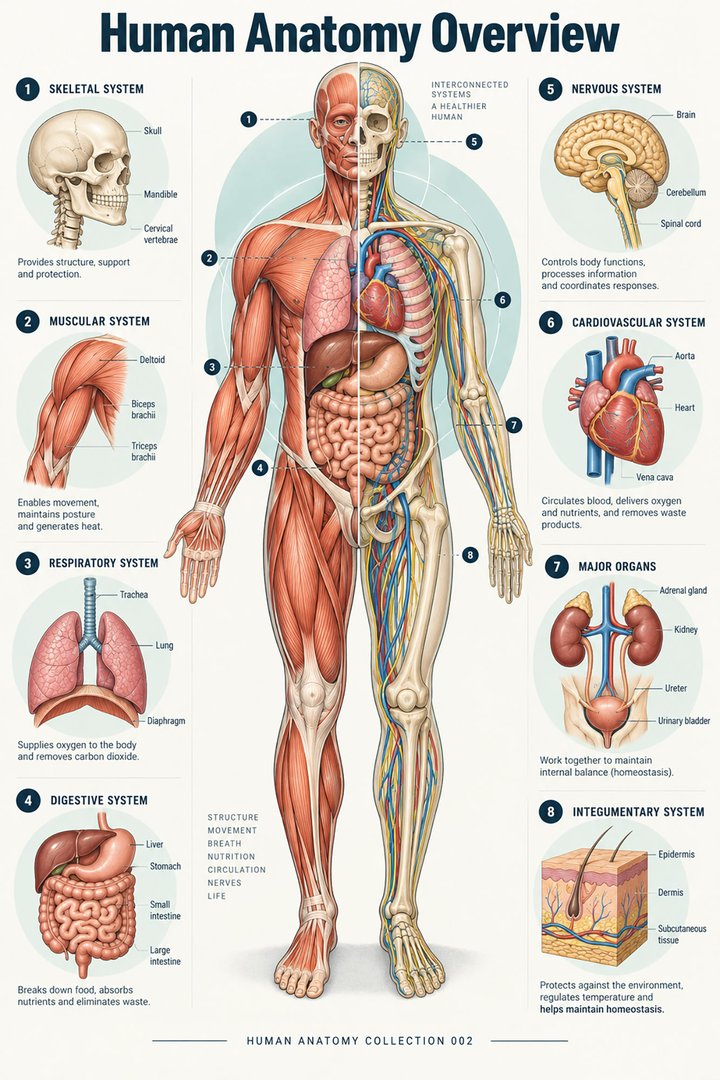
Human Anatomy Diagrams
Learn to read human anatomy diagrams with body planes, Latin terms, organ pathways, clinical applications, real images and evidence-based anatomical statistics.
Read the guide ↗ANATOMYBASE LEARNING LIBRARY
Explore the human body through clear explanations, anatomical Latin, original diagrams, real photographs, and quantitative facts.
For medical students, practice assistants, hospital teams, physicians, and eldercare professionals.
GUIDE 01 · 2,015 WORDS
Learn to read human anatomy diagrams with body planes, Latin terms, organ pathways, clinical applications, real images and evidence-based anatomical statistics.
Read the guide ↗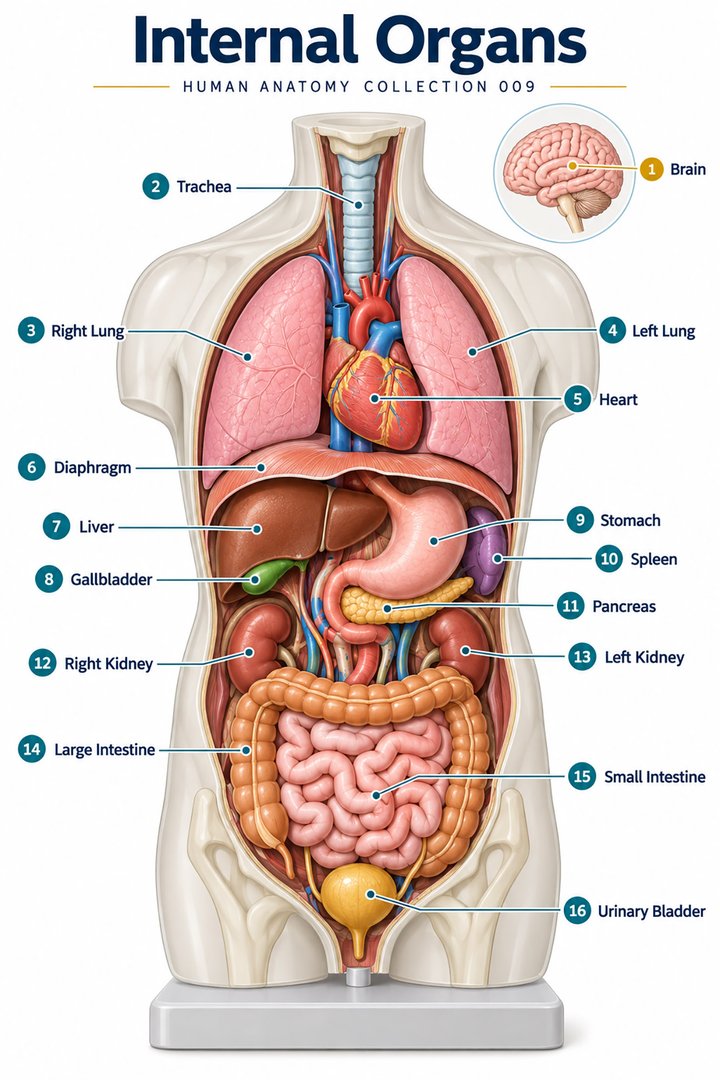
GUIDE 02 · 1,280 WORDS
A practical guide to major organs, Latin terminology, compartment relationships, and the systems that connect them.
Read the guide ↗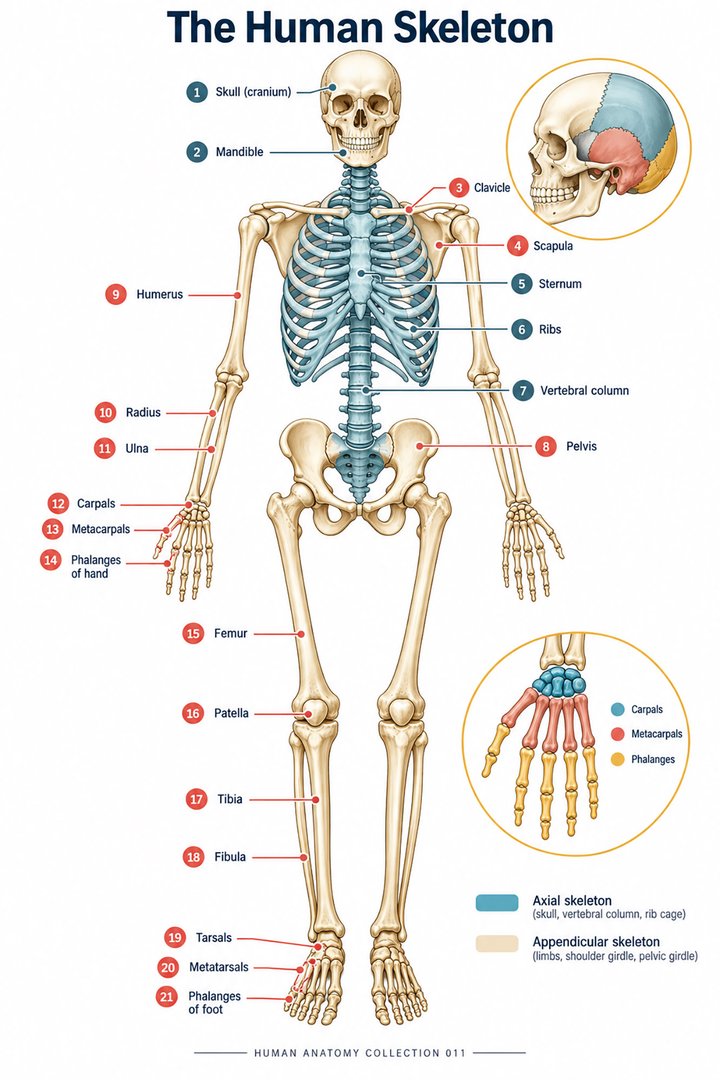
GUIDE 03 · 1,233 WORDS
Explore skeletal divisions, bone structure, spinal regions, Latin names, quantitative facts, and clinical applications.
Read the guide ↗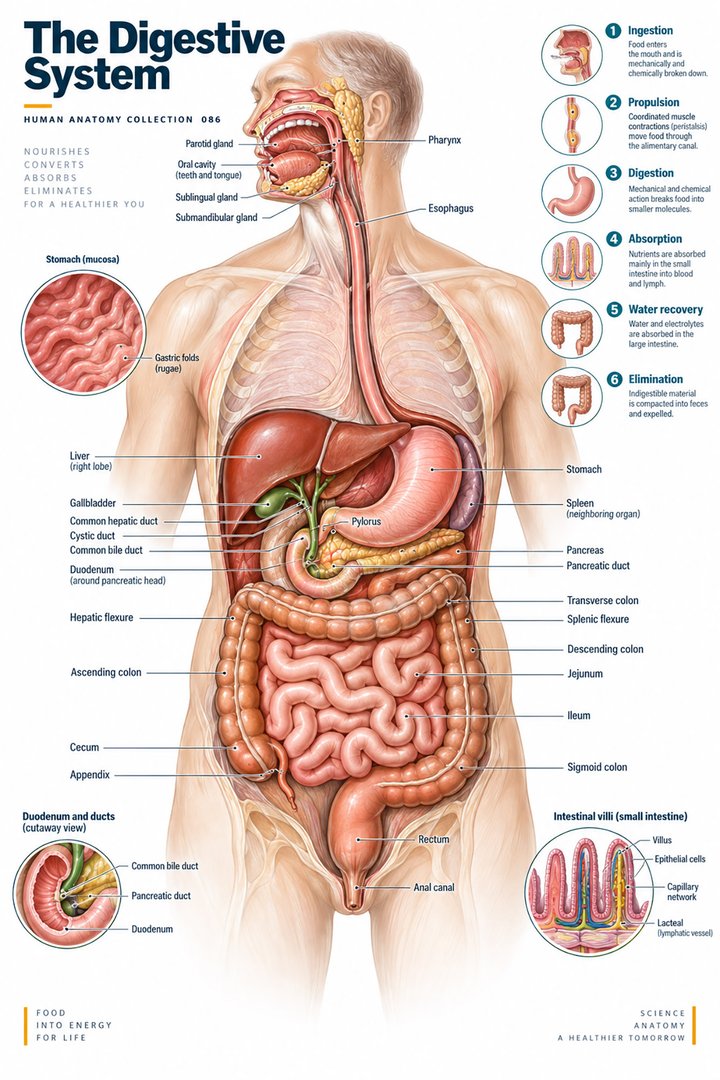
GUIDE 04 · 1,355 WORDS
Follow the alimentary pathway, understand digestive wall layers, and connect secretions, Latin names, real images, and clinical communication.
Read the guide ↗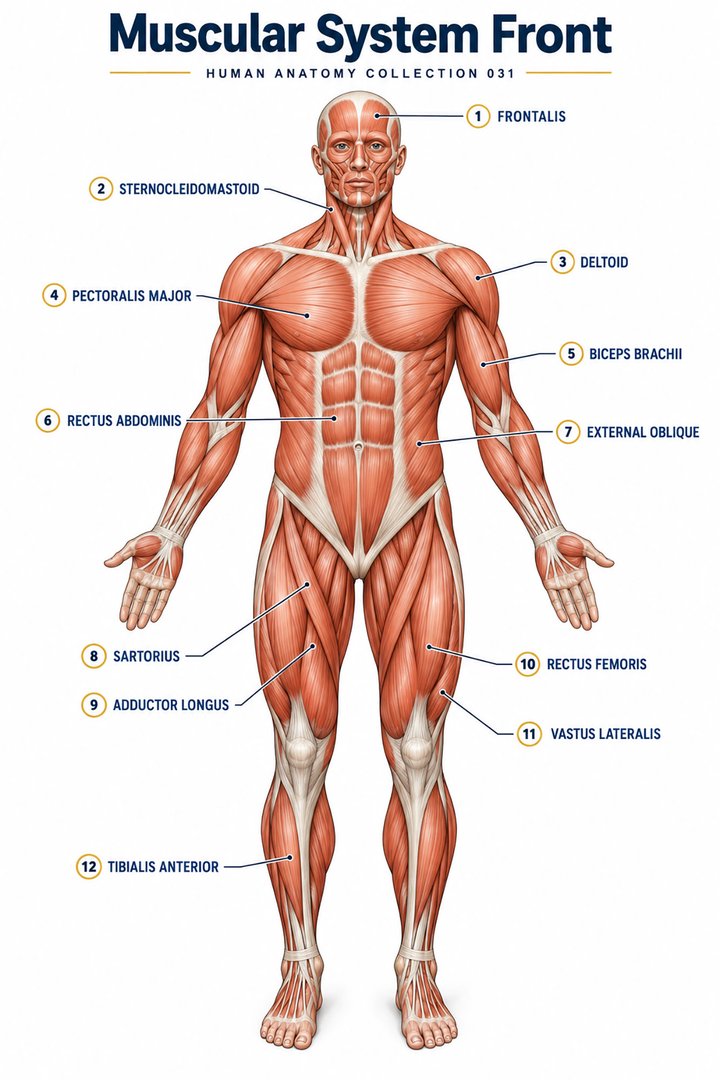
GUIDE 05 · 1,343 WORDS
Understand muscle tissue, skeletal muscle organization, Latin names, functional roles, real micrographs, and clinical learning.
Read the guide ↗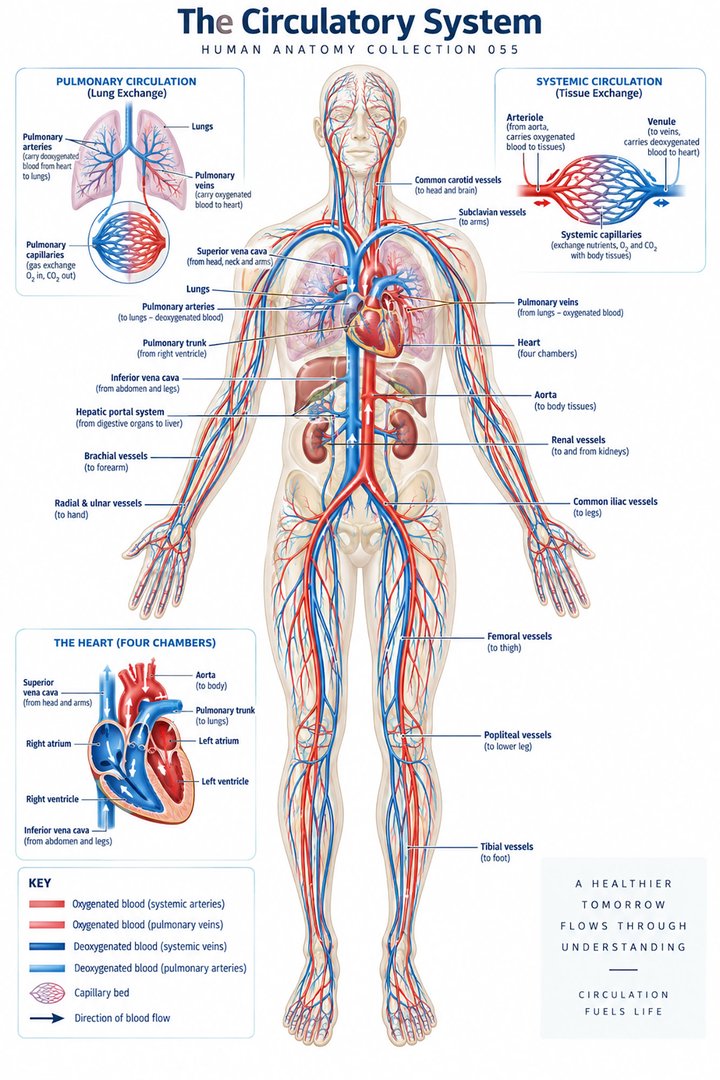
GUIDE 06 · 1,435 WORDS
Trace pulmonary and systemic circulation, understand vessel walls and cardiac output, and connect Latin terms with real medical images.
Read the guide ↗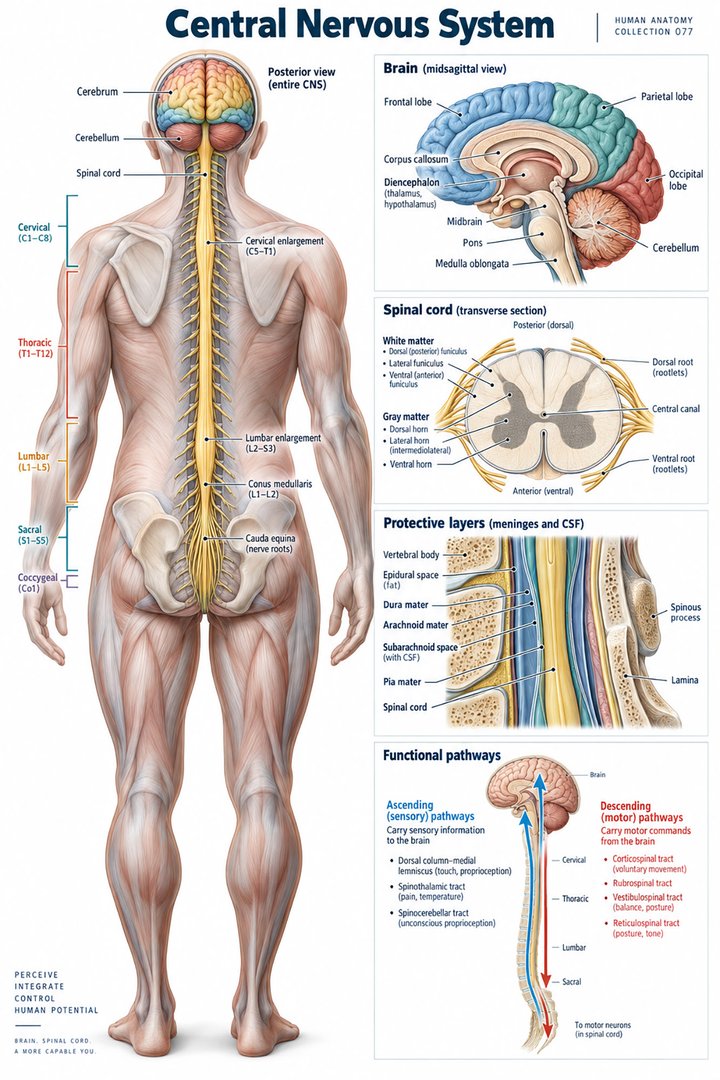
GUIDE 07 · 1,468 WORDS
Explore central and peripheral organization, neurons, nerve-pair counts, Latin terminology, and real brain images with practical learning examples.
Read the guide ↗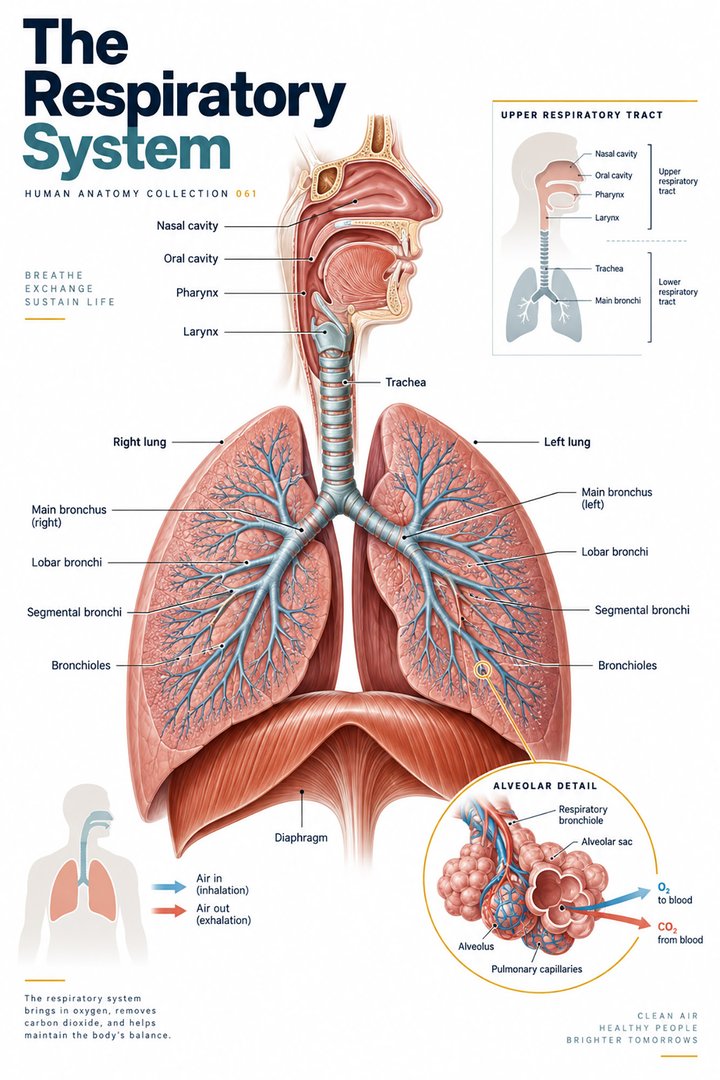
GUIDE 08 · 1,463 WORDS
Understand breathing mechanics, airway defenses, gas transport, lung terminology, real thoracic images, and research-based alveolar statistics.
Read the guide ↗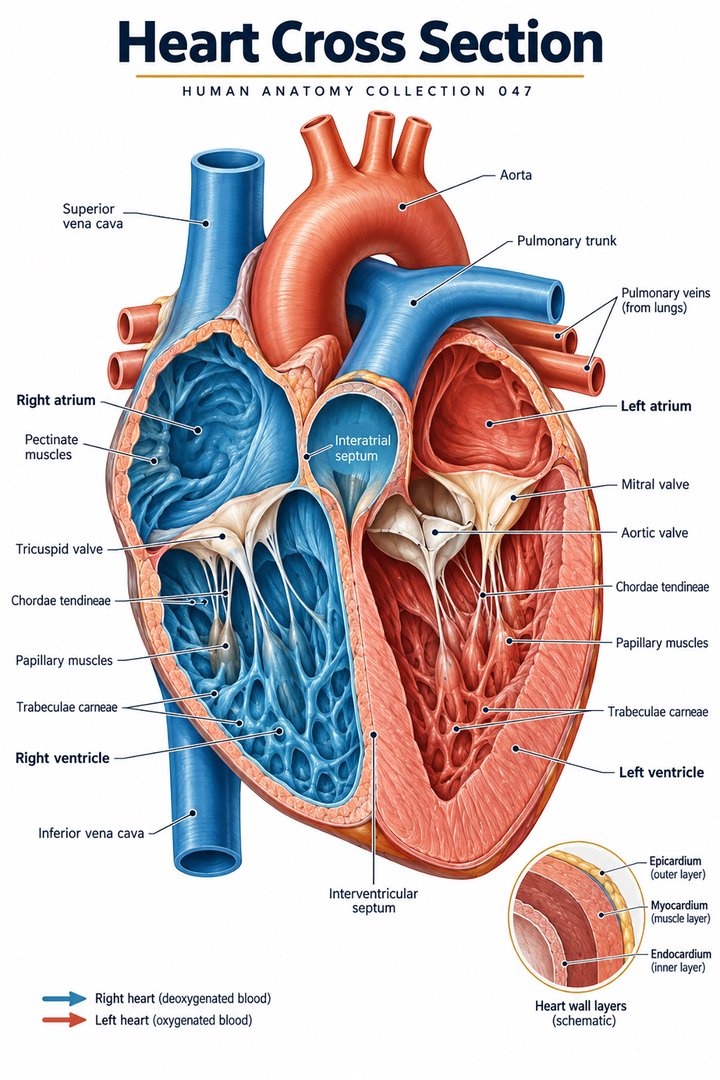
GUIDE 09 · 1,570 WORDS
Explore the heart’s three-dimensional structure, valve junctions, tissue layers, coronary supply, Latin terminology, and real medical images.
Read the guide ↗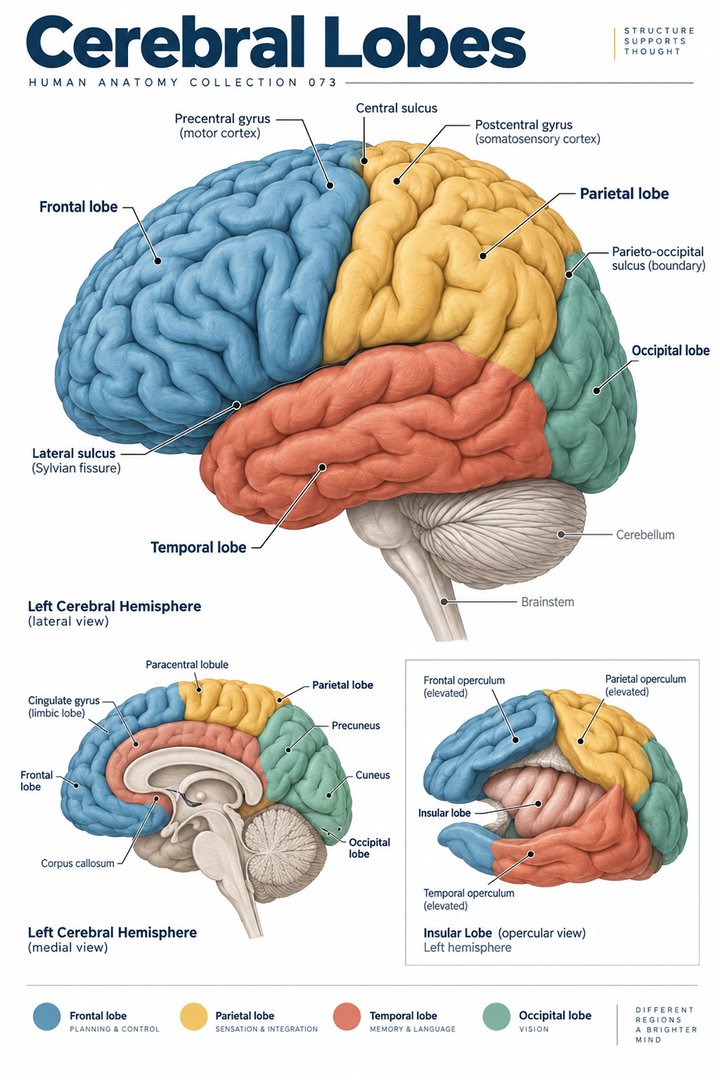
GUIDE 10 · 1,604 WORDS
Learn the cerebral lobes, major sulci, cortical relationships, anatomical Latin, quantitative teaching facts, and real brain images.
Read the guide ↗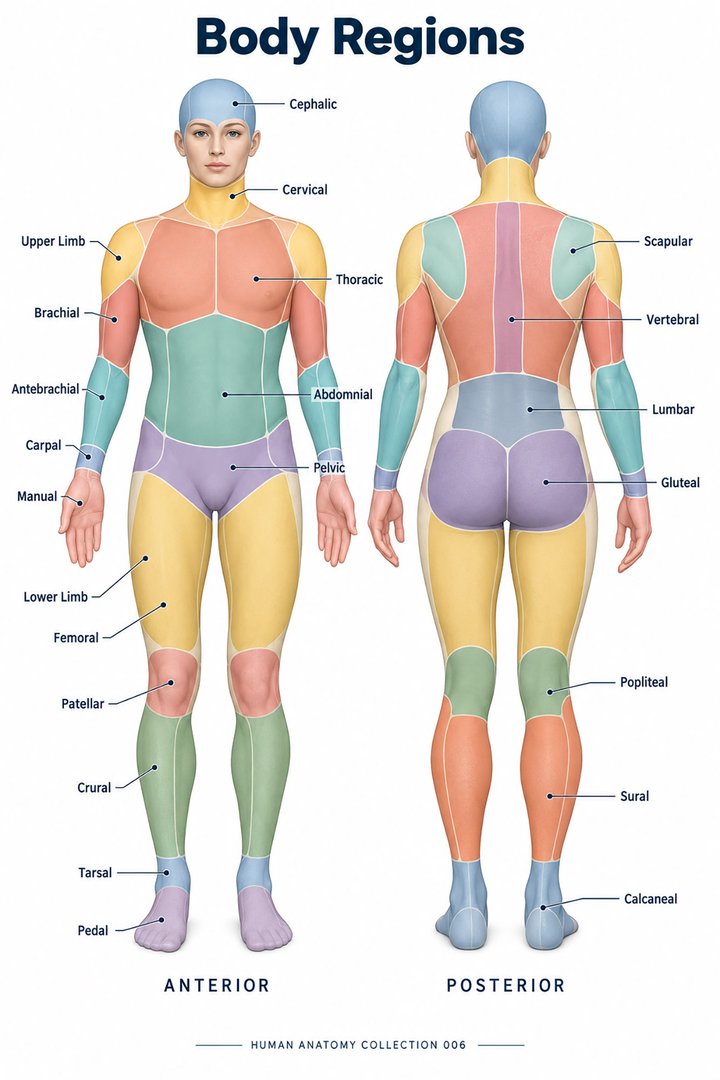
GUIDE 11 · 1,360 WORDS
Understand body regions, surface landmarks, directional language, Latin names, and useful anatomical mapping conventions.
Read the guide ↗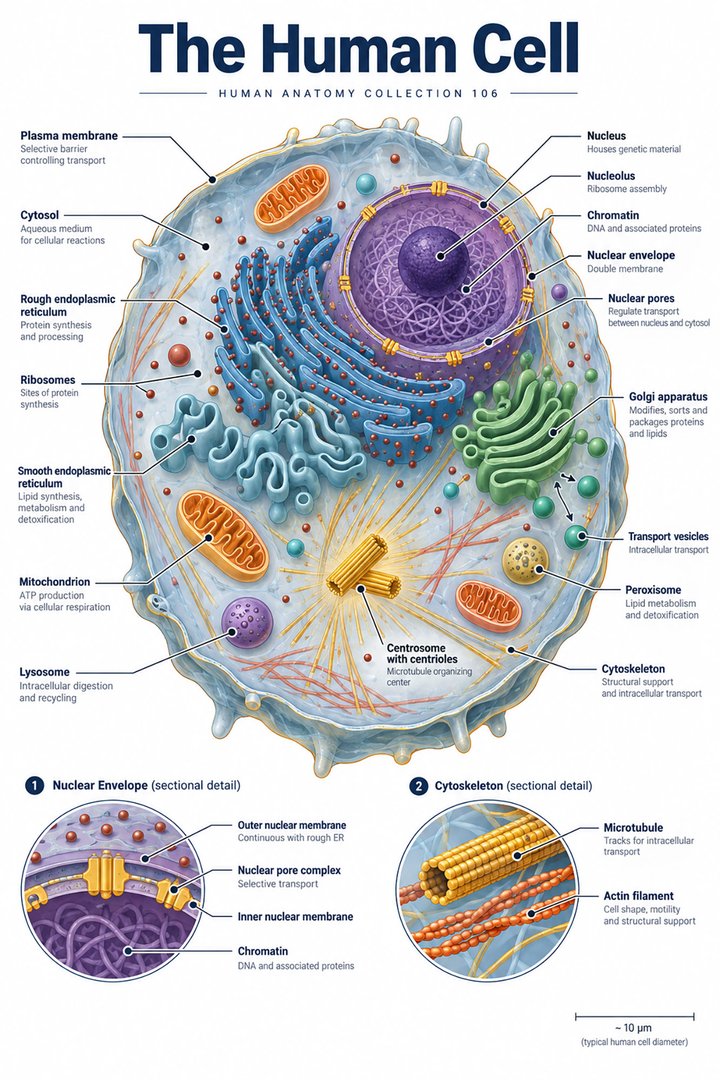
GUIDE 12 · 1,340 WORDS
Explore cellular compartments, organelle functions, chromosome counts, scientific terminology, and real human cell micrographs.
Read the guide ↗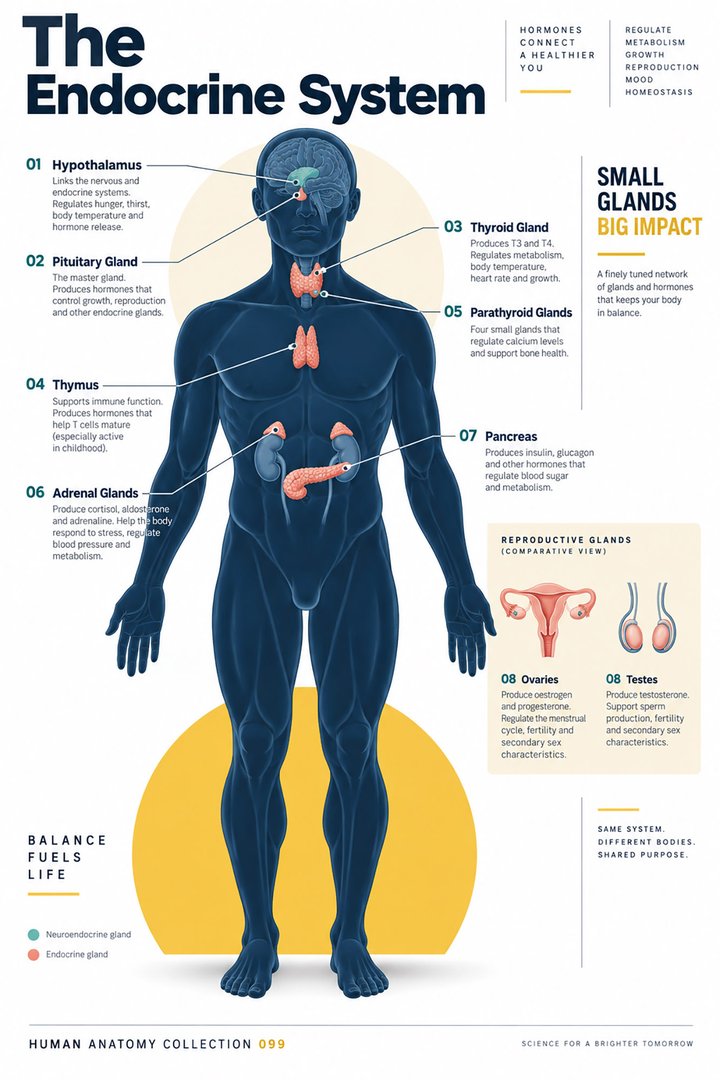
GUIDE 13 · 1,409 WORDS
Map endocrine glands, distinguish secretion routes, learn feedback axes and Latin names, and examine real thyroid tissue.
Read the guide ↗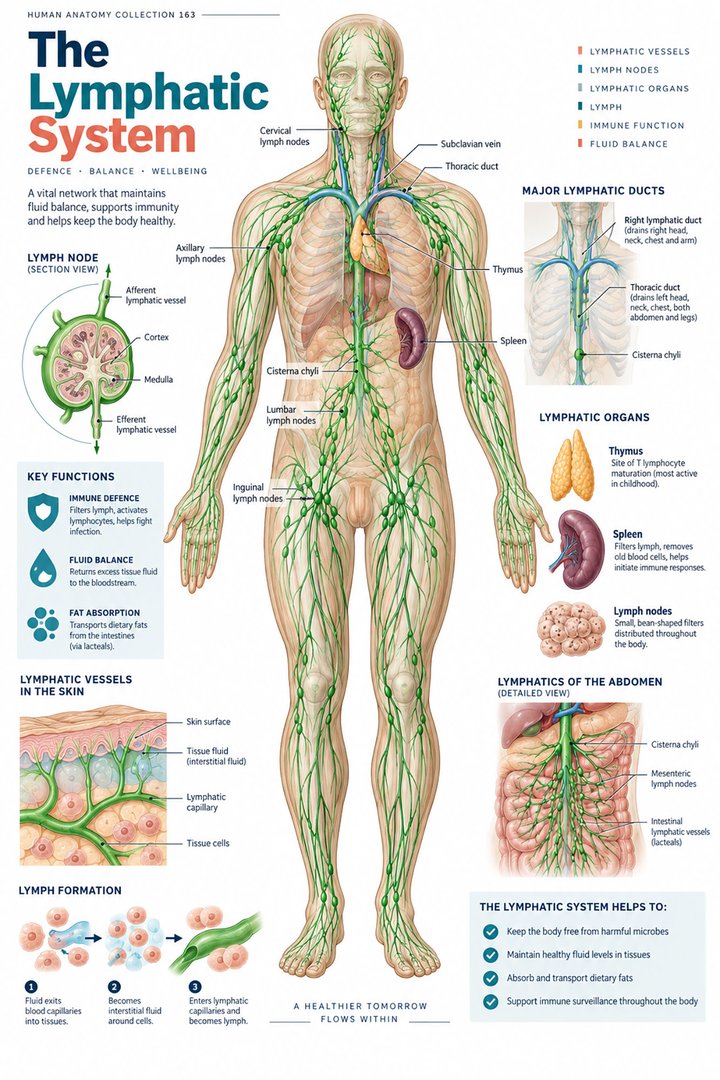
GUIDE 14 · 1,439 WORDS
Follow lymphatic transport, understand lymphoid organs and drainage maps, learn Latin terms, and explore real lymphocyte microscopy.
Read the guide ↗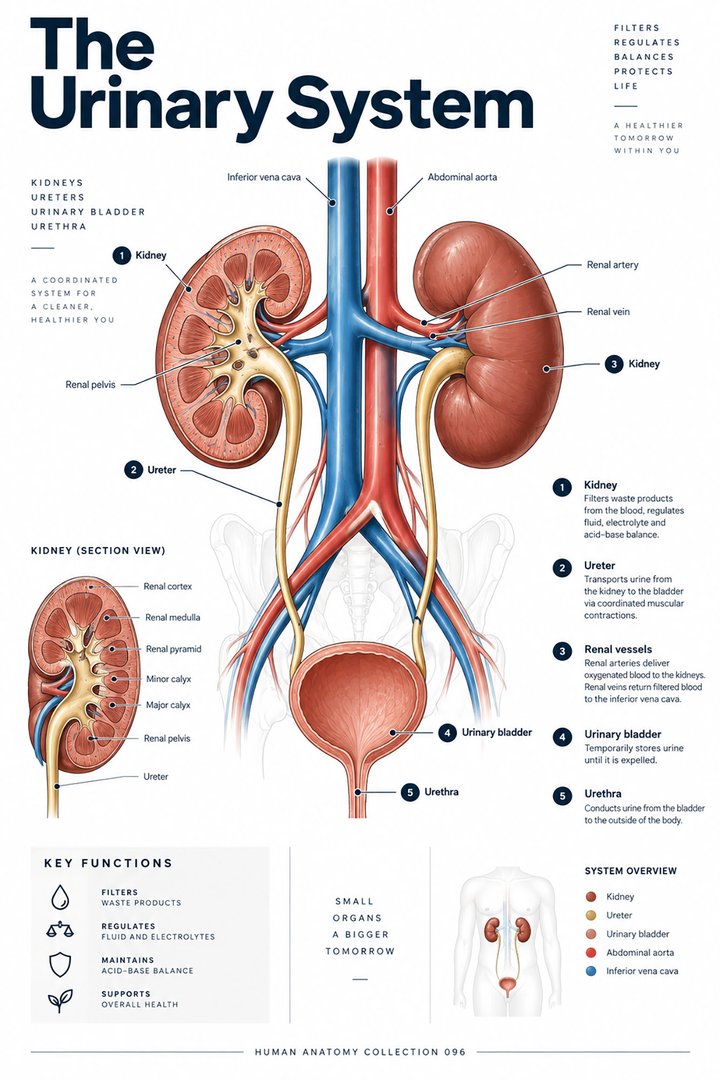
GUIDE 15 · 1,283 WORDS
Explore kidney compartments, nephron processing, ureters, bladder anatomy, quantitative facts, Latin terminology, and real renal histology.
Read the guide ↗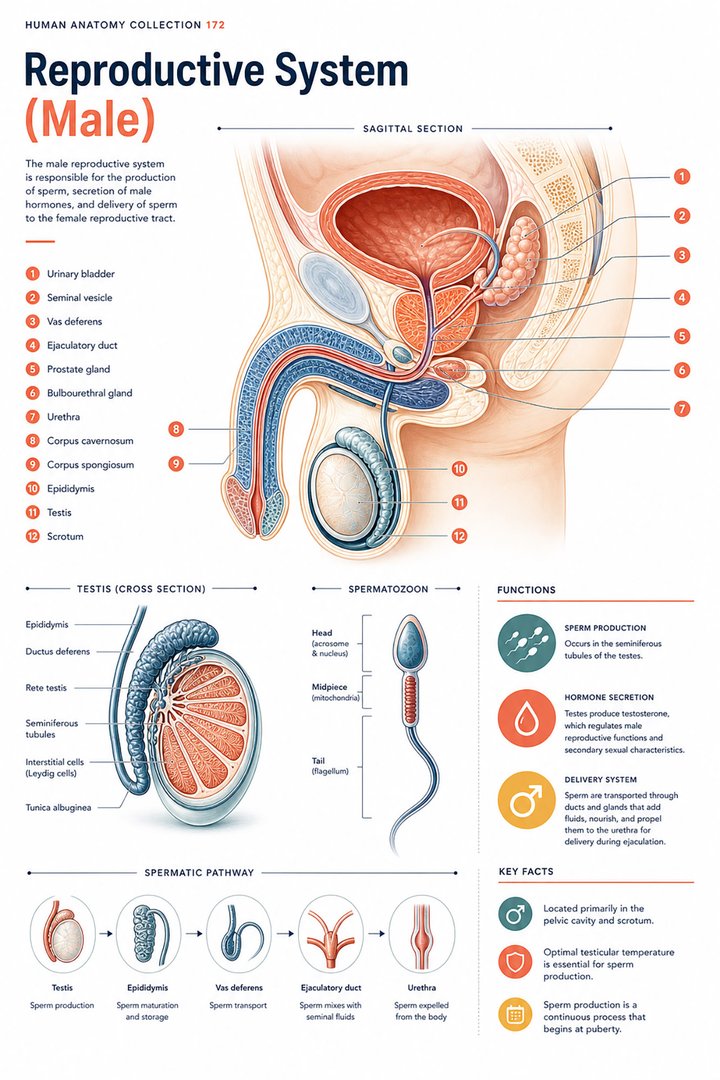
GUIDE 16 · 1,258 WORDS
Trace sperm transport, distinguish accessory secretions, explore meiosis and Latin names, and compare real testicular histology with catalog diagrams.
Read the guide ↗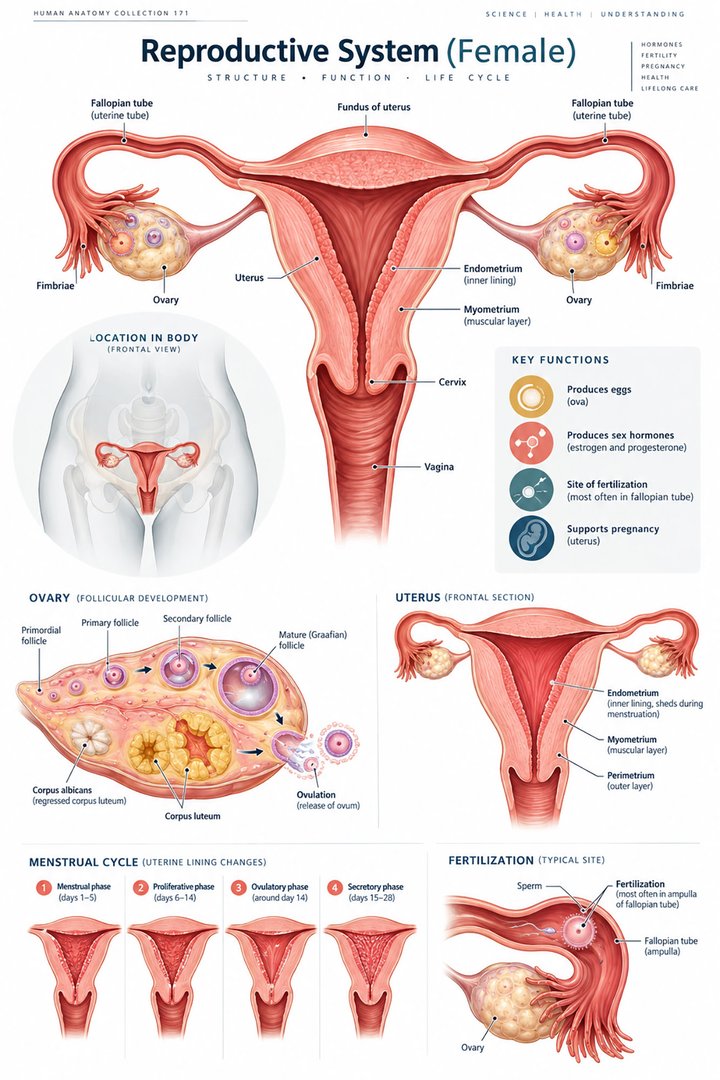
GUIDE 17 · 1,378 WORDS
Explore ovarian follicles, uterine layers, external and internal anatomy, cycle variability, Latin terms, and a real museum photograph.
Read the guide ↗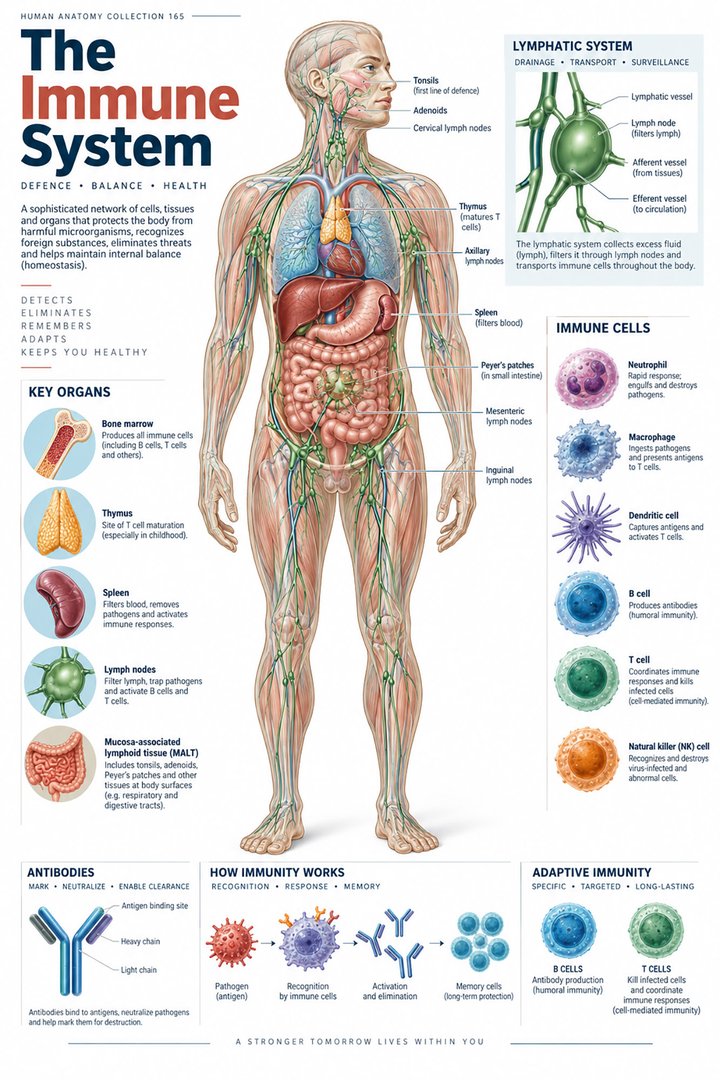
GUIDE 18 · 1,483 WORDS
Connect innate and adaptive immunity, lymphoid tissues, antibody classes, terminology, and real immune-cell micrographs.
Read the guide ↗GUIDE 19 · 1,433 WORDS
Explore CNS organization, spinal segments, CSF spaces, protective interfaces, Latin terminology, and real MRI and specimen images.
Read the guide ↗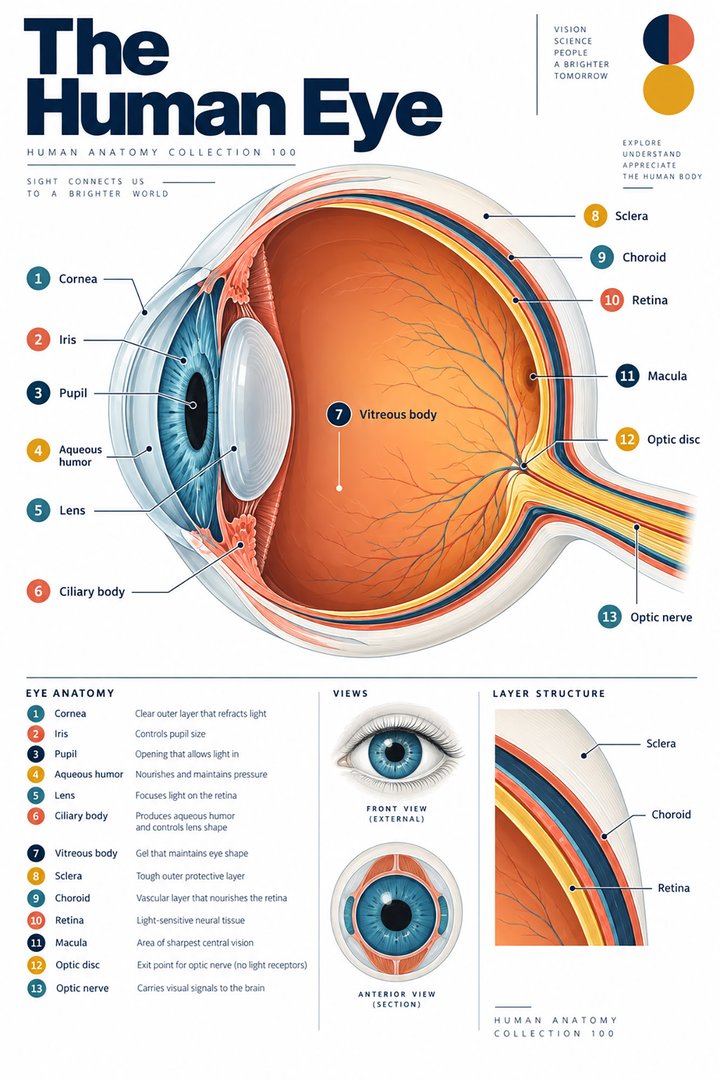
GUIDE 20 · 1,420 WORDS
Explore eye layers and chambers, distinguish optical and neural routes, learn Latin terms, and compare a real eye photograph with catalog sections.
Read the guide ↗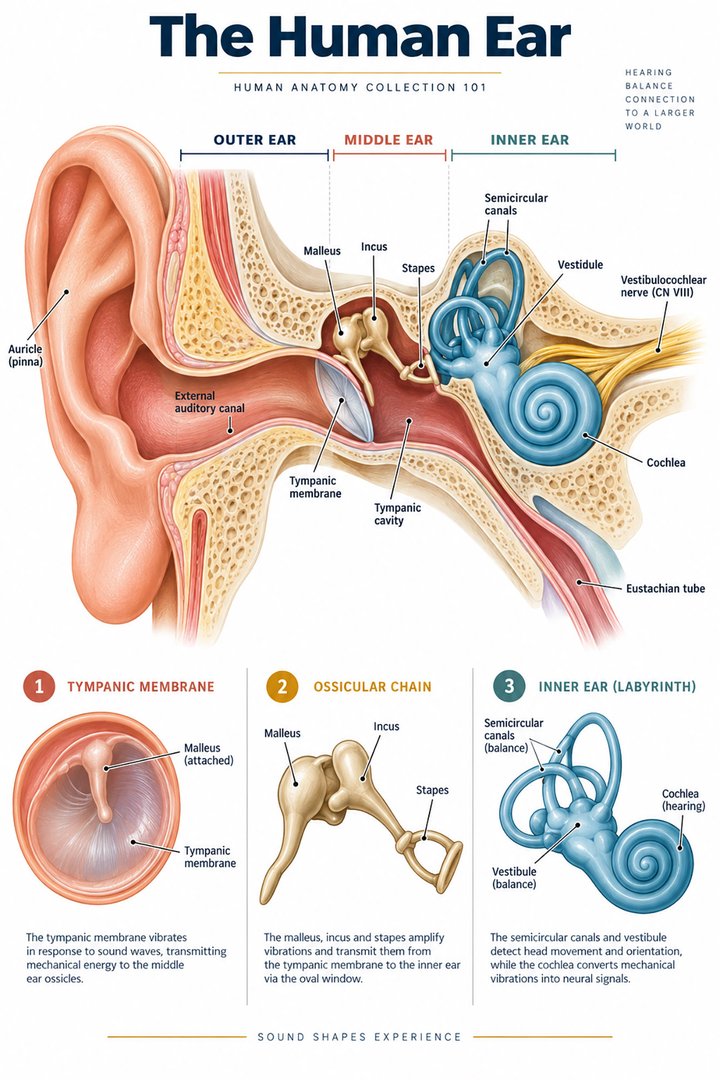
GUIDE 21 · 1,383 WORDS
Explore external, middle and inner ear relationships, vestibular structures, hearing statistics, Latin names, and a real ear photograph.
Read the guide ↗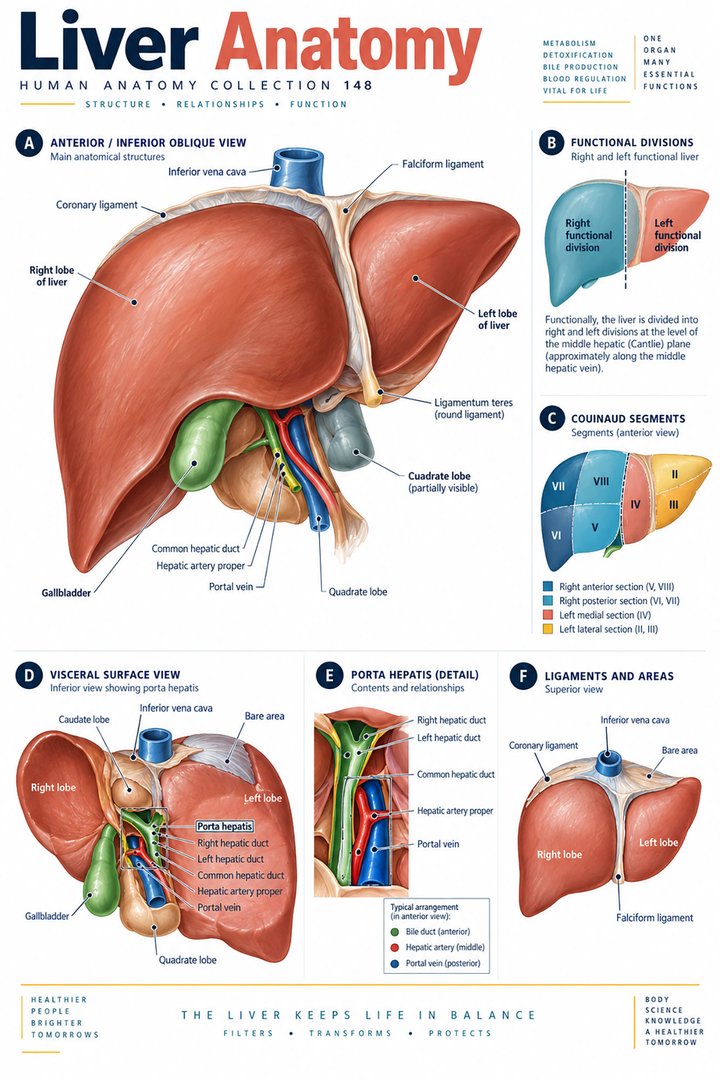
GUIDE 22 · 1,347 WORDS
Connect hepatic inflow and tissue organization with glucose and nitrogen handling, protein synthesis, bile production, Latin terms, and real liver histology.
Read the guide ↗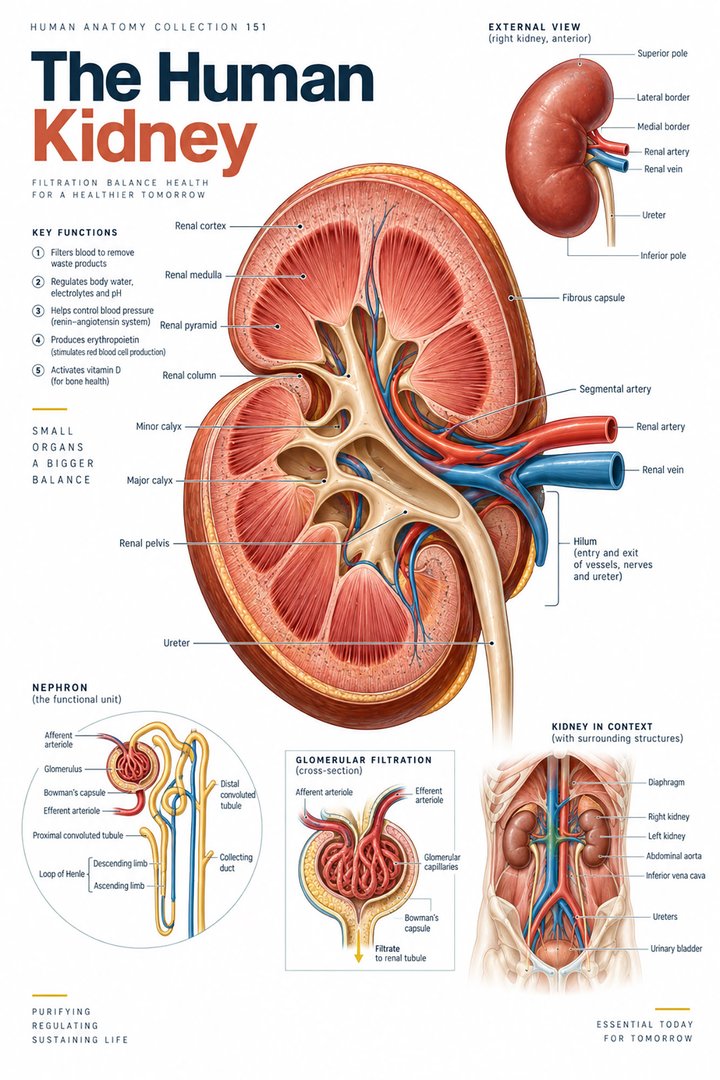
GUIDE 23 · 1,432 WORDS
Explore renal position, cortex and medulla, vascular and collecting pathways, nephron proportions, Latin terms, and real human kidney histology.
Read the guide ↗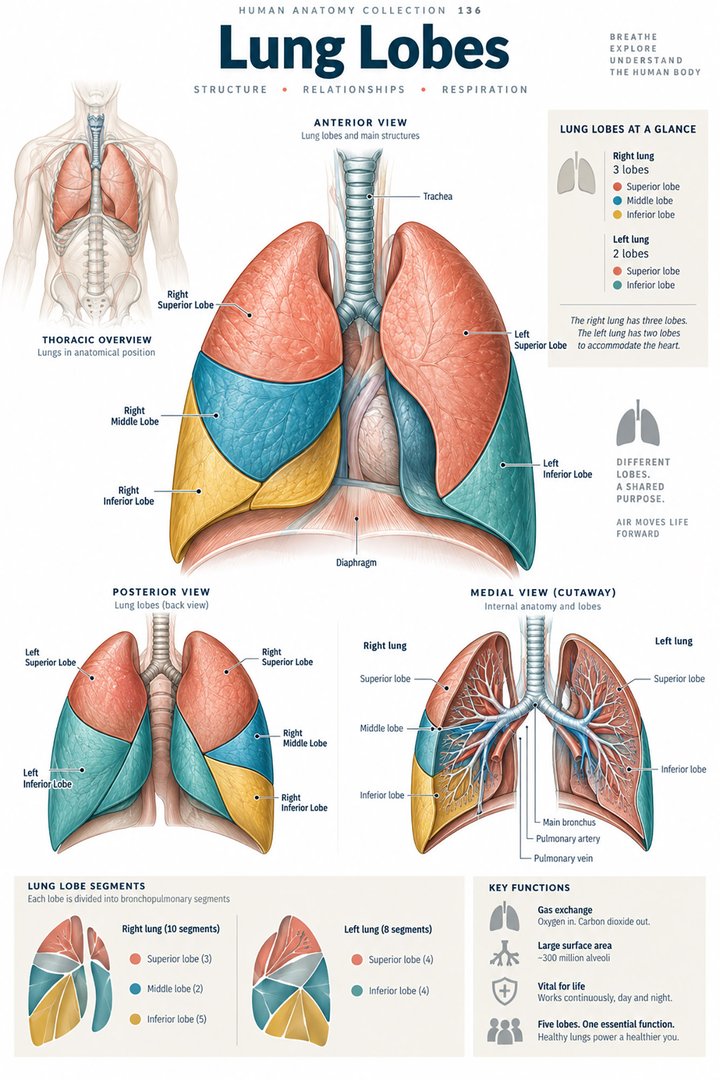
GUIDE 24 · 1,412 WORDS
Explore lung regions, segment classifications, hilar connections, pleural layers, alveolar research estimates, Latin terminology, and real medical images.
Read the guide ↗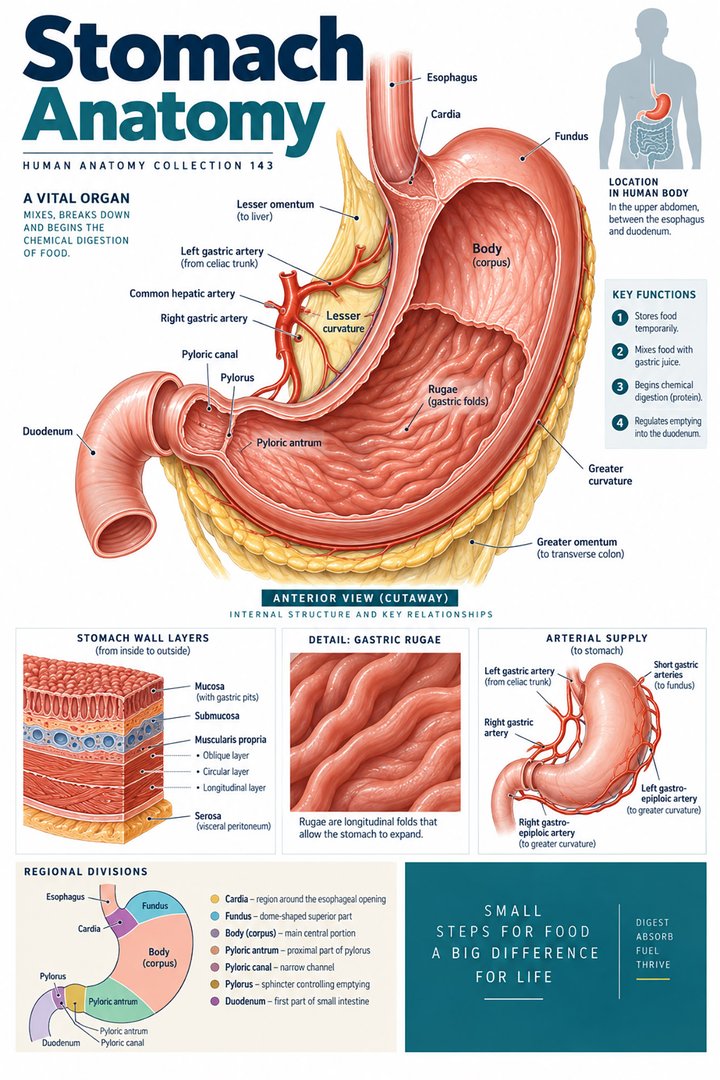
GUIDE 25 · 1,397 WORDS
Explore stomach regions, wall coats, secretory cells, intrinsic factor, Latin terminology, numerical context, and a real endoscopic image.
Read the guide ↗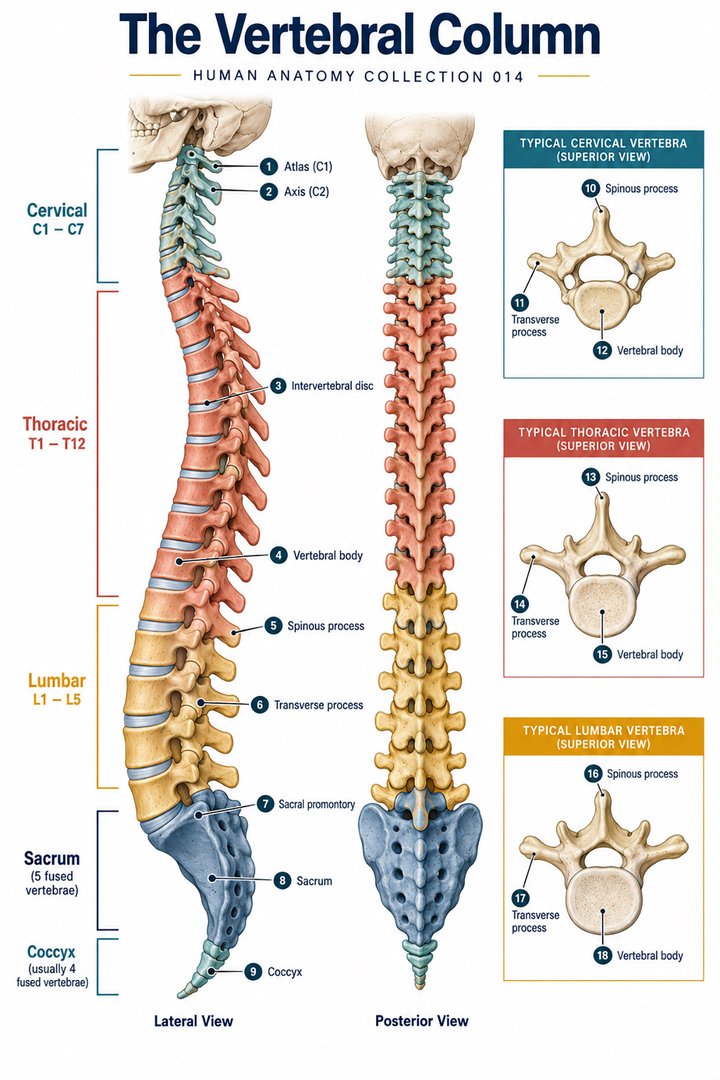
GUIDE 26 · 2,110 WORDS
A detailed guide to vertebral regions, spinal joints, neural passages, and the relationship between structure and movement.
Read the guide ↗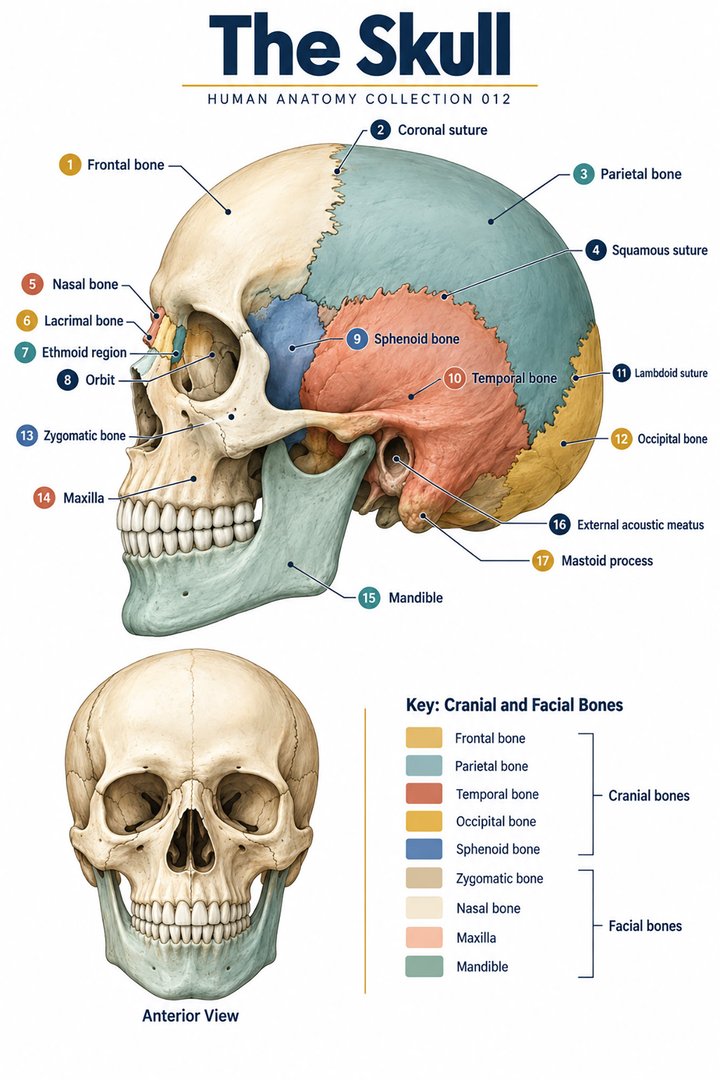
GUIDE 27 · 2,234 WORDS
Explore skull regions through external landmarks, internal spaces, developmental relationships, and clinically useful anatomical language.
Read the guide ↗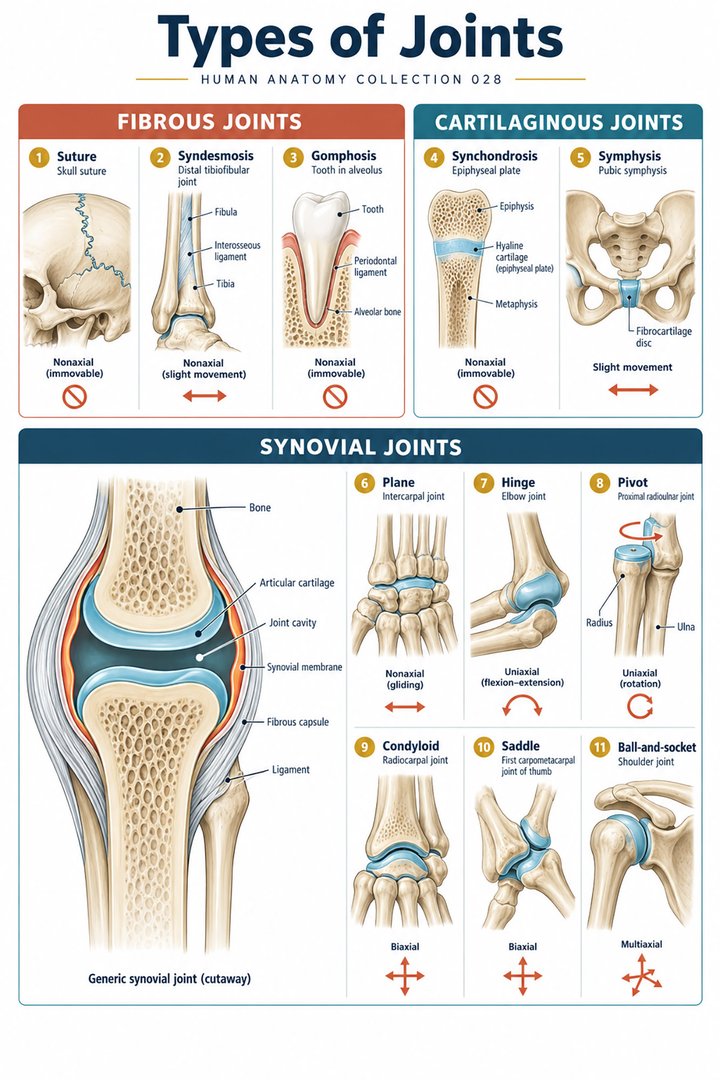
GUIDE 28 · 2,163 WORDS
Understand how joint tissues, surface geometry, capsules, and coordinated movement distinguish human articulations.
Read the guide ↗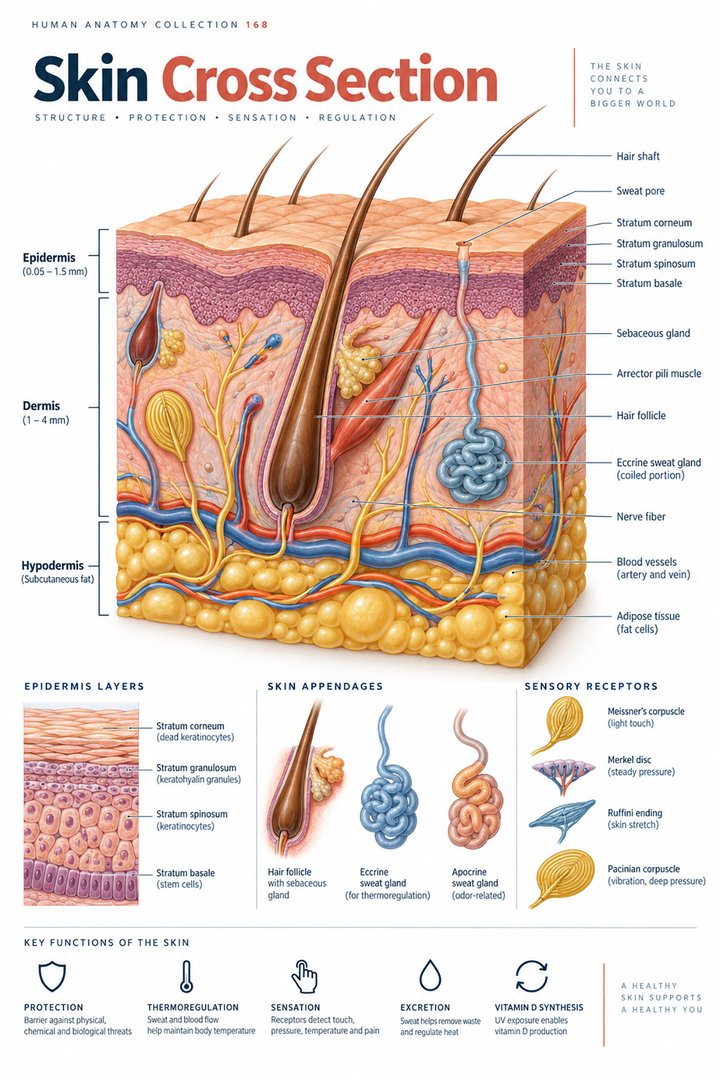
GUIDE 29 · 2,130 WORDS
A practical anatomical explanation of skin strata, cells, appendages, vessels, sensation, and the meaning of tissue depth.
Read the guide ↗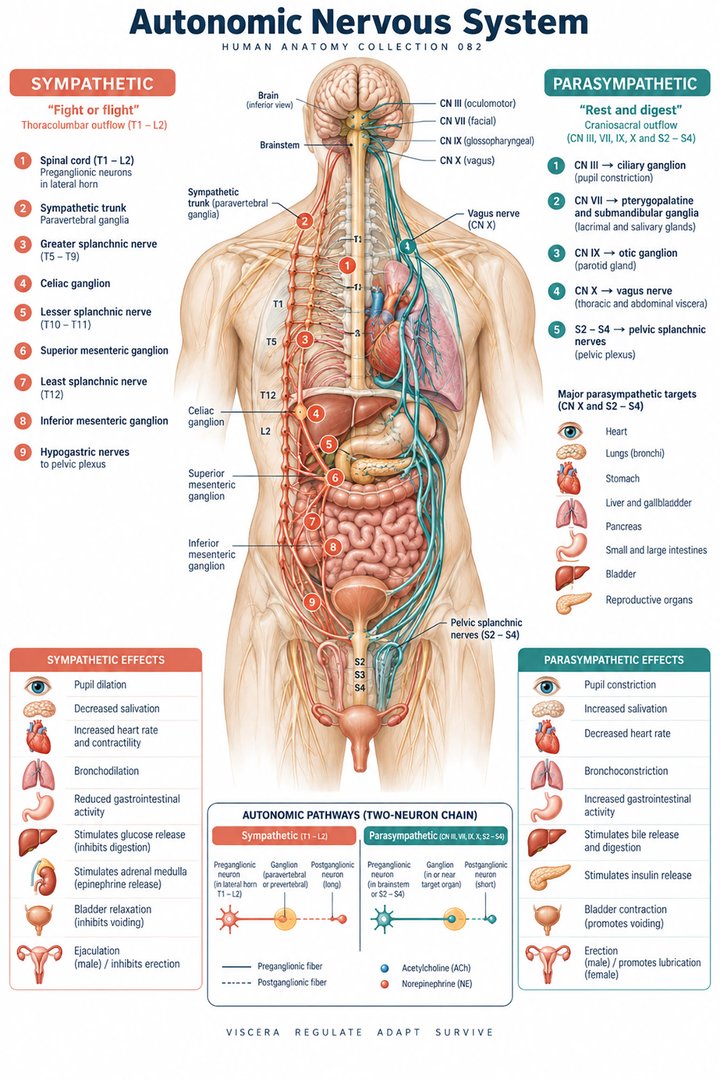
GUIDE 30 · 2,182 WORDS
Understand sympathetic, parasympathetic, and enteric organization through pathways, reflexes, and organ-specific functions.
Read the guide ↗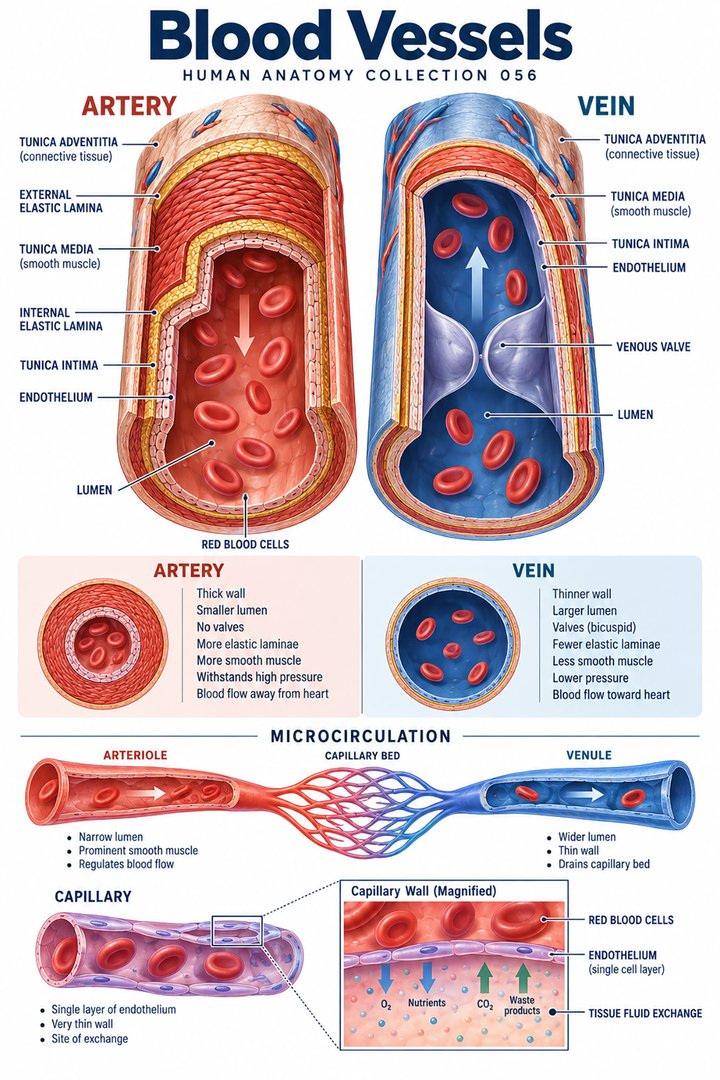
GUIDE 31 · 2,194 WORDS
Explore arterial distribution, capillary exchange, venous return, endothelial function, and the mathematics behind vascular resistance.
Read the guide ↗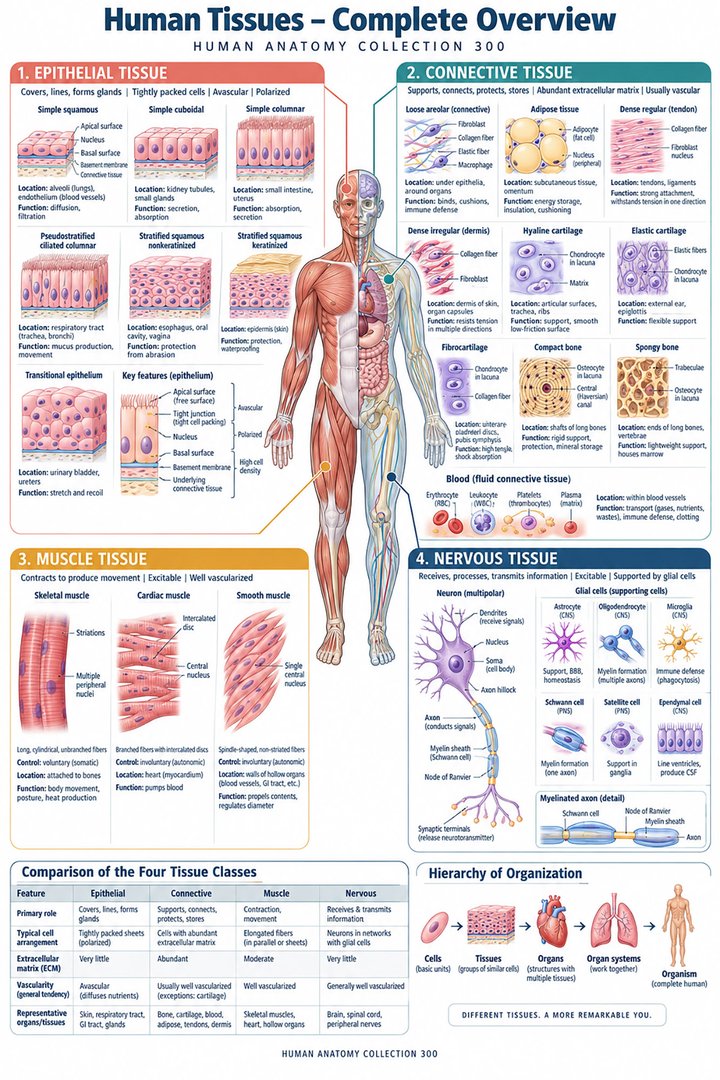
GUIDE 32 · 2,124 WORDS
Connect epithelial, connective, muscular, and nervous tissue with histology, extracellular matrix, tissue interfaces, and functional organs.
Read the guide ↗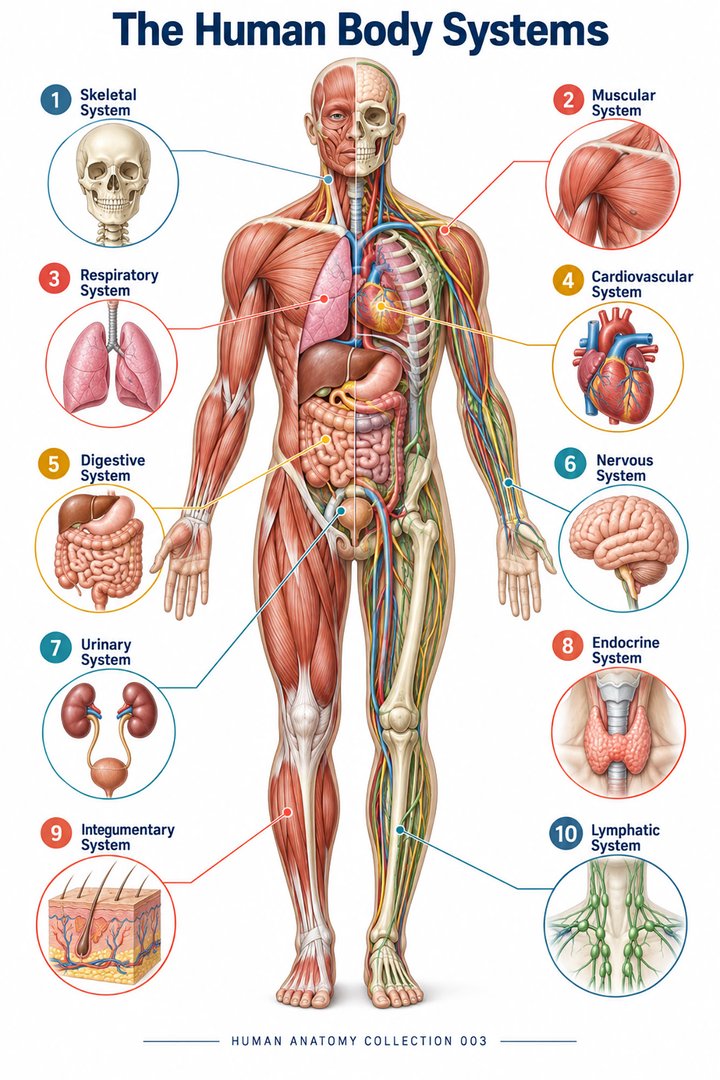
GUIDE 33 · 2,205 WORDS
A systems-level guide connecting eleven familiar teaching groups with their organs, tissue partnerships, and coordinated physiological functions.
Read the guide ↗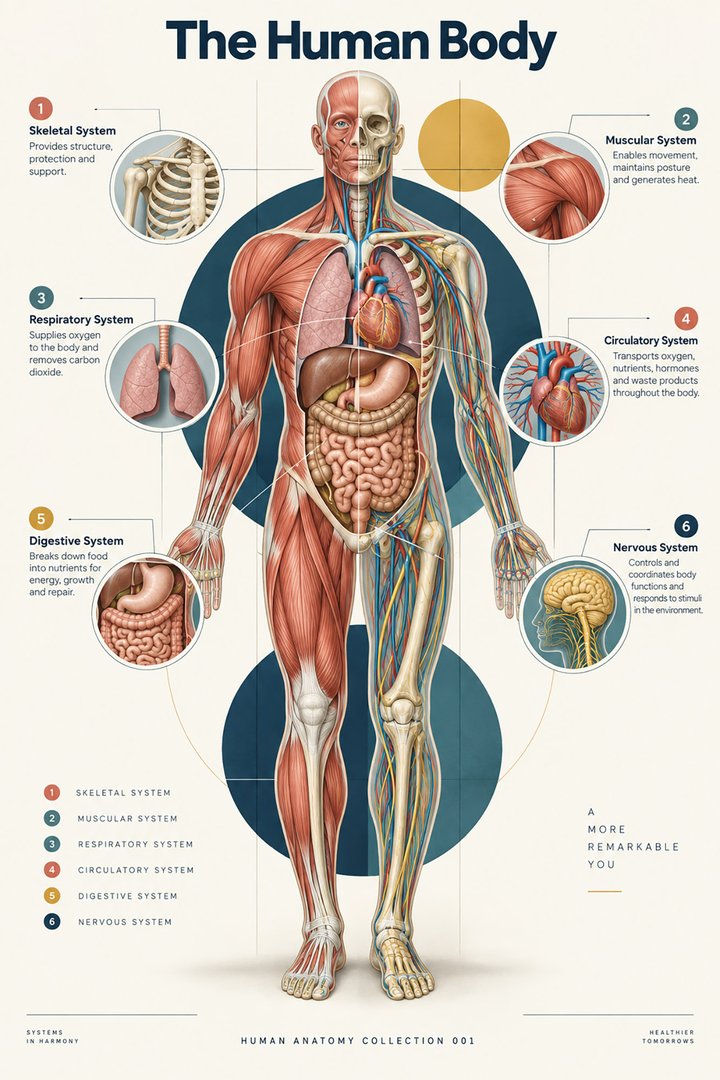
GUIDE 34 · 2,104 WORDS
Understand memorable body facts through measurement methods, anatomical variation, and practical examples for healthcare learners.
Read the guide ↗GUIDE 35 · 2,120 WORDS
A practical framework connecting anatomical structure, physiological mechanisms, measurement, and integrated healthcare reasoning.
Read the guide ↗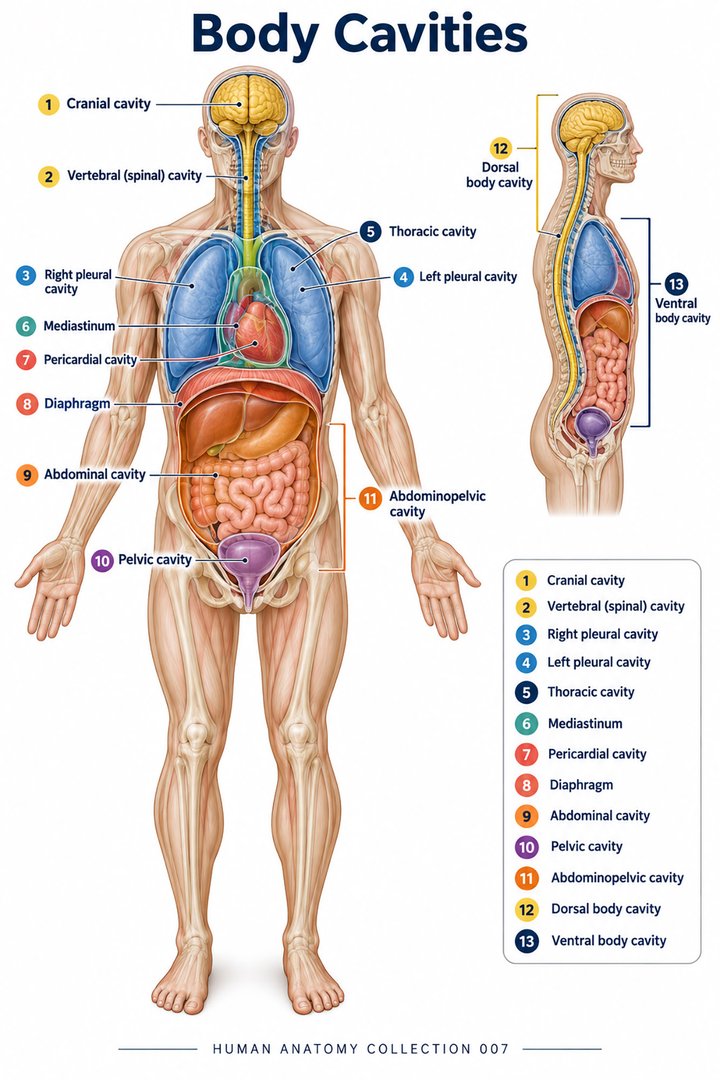
GUIDE 36 · 2,125 WORDS
Explore cranial, vertebral, thoracic, abdominal, and pelvic spaces while distinguishing organs, lumens, and potential cavities.
Read the guide ↗GUIDE 37 · 2,125 WORDS
A layered guide to thoracic, abdominal, pelvic, and back anatomy with functional relationships for healthcare education.
Read the guide ↗GUIDE 38 · 2,119 WORDS
Follow the alimentary pathway while examining regional wall structure, motility, absorption, vascular routes, and neural control.
Read the guide ↗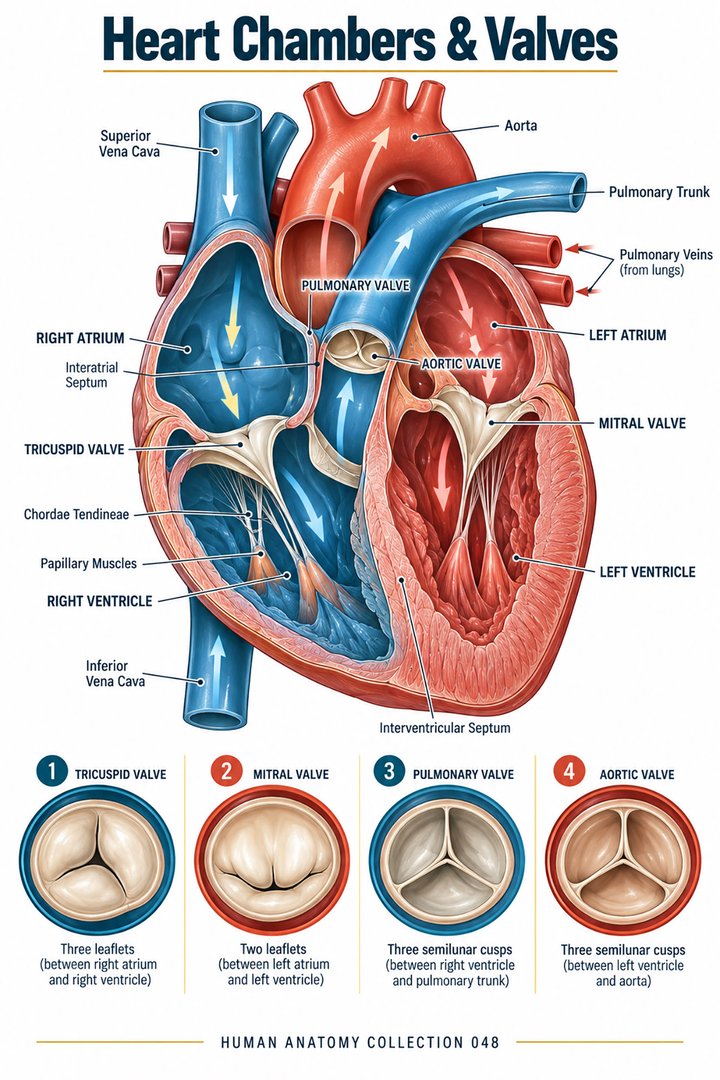
GUIDE 39 · 2,157 WORDS
Examine each cardiac chamber through its connections, internal landmarks, valve apparatus, and coordinated mechanical function.
Read the guide ↗GUIDE 40 · 2,110 WORDS
Locate major organs using neighboring structures, sectional planes, peritoneal relationships, and context rather than flat maps alone.
Read the guide ↗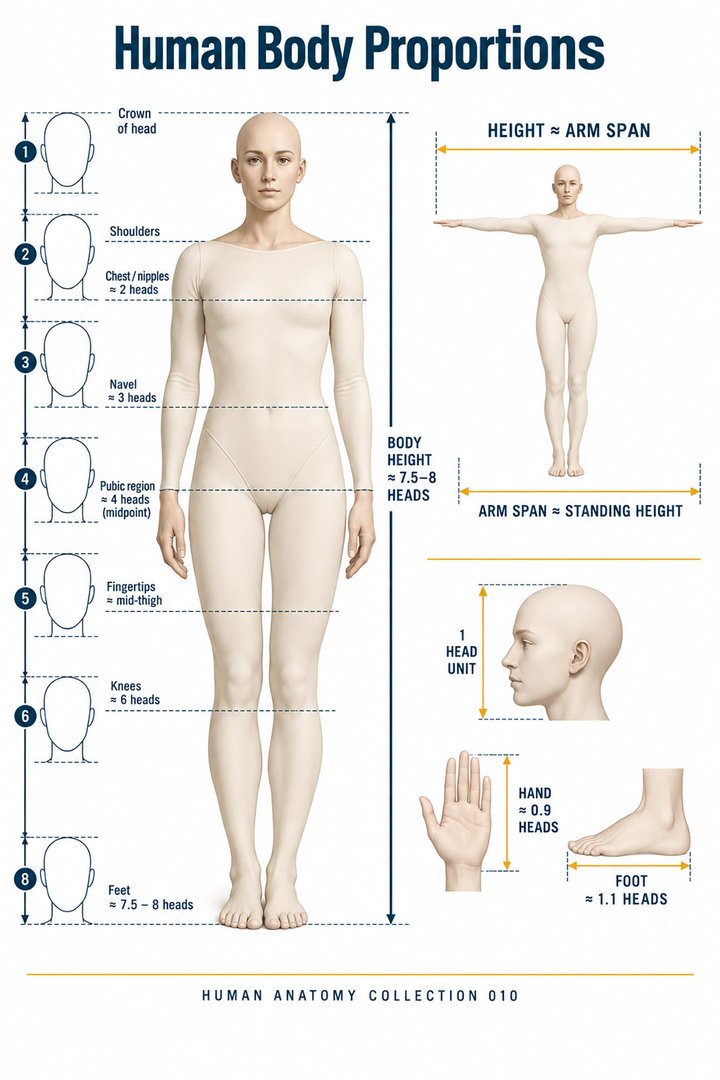
GUIDE 41 · 2,325 WORDS
Learn how stature, sitting height, limb dimensions, and ratios describe real bodies without imposing an idealized template.
Read the guide ↗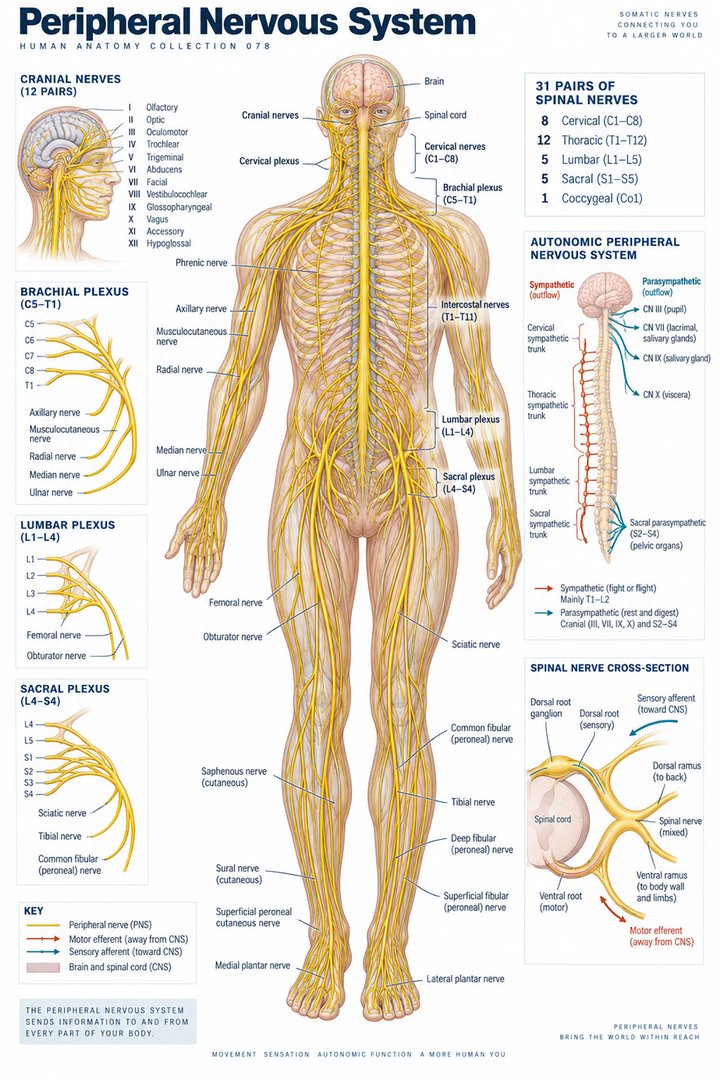
GUIDE 42 · 2,203 WORDS
A detailed guide to peripheral nerves, ganglia, plexuses, sensory and motor pathways, and the anatomical reasoning behind neurological observations.
Read the guide ↗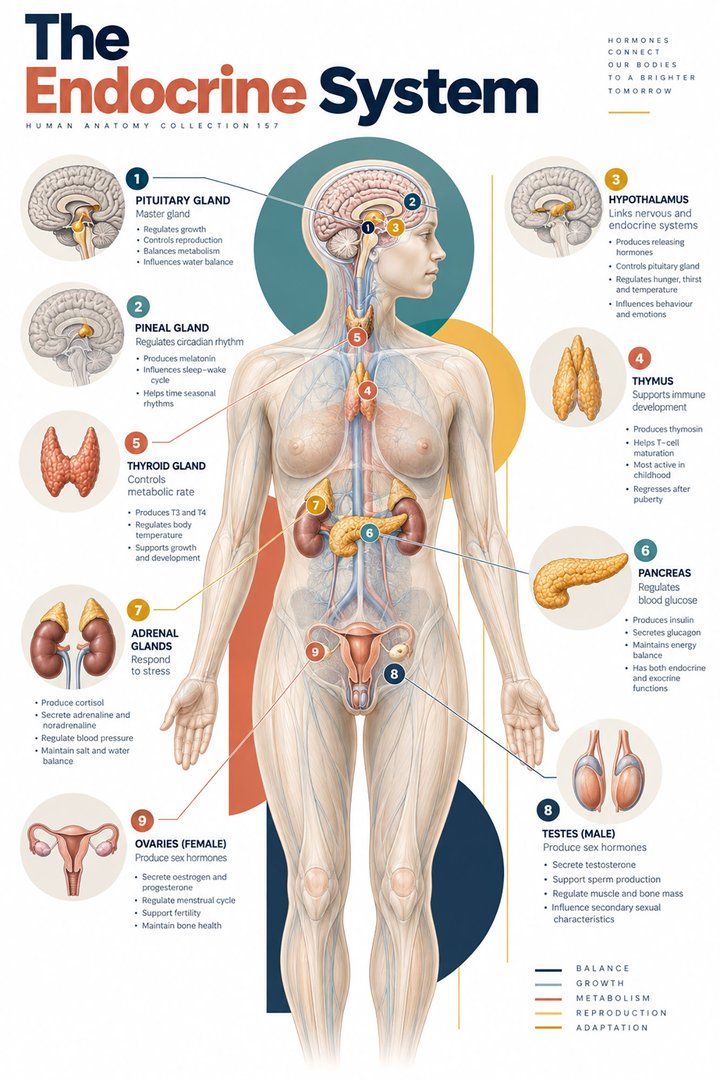
GUIDE 43 · 2,195 WORDS
Explore endocrine gland anatomy from pituitary and thyroid to adrenal cortex, pancreatic islets, gonads, and endocrine cells embedded in other organs.
Read the guide ↗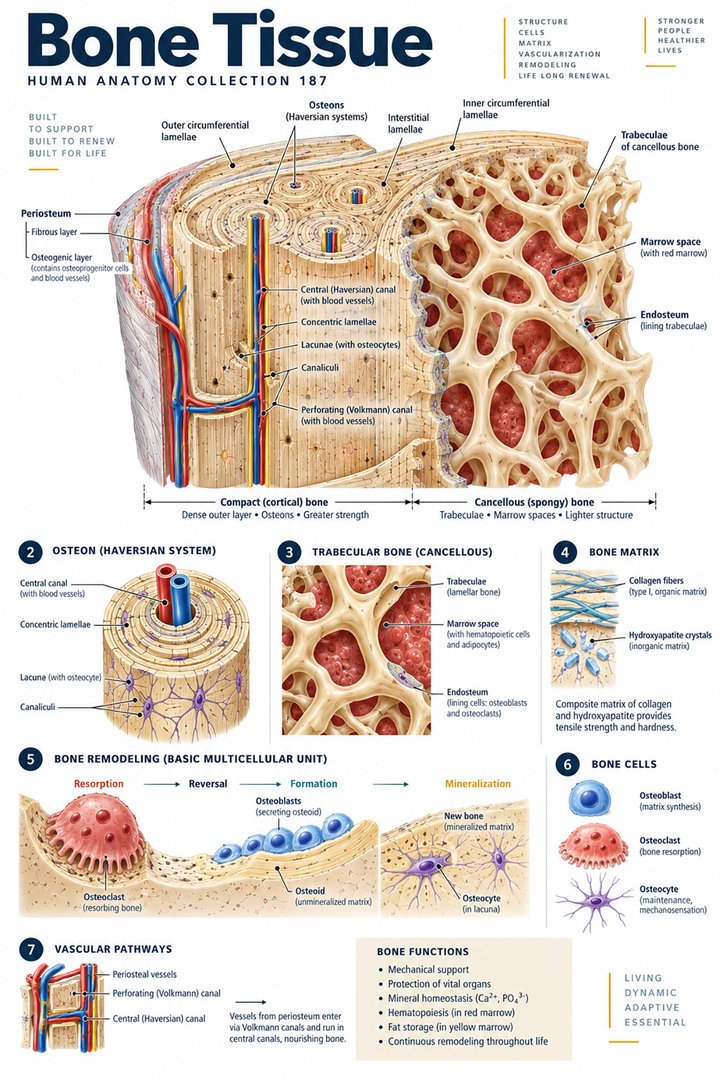
GUIDE 44 · 2,157 WORDS
Understand bone mineral density, living bone architecture, T-scores and Z-scores, measurement limits, and how density relates to everyday clinical observations.
Read the guide ↗GUIDE 45 · 2,183 WORDS
Follow blood through pulmonary, systemic, coronary, and portal routes while separating pressure, flow, oxygen content, and tissue exchange.
Read the guide ↗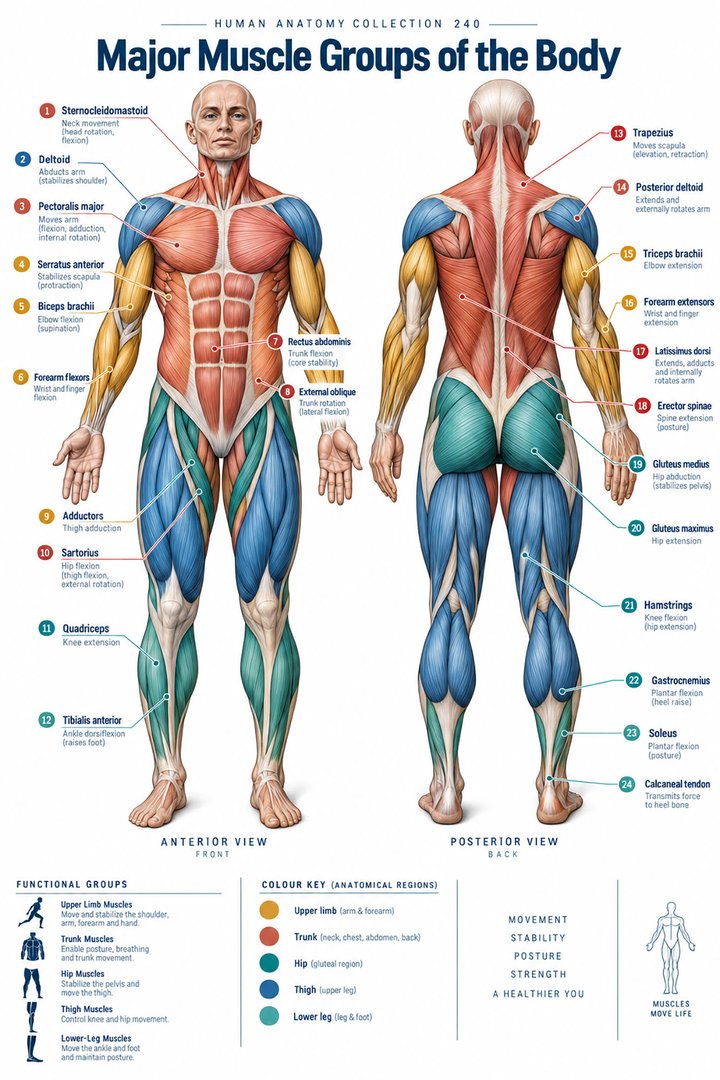
GUIDE 46 · 2,113 WORDS
Study axial and limb muscle groups through attachments, joint actions, motor control, and common functional tasks in healthcare settings.
Read the guide ↗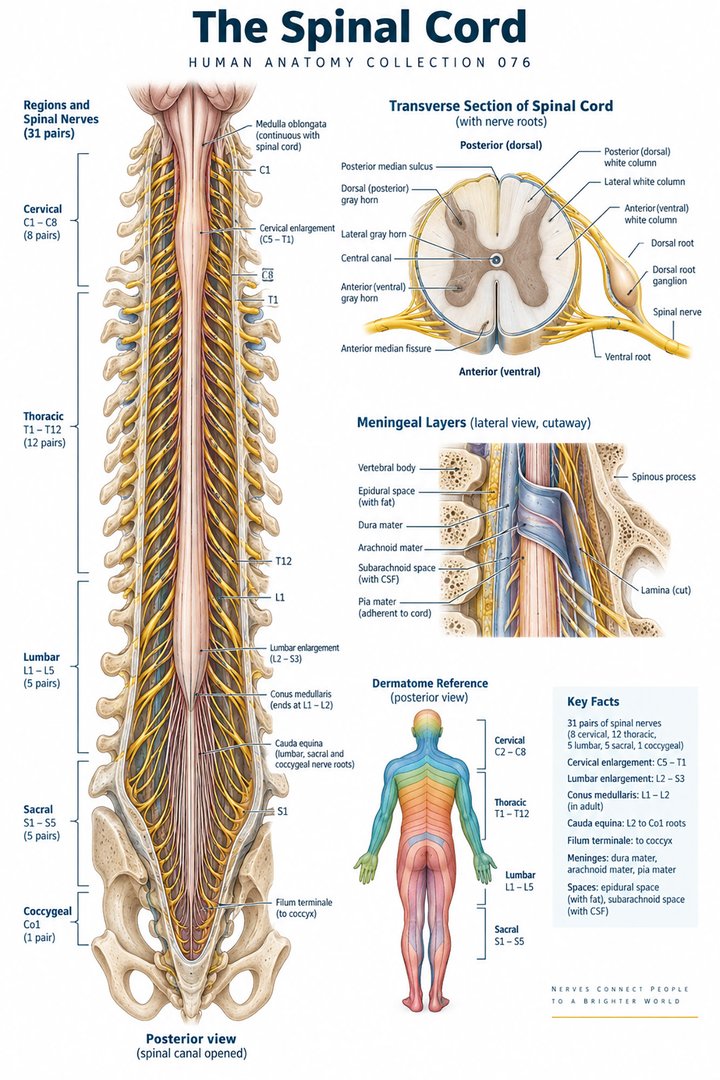
GUIDE 47 · 2,126 WORDS
Learn spinal cord anatomy through its distinction from the vertebral column, segmental roots, sensory and motor circuits, meninges, and blood supply.
Read the guide ↗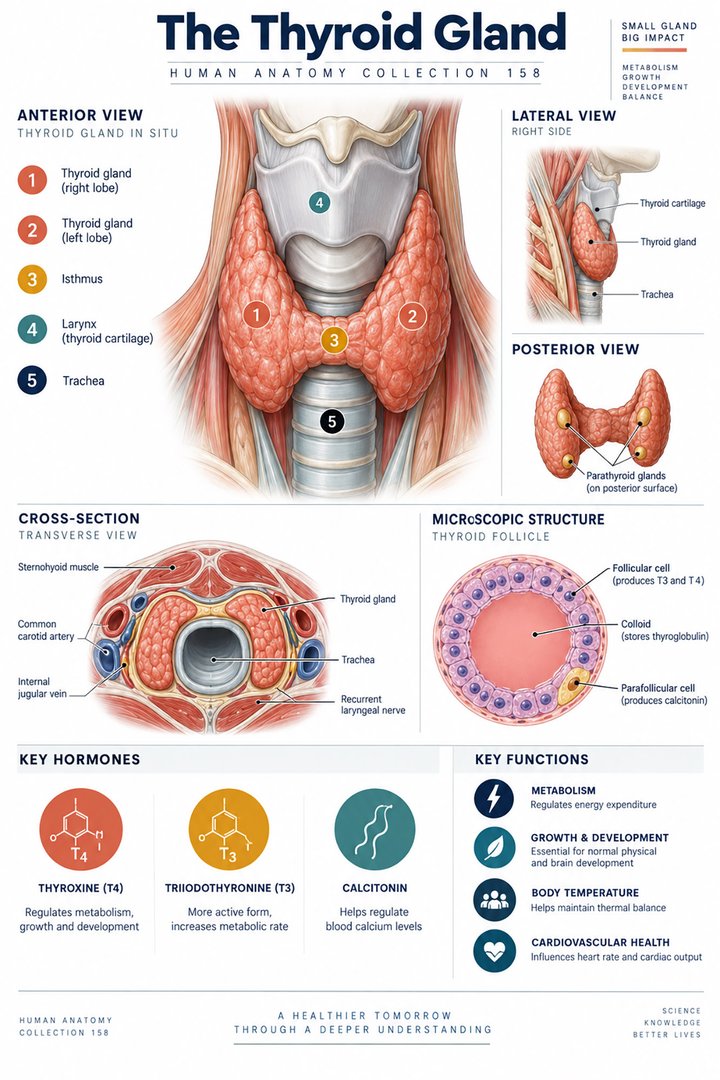
GUIDE 48 · 2,182 WORDS
Explore thyroid lobes and neighboring structures, follicular histology, iodine-dependent hormones, endocrine feedback, and the difference between structural and functional findings.
Read the guide ↗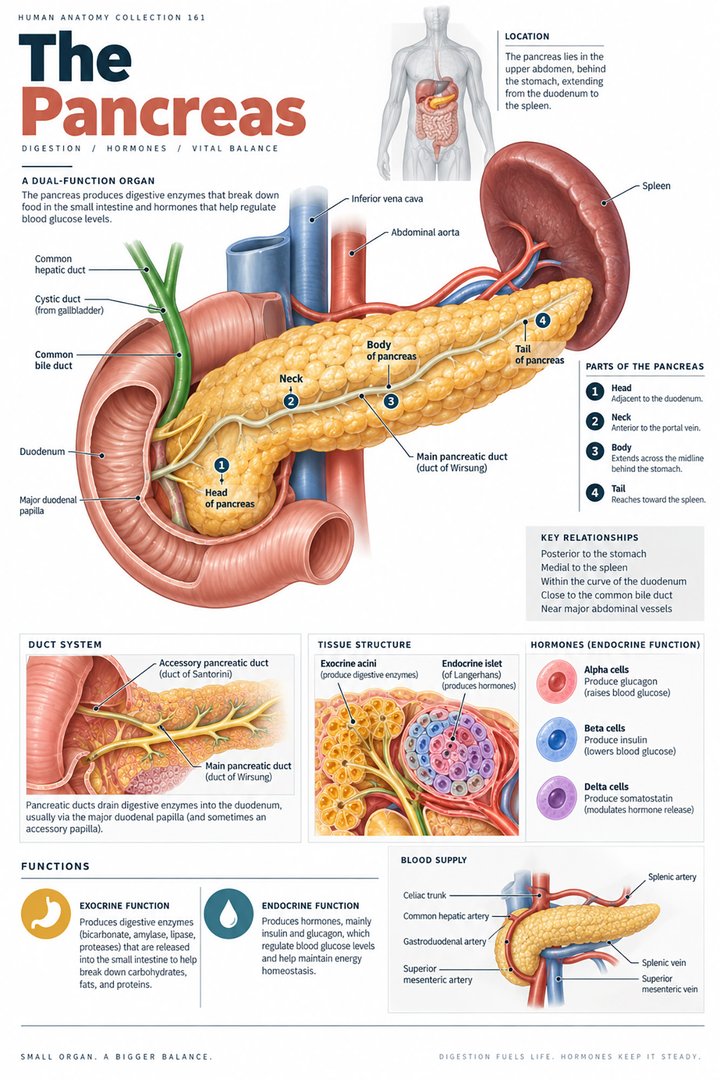
GUIDE 49 · 2,204 WORDS
Follow the pancreas from acinar cells and ducts to islets and blood vessels, linking digestive enzymes, bicarbonate, insulin, and glucagon with distinct physiological routes.
Read the guide ↗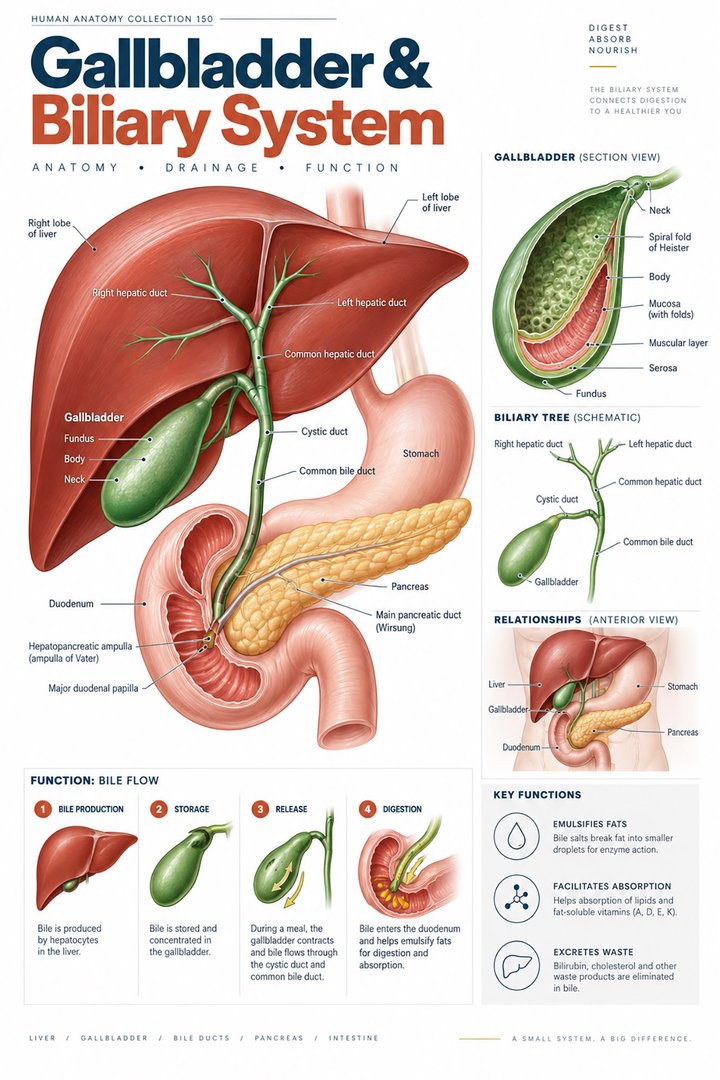
GUIDE 50 · 2,214 WORDS
A detailed guide to the gallbladder, cystic duct, hepatic and common bile ducts, mucosal folds, bile handling, and the anatomical context of biliary findings.
Read the guide ↗