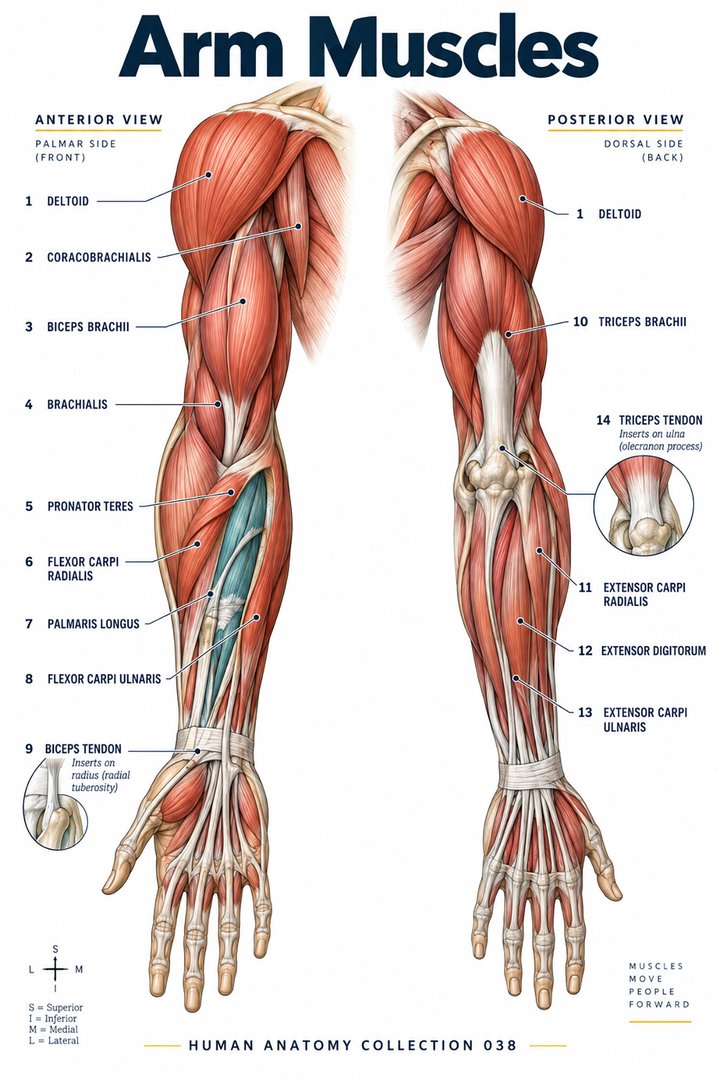
Arm Muscles
Individual poster · 300 DPI print files
Regular $9.90
Explore poster ↗$4.90USD
Offer price · Save $5.00Individual poster · 300 DPI print files
Reduced web preview. Separate high-resolution print files are supplied with the digital download.
ANATOMY 038
A modern anatomy illustration exploring arm muscles, designed for educational and decorative use.
Purchases are not available yet. Checkout and download delivery are being prepared.
Sold by Kunstolymp.de · Germany
Compare prices & the complete collection ↗This is a DIGITAL DOWNLOAD. No physical product will be shipped. After purchase, download your files and print them at home, at a local print shop, or through an online professional printing service.
The separate 300 DPI print files are ideal for 24×36-inch posters (approximately 60×90 cm). ISO and 5×7 formats are included. The white border lets you adjust the layout or trim to fit other frame sizes; check the preview before printing to keep the illustration and labels visible.
The planned bundle delivery includes a PDF information sheet with a link to the relevant Google Drive folder and download instructions. The store is currently in preview and purchases are not yet available.
A science-inspired choice for a student’s study corner, an educator’s classroom, or an anatomy enthusiast’s wall. Final licensing terms will apply.
CLINICAL CONTEXT
Arm movement relies on coordinated shoulder, elbow, forearm, wrist, and hand function. Biceps brachii flexes the elbow and supinates the forearm; brachialis is a powerful elbow flexor; triceps extends the elbow; forearm muscles position the wrist and digits. Tendons transmit force across joints, while the brachial artery and median, radial, and ulnar nerves provide vascular and neurological pathways. A muscular complaint can therefore arise from a local strain, tendon disorder, cervical radiculopathy, peripheral nerve compression, joint disease, fracture, vascular compromise, inflammatory myopathy, or systemic illness.
Overuse from lifting, repetitive work, racket sports, climbing, or resistance training may cause muscle pain, tendinopathy, epicondylalgia, or gradual weakness. A sudden “pop,” bruising, deformity, and loss of strength can indicate a biceps or triceps tendon rupture. Pain travelling from neck to hand, paraesthesia, night symptoms, grip change, or loss of dexterity should prompt assessment of nerve-root, plexus, or peripheral-nerve involvement. Patients with diffuse weakness, cramps, stiffness, or muscle wasting need a broader review for medication effects, endocrine disease, inflammatory or inherited myopathy, motor-neuron disease, or other neuromuscular disorders.
Assess mechanism, dominance, occupation, sport, trauma, medications such as statins or corticosteroids, diabetes, systemic symptoms, and functional goals. Examination compares both sides for swelling, bruising, atrophy, deformity, range of motion, tendon integrity, power, sensation, reflexes, pulses, and capillary refill. Imaging or ultrasound can help evaluate suspected tendon injury; radiography is relevant after trauma; electromyography and nerve-conduction testing may help when weakness or sensory signs are unexplained. Management can include relative activity modification, analgesia appropriate to the patient, splinting in selected conditions, exercise-based rehabilitation, occupational therapy, treatment of underlying disease, or surgical referral for significant tendon rupture, fracture, nerve compression, or persistent functional loss.
Ergonomic change, progressive strengthening, graded exposure to activity, sleep support, and structured self-management are often valuable. Mindfulness or other behavioural interventions may help people cope with persistent pain but do not repair a tendon or restore perfusion. Massage or acupuncture should be adjuncts after diagnosis and should not delay assessment of sudden weakness, severe trauma, infection, or neurological change. Review supplements and herbal products for interactions, especially where anticoagulants, diabetes medicines, antiepileptics, chemotherapy, renal impairment, or liver disease are present.
A cool or pale limb, absent pulse, rapidly increasing swelling, severe pain after trauma, new hand weakness, progressive numbness, fever with a red swollen limb, or sudden deformity requires urgent local assessment. This article supports clinical learning and cannot replace an individual examination.
Further reading: MedlinePlus: muscle disorders · MedlinePlus: tendinitis · WHO: evidence-based integrative medicine
Explain the working diagnosis, important alternatives, planned tests, expected course, and specific safety-netting in language the patient can use. Invite questions about treatment goals, capacity, cost, culture, and complementary therapies. Use a professional interpreter when language access could affect consent or understanding, and confirm clear arrangements for timely clinical review in writing. Document the reasoning, reassess response to treatment, and coordinate care across professions when illness affects more than one system. Teaching anatomy is most useful when it supports this partnership: accurate localisation, respectful listening, timely escalation, and a plan that remains responsive to the individual patient.
HUMAN ANATOMY COLLECTION · 001—300
A closer look at what makes us human. Discover anatomy posters for your study space, classroom, and everyday curiosity.
DIGITAL DOWNLOADS · 300 DPI PRINT FILES
EXPLORE BY SYSTEM
LEARN & EXPLORE
Detailed English guides with Latin terminology, diagrams, real images, and clinical learning connections.
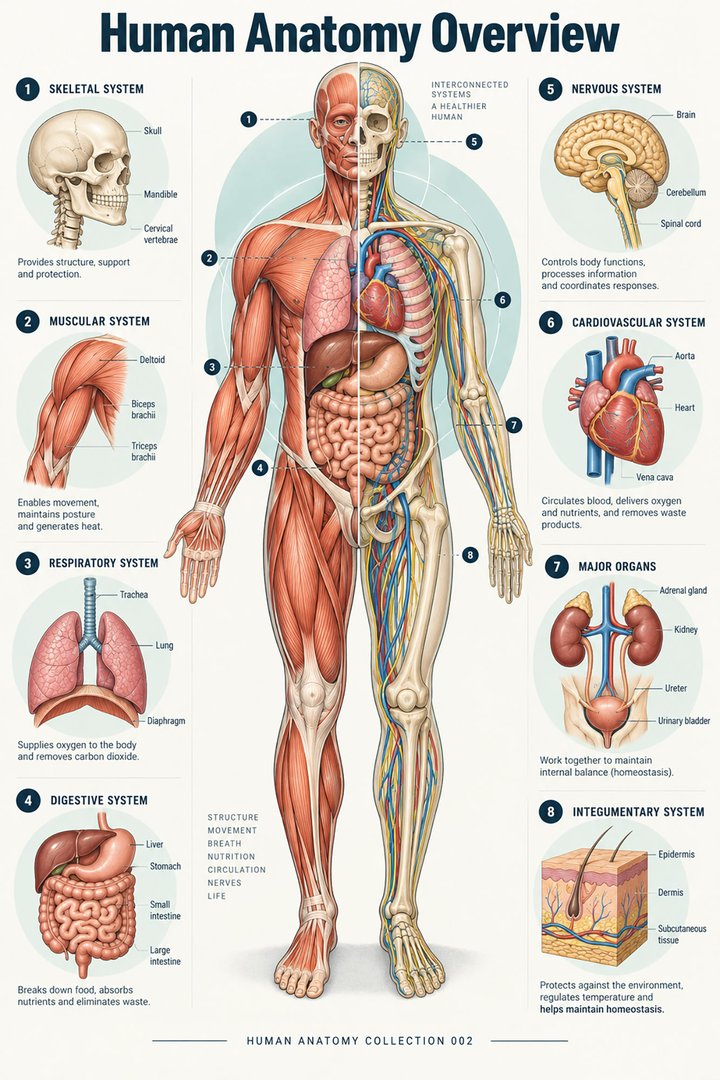 Human Anatomy Diagrams ↗
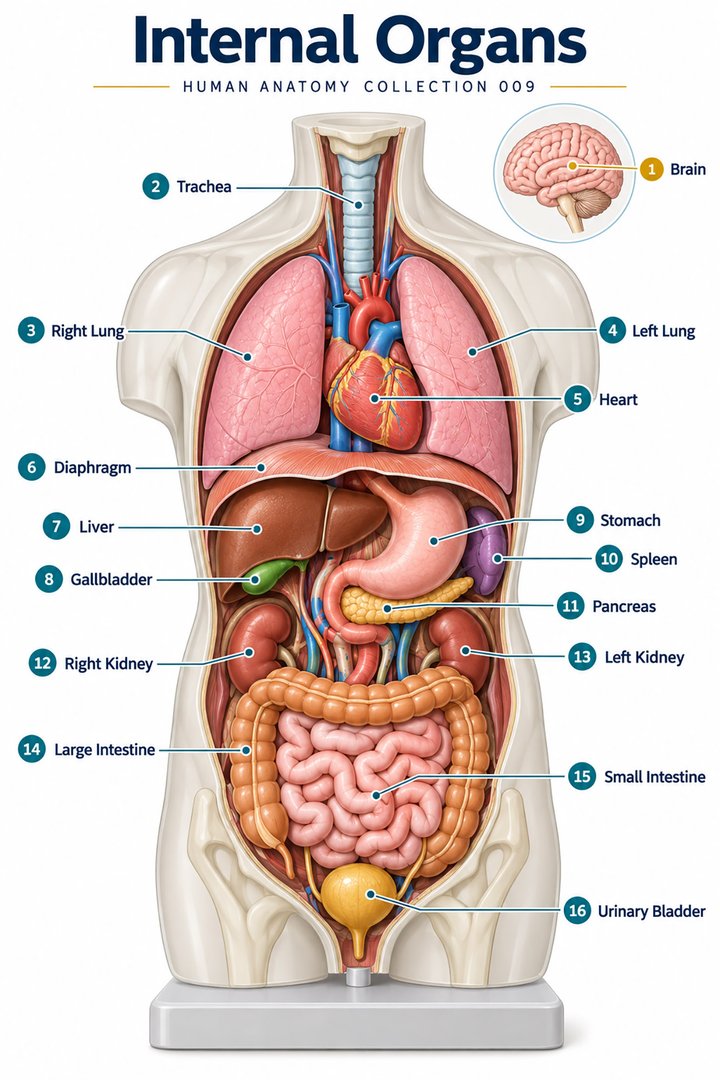 Human Body Organs ↗
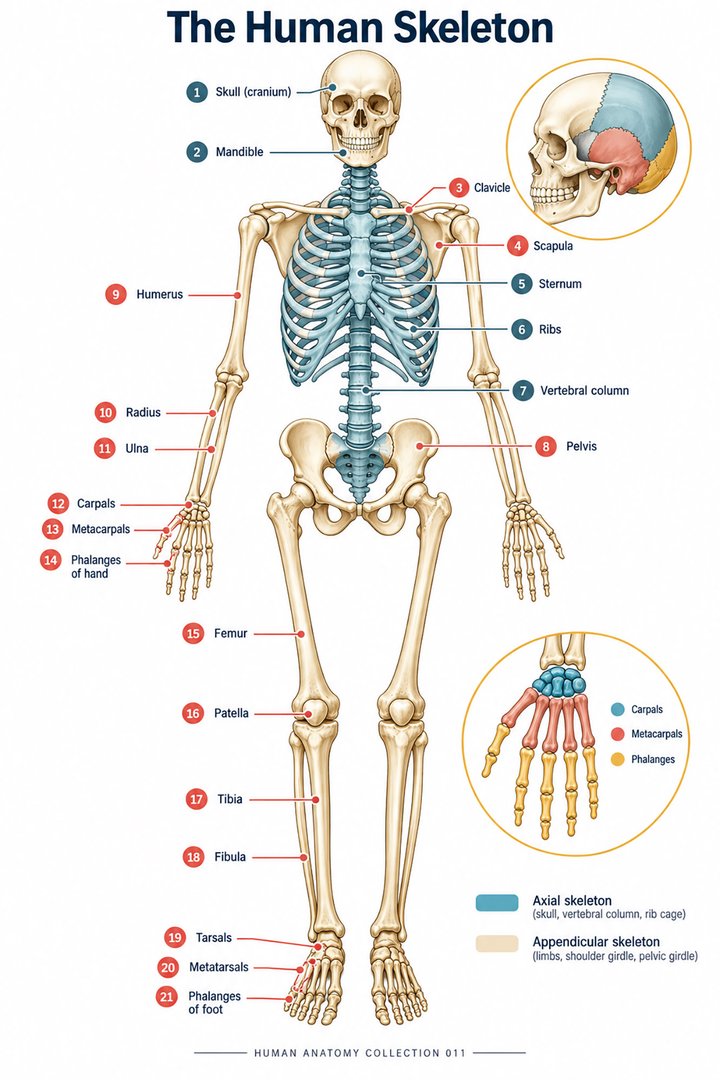 Skeletal System Anatomy ↗
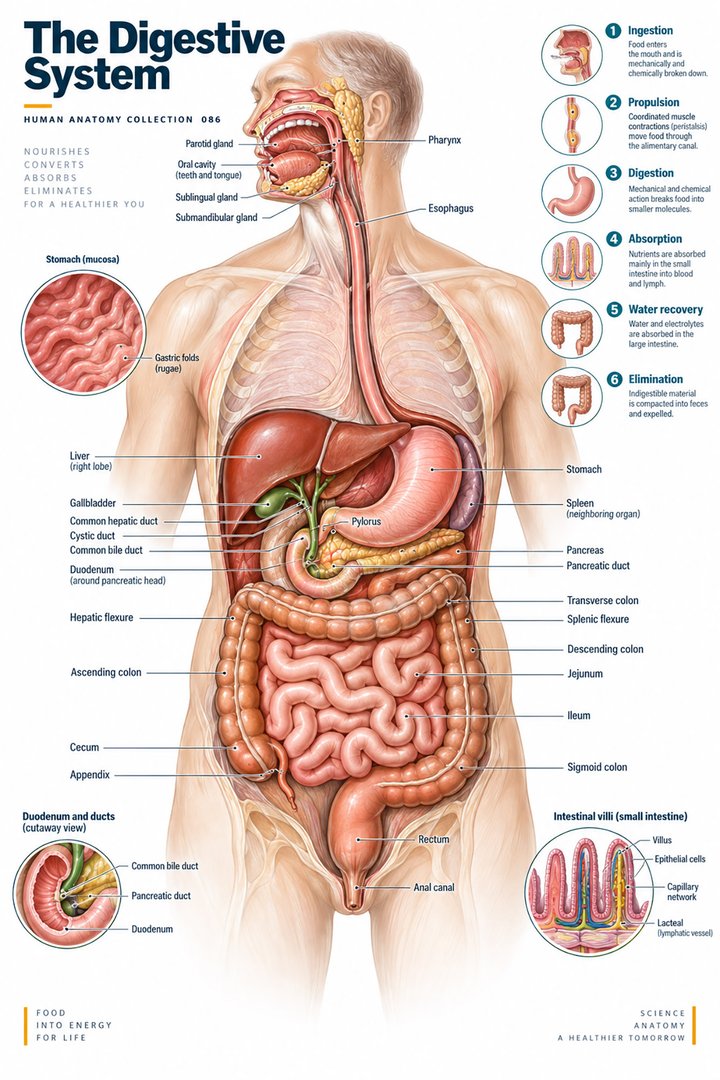 Human Digestive System ↗
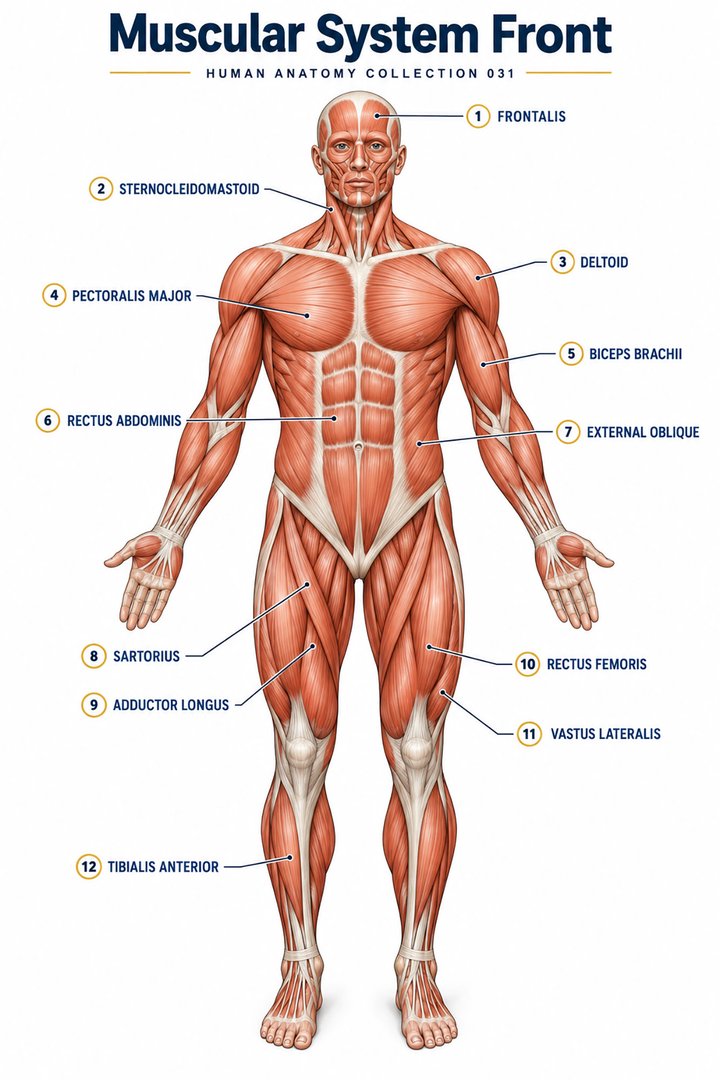 Muscular System Overview ↗
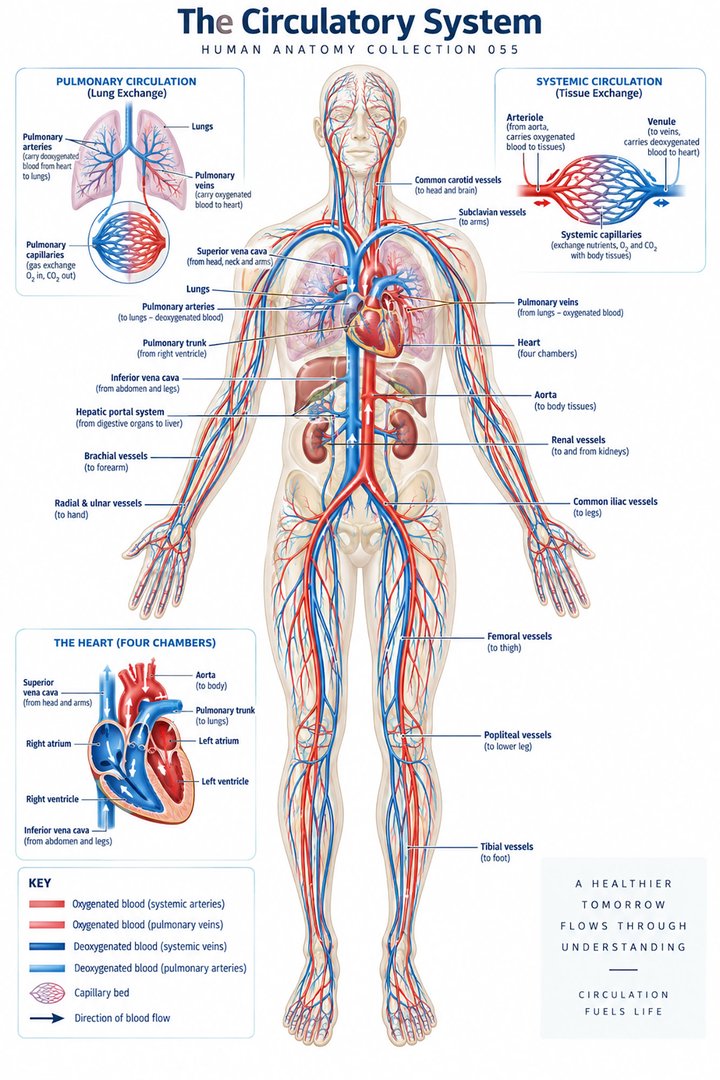 Human Circulatory System ↗
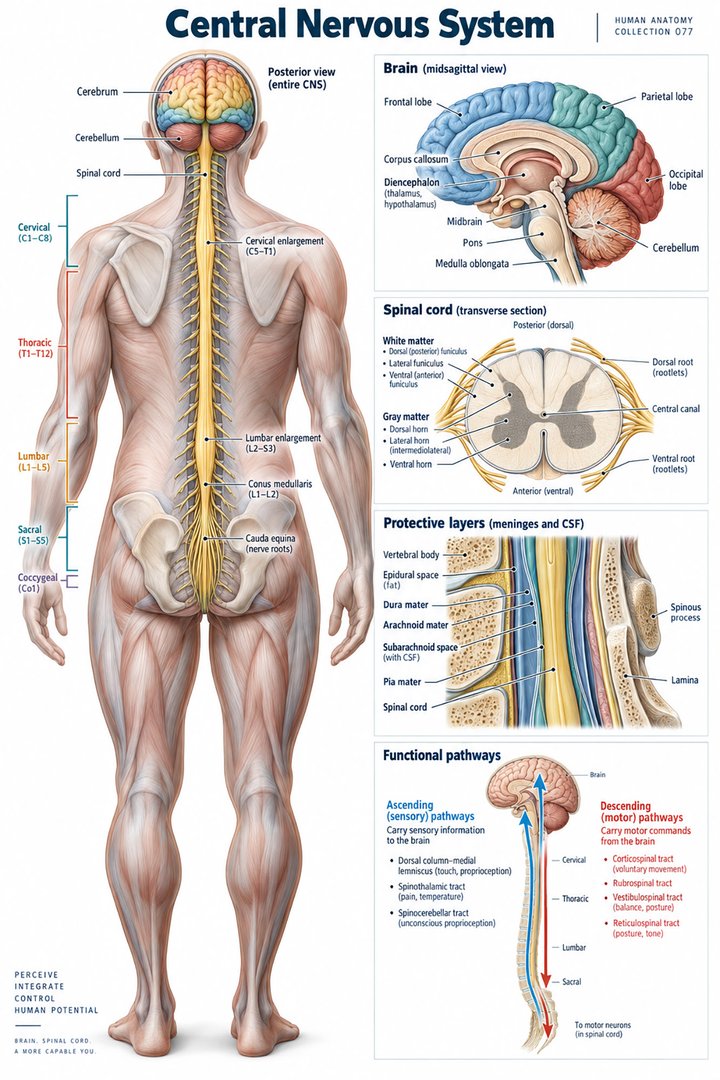 Human Nervous System ↗
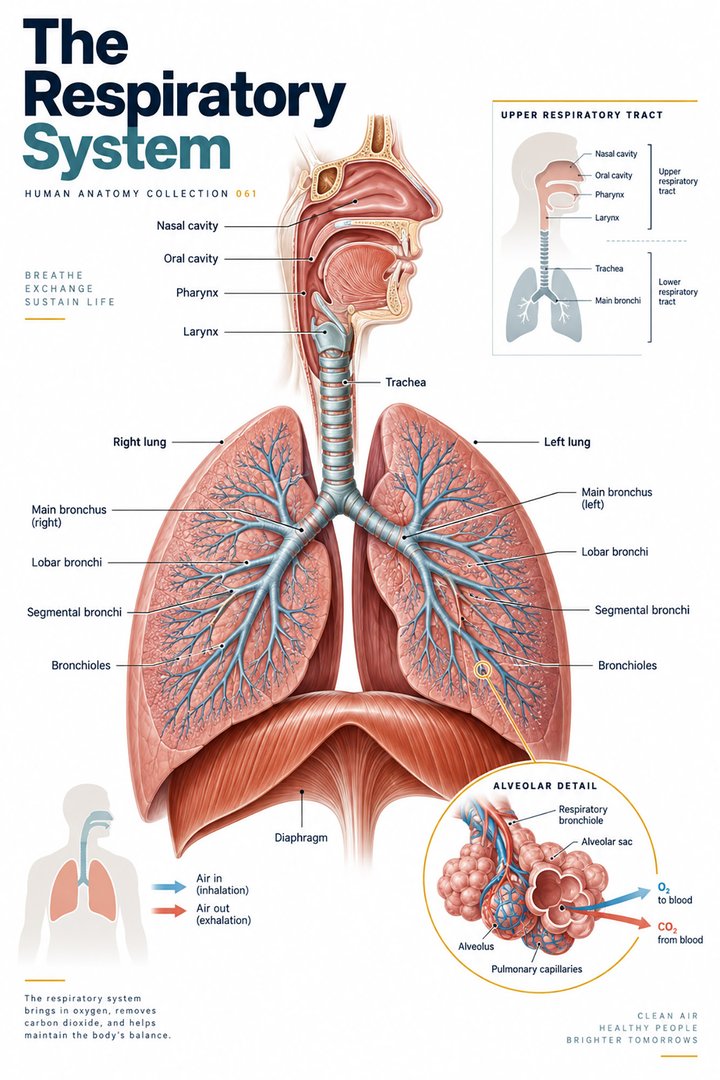 Respiratory System Functions ↗
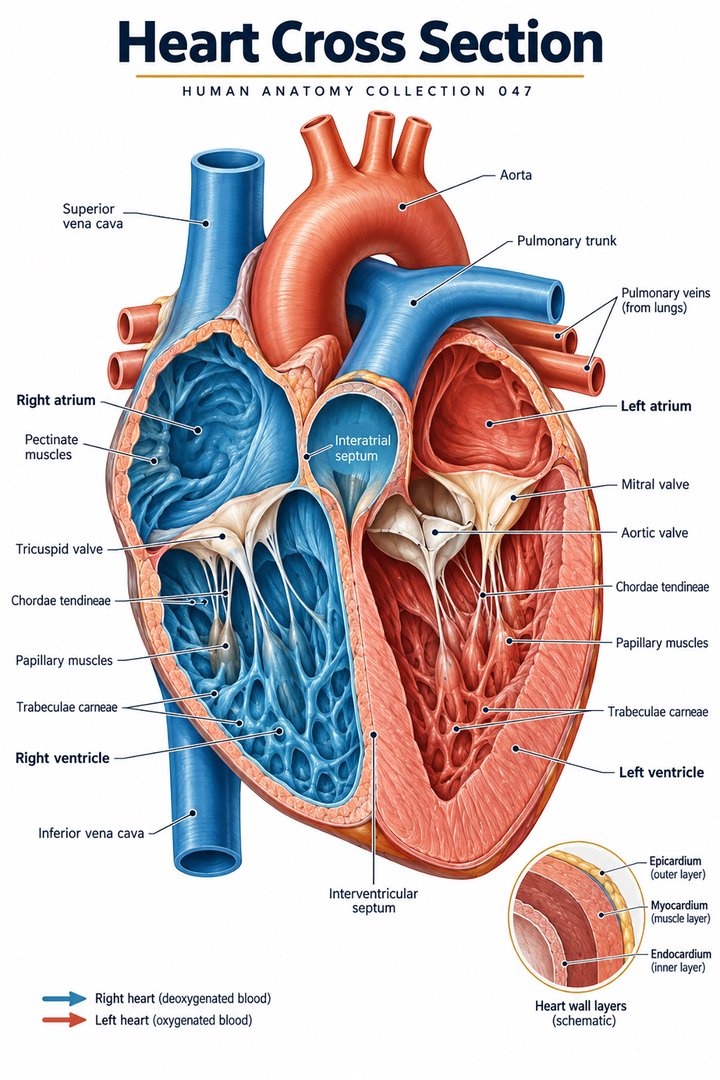 Human Heart Structure ↗
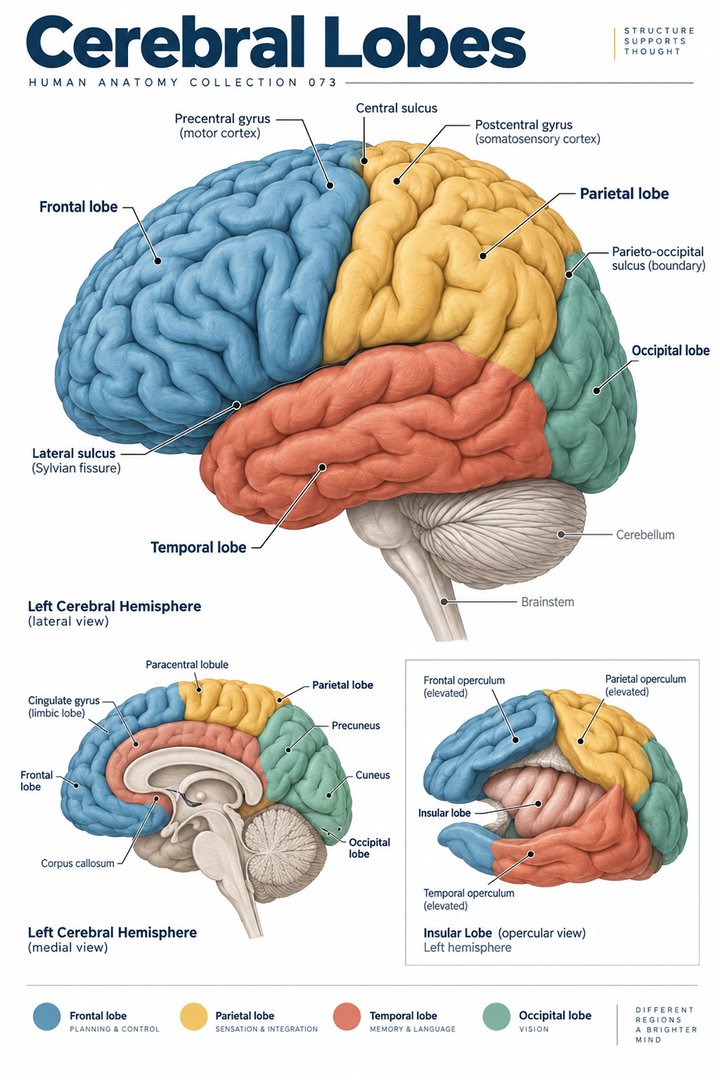 Human Brain Lobes ↗
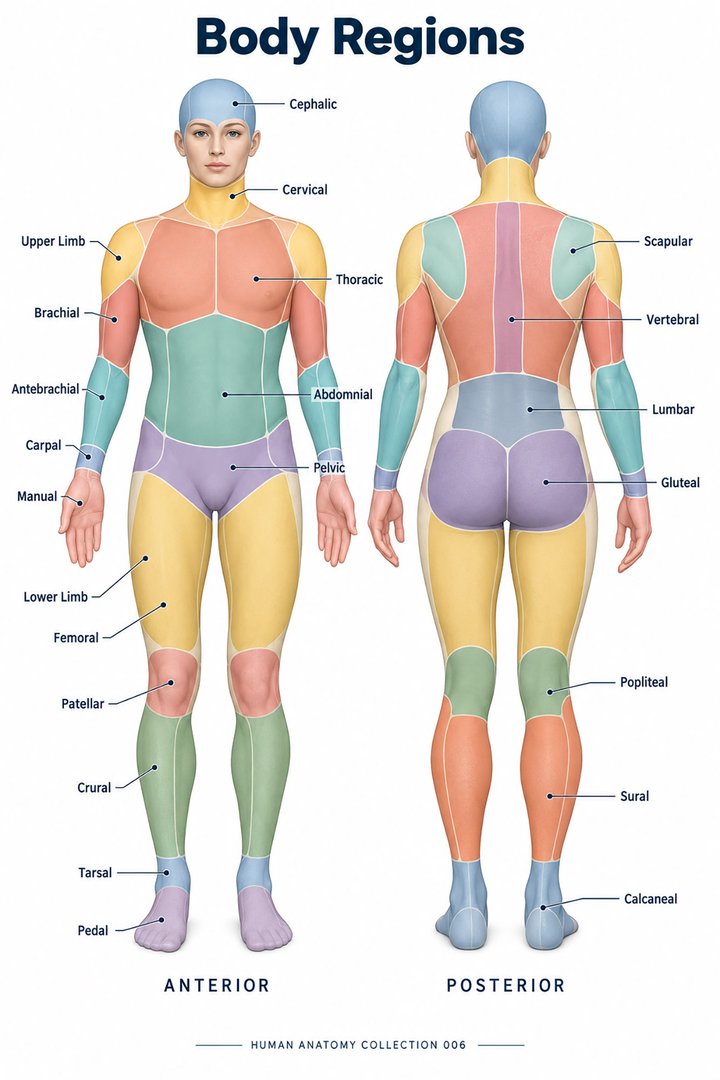 Human Body Parts ↗
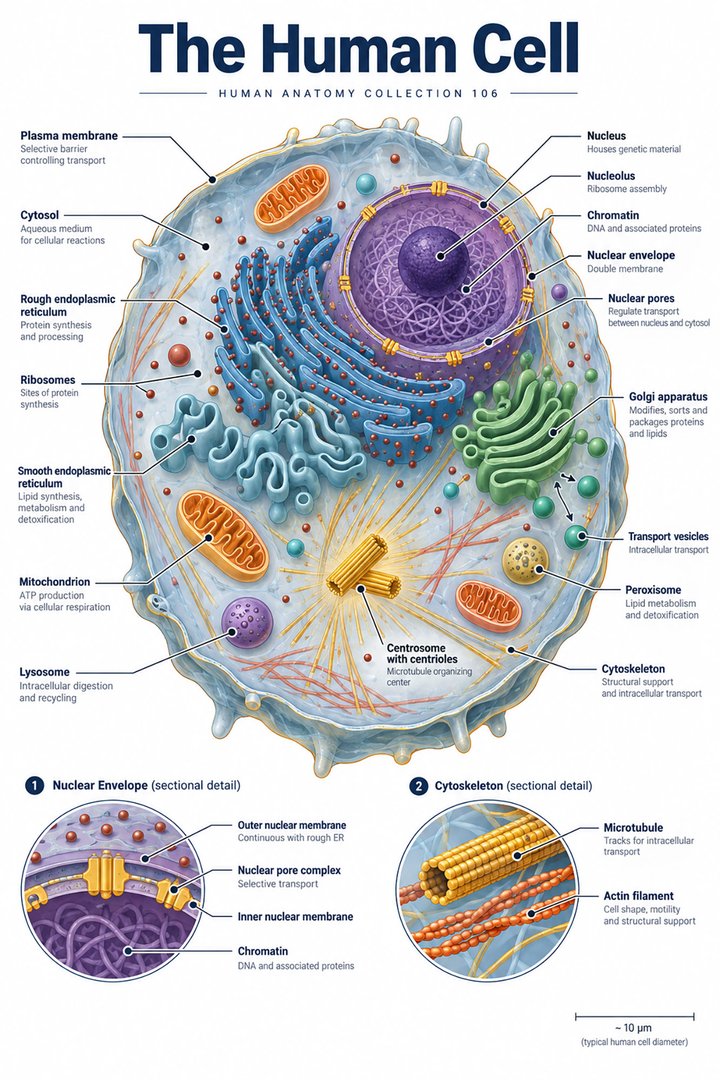 Human Cell Structure ↗
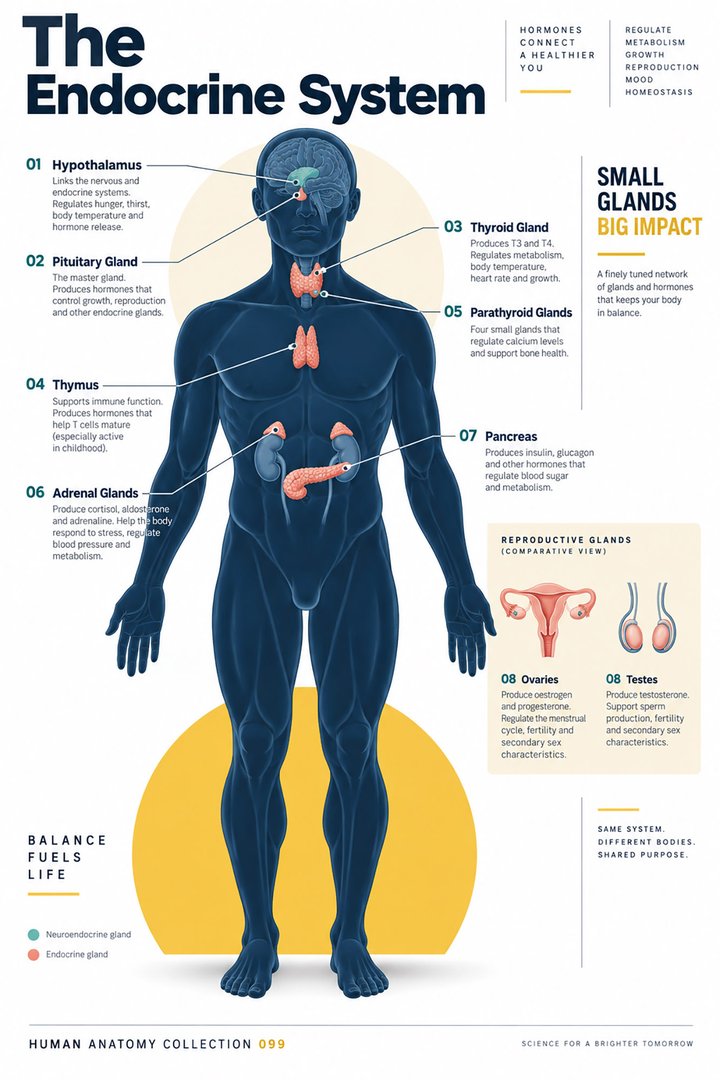 Human Endocrine System ↗
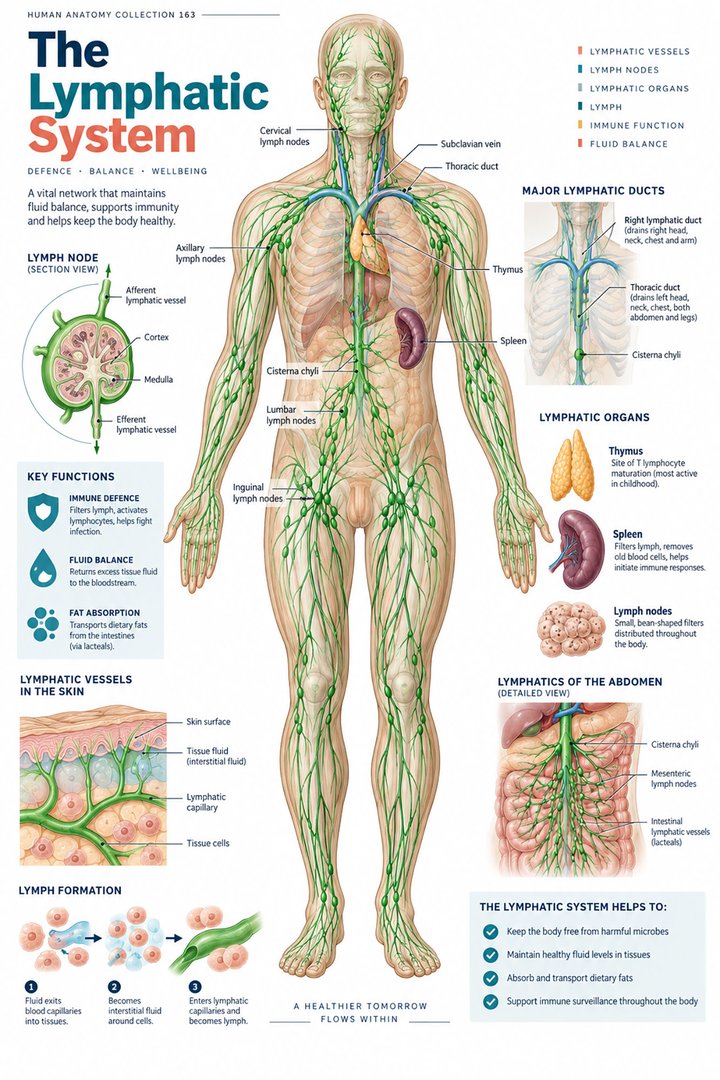 Human Lymphatic System ↗
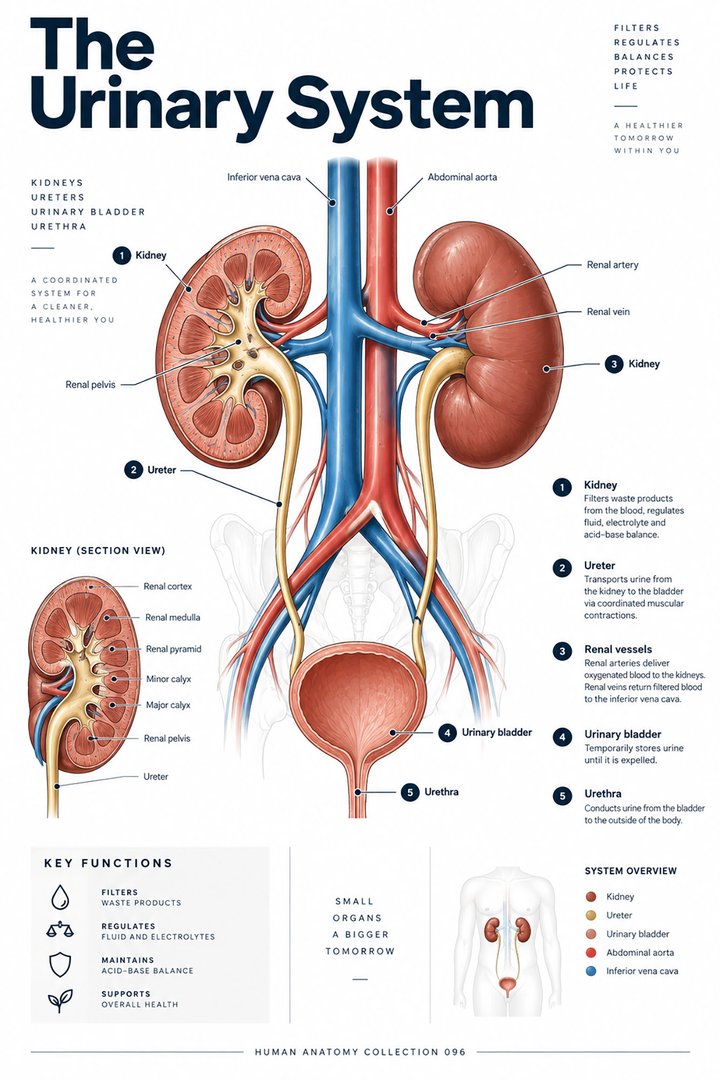 Human Urinary System ↗
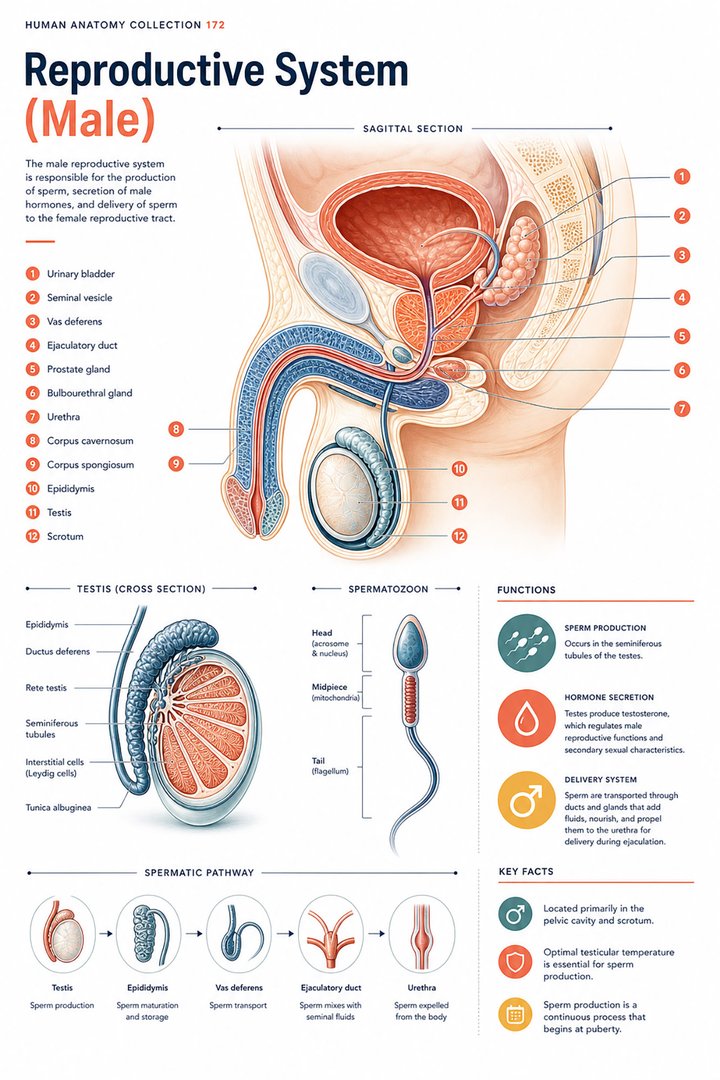 Male Reproductive System ↗
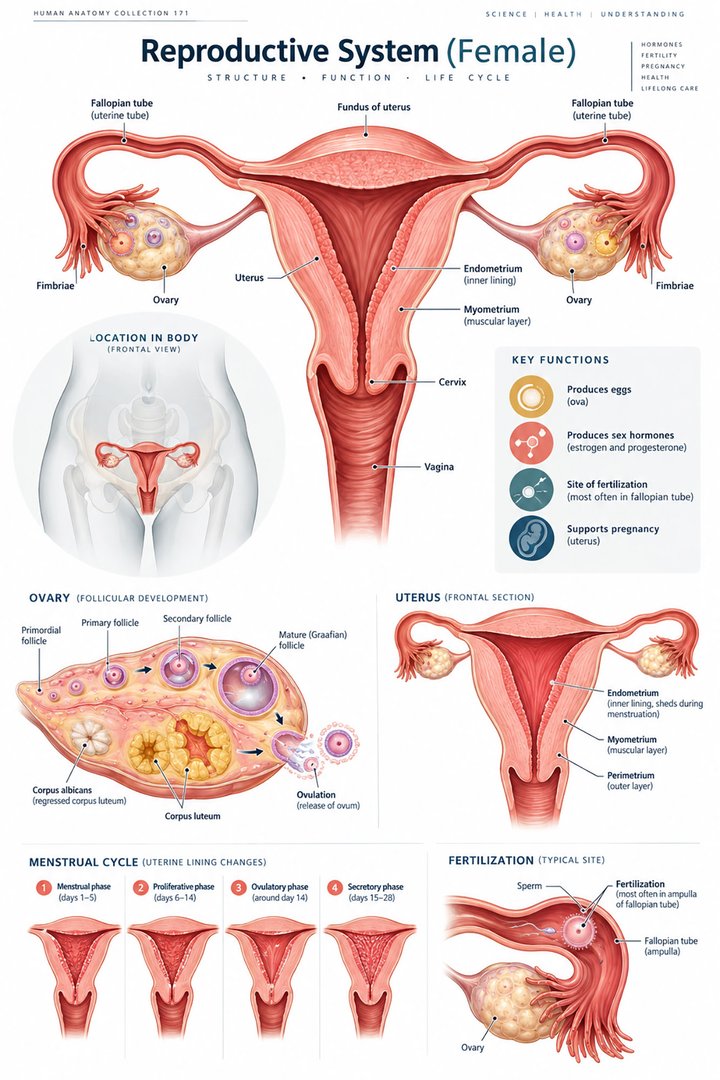 Female Reproductive System ↗
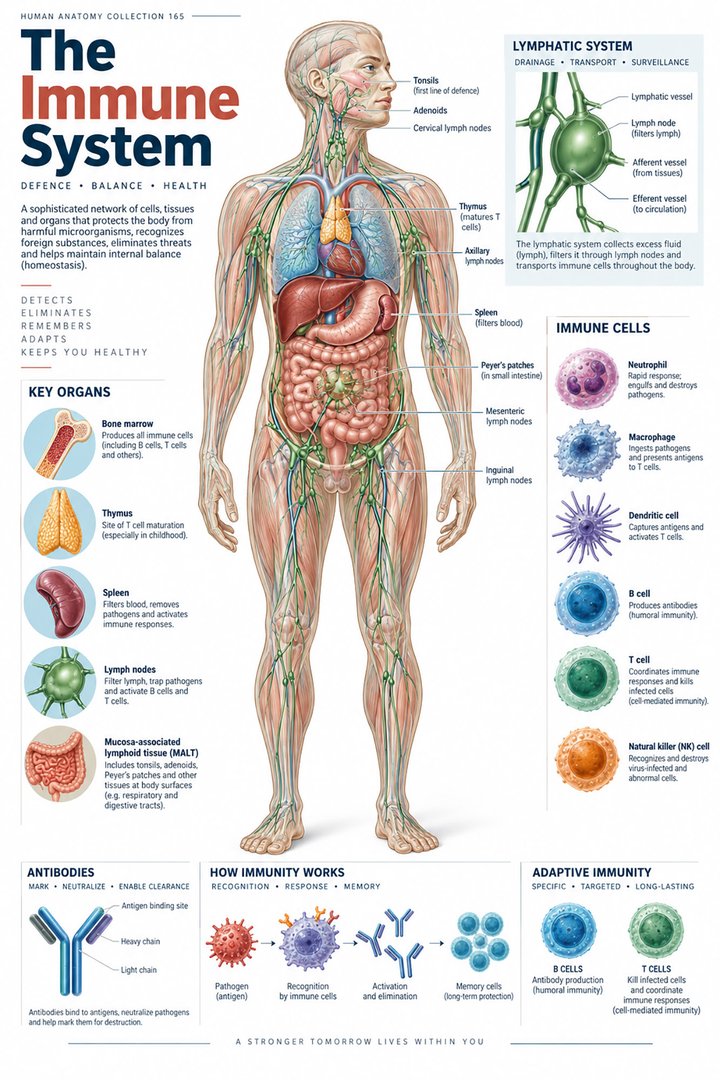 Human Immune System ↗Central Nervous System ↗
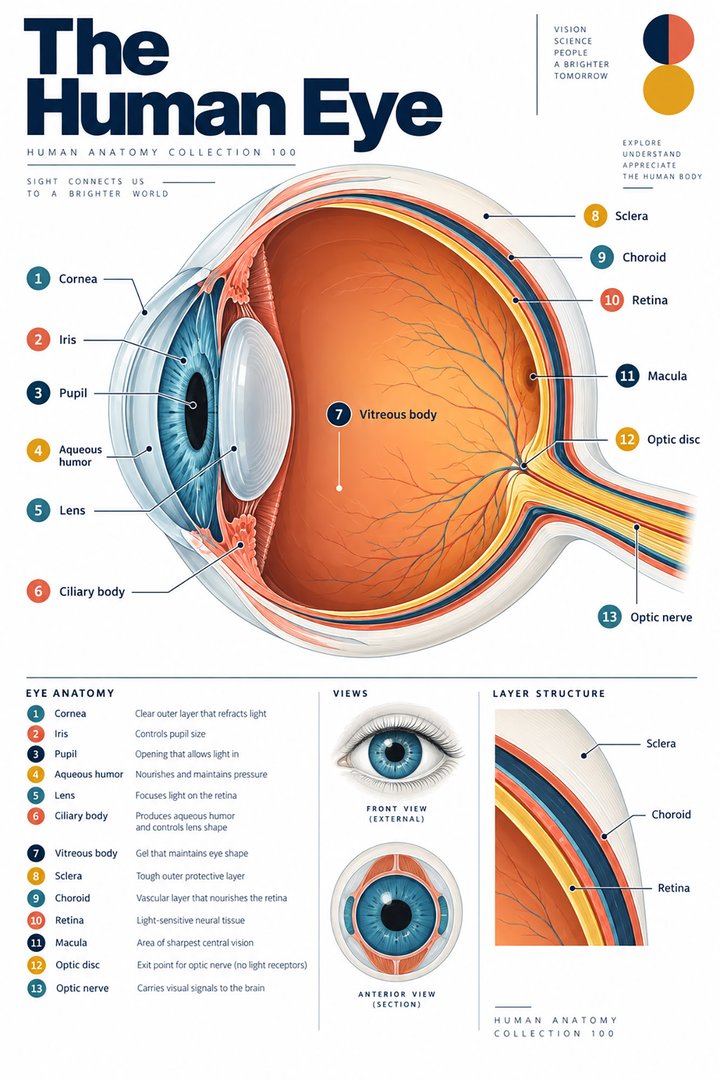 Human Eye Structure ↗
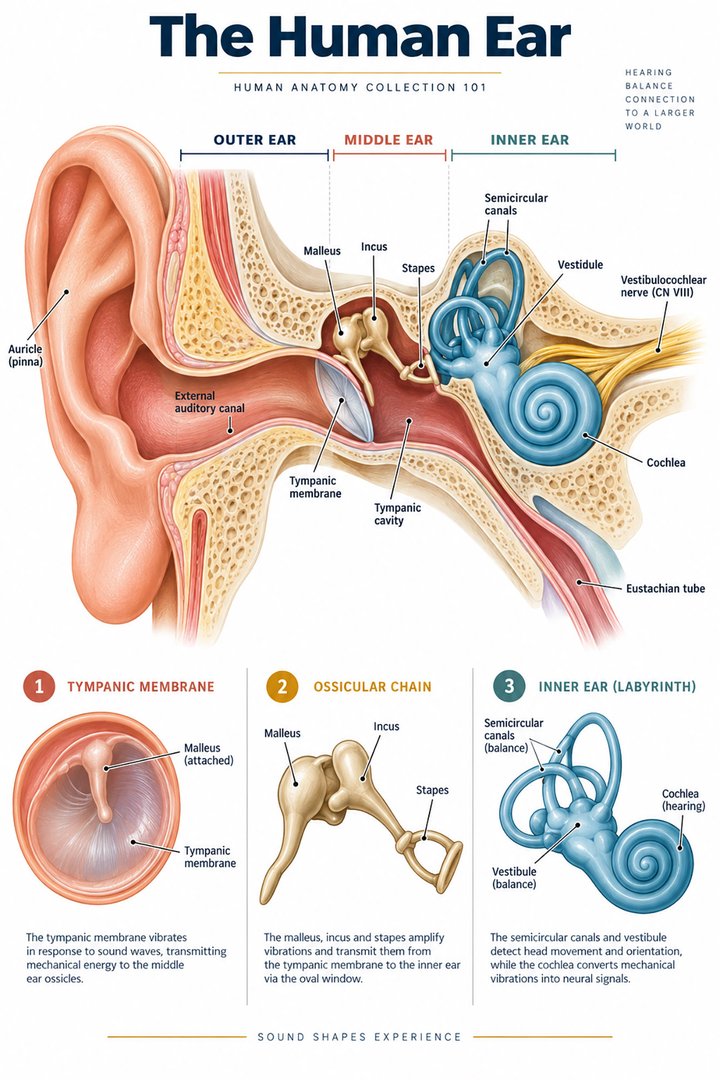 Human Ear Structure ↗
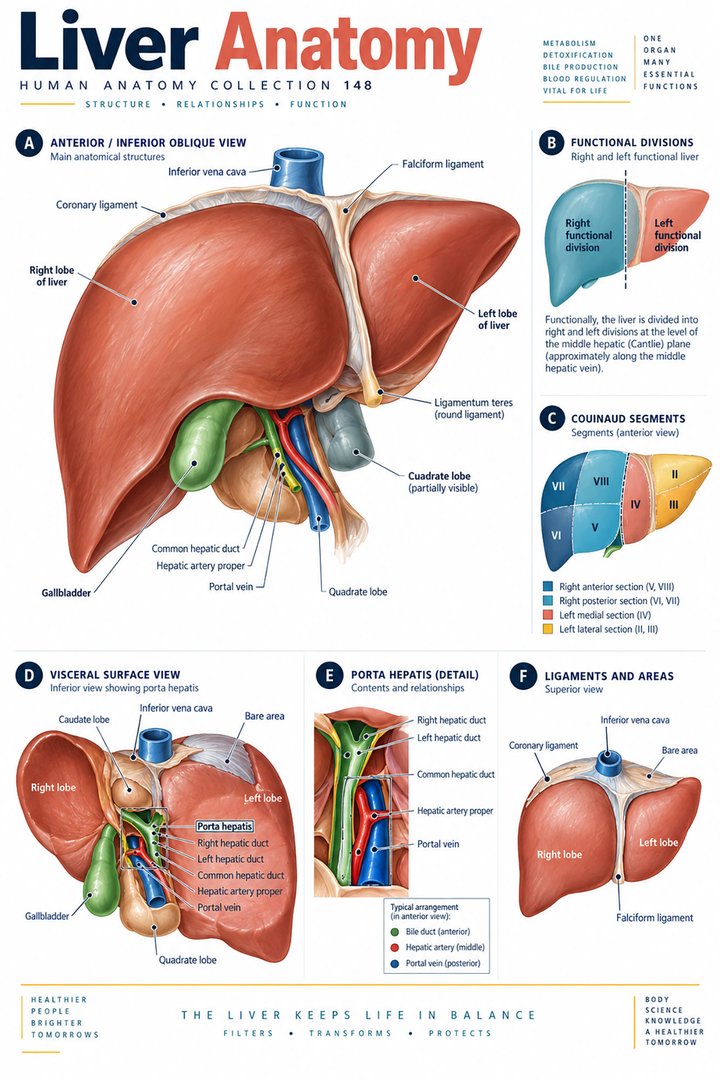 Human Liver Function ↗
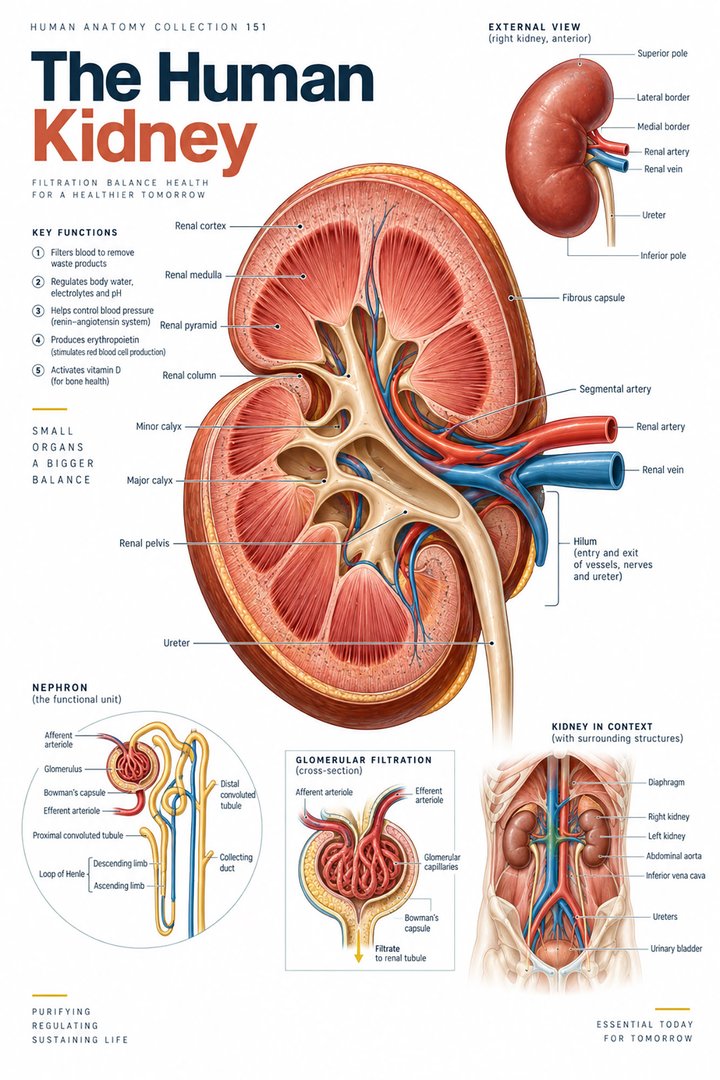 Human Kidney Anatomy ↗
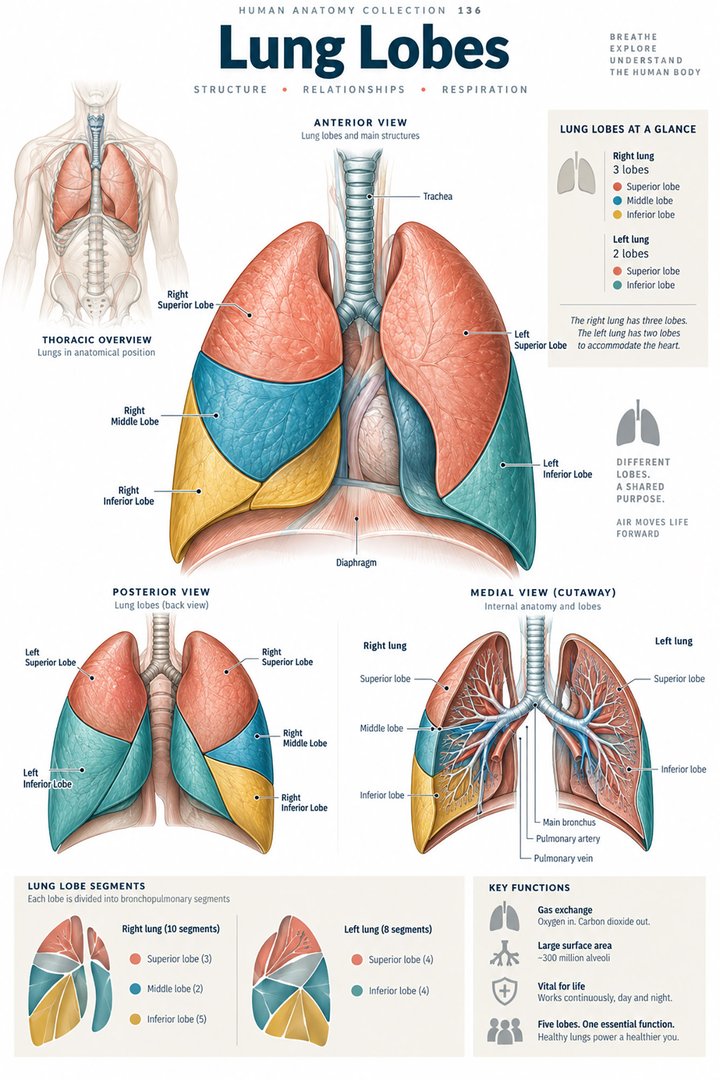 Human Lung Anatomy ↗
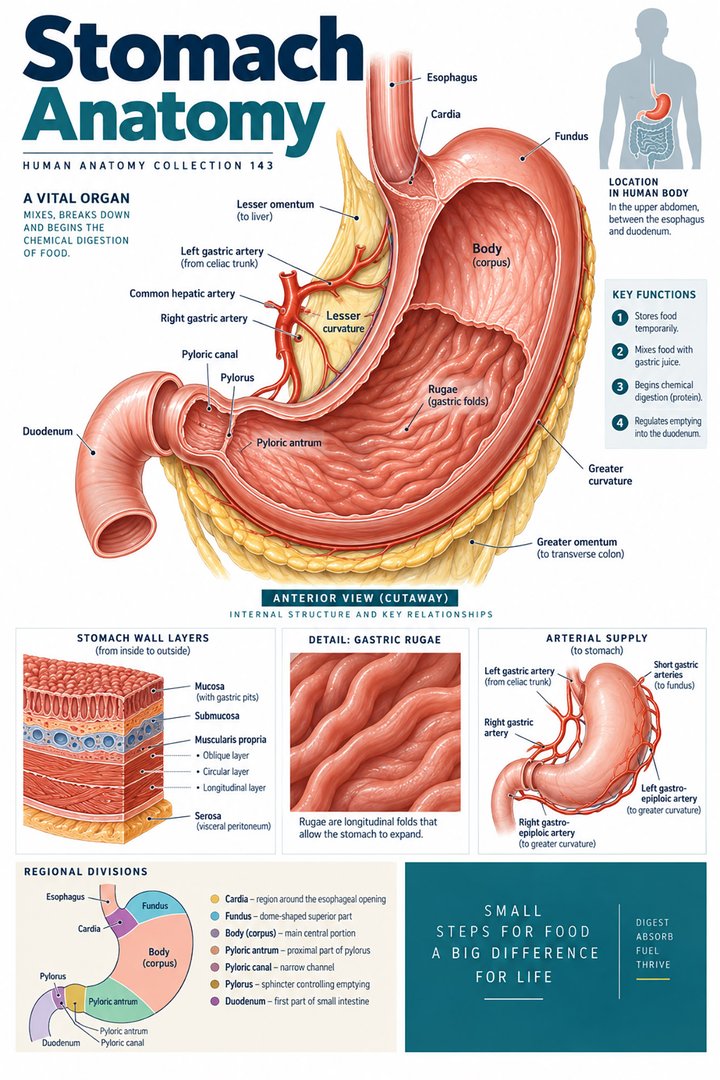 Human Stomach Structure ↗
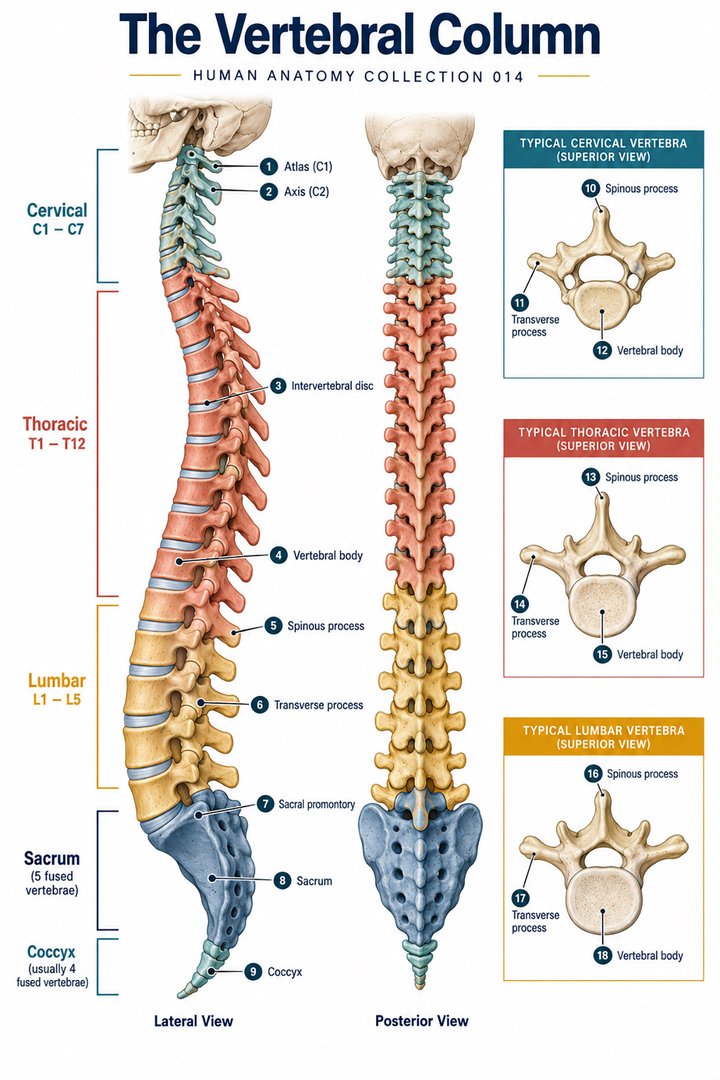 Human Spine Anatomy ↗
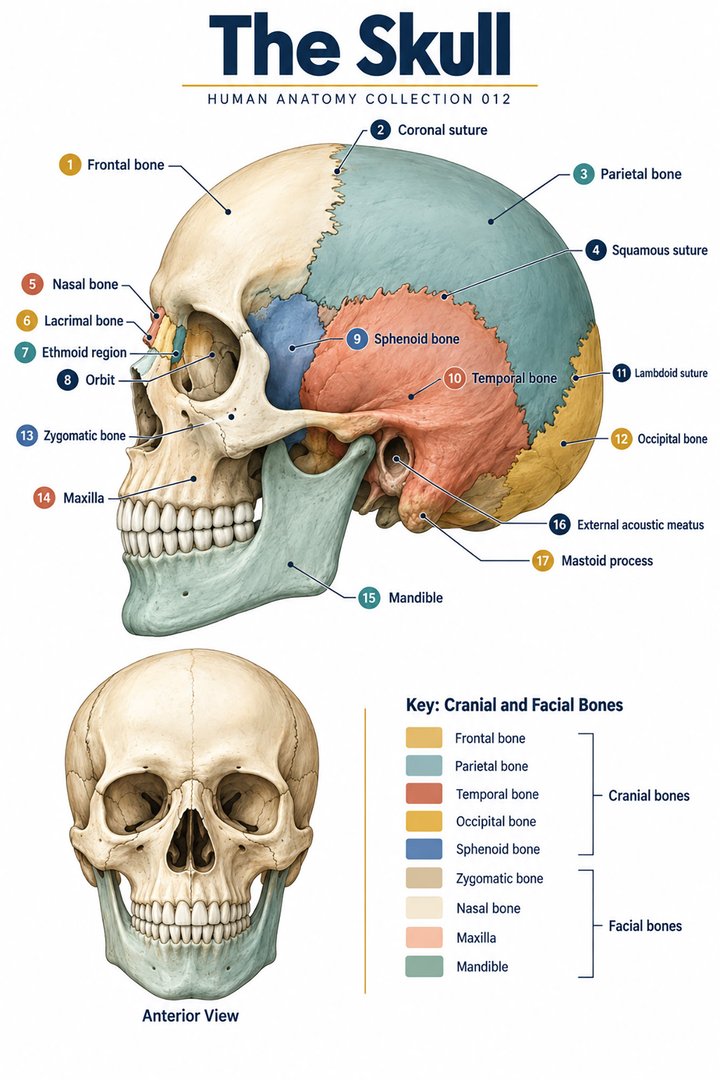 Human Skull Anatomy ↗
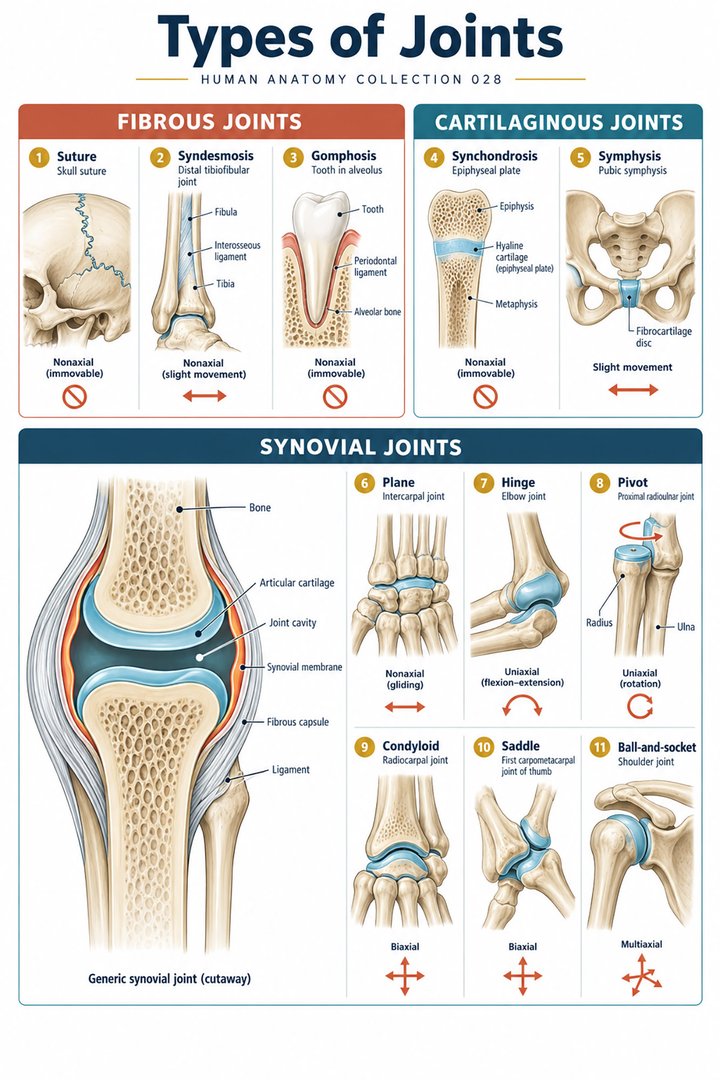 Human Joint Types ↗
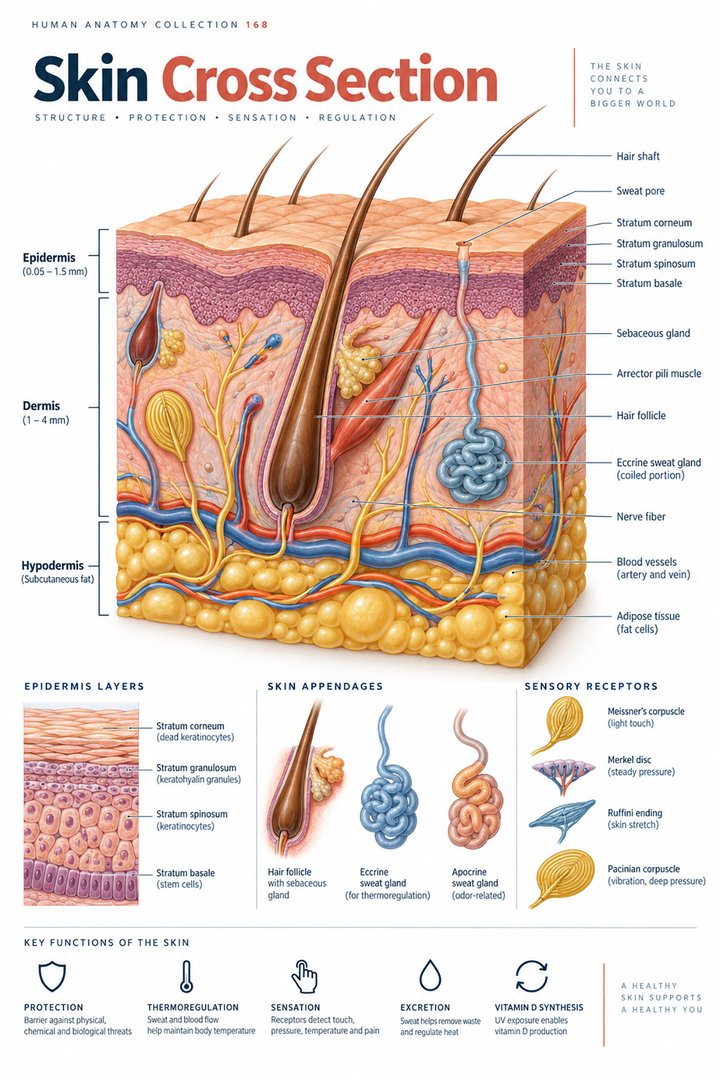 Human Skin Layers ↗
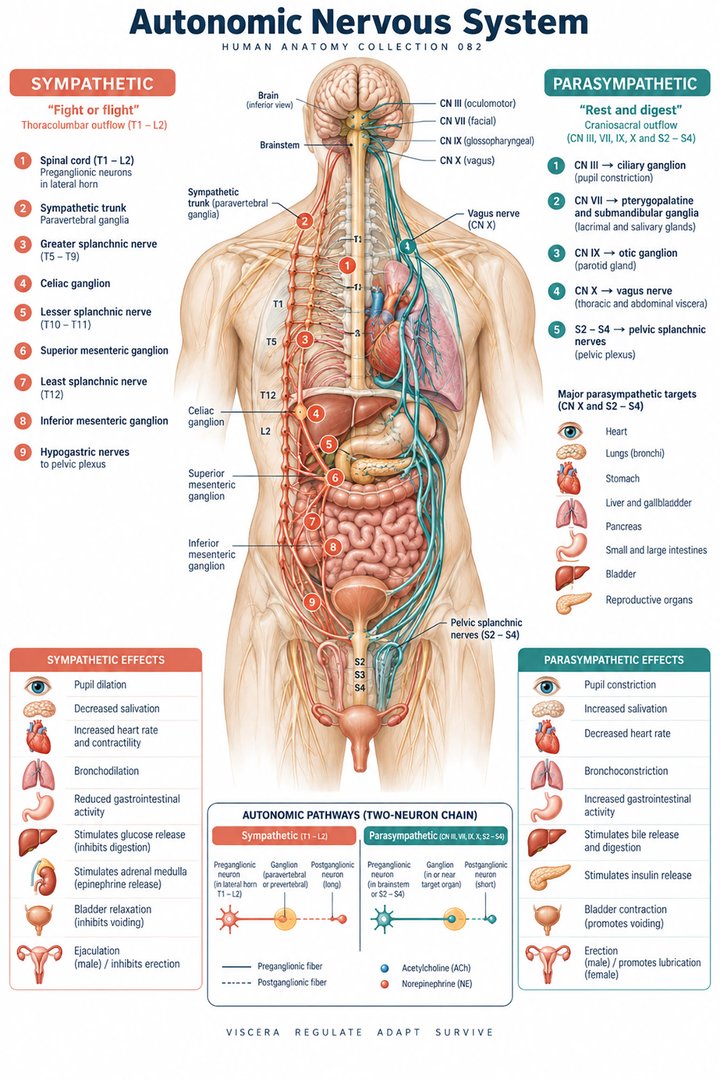 Autonomic Nervous System ↗
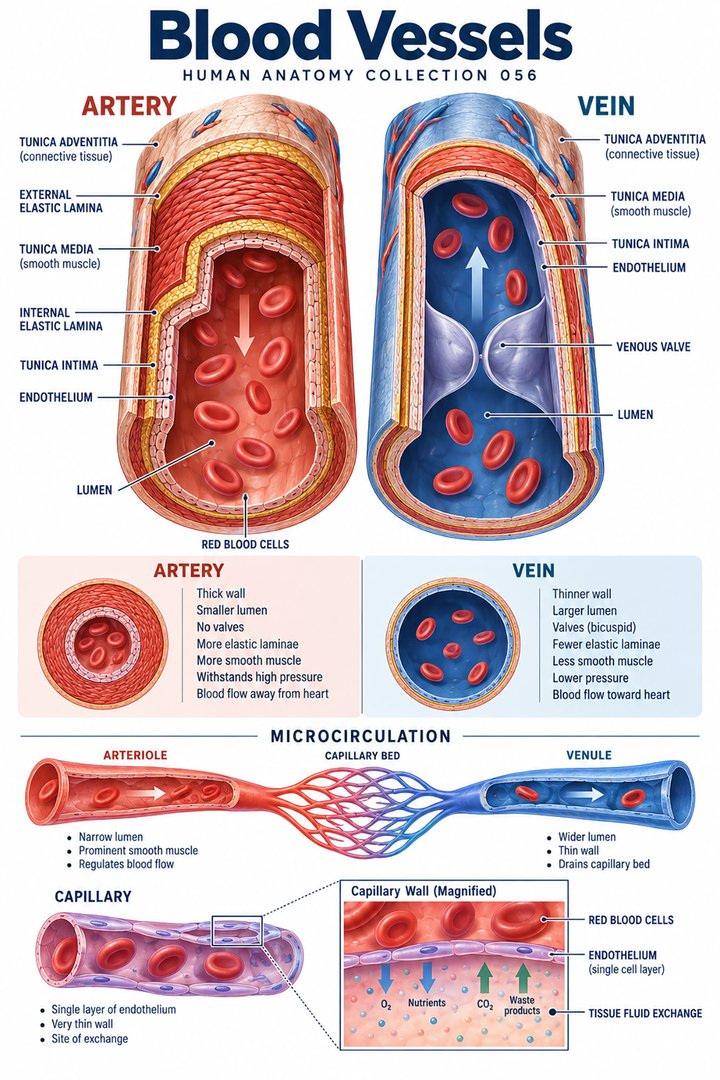 Human Blood Vessels ↗
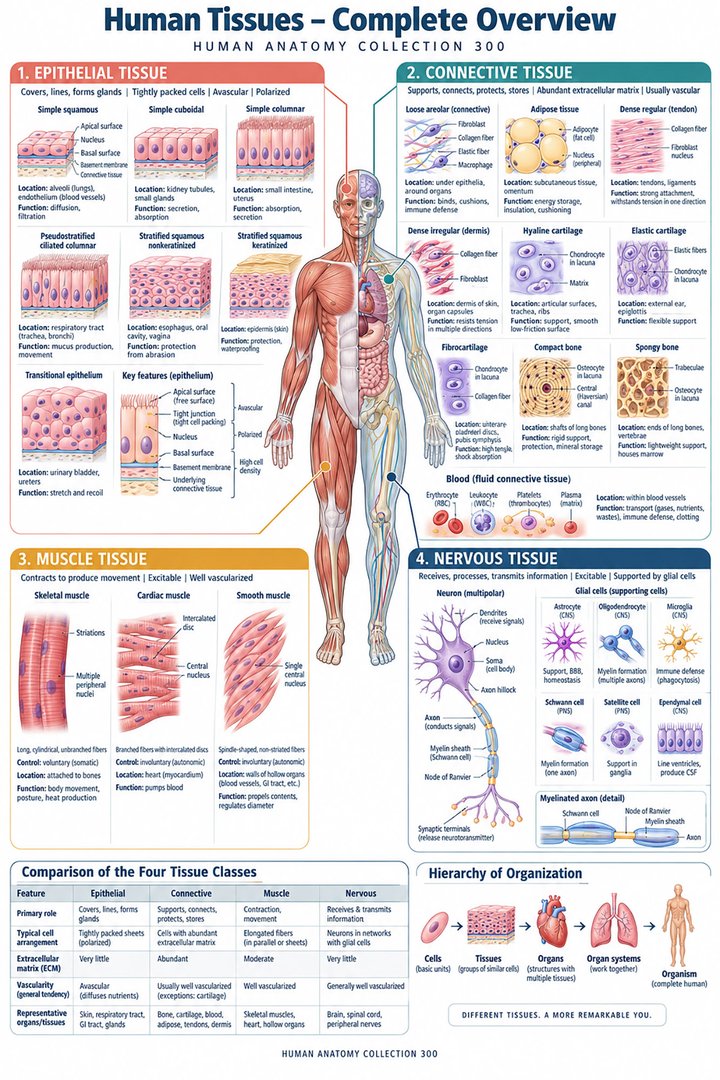 Human Body Tissues ↗
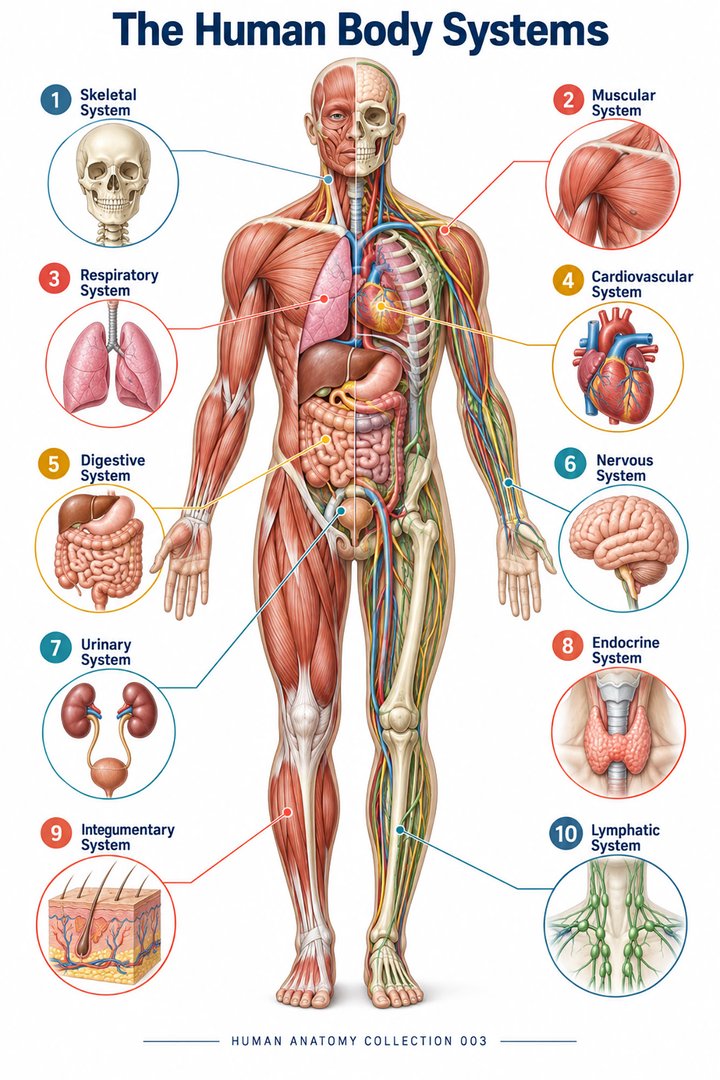 Human Body Systems ↗
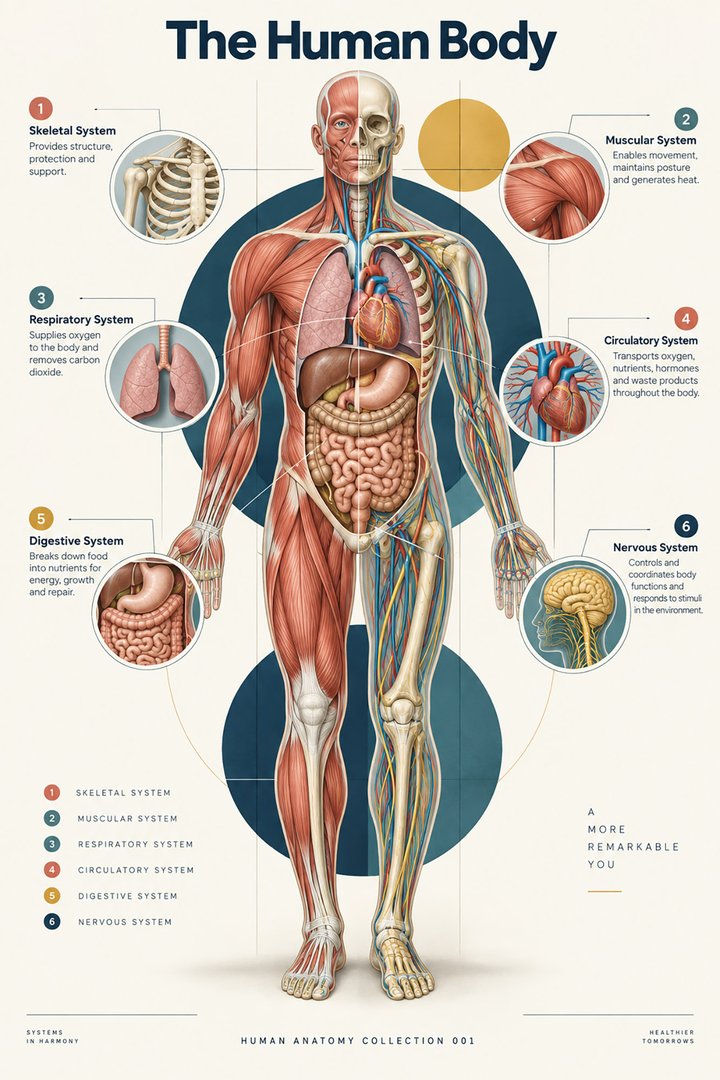 Human Body Facts ↗Human Anatomy and Physiology ↗
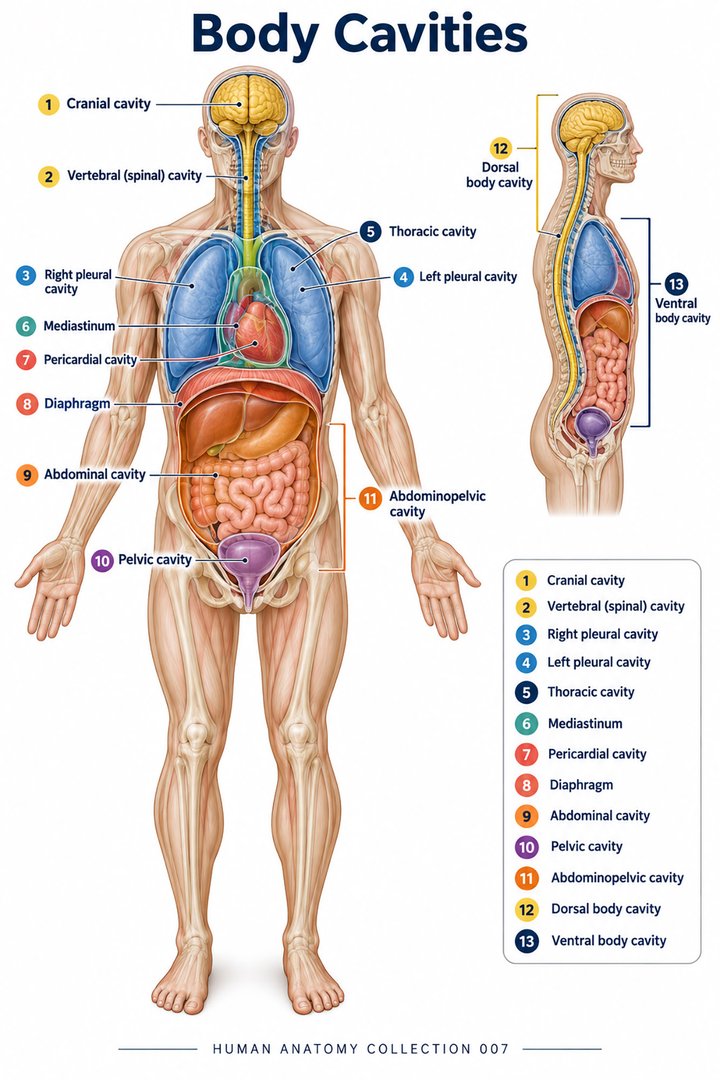 Human Body Cavities ↗Human Torso Anatomy ↗Human Digestive Tract ↗
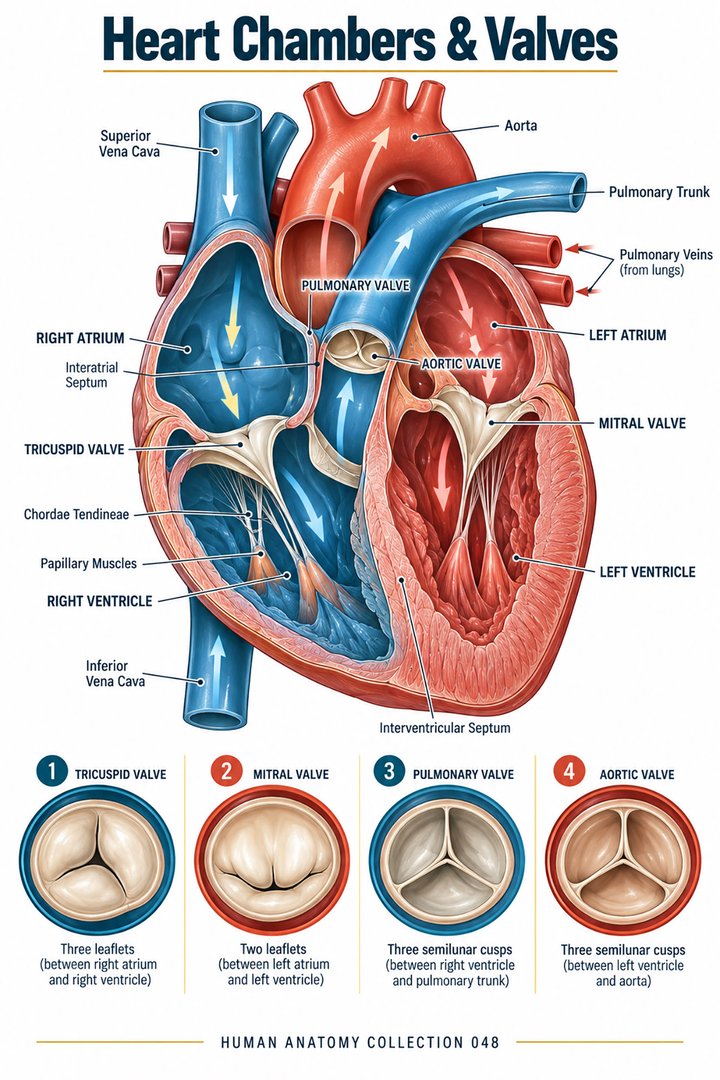 Human Heart Chambers ↗Human Organ Placement ↗
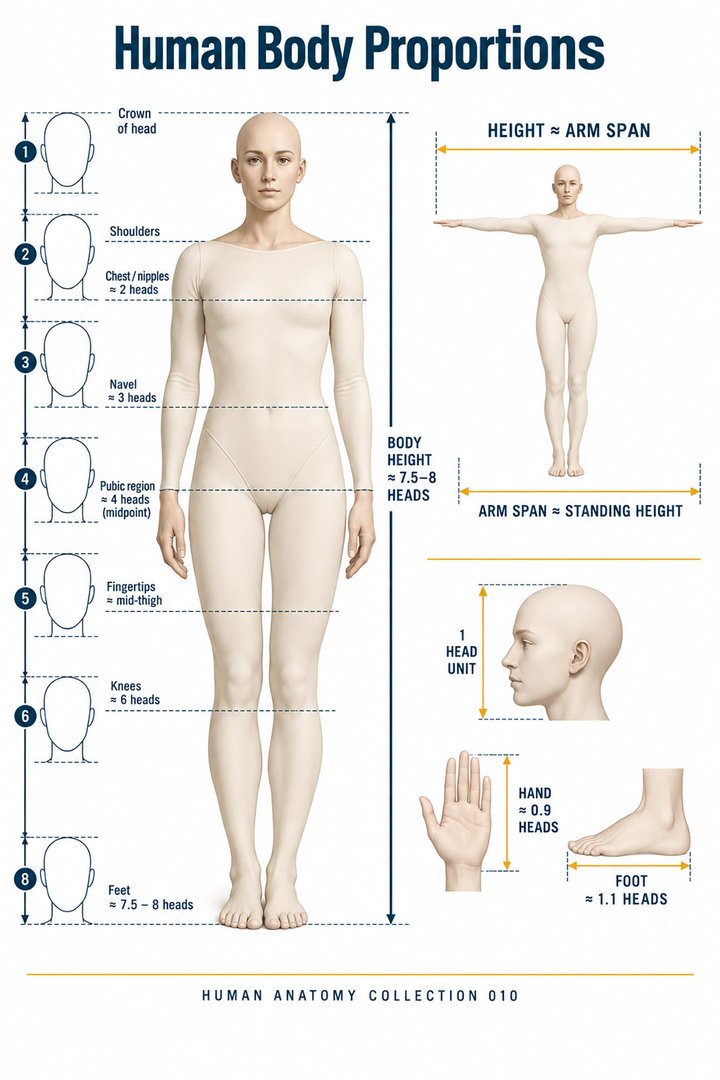 Human Body Proportions ↗
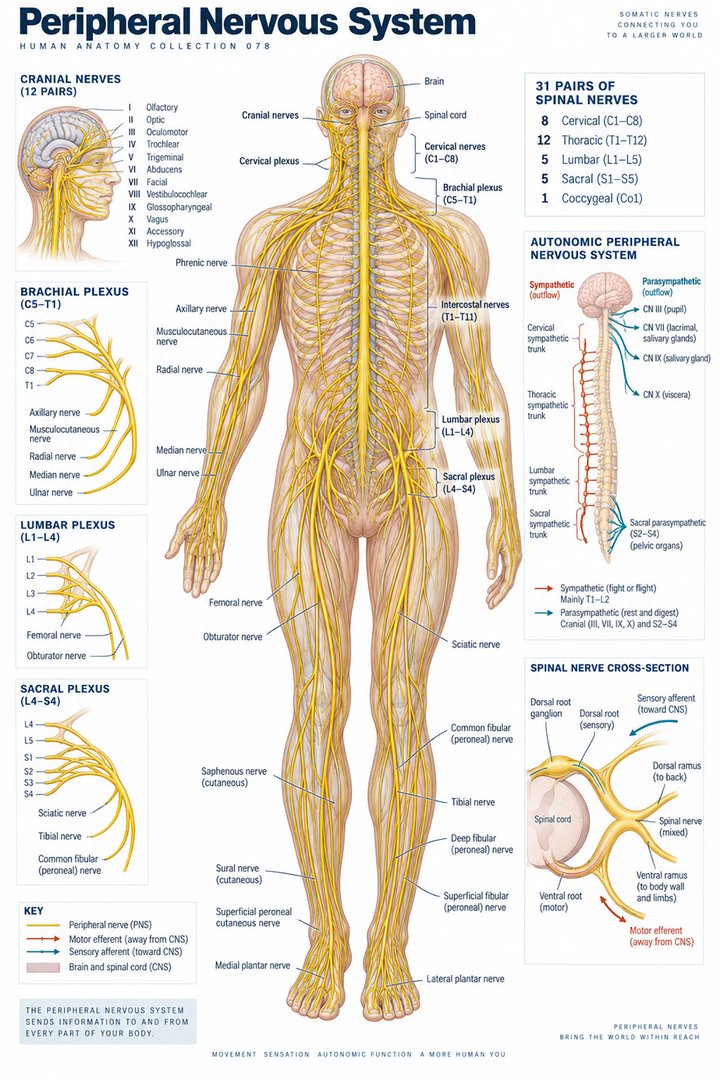 Peripheral Nervous System ↗
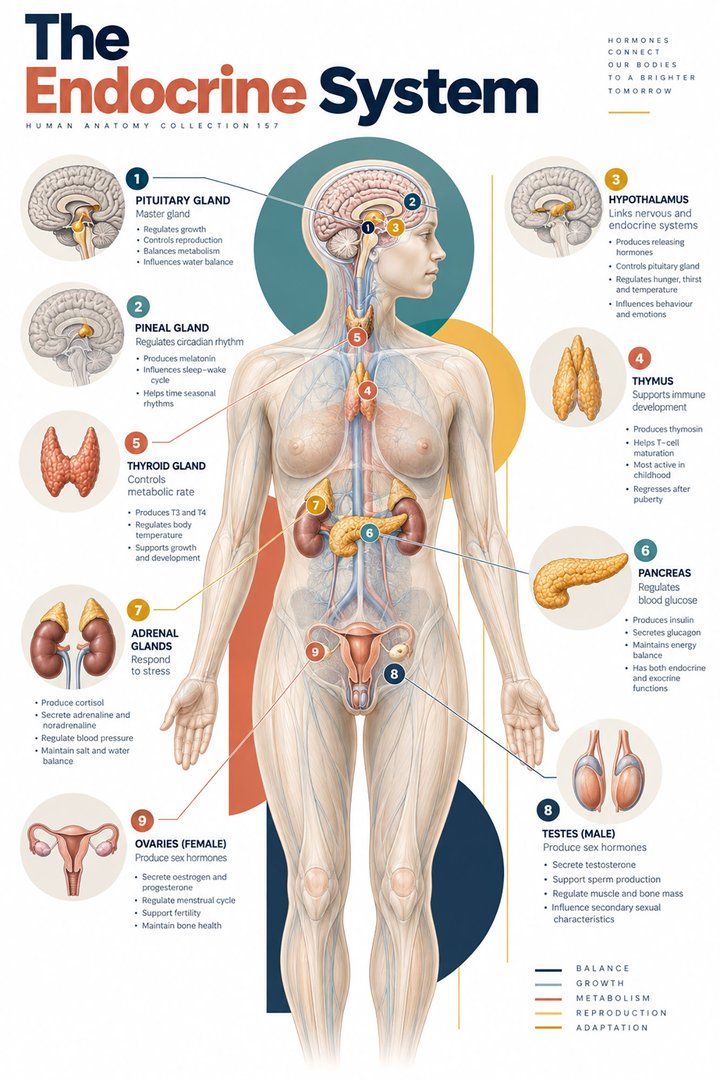 Human Endocrine Glands ↗
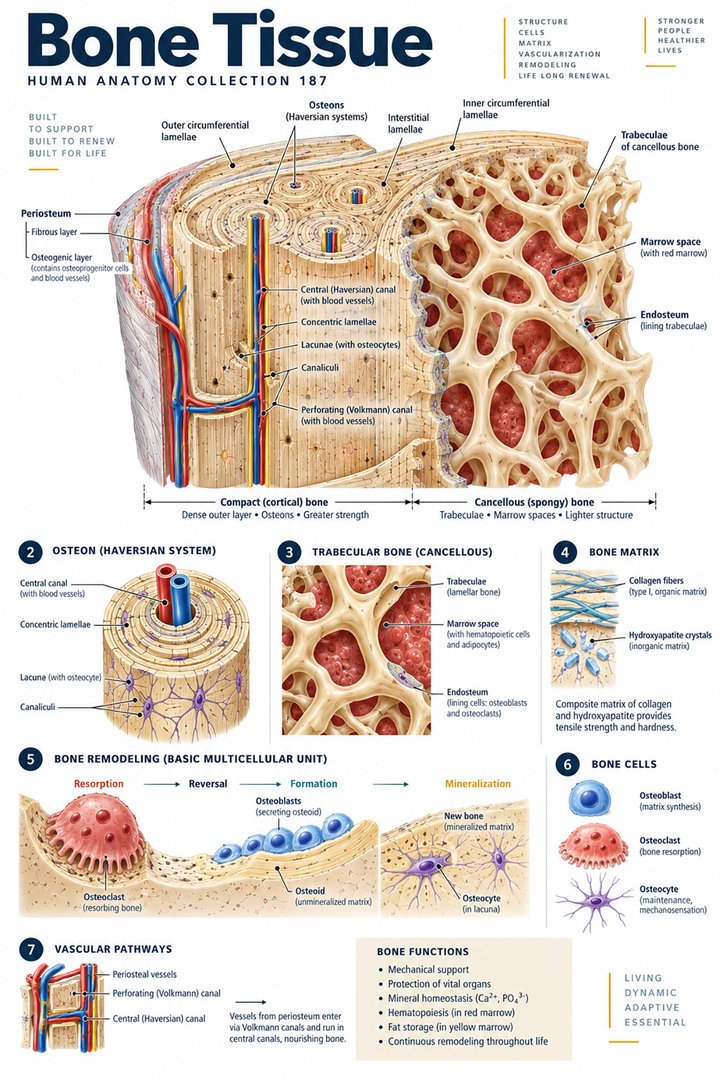 Human Bone Density ↗Human Blood Circulation ↗
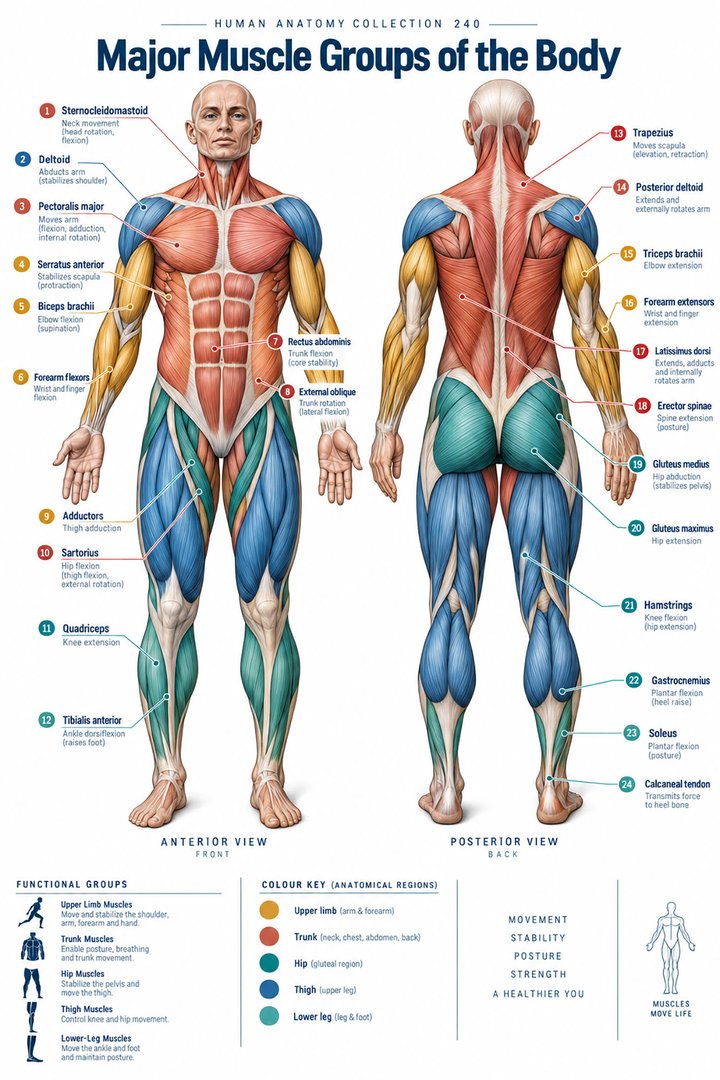 Human Muscle Groups ↗
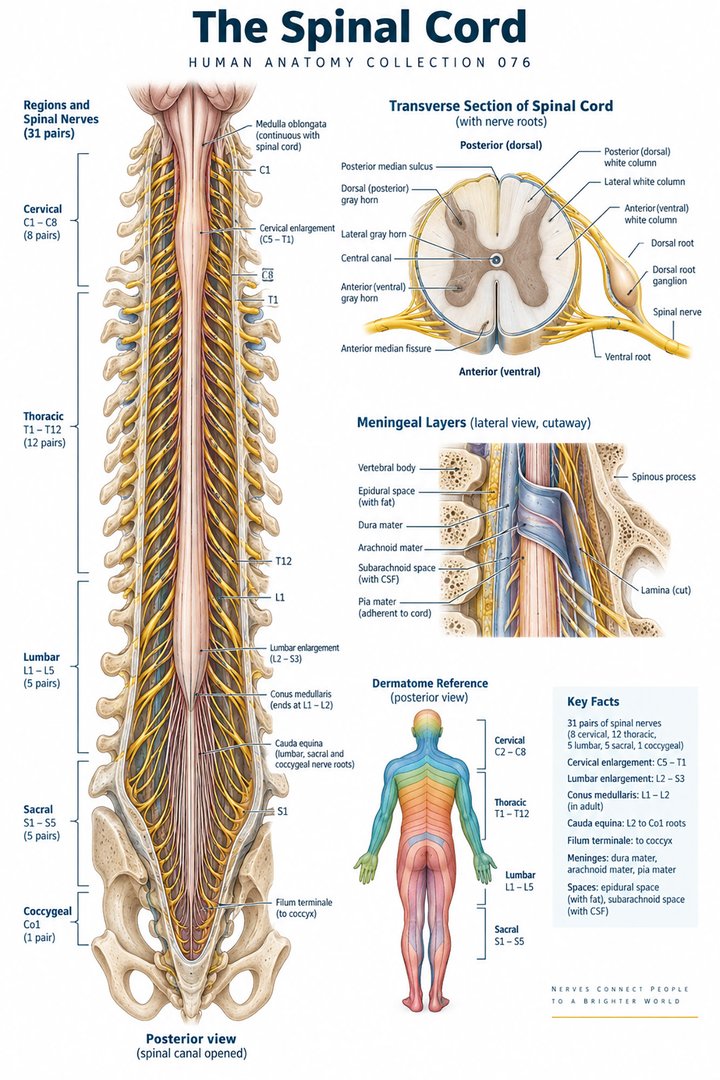 Human Spinal Cord ↗
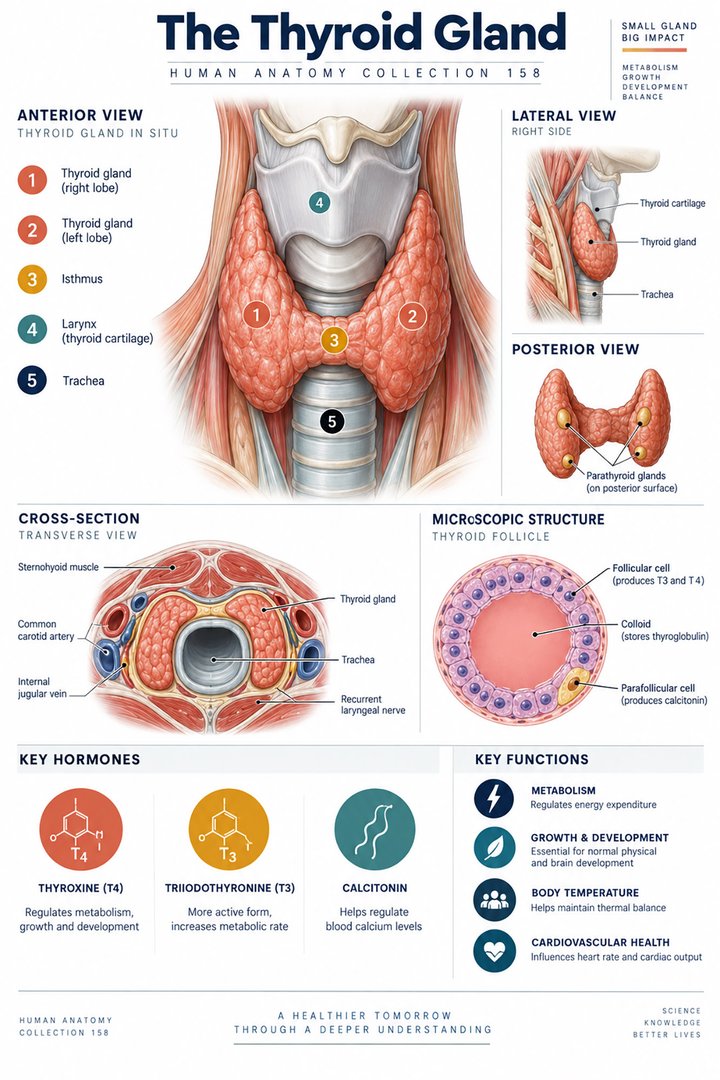 Human Thyroid Gland ↗
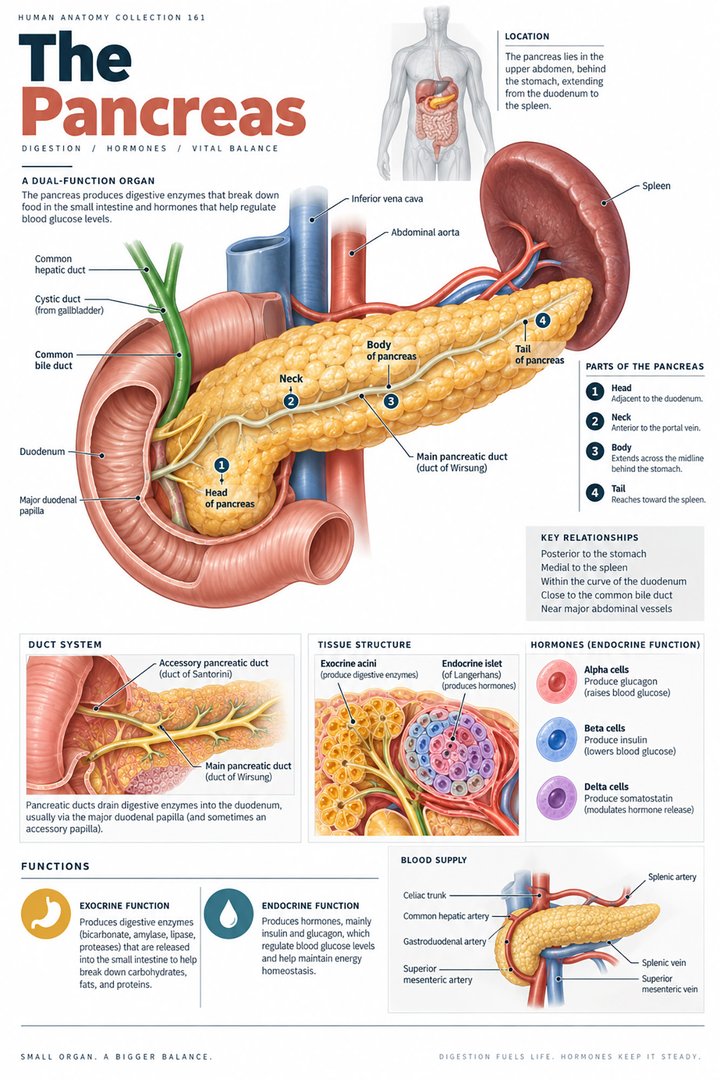 Human Pancreas Function ↗
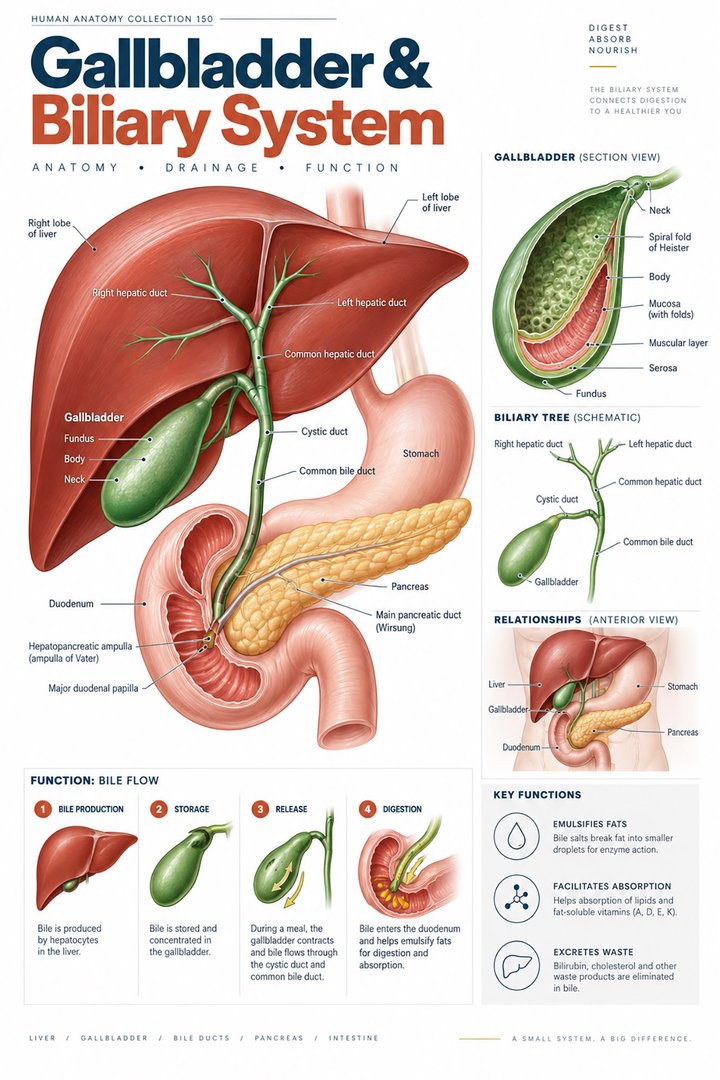 Human Gallbladder Anatomy ↗