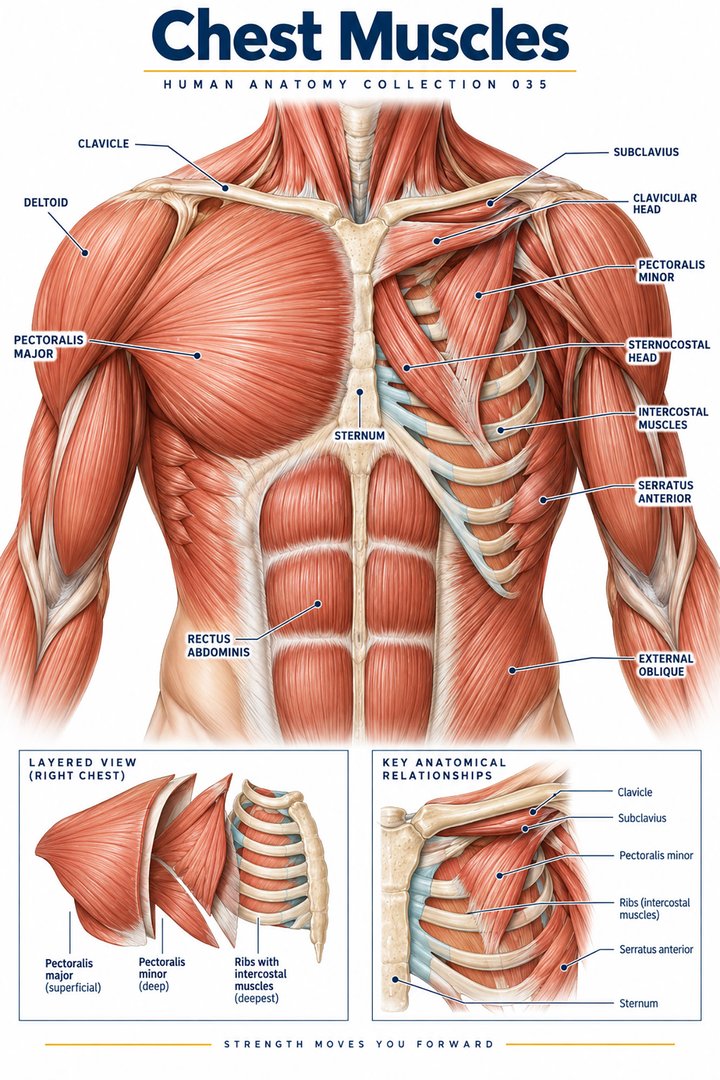
Chest Muscles
Individual poster · 300 DPI print files
Regular $9.90
Explore poster ↗$4.90USD
Offer price · Save $5.00Individual poster · 300 DPI print files
Reduced web preview. Separate high-resolution print files are supplied with the digital download.
ANATOMY 035
A modern anatomy illustration exploring chest muscles, designed for educational and decorative use.
Purchases are not available yet. Checkout and download delivery are being prepared.
Sold by Kunstolymp.de · Germany
Compare prices & the complete collection ↗This is a DIGITAL DOWNLOAD. No physical product will be shipped. After purchase, download your files and print them at home, at a local print shop, or through an online professional printing service.
The separate 300 DPI print files are ideal for 24×36-inch posters (approximately 60×90 cm). ISO and 5×7 formats are included. The white border lets you adjust the layout or trim to fit other frame sizes; check the preview before printing to keep the illustration and labels visible.
The planned bundle delivery includes a PDF information sheet with a link to the relevant Google Drive folder and download instructions. The store is currently in preview and purchases are not yet available.
A science-inspired choice for a student’s study corner, an educator’s classroom, or an anatomy enthusiast’s wall. Final licensing terms will apply.
CLINICAL CONTEXT
The chest muscles connect the shoulder girdle, upper limb, rib cage, and trunk. Pectoralis major drives adduction, internal rotation, and flexion of the humerus; pectoralis minor and serratus anterior influence scapular position; intercostal muscles participate in breathing. Their anatomy makes them relevant to sports injury, postoperative rehabilitation, shoulder dysfunction, respiratory mechanics, and chest-wall pain. A muscle-focused poster should not encourage premature closure: chest pain that seems musculoskeletal still requires an assessment for cardiac, pulmonary, vascular, and upper-abdominal causes when the history or physiology suggests risk.
Patients may report focal tenderness after lifting, pushing, a fall, intense coughing, new exercise, or a sudden eccentric load. Pectoralis major strain or tear can cause pain, bruising, weakness in adduction or internal rotation, and alteration of the anterior axillary contour. Serratus anterior dysfunction can contribute to scapular winging and impaired overhead reach. Myofascial pain, costochondral irritation, cervical radiculopathy, shoulder pathology, and anxiety may also be perceived as chest discomfort. By contrast, exertional pressure, dyspnoea, diaphoresis, syncope, pain radiating to arm, jaw, back, or epigastrium, and symptoms out of proportion to palpation require a broader, urgent differential.
History identifies mechanism, training change, trauma, cardiovascular risk, anticoagulants, systemic illness, and functional deficit. Examination includes observations, cardiopulmonary assessment when indicated, inspection for asymmetry or ecchymosis, range of motion, rotator-cuff and scapular function, strength, neurovascular status, and targeted cervical examination. ECG, biomarkers, chest imaging, ultrasound, or MRI should be driven by the clinical question rather than by a presumed strain. Uncomplicated strains are generally managed with relative rest, symptom-directed analgesia suitable for the patient, graded loading, and physiotherapy. A complete tendon rupture, persistent weakness, or major functional demand may require early specialist review and possible surgical repair or structured rehabilitation.
Exercise rehabilitation, breathing strategies, sleep positioning, and psychologically informed pain management can support recovery once serious disease is excluded. Massage, acupuncture, or mindfulness may be considered for persistent symptoms only as adjuncts, with realistic expectations and appropriate consent. Do not use manual techniques over acute trauma, suspected fracture, major tear, or undifferentiated chest pain. Herbal products and supplements can affect bleeding, blood pressure, glucose, liver function, and drug metabolism; ask specifically and review them with prescribed therapy.
Urgent local assessment is needed for new or worsening shortness of breath, central pressure-like chest pain, syncope, haemoptysis, fever with respiratory illness, trauma with respiratory compromise, or a cold, pale, weak, or numb upper limb. This page is a learning resource, not an individual diagnosis.
Further reading: MedlinePlus: sprains and strains · WHO: evidence-based integrative medicine
Explain the working diagnosis, important alternatives, planned tests, expected course, and specific safety-netting in language the patient can use. Invite questions about treatment goals, capacity, cost, culture, and complementary therapies. Use a professional interpreter when language access could affect consent or understanding, and confirm clear arrangements for timely clinical review in writing. Document the reasoning, reassess response to treatment, and coordinate care across professions when illness affects more than one system. Teaching anatomy is most useful when it supports this partnership: accurate localisation, respectful listening, timely escalation, and a plan that remains responsive to the individual patient.
HUMAN ANATOMY COLLECTION · 001—300
A closer look at what makes us human. Discover anatomy posters for your study space, classroom, and everyday curiosity.
DIGITAL DOWNLOADS · 300 DPI PRINT FILES
EXPLORE BY SYSTEM
LEARN & EXPLORE
Detailed English guides with Latin terminology, diagrams, real images, and clinical learning connections.
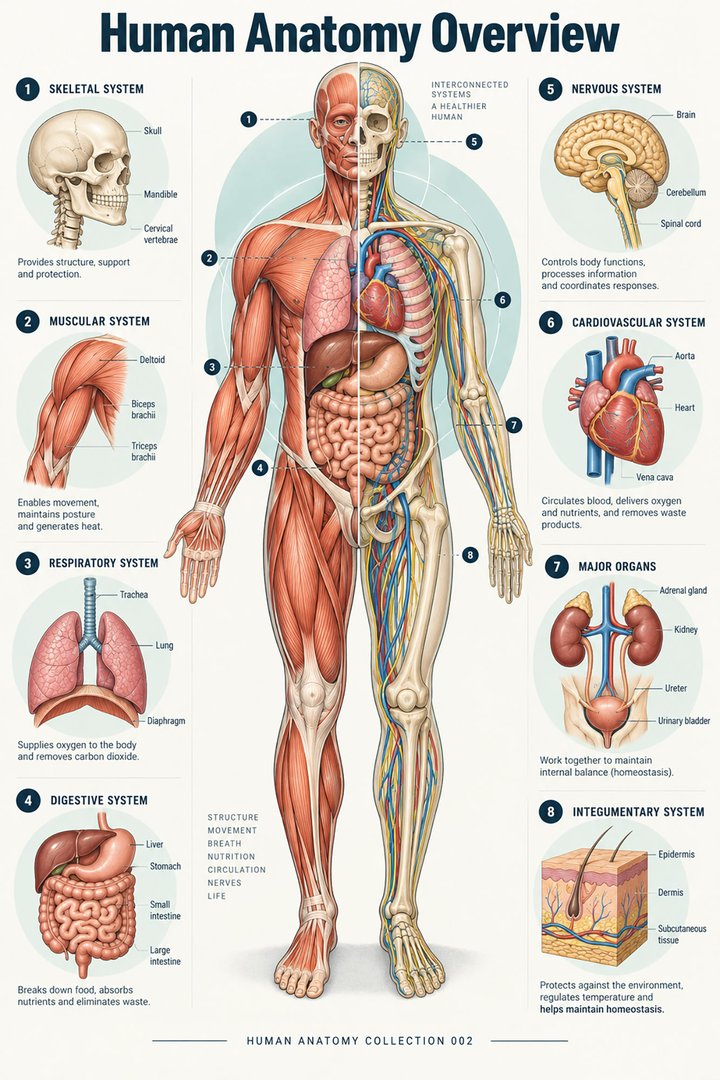 Human Anatomy Diagrams ↗
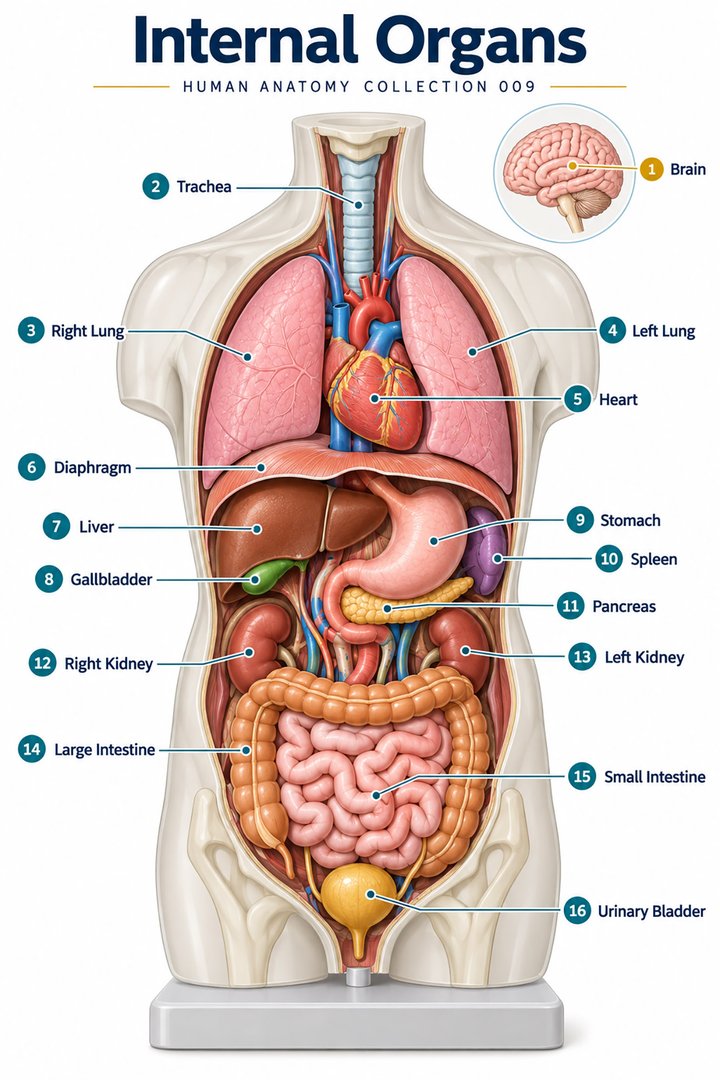 Human Body Organs ↗
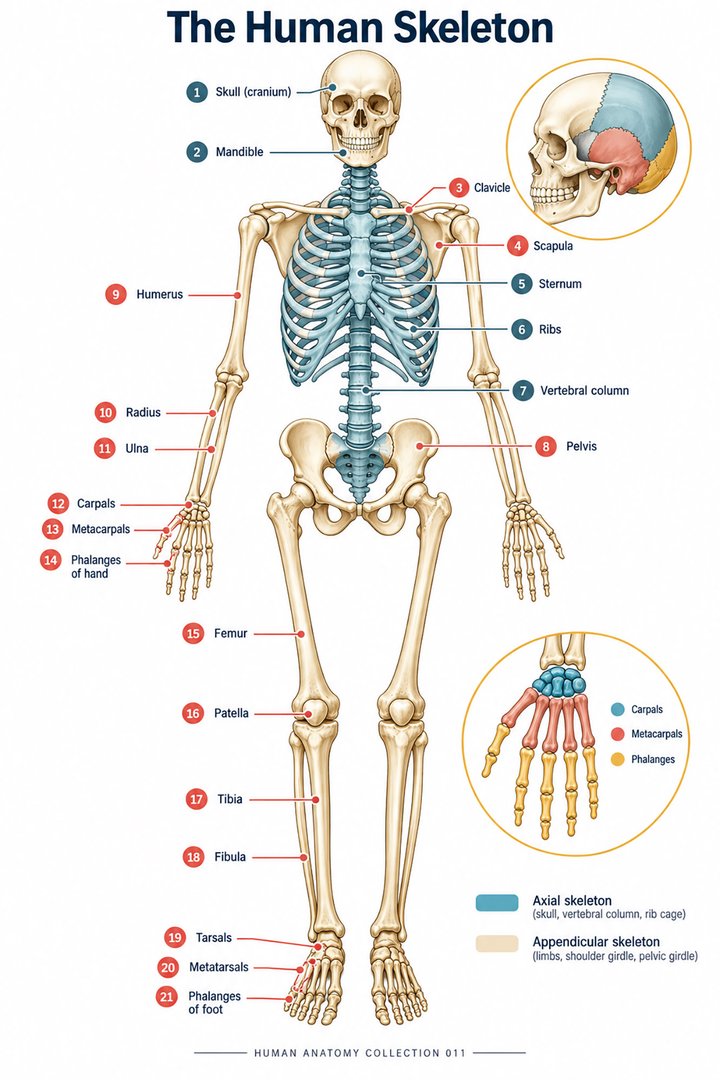 Skeletal System Anatomy ↗
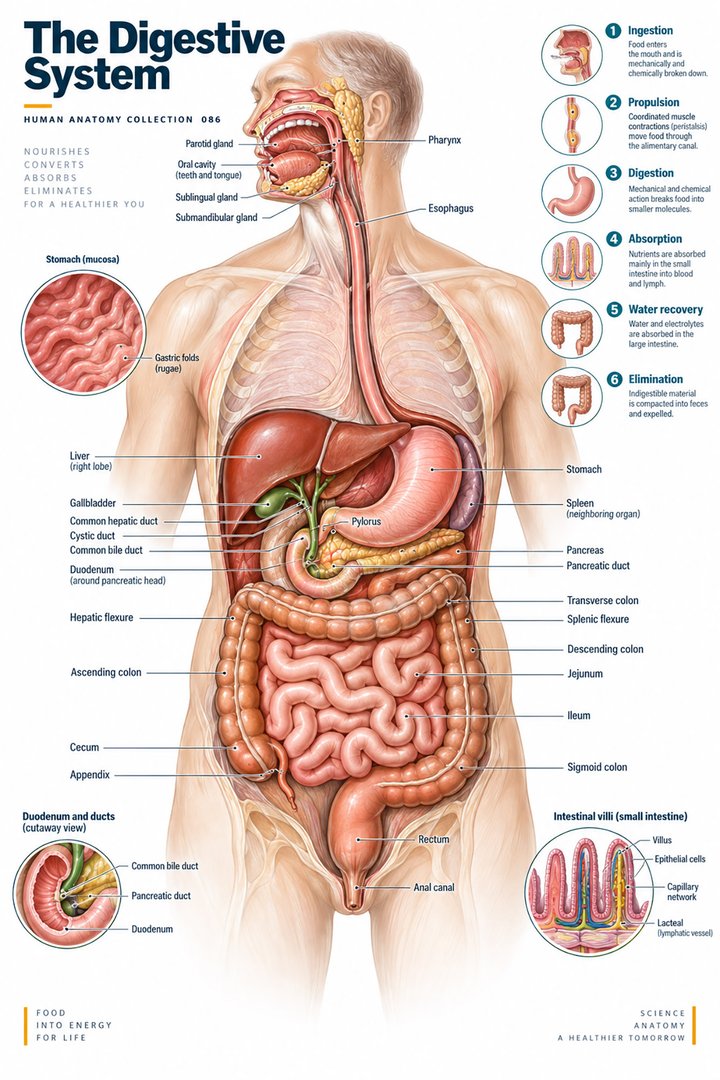 Human Digestive System ↗
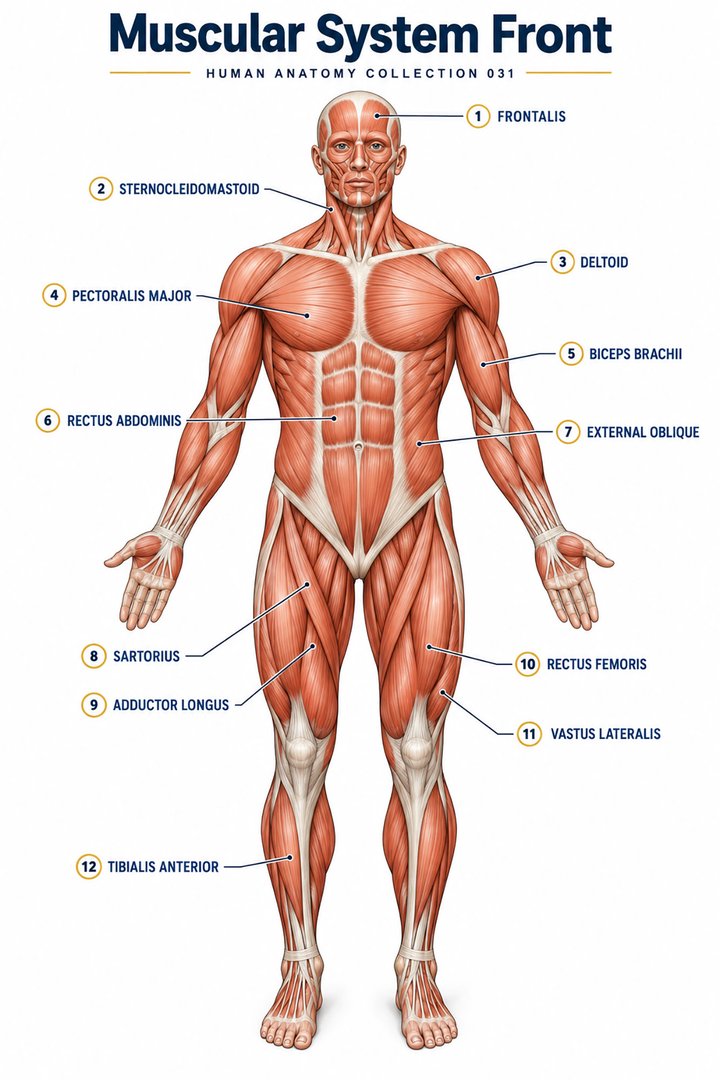 Muscular System Overview ↗
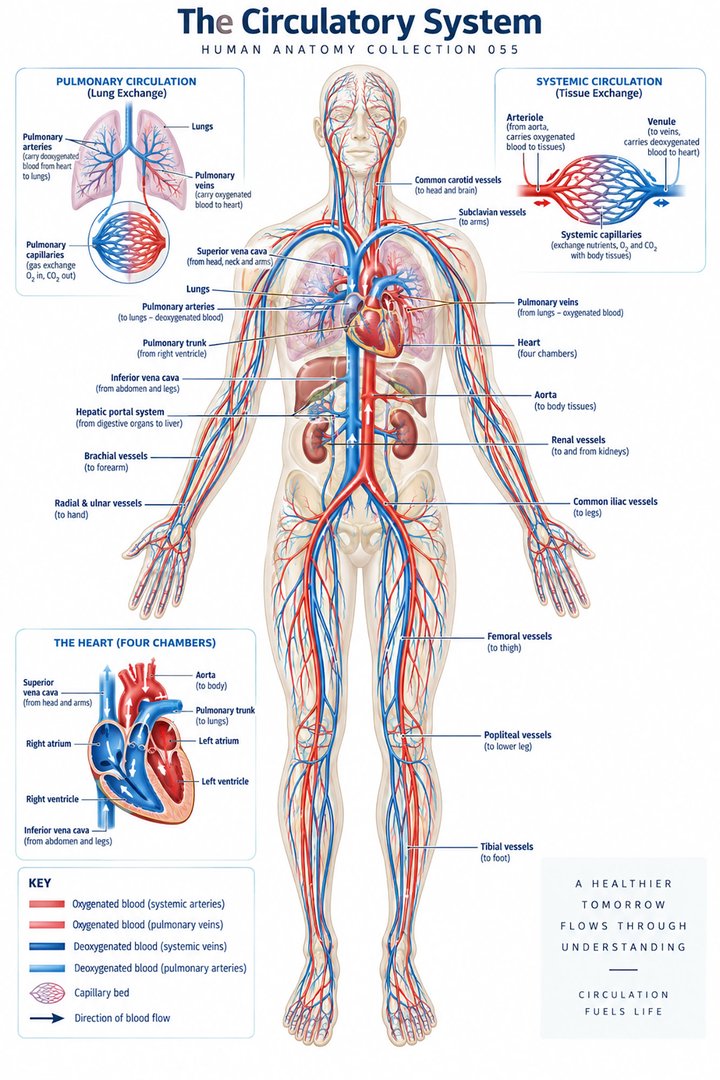 Human Circulatory System ↗
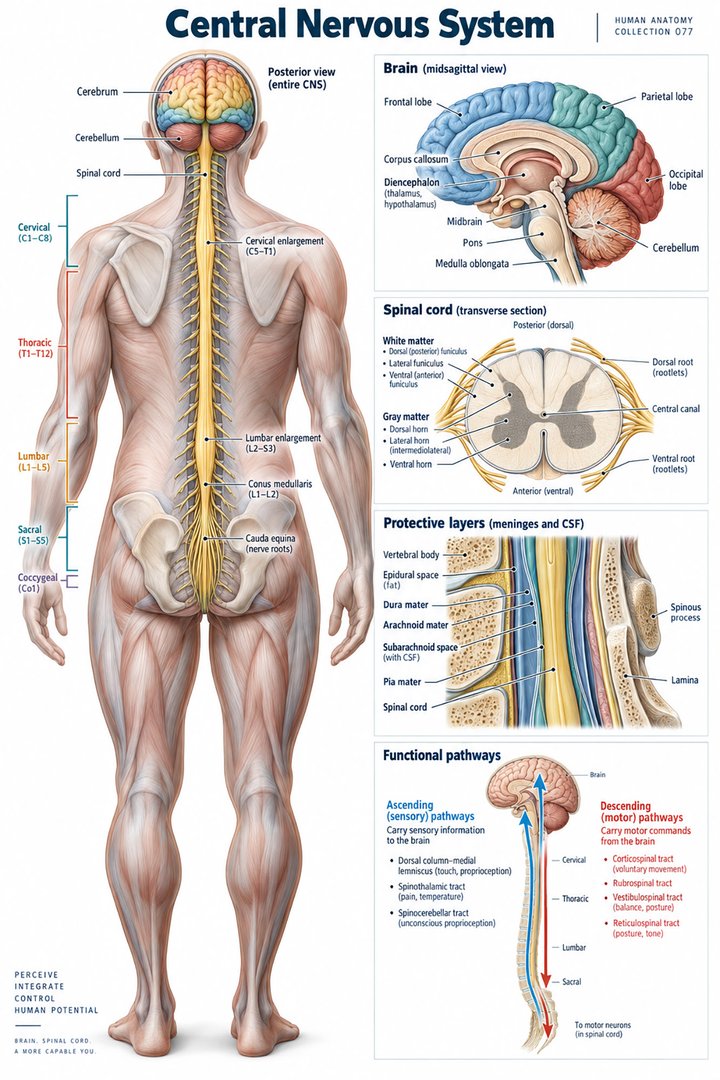 Human Nervous System ↗
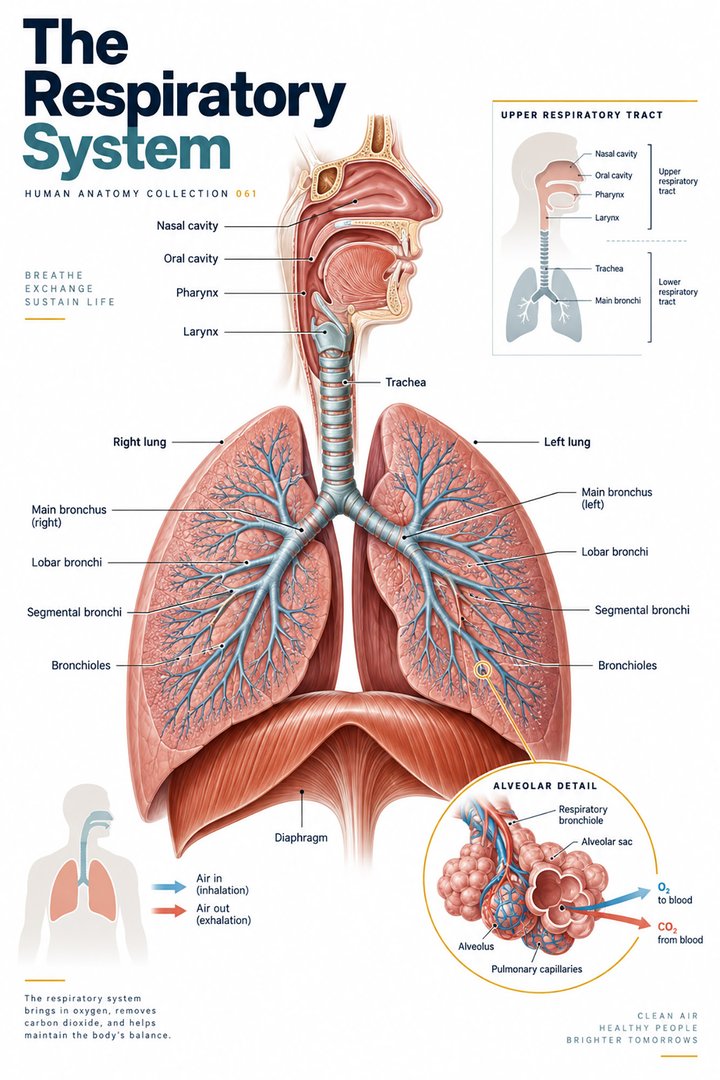 Respiratory System Functions ↗
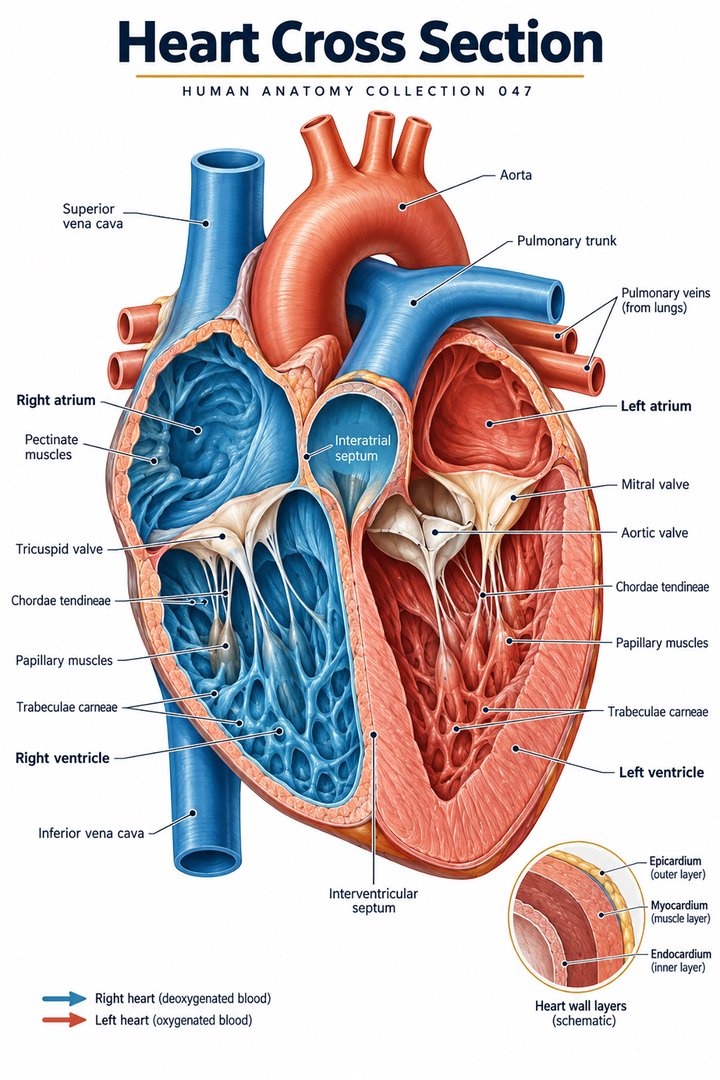 Human Heart Structure ↗
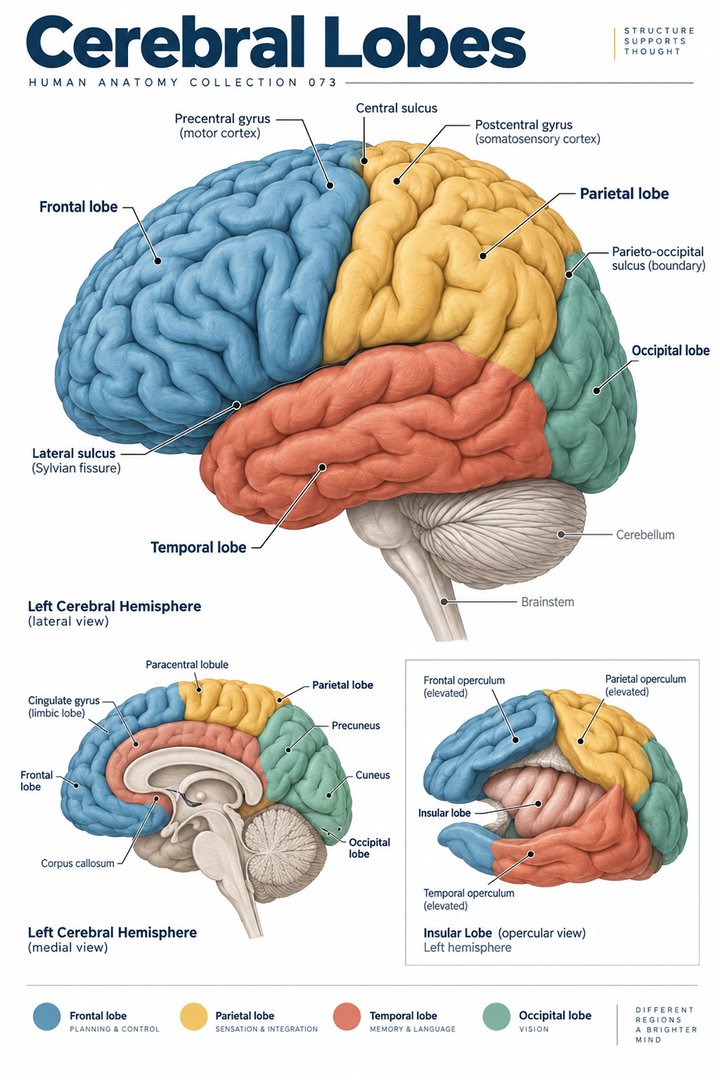 Human Brain Lobes ↗
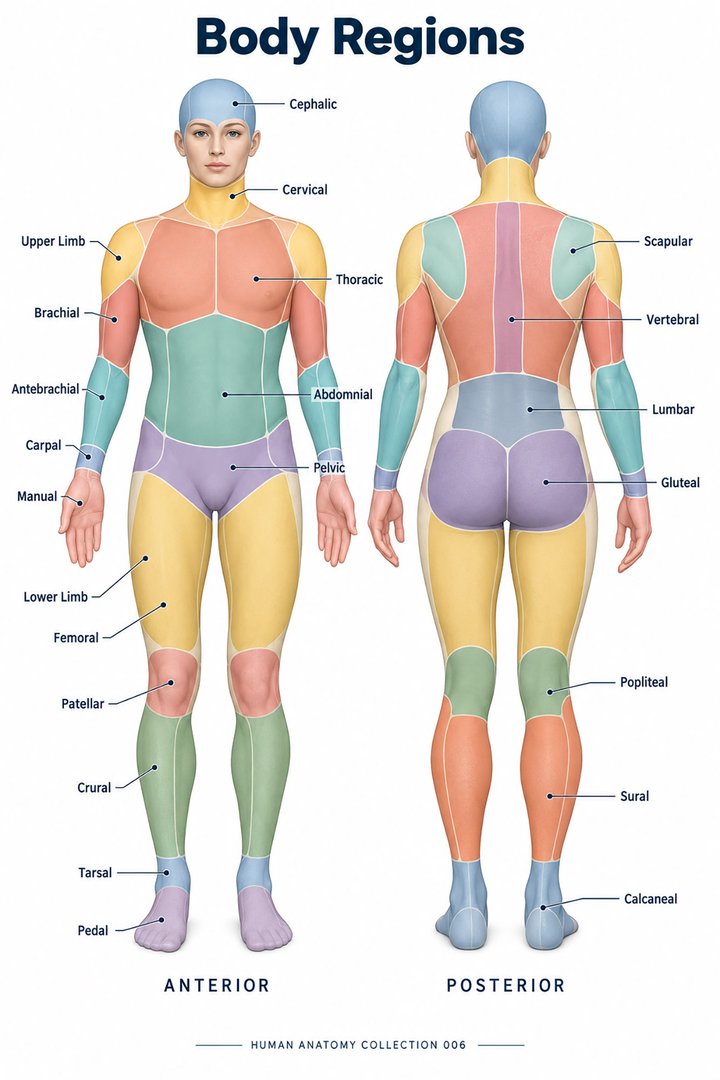 Human Body Parts ↗
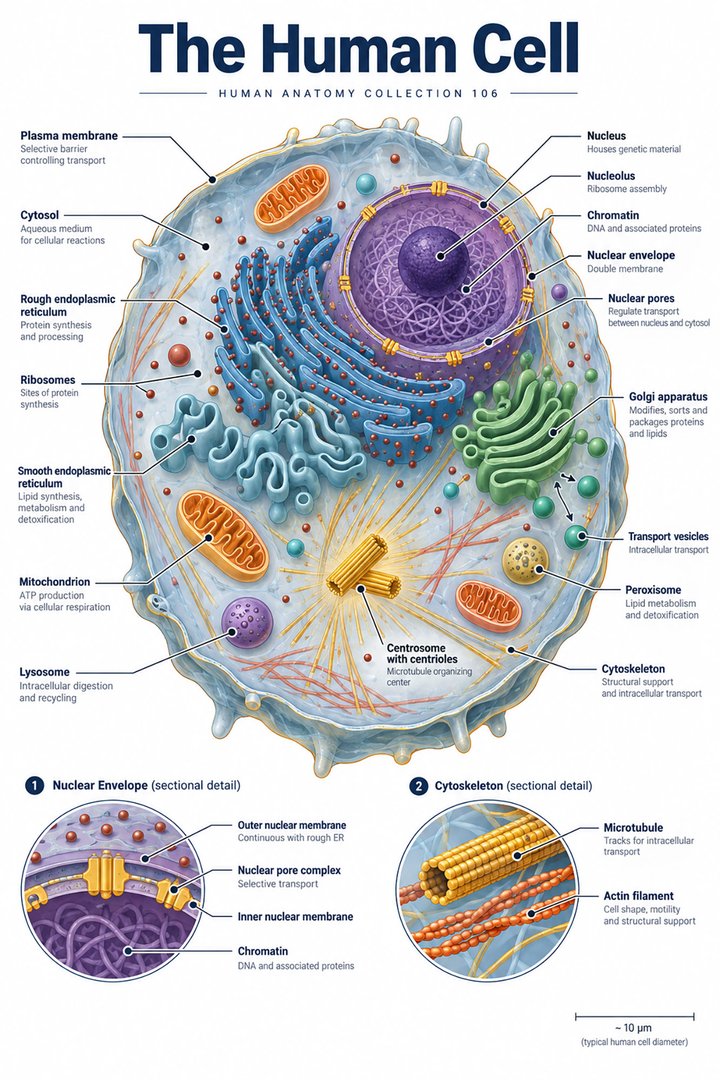 Human Cell Structure ↗
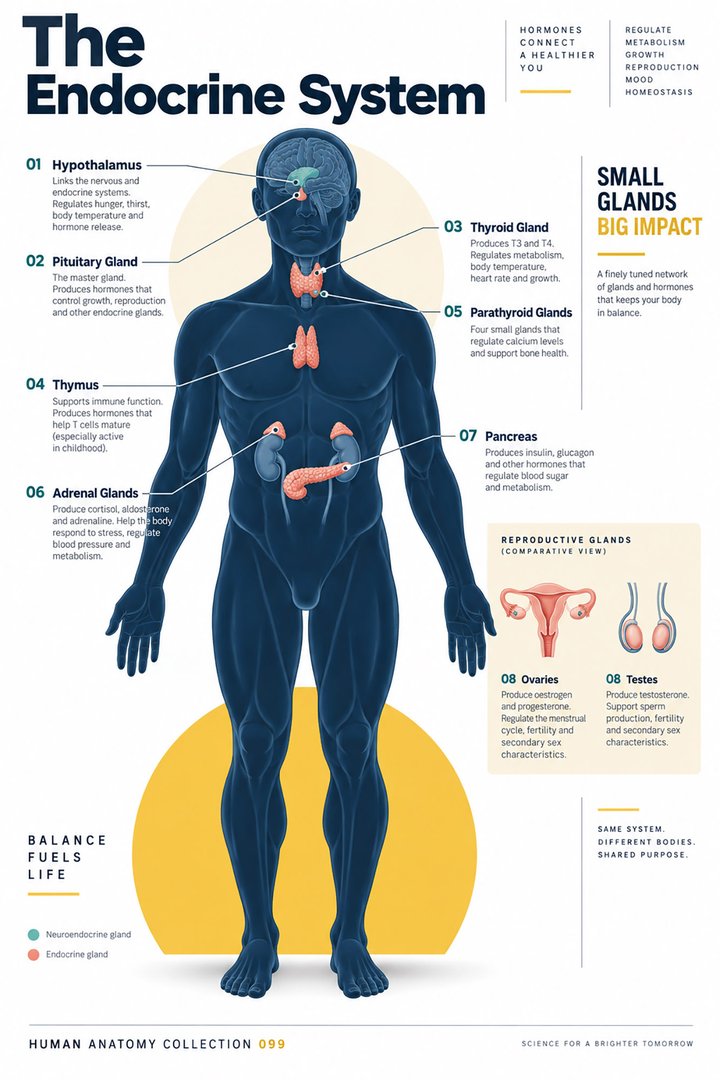 Human Endocrine System ↗
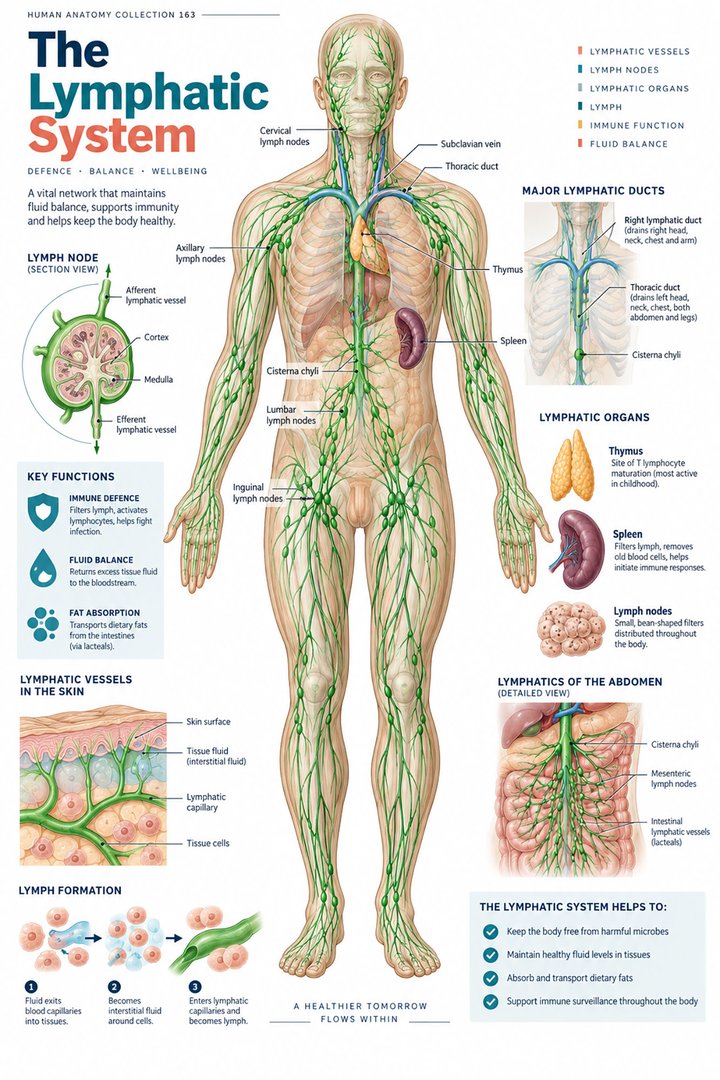 Human Lymphatic System ↗
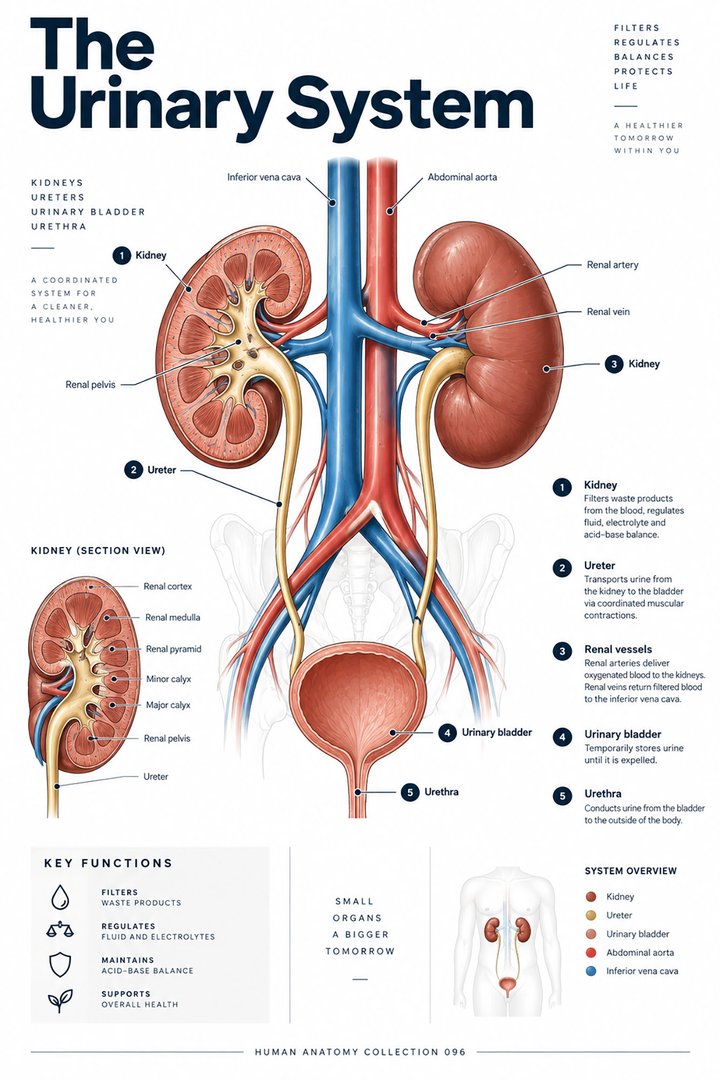 Human Urinary System ↗
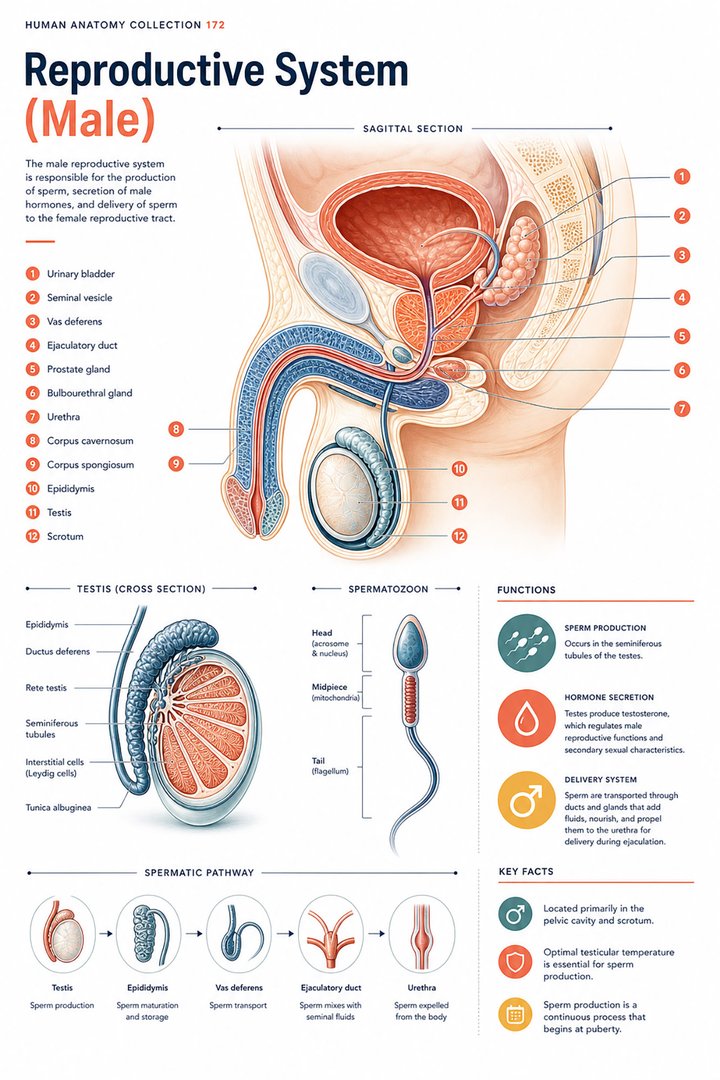 Male Reproductive System ↗
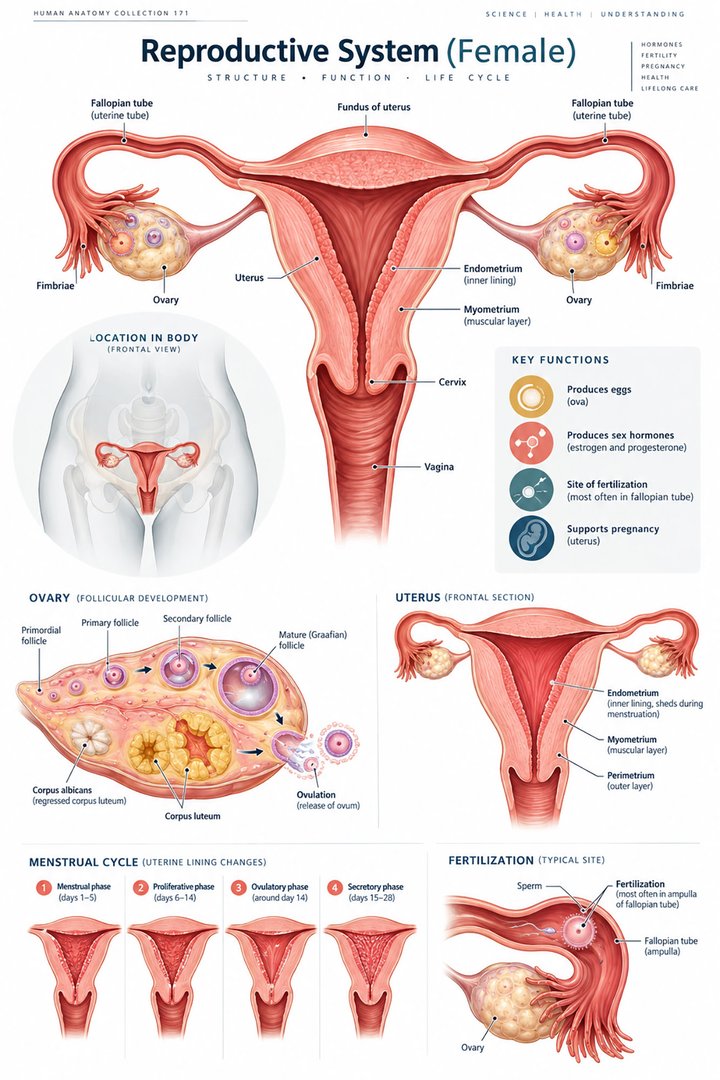 Female Reproductive System ↗
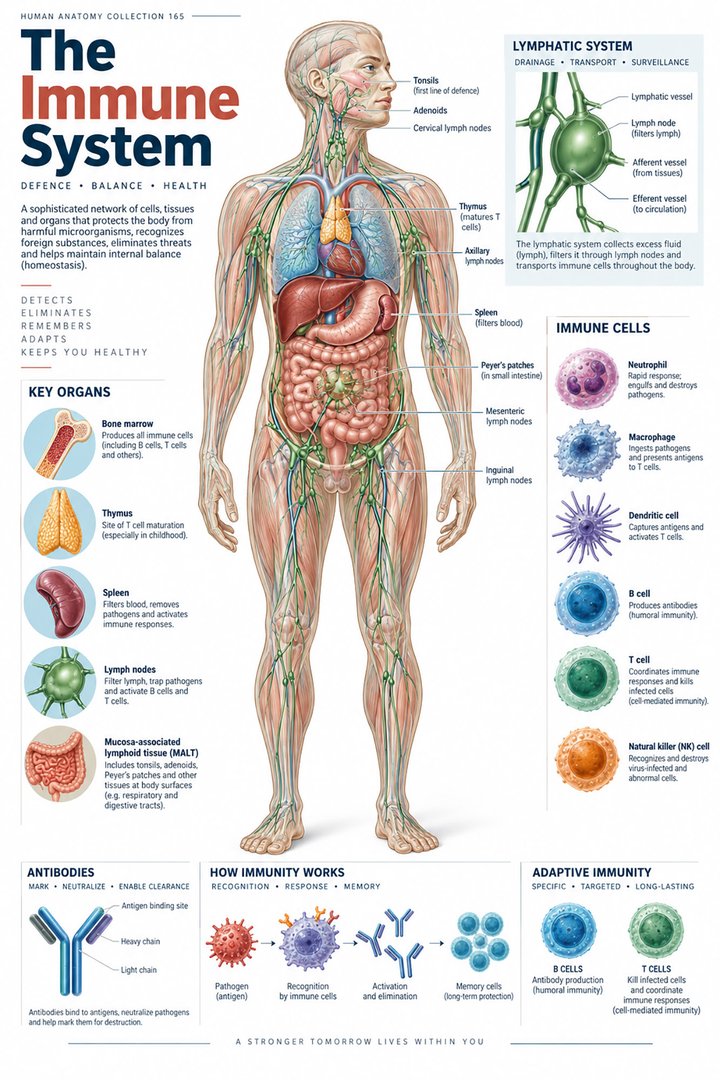 Human Immune System ↗Central Nervous System ↗
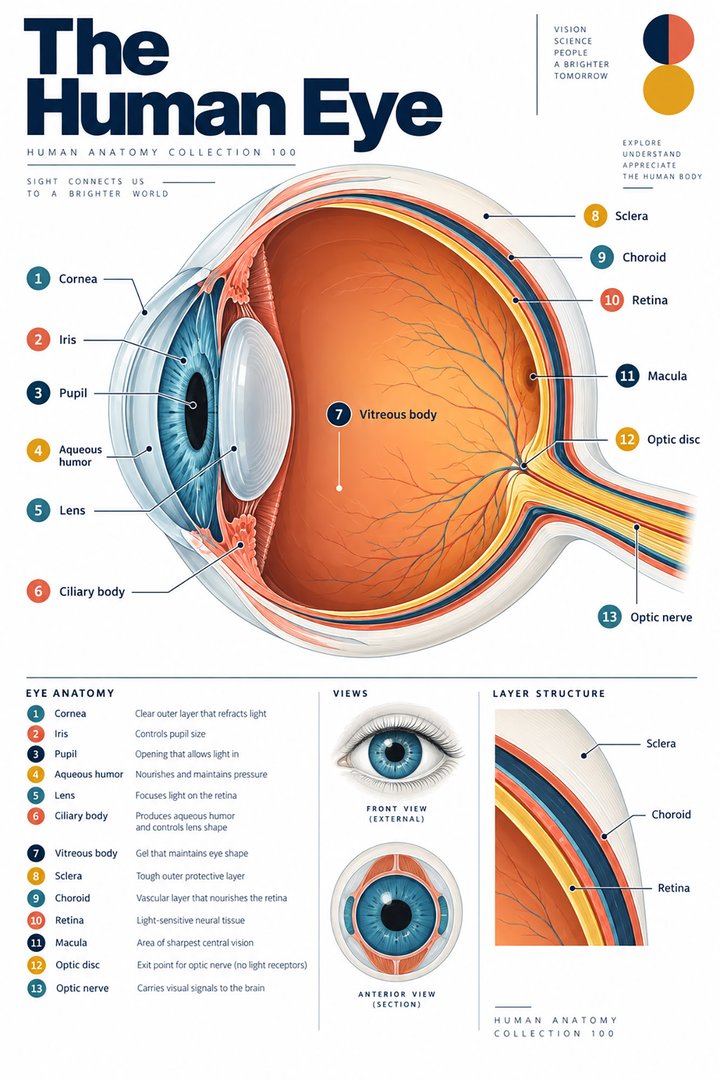 Human Eye Structure ↗
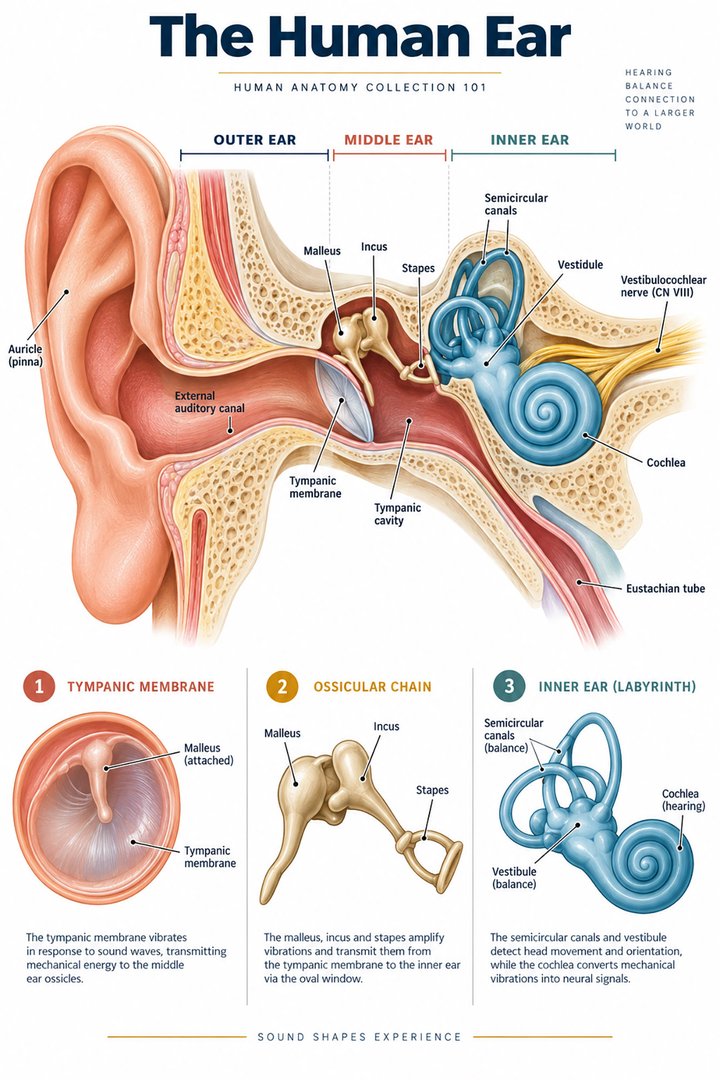 Human Ear Structure ↗
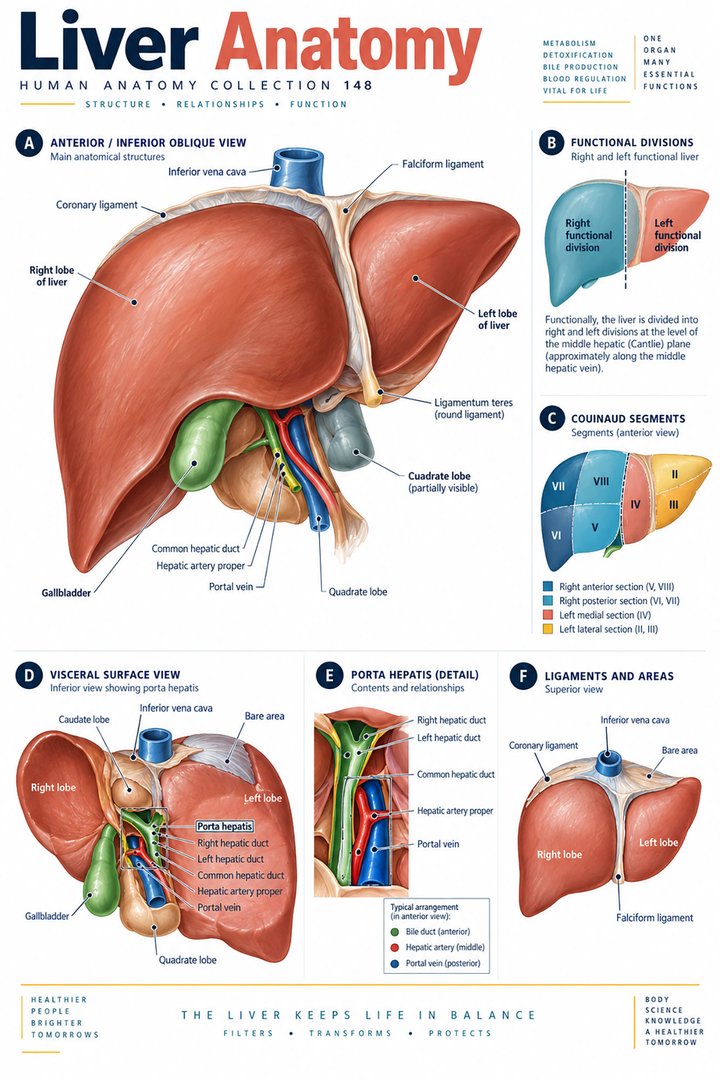 Human Liver Function ↗
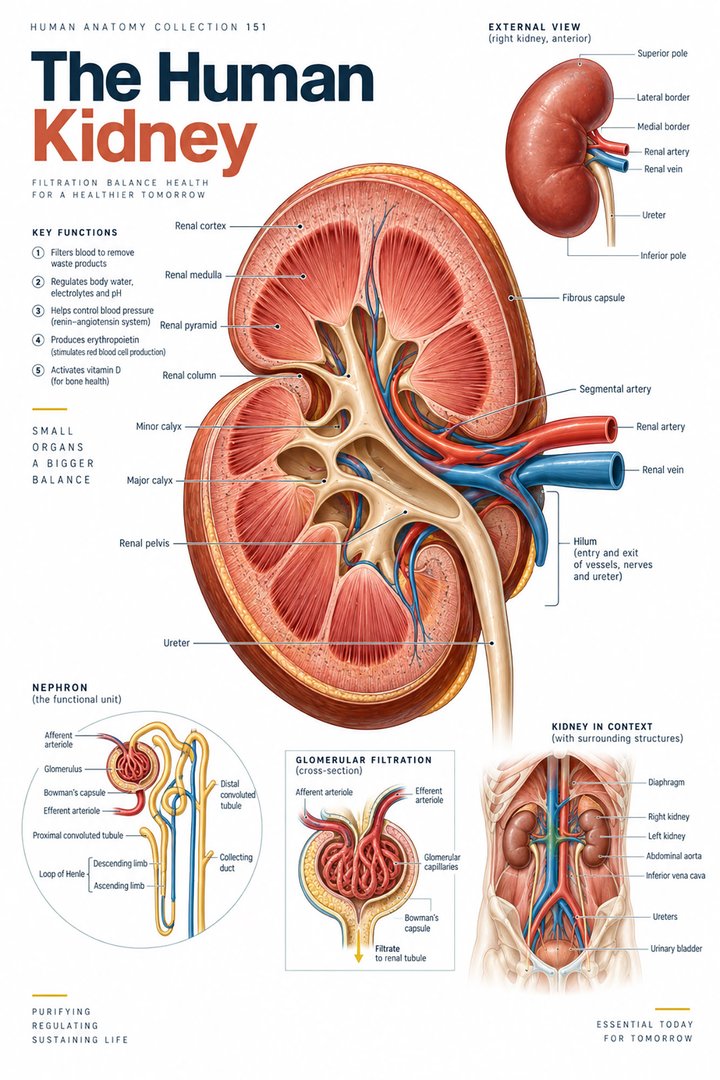 Human Kidney Anatomy ↗
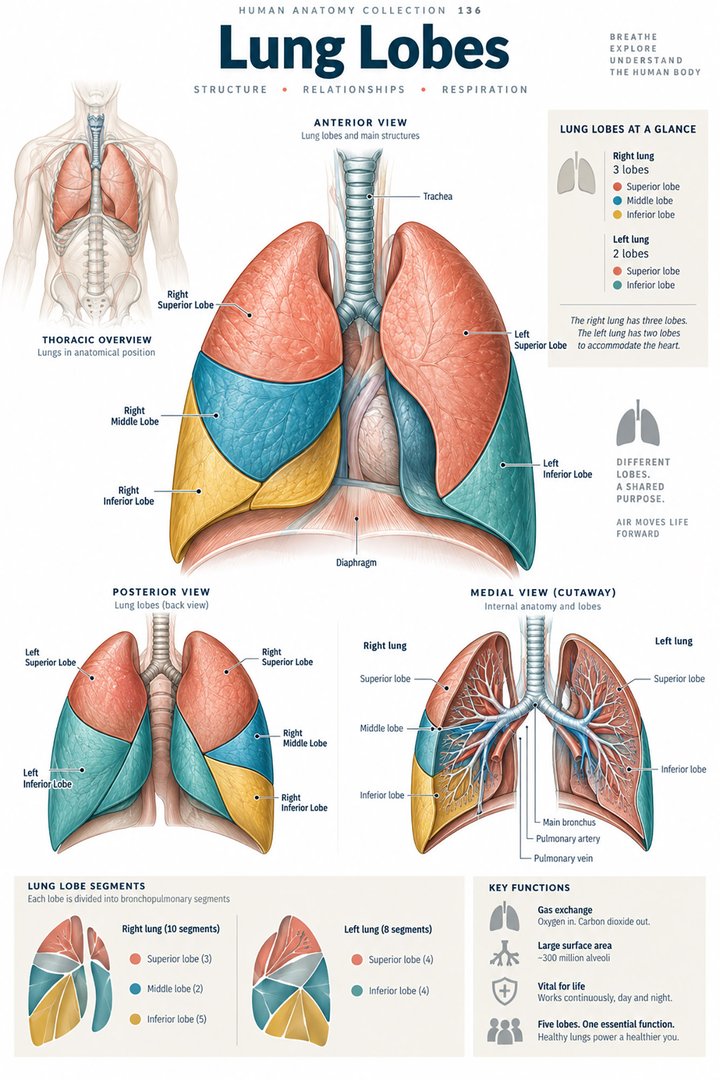 Human Lung Anatomy ↗
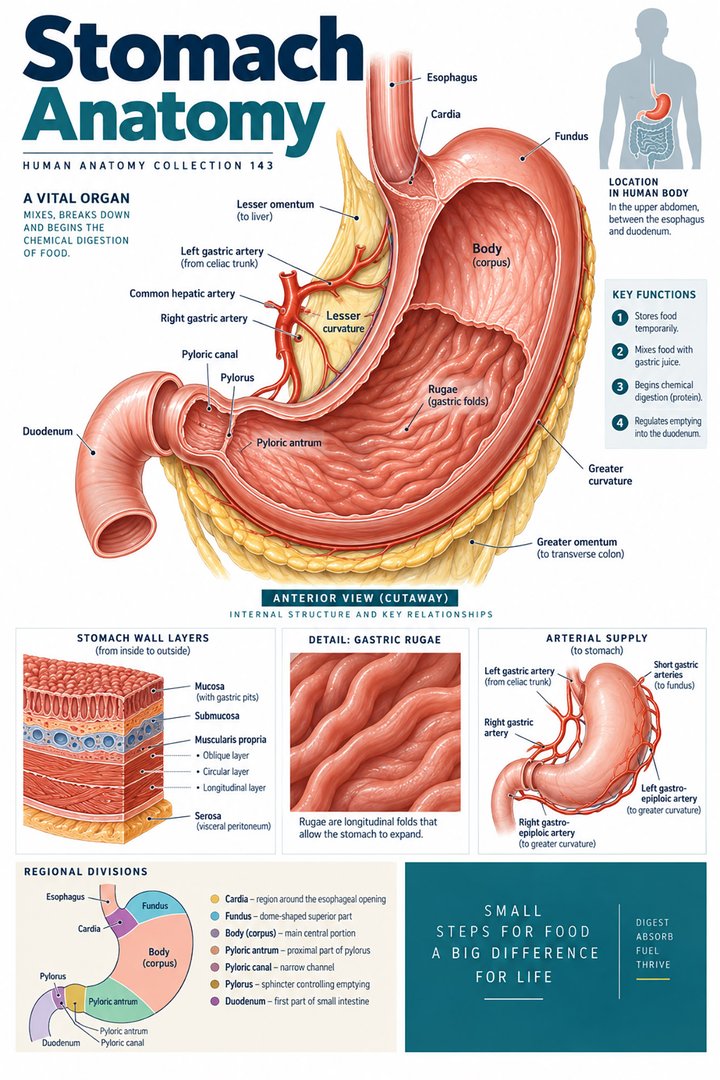 Human Stomach Structure ↗
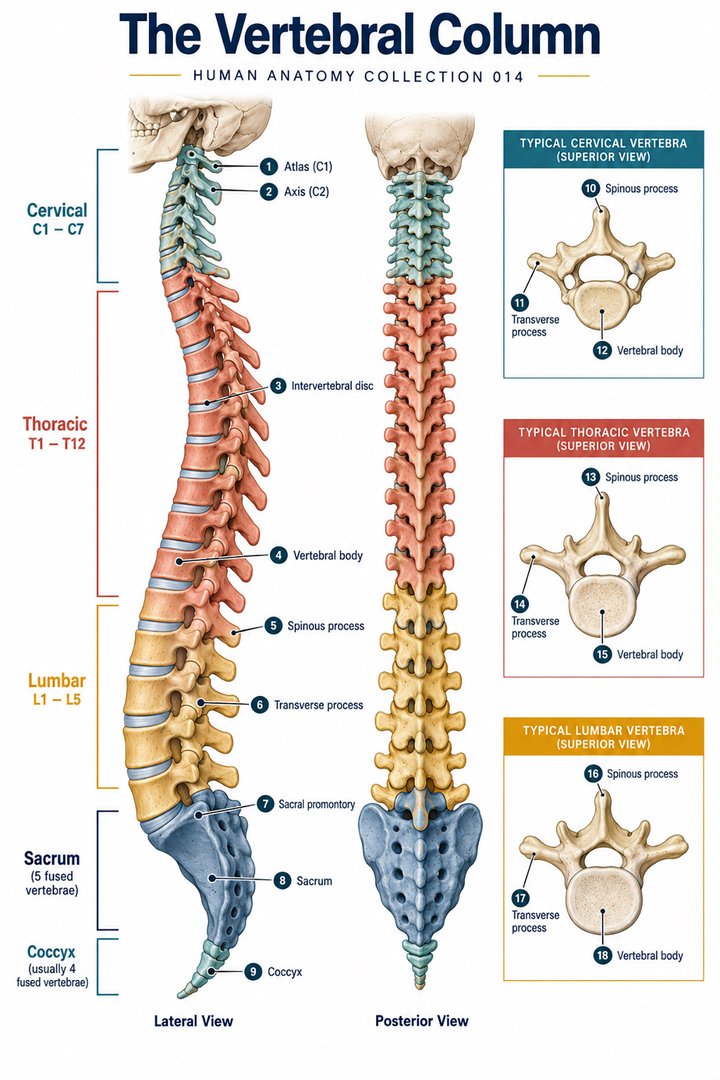 Human Spine Anatomy ↗
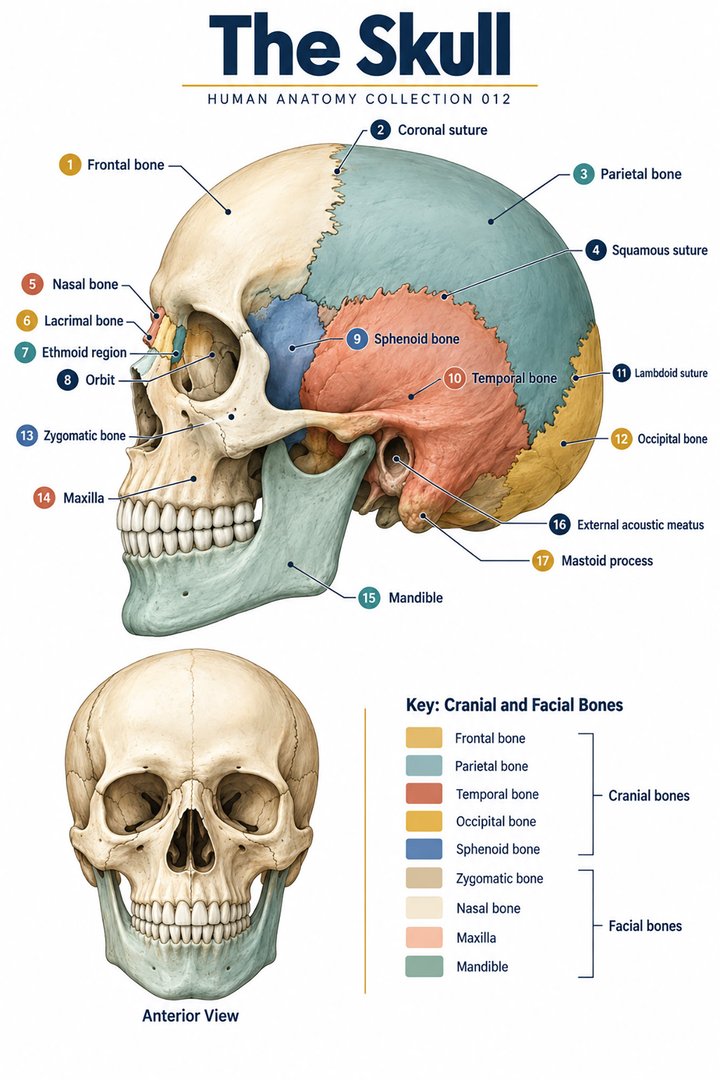 Human Skull Anatomy ↗
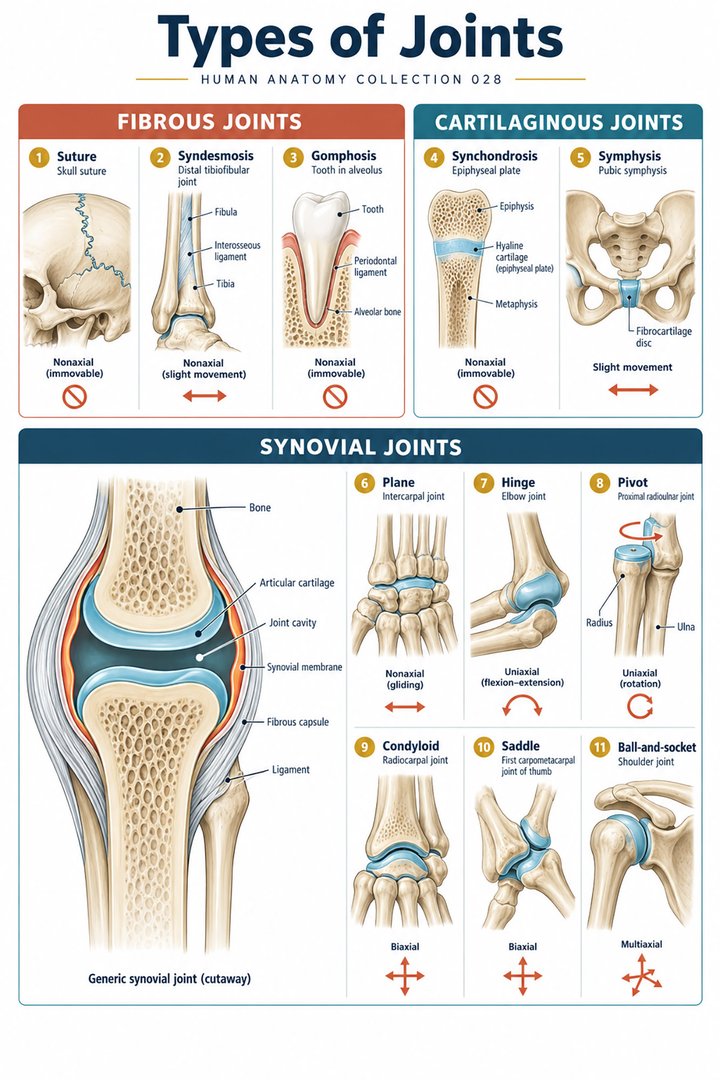 Human Joint Types ↗
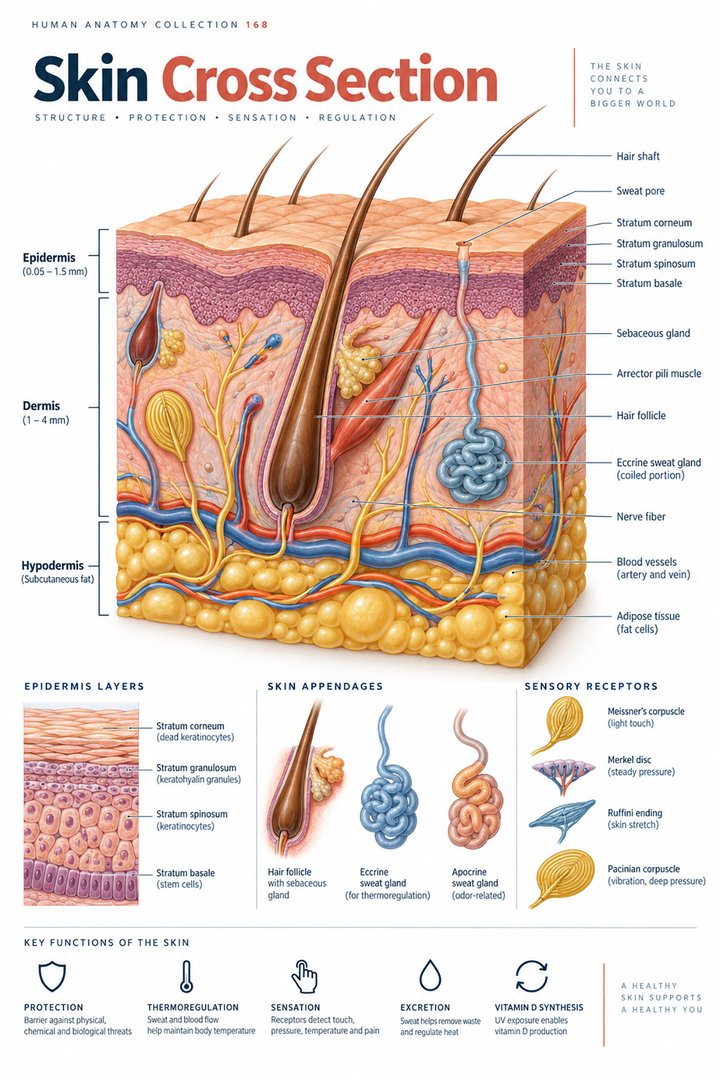 Human Skin Layers ↗
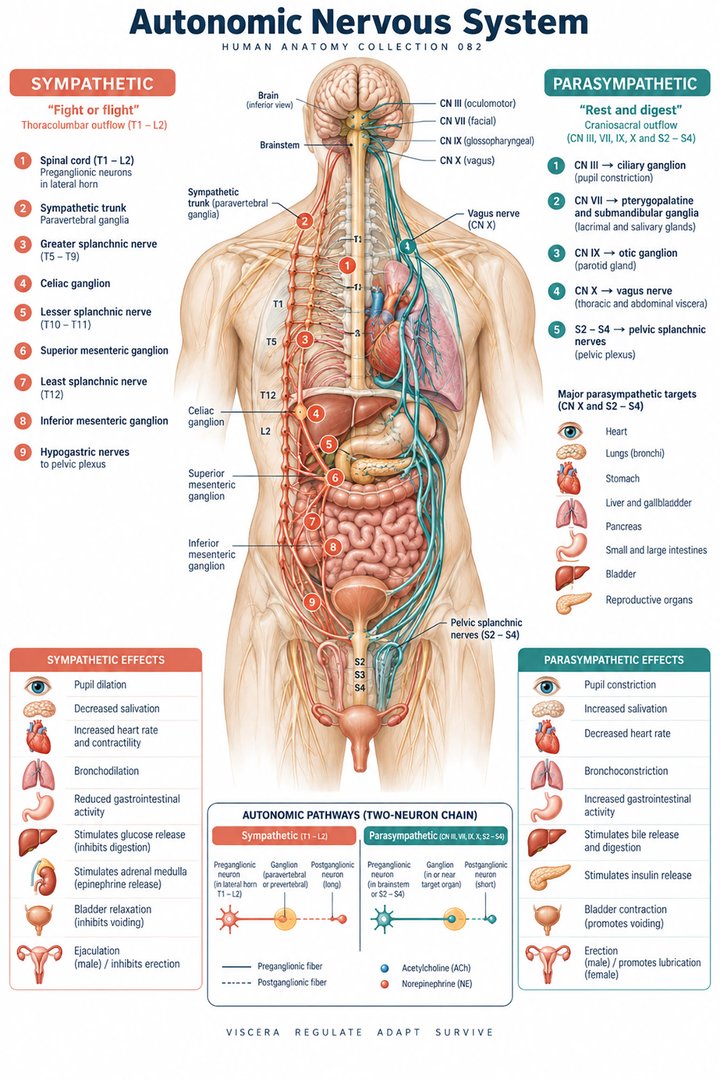 Autonomic Nervous System ↗
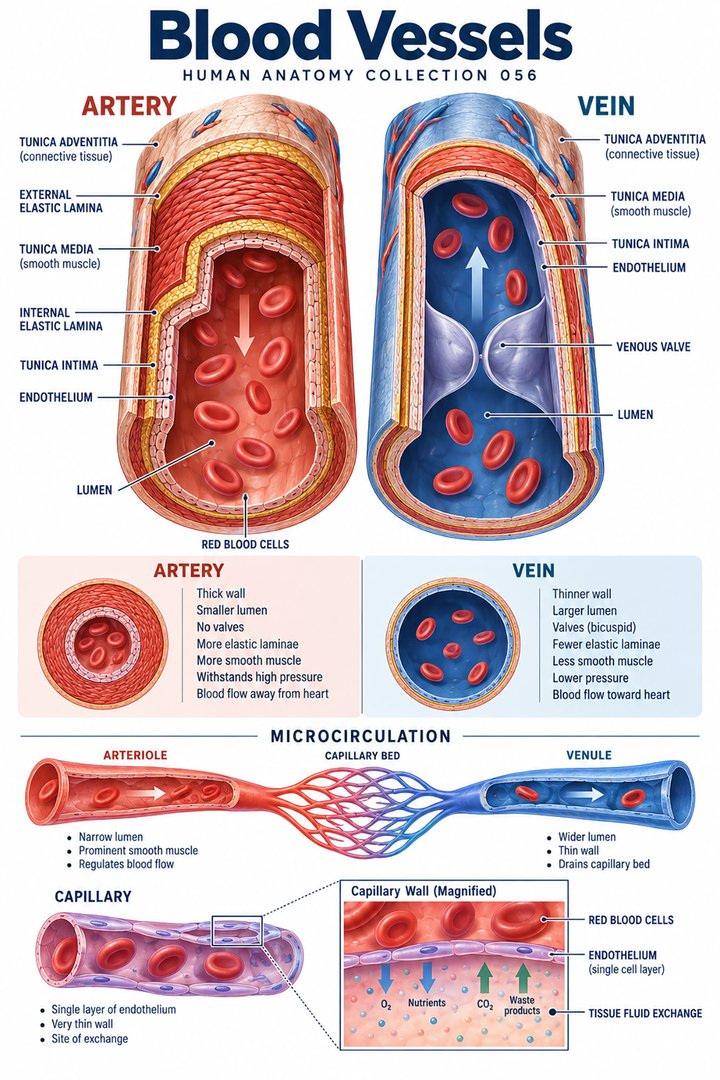 Human Blood Vessels ↗
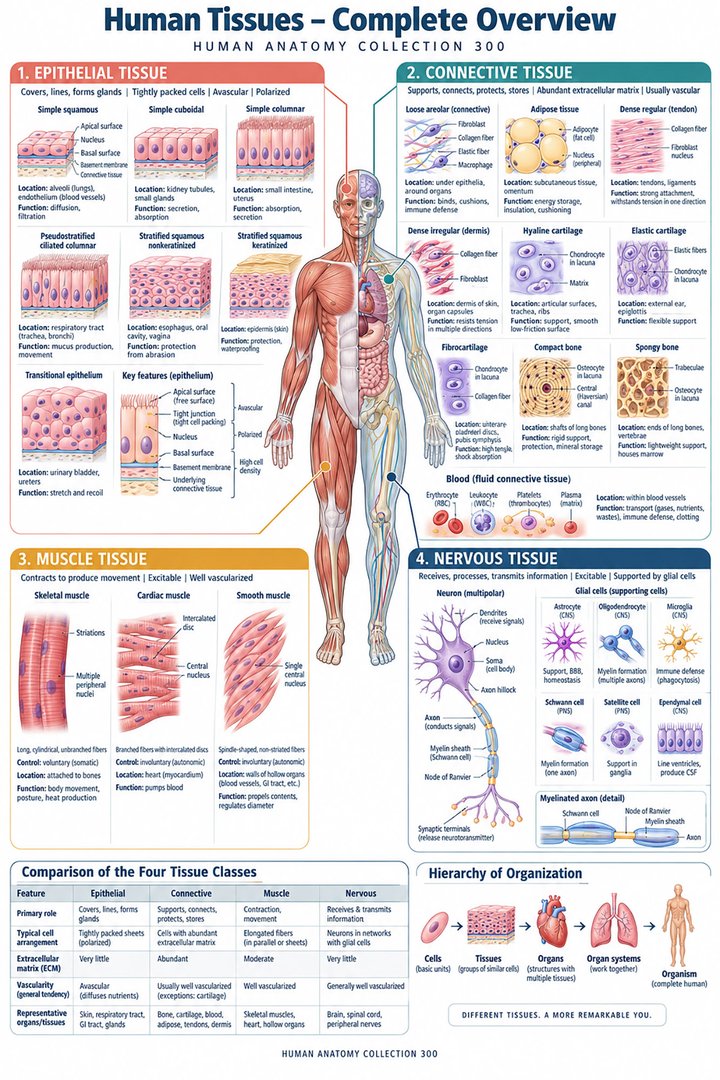 Human Body Tissues ↗
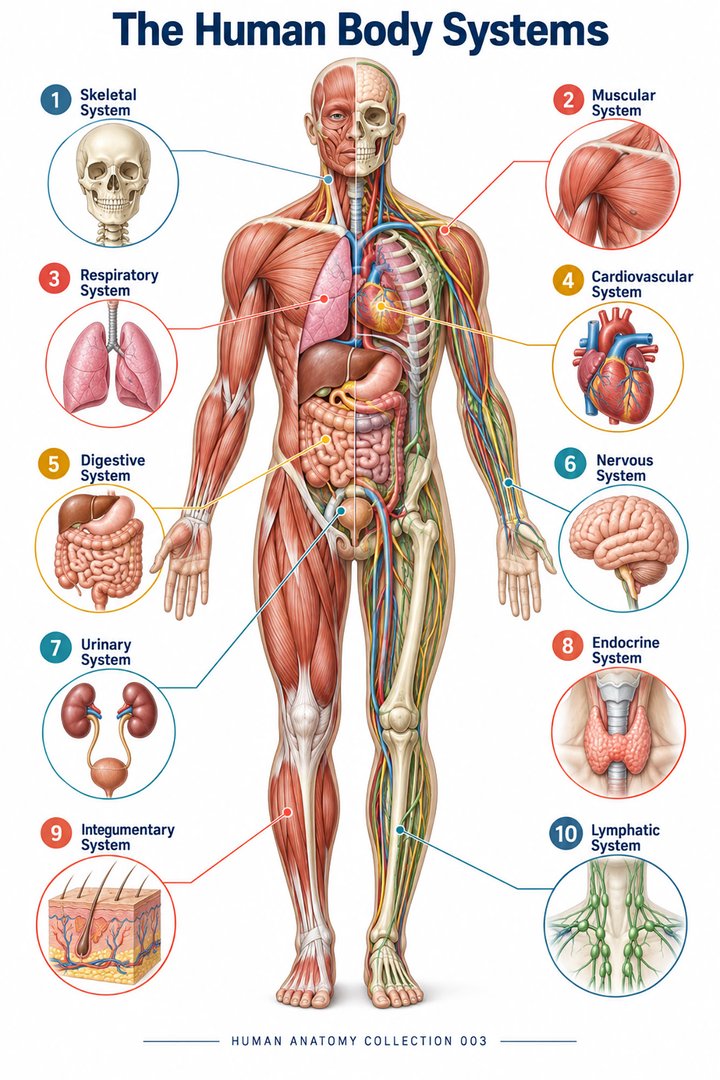 Human Body Systems ↗
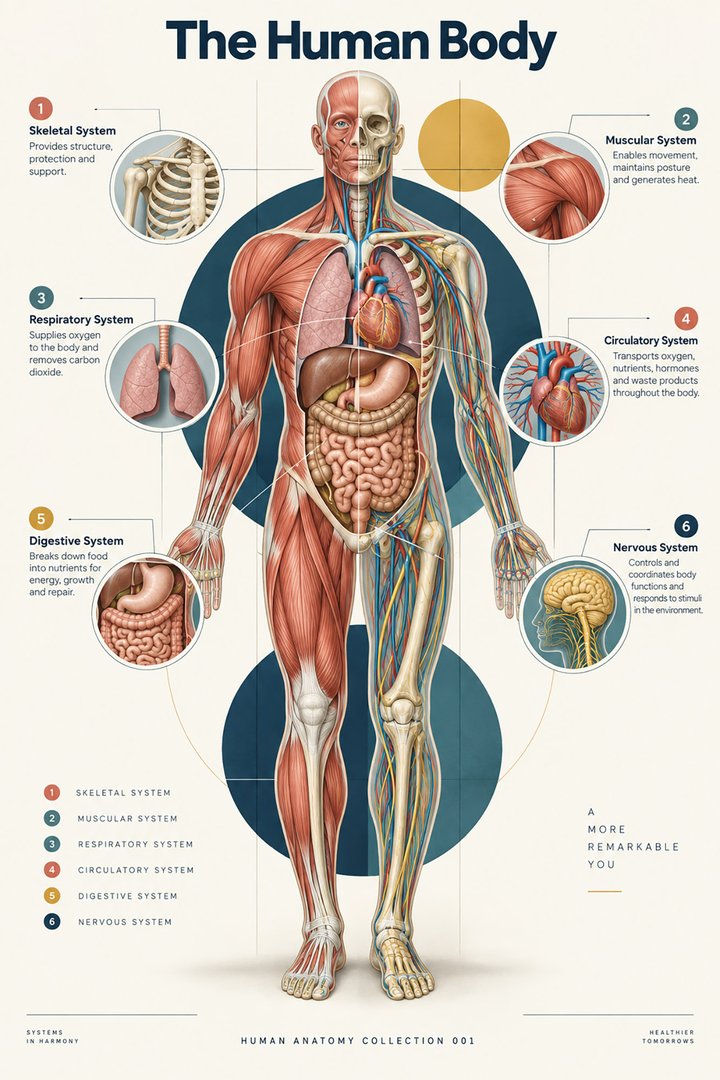 Human Body Facts ↗Human Anatomy and Physiology ↗
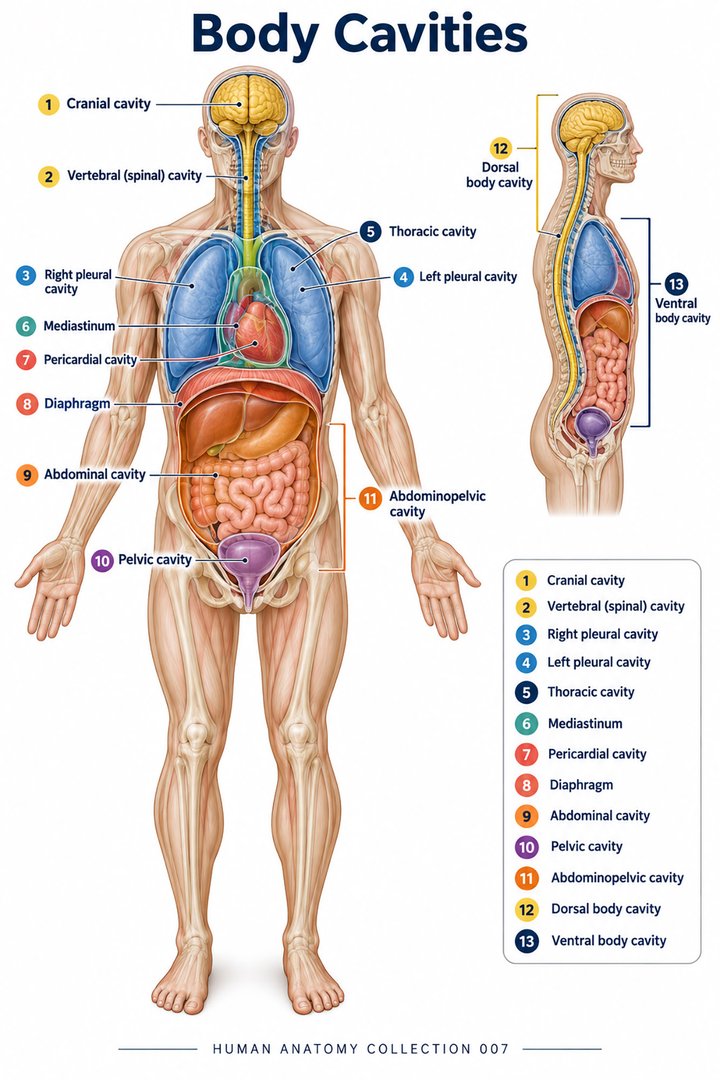 Human Body Cavities ↗Human Torso Anatomy ↗Human Digestive Tract ↗
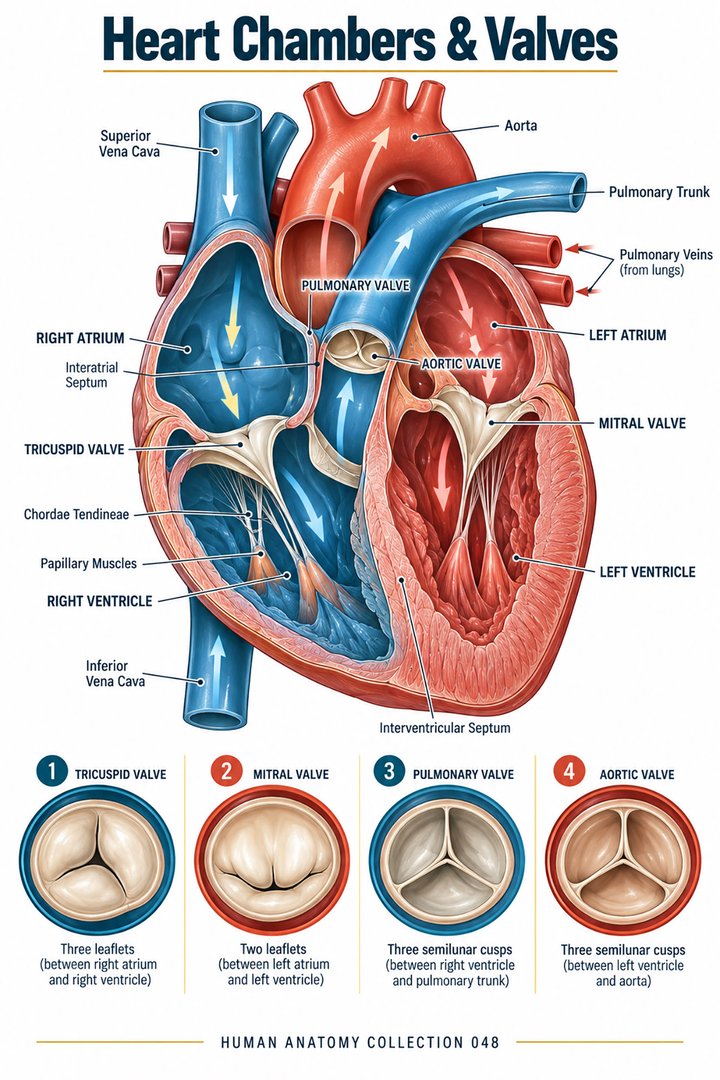 Human Heart Chambers ↗Human Organ Placement ↗
 Human Body Proportions ↗
 Peripheral Nervous System ↗
 Human Endocrine Glands ↗
 Human Bone Density ↗Human Blood Circulation ↗
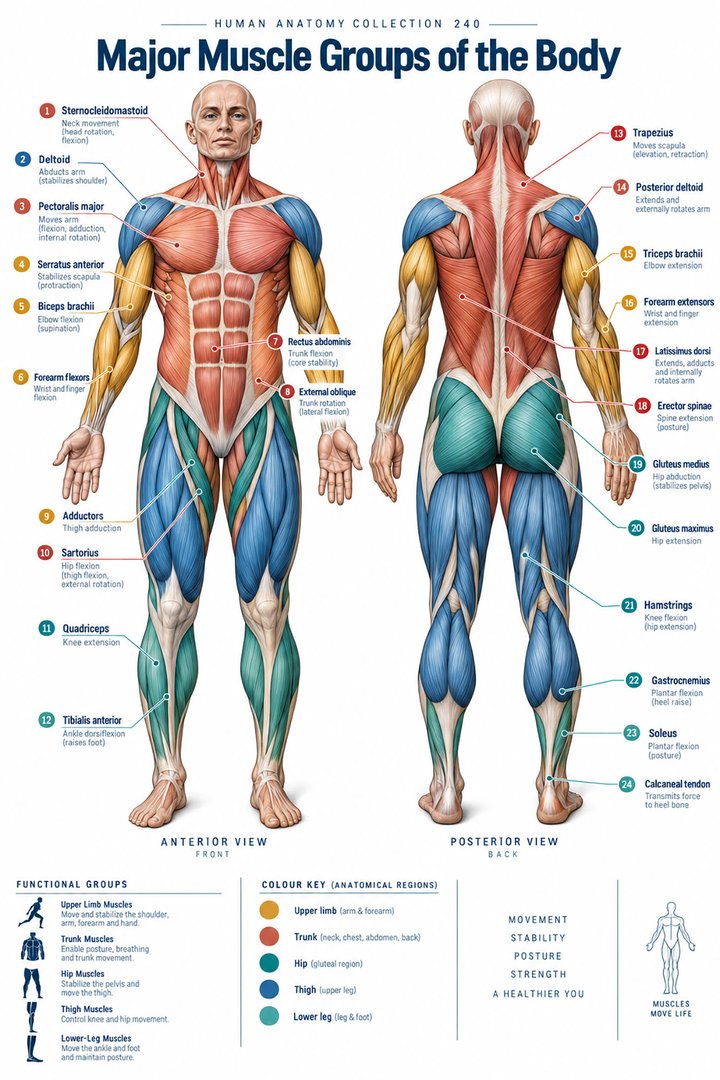 Human Muscle Groups ↗
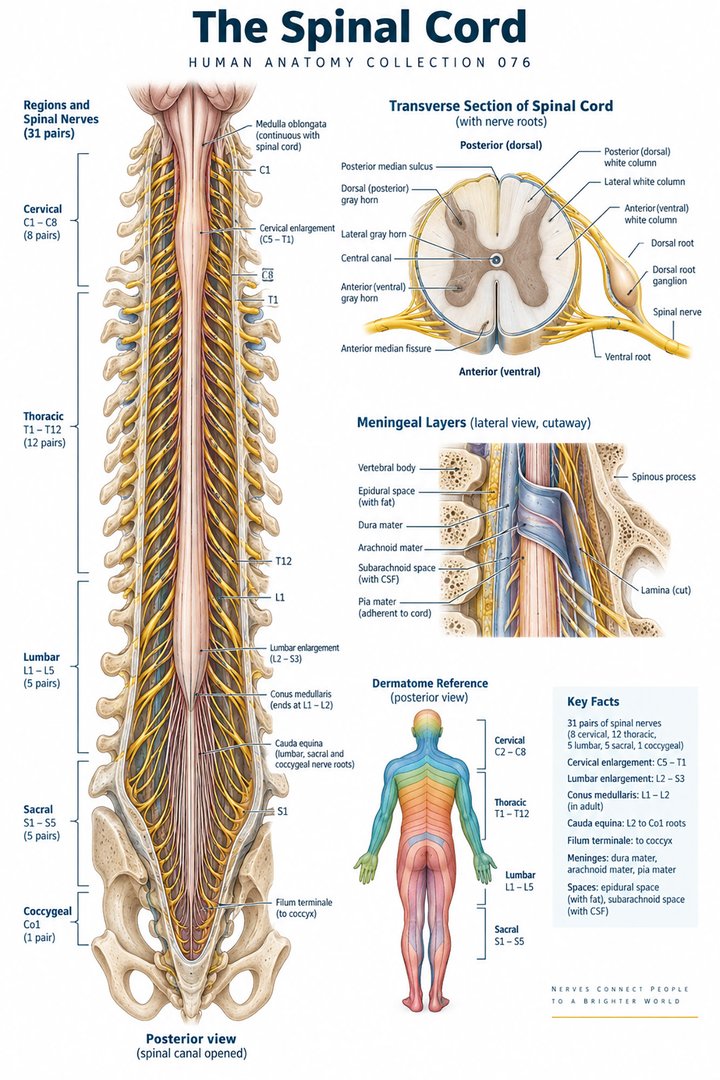 Human Spinal Cord ↗
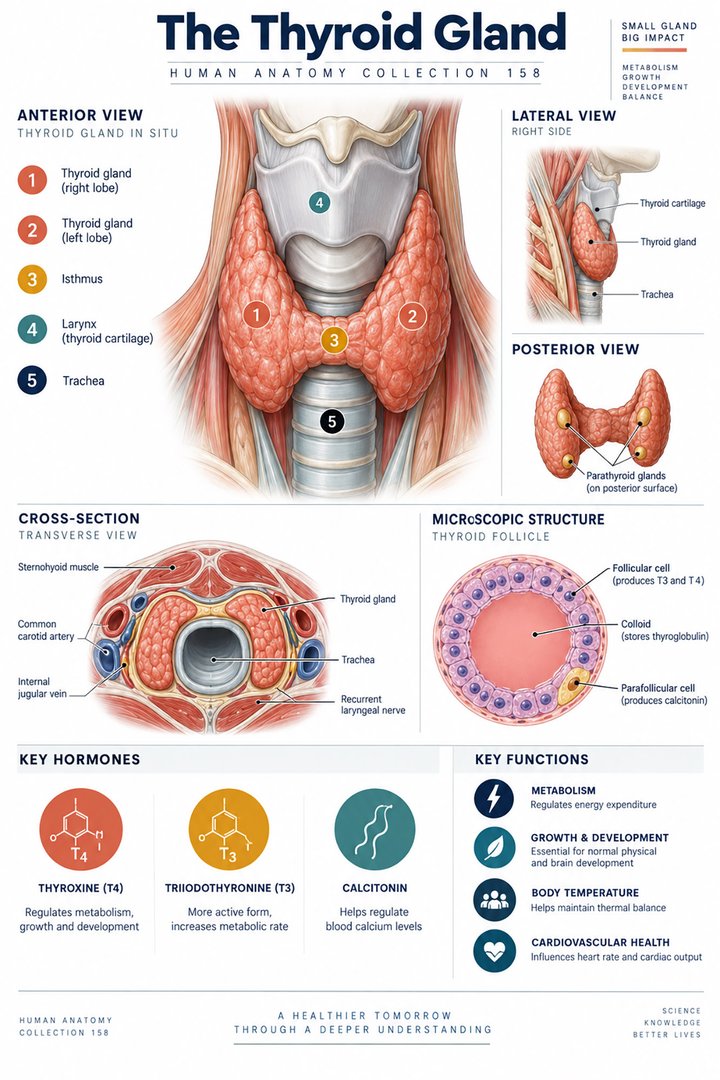 Human Thyroid Gland ↗
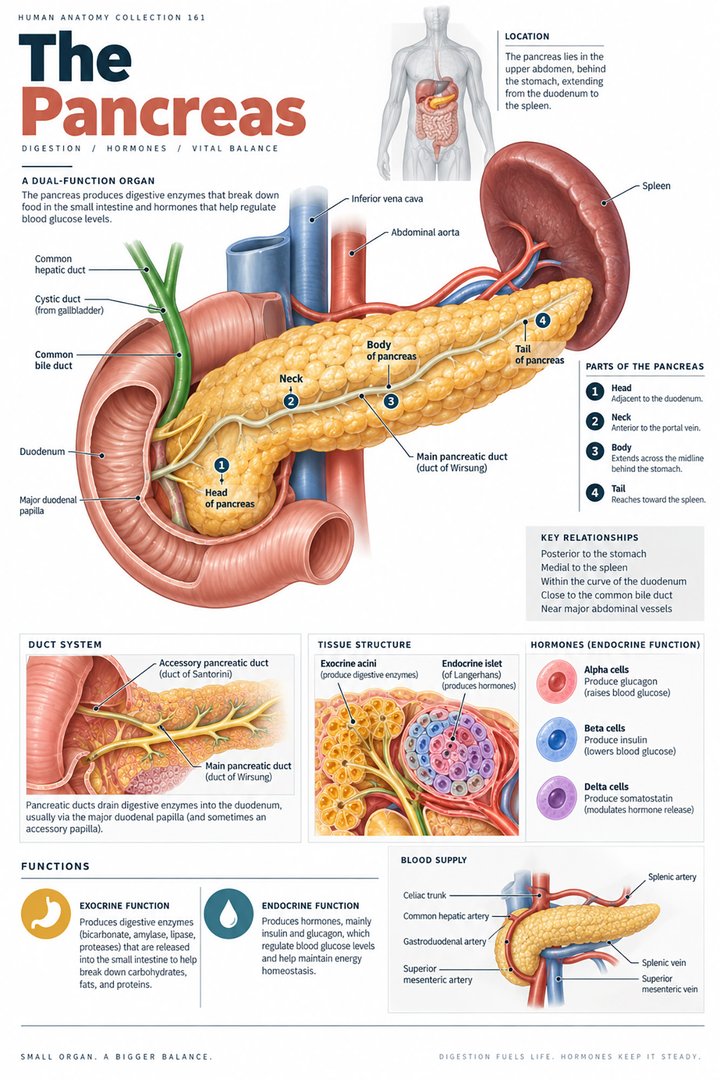 Human Pancreas Function ↗
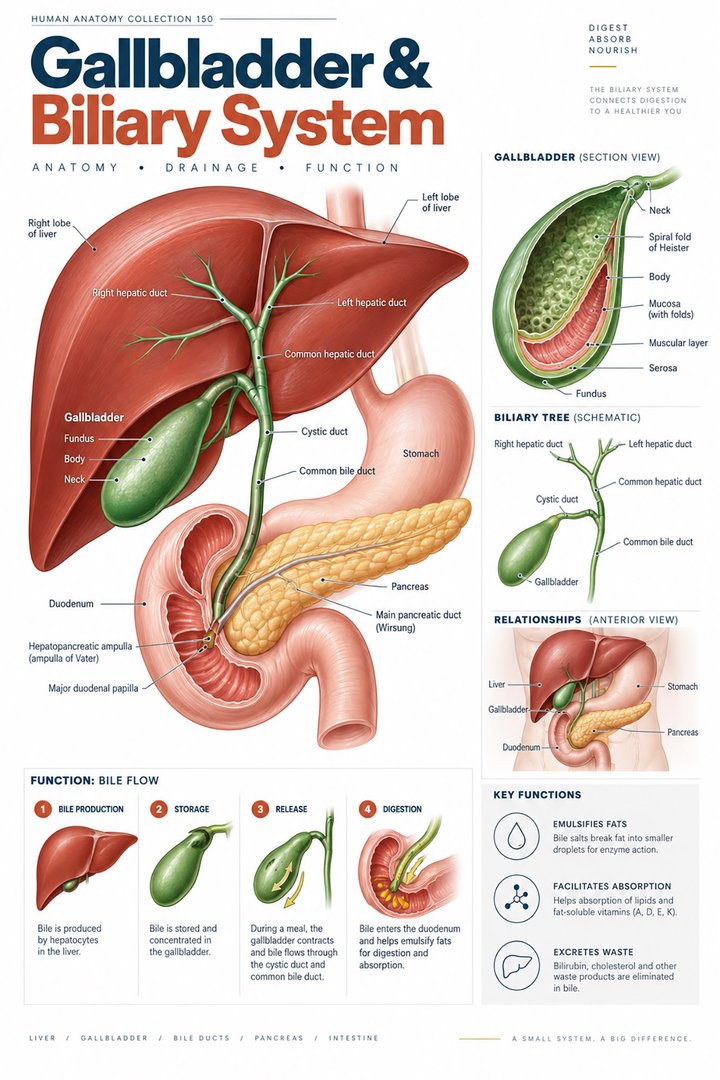 Human Gallbladder Anatomy ↗