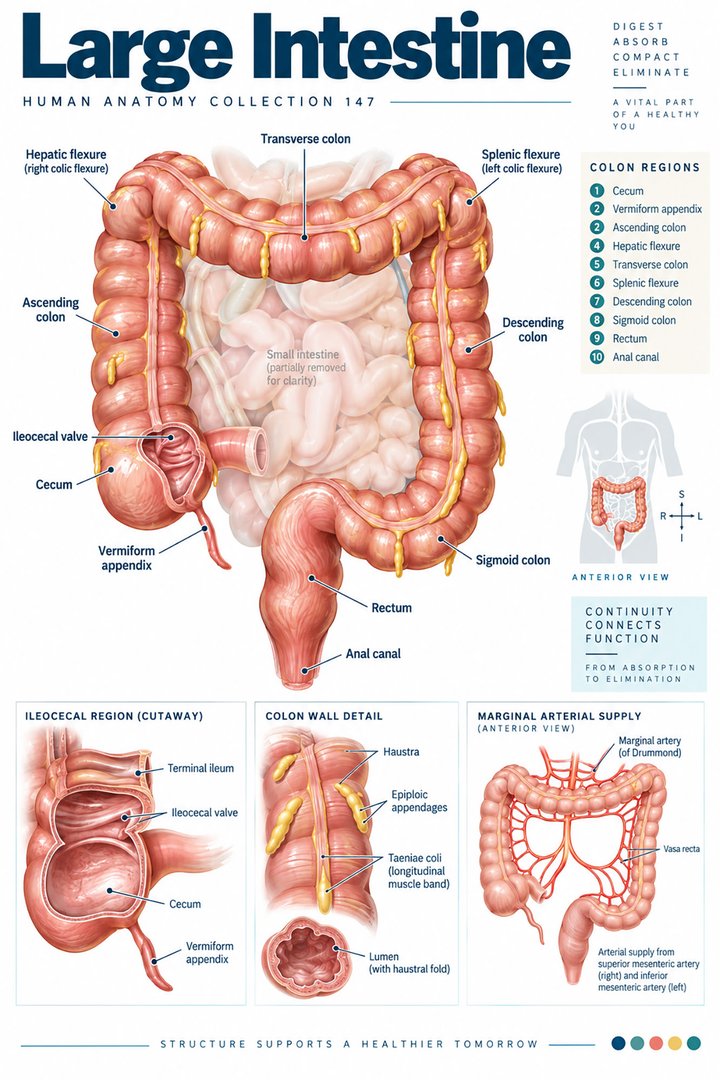
Large Intestine
Individual poster · 300 DPI print files
Regular $9.90
Explore poster ↗$4.90USD
Offer price · Save $5.00Individual poster · 300 DPI print files
Reduced web preview. Separate high-resolution print files are supplied with the digital download.
ANATOMY 147
A modern anatomy illustration exploring large intestine, designed for educational and decorative use.
Purchases are not available yet. Checkout and download delivery are being prepared.
Sold by Kunstolymp.de · Germany
Compare prices & the complete collection ↗This is a DIGITAL DOWNLOAD. No physical product will be shipped. After purchase, download your files and print them at home, at a local print shop, or through an online professional printing service.
The separate 300 DPI print files are ideal for 24×36-inch posters (approximately 60×90 cm). ISO and 5×7 formats are included. The white border lets you adjust the layout or trim to fit other frame sizes; check the preview before printing to keep the illustration and labels visible.
The planned bundle delivery includes a PDF information sheet with a link to the relevant Google Drive folder and download instructions. The store is currently in preview and purchases are not yet available.
A science-inspired choice for a student’s study corner, an educator’s classroom, or an anatomy enthusiast’s wall. Final licensing terms will apply.
CLINICAL CONTEXT
The large intestine includes caecum, ascending, transverse, descending, and sigmoid colon, rectum, and anal canal. It absorbs water and electrolytes, hosts a complex microbial community, compacts stool, and coordinates storage and defecation. Haustral contractions and enteric neural circuits regulate transit; mucosal immunity and epithelial barriers interact with luminal contents. Anatomy informs examination and symptom patterns, but constipation, diarrhoea, pain, or bleeding can arise from functional, inflammatory, infectious, vascular, medication-related, or neoplastic disease. Consider age, symptom onset, family history, medications, hydration, diet, travel, pregnancy, comorbidity, and change from baseline.
Irritable bowel syndrome can cause recurrent abdominal pain linked to defecation and altered stool frequency or form, often with bloating, urgency, constipation, diarrhoea, or alternating patterns. It is a disorder of gut-brain interaction and does not cause the tissue inflammation of inflammatory bowel disease. Ulcerative colitis affects colonic mucosa and commonly presents with bloody diarrhoea, urgency, and abdominal cramps; Crohn disease may affect deeper bowel layers and create strictures or fistulas. Diverticulosis is common with age, while diverticulitis may produce persistent lower abdominal pain, fever, and bowel change; diverticular bleeding can be brisk. Colorectal cancer and advanced polyps may cause occult bleeding, iron-deficiency anaemia, altered bowel habit, weight loss, or no symptoms, making age- and risk-appropriate screening important. Alarm features should prompt investigation rather than attribution to IBS.
Evaluation combines history, examination, blood tests, stool studies, and endoscopy or imaging according to suspected cause and risk. Colonoscopy with biopsies can assess inflammation, microscopic colitis, polyps, and malignancy. IBS care may include clear explanation, soluble fibre, symptom-directed medication, regular activity, and selected gut-directed psychological therapies. IBD treatment may involve aminosalicylates, corticosteroids for induction, immunomodulators, biologics or targeted therapies, and surgery for complications; monitor inflammation, nutrition, anaemia, bone health, and colorectal cancer risk. Diverticulitis management depends on severity and complications, ranging from outpatient care to antibiotics in selected patients, hospital treatment, drainage, or surgery. Screening and prompt evaluation of rectal bleeding reduce missed diagnoses.
For IBS, a time-limited low-FODMAP approach may help some patients when supervised by a dietitian and followed by structured food reintroduction. Gut-directed hypnotherapy and stress-management approaches have evidence for selected patients; peppermint oil may provide modest short-term benefit for some but can worsen reflux and interact with conditions or medicines. Probiotic evidence is strain-specific and uncertain. These options support symptom care, not treatment of IBD, infection, obstruction, or cancer. Herbal products may interact with anticoagulants and immunosuppressants. Urgent assessment is needed for heavy rectal bleeding, black stools, severe or rigid abdomen, persistent vomiting, inability to pass stool or gas with distension, fever with severe pain, fainting, or unexplained progressive weight loss. This guide is educational only.
Further reading: NIDDK: irritable bowel syndrome · NIDDK: ulcerative colitis · NIDDK: diverticular disease treatment · NCCIH: IBS complementary approaches
Explain the working diagnosis, important alternatives, planned tests, expected course, and specific safety-netting in language the patient can use. Invite questions about treatment goals, capacity, cost, culture, and complementary therapies. Use a professional interpreter when language access could affect consent or understanding, and confirm clear arrangements for timely clinical review in writing. Document the reasoning, reassess response to treatment, and coordinate care across professions when illness affects more than one system. Teaching anatomy is most useful when it supports this partnership: accurate localisation, respectful listening, timely escalation, and a plan that remains responsive to the individual patient.
HUMAN ANATOMY COLLECTION · 001—300
A closer look at what makes us human. Discover anatomy posters for your study space, classroom, and everyday curiosity.
DIGITAL DOWNLOADS · 300 DPI PRINT FILES
EXPLORE BY SYSTEM
LEARN & EXPLORE
Detailed English guides with Latin terminology, diagrams, real images, and clinical learning connections.
 Human Anatomy Diagrams ↗
 Human Body Organs ↗
 Skeletal System Anatomy ↗
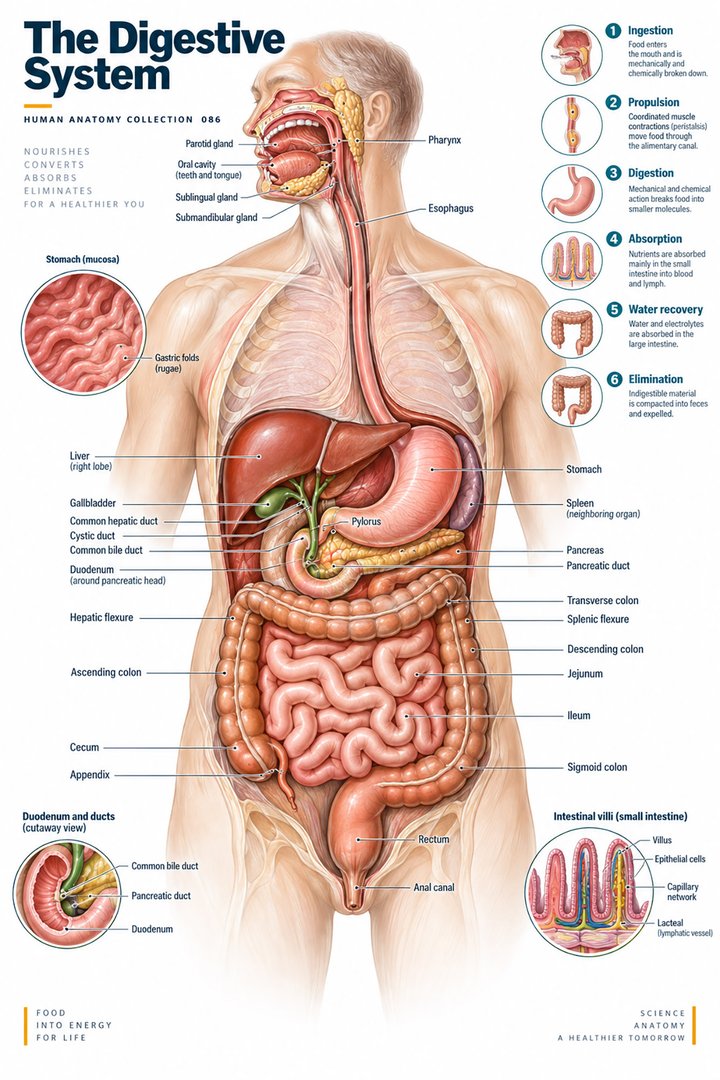 Human Digestive System ↗
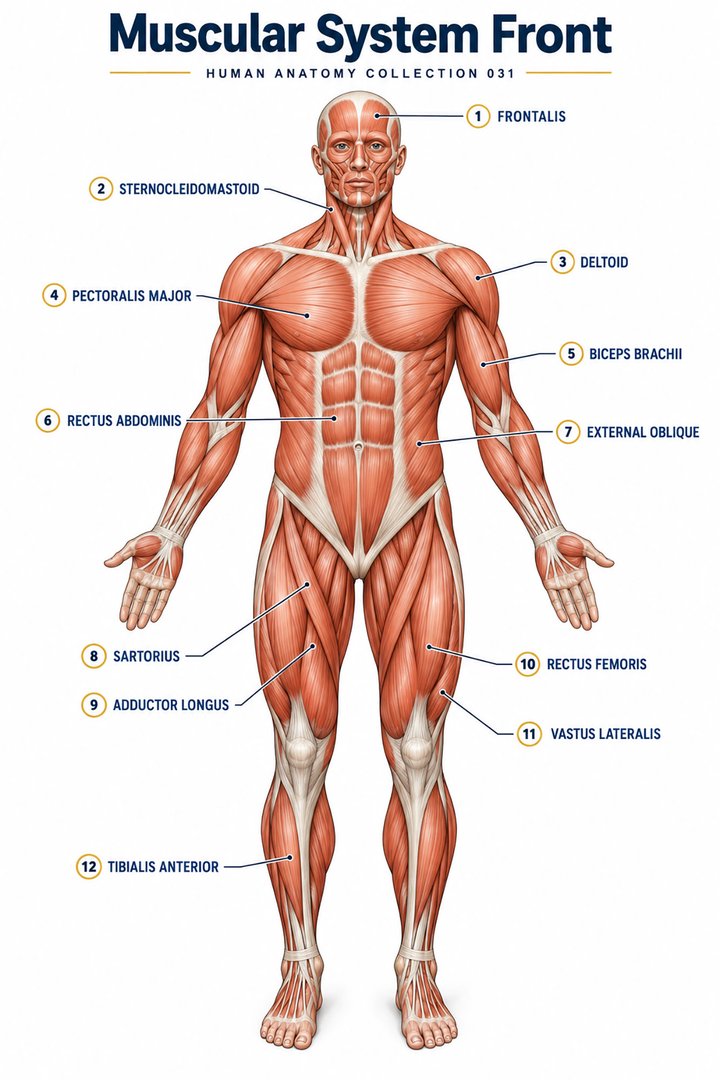 Muscular System Overview ↗
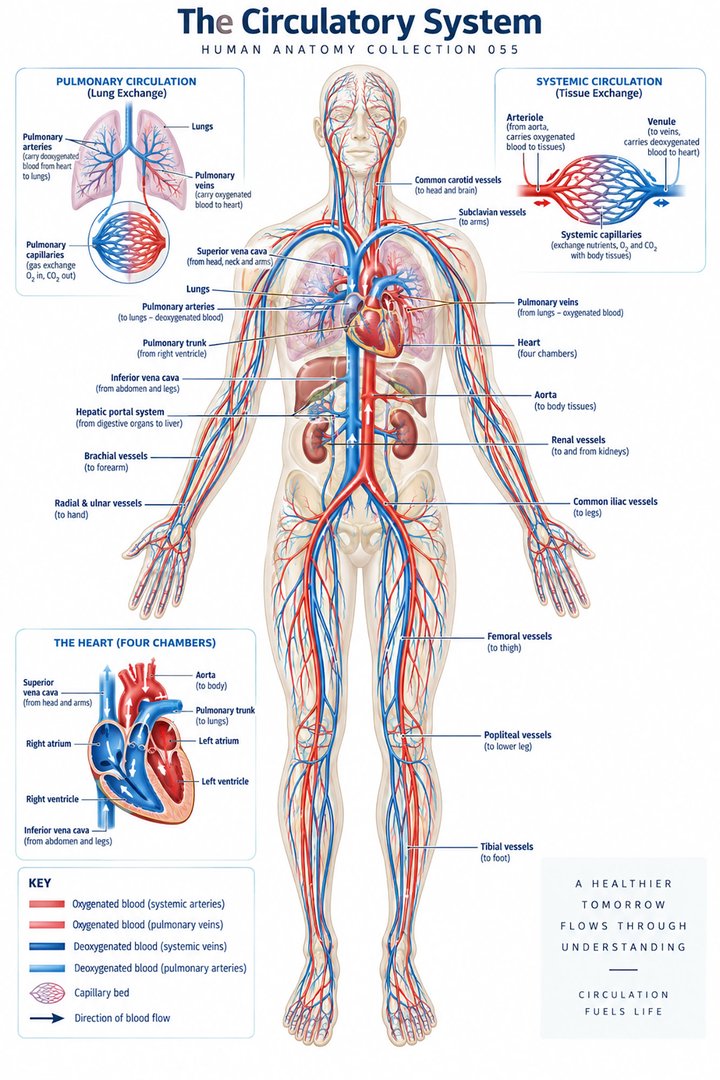 Human Circulatory System ↗
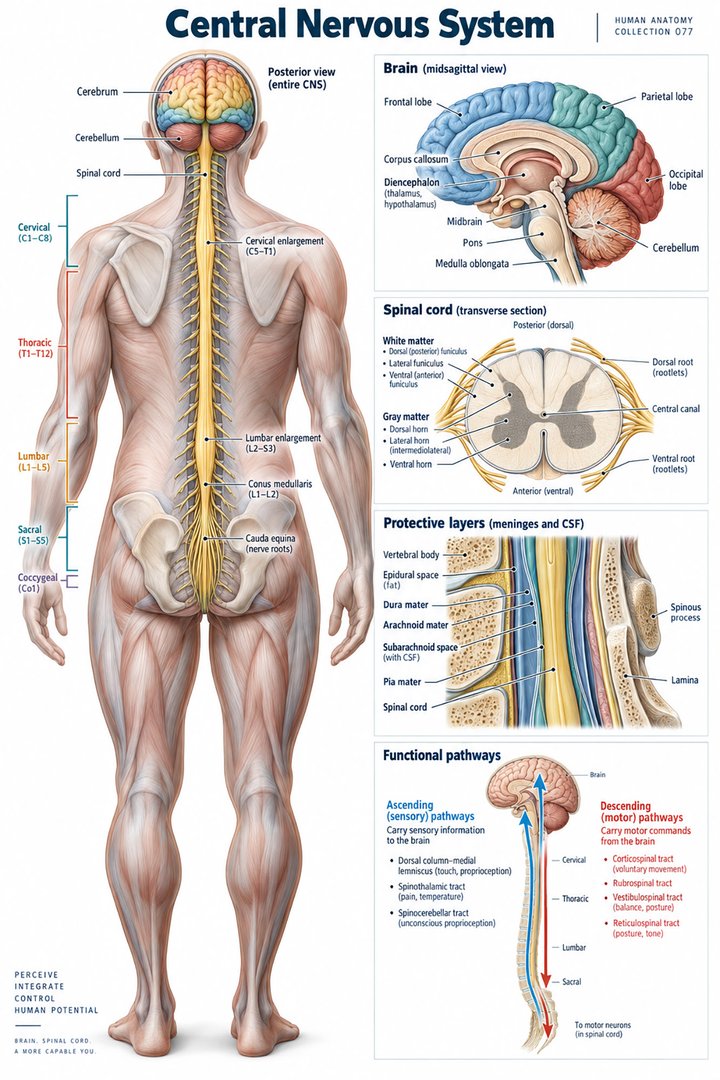 Human Nervous System ↗
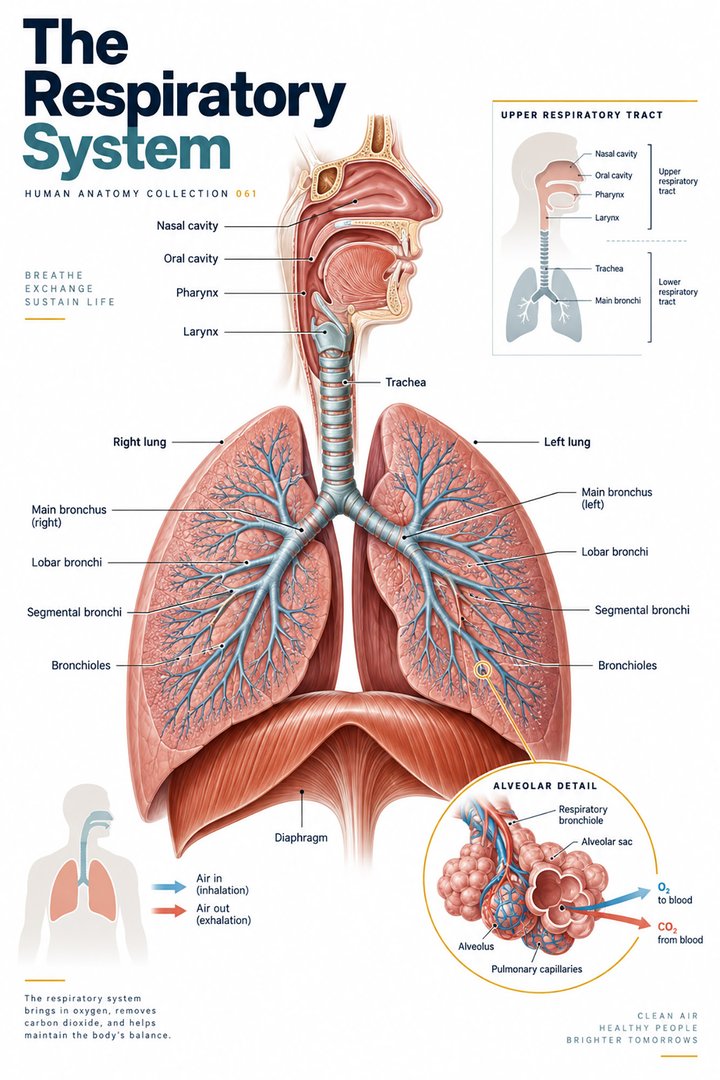 Respiratory System Functions ↗
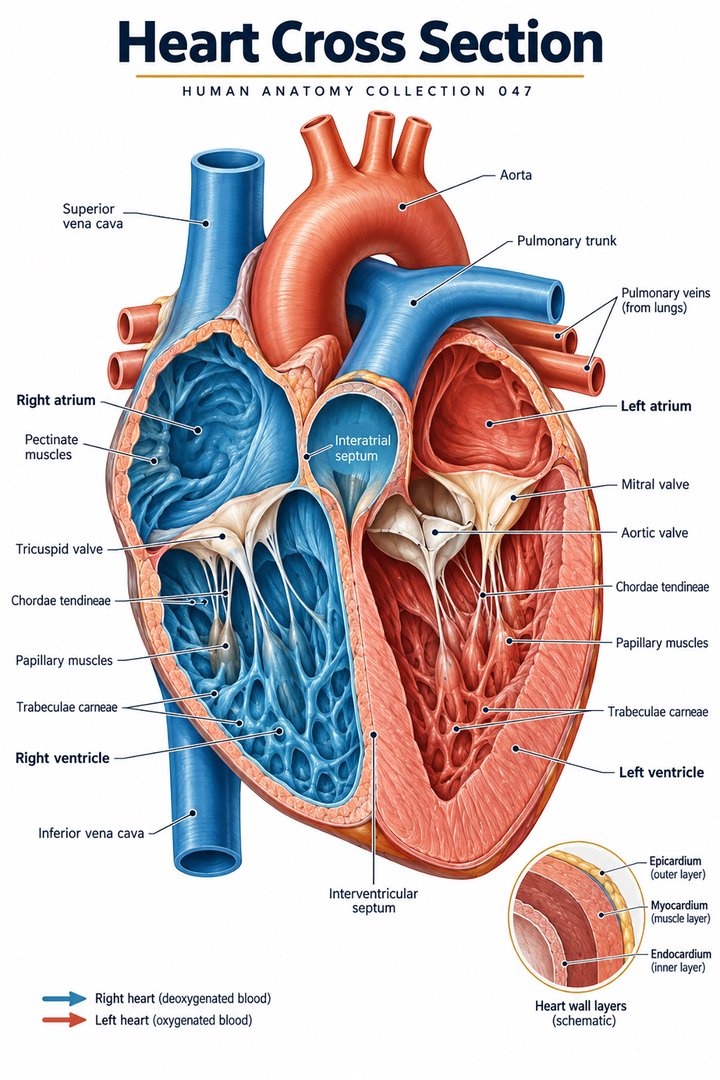 Human Heart Structure ↗
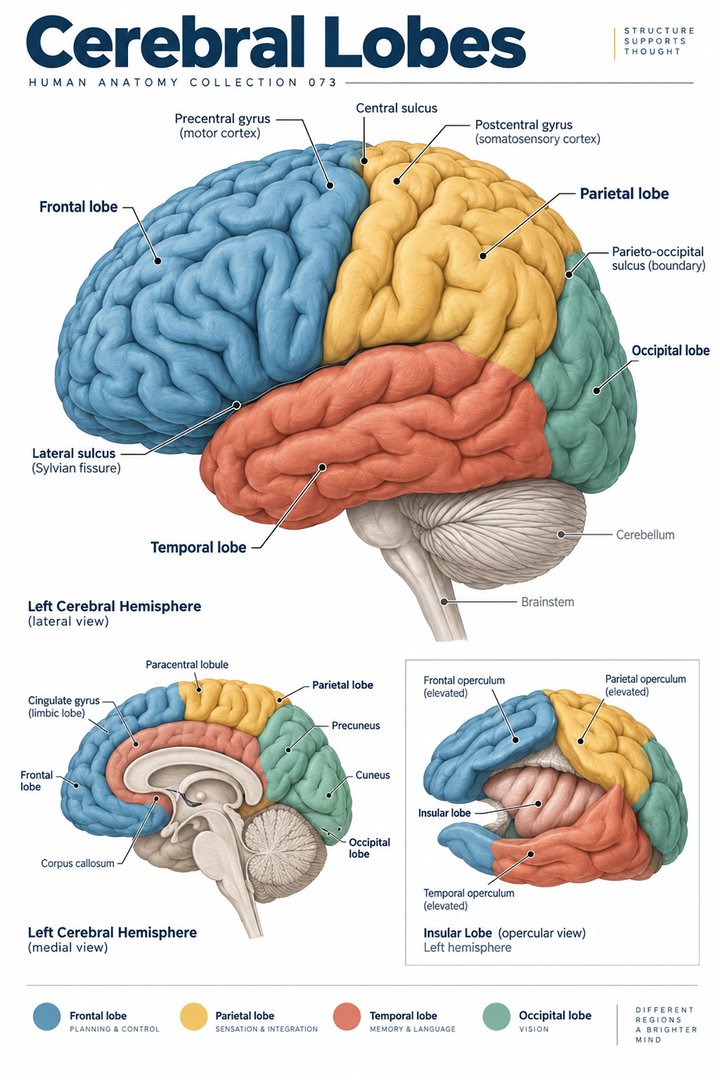 Human Brain Lobes ↗
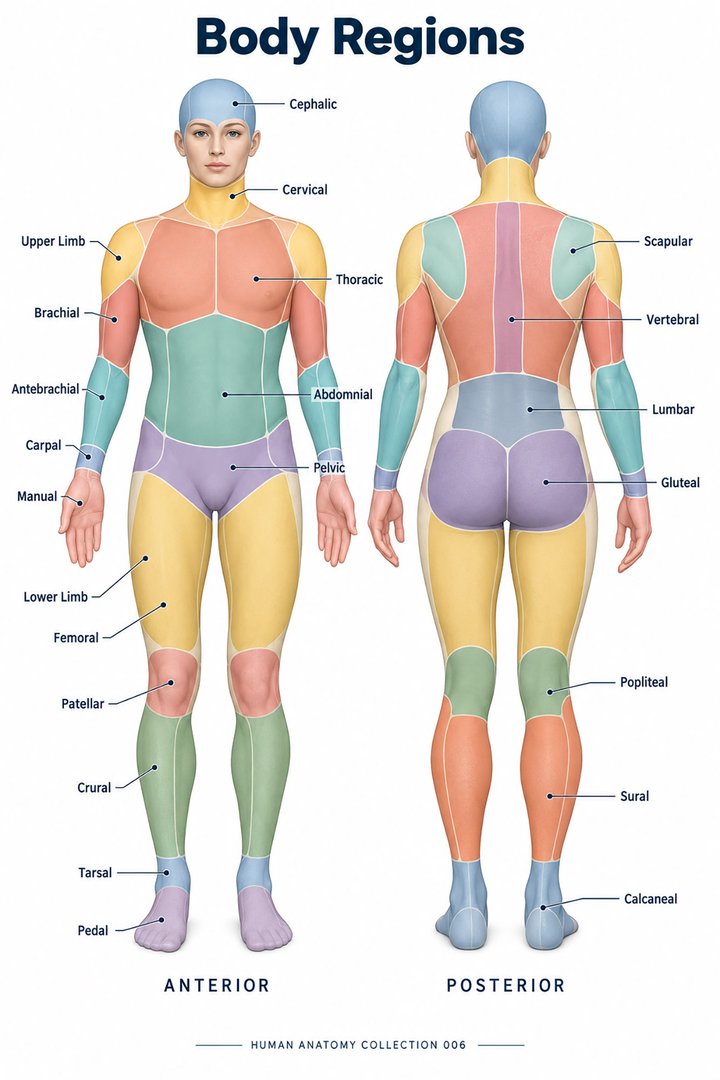 Human Body Parts ↗
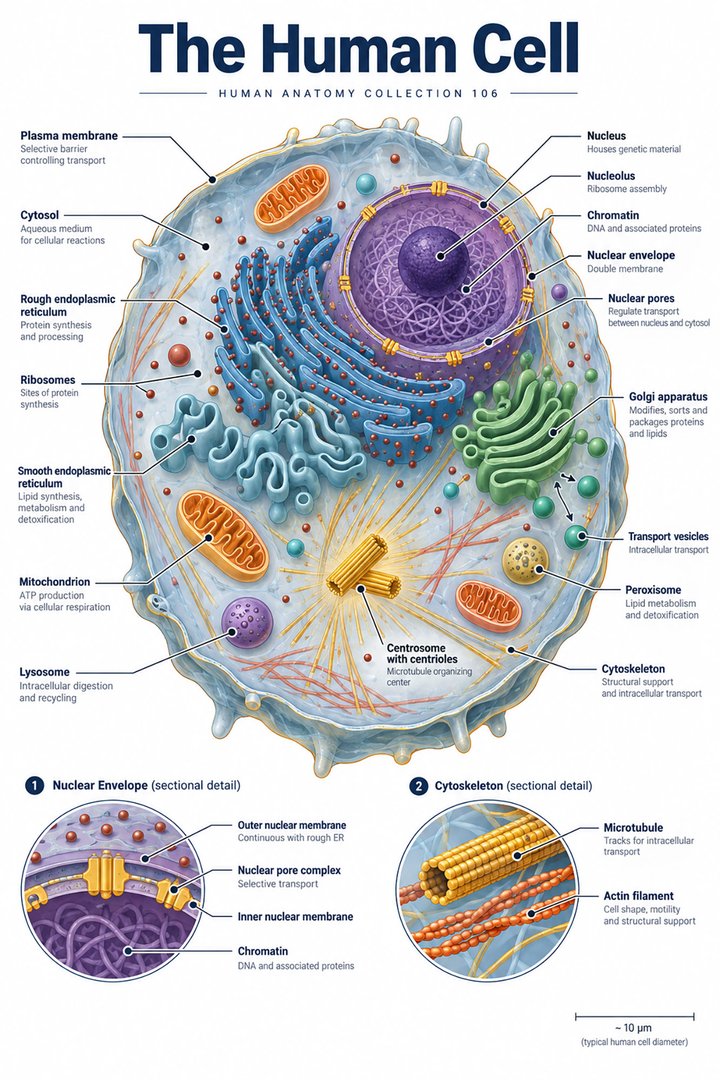 Human Cell Structure ↗
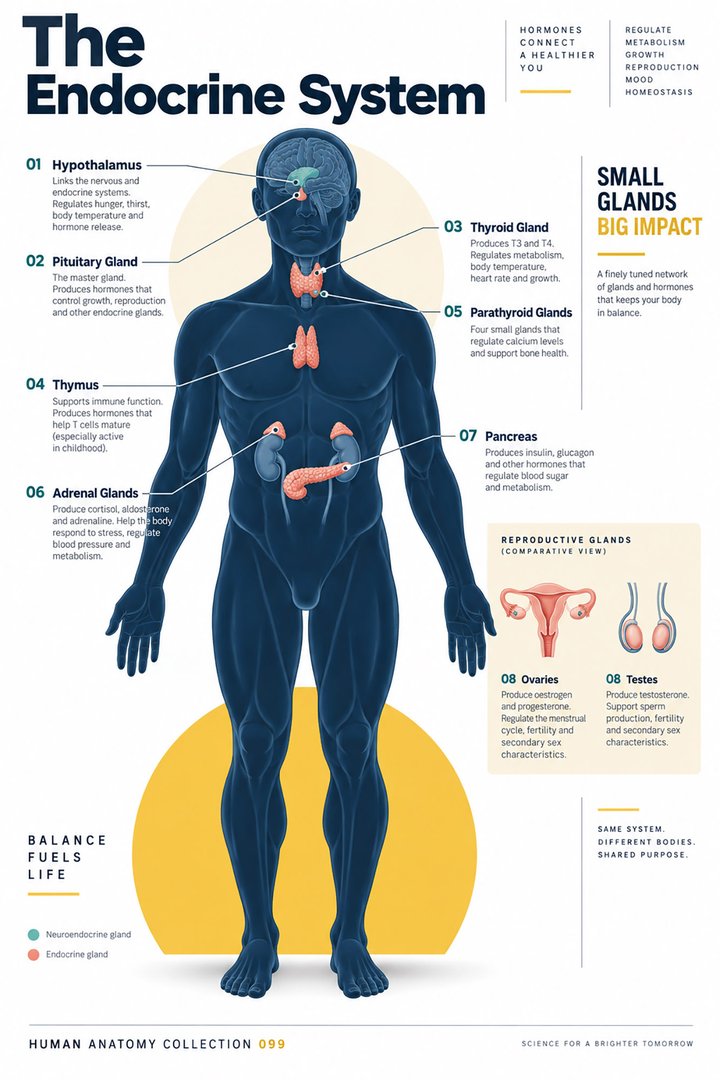 Human Endocrine System ↗
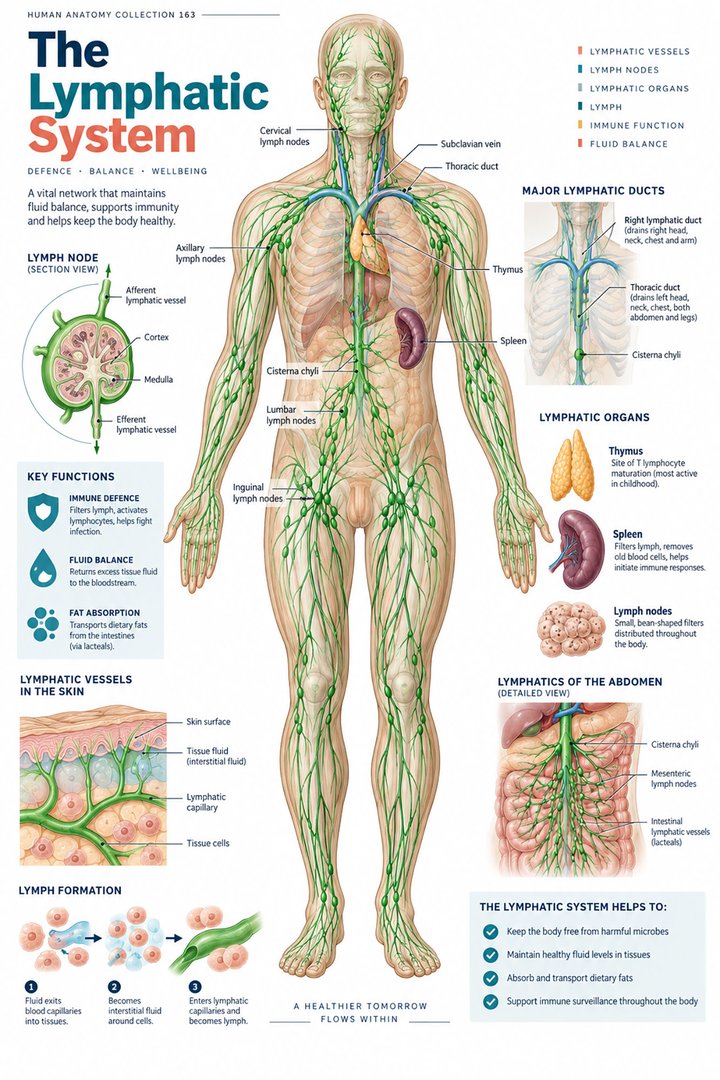 Human Lymphatic System ↗
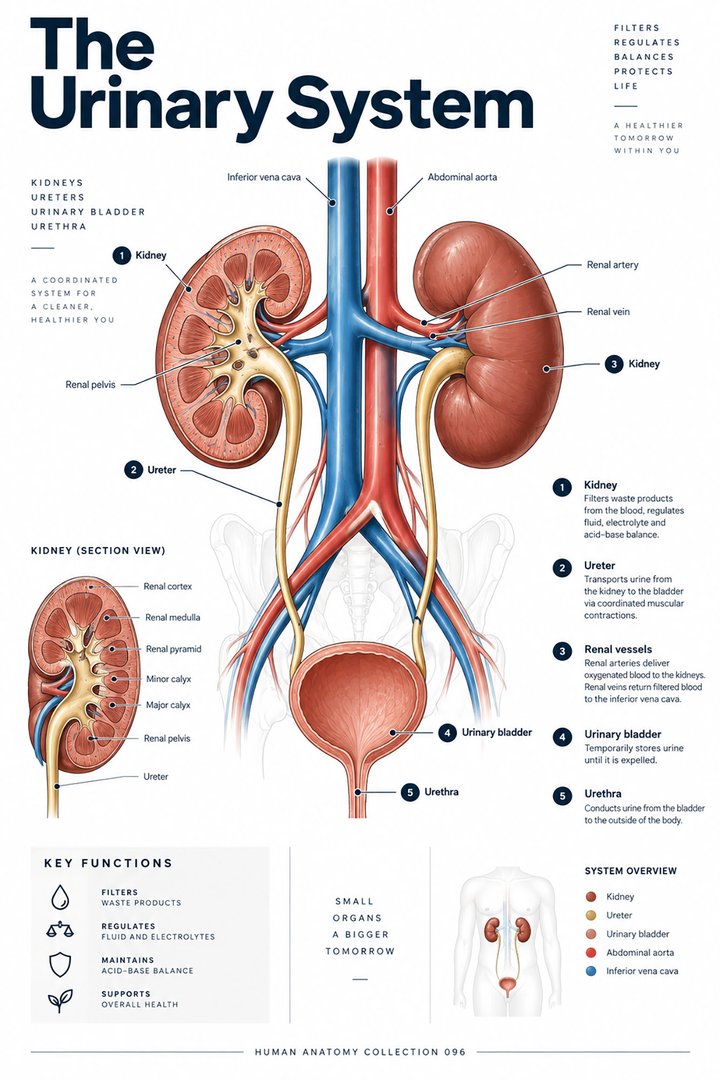 Human Urinary System ↗
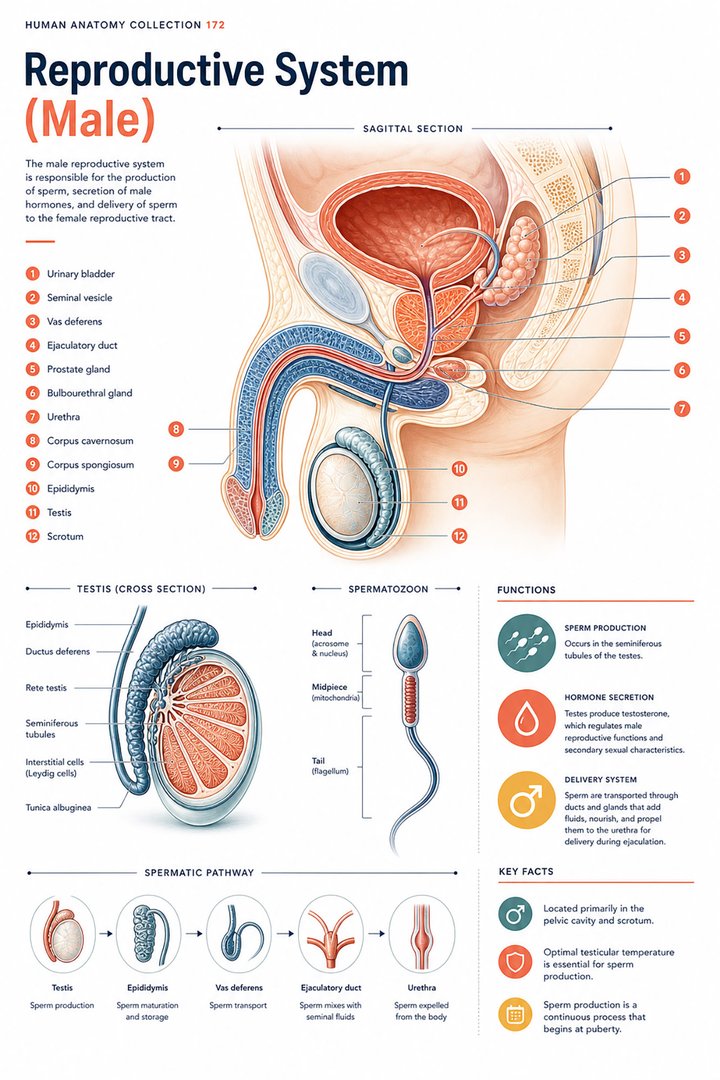 Male Reproductive System ↗
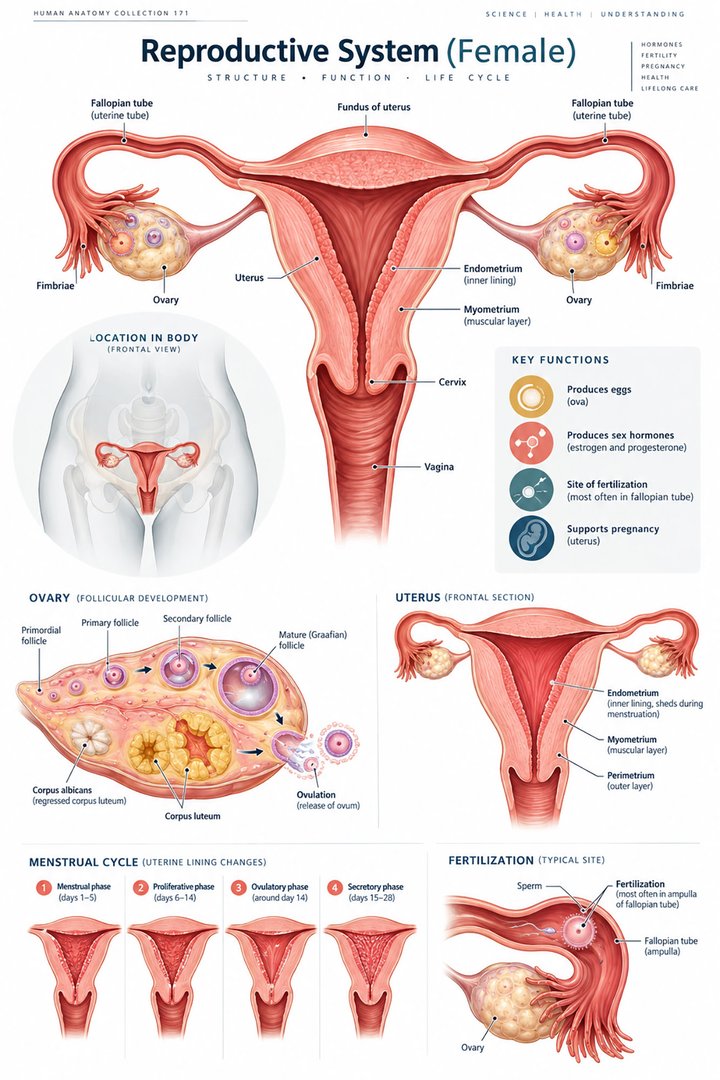 Female Reproductive System ↗
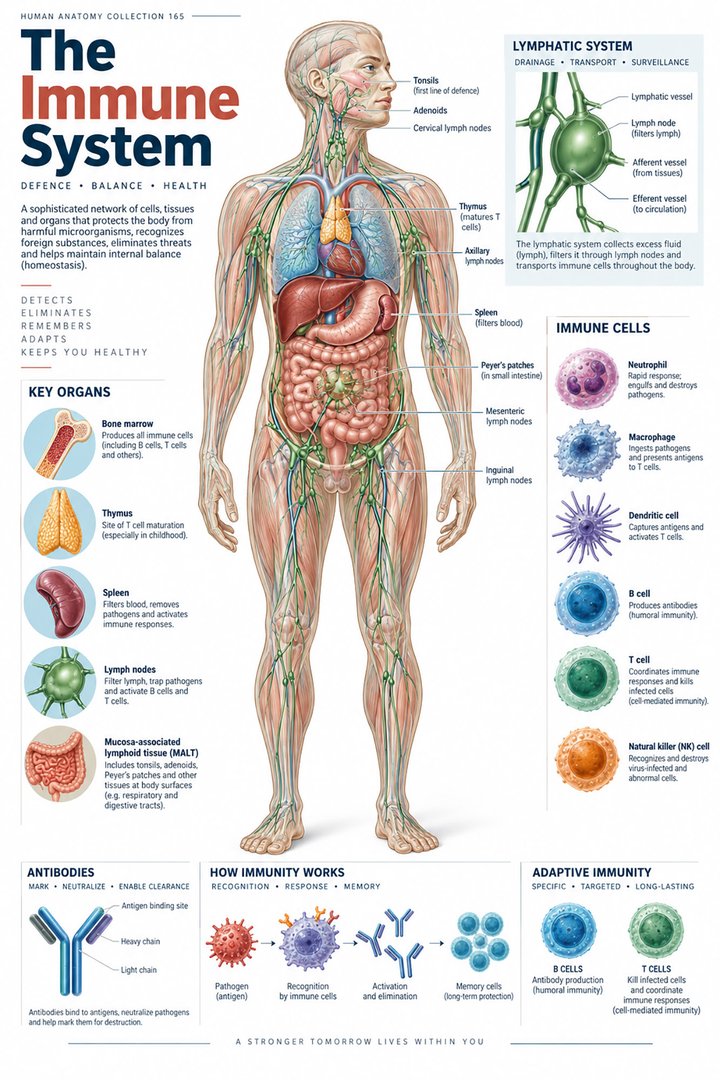 Human Immune System ↗Central Nervous System ↗
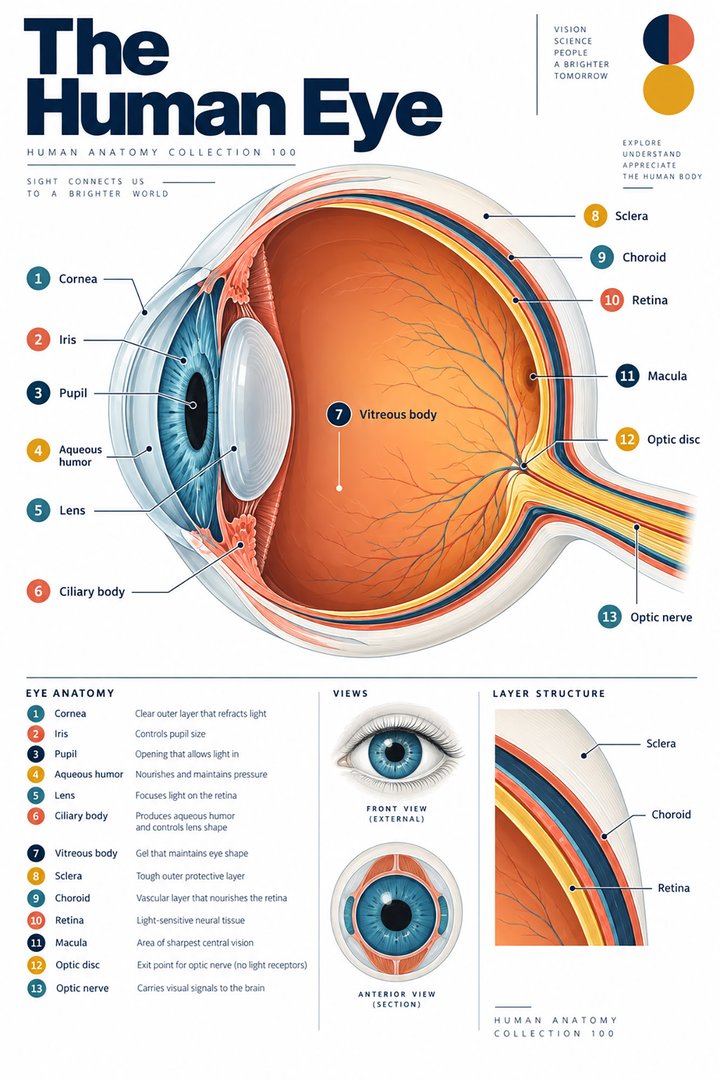 Human Eye Structure ↗
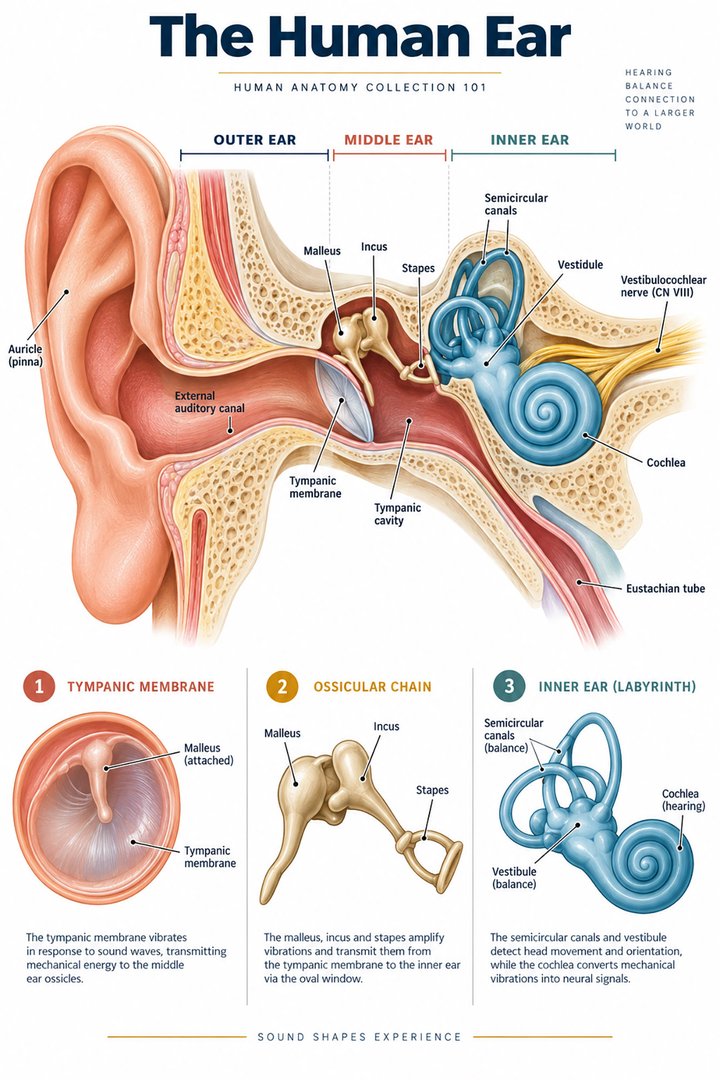 Human Ear Structure ↗
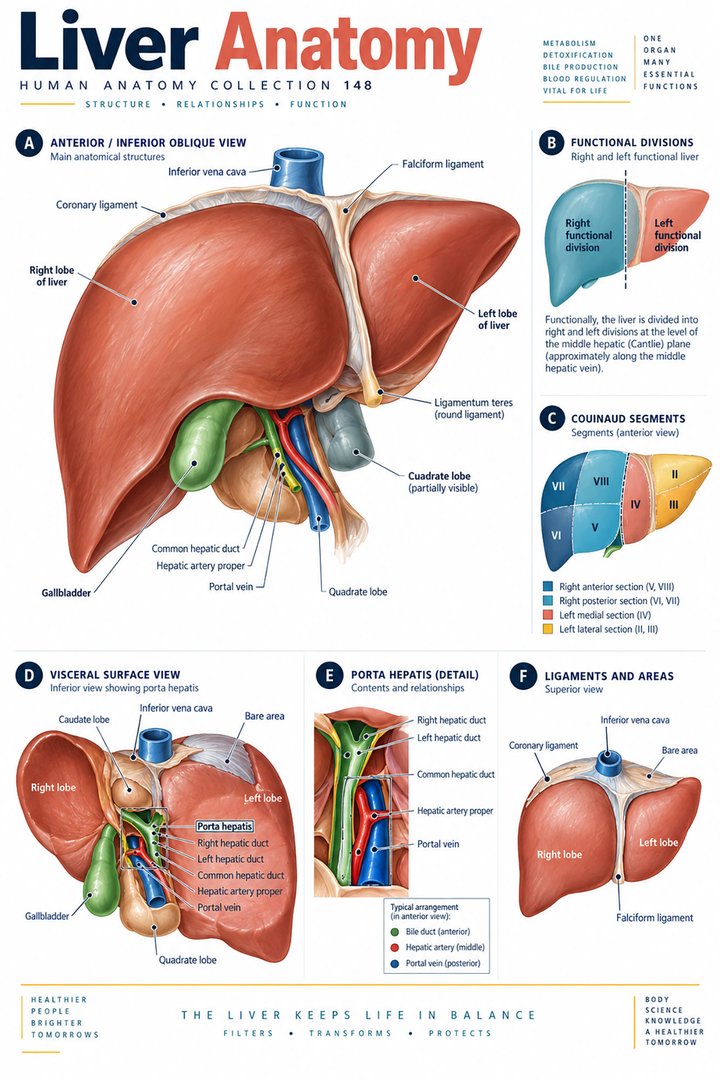 Human Liver Function ↗
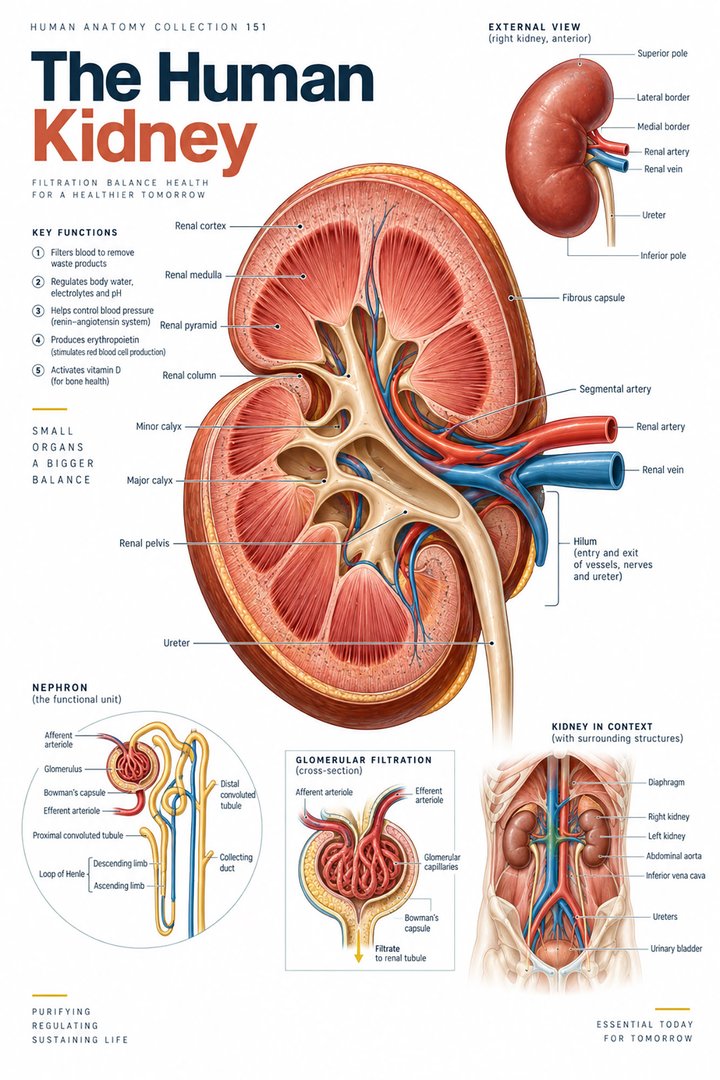 Human Kidney Anatomy ↗
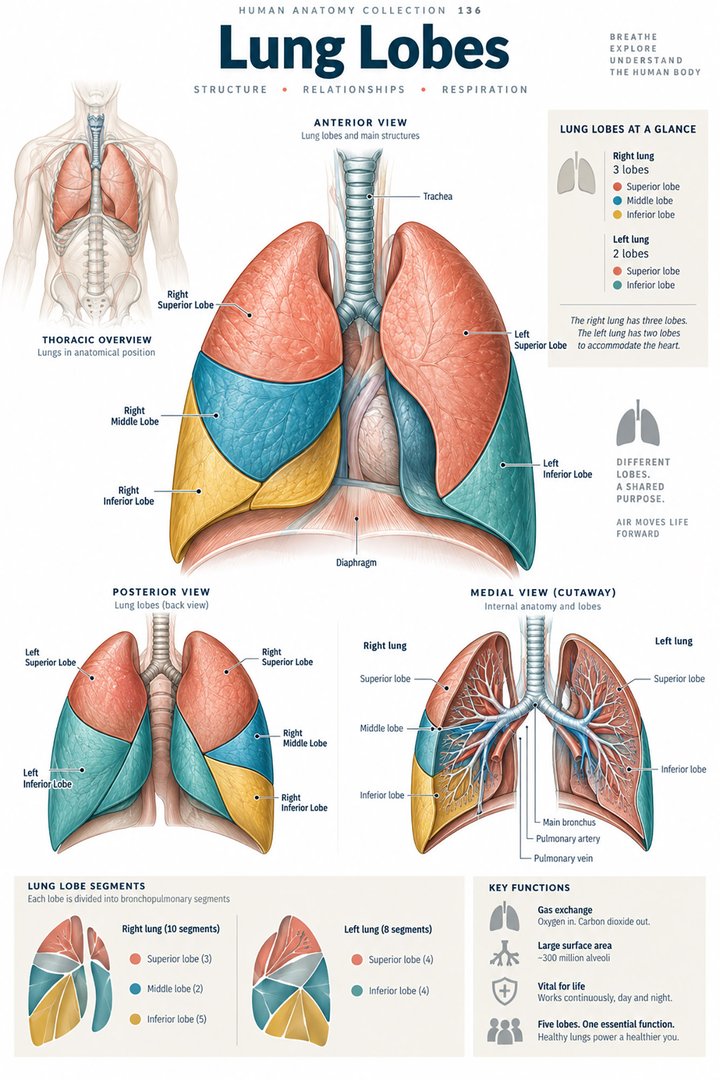 Human Lung Anatomy ↗
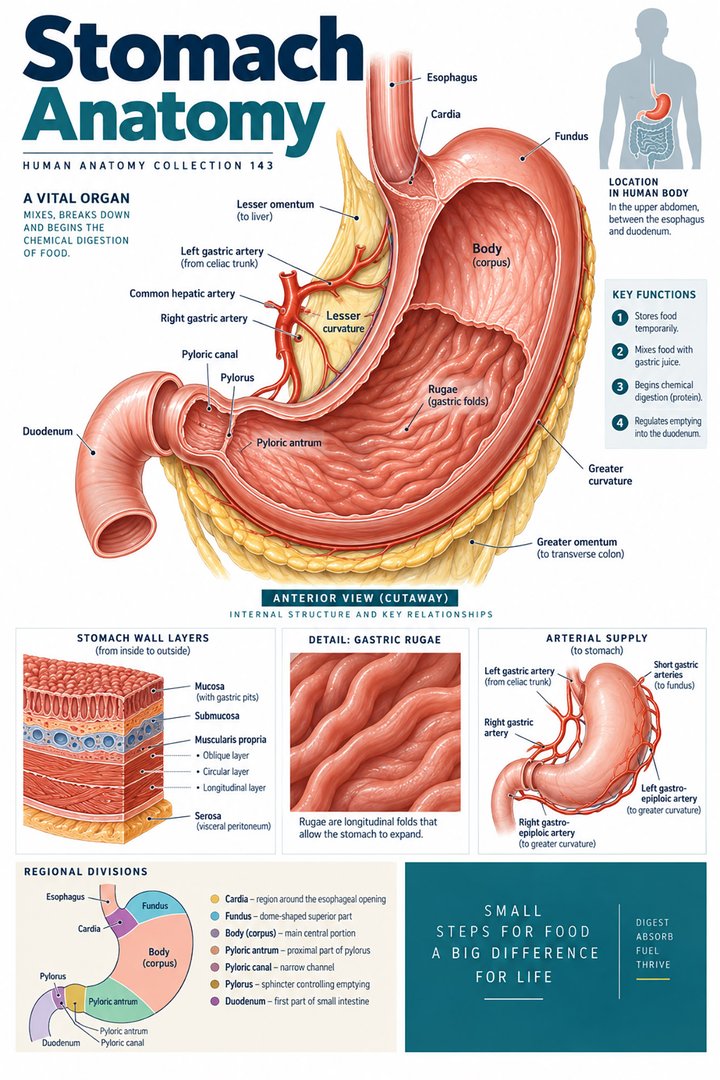 Human Stomach Structure ↗
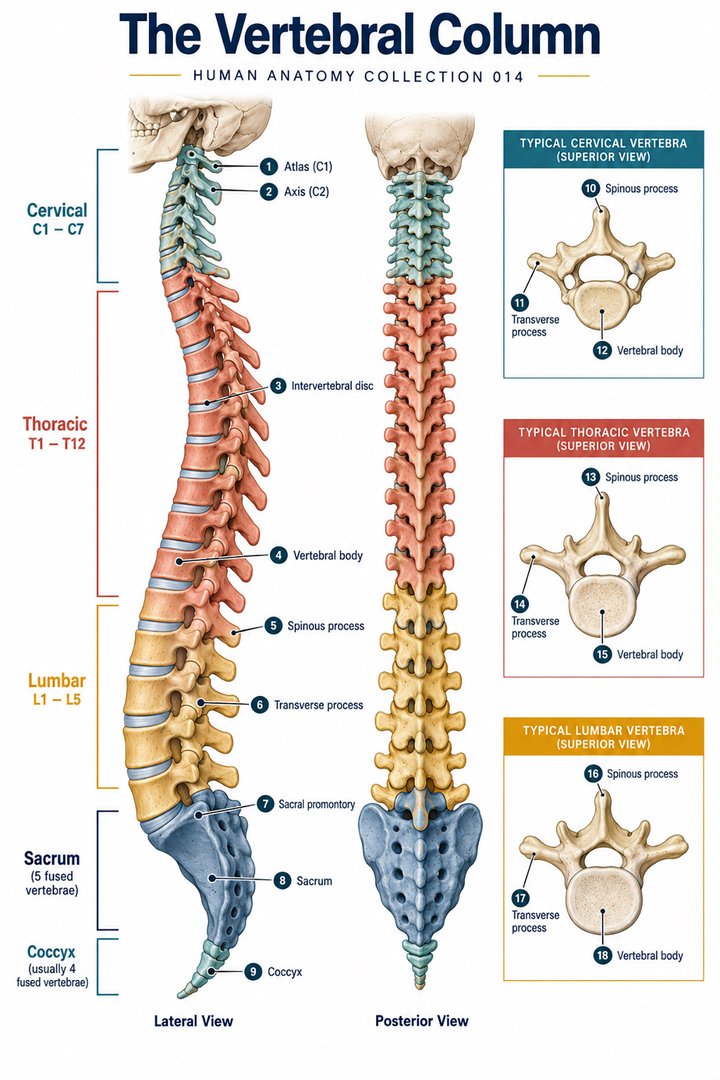 Human Spine Anatomy ↗
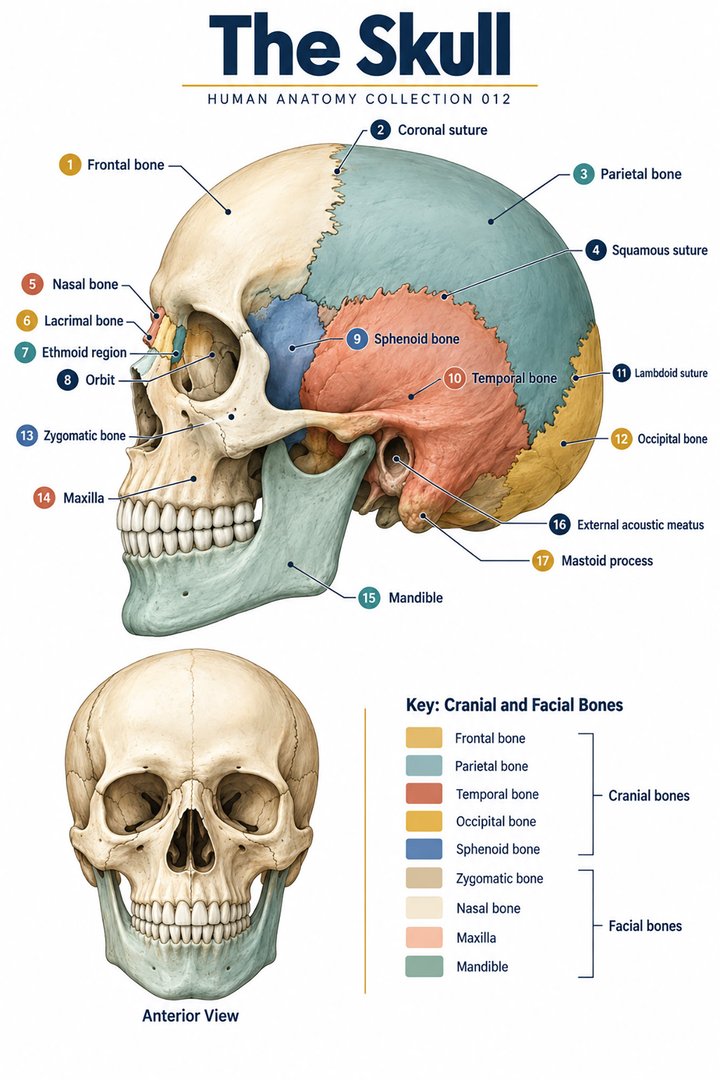 Human Skull Anatomy ↗
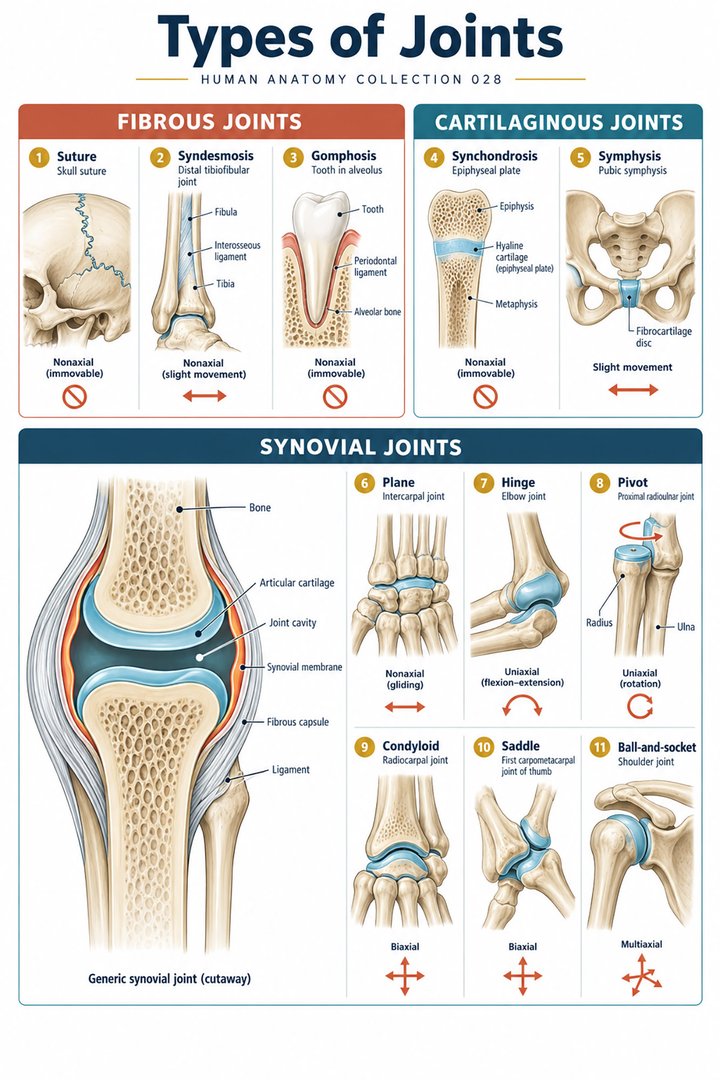 Human Joint Types ↗
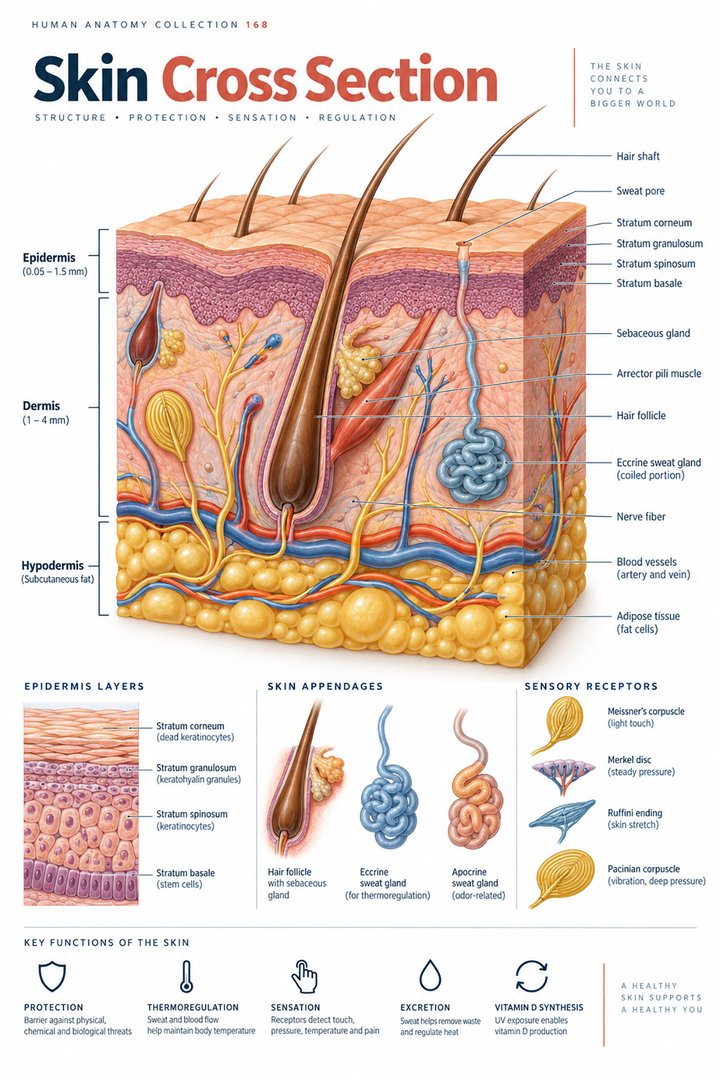 Human Skin Layers ↗
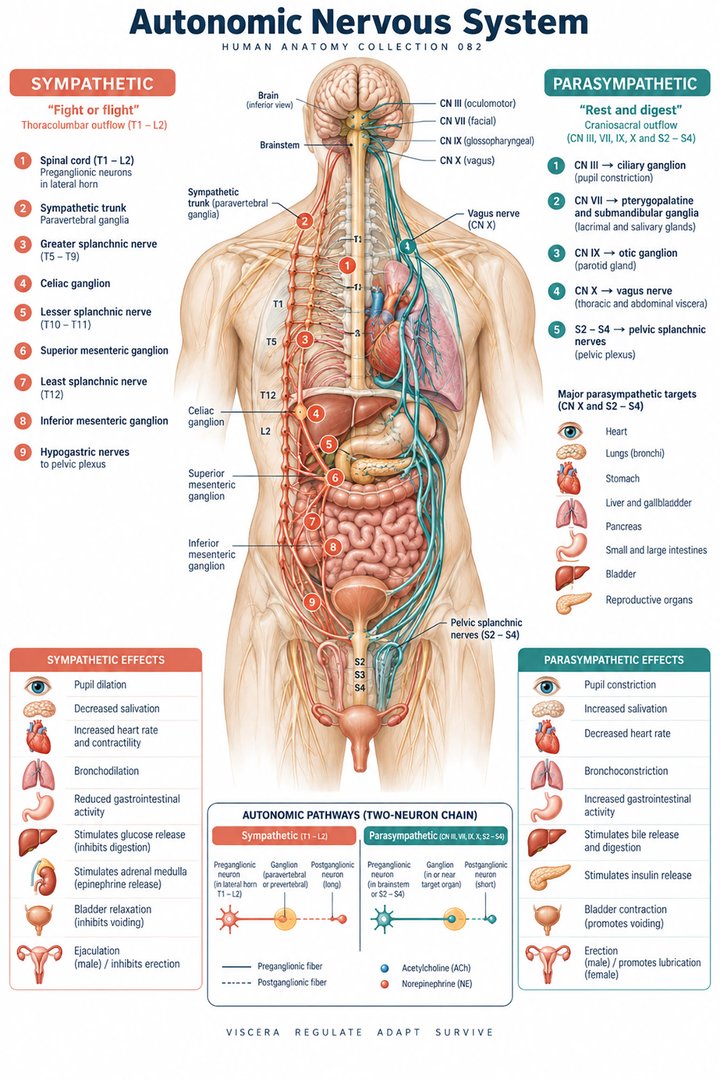 Autonomic Nervous System ↗
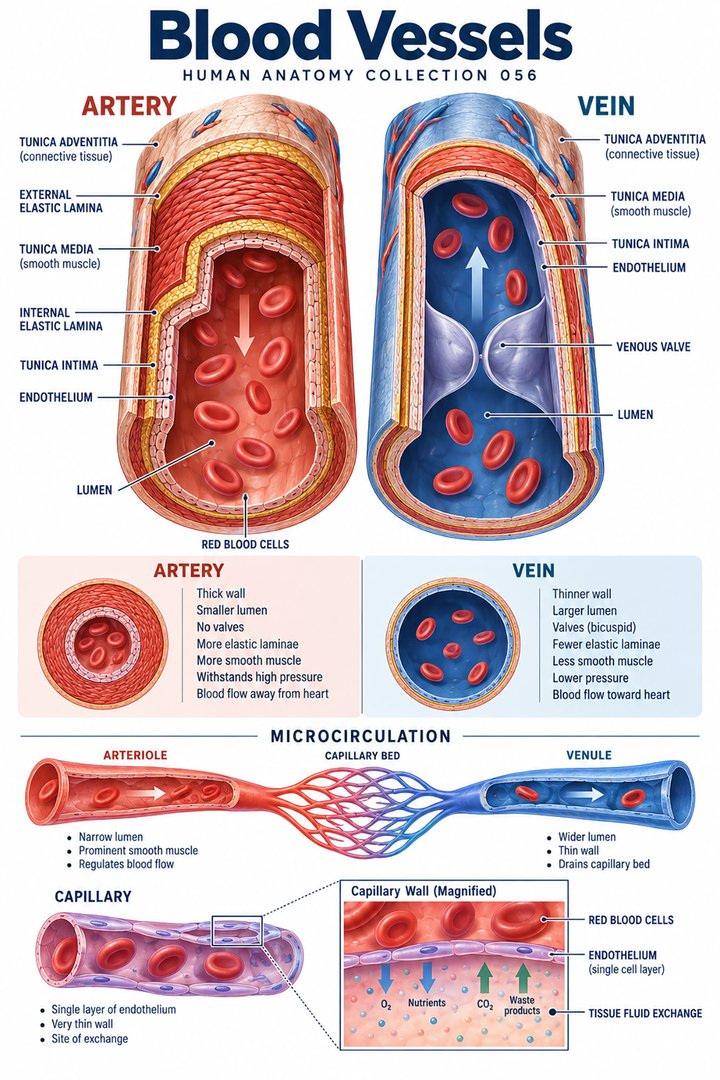 Human Blood Vessels ↗
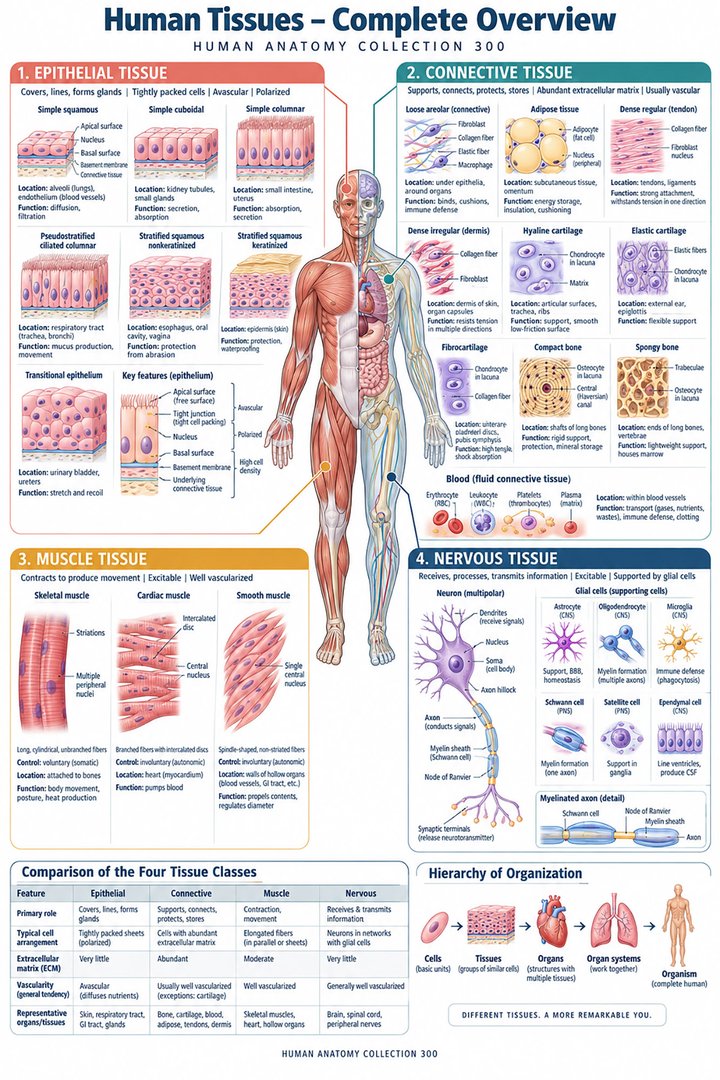 Human Body Tissues ↗
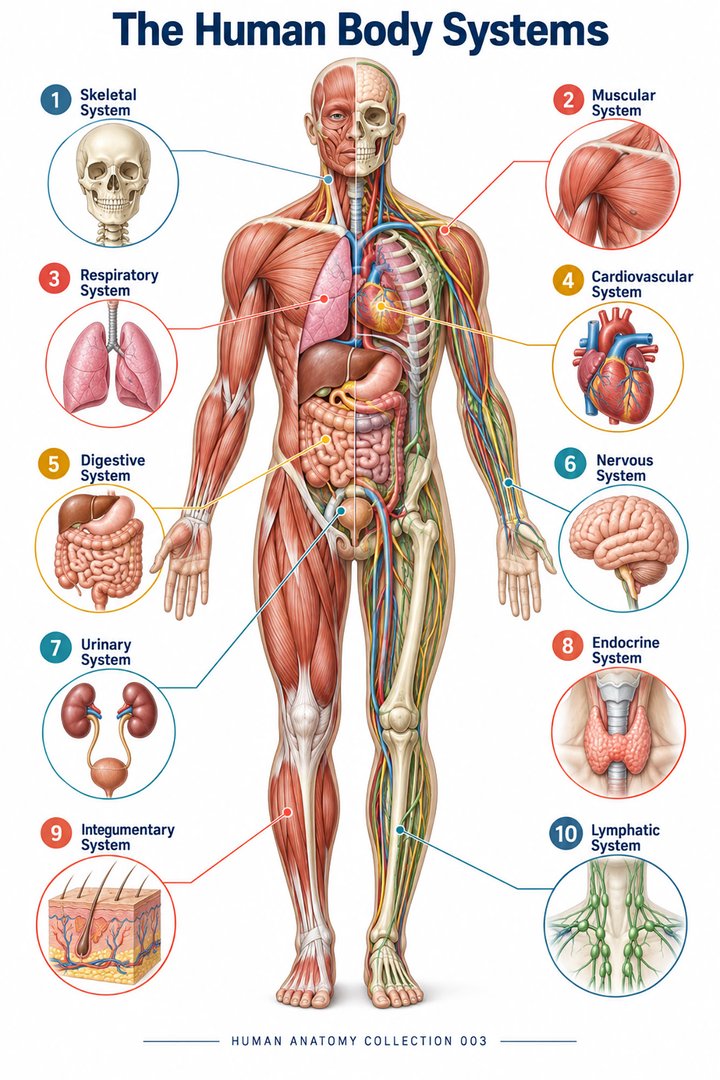 Human Body Systems ↗
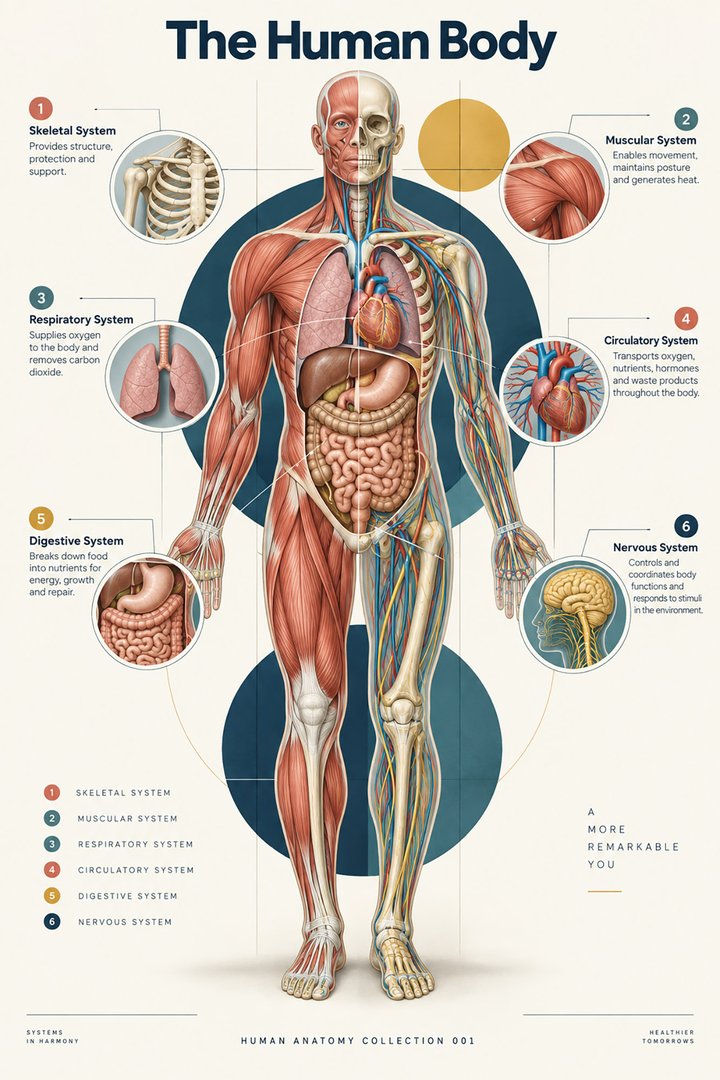 Human Body Facts ↗Human Anatomy and Physiology ↗
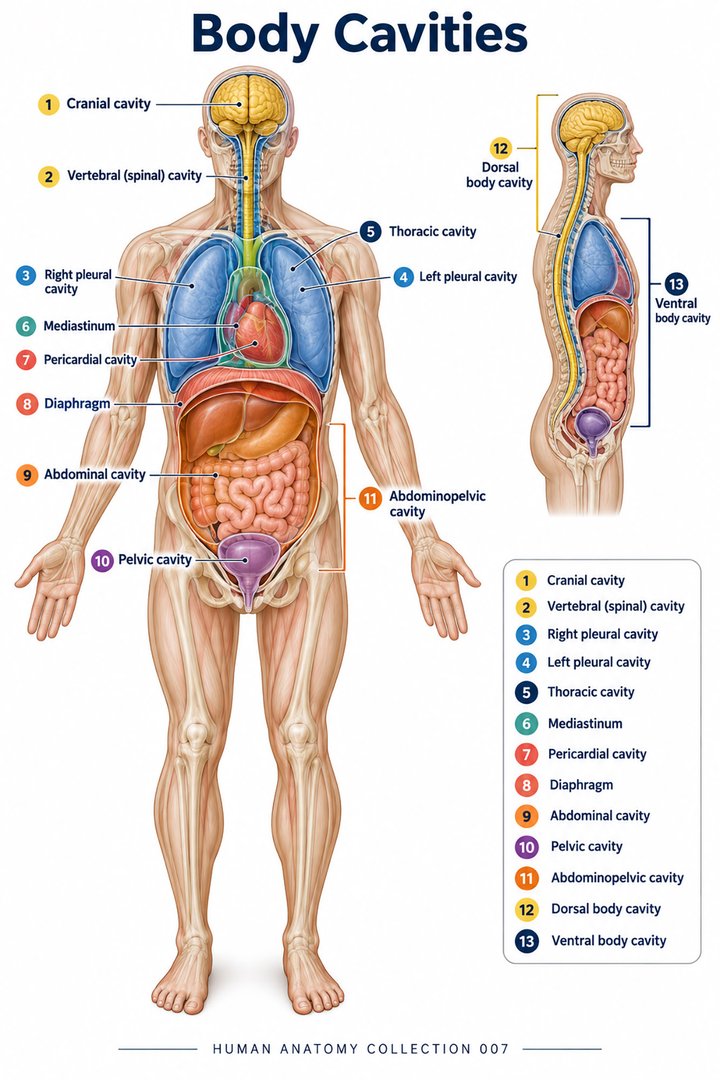 Human Body Cavities ↗Human Torso Anatomy ↗Human Digestive Tract ↗
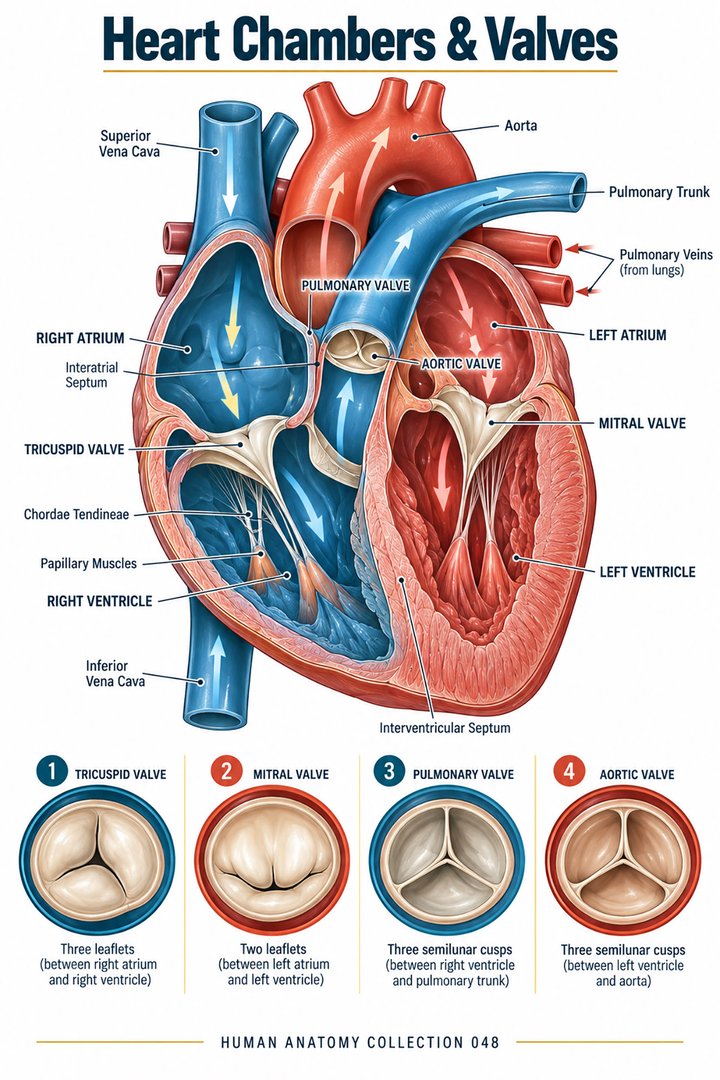 Human Heart Chambers ↗Human Organ Placement ↗
 Human Body Proportions ↗
 Peripheral Nervous System ↗
 Human Endocrine Glands ↗
 Human Bone Density ↗Human Blood Circulation ↗
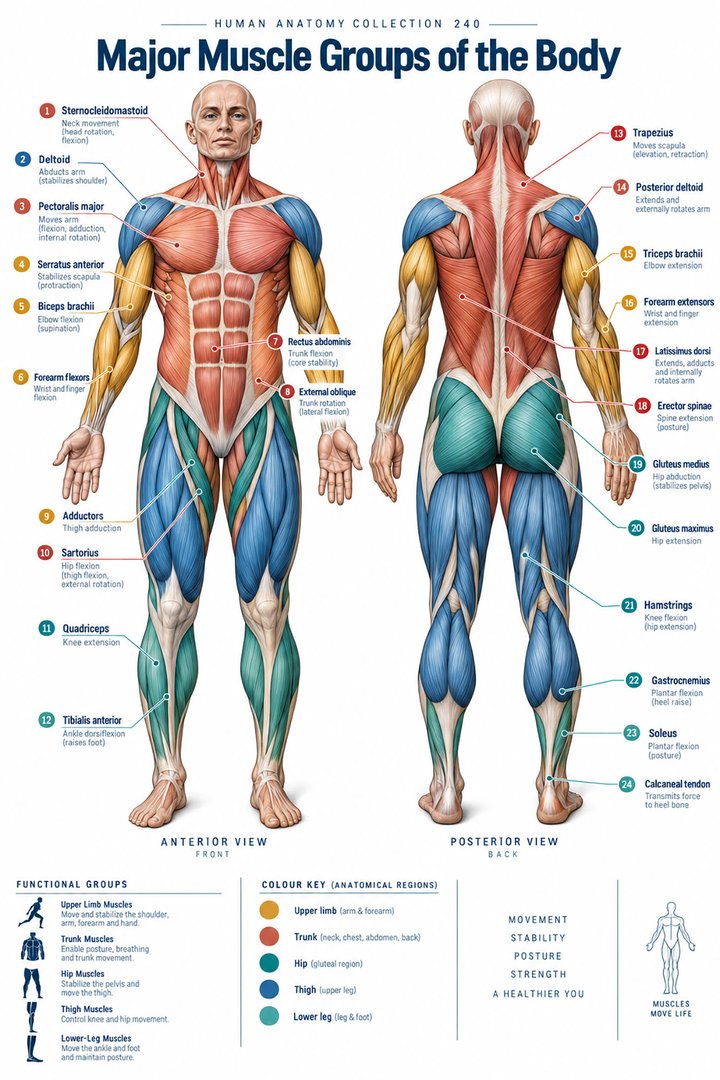 Human Muscle Groups ↗
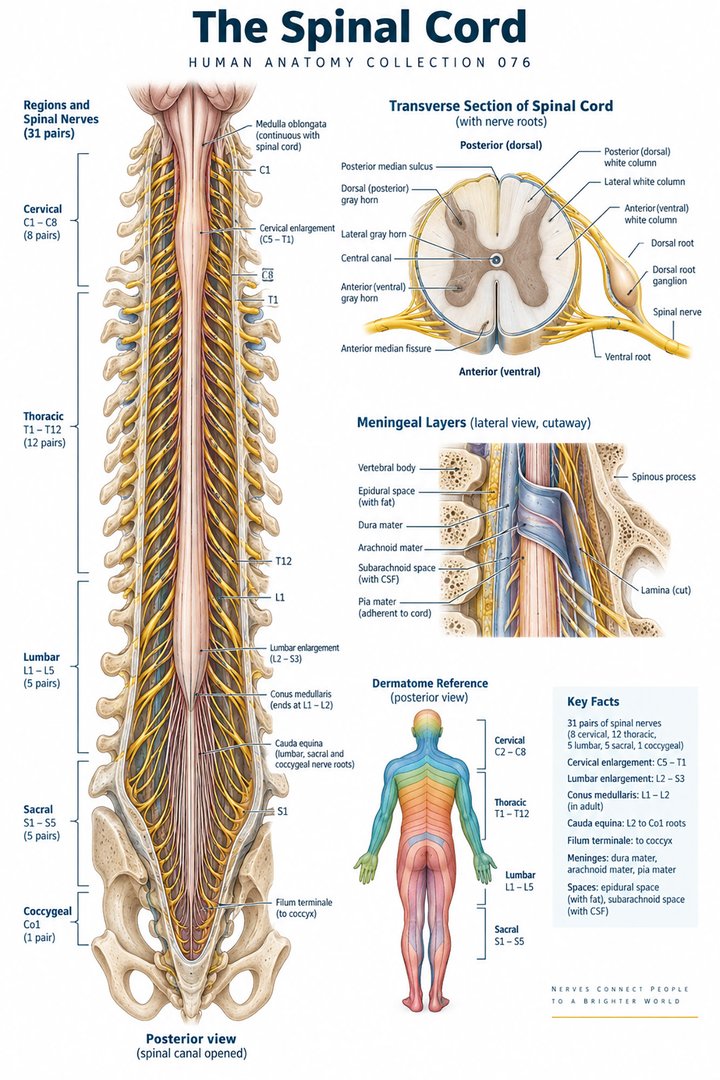 Human Spinal Cord ↗
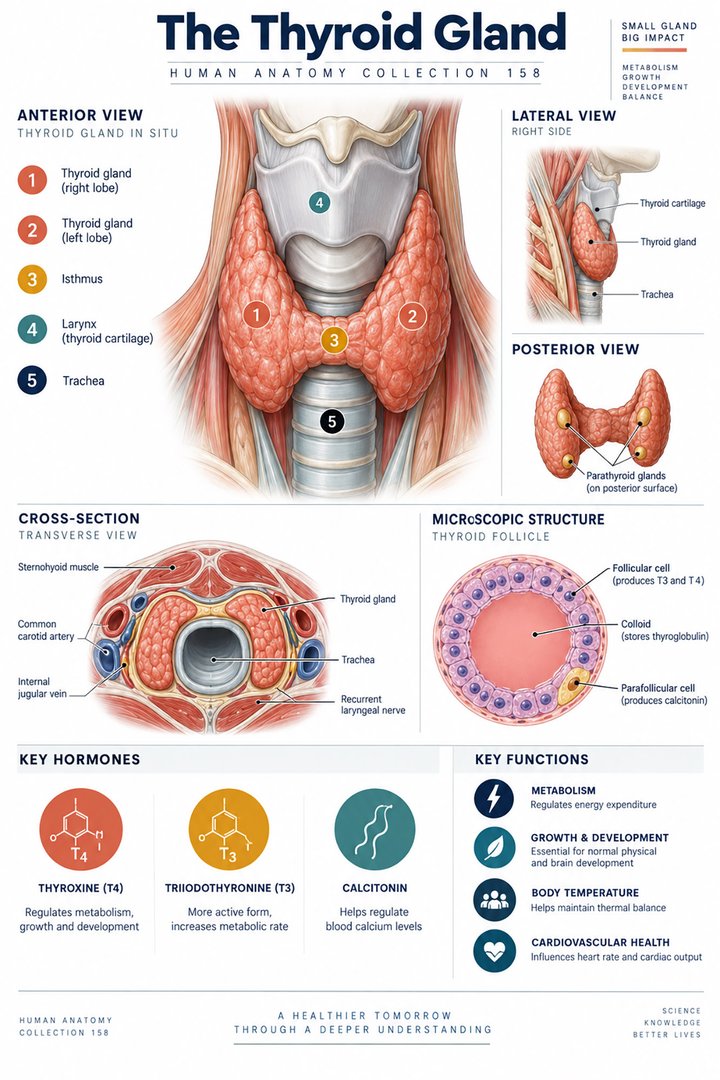 Human Thyroid Gland ↗
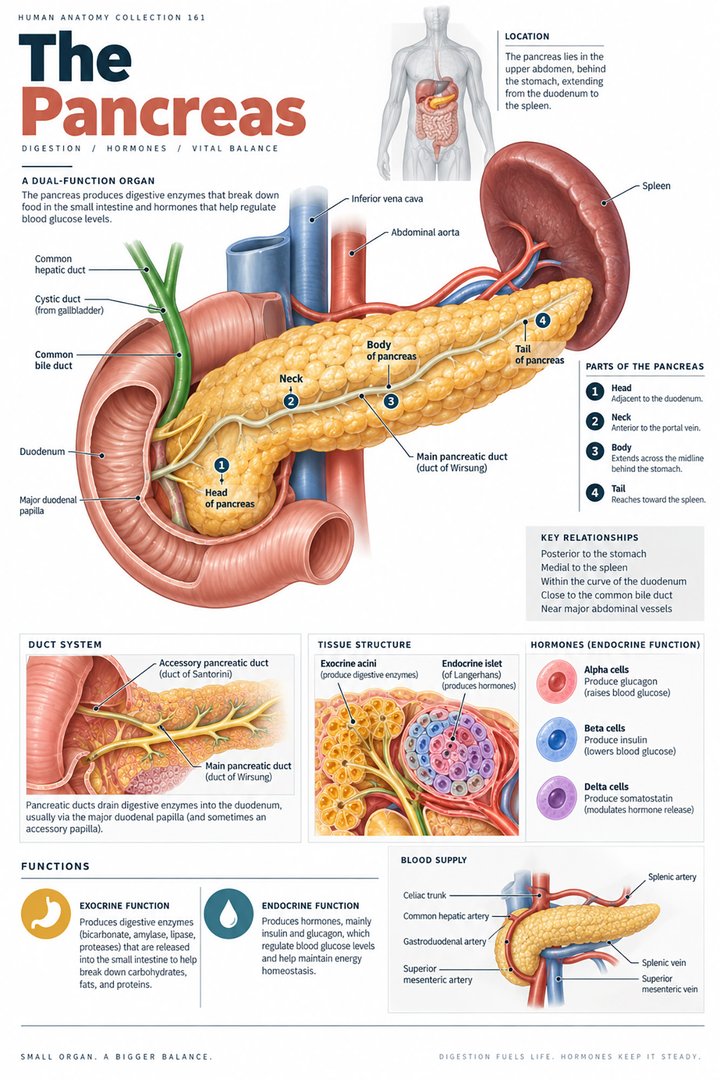 Human Pancreas Function ↗
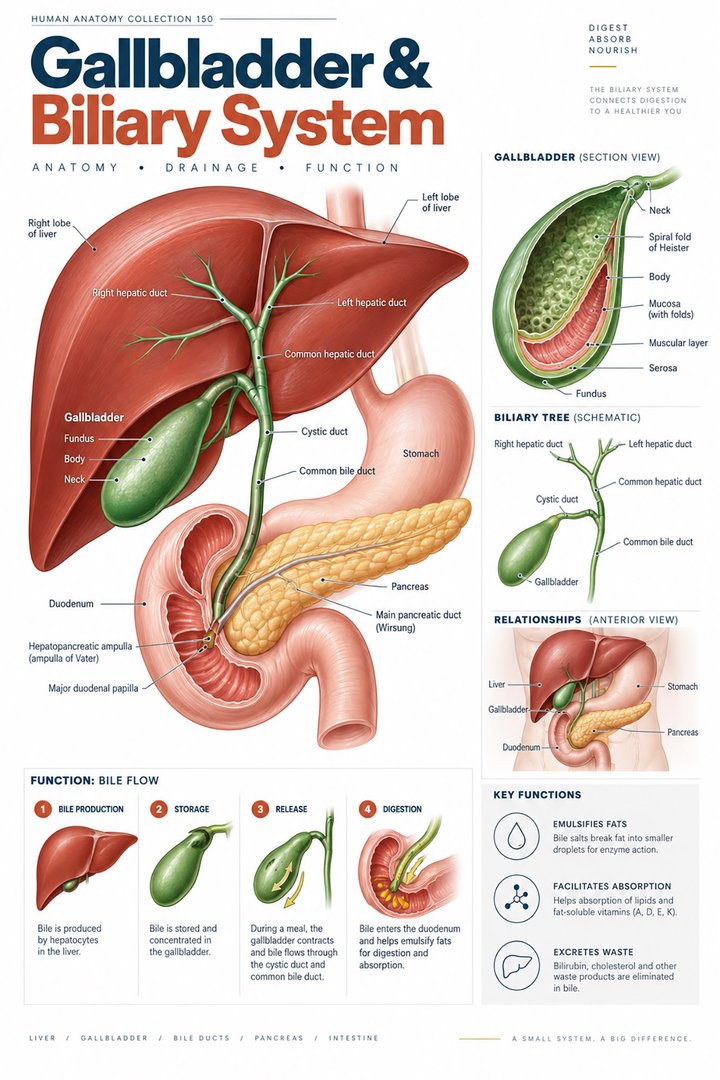 Human Gallbladder Anatomy ↗