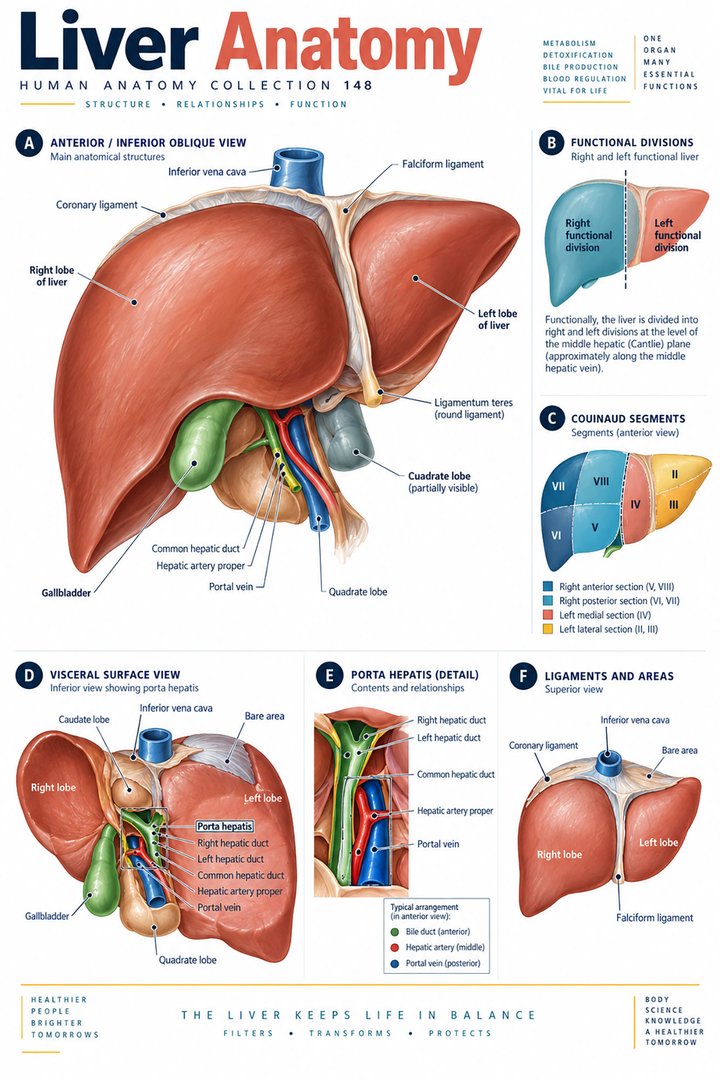
Liver Anatomy
Individual poster · 300 DPI print files
Regular $9.90
Explore poster ↗$4.90USD
Offer price · Save $5.00Individual poster · 300 DPI print files
Reduced web preview. Separate high-resolution print files are supplied with the digital download.
ANATOMY 148
A modern anatomy illustration exploring liver anatomy, designed for educational and decorative use.
Purchases are not available yet. Checkout and download delivery are being prepared.
Sold by Kunstolymp.de · Germany
Compare prices & the complete collection ↗This is a DIGITAL DOWNLOAD. No physical product will be shipped. After purchase, download your files and print them at home, at a local print shop, or through an online professional printing service.
The separate 300 DPI print files are ideal for 24×36-inch posters (approximately 60×90 cm). ISO and 5×7 formats are included. The white border lets you adjust the layout or trim to fit other frame sizes; check the preview before printing to keep the illustration and labels visible.
The planned bundle delivery includes a PDF information sheet with a link to the relevant Google Drive folder and download instructions. The store is currently in preview and purchases are not yet available.
A science-inspired choice for a student’s study corner, an educator’s classroom, or an anatomy enthusiast’s wall. Final licensing terms will apply.
CLINICAL CONTEXT
The liver lies mainly beneath the right diaphragm and performs interconnected digestive, metabolic, and synthetic functions. The portal vein brings blood from the digestive organs, while the hepatic artery supplies oxygen-rich blood. Blood passes through hepatic sinusoids before leaving through hepatic veins. Hepatocytes process nutrients and medicines, store energy, produce albumin and many clotting proteins, and form bile. Bile travels through small channels into the bile ducts and towards the intestine, where it supports fat digestion. This arrangement links liver disease with altered metabolism, impaired protein synthesis, abnormal bile flow, and changes in portal circulation. Right upper abdominal discomfort alone does not establish a liver diagnosis; nearby biliary, gastrointestinal, and other structures can produce similar symptoms.
Metabolic dysfunction-associated steatotic liver disease (MASLD) involves liver fat in the setting of metabolic risk factors; associated inflammation and injury are termed MASH. Older resources use NAFLD and NASH terminology. Alcohol-associated liver disease, chronic viral hepatitis, autoimmune disease, and medication-related injury are other important causes of liver damage. Hepatitis describes liver inflammation rather than one single disease. Cirrhosis is advanced scarring that can impair liver function and disrupt blood flow, contributing to portal hypertension. Early disease may cause few symptoms. Later concerns can include fatigue, itching, jaundice, easy bruising, leg swelling, or abdominal fluid accumulation (ascites). Ask about alcohol without judgement, metabolic health, infection risks, prescribed and non-prescribed products, family history, and the effect on daily life.
Assessment combines history, examination, and targeted investigations. Blood tests may assess liver-cell injury, bile-flow abnormalities, bilirubin, albumin, clotting, and blood counts; interpret the pattern and clinical context rather than a single result. Viral and other cause-specific tests may be needed. Ultrasound and other imaging can assess liver appearance, bile ducts, fluid, or focal abnormalities. Elastography helps evaluate liver stiffness, and biopsy is reserved for selected questions. Normal or mildly abnormal enzymes do not by themselves settle the severity of chronic disease. Identify both the underlying cause and complications, and arrange specialist review when findings suggest advanced disease or diagnostic uncertainty.
Treatment targets the cause and stage of disease. Metabolic liver disease care includes appropriate nutrition, activity, and management of metabolic risk factors; selected patients may need specialist medicines. Alcohol-related disease requires support to stop drinking, with a medically supervised plan when dependence makes withdrawal unsafe. Viral hepatitis management depends on the virus: hepatitis C can often be cured with antiviral treatment, while chronic hepatitis B may require suppression and monitoring. Cirrhosis care also addresses complications such as ascites, varices, and hepatic encephalopathy, and includes surveillance for liver cancer where indicated. Advanced disease may require transplant assessment. Coordinate nutrition, medication review, follow-up, and practical support rather than focusing on laboratory values alone.
Adequate nutrition, activity adapted to capacity, and professional support for alcohol cessation can complement disease-directed treatment. In advanced disease, dietary advice should be individualised with a clinician or dietitian to avoid malnutrition. Commercial liver detoxes, cleansing regimens, and restrictive juice diets have no convincing evidence of repairing liver damage and may cause harm. Herbal and dietary supplements can interact with medicines or injure the liver; review every product, including those marketed as natural. Avoid starting supplements or stopping prescribed medicines without clinical advice. Supportive habits do not replace antiviral treatment, complication management, or necessary specialist care.
Vomiting blood, black tarry stools, sudden confusion or slurred speech require emergency assessment. New jaundice, rapidly increasing abdominal swelling, or worsening breathlessness needs prompt medical review. People with known liver disease should receive clear instructions about whom to contact if symptoms change and how to attend planned monitoring. Discuss symptoms and treatment goals respectfully, and check understanding of the care plan. This guide supports clinical learning and does not replace an individual assessment.
Further reading: NIDDK: cirrhosis diagnosis · NIDDK: cirrhosis treatment · NIDDK: viral hepatitis · NIDDK: MASLD and MASH · NCCIH: detoxes and cleanses · NHS: cirrhosis and warning signs
Explain the working diagnosis, important alternatives, planned tests, expected course, and specific safety-netting in language the patient can use. Invite questions about treatment goals, capacity, cost, culture, and complementary therapies. Use a professional interpreter when language access could affect consent or understanding, and confirm clear arrangements for timely clinical review in writing. Document the reasoning, reassess response to treatment, and coordinate care across professions when illness affects more than one system. Teaching anatomy is most useful when it supports this partnership: accurate localisation, respectful listening, timely escalation, and a plan that remains responsive to the individual patient.
HUMAN ANATOMY COLLECTION · 001—300
A closer look at what makes us human. Discover anatomy posters for your study space, classroom, and everyday curiosity.
DIGITAL DOWNLOADS · 300 DPI PRINT FILES
EXPLORE BY SYSTEM
LEARN & EXPLORE
Detailed English guides with Latin terminology, diagrams, real images, and clinical learning connections.
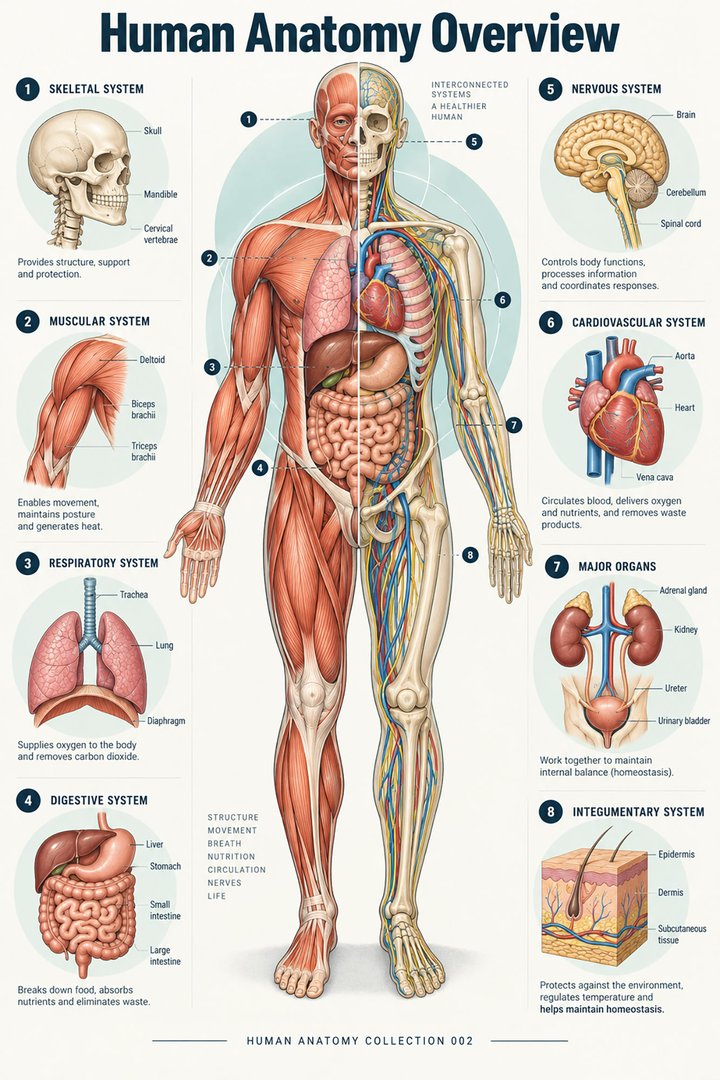 Human Anatomy Diagrams ↗
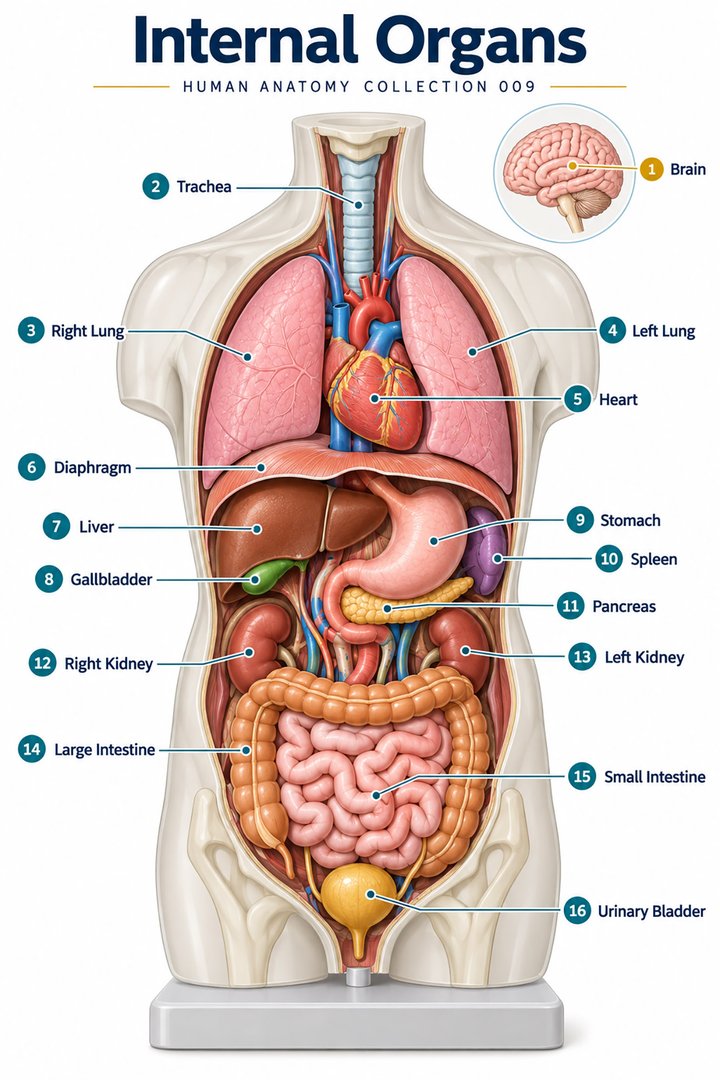 Human Body Organs ↗
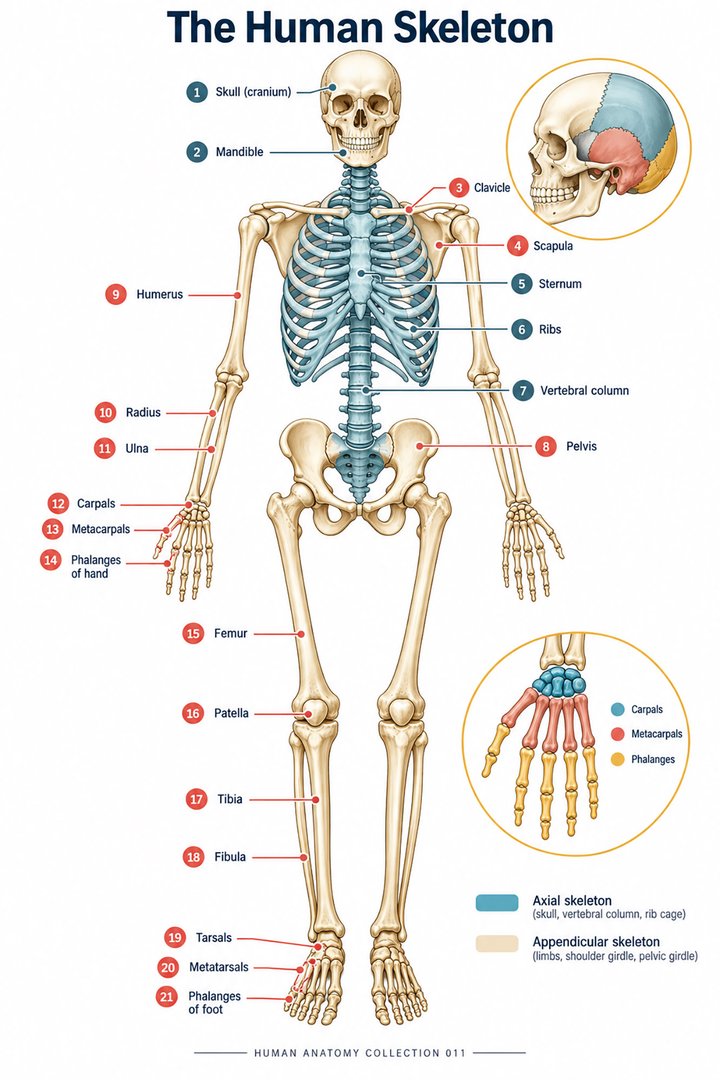 Skeletal System Anatomy ↗
 Human Digestive System ↗
 Muscular System Overview ↗
 Human Circulatory System ↗
 Human Nervous System ↗
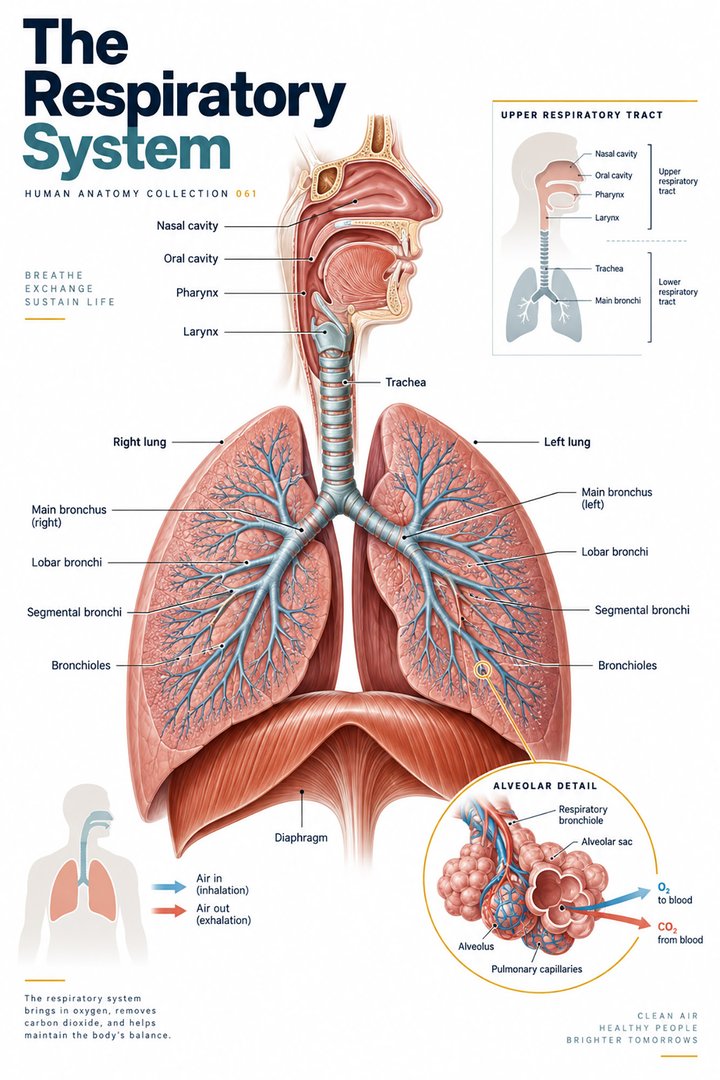 Respiratory System Functions ↗
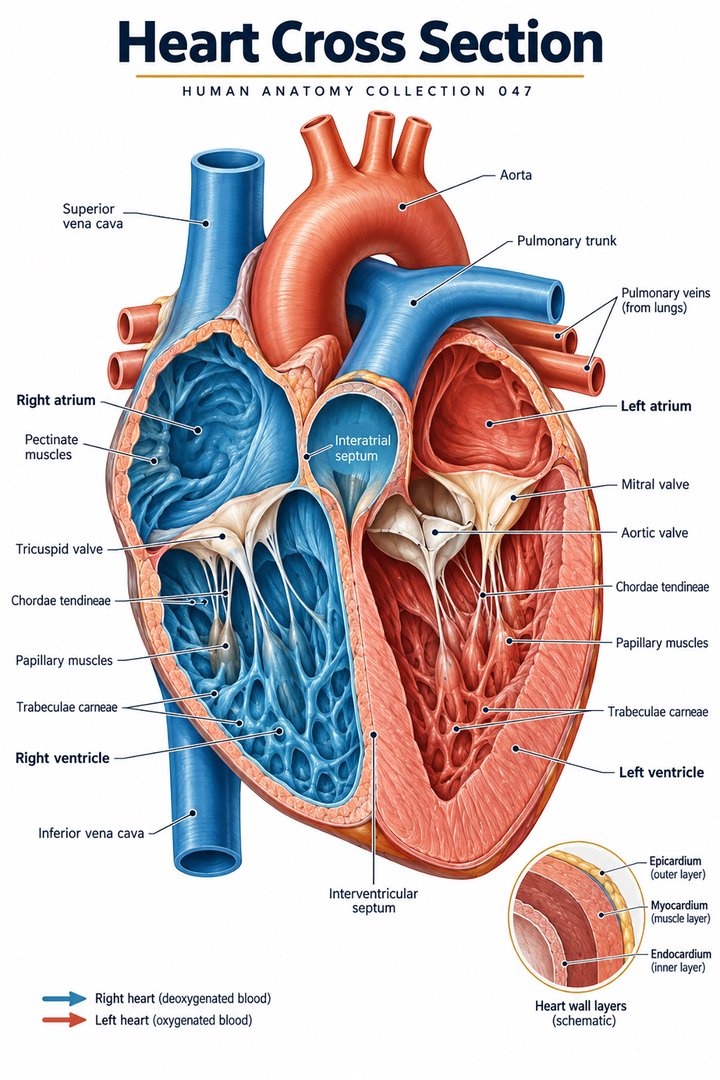 Human Heart Structure ↗
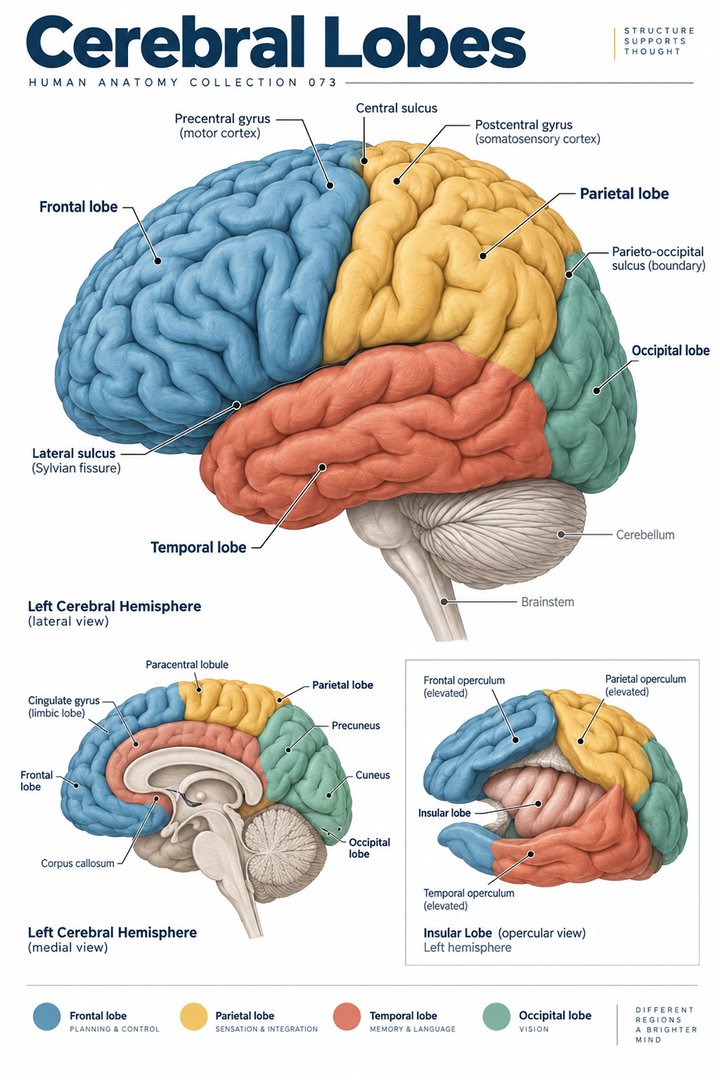 Human Brain Lobes ↗
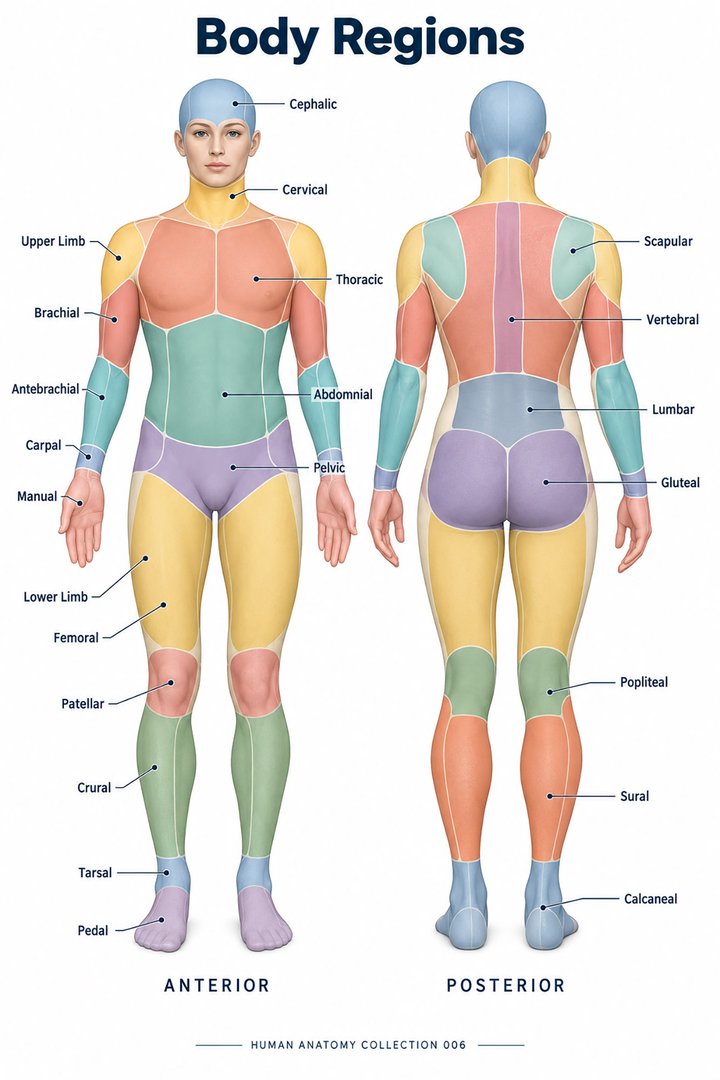 Human Body Parts ↗
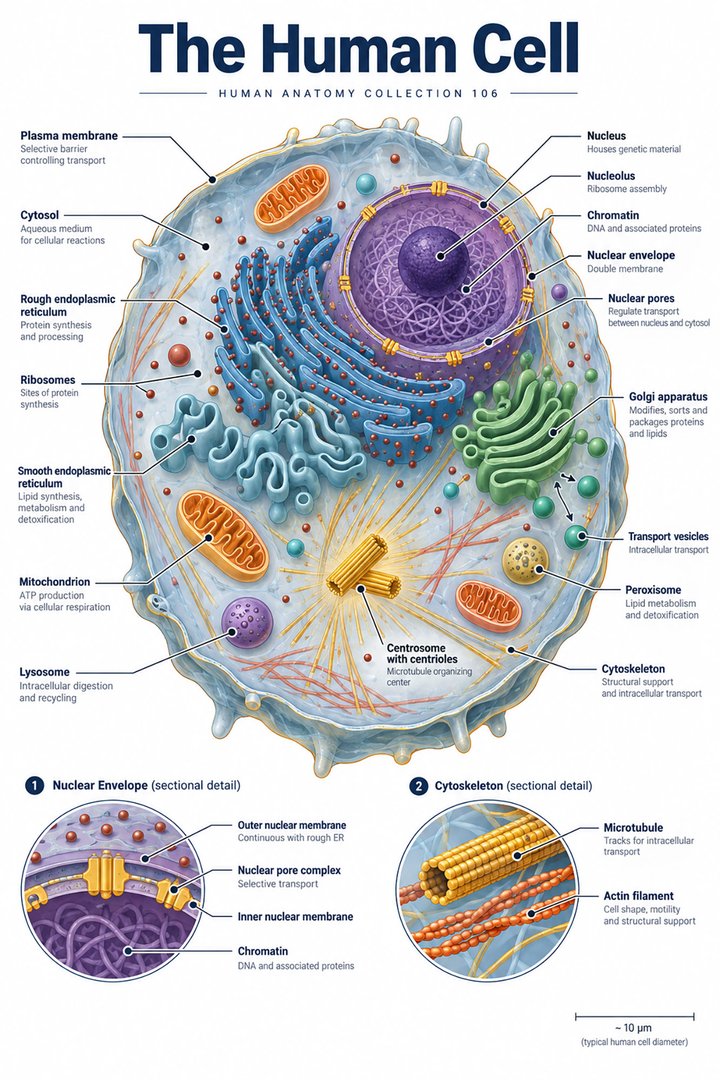 Human Cell Structure ↗
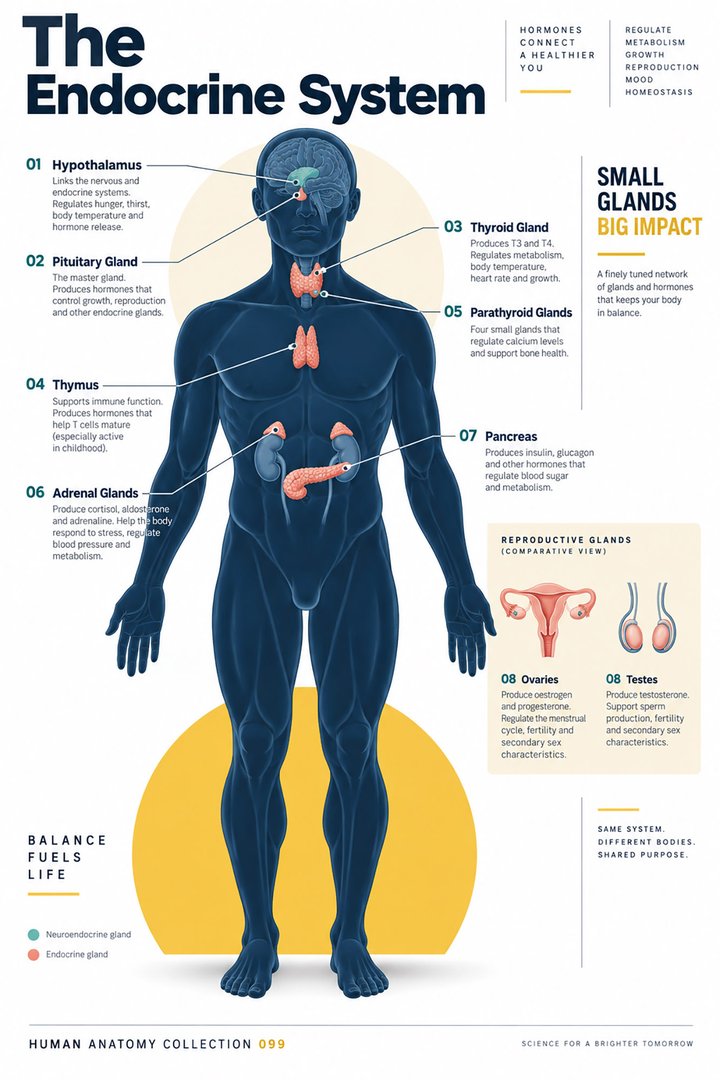 Human Endocrine System ↗
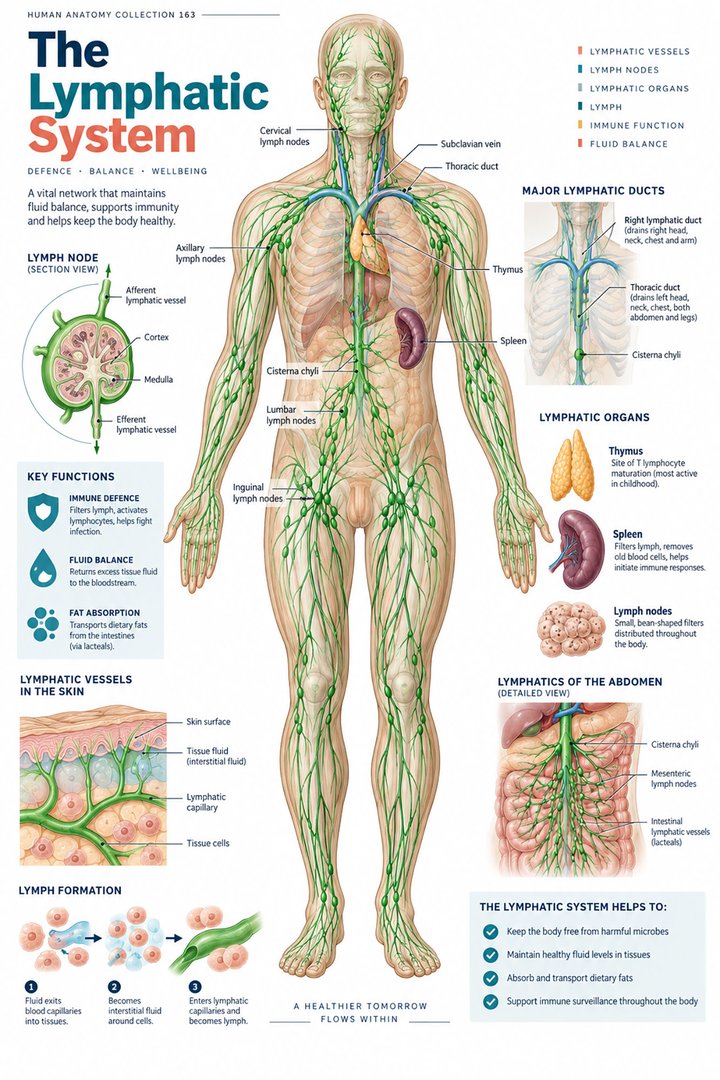 Human Lymphatic System ↗
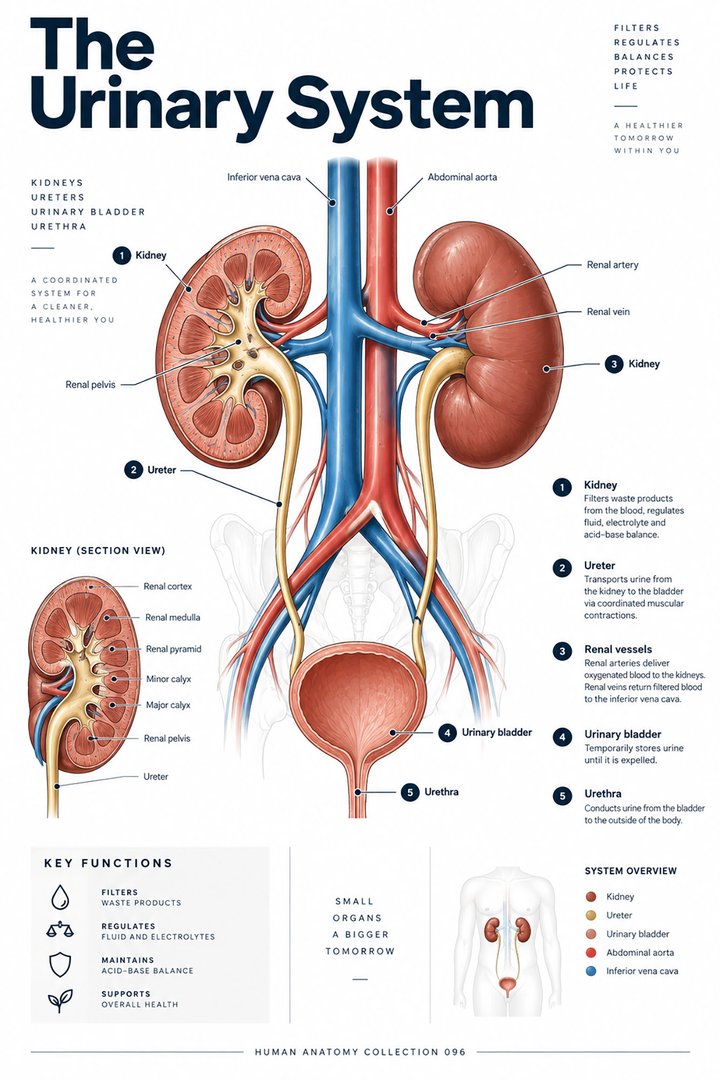 Human Urinary System ↗
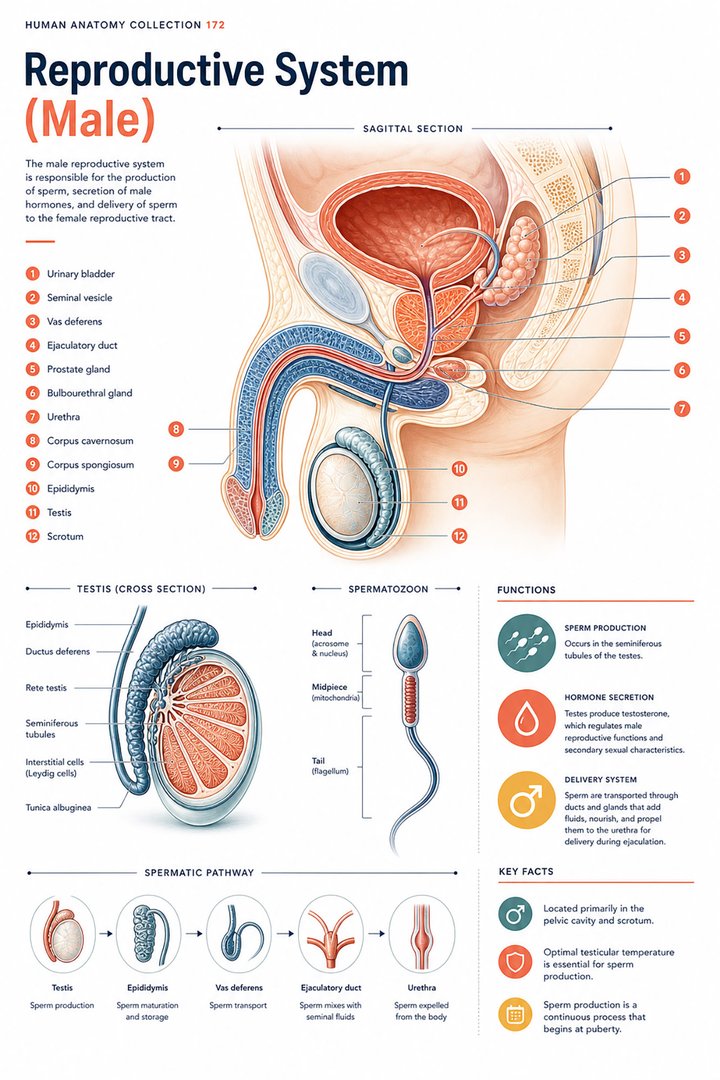 Male Reproductive System ↗
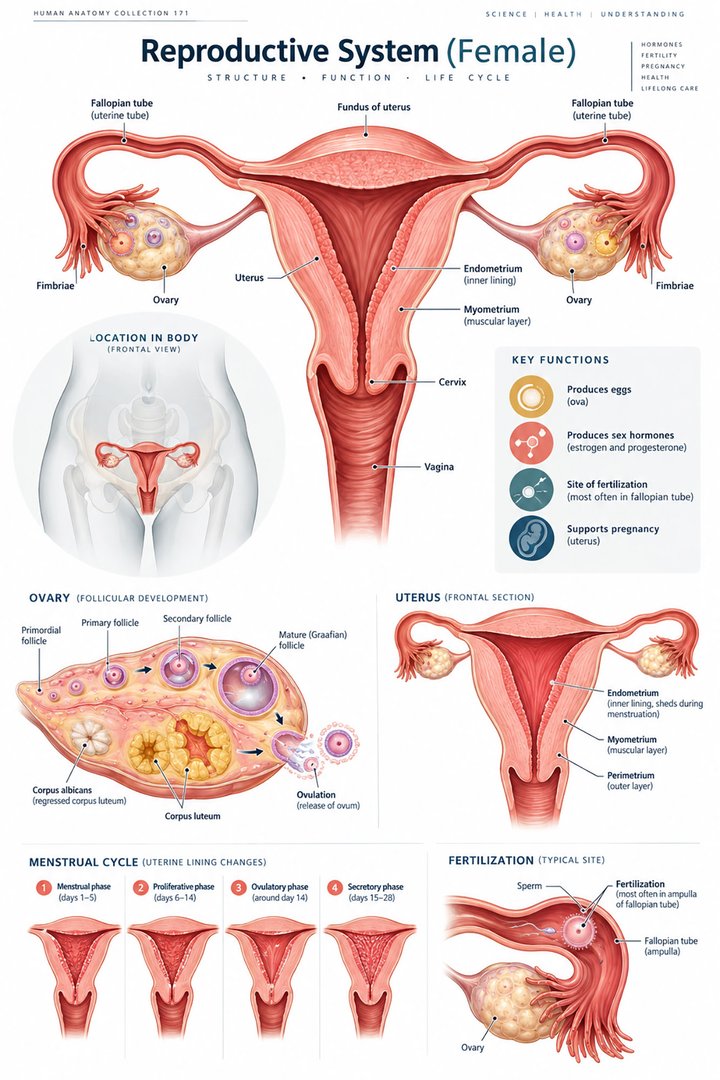 Female Reproductive System ↗
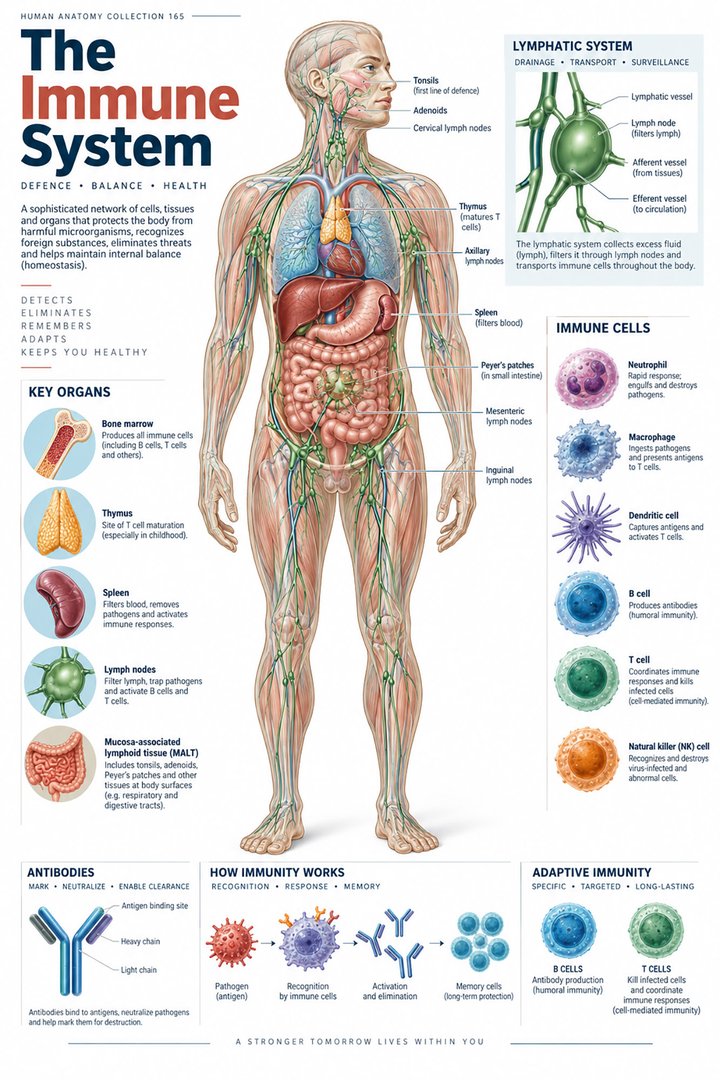 Human Immune System ↗Central Nervous System ↗
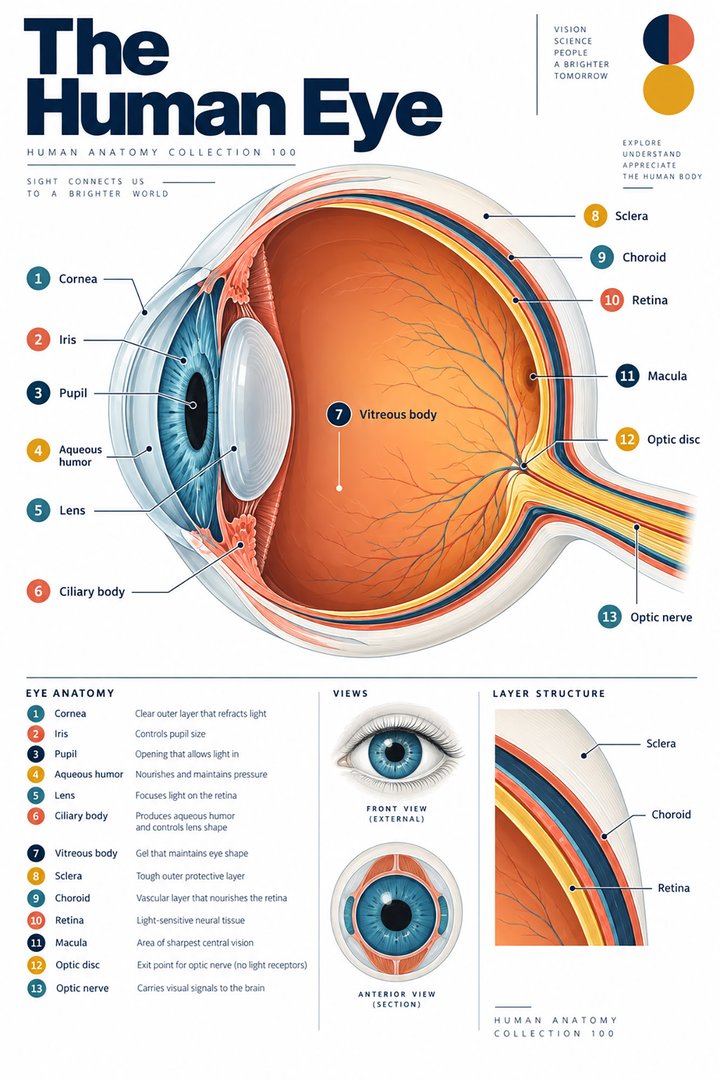 Human Eye Structure ↗
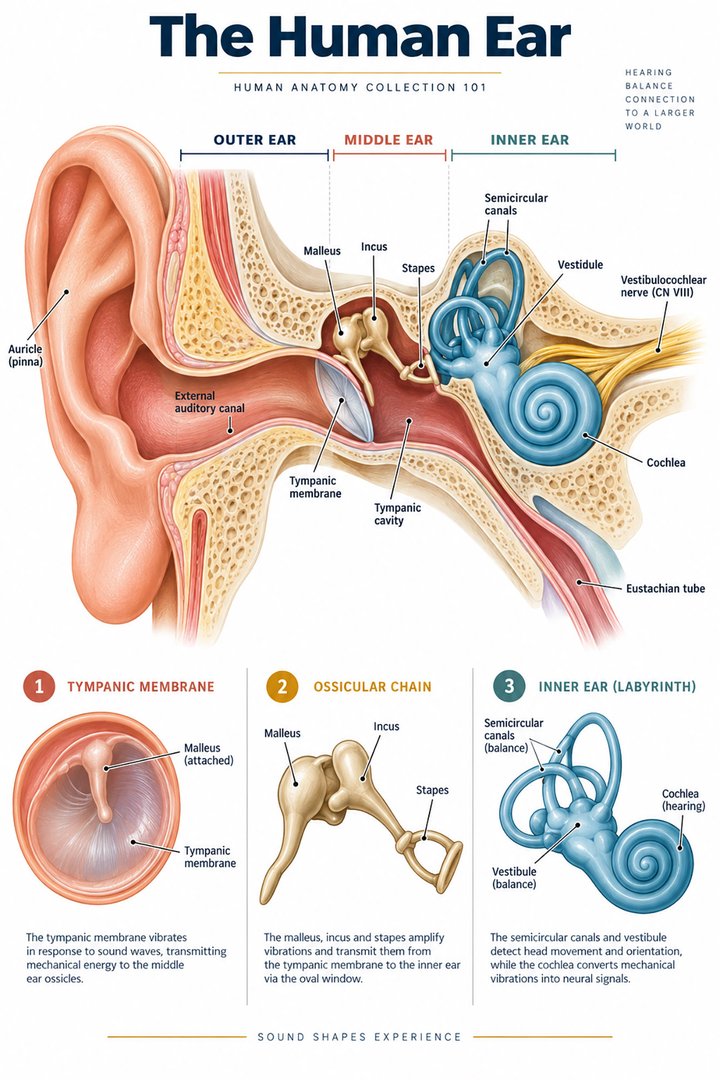 Human Ear Structure ↗Human Liver Function ↗
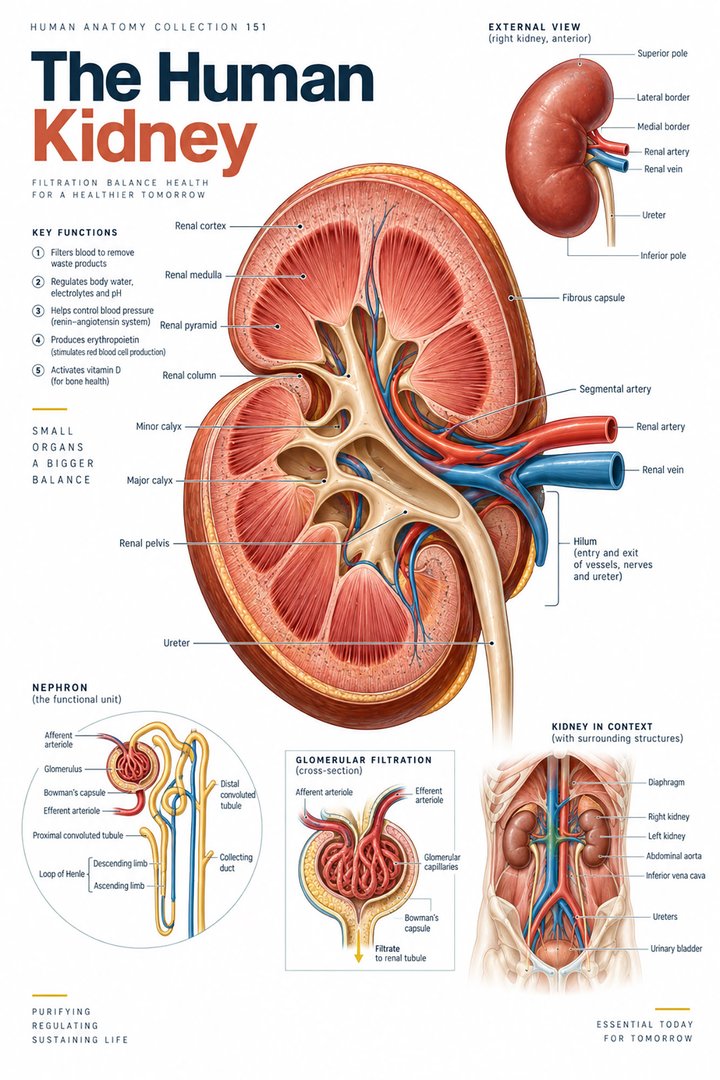 Human Kidney Anatomy ↗
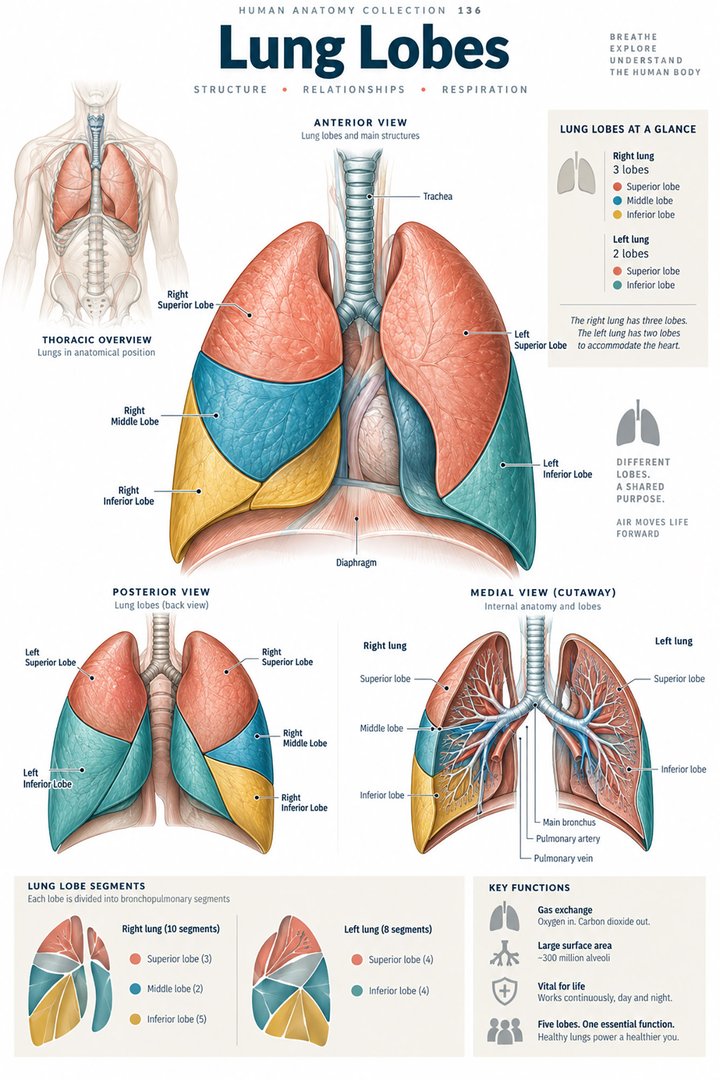 Human Lung Anatomy ↗
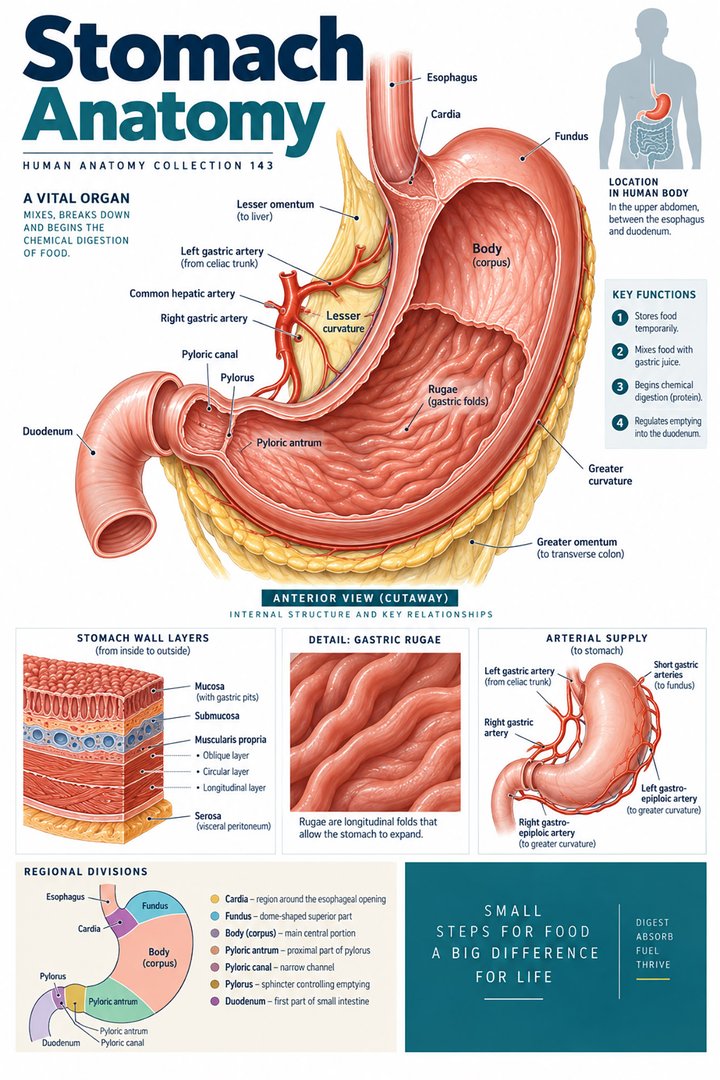 Human Stomach Structure ↗
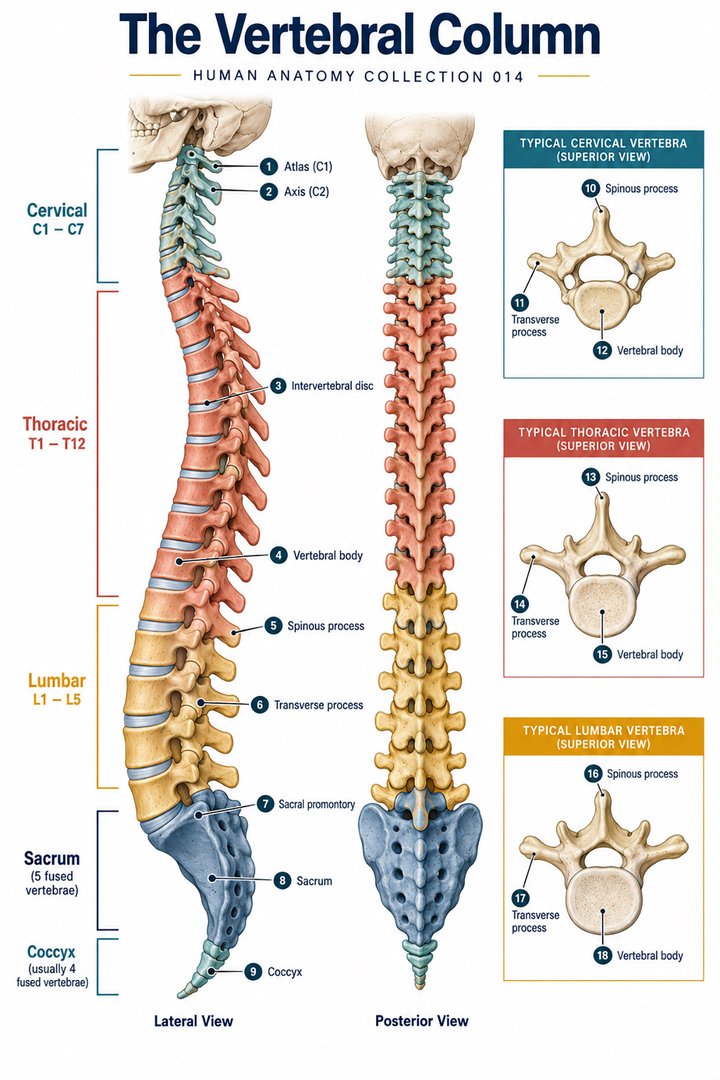 Human Spine Anatomy ↗
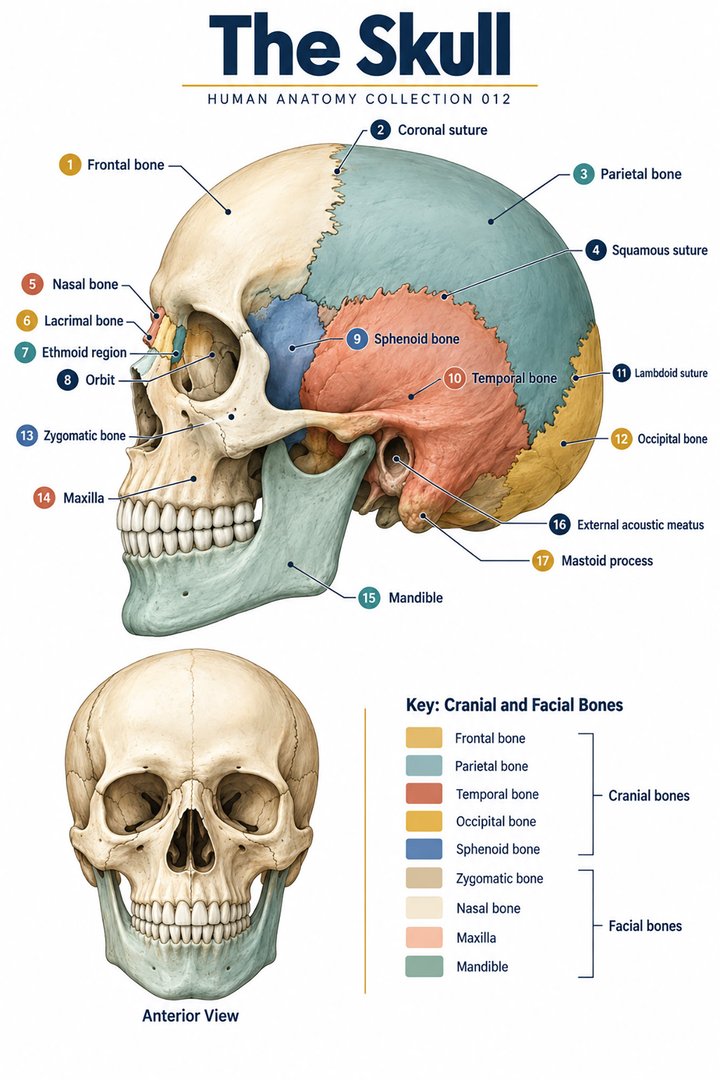 Human Skull Anatomy ↗
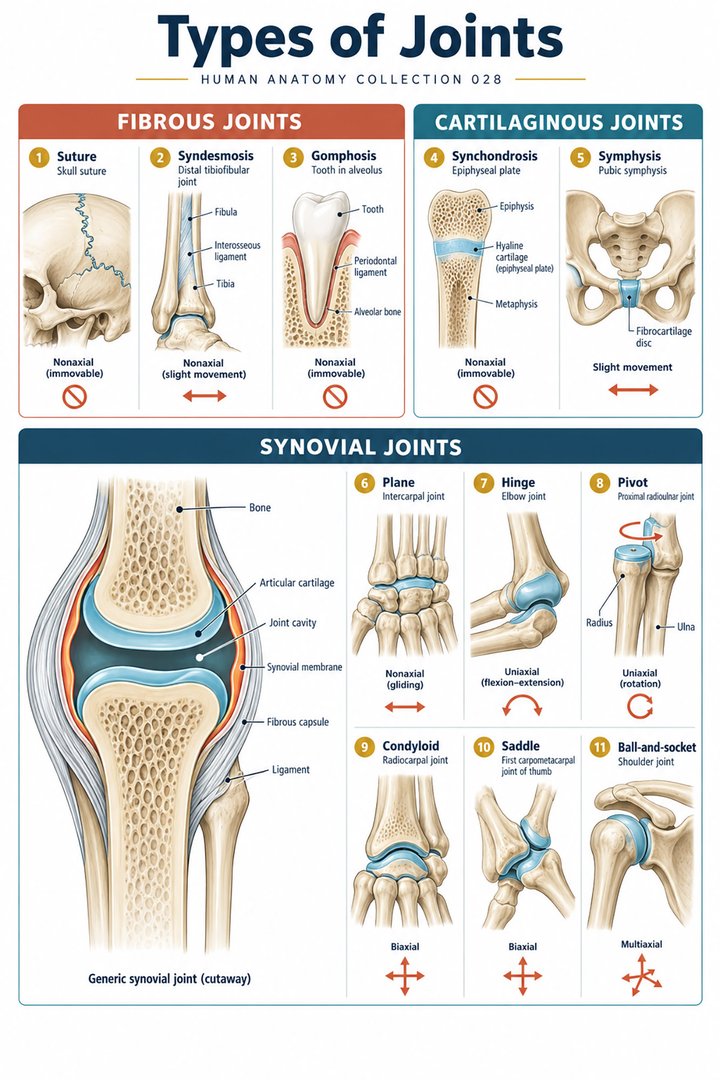 Human Joint Types ↗
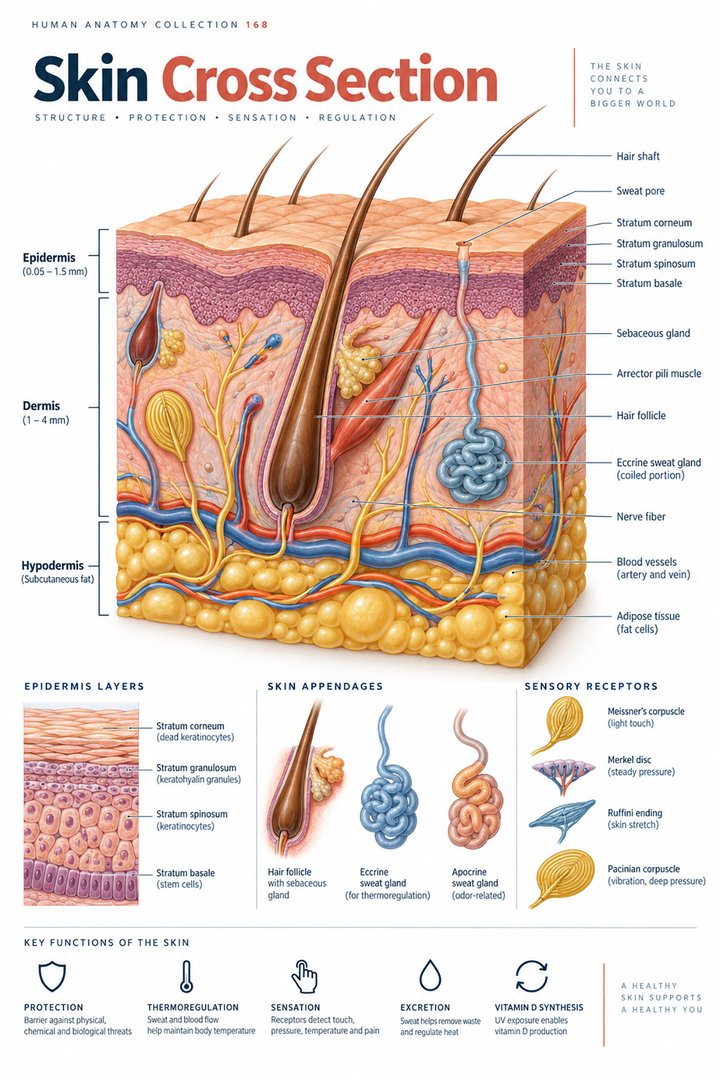 Human Skin Layers ↗
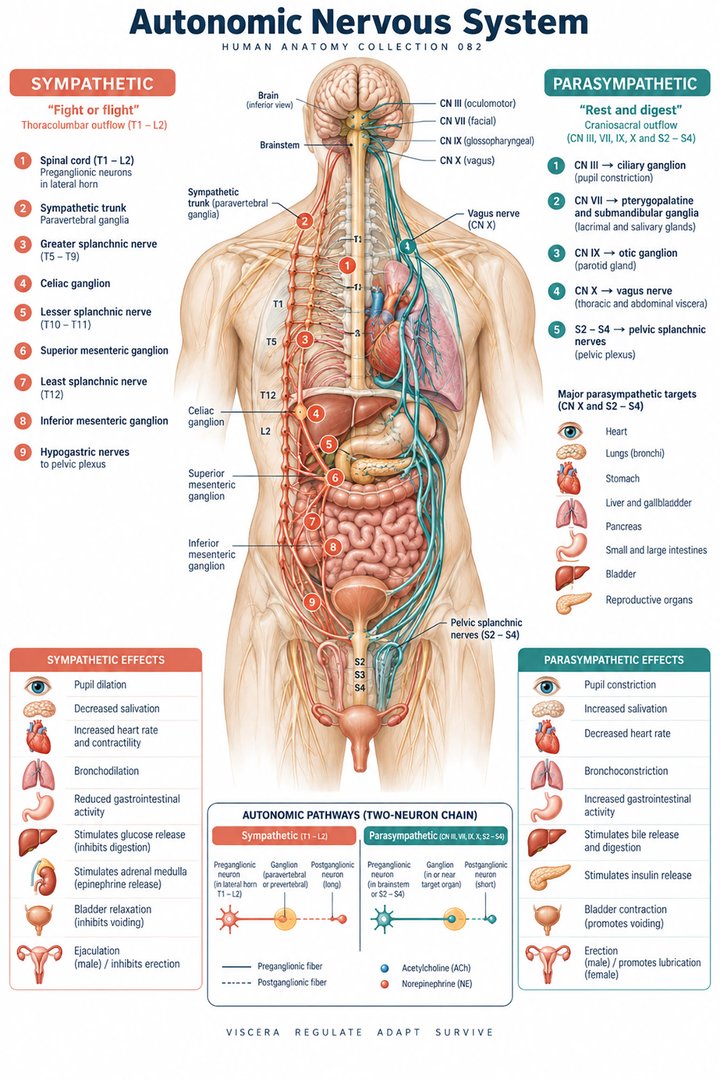 Autonomic Nervous System ↗
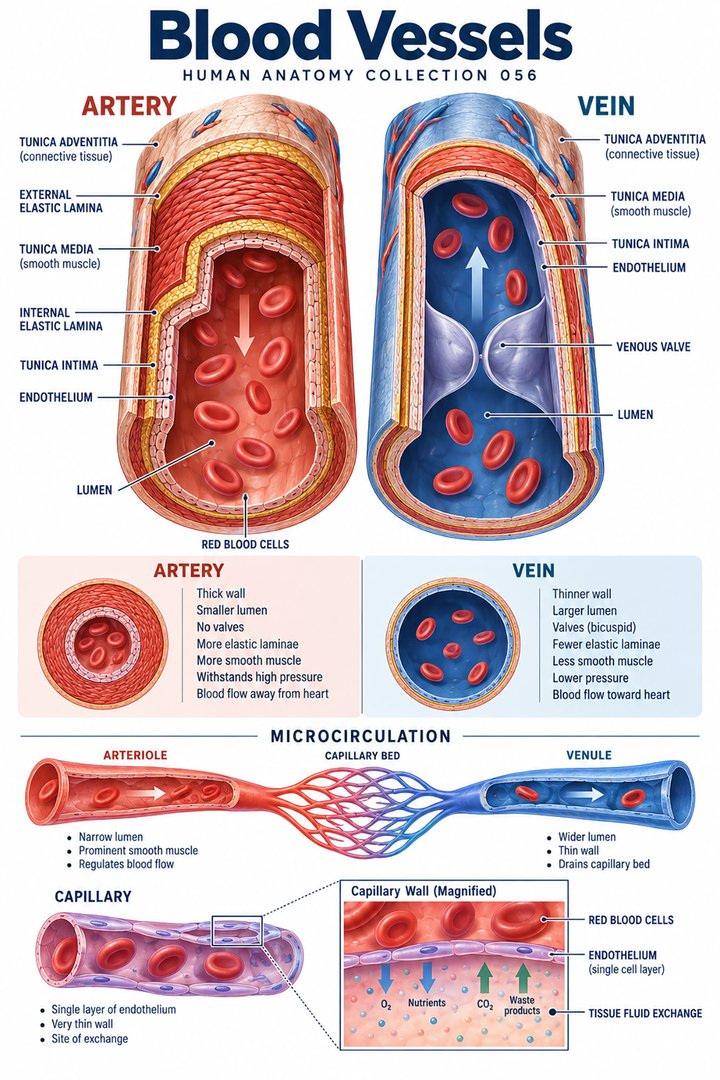 Human Blood Vessels ↗
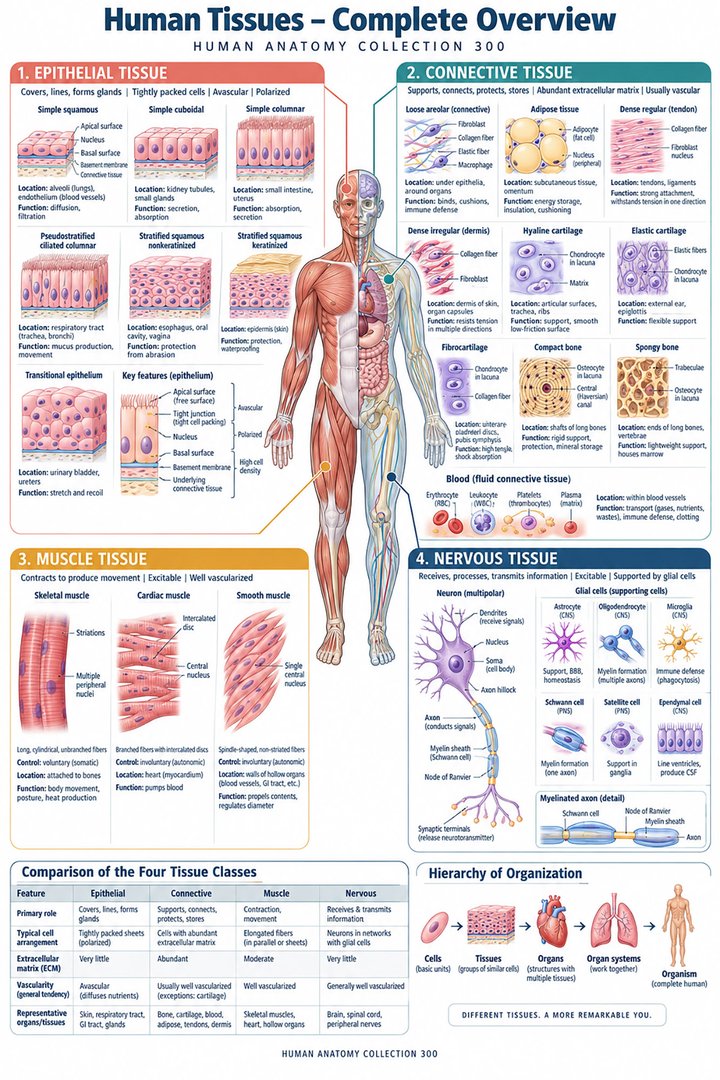 Human Body Tissues ↗
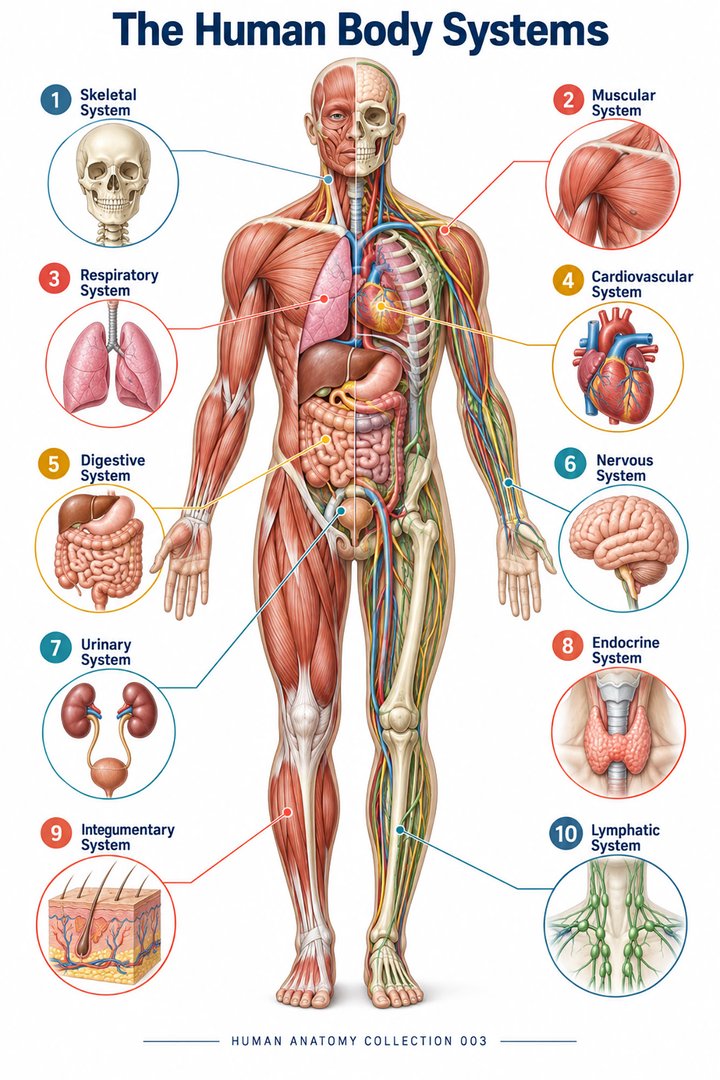 Human Body Systems ↗
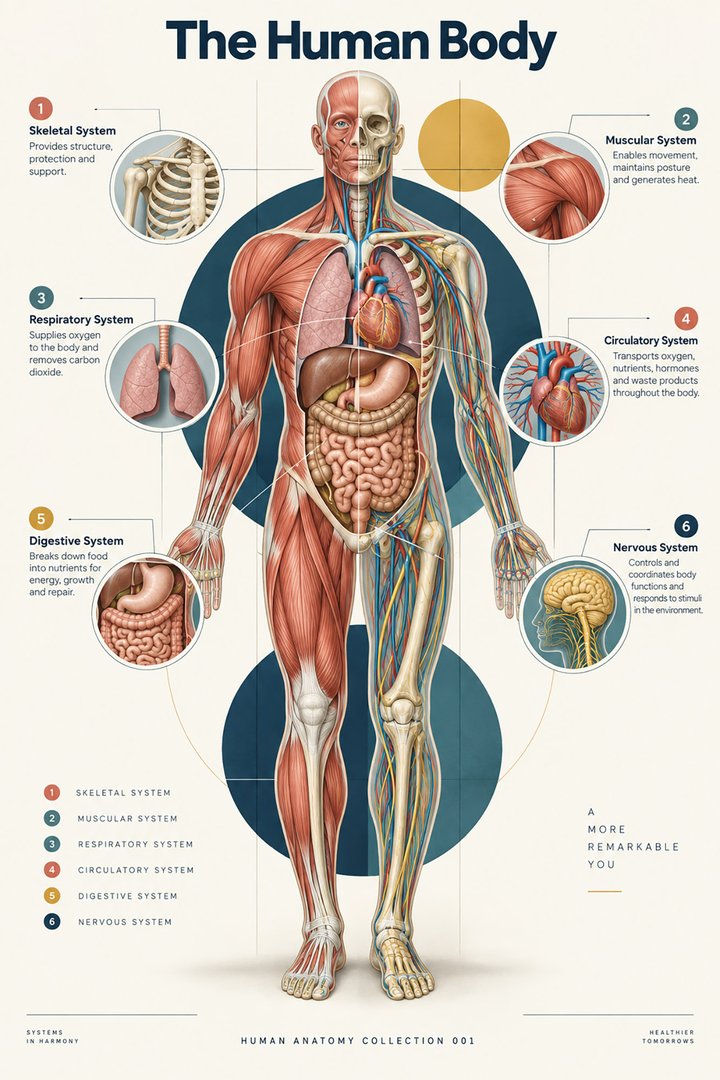 Human Body Facts ↗Human Anatomy and Physiology ↗
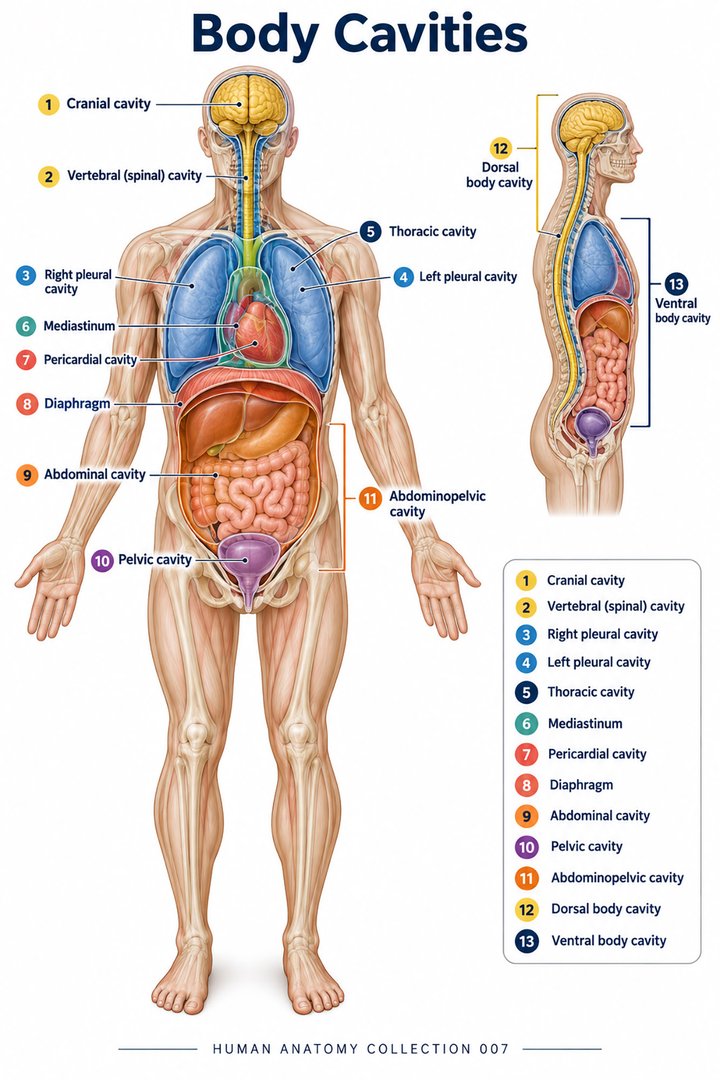 Human Body Cavities ↗Human Torso Anatomy ↗Human Digestive Tract ↗
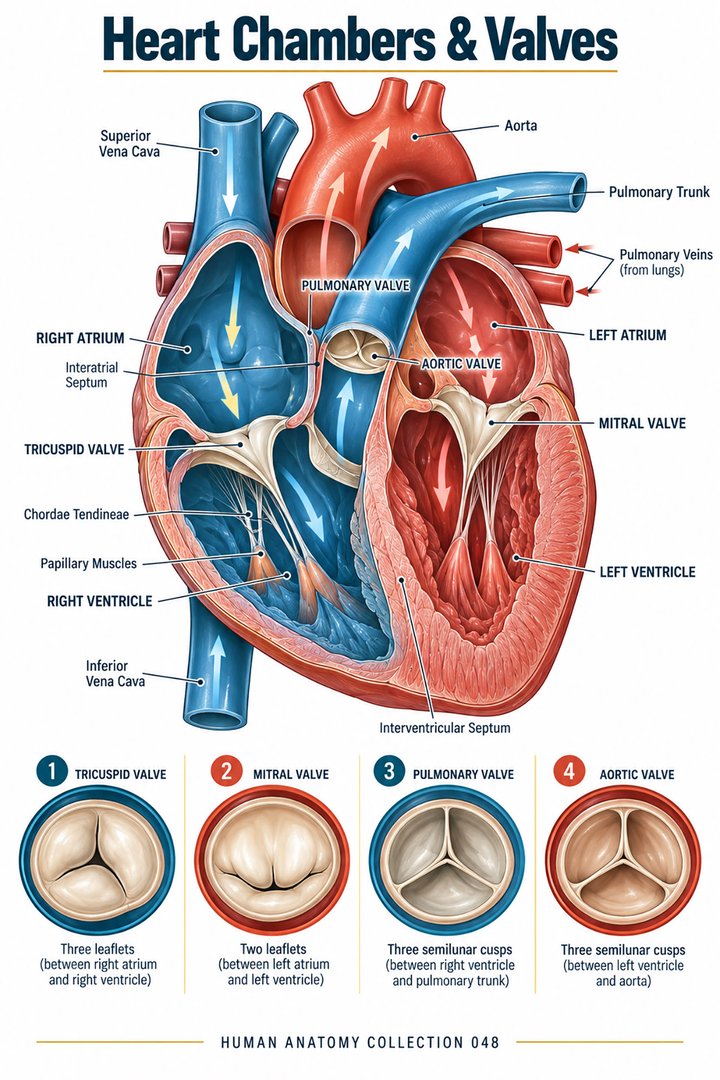 Human Heart Chambers ↗Human Organ Placement ↗
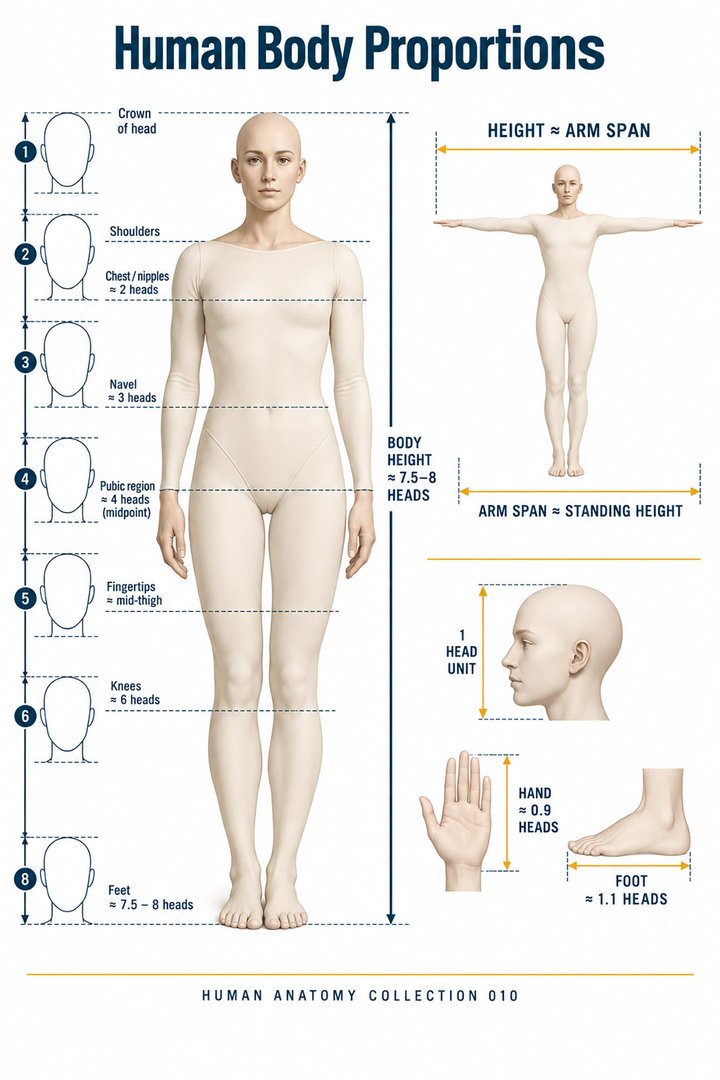 Human Body Proportions ↗
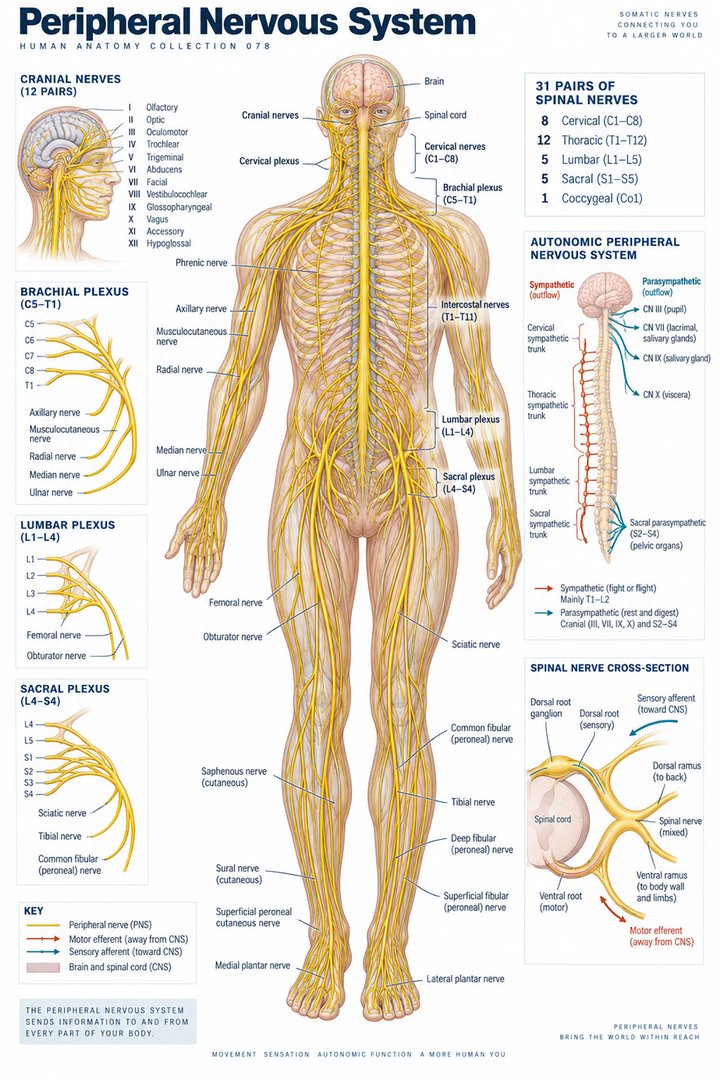 Peripheral Nervous System ↗
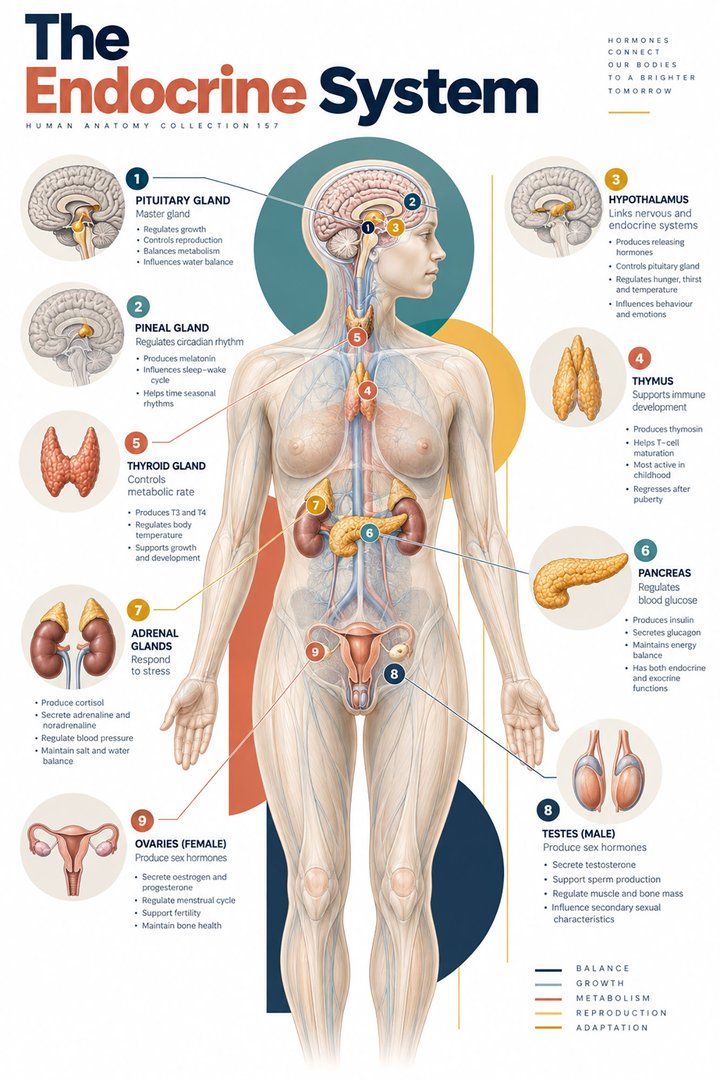 Human Endocrine Glands ↗
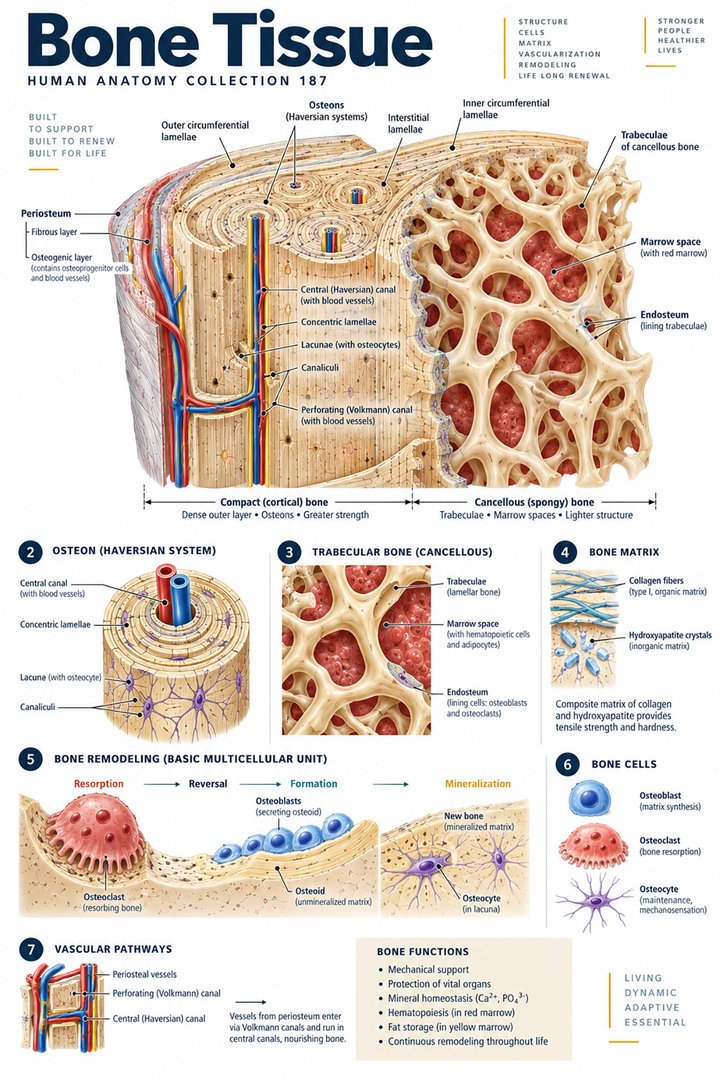 Human Bone Density ↗Human Blood Circulation ↗
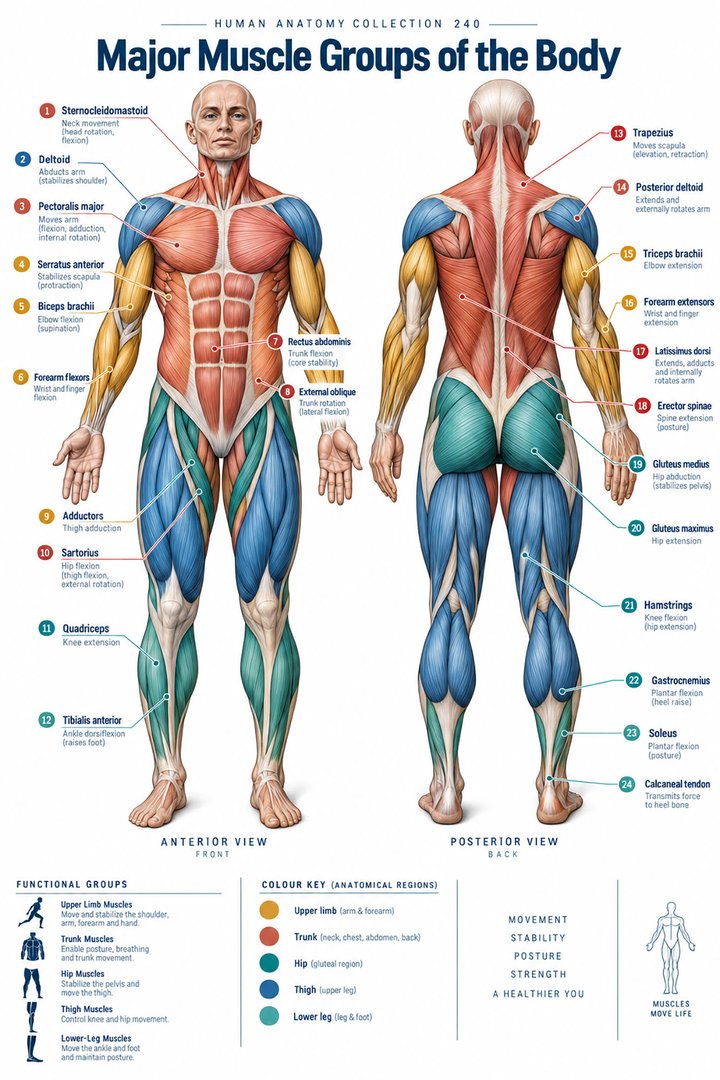 Human Muscle Groups ↗
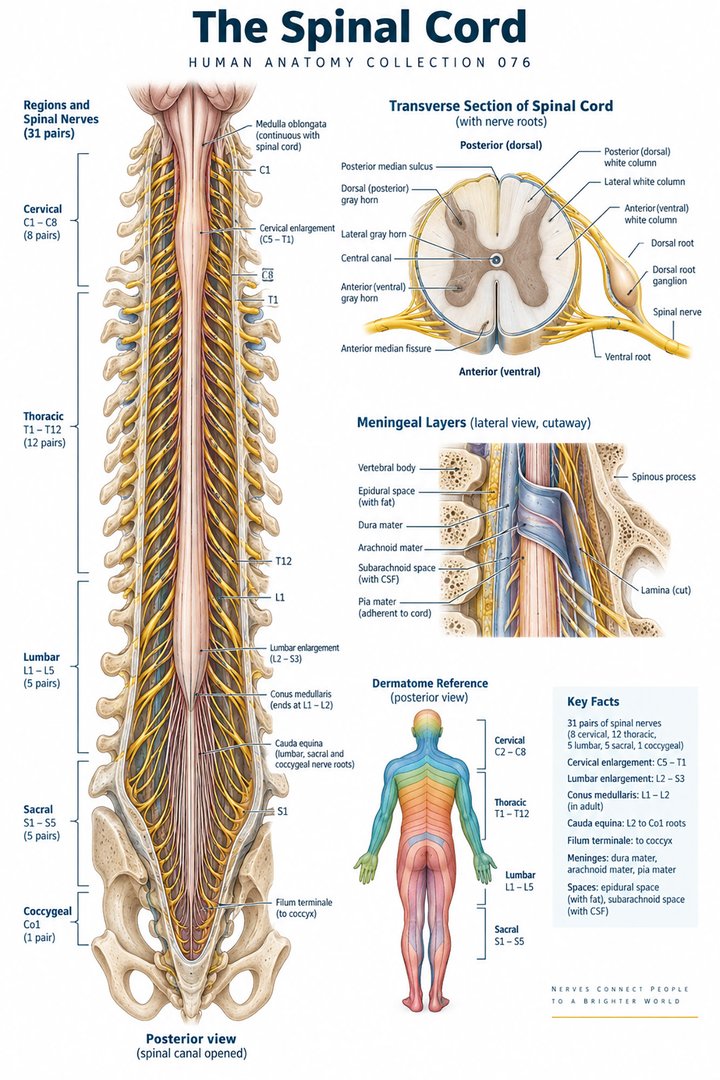 Human Spinal Cord ↗
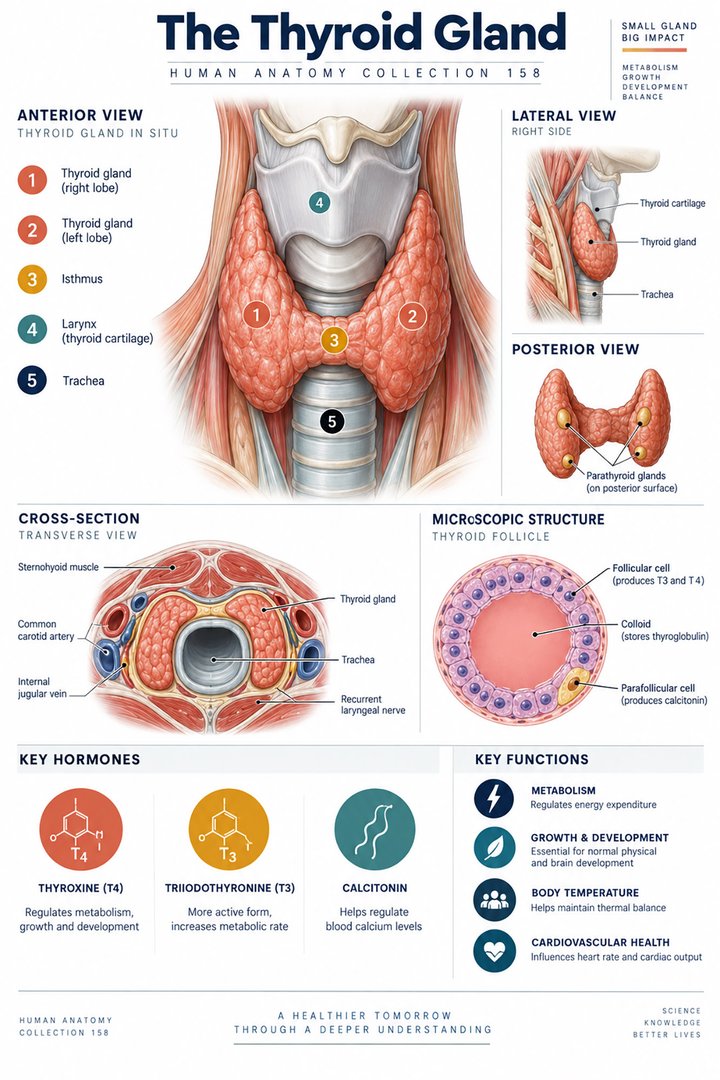 Human Thyroid Gland ↗
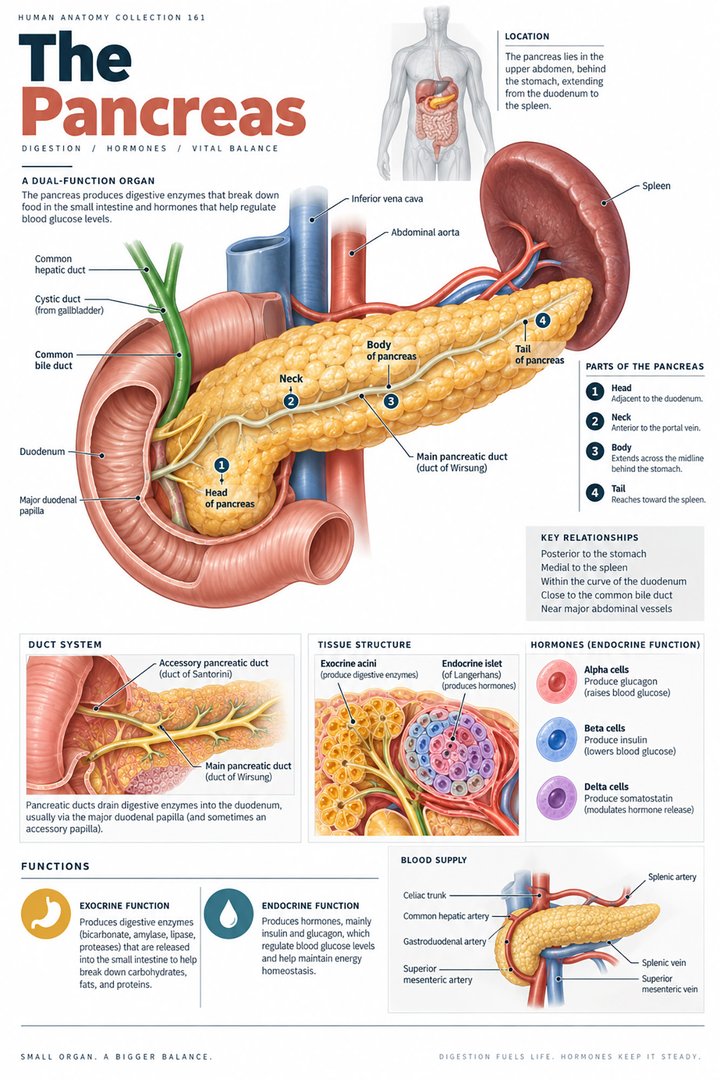 Human Pancreas Function ↗
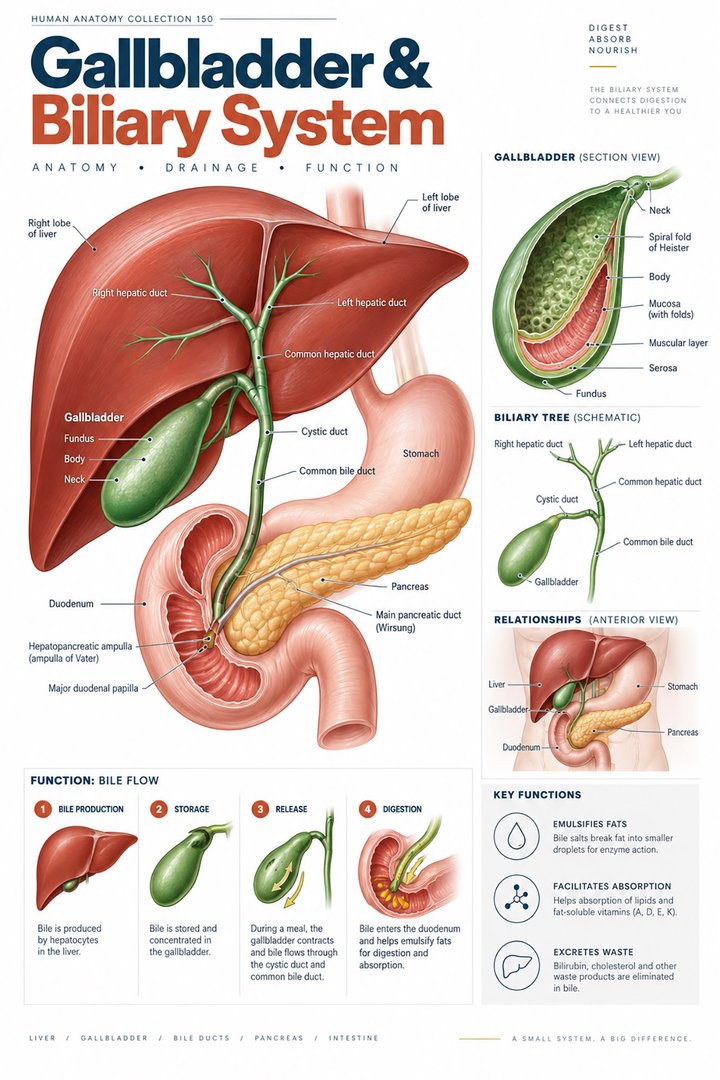 Human Gallbladder Anatomy ↗