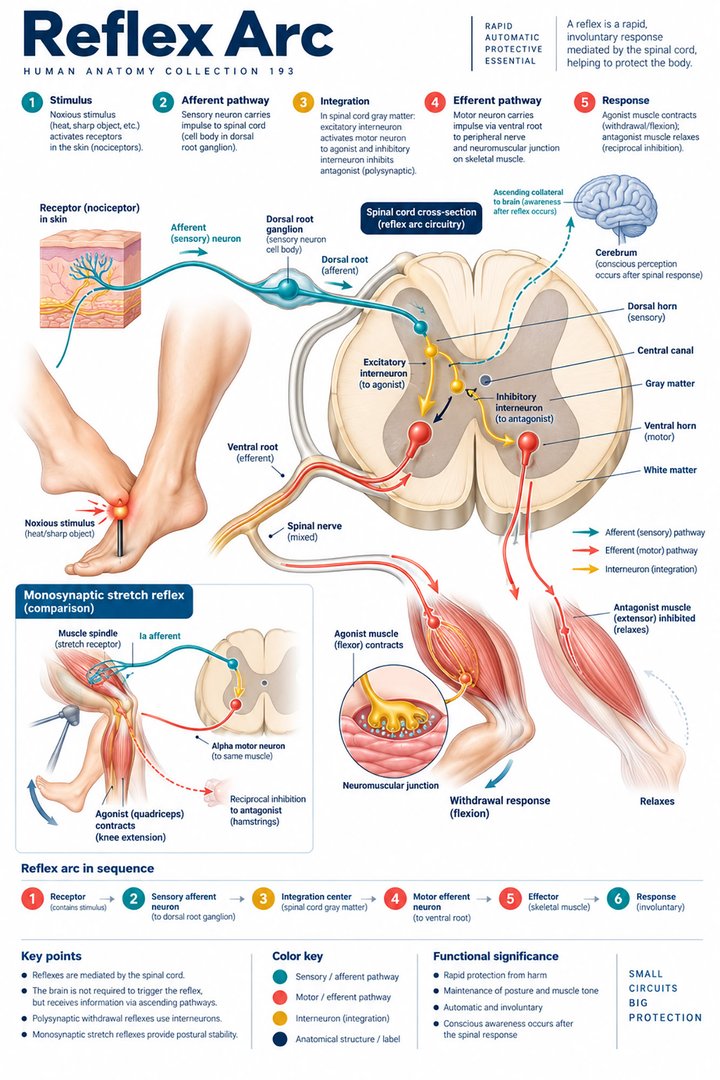
Reflex Arc
Individual poster · 300 DPI print files
Regular $9.90
Explore poster ↗$4.90USD
Offer price · Save $5.00Individual poster · 300 DPI print files
Reduced web preview. Separate high-resolution print files are supplied with the digital download.
ANATOMY 193
A modern anatomy illustration exploring reflex arc, designed for educational and decorative use.
Purchases are not available yet. Checkout and download delivery are being prepared.
Sold by Kunstolymp.de · Germany
Compare prices & the complete collection ↗This is a DIGITAL DOWNLOAD. No physical product will be shipped. After purchase, download your files and print them at home, at a local print shop, or through an online professional printing service.
The separate 300 DPI print files are ideal for 24×36-inch posters (approximately 60×90 cm). ISO and 5×7 formats are included. The white border lets you adjust the layout or trim to fit other frame sizes; check the preview before printing to keep the illustration and labels visible.
The planned bundle delivery includes a PDF information sheet with a link to the relevant Google Drive folder and download instructions. The store is currently in preview and purchases are not yet available.
A science-inspired choice for a student’s study corner, an educator’s classroom, or an anatomy enthusiast’s wall. Final licensing terms will apply.
CLINICAL CONTEXT
A reflex arc is a rapid, stereotyped response that can be elicited without a voluntary command. In a stretch reflex, a muscle spindle detects stretch; an afferent sensory axon enters the spinal cord through a dorsal root, synapses with motor circuitry, and an efferent alpha motor axon returns through a ventral root to contract muscle. Interneurons can inhibit antagonists, while descending pathways modulate reflex gain. The patellar reflex, for example, samples femoral nerve and L2–L4 segments. Reflex testing is a bedside window into sensory afferents, spinal segments, motor neurons, peripheral nerves, neuromuscular transmission, muscle, and central control. It is one part of a complete neurologic examination, not a diagnosis on its own.
Reduced or absent reflexes may occur with peripheral neuropathy, radiculopathy, nerve-root compression, motor-neuron loss, or acute immune neuropathy such as Guillain–Barré syndrome. Length-dependent diabetic neuropathy often reduces ankle reflexes before more proximal responses. A new progressive, usually ascending weakness with areflexia can signal Guillain–Barré syndrome and threaten respiratory or autonomic function. Brisk reflexes, clonus, or an extensor plantar response may suggest corticospinal tract disease above the reflex arc, including spinal cord compression, stroke, multiple sclerosis, or traumatic injury. Asymmetry can help localise a focal lesion. However, age, anxiety, medication, technique, limb position, pain, and normal variation influence responses. Ask about onset, numbness, pain, weakness, gait, bladder or bowel function, recent infection, diabetes, toxin or medication exposure, trauma, and effect on swallowing or breathing.
Examination compares sides and includes tone, power, sensation, coordination, gait, cranial nerves, and relevant autonomic signs. The clinician uses reflex distribution to form an anatomic differential, then selects tests according to urgency: blood tests for metabolic, nutritional, infectious, or immune causes; MRI for suspected brain or spinal cord pathology; nerve-conduction studies and electromyography for peripheral nerve or root disease; and cerebrospinal fluid or additional immune testing in selected cases. Management treats the cause: glucose and nutritional disorders, compressive lesions, inflammatory neuropathy, infection, or medication toxicity require different pathways. Guillain–Barré syndrome requires hospital monitoring of breathing, swallowing, cardiac rhythm, and blood pressure; IV immunoglobulin or plasma exchange may be used, followed by rehabilitation. New myelopathy or rapidly progressive weakness calls for urgent specialist assessment.
Physiotherapy, occupational therapy, mobility aids, pacing, and fall prevention can support function during recovery. Gentle exercise or mindfulness may help wellbeing when medically appropriate, but supplements, massage, or spinal manipulation cannot restore a damaged reflex arc and must not delay diagnosis. Some supplements interact with anticoagulants or neurologic medicines. Emergency care is needed for rapidly spreading weakness, difficulty breathing or swallowing, new inability to walk, saddle numbness, new bladder retention or incontinence, or severe neck or back pain with neurologic change. This article is educational and not an individual diagnosis.
Further reading: MedlinePlus: neurological exam and reflexes · NINDS: Guillain–Barré syndrome · NINDS: peripheral neuropathy
Explain the working diagnosis, important alternatives, planned tests, expected course, and specific safety-netting in language the patient can use. Invite questions about treatment goals, capacity, cost, culture, and complementary therapies. Use a professional interpreter when language access could affect consent or understanding, and confirm clear arrangements for timely clinical review in writing. Document the reasoning, reassess response to treatment, and coordinate care across professions when illness affects more than one system. Teaching anatomy is most useful when it supports this partnership: accurate localisation, respectful listening, timely escalation, and a plan that remains responsive to the individual patient.
HUMAN ANATOMY COLLECTION · 001—300
A closer look at what makes us human. Discover anatomy posters for your study space, classroom, and everyday curiosity.
DIGITAL DOWNLOADS · 300 DPI PRINT FILES
EXPLORE BY SYSTEM
LEARN & EXPLORE
Detailed English guides with Latin terminology, diagrams, real images, and clinical learning connections.
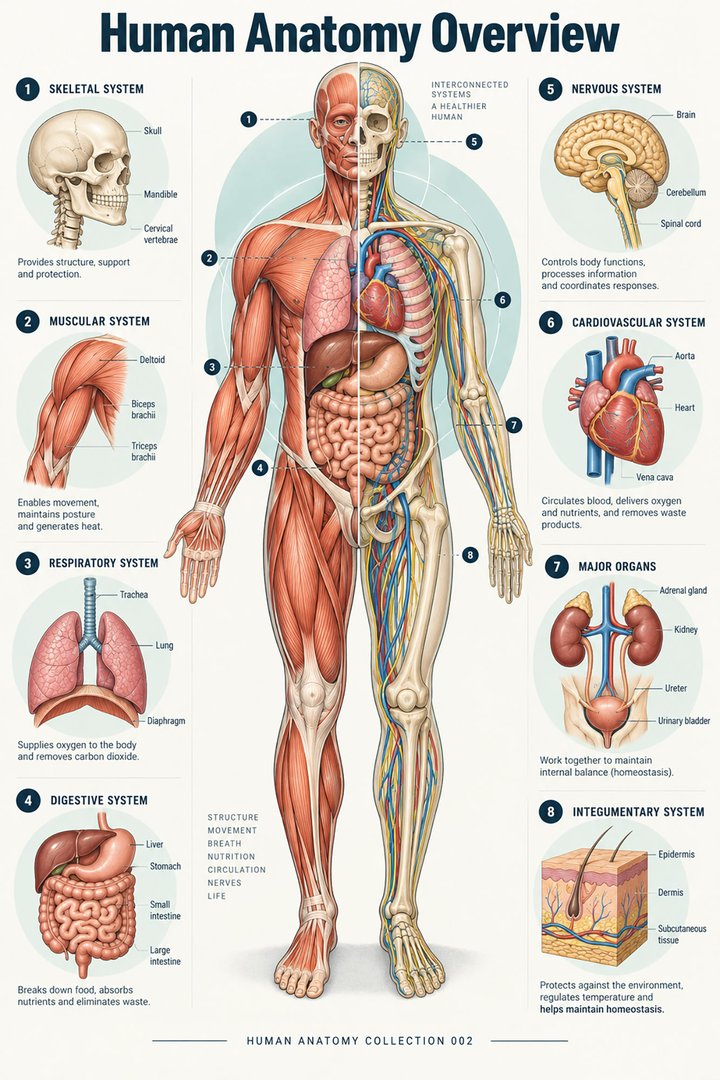 Human Anatomy Diagrams ↗
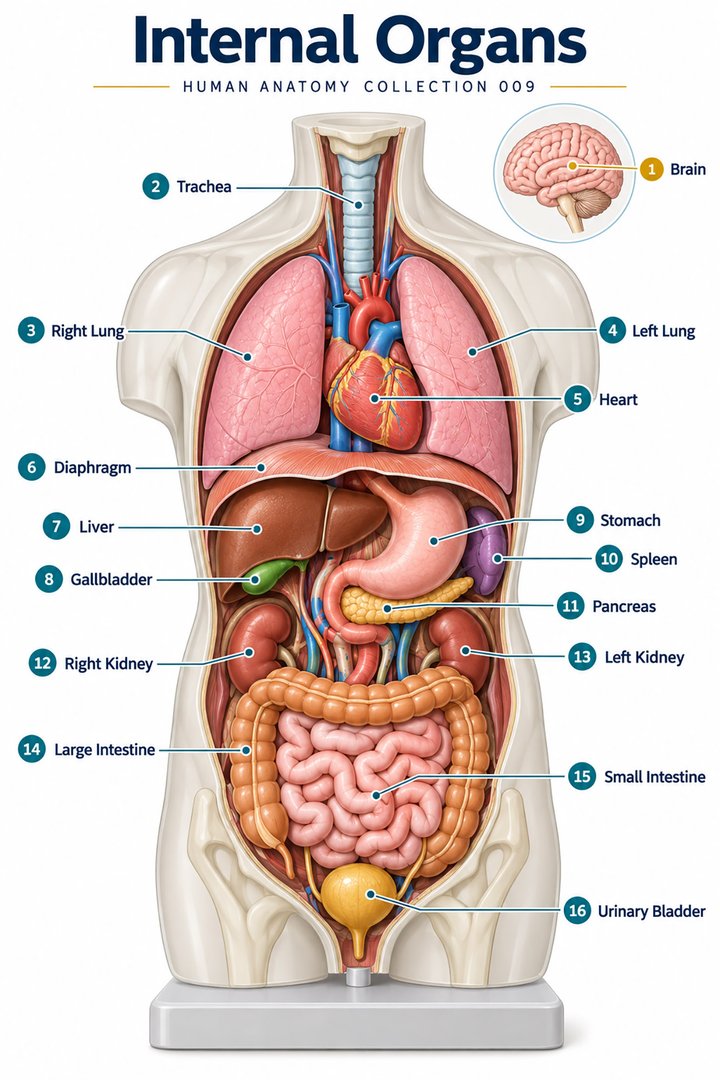 Human Body Organs ↗
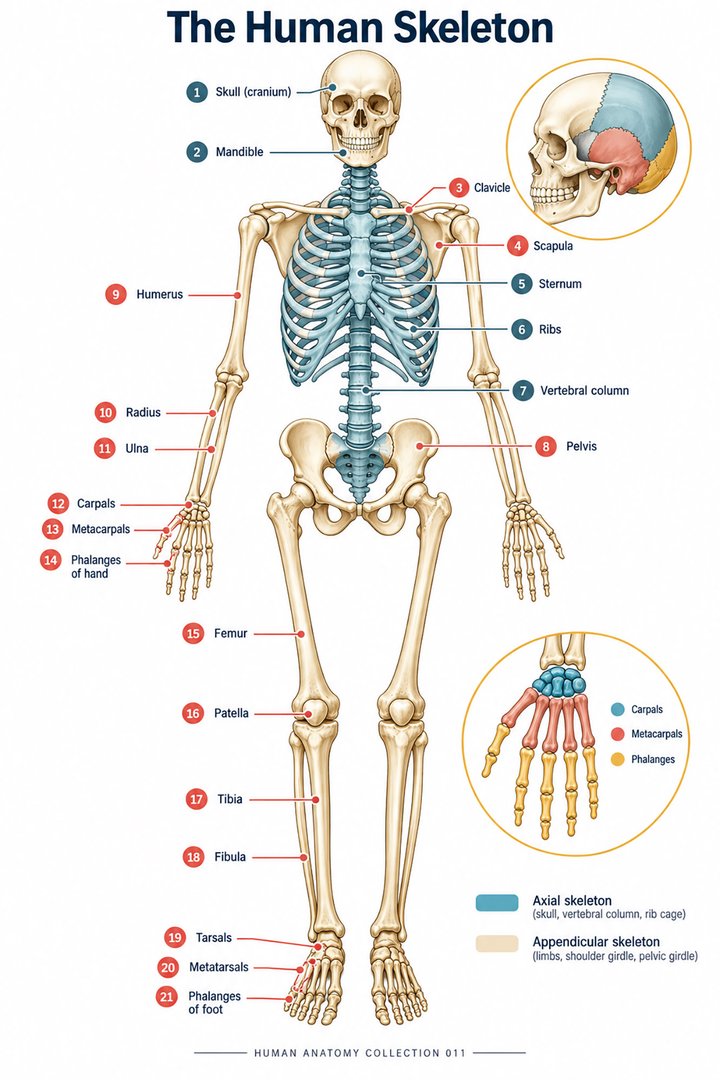 Skeletal System Anatomy ↗
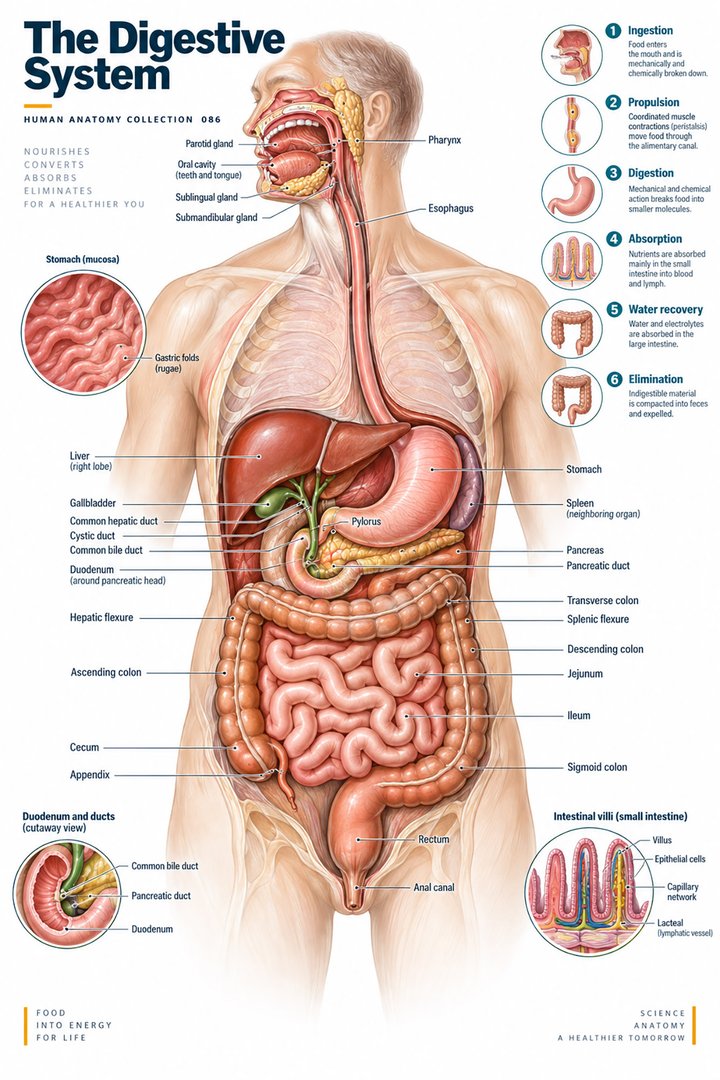 Human Digestive System ↗
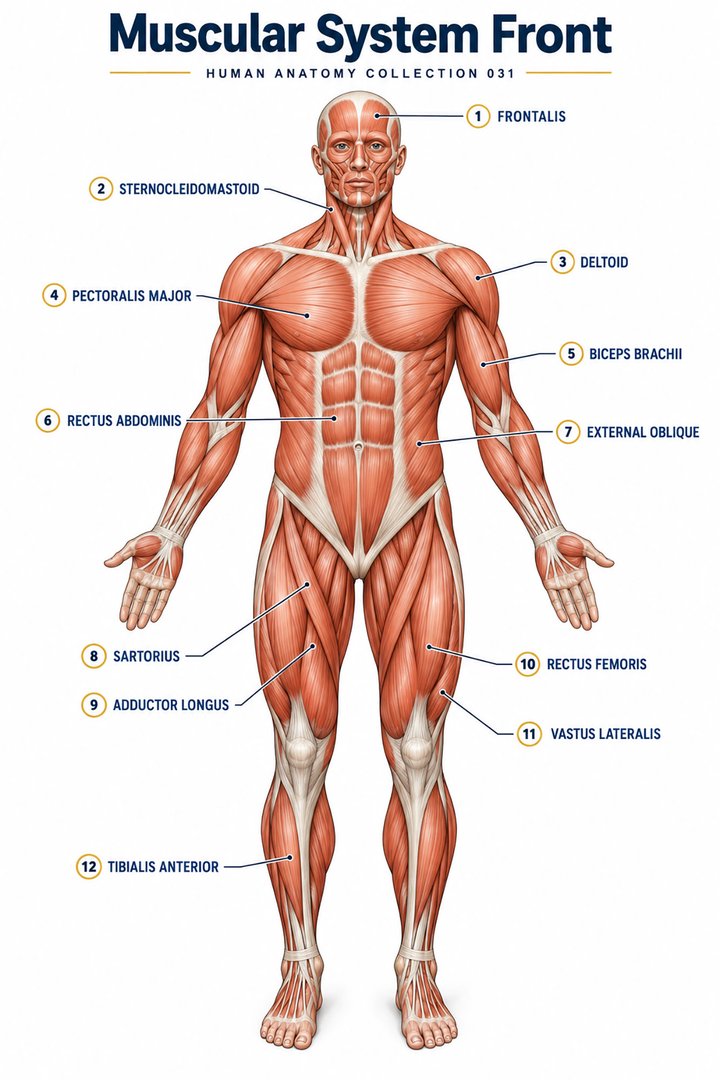 Muscular System Overview ↗
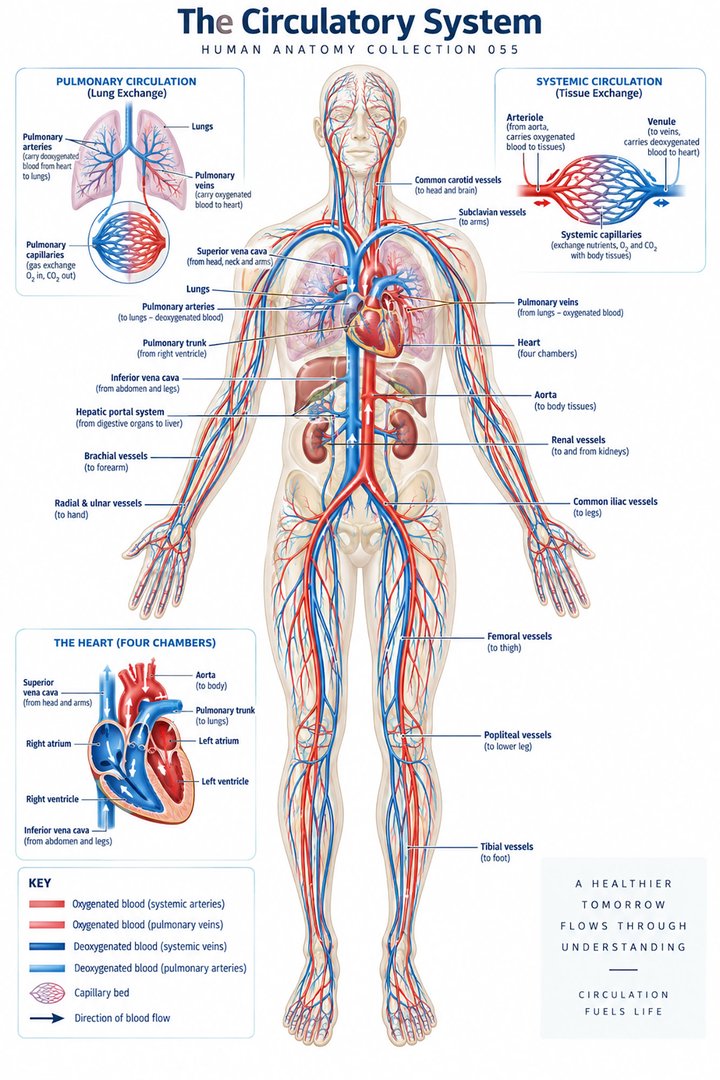 Human Circulatory System ↗
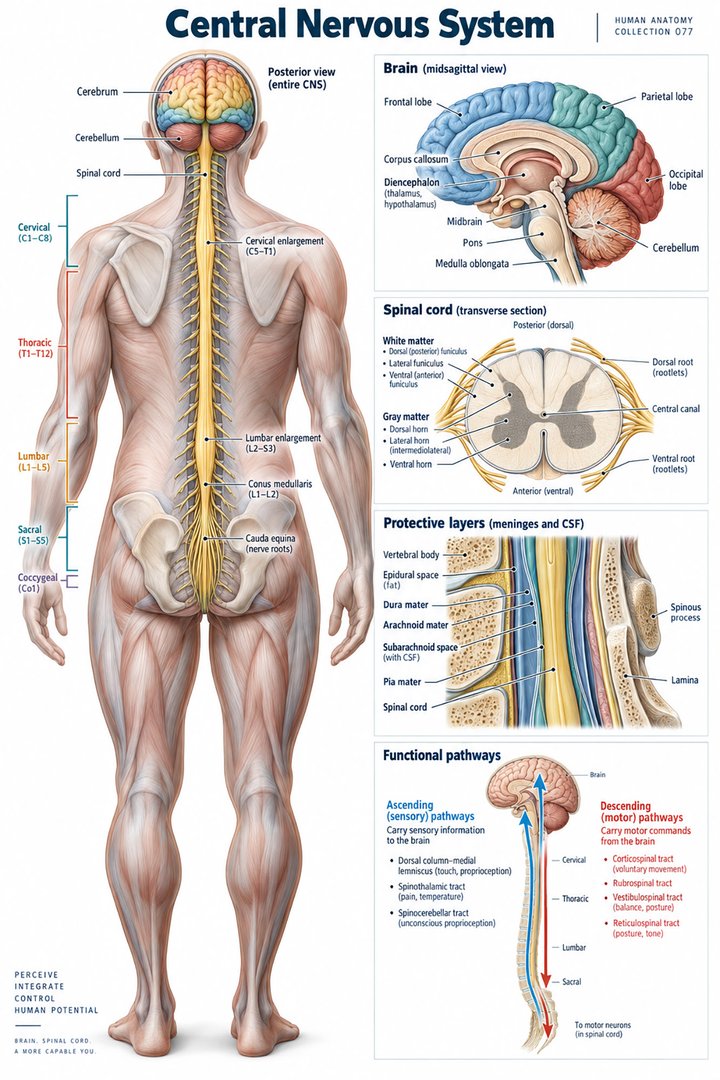 Human Nervous System ↗
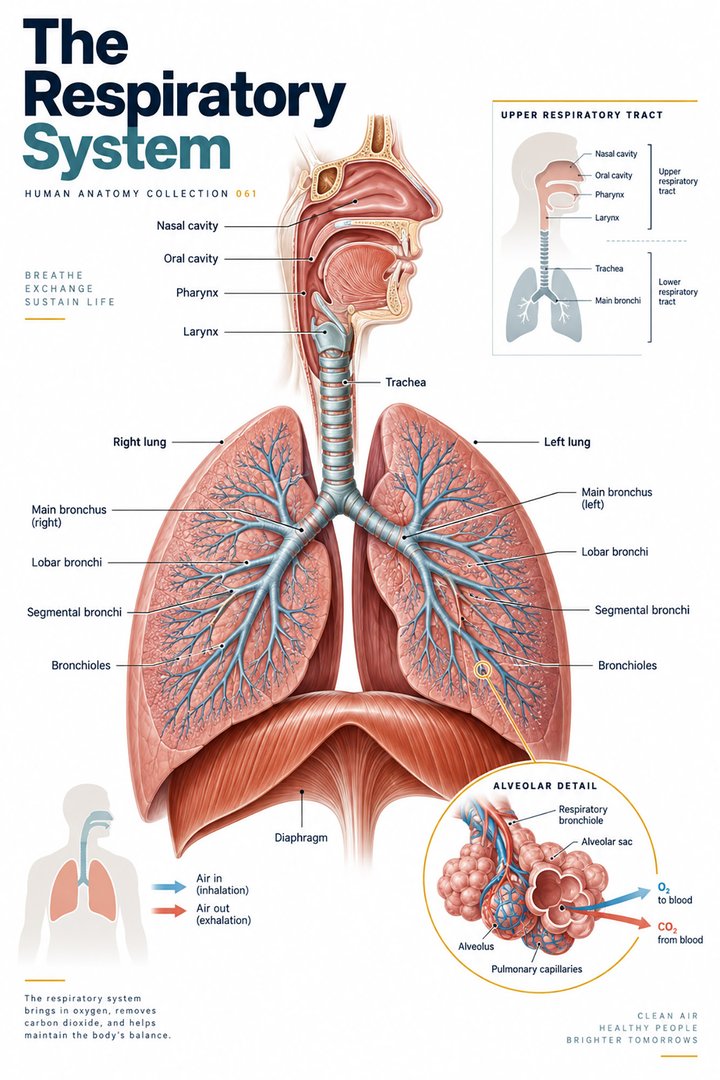 Respiratory System Functions ↗
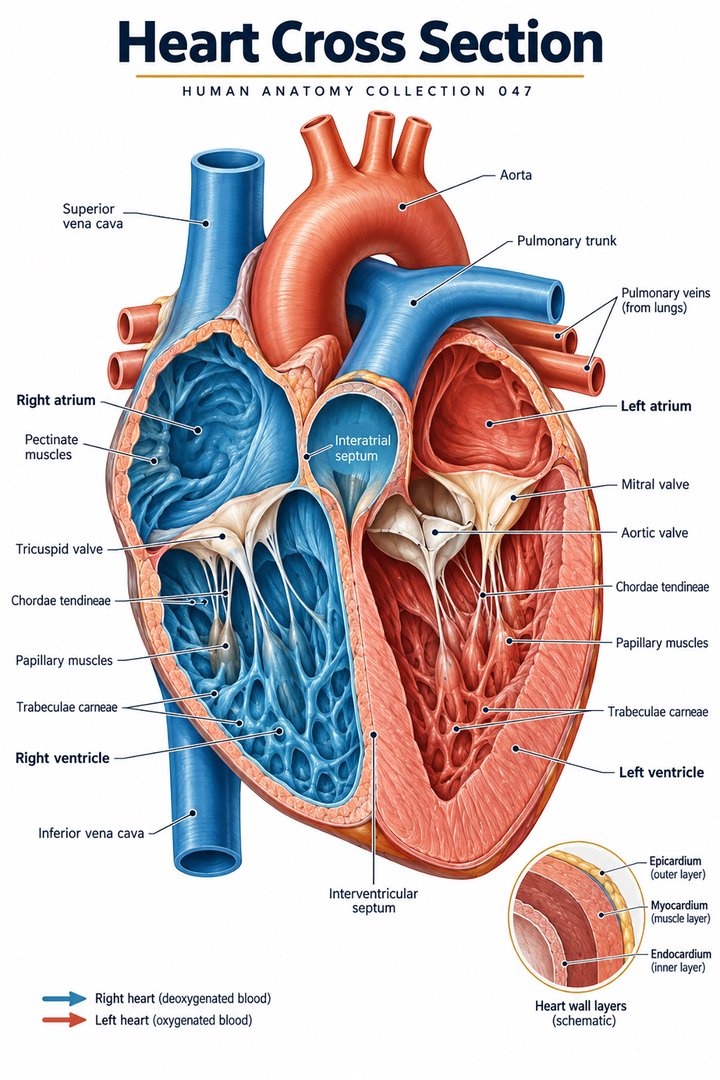 Human Heart Structure ↗
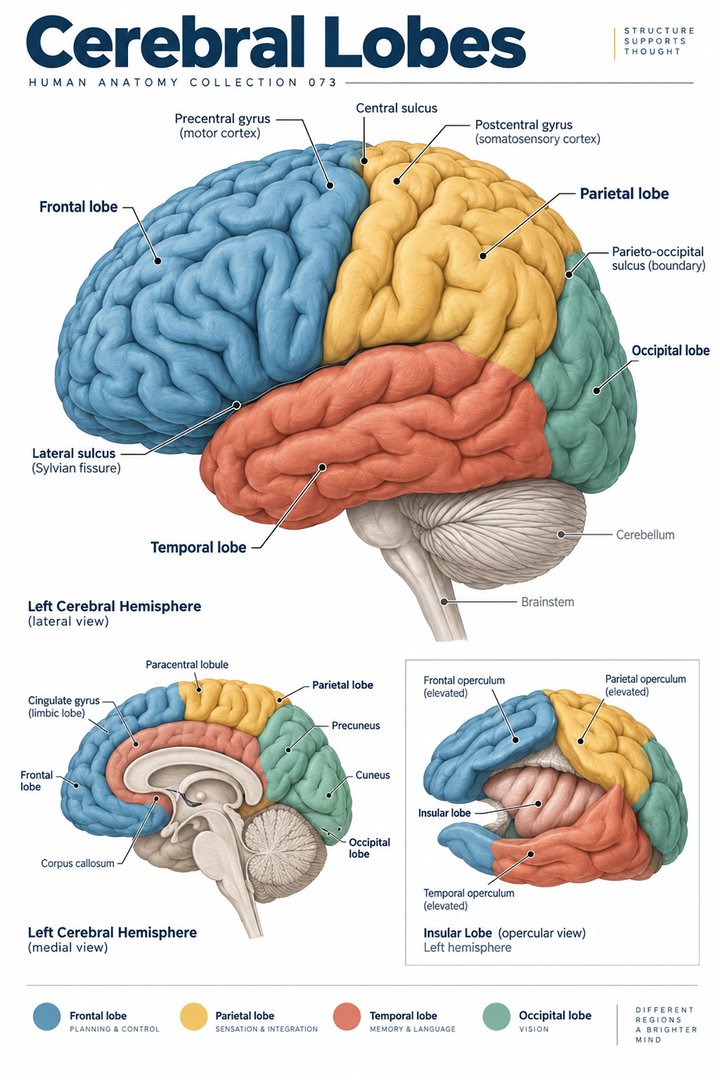 Human Brain Lobes ↗
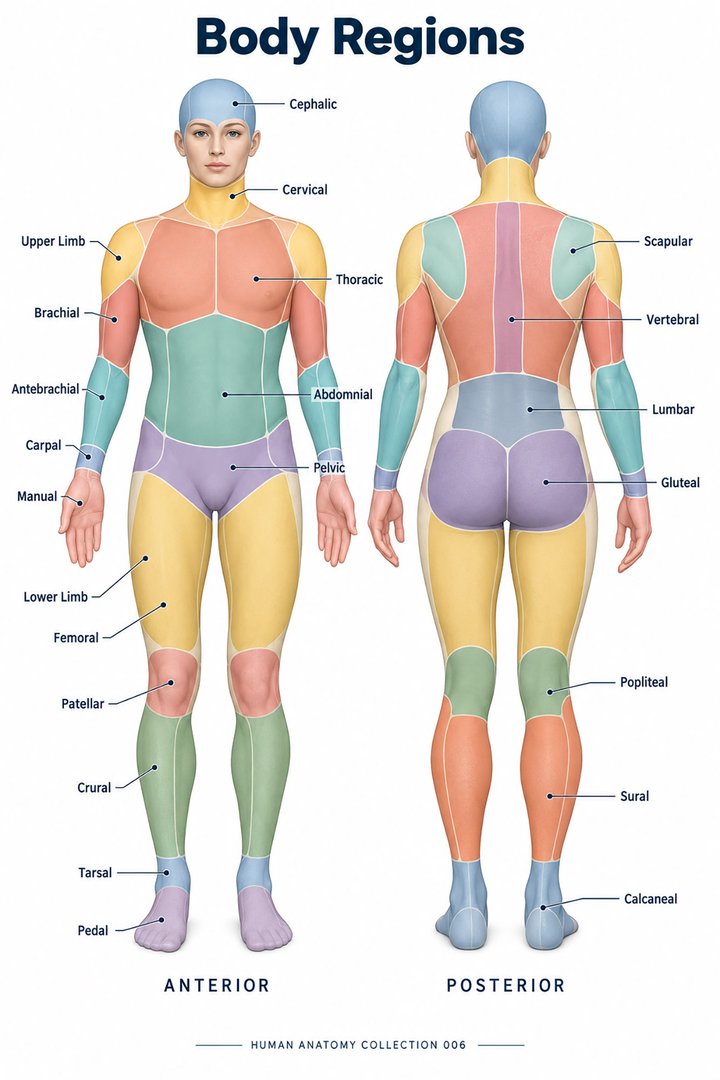 Human Body Parts ↗
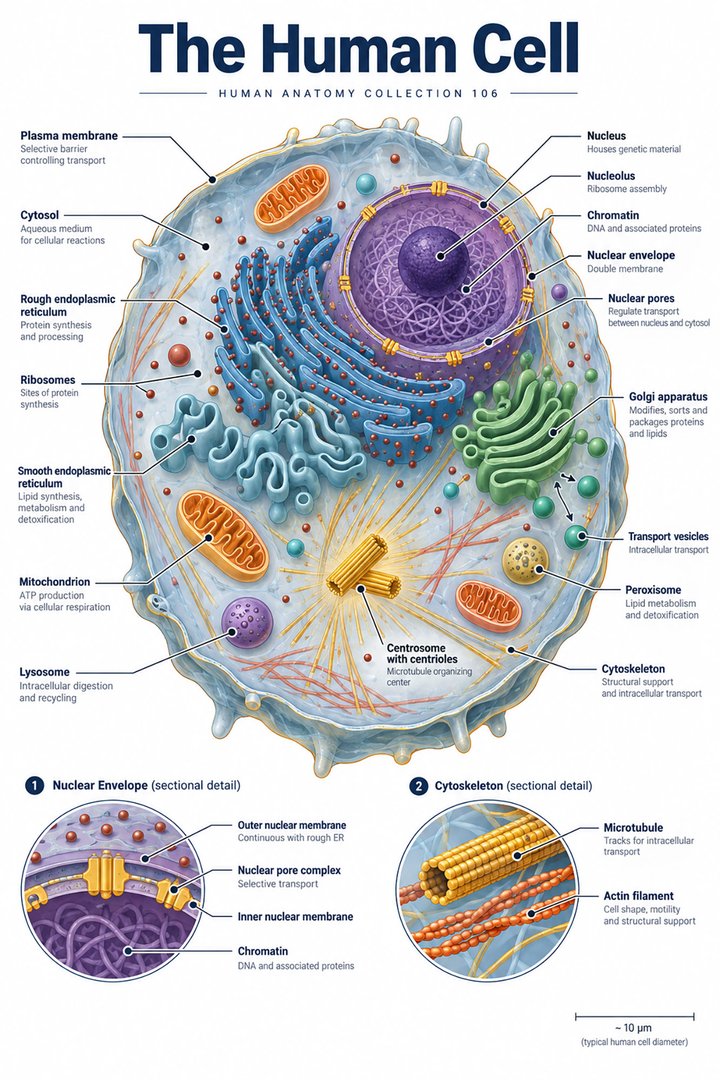 Human Cell Structure ↗
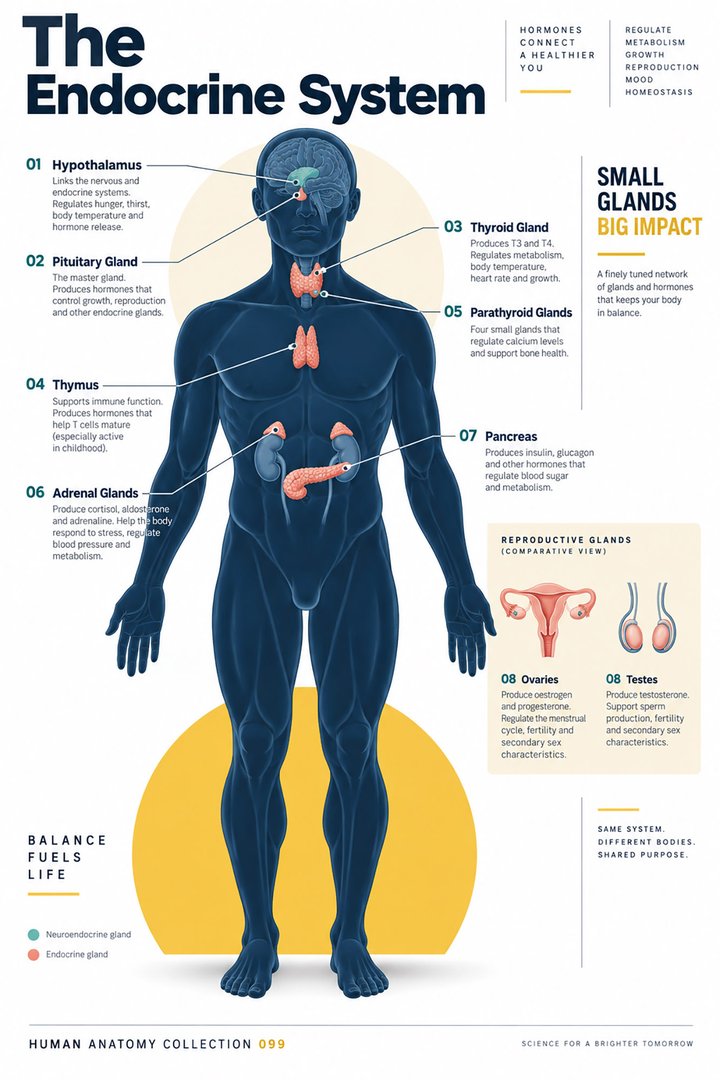 Human Endocrine System ↗
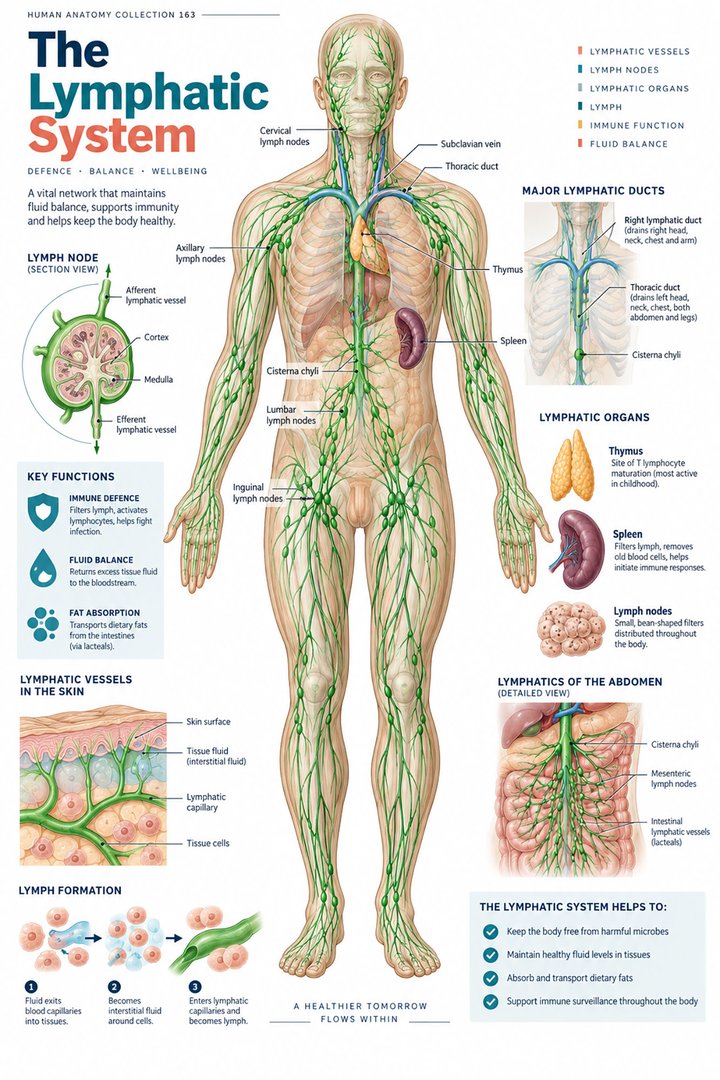 Human Lymphatic System ↗
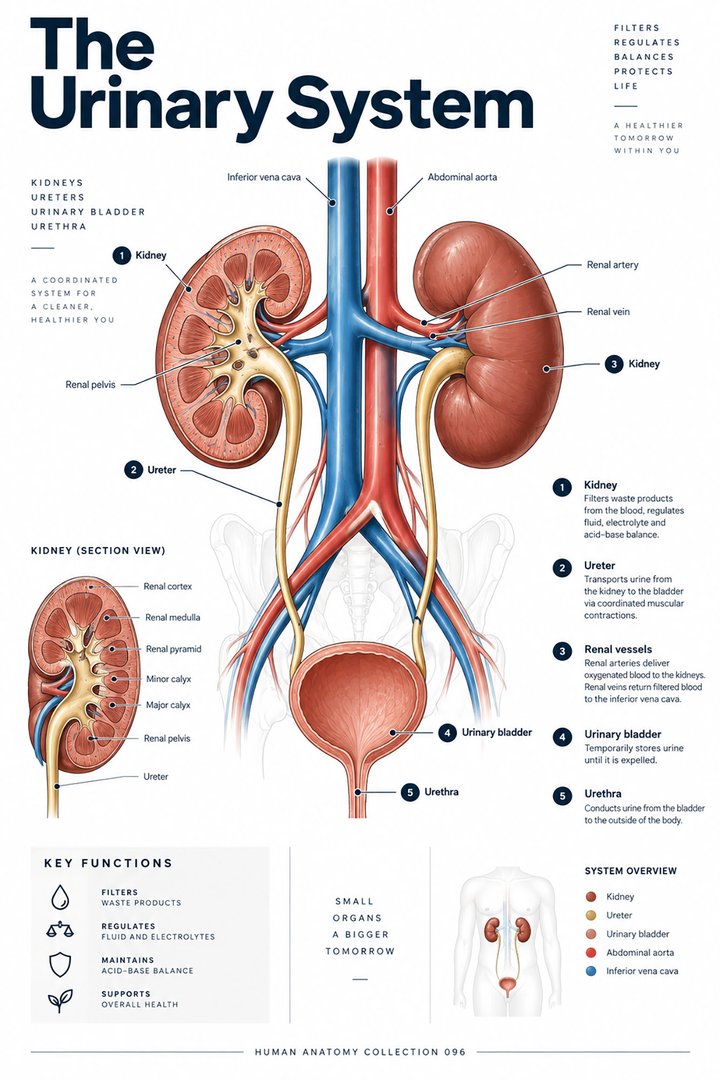 Human Urinary System ↗
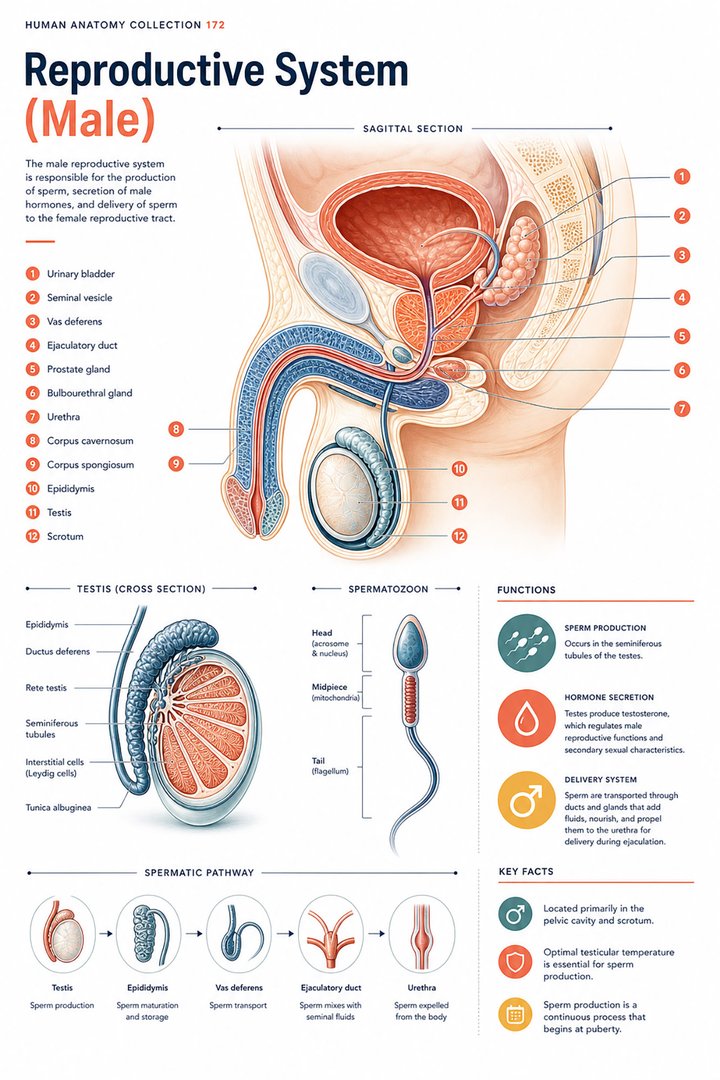 Male Reproductive System ↗
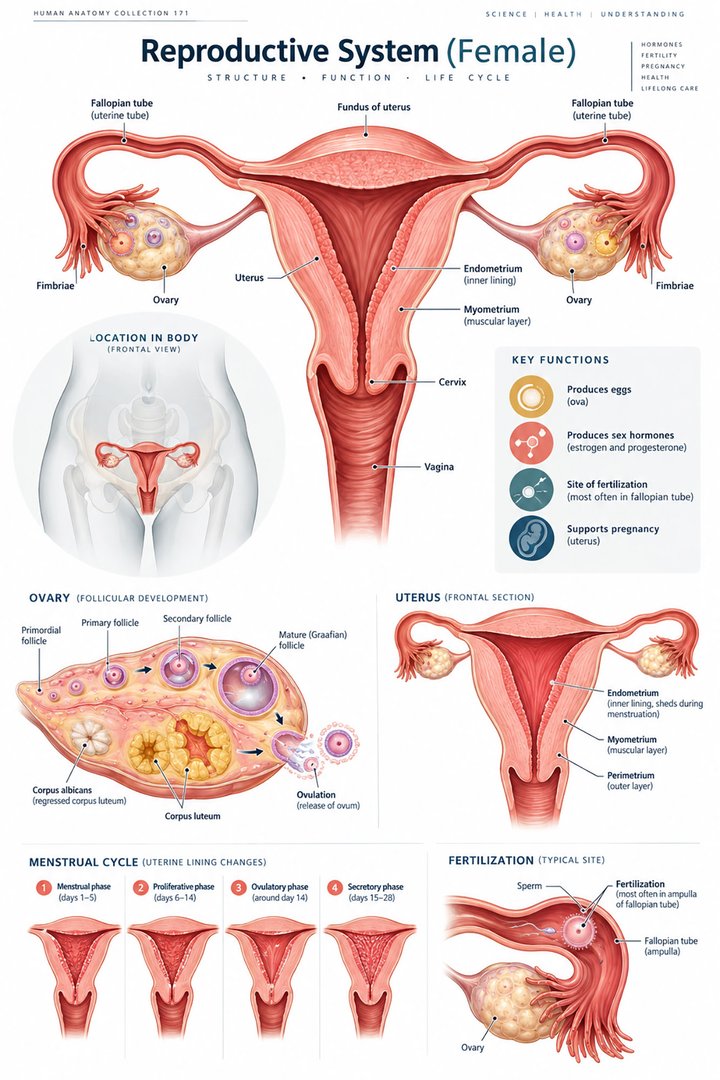 Female Reproductive System ↗
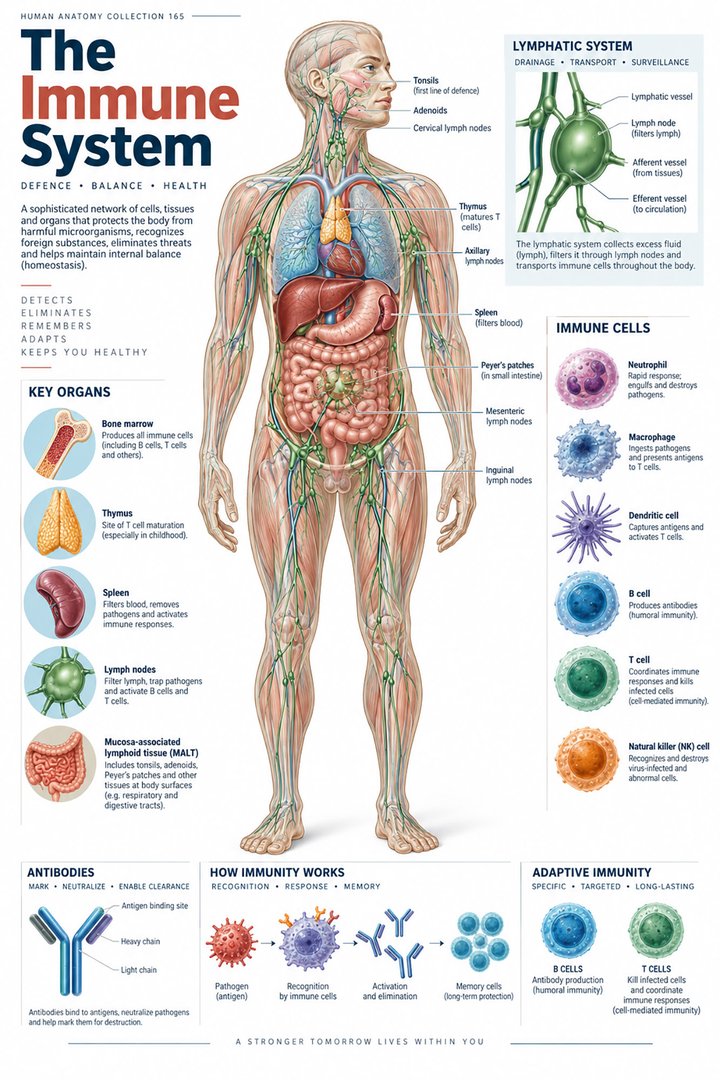 Human Immune System ↗Central Nervous System ↗
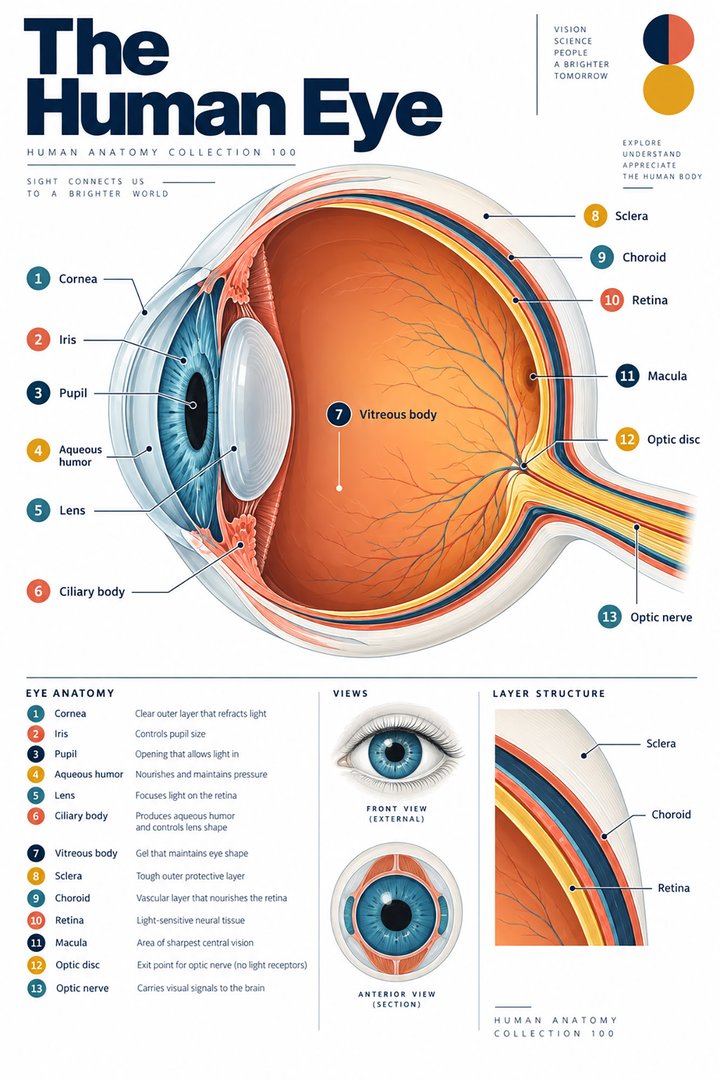 Human Eye Structure ↗
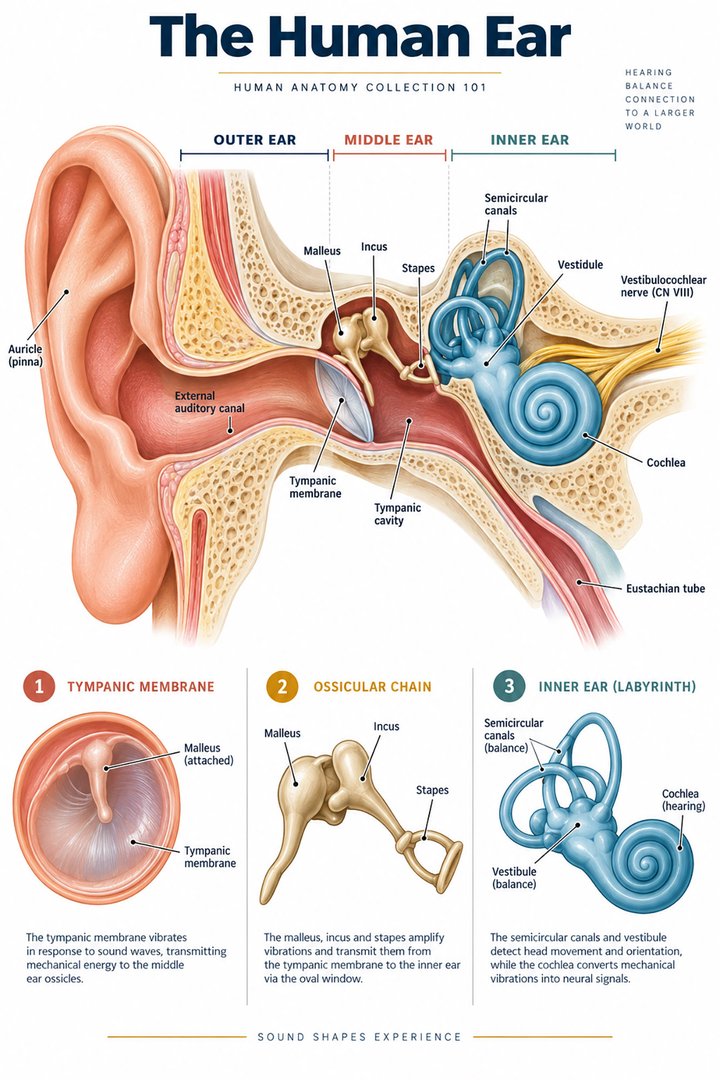 Human Ear Structure ↗
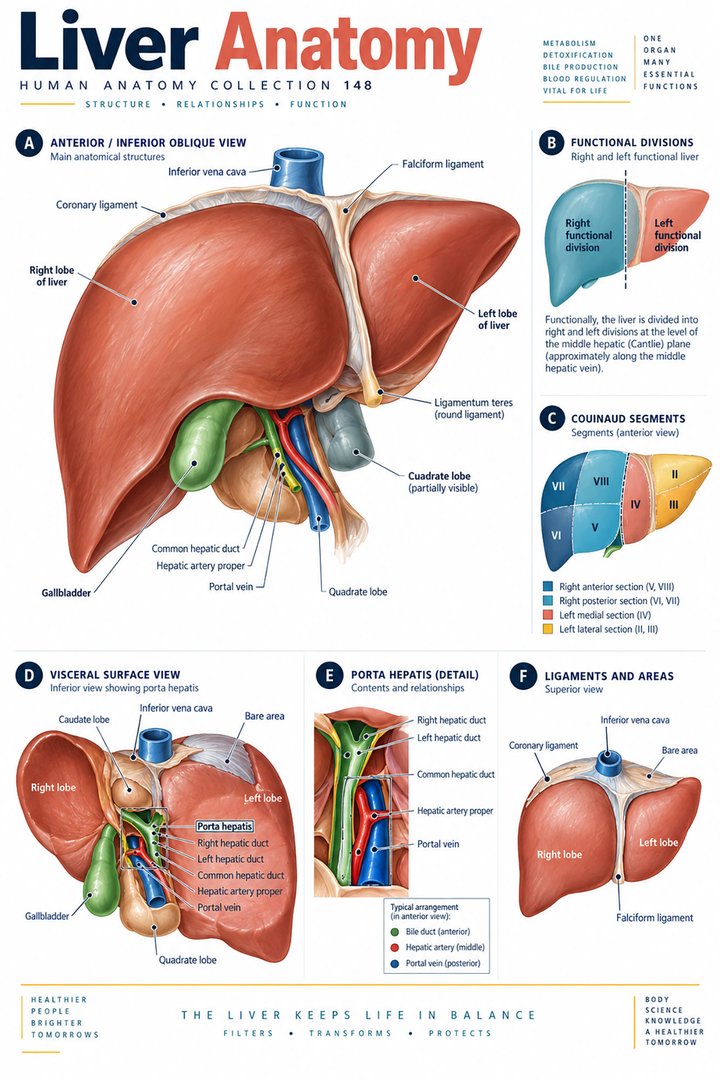 Human Liver Function ↗
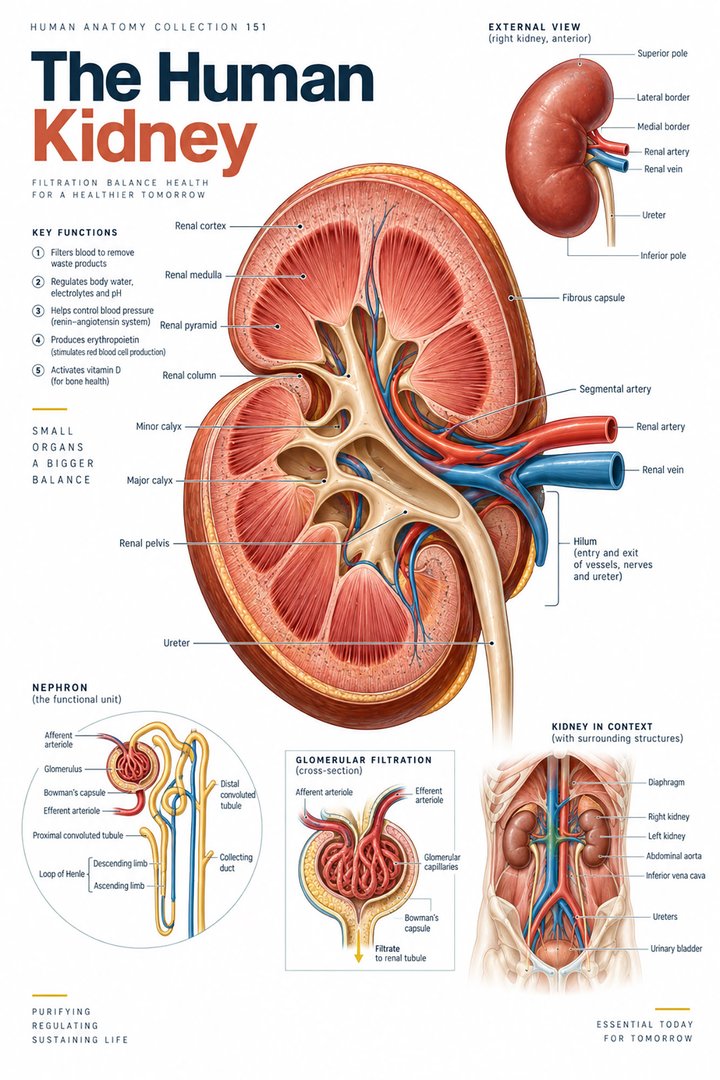 Human Kidney Anatomy ↗
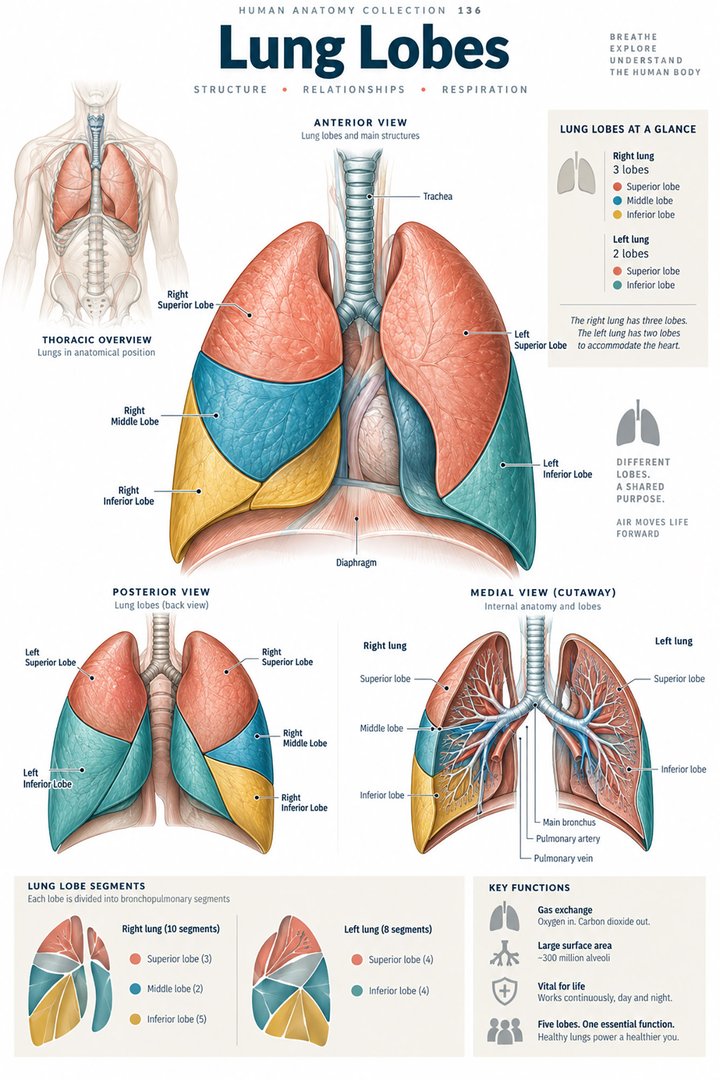 Human Lung Anatomy ↗
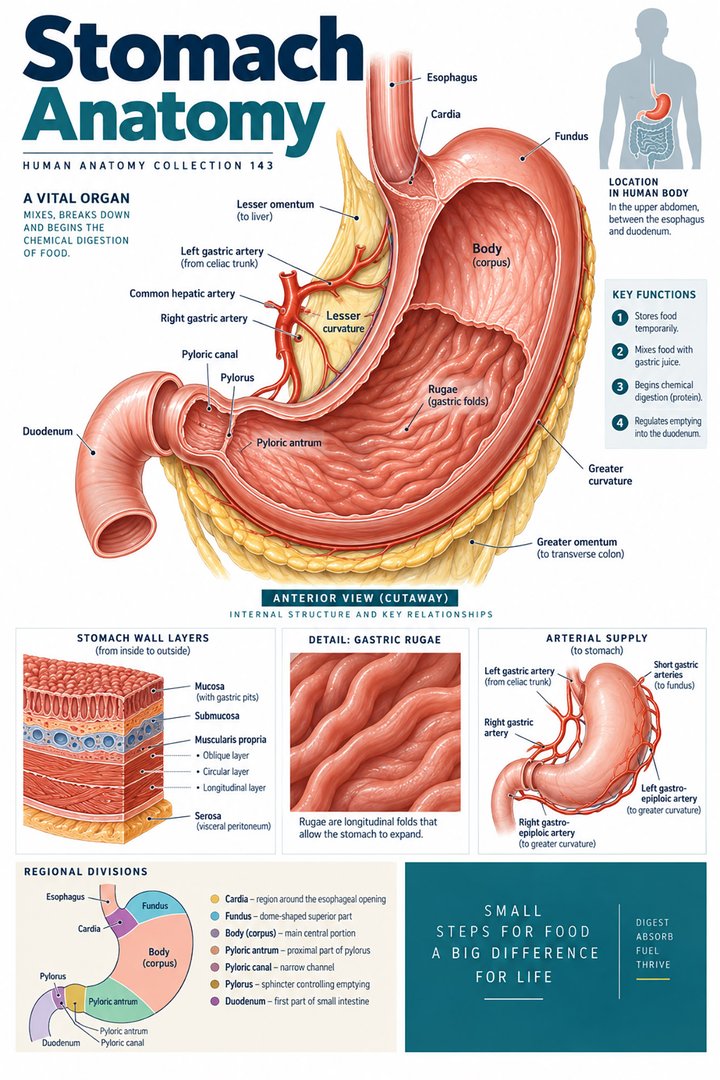 Human Stomach Structure ↗
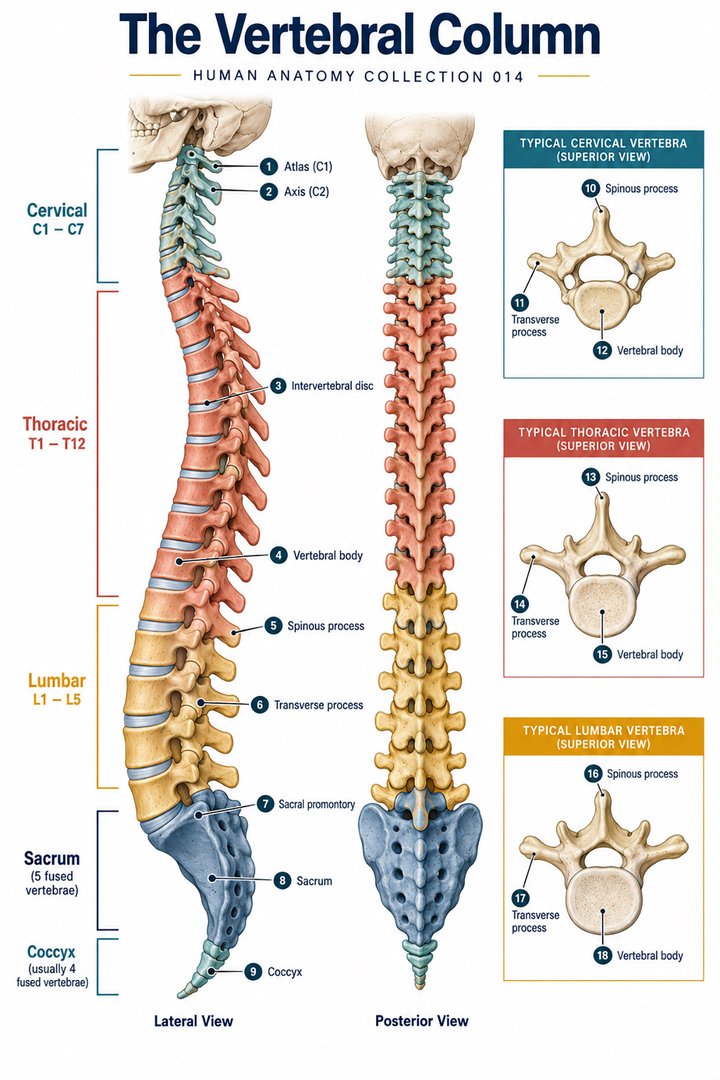 Human Spine Anatomy ↗
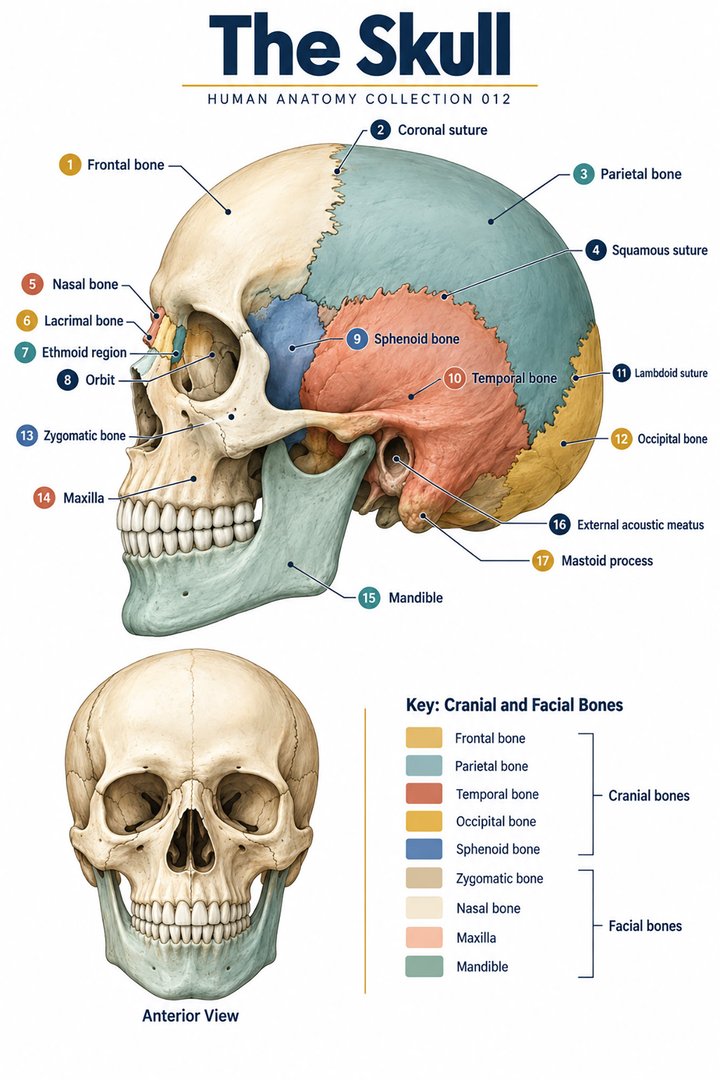 Human Skull Anatomy ↗
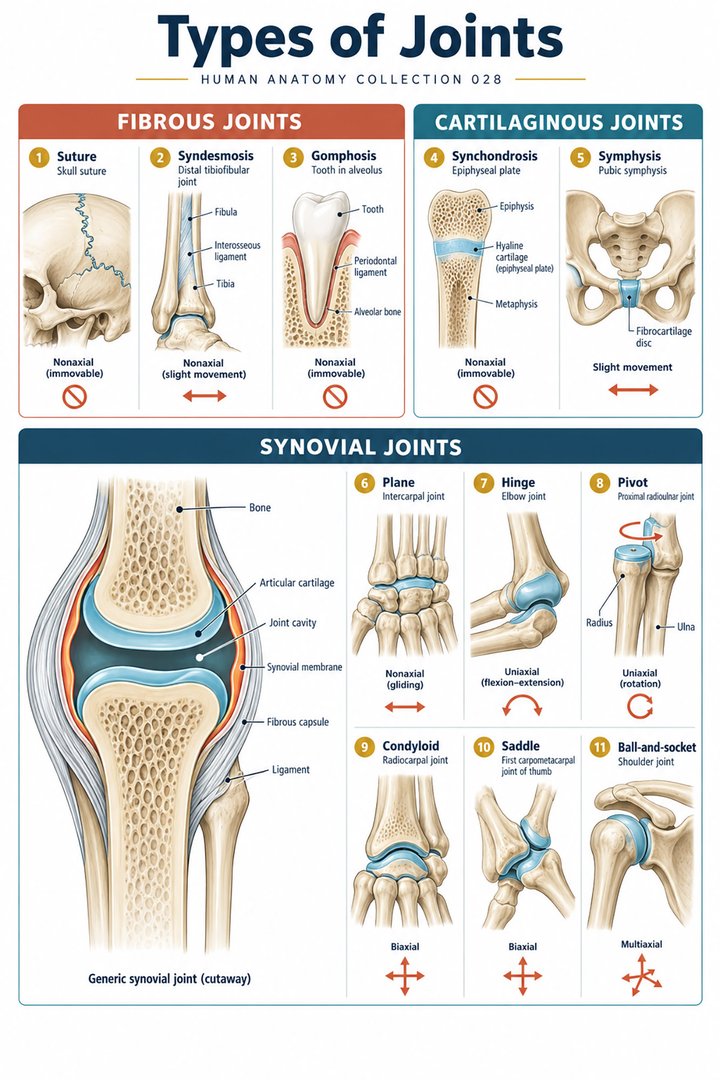 Human Joint Types ↗
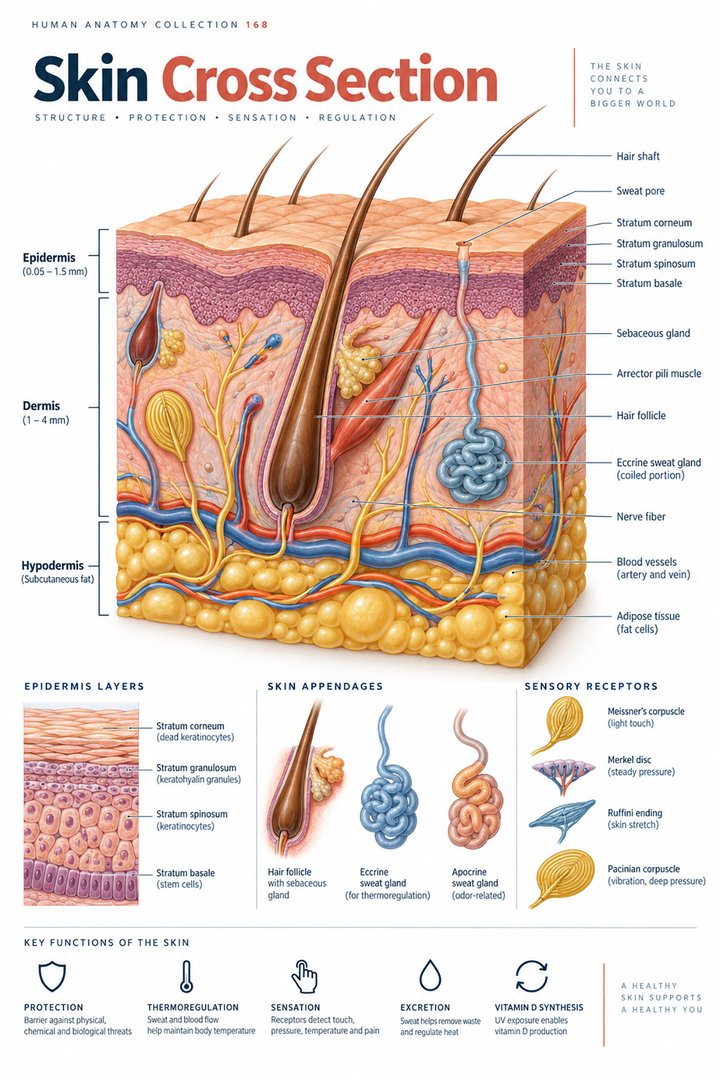 Human Skin Layers ↗
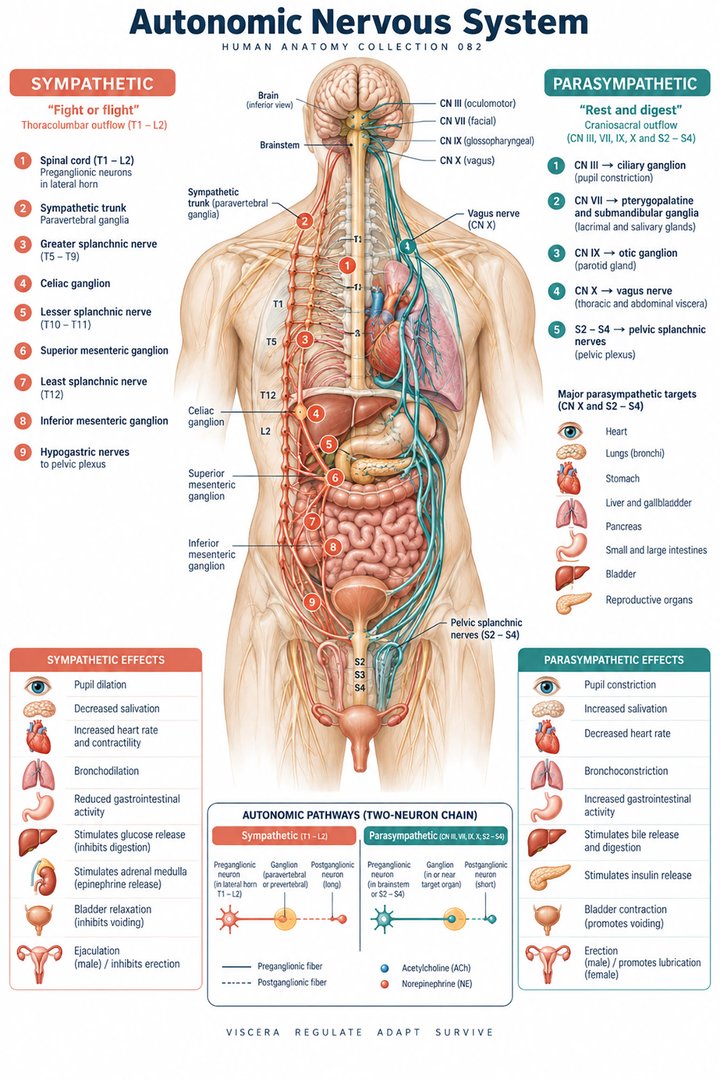 Autonomic Nervous System ↗
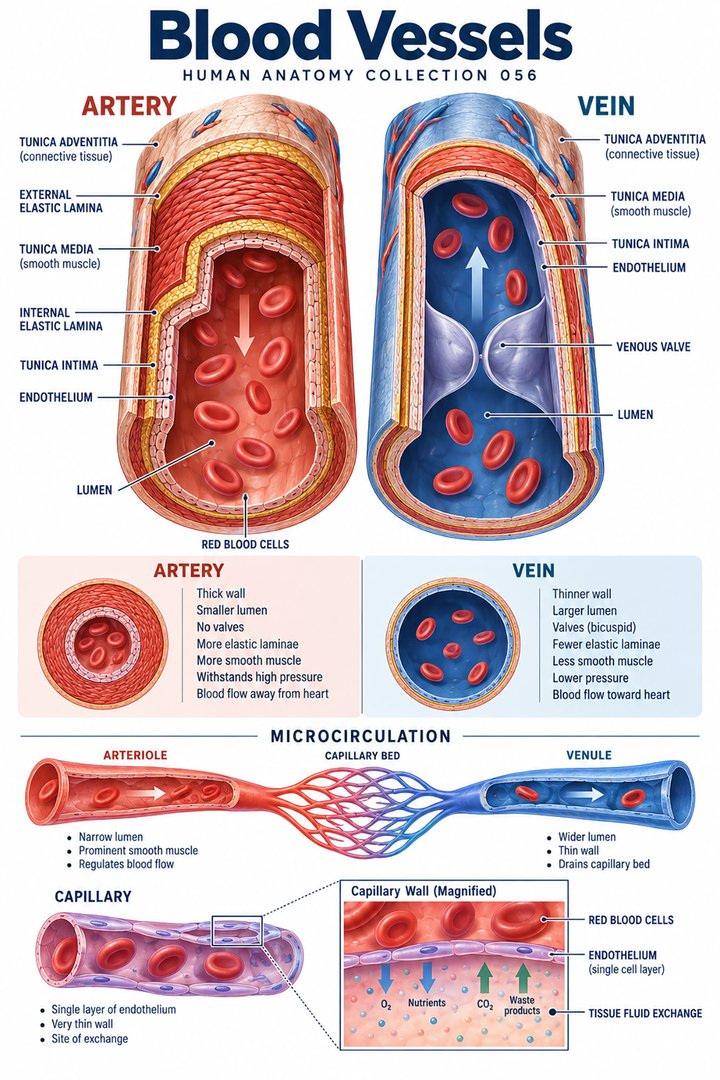 Human Blood Vessels ↗
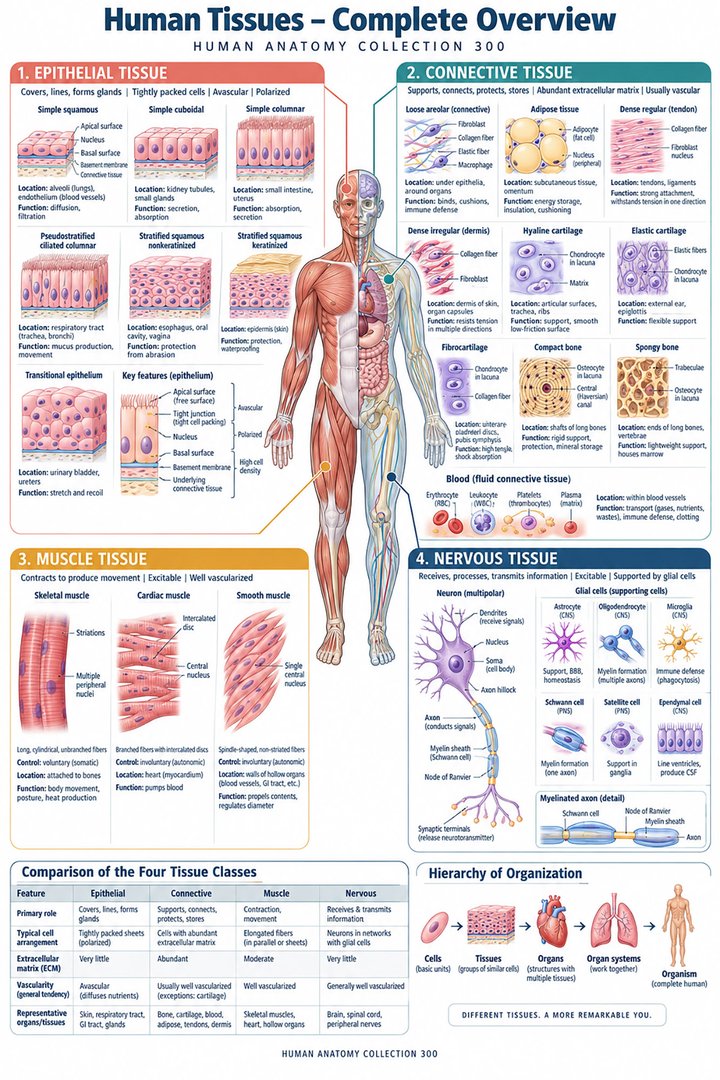 Human Body Tissues ↗
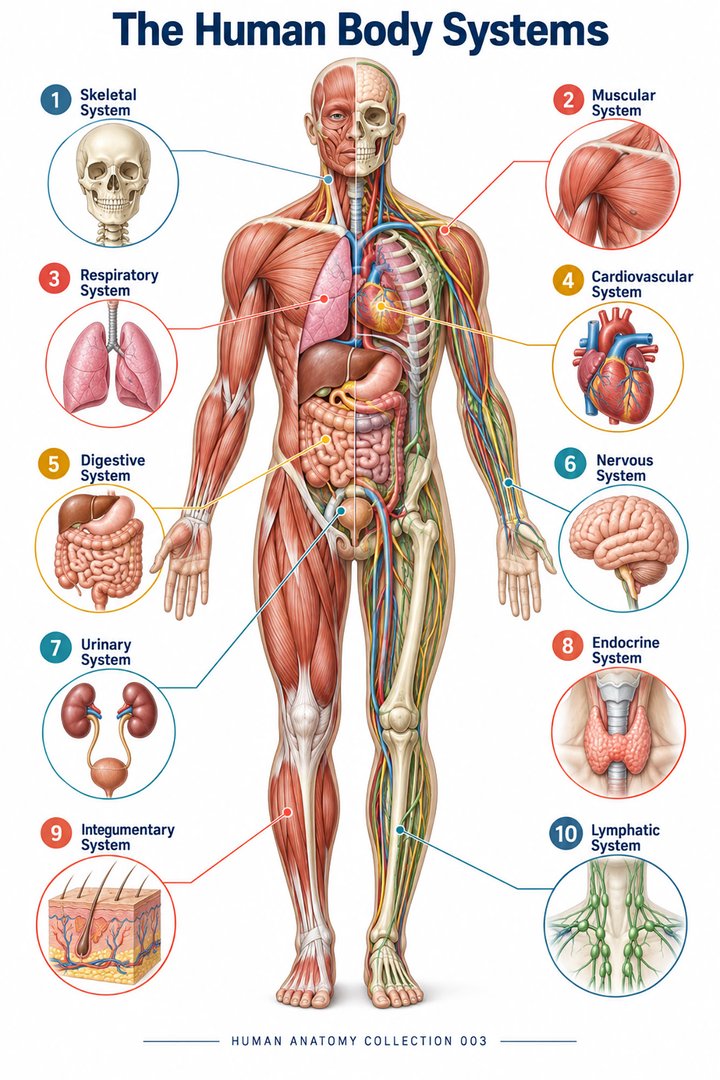 Human Body Systems ↗
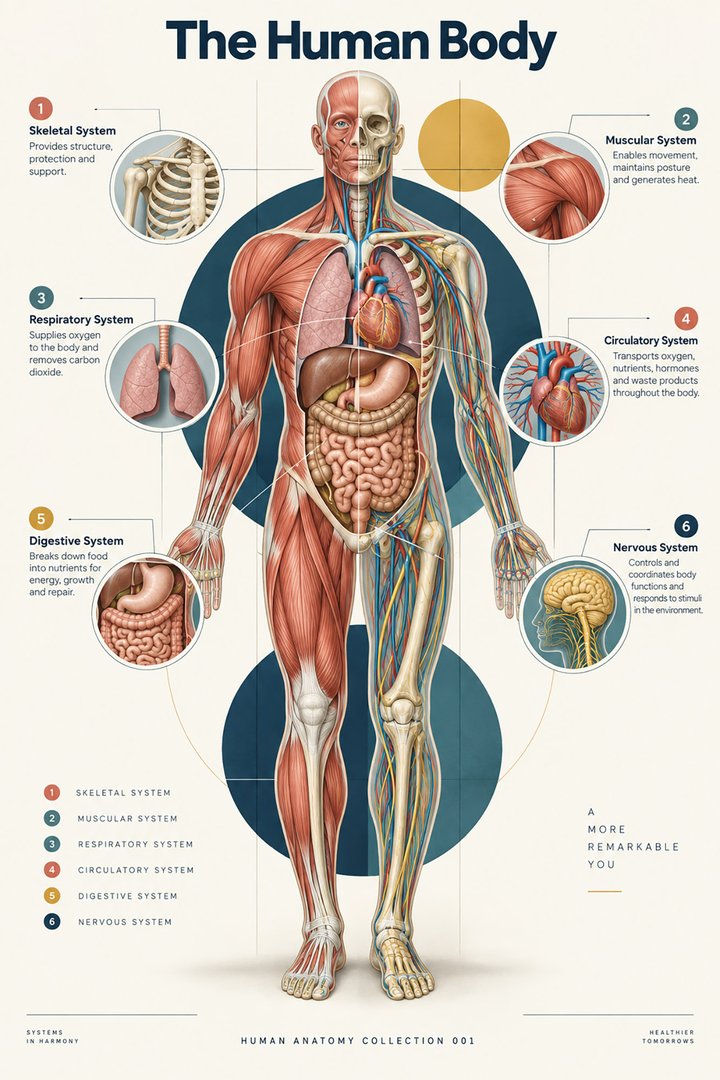 Human Body Facts ↗Human Anatomy and Physiology ↗
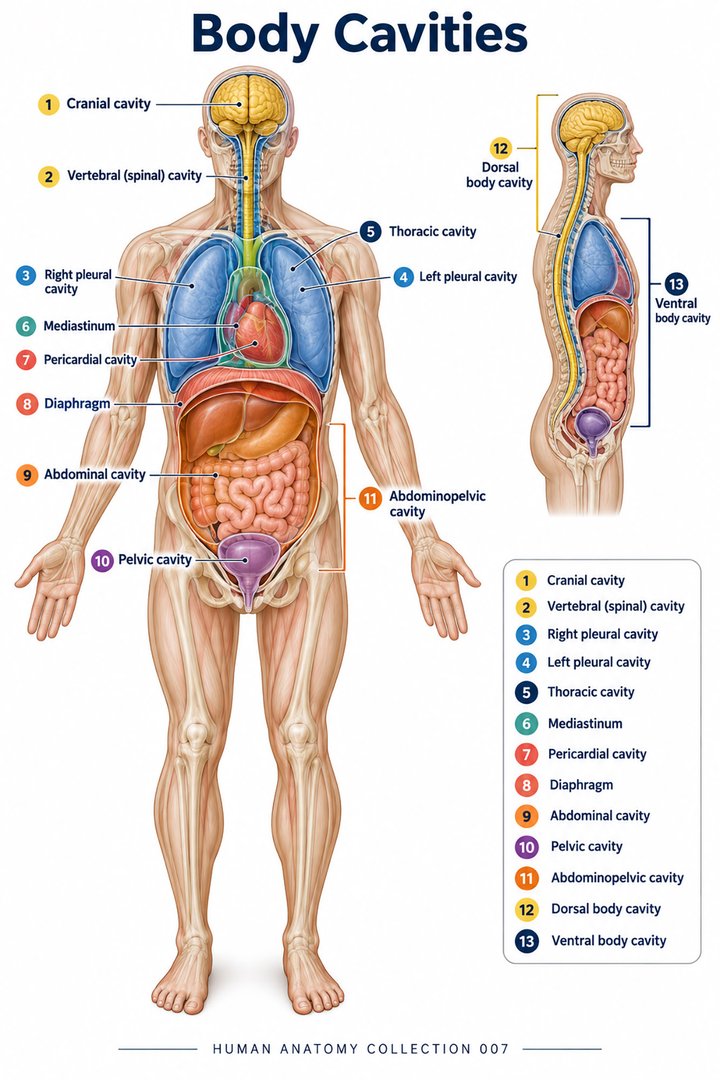 Human Body Cavities ↗Human Torso Anatomy ↗Human Digestive Tract ↗
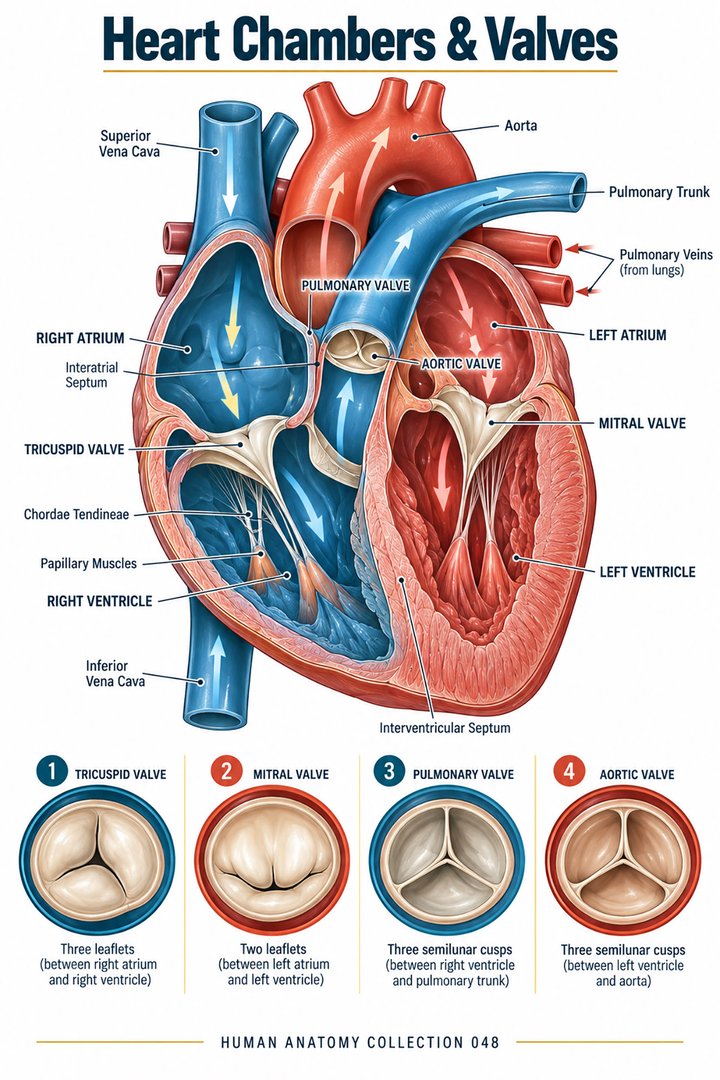 Human Heart Chambers ↗Human Organ Placement ↗
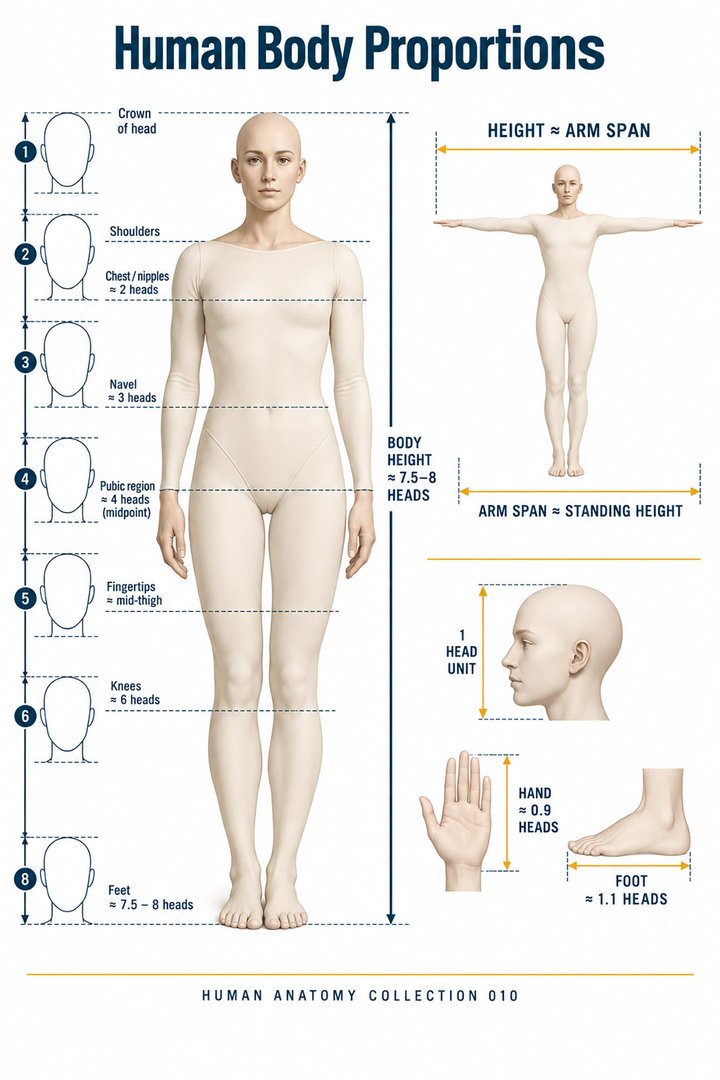 Human Body Proportions ↗
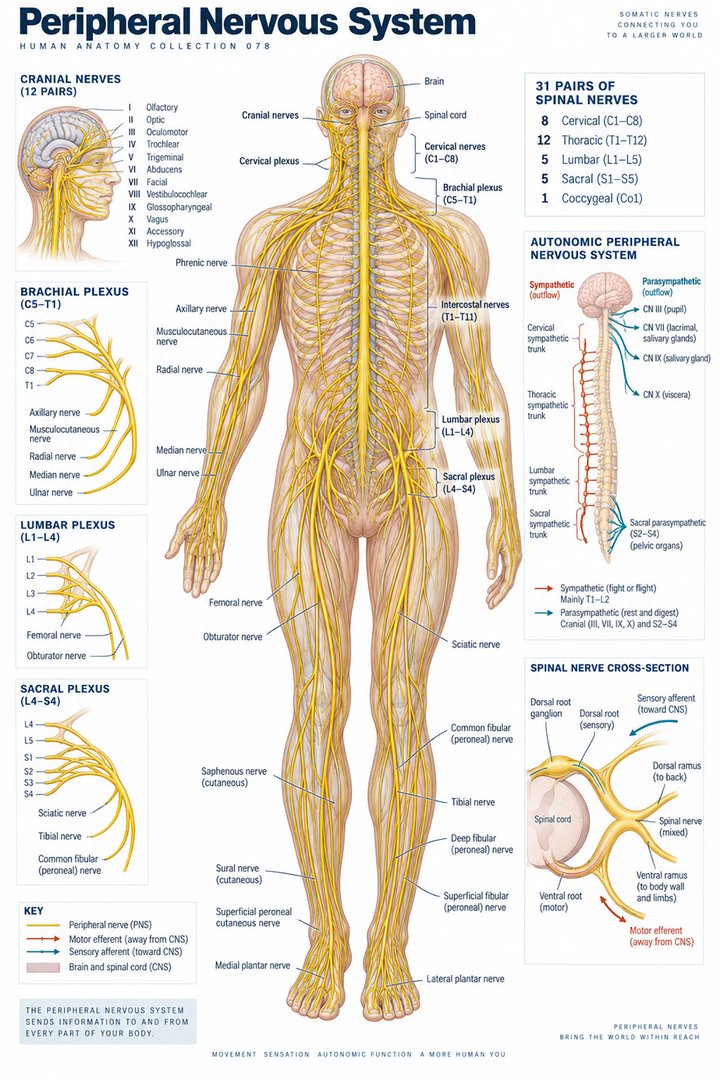 Peripheral Nervous System ↗
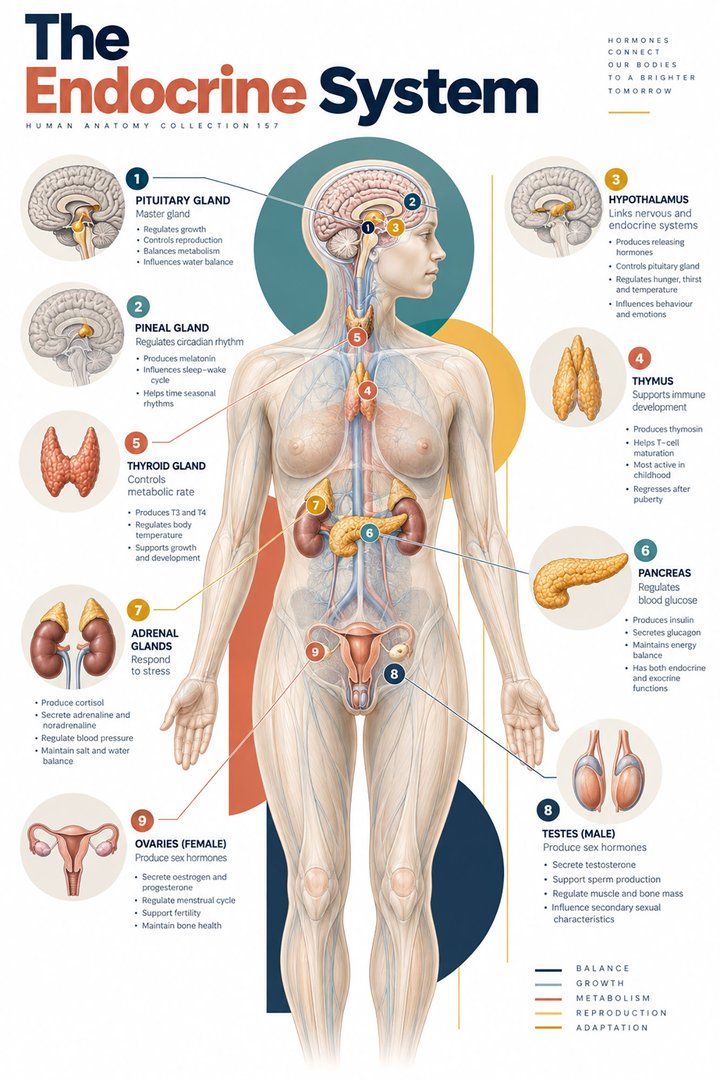 Human Endocrine Glands ↗
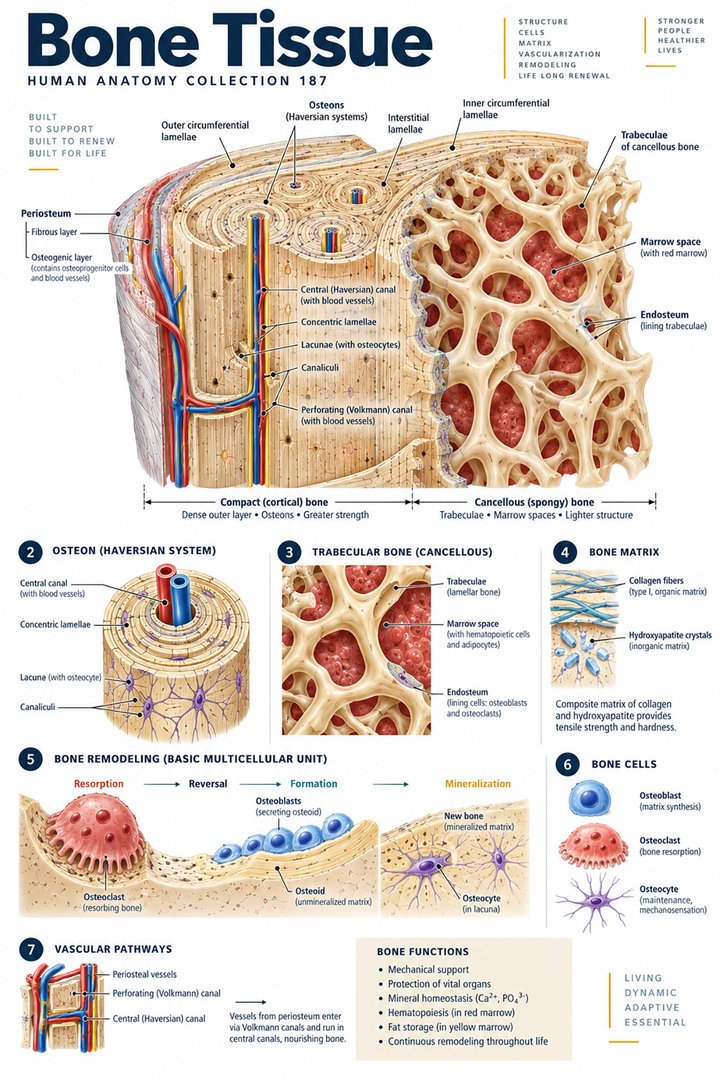 Human Bone Density ↗Human Blood Circulation ↗
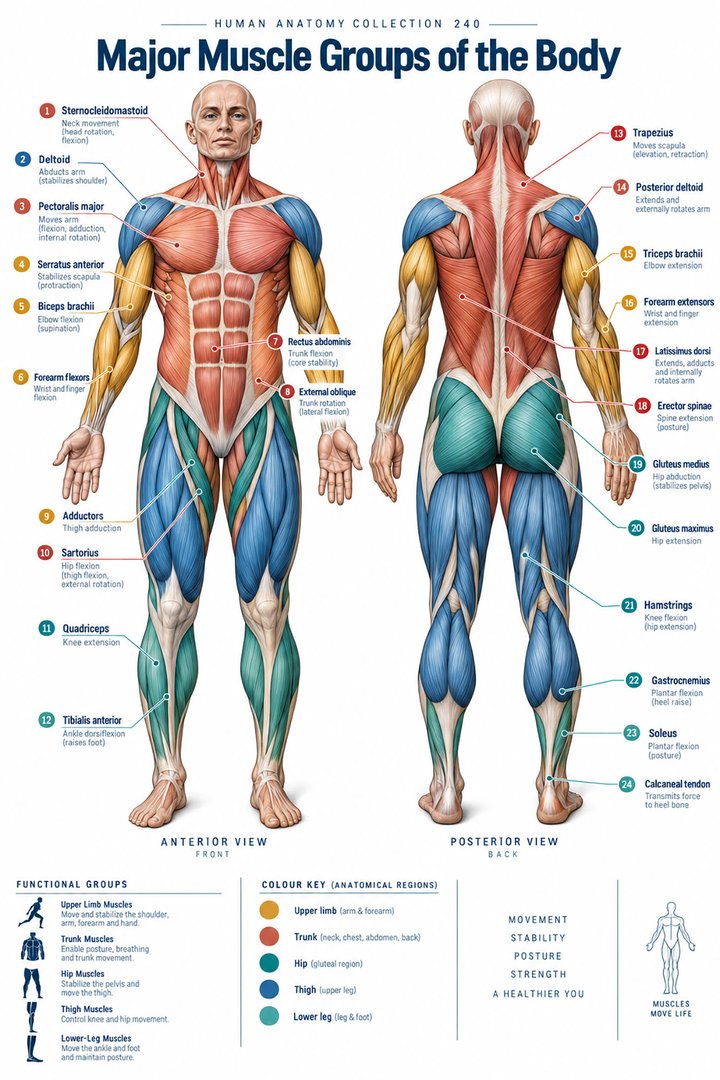 Human Muscle Groups ↗
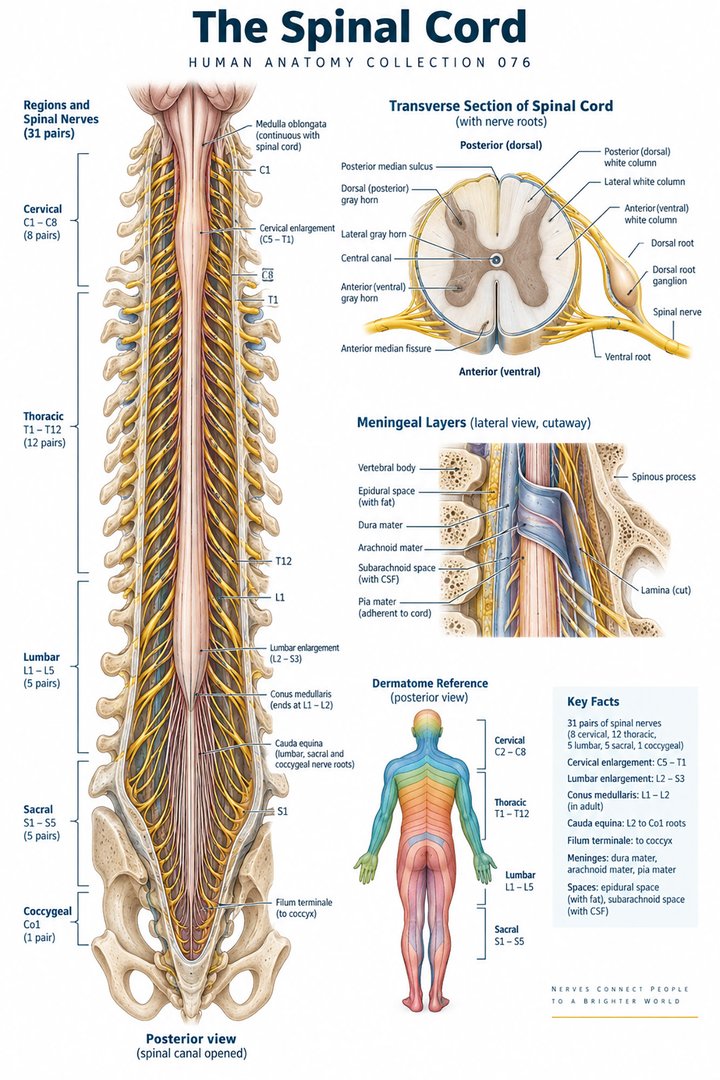 Human Spinal Cord ↗
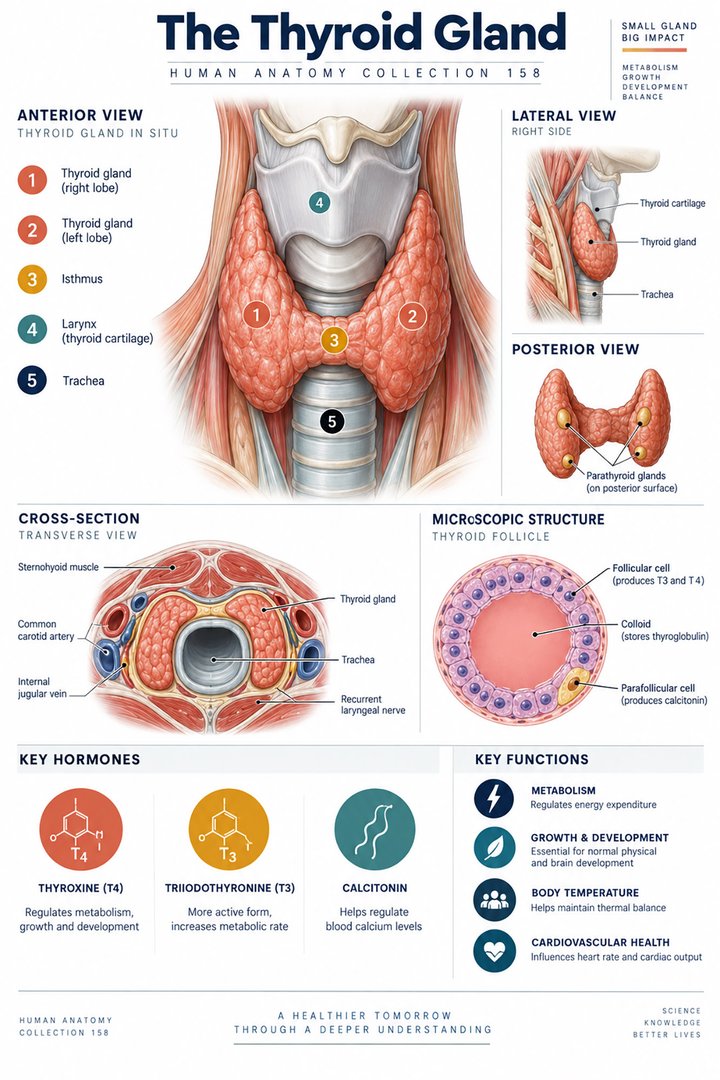 Human Thyroid Gland ↗
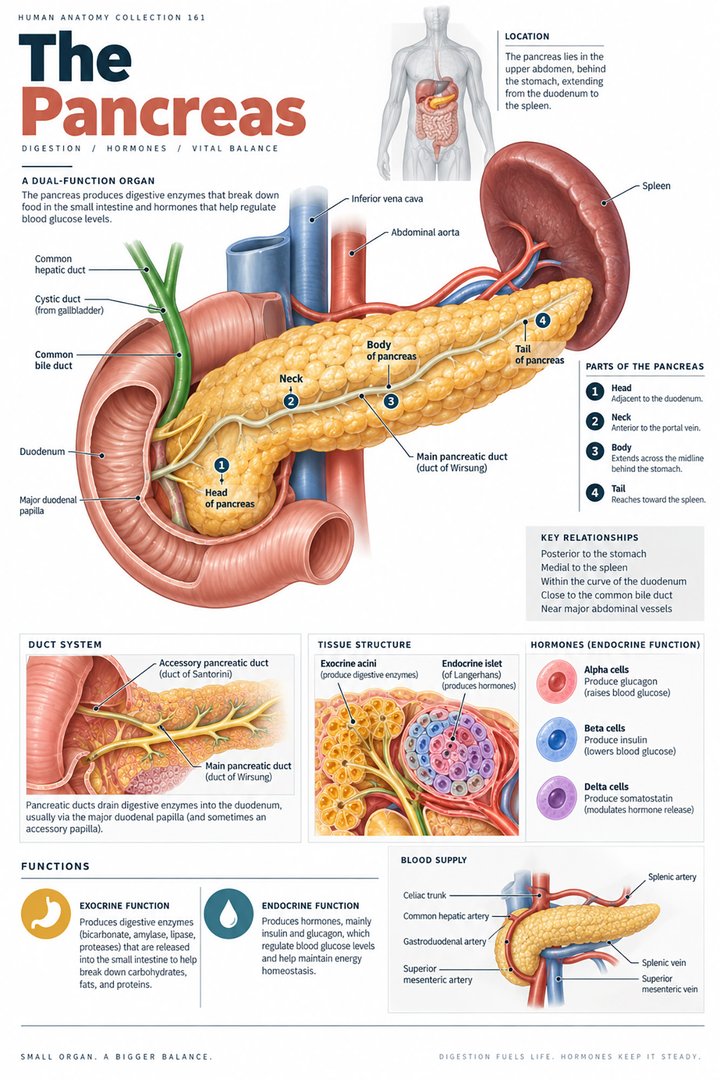 Human Pancreas Function ↗
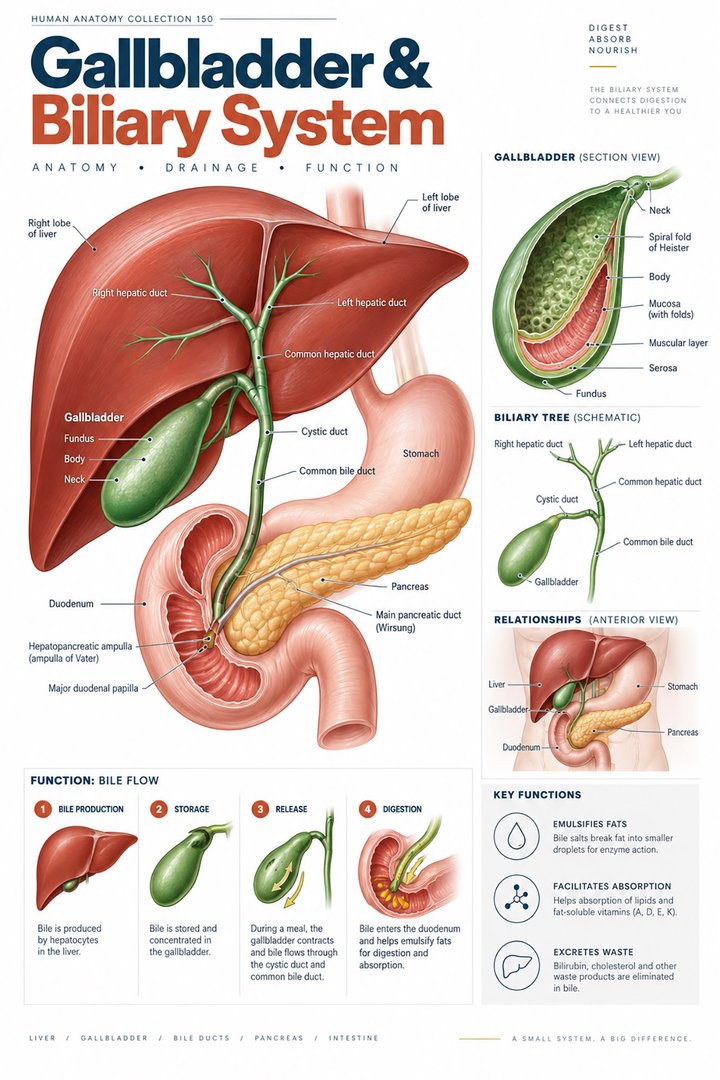 Human Gallbladder Anatomy ↗