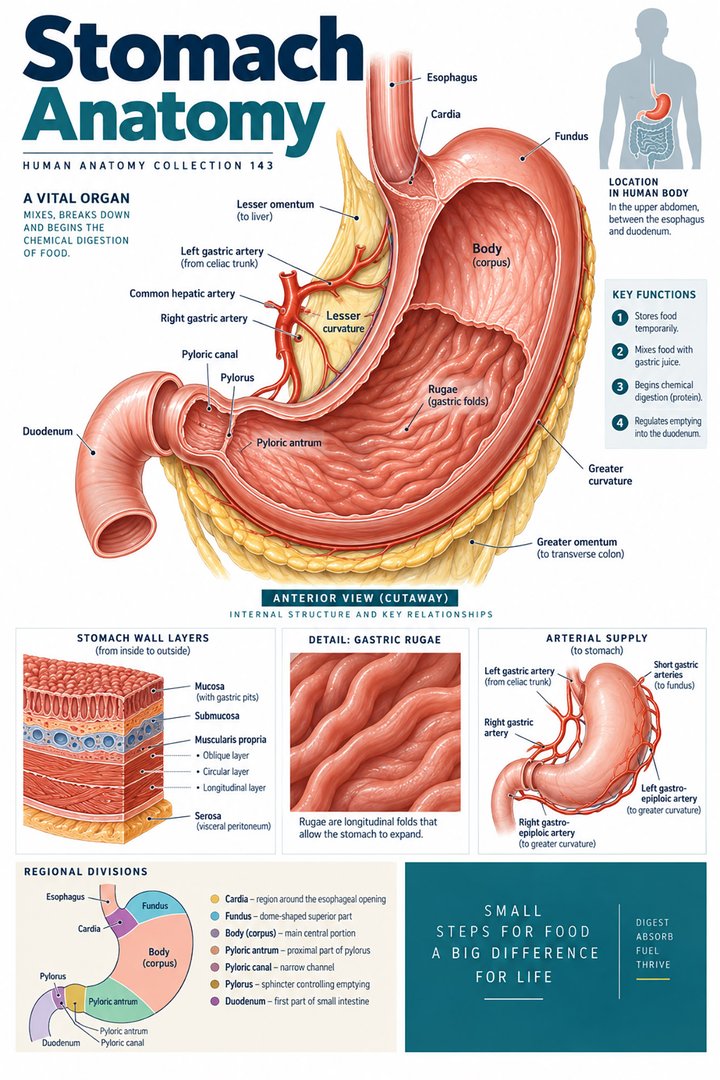
Stomach Anatomy
Individual poster · 300 DPI print files
Regular $9.90
Explore poster ↗$4.90USD
Offer price · Save $5.00Individual poster · 300 DPI print files
Reduced web preview. Separate high-resolution print files are supplied with the digital download.
ANATOMY 143
A modern anatomy illustration exploring stomach anatomy, designed for educational and decorative use.
Purchases are not available yet. Checkout and download delivery are being prepared.
Sold by Kunstolymp.de · Germany
Compare prices & the complete collection ↗This is a DIGITAL DOWNLOAD. No physical product will be shipped. After purchase, download your files and print them at home, at a local print shop, or through an online professional printing service.
The separate 300 DPI print files are ideal for 24×36-inch posters (approximately 60×90 cm). ISO and 5×7 formats are included. The white border lets you adjust the layout or trim to fit other frame sizes; check the preview before printing to keep the illustration and labels visible.
The planned bundle delivery includes a PDF information sheet with a link to the relevant Google Drive folder and download instructions. The store is currently in preview and purchases are not yet available.
A science-inspired choice for a student’s study corner, an educator’s classroom, or an anatomy enthusiast’s wall. Final licensing terms will apply.
CLINICAL CONTEXT
The stomach stores food, mixes it with acid and enzymes, and meters chyme into the duodenum. Its regions include cardia, fundus, body, antrum, and pylorus; rugae allow expansion, while mucous and bicarbonate barriers protect epithelium from acid. Parietal cells secrete hydrochloric acid and intrinsic factor, chief cells release pepsinogen, and endocrine cells coordinate secretion and motility. Vagal input, hormones, and enteric circuits regulate gastric function. This anatomy helps clinicians interpret epigastric pain, early satiety, nausea, vomiting, bloating, bleeding, or weight loss while considering adjacent oesophageal, biliary, pancreatic, cardiac, and systemic causes.
Dyspepsia is a symptom pattern that can include post-meal fullness, early satiation, epigastric discomfort, or burning. Gastritis and gastropathy may be related to Helicobacter pylori, non-steroidal anti-inflammatory drugs, alcohol, bile reflux, autoimmune disease, or critical illness. Peptic ulcers can cause gnawing or burning pain, nausea, and meal-related symptoms; H. pylori and NSAID exposure are major causes. Gastroparesis produces delayed emptying with nausea, vomiting, fullness, and upper abdominal discomfort, often in diabetes or after certain surgeries, but symptoms overlap with other disorders. Ask about bleeding, dysphagia, vomiting, medication and supplement use, alcohol, diabetes, pregnancy possibility, family history, and symptom effect on nutrition and daily function. Alarm features and patient age or risk should guide investigation rather than assumptions based on pain location alone.
Assessment may include abdominal examination, medication review, H. pylori testing, blood tests, and upper endoscopy with biopsy when clinically indicated. Imaging or gastric-emptying tests may be appropriate for selected presentations. Treatment targets the cause: eradication therapy for confirmed H. pylori, clinician-guided reduction or protection from ulcerogenic medicines, and acid suppression for selected ulcers or reflux-related symptoms. Gastritis care depends on aetiology. Gastroparesis management may include optimising glucose, reviewing drugs that slow motility, smaller frequent meals or texture modification with nutrition support, and selected prokinetic or antiemetic medicines. Persistent vomiting, malnutrition, obstruction, bleeding, or perforation requires escalation and sometimes endoscopic or surgical care.
Regular meals, avoiding individually recognised symptom triggers, smoking cessation, and dietitian support can improve comfort, but there is no universal “gastritis diet”; restrictive regimens may worsen nutrition. Ginger, herbal products, and acupuncture have not replaced established diagnosis or treatment, and evidence varies. Supplements may interact with anticoagulants, diabetes medicines, or acid-suppressing drugs. Discuss them openly. Sudden severe abdominal pain, vomiting blood or coffee-ground material, black stools, fainting, persistent vomiting, inability to keep fluids down, or progressive difficulty swallowing requires urgent medical assessment. This guide is for clinical learning, not a diagnosis.
Further reading: NIDDK: peptic ulcers · NIDDK: gastritis and gastropathy · NIDDK: gastroparesis treatment
Explain the working diagnosis, important alternatives, planned tests, expected course, and specific safety-netting in language the patient can use. Invite questions about treatment goals, capacity, cost, culture, and complementary therapies. Use a professional interpreter when language access could affect consent or understanding, and confirm clear arrangements for timely clinical review in writing. Document the reasoning, reassess response to treatment, and coordinate care across professions when illness affects more than one system. Teaching anatomy is most useful when it supports this partnership: accurate localisation, respectful listening, timely escalation, and a plan that remains responsive to the individual patient.
HUMAN ANATOMY COLLECTION · 001—300
A closer look at what makes us human. Discover anatomy posters for your study space, classroom, and everyday curiosity.
DIGITAL DOWNLOADS · 300 DPI PRINT FILES
EXPLORE BY SYSTEM
LEARN & EXPLORE
Detailed English guides with Latin terminology, diagrams, real images, and clinical learning connections.
 Human Anatomy Diagrams ↗
 Human Body Organs ↗
 Skeletal System Anatomy ↗
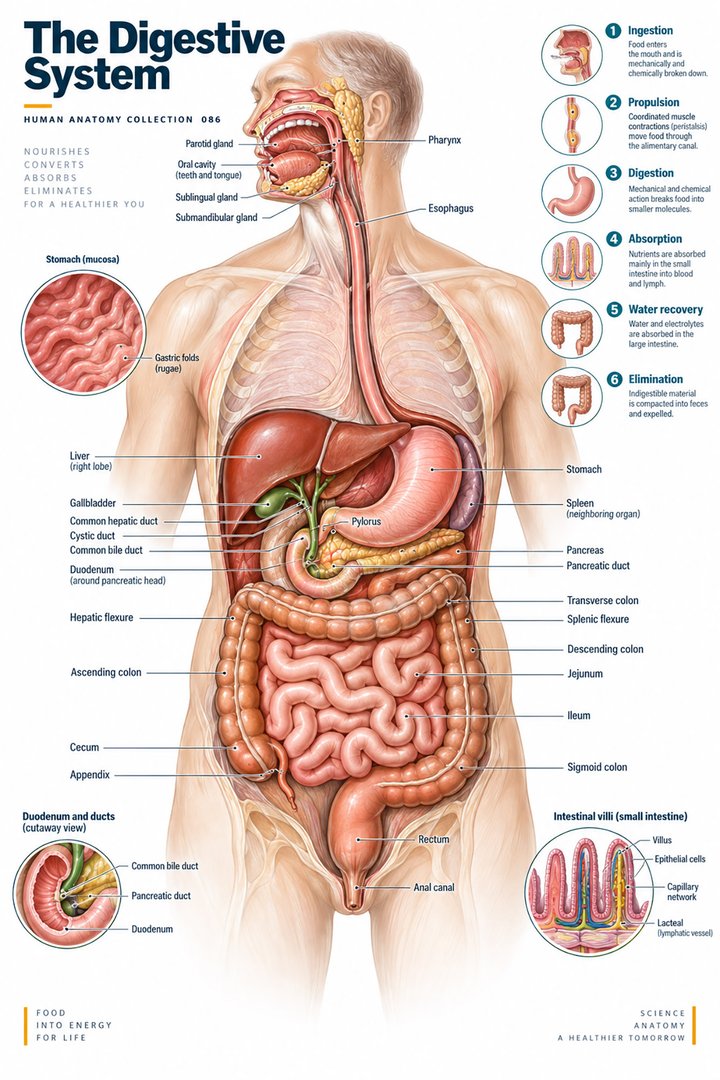 Human Digestive System ↗
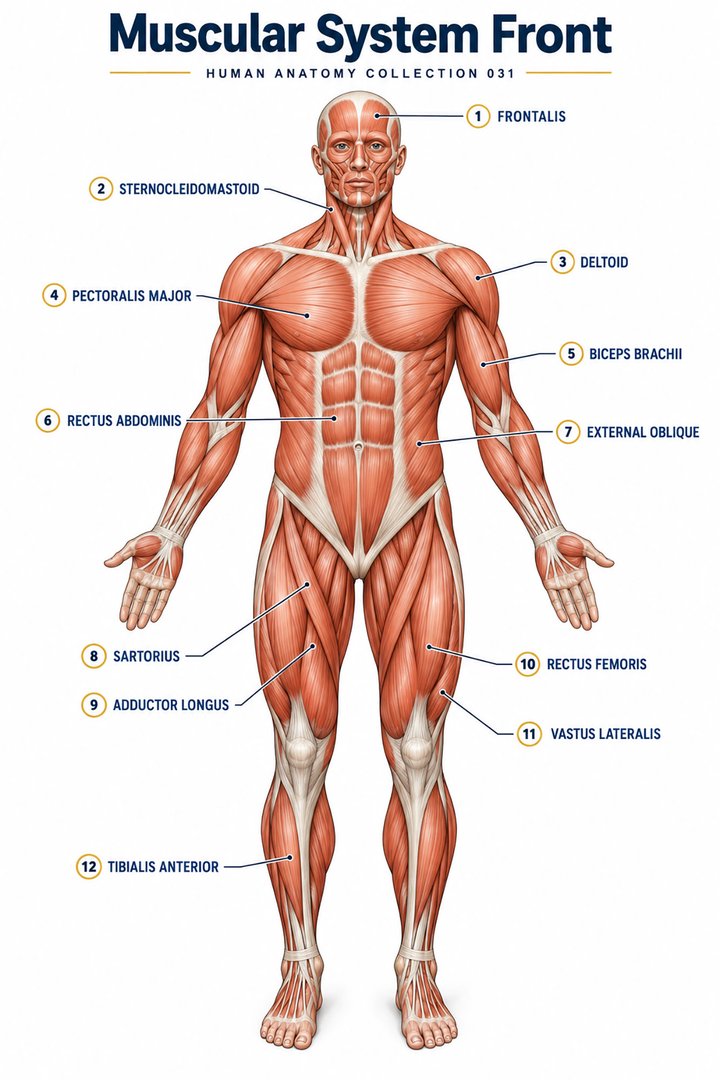 Muscular System Overview ↗
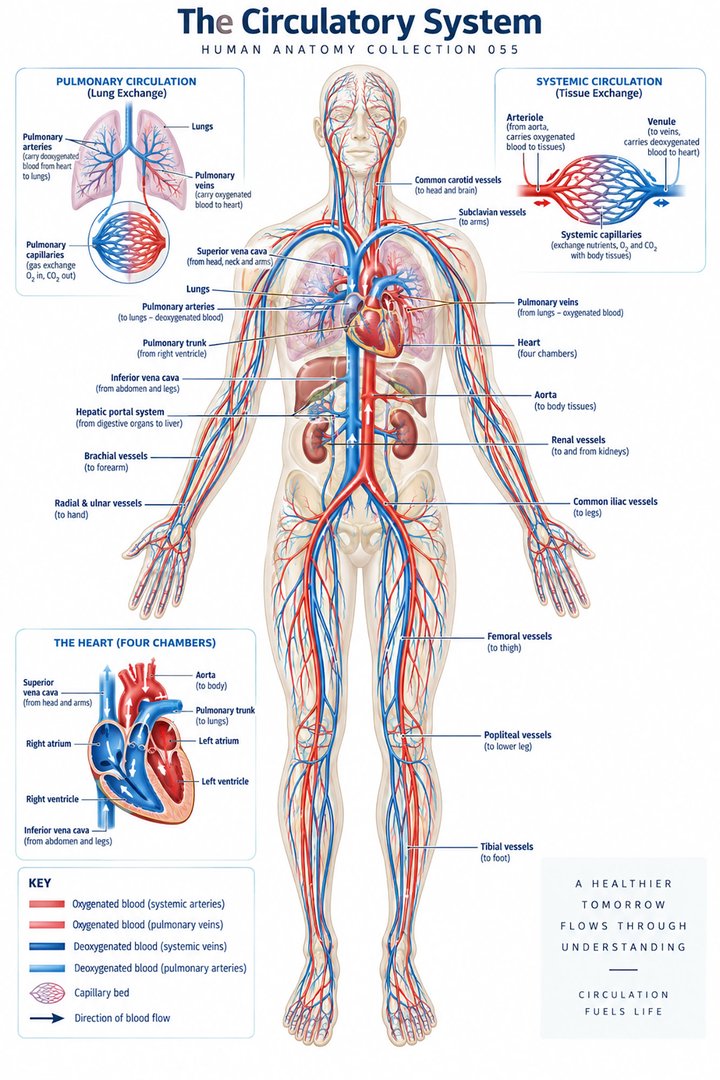 Human Circulatory System ↗
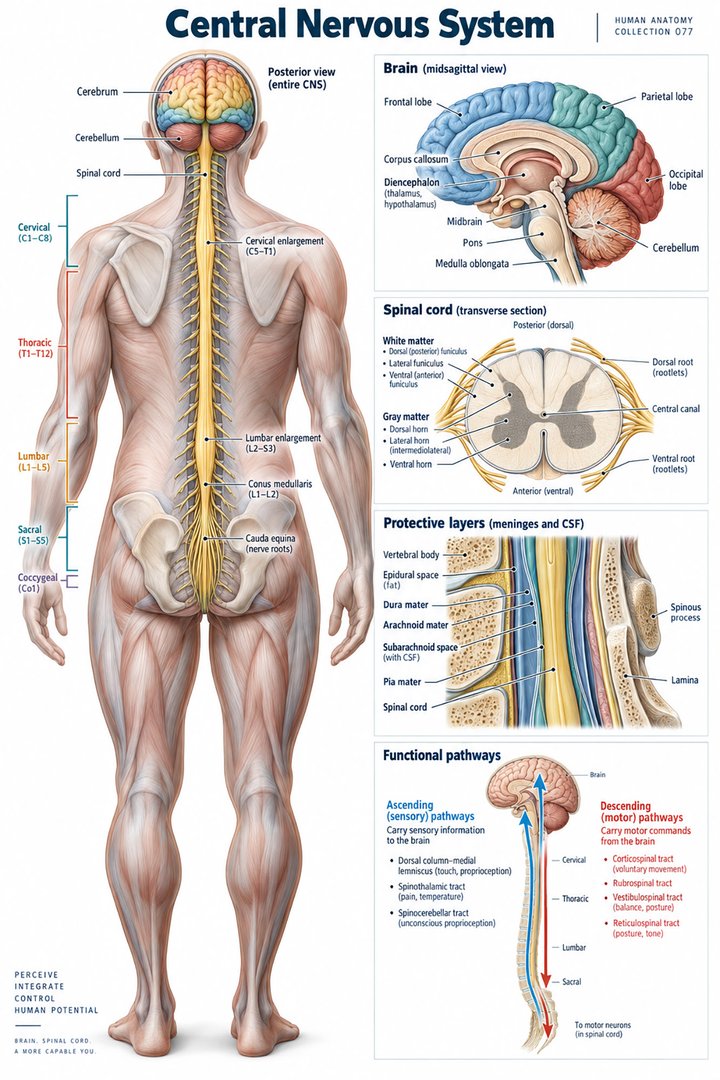 Human Nervous System ↗
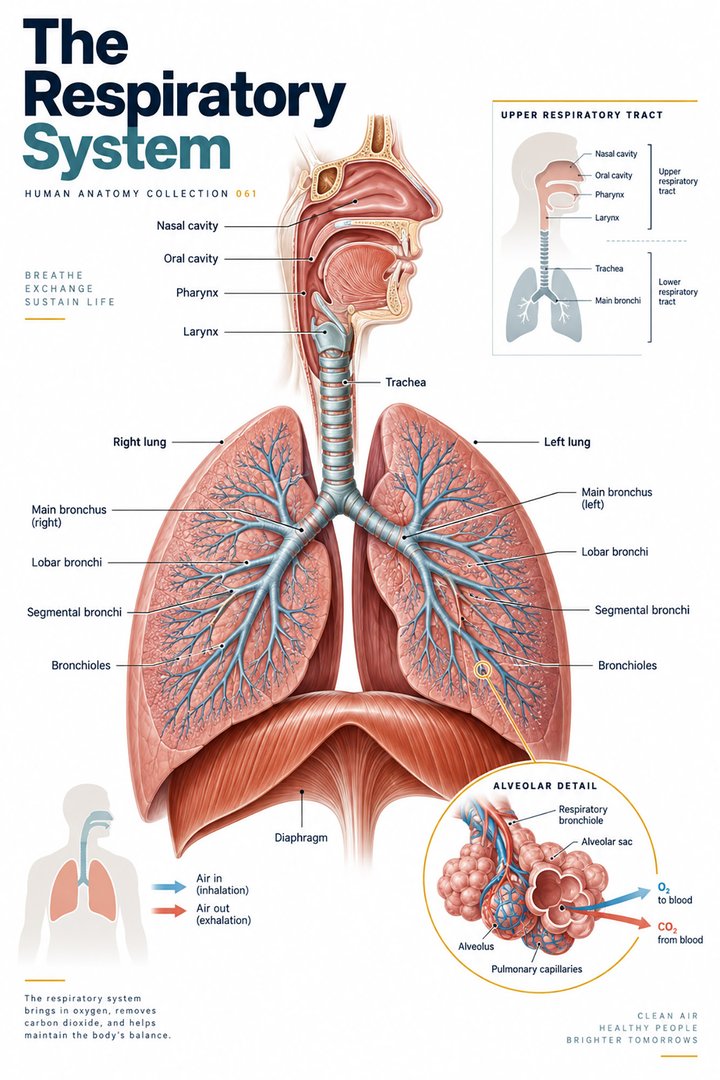 Respiratory System Functions ↗
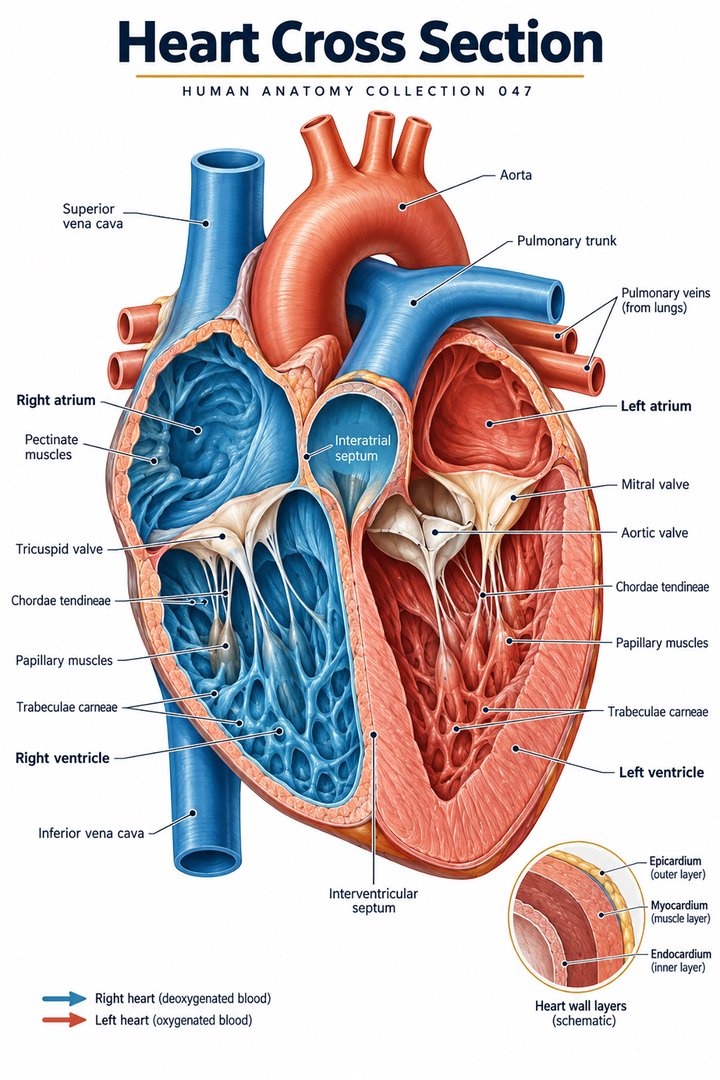 Human Heart Structure ↗
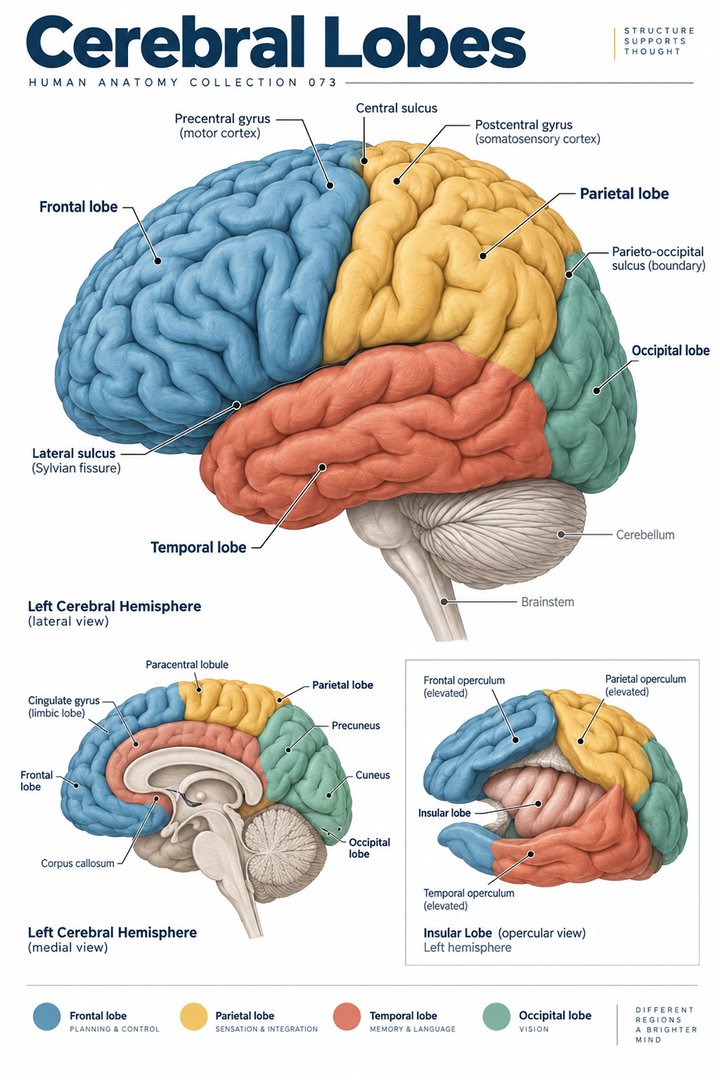 Human Brain Lobes ↗
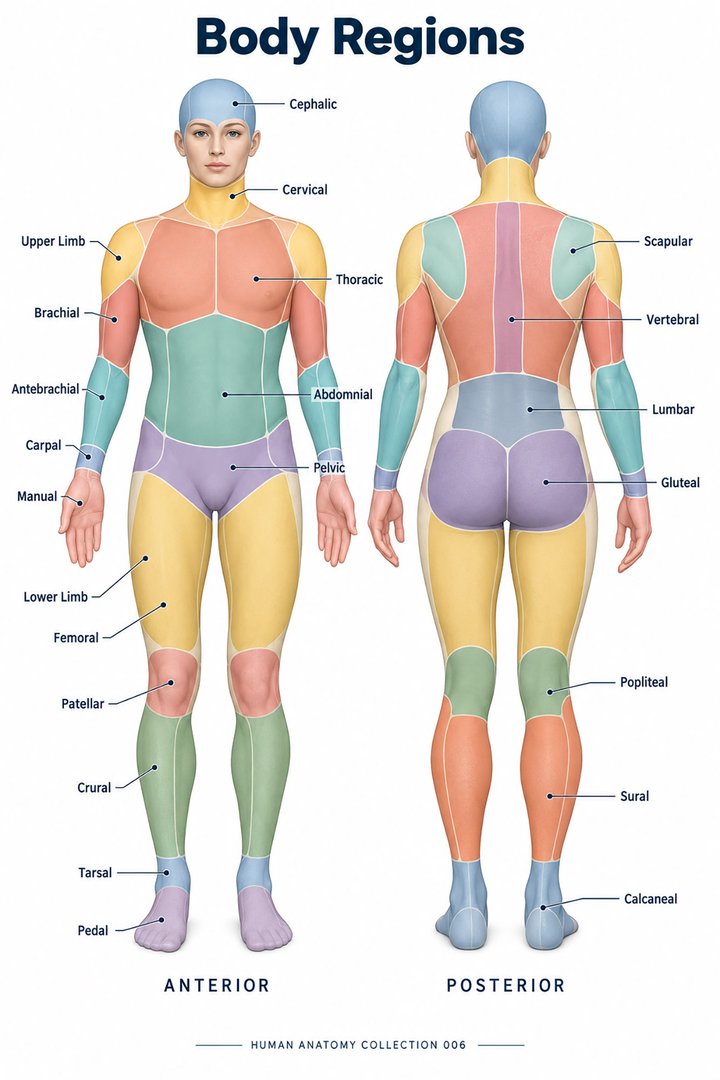 Human Body Parts ↗
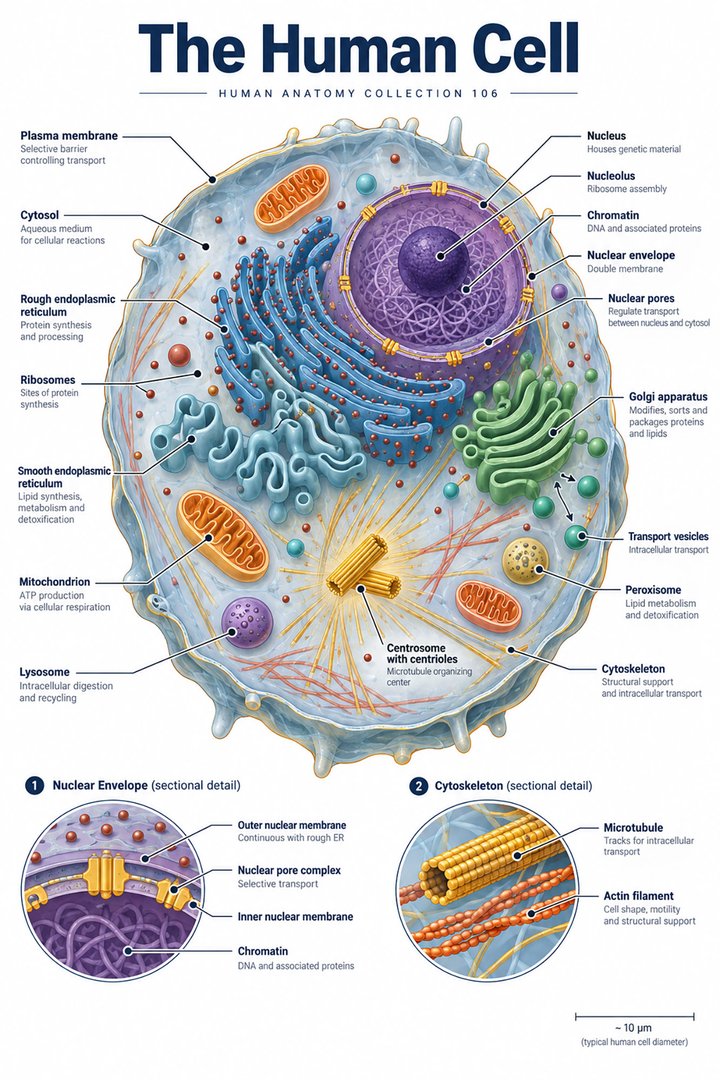 Human Cell Structure ↗
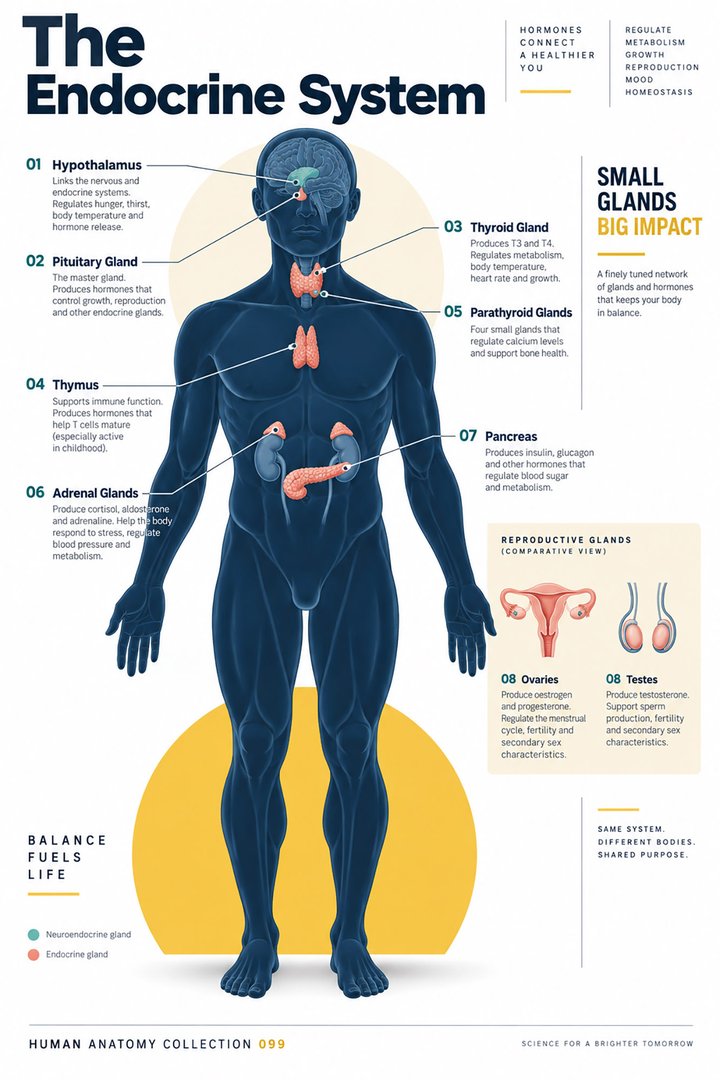 Human Endocrine System ↗
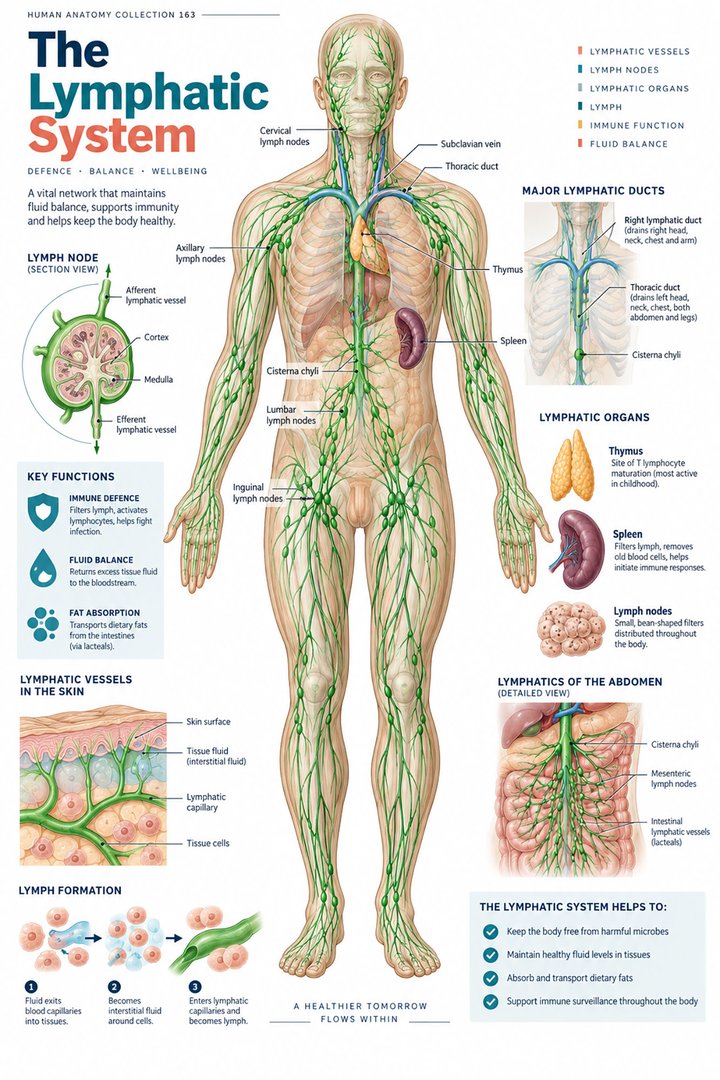 Human Lymphatic System ↗
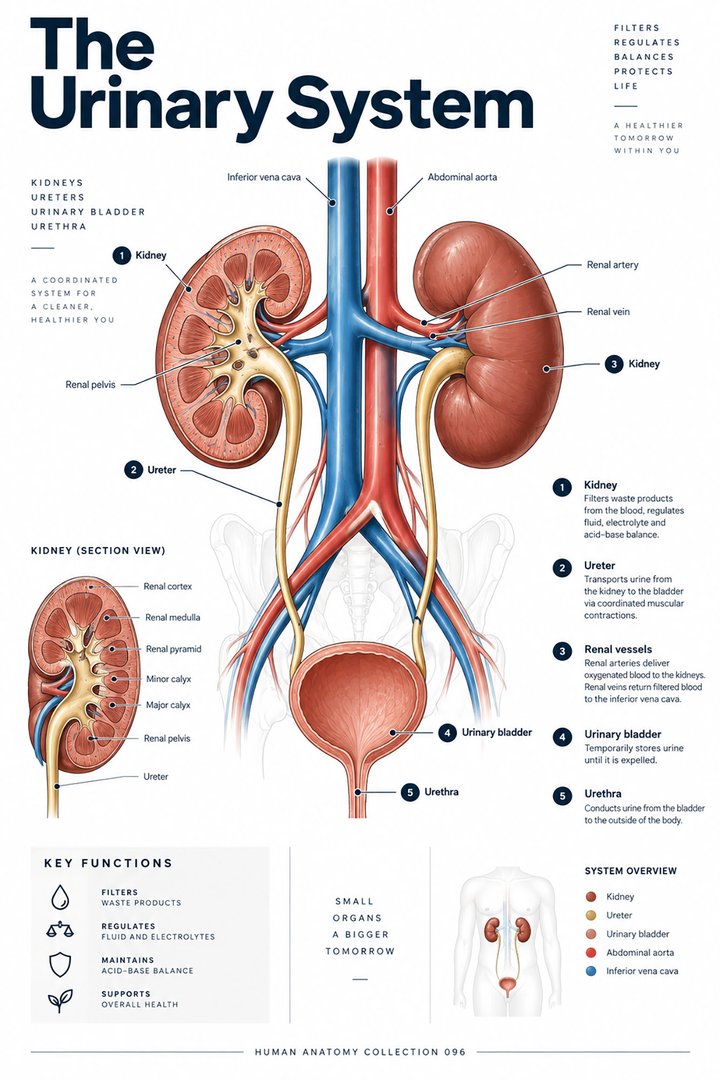 Human Urinary System ↗
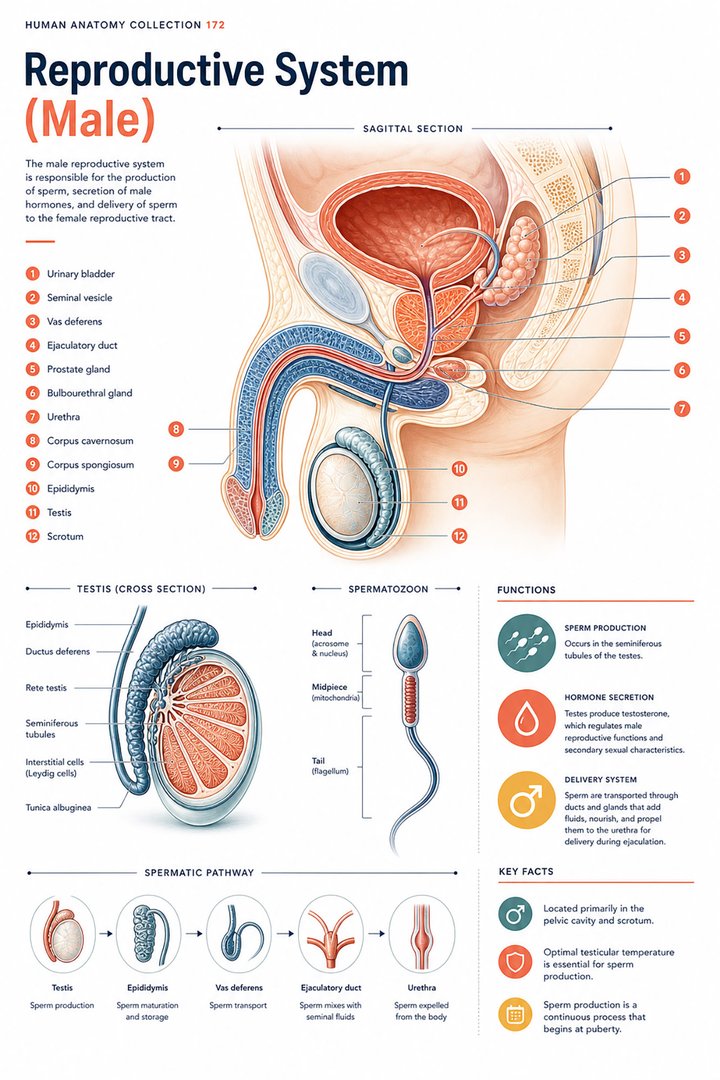 Male Reproductive System ↗
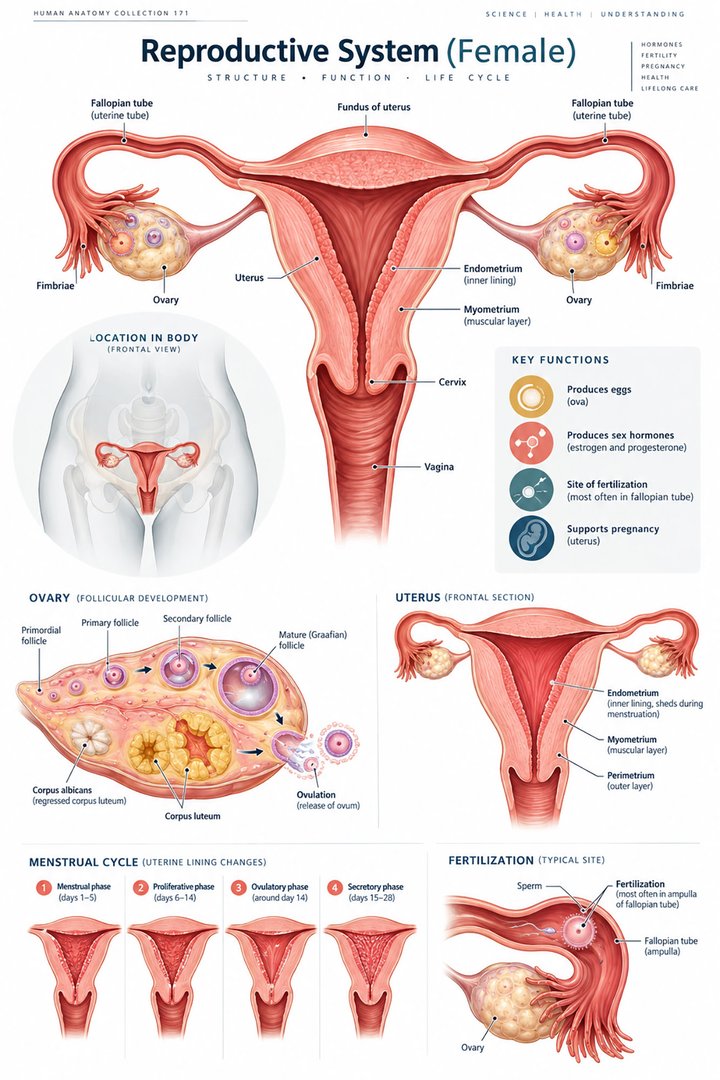 Female Reproductive System ↗
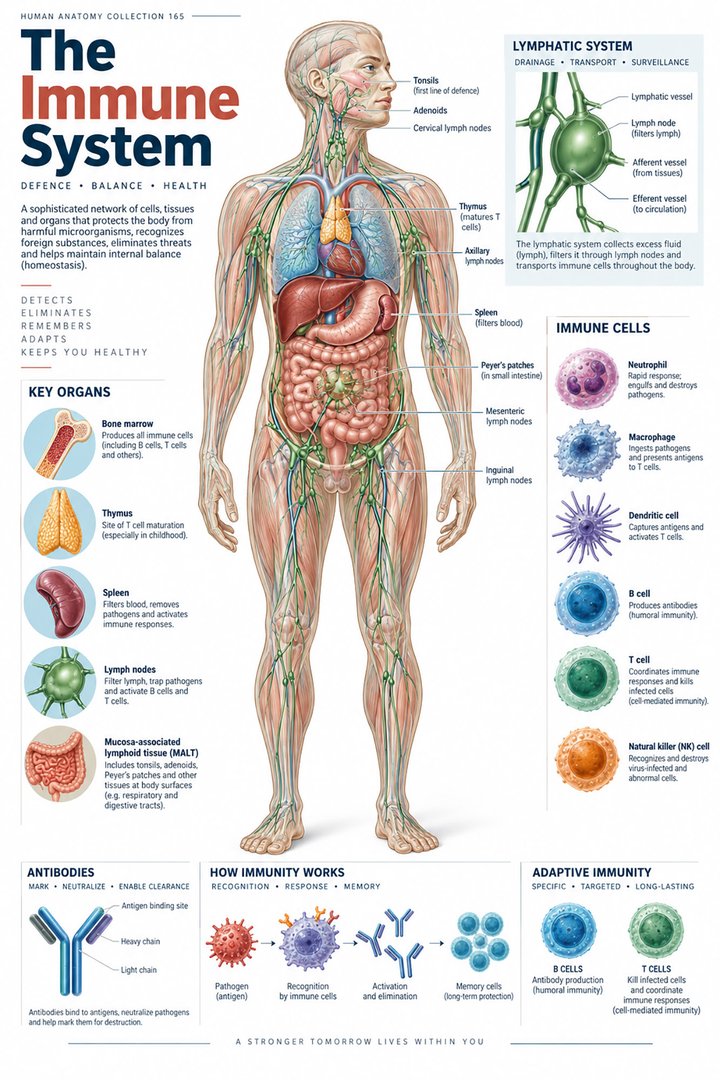 Human Immune System ↗Central Nervous System ↗
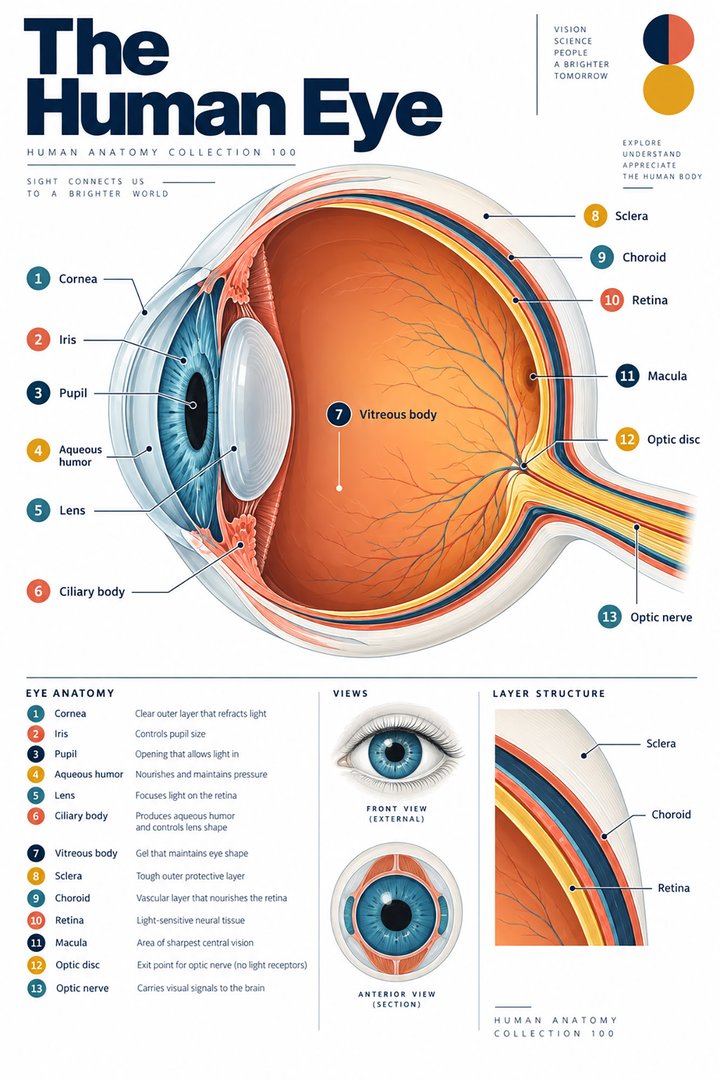 Human Eye Structure ↗
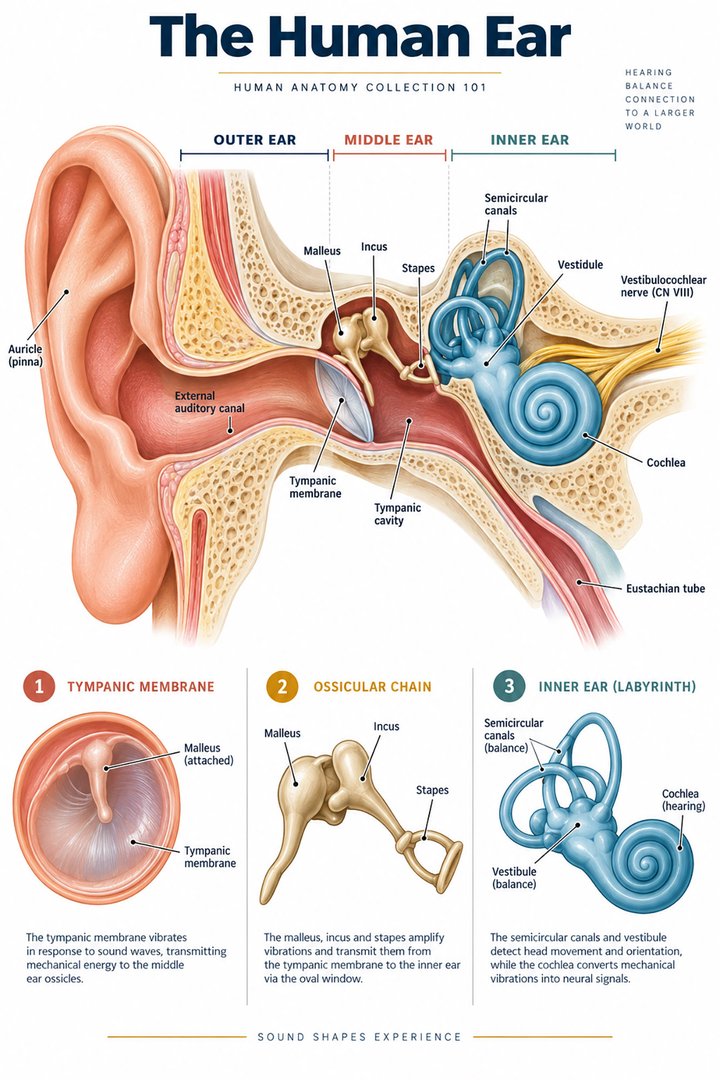 Human Ear Structure ↗
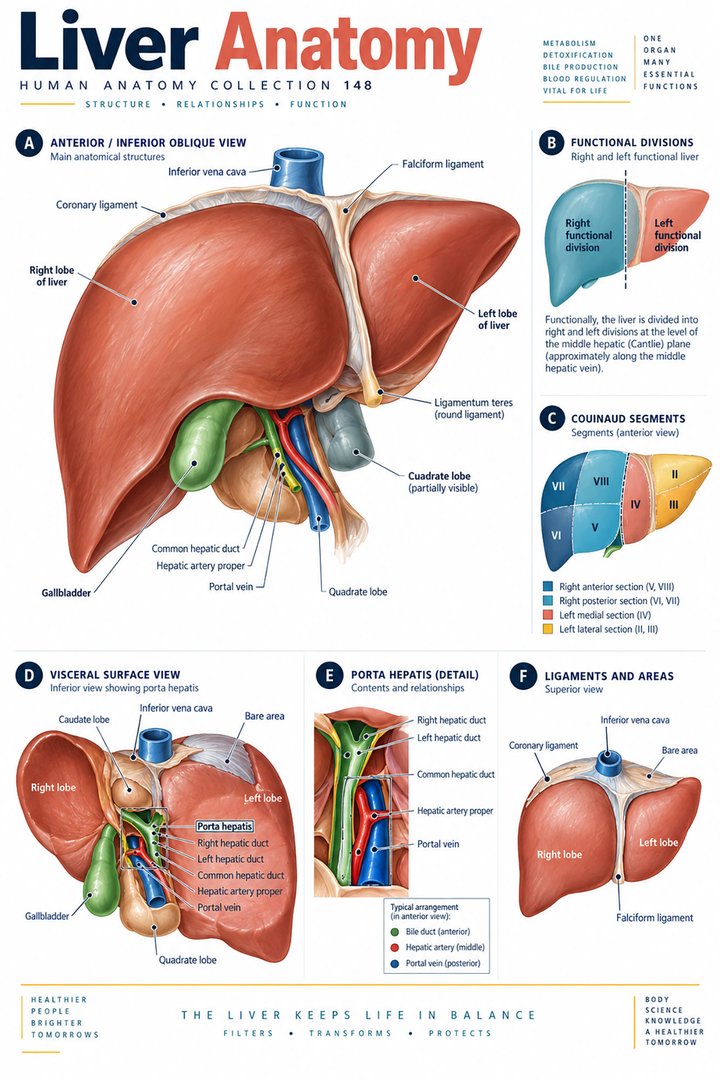 Human Liver Function ↗
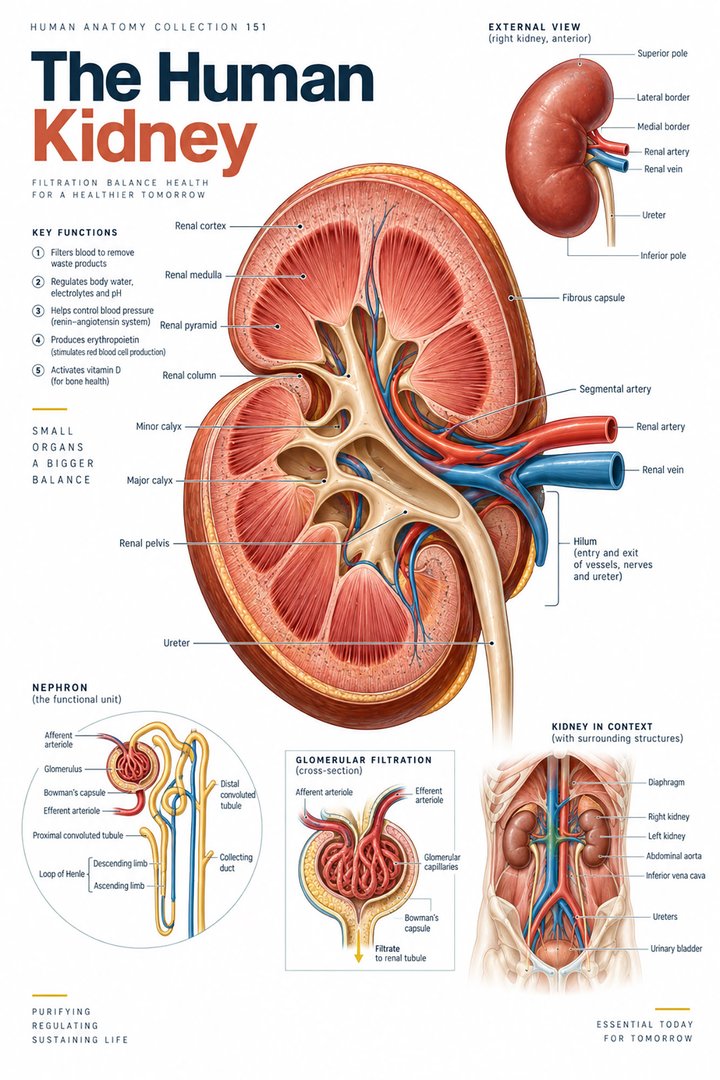 Human Kidney Anatomy ↗
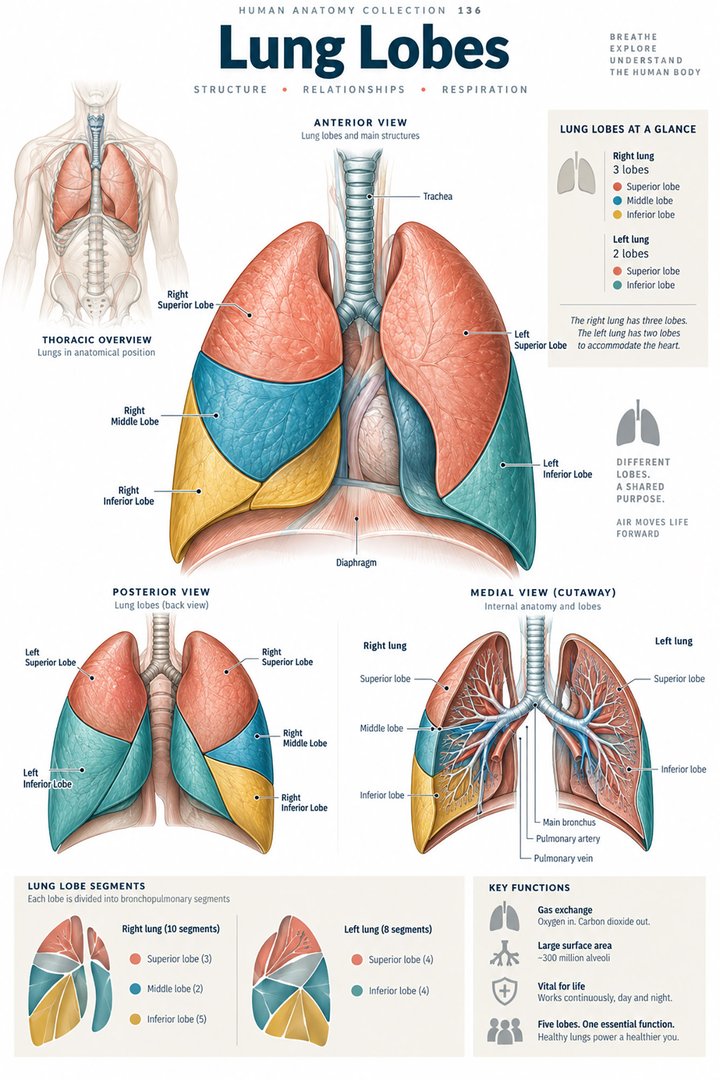 Human Lung Anatomy ↗Human Stomach Structure ↗
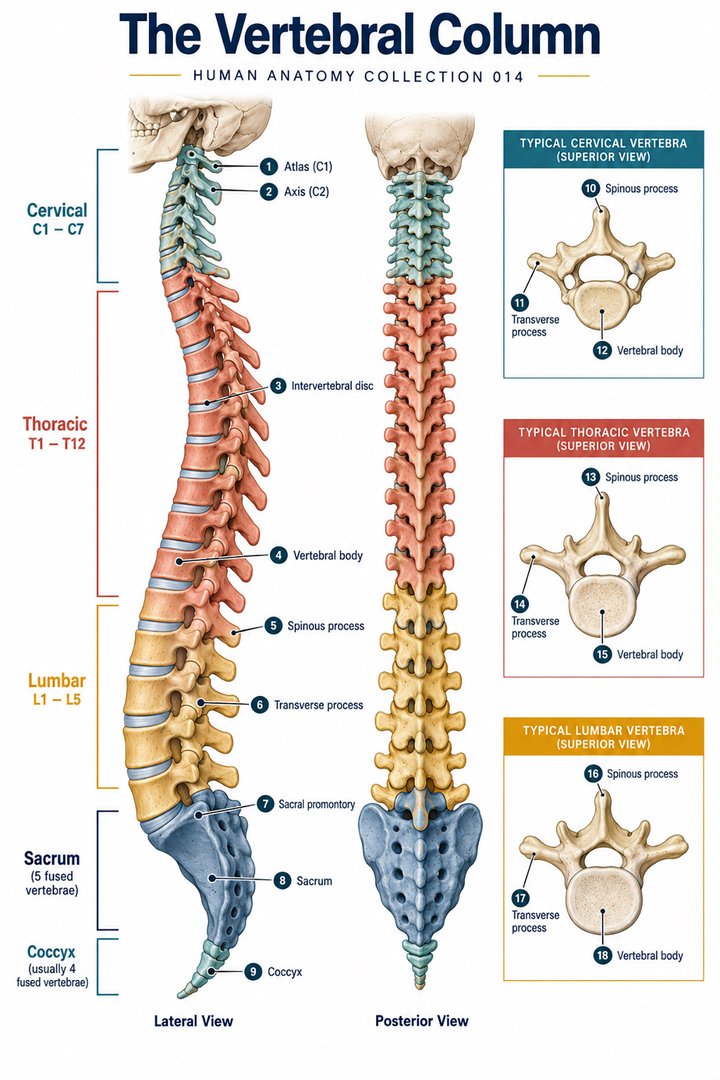 Human Spine Anatomy ↗
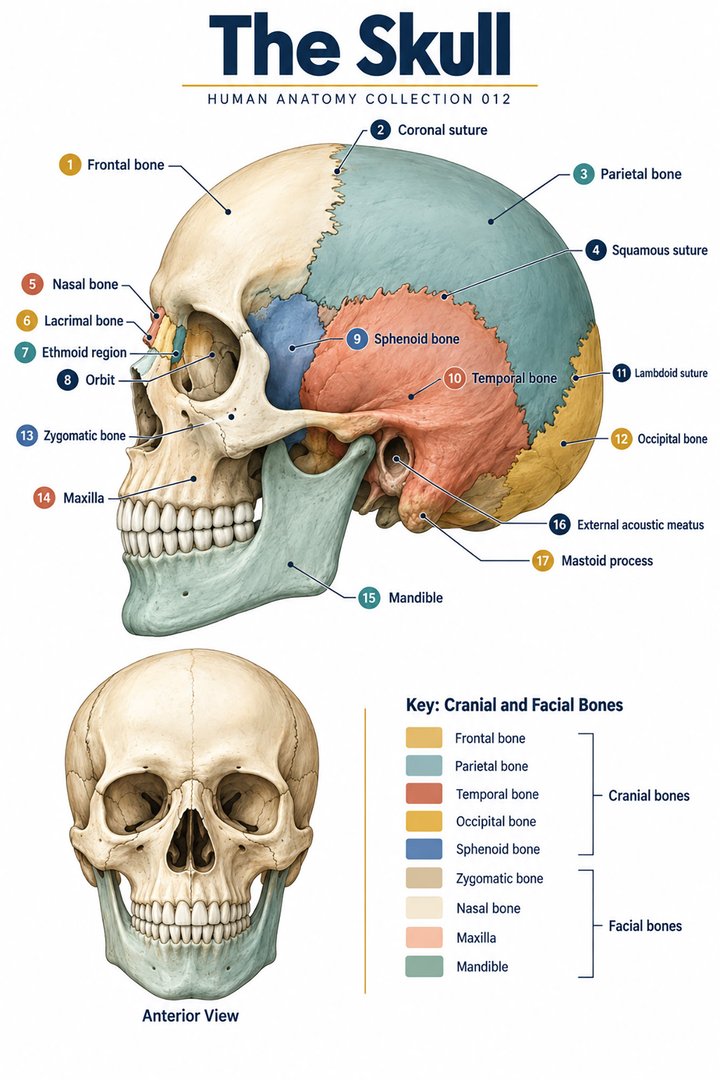 Human Skull Anatomy ↗
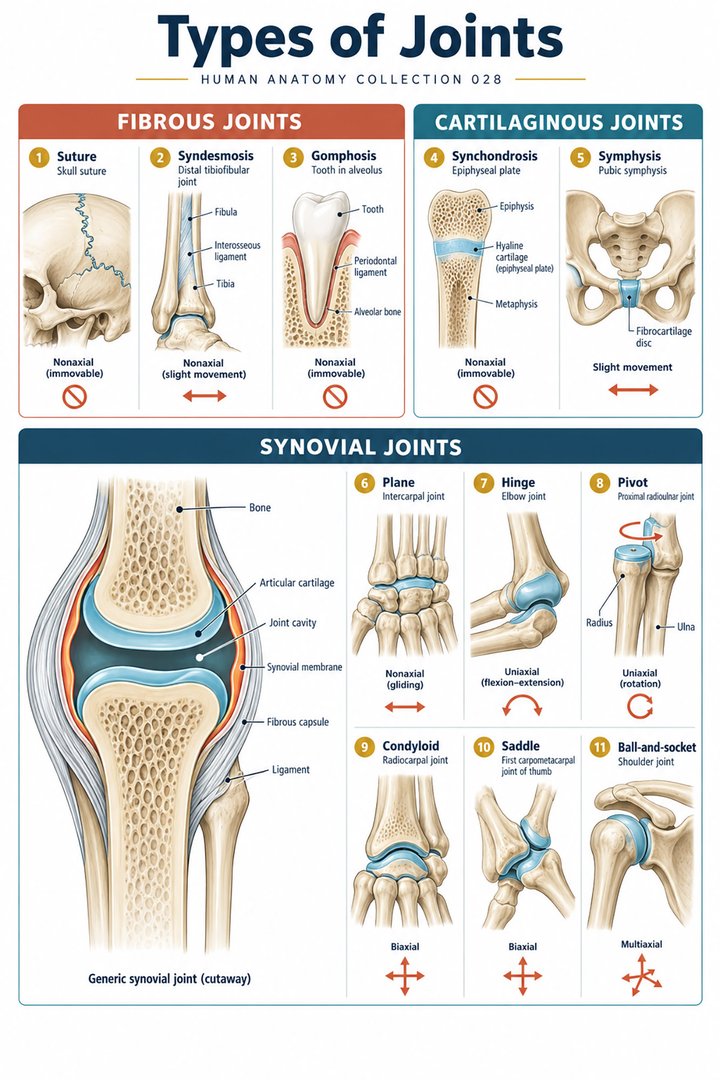 Human Joint Types ↗
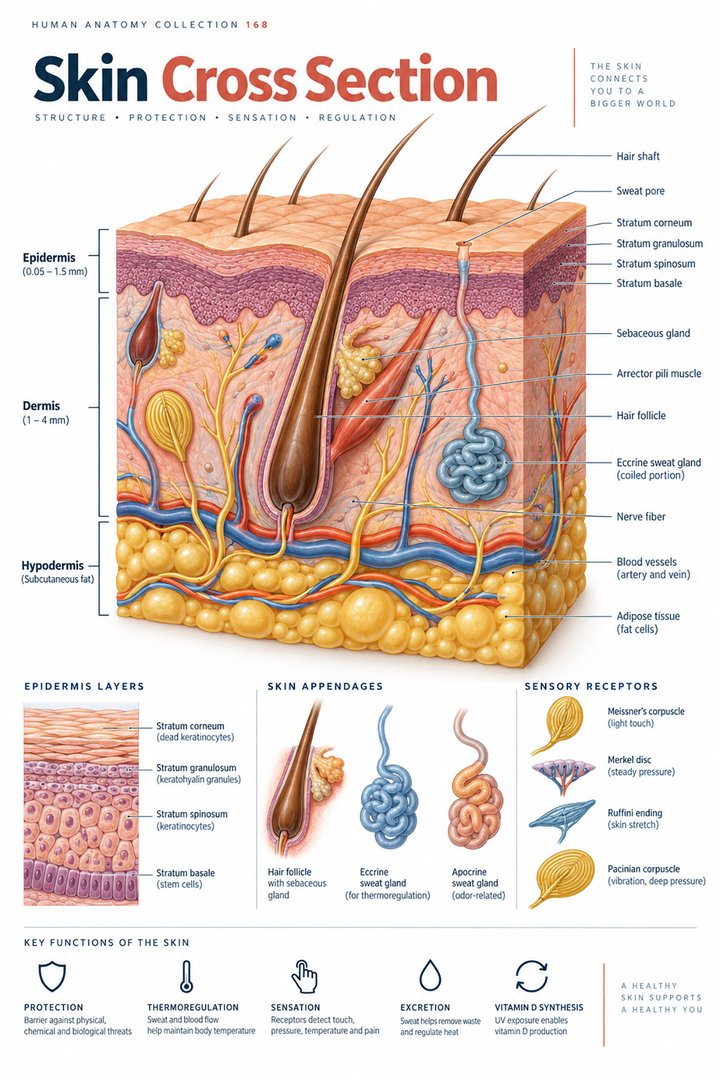 Human Skin Layers ↗
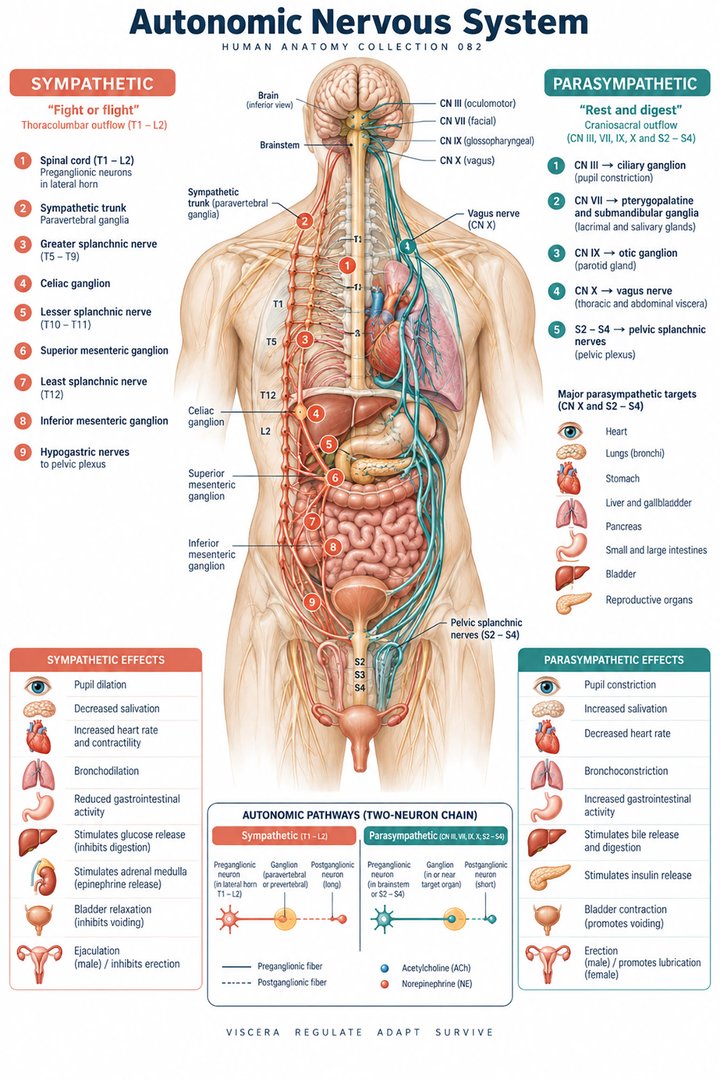 Autonomic Nervous System ↗
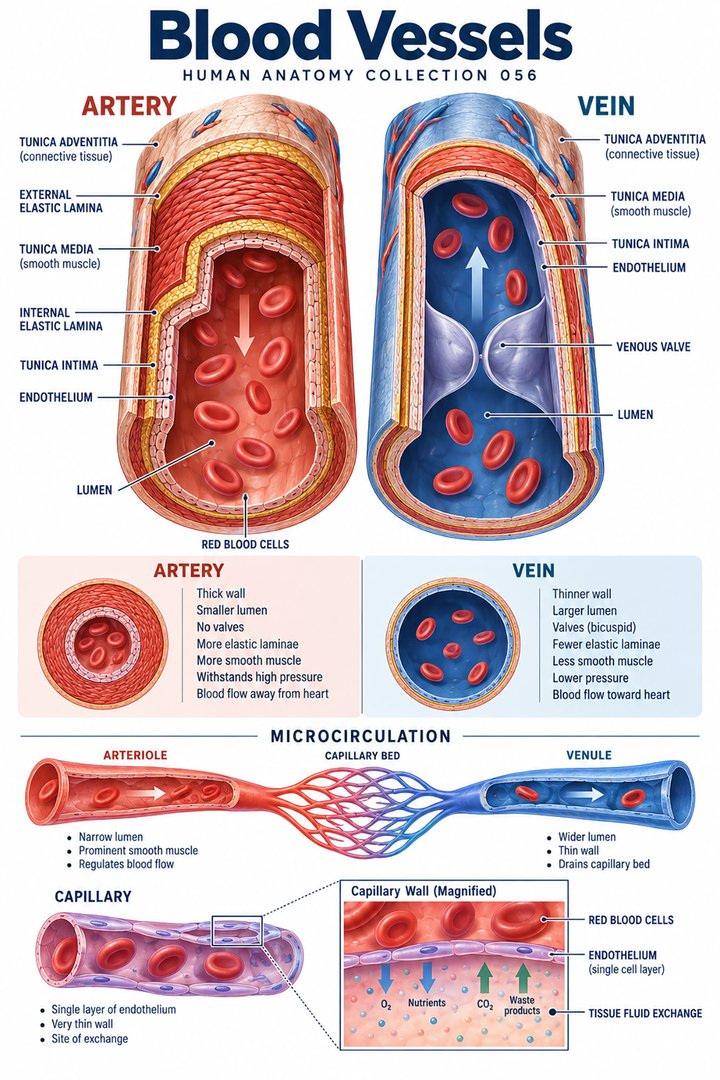 Human Blood Vessels ↗
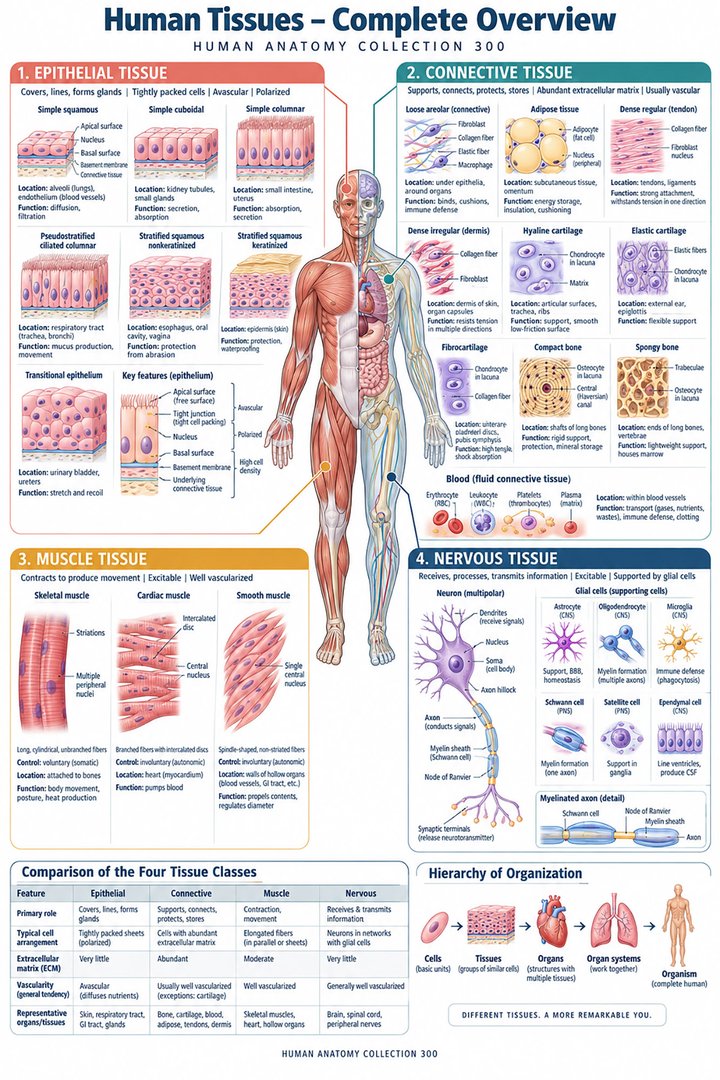 Human Body Tissues ↗
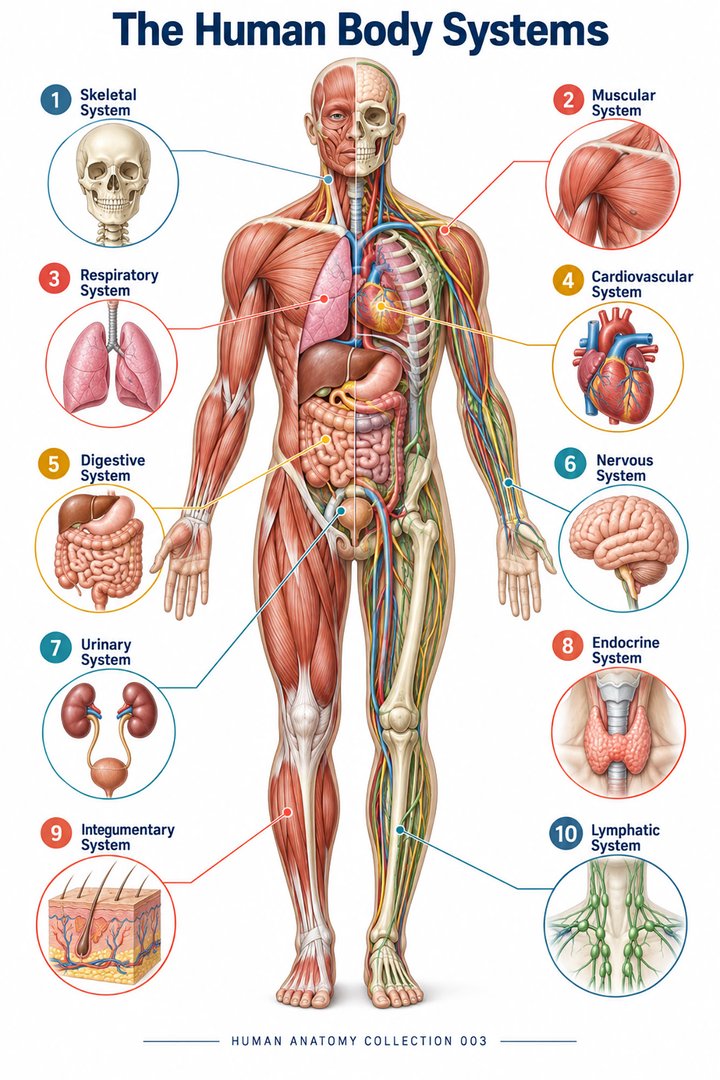 Human Body Systems ↗
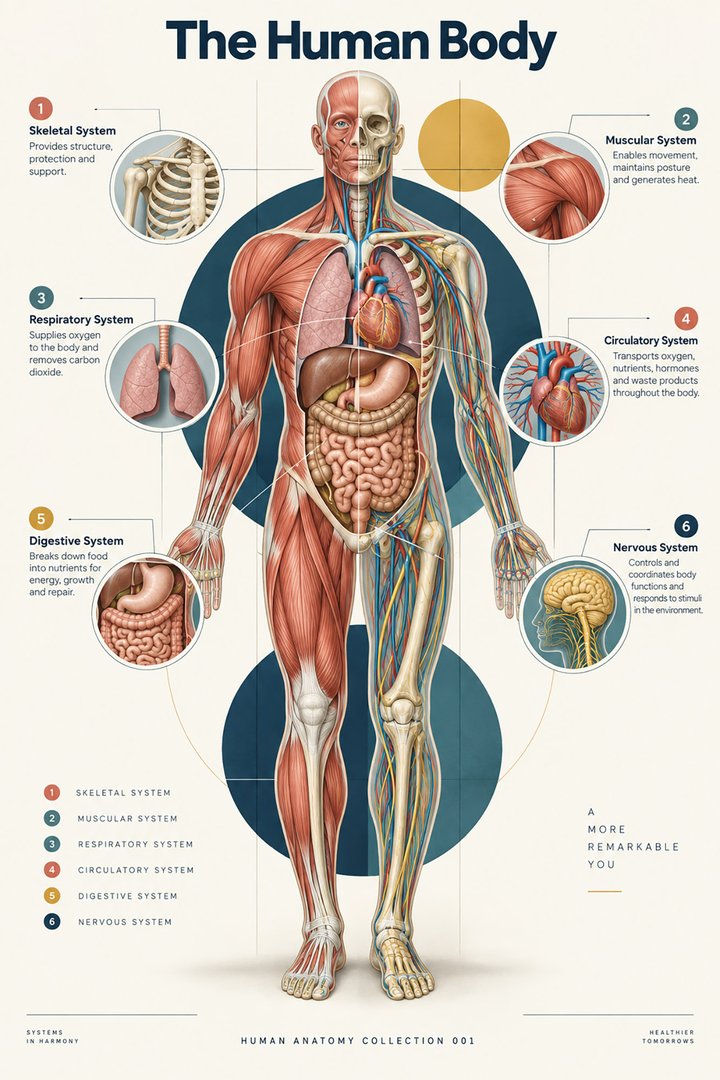 Human Body Facts ↗Human Anatomy and Physiology ↗
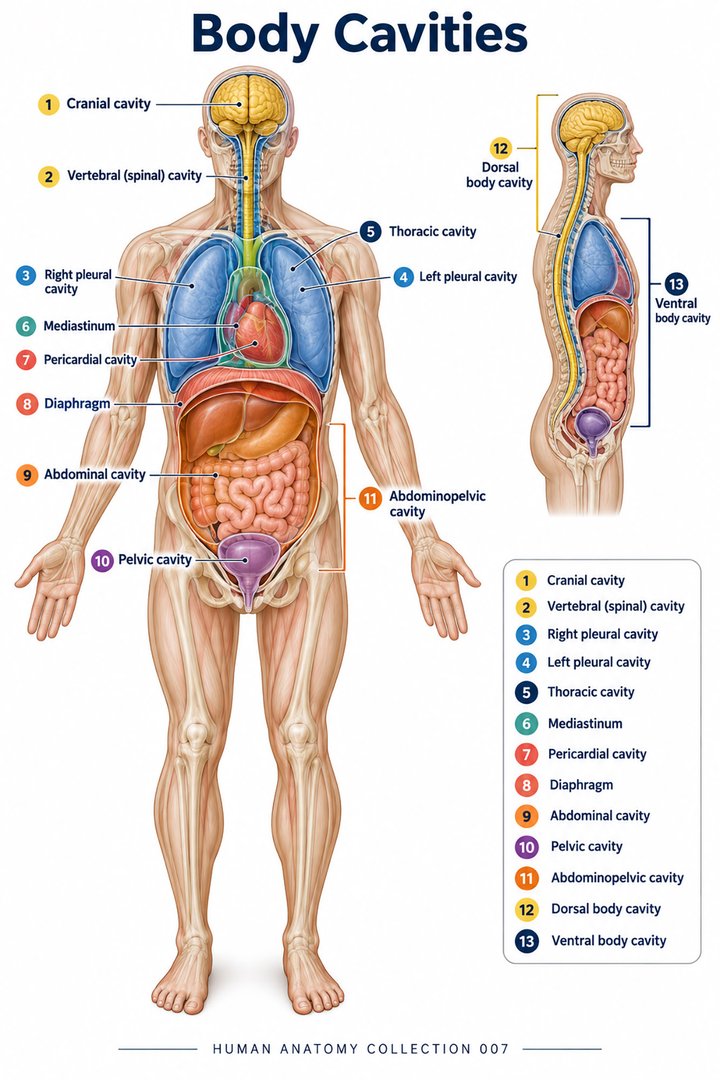 Human Body Cavities ↗Human Torso Anatomy ↗Human Digestive Tract ↗
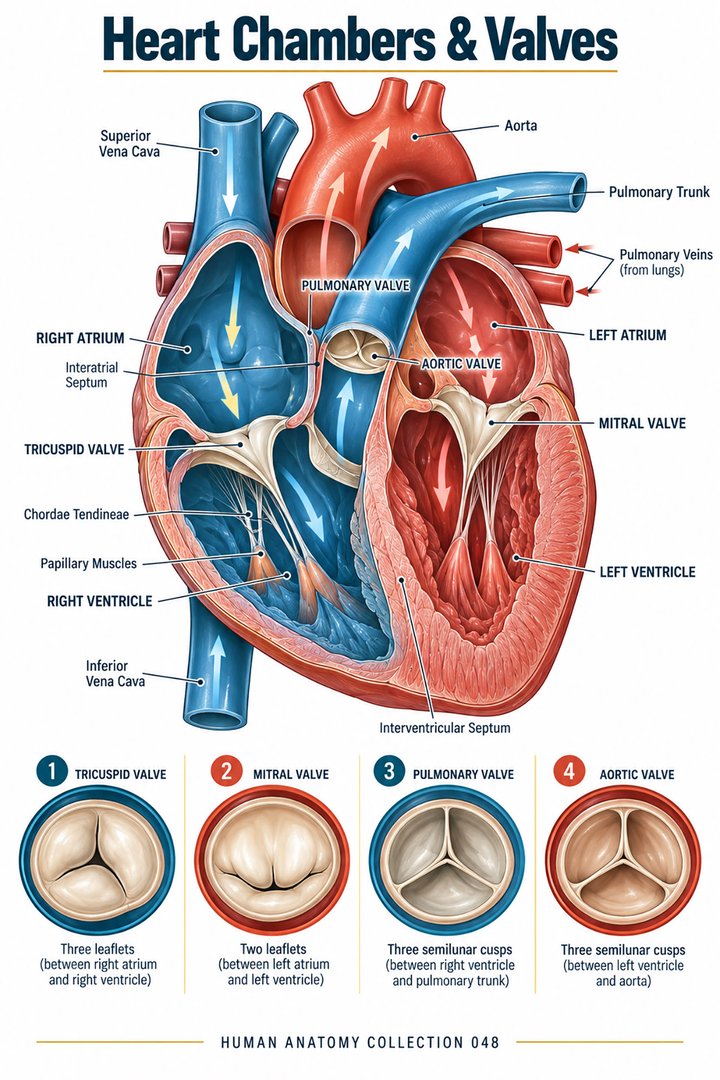 Human Heart Chambers ↗Human Organ Placement ↗
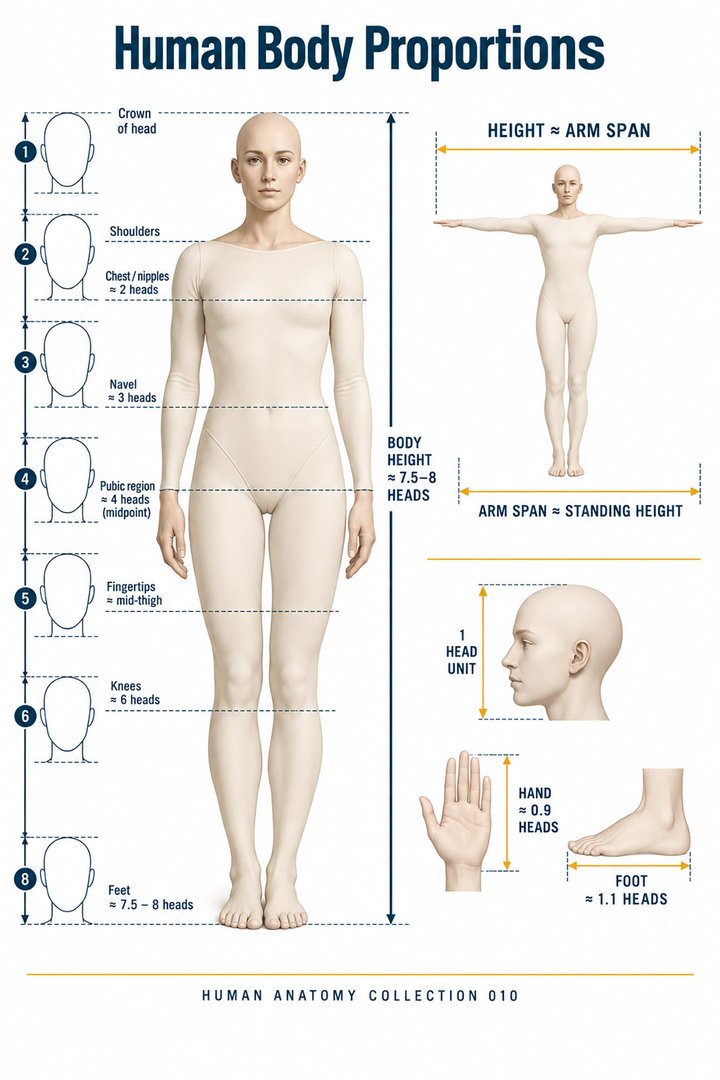 Human Body Proportions ↗
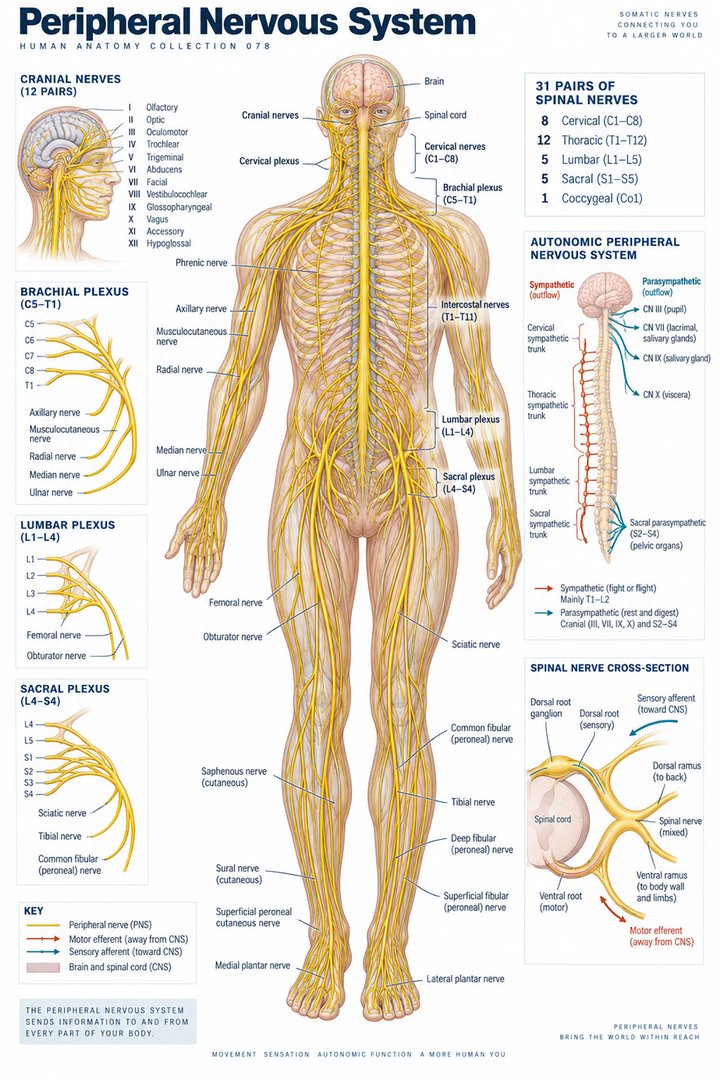 Peripheral Nervous System ↗
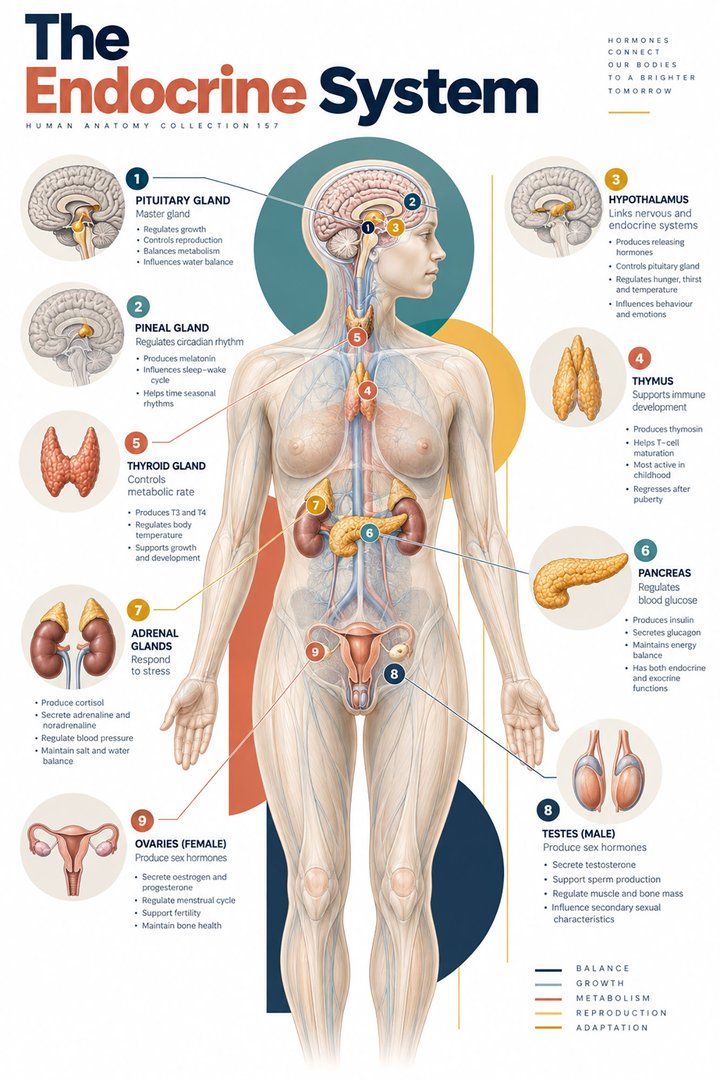 Human Endocrine Glands ↗
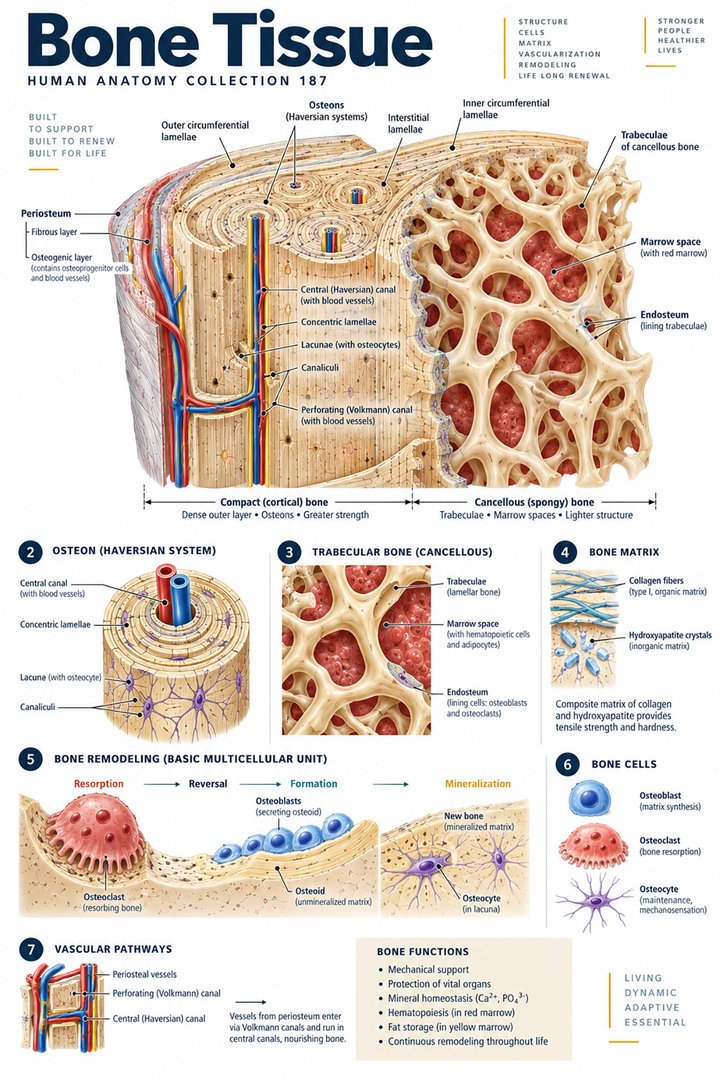 Human Bone Density ↗Human Blood Circulation ↗
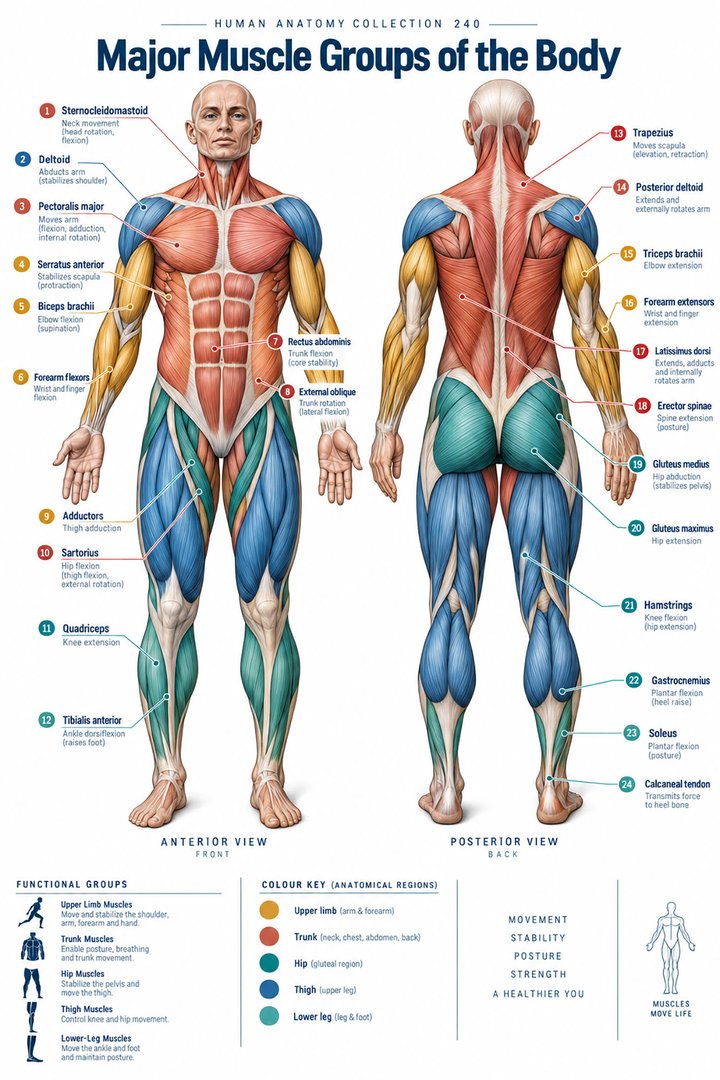 Human Muscle Groups ↗
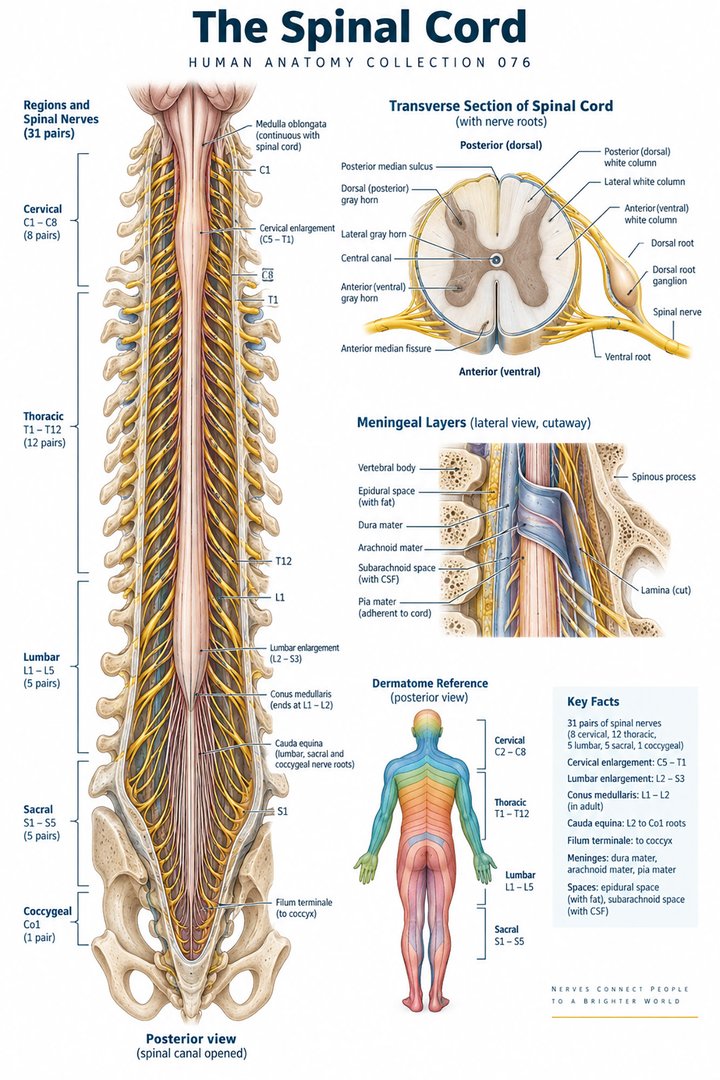 Human Spinal Cord ↗
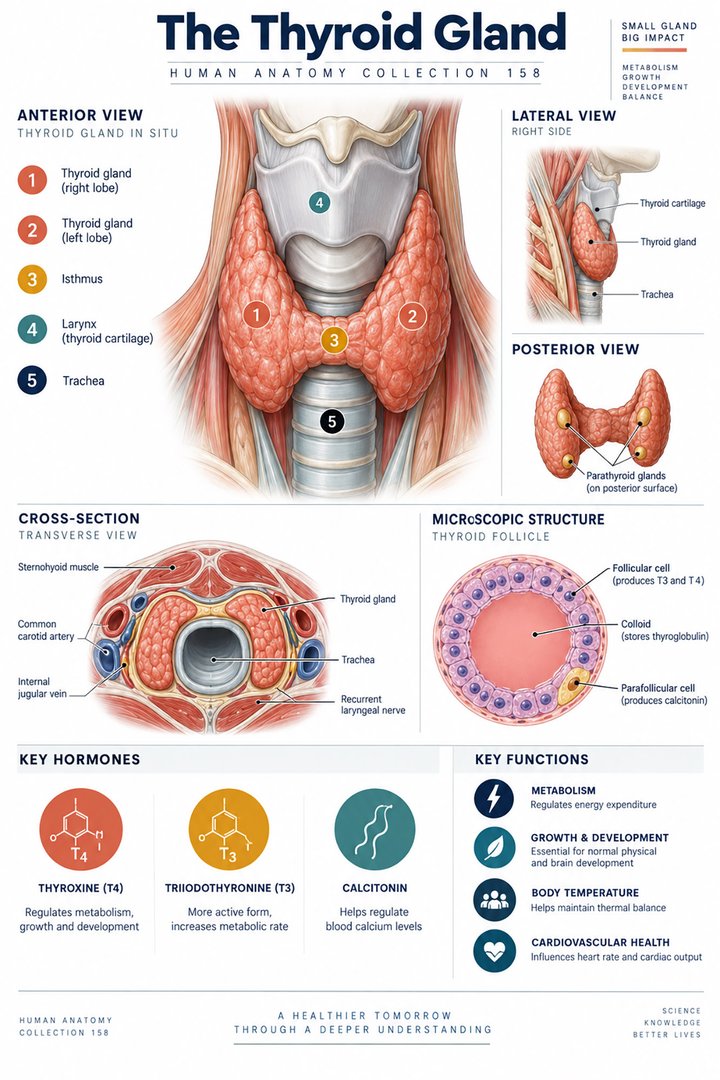 Human Thyroid Gland ↗
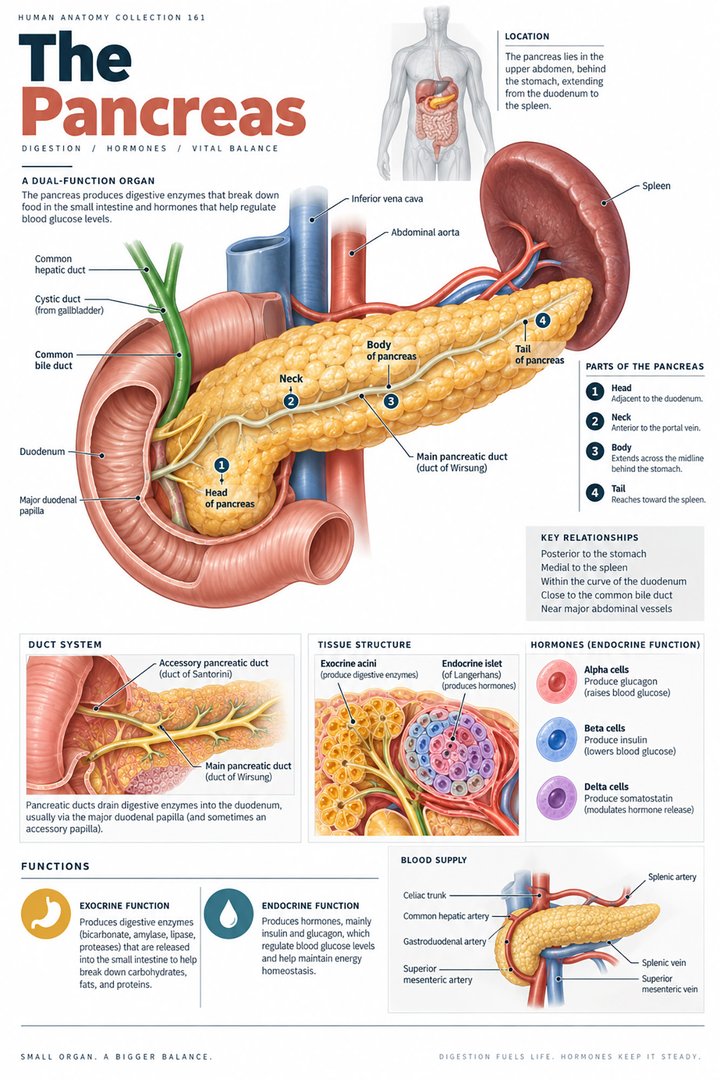 Human Pancreas Function ↗
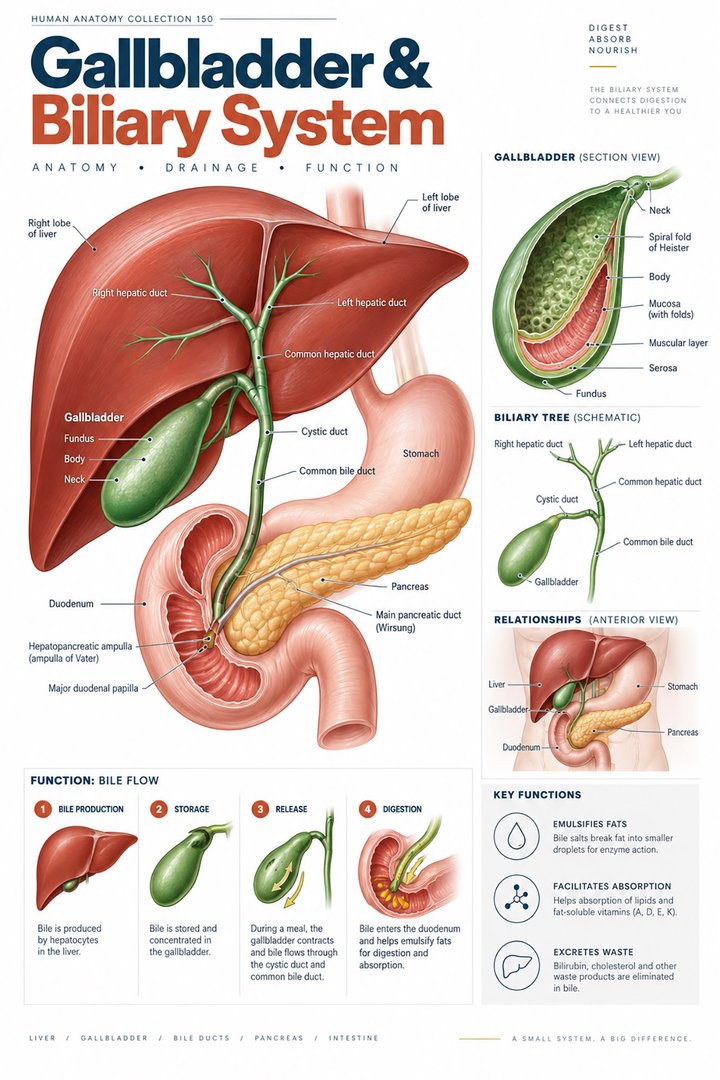 Human Gallbladder Anatomy ↗