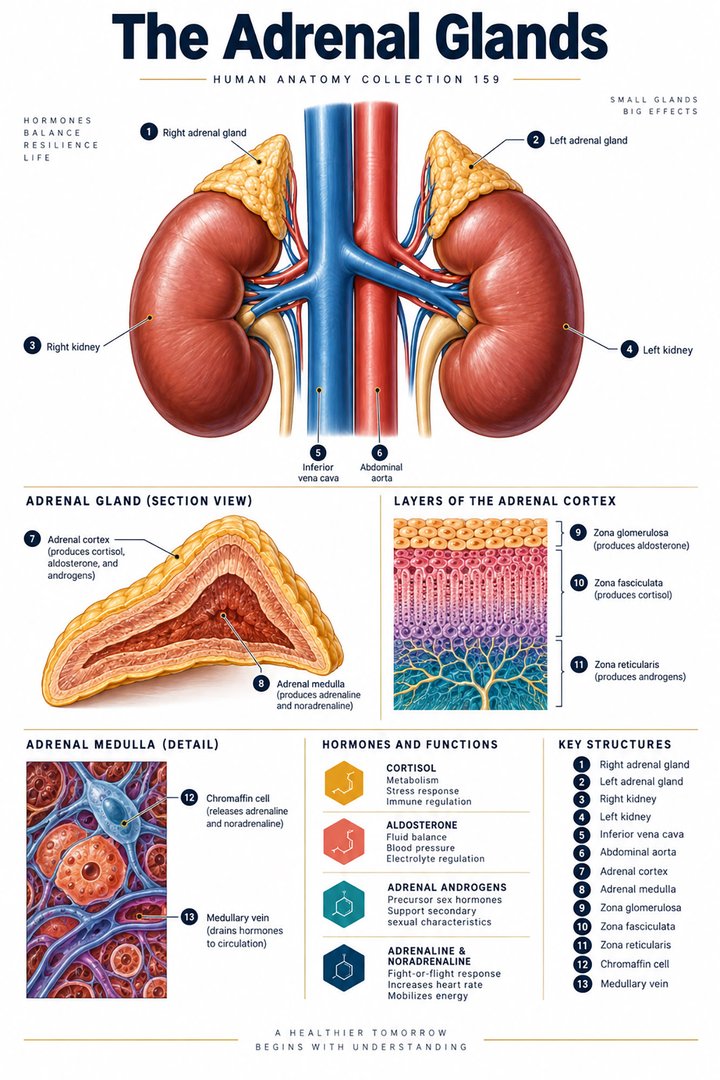
The Adrenal Glands
Individual poster · 300 DPI print files
Regular $9.90
Explore poster ↗$4.90USD
Offer price · Save $5.00Individual poster · 300 DPI print files
Reduced web preview. Separate high-resolution print files are supplied with the digital download.
ANATOMY 159
A modern anatomy illustration exploring the adrenal glands, designed for educational and decorative use.
Purchases are not available yet. Checkout and download delivery are being prepared.
Sold by Kunstolymp.de · Germany
Compare prices & the complete collection ↗This is a DIGITAL DOWNLOAD. No physical product will be shipped. After purchase, download your files and print them at home, at a local print shop, or through an online professional printing service.
The separate 300 DPI print files are ideal for 24×36-inch posters (approximately 60×90 cm). ISO and 5×7 formats are included. The white border lets you adjust the layout or trim to fit other frame sizes; check the preview before printing to keep the illustration and labels visible.
The planned bundle delivery includes a PDF information sheet with a link to the relevant Google Drive folder and download instructions. The store is currently in preview and purchases are not yet available.
A science-inspired choice for a student’s study corner, an educator’s classroom, or an anatomy enthusiast’s wall. Final licensing terms will apply.
CLINICAL CONTEXT
The paired adrenal glands sit above the kidneys but are endocrine organs, not part of the urinary tract. Each contains an outer cortex and inner medulla. The zona glomerulosa produces aldosterone under renin-angiotensin and potassium control; the zona fasciculata produces cortisol under hypothalamic-pituitary ACTH signalling; and the zona reticularis produces adrenal androgens. Chromaffin cells of the medulla release catecholamines during sympathetic activation. These hormones influence blood pressure, sodium and potassium balance, glucose metabolism, inflammation, stress response, and cardiovascular function. Symptoms of gland disease can be subtle and overlap with common conditions, so biochemical confirmation and careful interpretation are central.
Primary adrenal insufficiency, often autoimmune Addison disease, reduces cortisol and frequently aldosterone. Patients may report persistent fatigue, weakness, weight loss, nausea, abdominal pain, salt craving, postural dizziness, and skin or mucosal hyperpigmentation. Secondary or tertiary insufficiency follows pituitary or hypothalamic disease; prolonged glucocorticoid use followed by abrupt withdrawal is a frequent cause of tertiary suppression. Adrenal crisis can be triggered by infection, surgery, trauma, vomiting, or missed replacement and may present with hypotension, dehydration, abdominal symptoms, hypoglycaemia, electrolyte disturbance, confusion, or shock. At the other extreme, Cushing syndrome reflects prolonged cortisol excess, due to prescribed glucocorticoids or endogenous causes such as pituitary ACTH disease or adrenal tumours. Phaeochromocytoma may cause episodic headache, sweating, palpitations, and hypertension. Incidental adrenal masses need risk-based hormonal and imaging assessment rather than reflex assumptions about malignancy or function.
History should include current and recent steroid exposure, inhaled or topical formulations, supplements, cancer treatments, autoimmune disease, and symptoms over time. Examination assesses blood pressure including postural change, volume status, skin, weight, muscle strength, and features of hormone excess. Cortisol, ACTH, renin, aldosterone, electrolytes, glucose, and stimulation or suppression tests are selected and interpreted using appropriate timing and specialist protocols. Imaging is used when biochemical findings support a structural cause. Confirmed adrenal insufficiency requires glucocorticoid replacement, often mineralocorticoid replacement in primary disease, education about dose adjustment during illness, emergency injectable steroid where prescribed, and medical-alert identification. Cushing syndrome treatment depends on cause and may include supervised reduction of exogenous steroids, surgery, radiotherapy, or cortisol-lowering medicines. Patients should never abruptly discontinue long-term glucocorticoids without the prescribing clinician’s plan.
Nutrition, hydration, sleep, and psychological support can help wellbeing but cannot replace essential hormone replacement or treat cortisol excess. Over-the-counter “adrenal support” supplements may contain undeclared steroids or stimulants and can interfere with testing and treatment. Adaptogen claims are not a substitute for endocrine evaluation. During illness, vomiting, or inability to keep oral medication down, people with known adrenal insufficiency need to follow their emergency plan and seek immediate medical care. Collapse, severe abdominal or back pain, confusion, persistent vomiting, or very low blood pressure may indicate adrenal crisis and is life-threatening. This page is for clinical education, not self-diagnosis.
Further reading: NIDDK: adrenal insufficiency facts · NIDDK: symptoms and causes · NIDDK: Cushing syndrome
Explain the working diagnosis, important alternatives, planned tests, expected course, and specific safety-netting in language the patient can use. Invite questions about treatment goals, capacity, cost, culture, and complementary therapies. Use a professional interpreter when language access could affect consent or understanding, and confirm clear arrangements for timely clinical review in writing. Document the reasoning, reassess response to treatment, and coordinate care across professions when illness affects more than one system. Teaching anatomy is most useful when it supports this partnership: accurate localisation, respectful listening, timely escalation, and a plan that remains responsive to the individual patient.
HUMAN ANATOMY COLLECTION · 001—300
A closer look at what makes us human. Discover anatomy posters for your study space, classroom, and everyday curiosity.
DIGITAL DOWNLOADS · 300 DPI PRINT FILES
EXPLORE BY SYSTEM
LEARN & EXPLORE
Detailed English guides with Latin terminology, diagrams, real images, and clinical learning connections.
 Human Anatomy Diagrams ↗
 Human Body Organs ↗
 Skeletal System Anatomy ↗
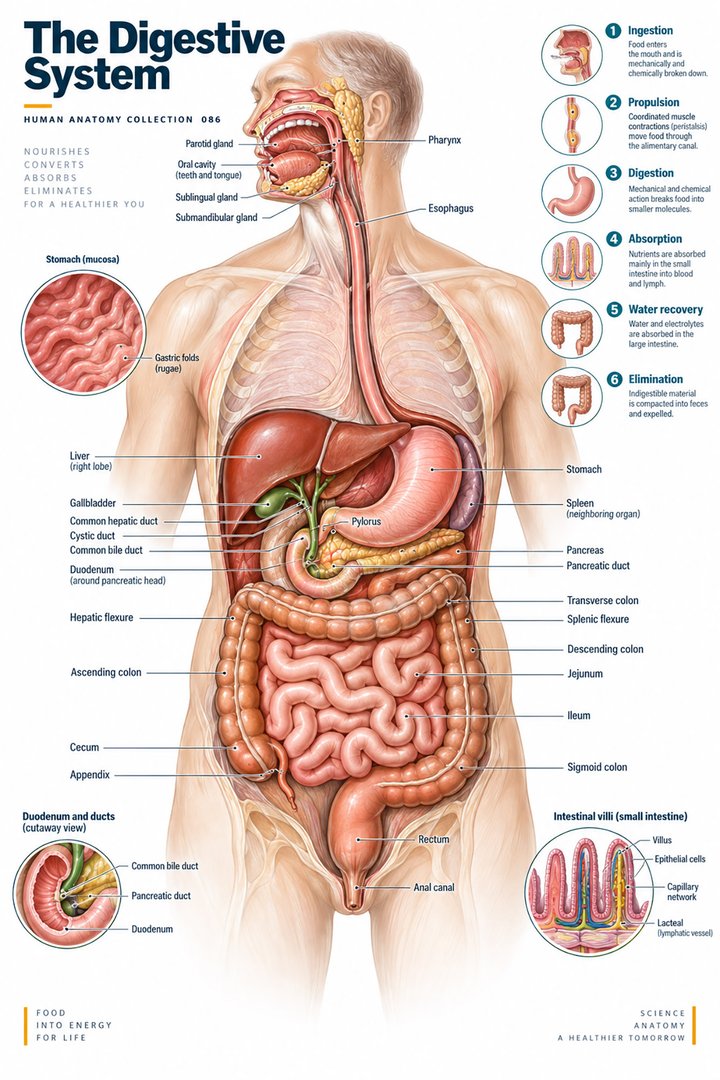 Human Digestive System ↗
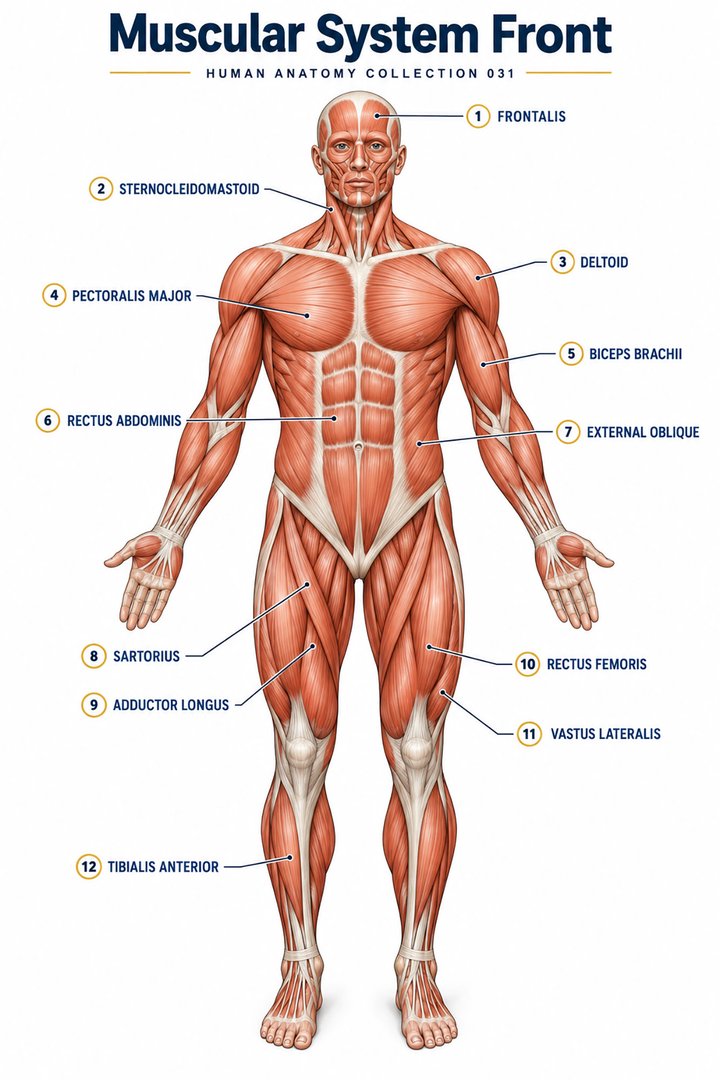 Muscular System Overview ↗
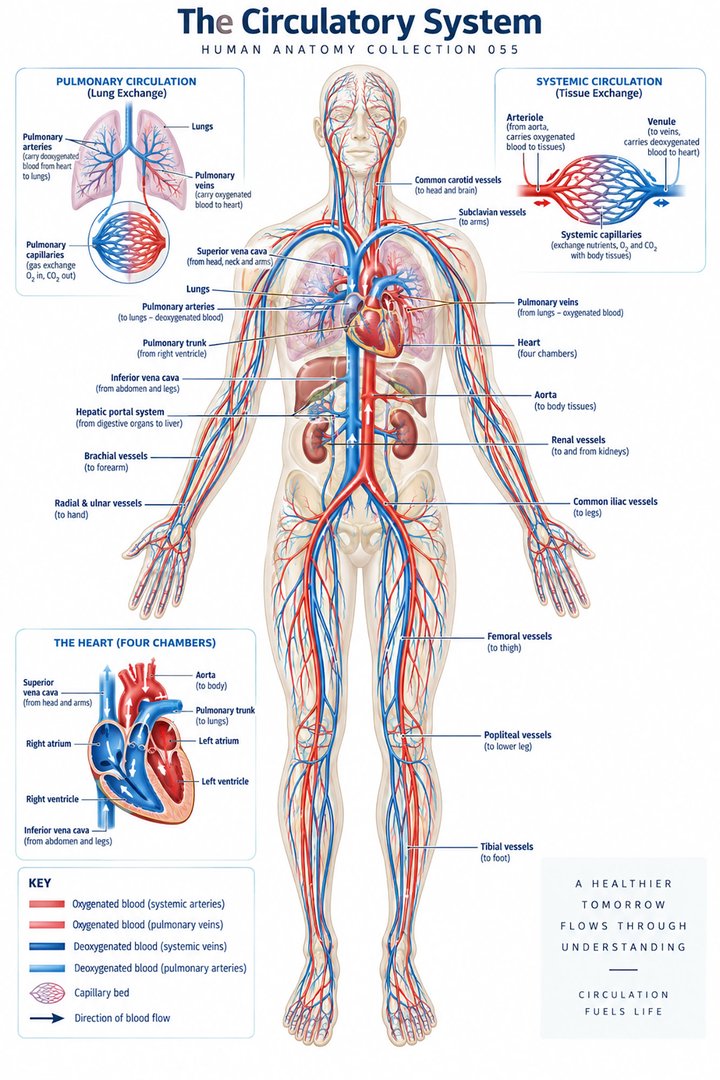 Human Circulatory System ↗
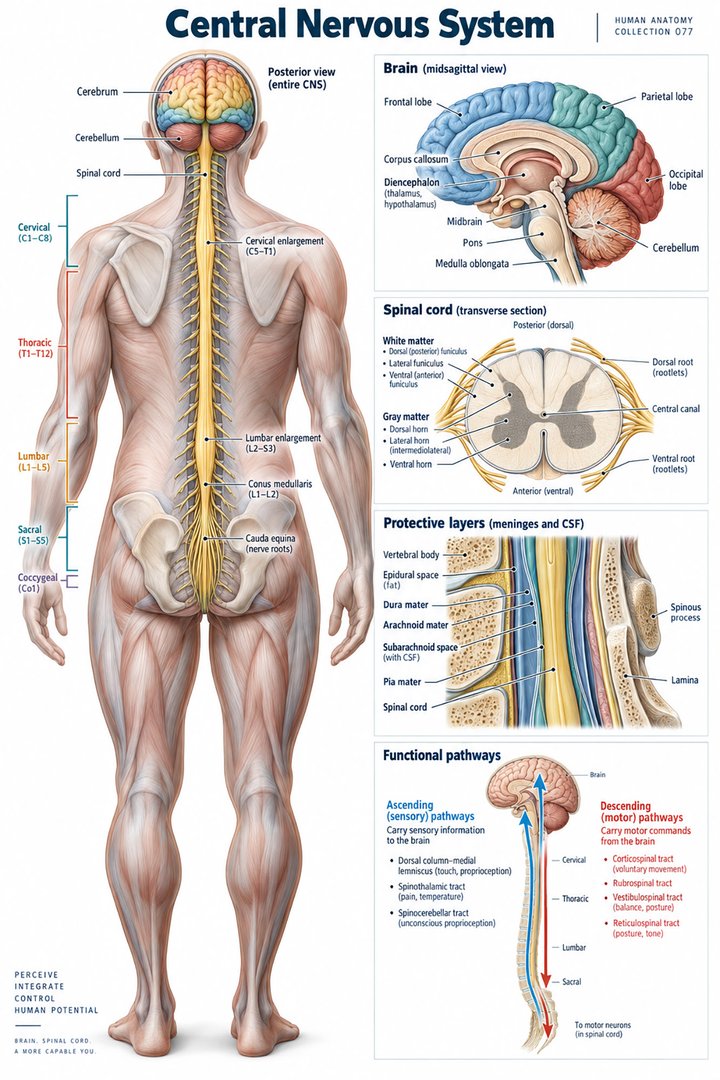 Human Nervous System ↗
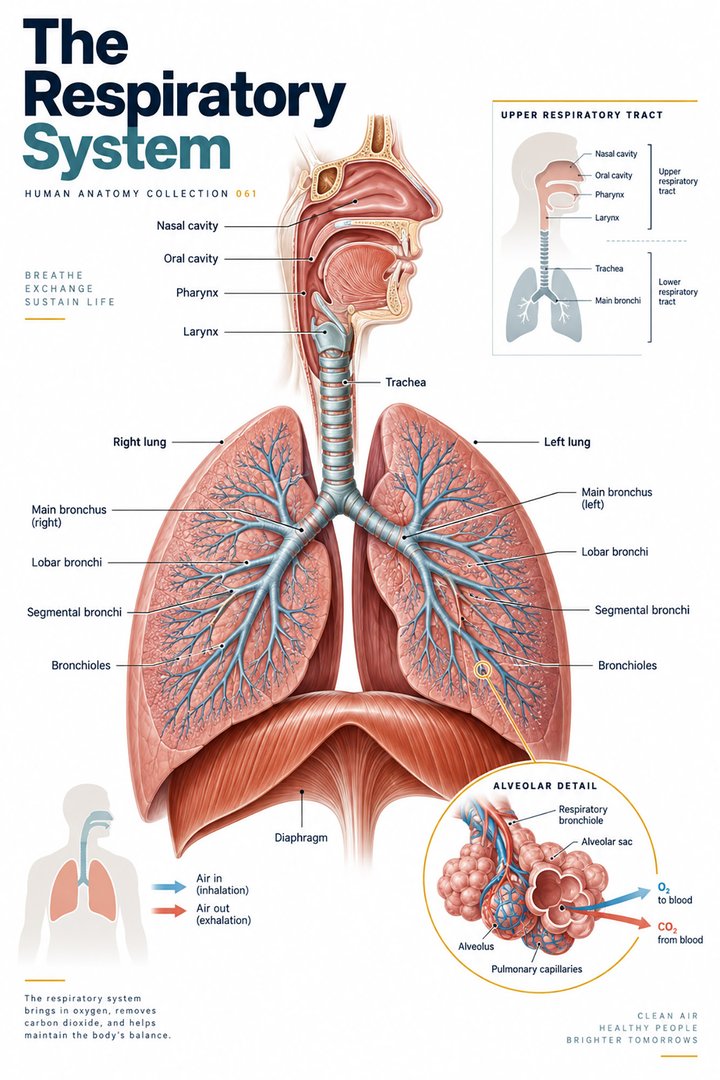 Respiratory System Functions ↗
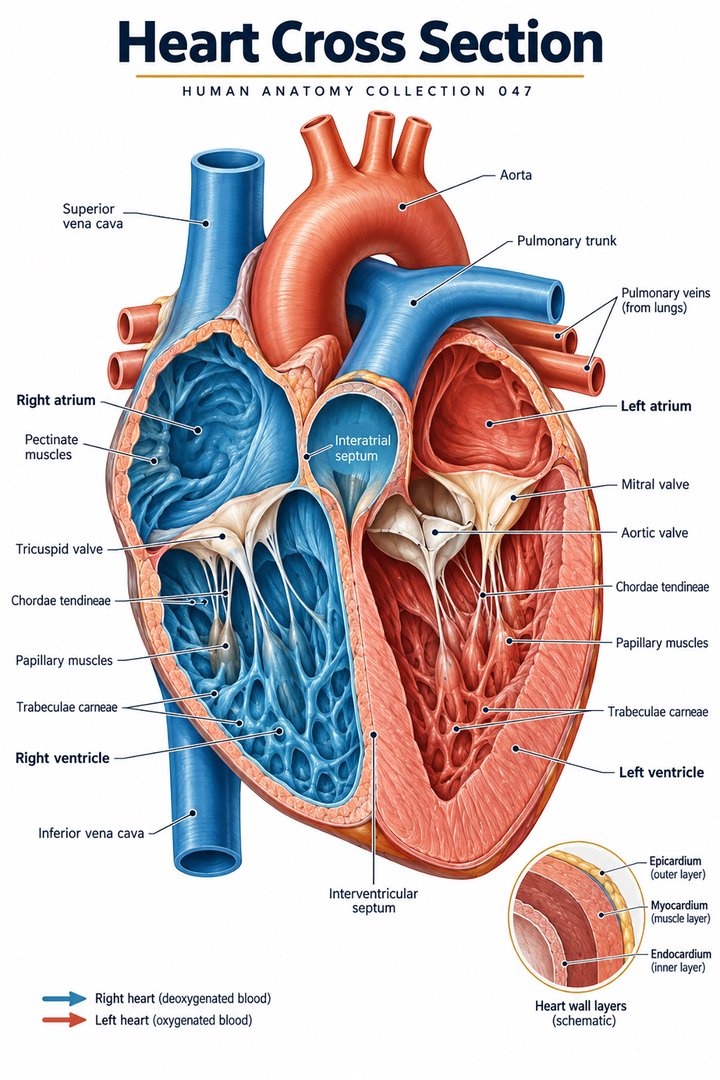 Human Heart Structure ↗
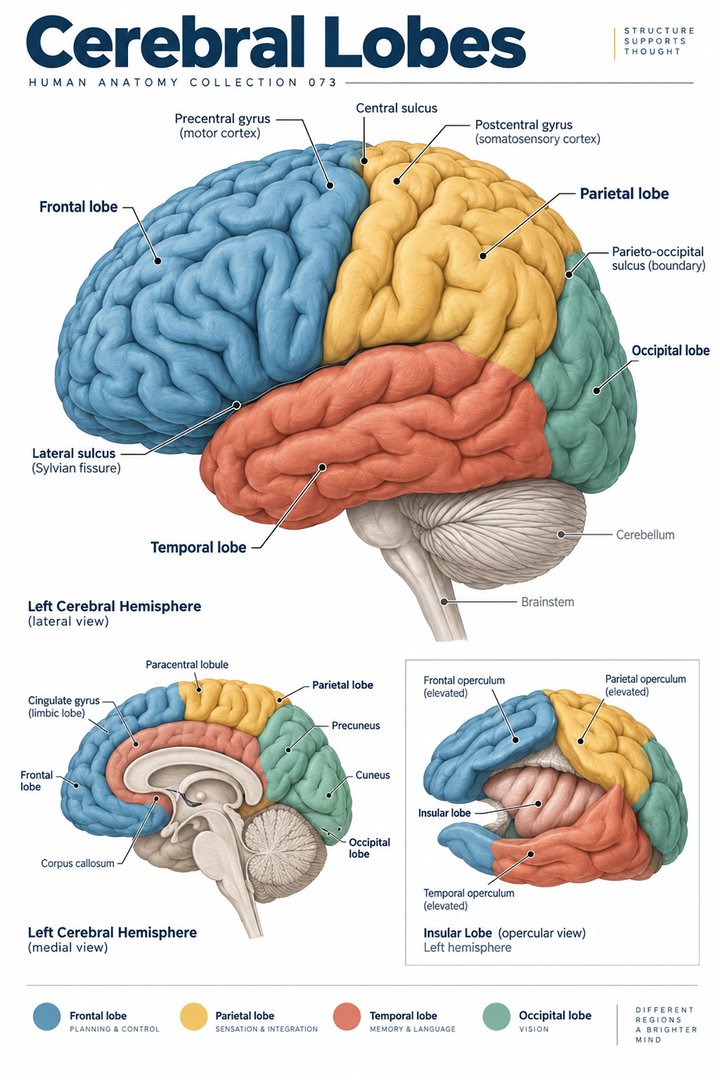 Human Brain Lobes ↗
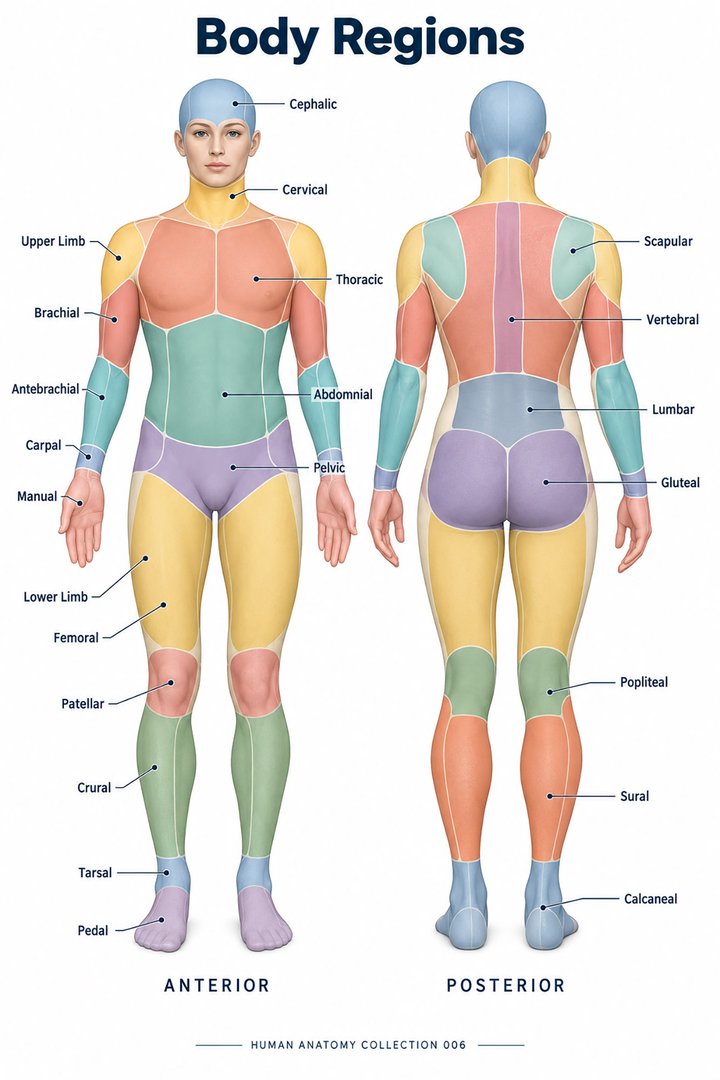 Human Body Parts ↗
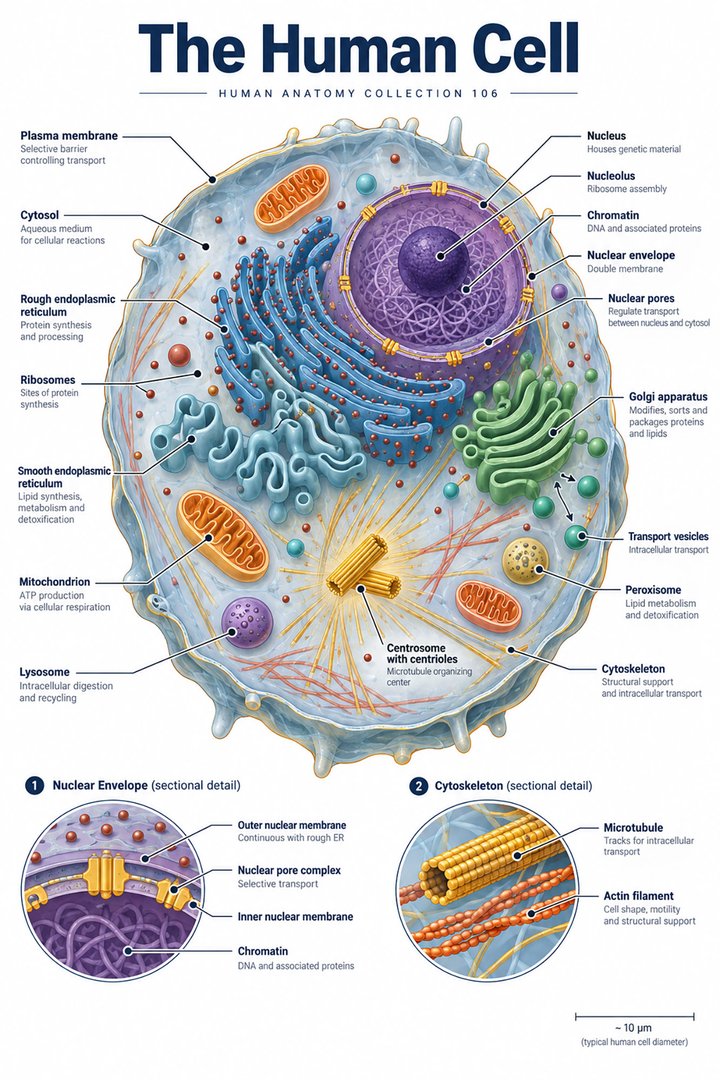 Human Cell Structure ↗
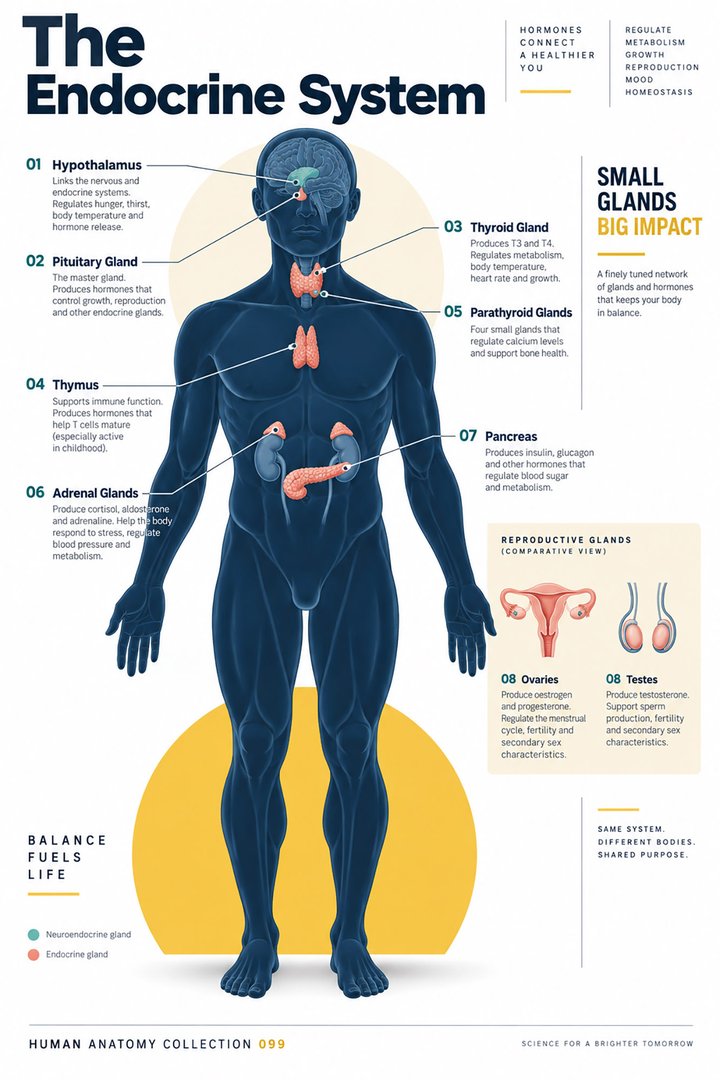 Human Endocrine System ↗
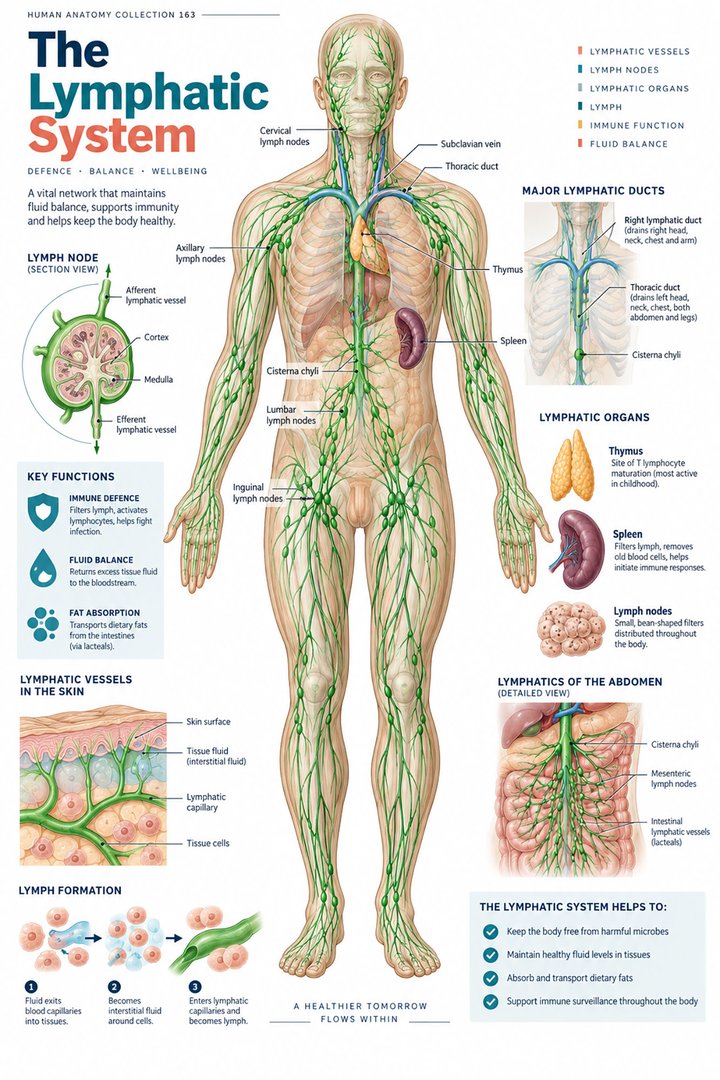 Human Lymphatic System ↗
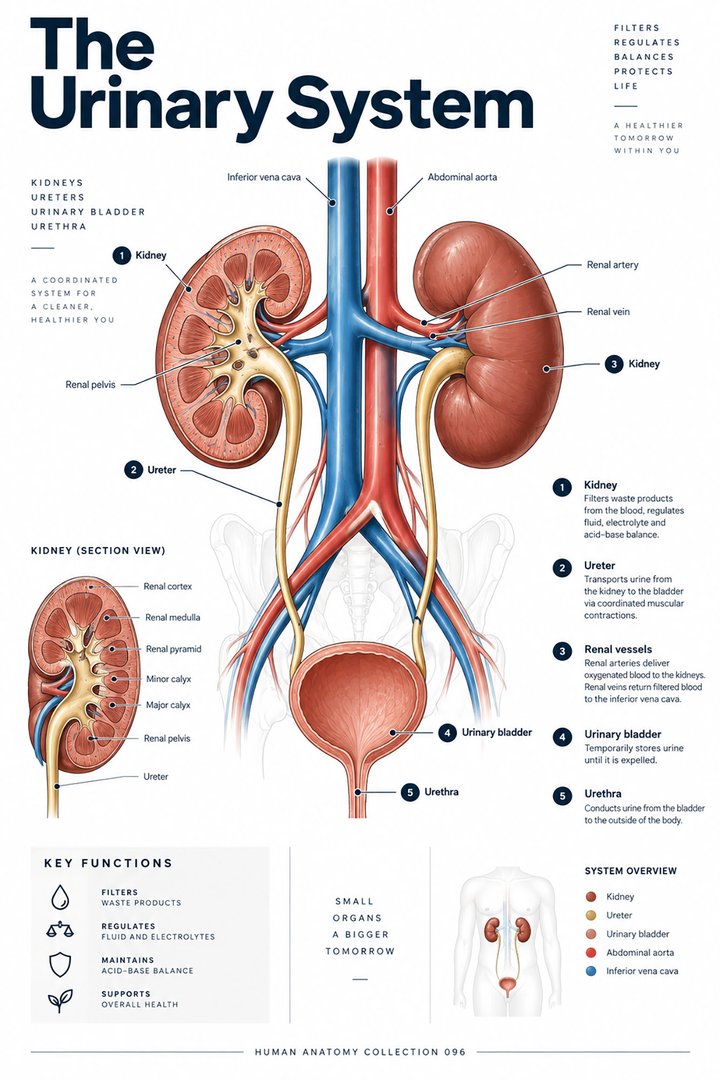 Human Urinary System ↗
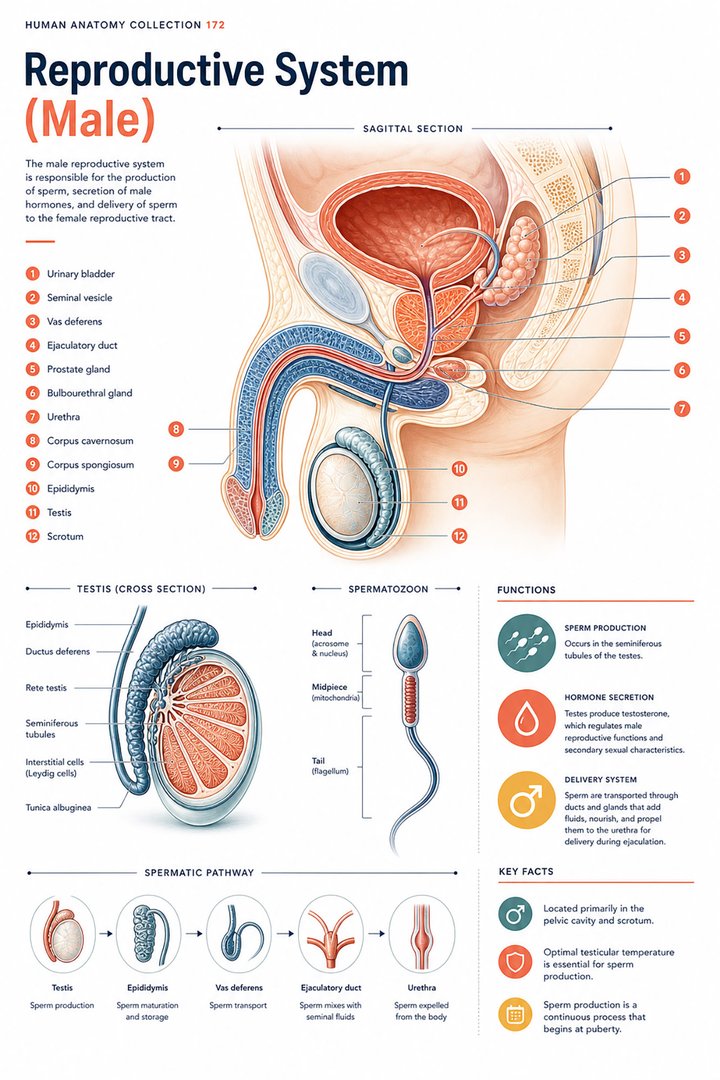 Male Reproductive System ↗
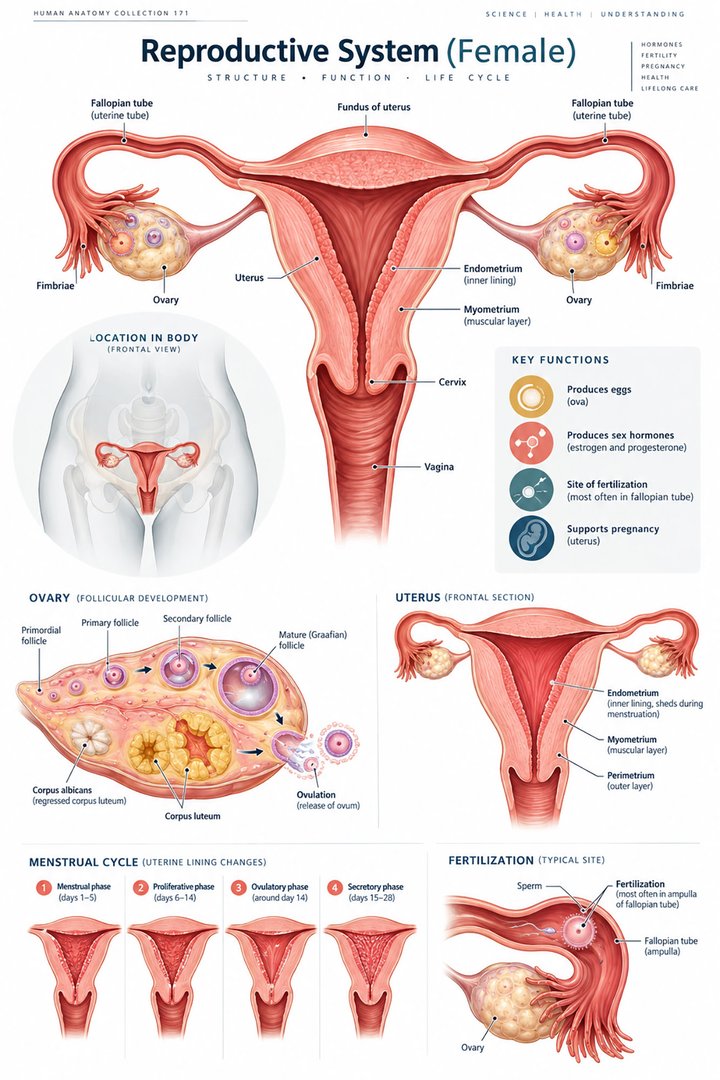 Female Reproductive System ↗
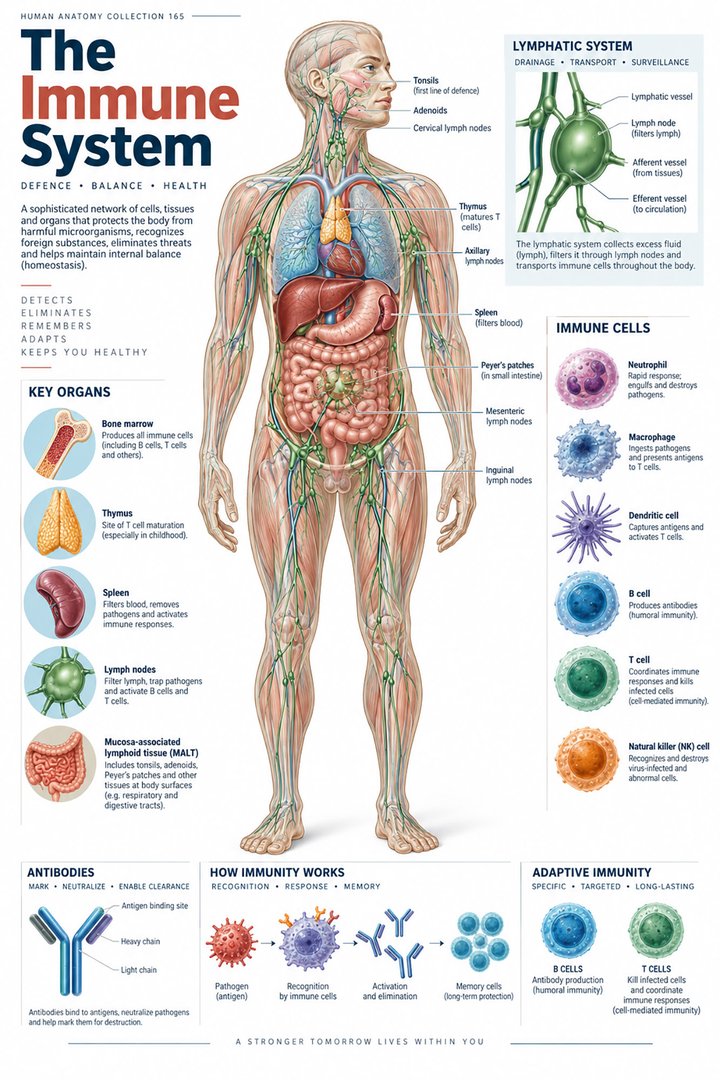 Human Immune System ↗Central Nervous System ↗
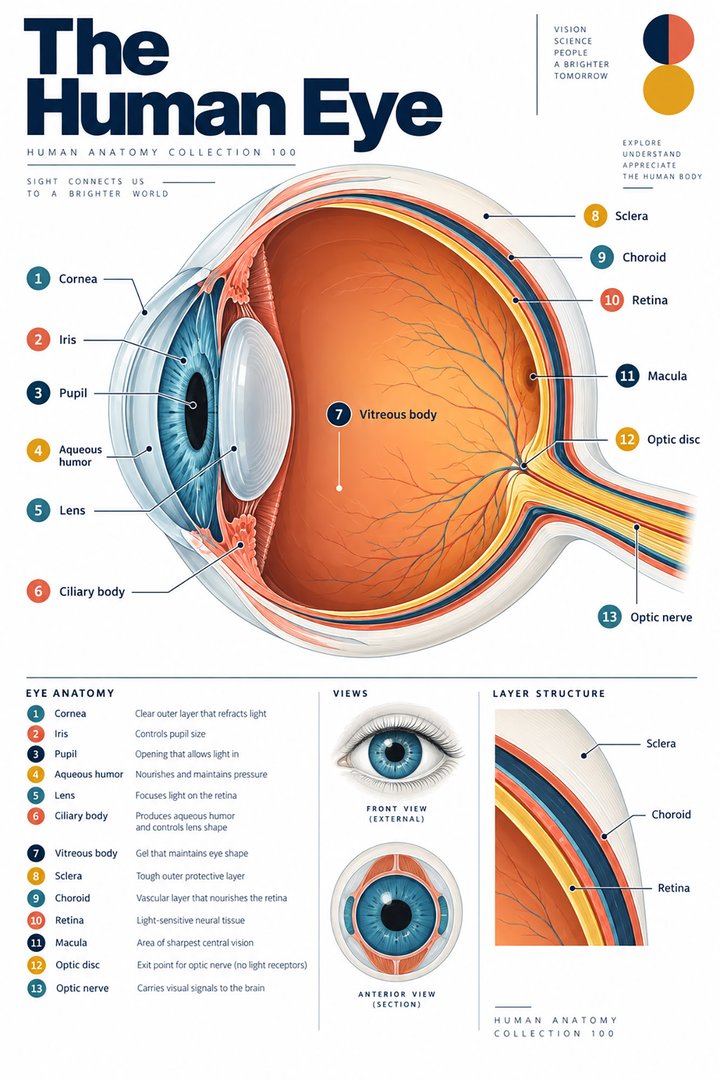 Human Eye Structure ↗
 Human Ear Structure ↗
 Human Liver Function ↗
 Human Kidney Anatomy ↗
 Human Lung Anatomy ↗
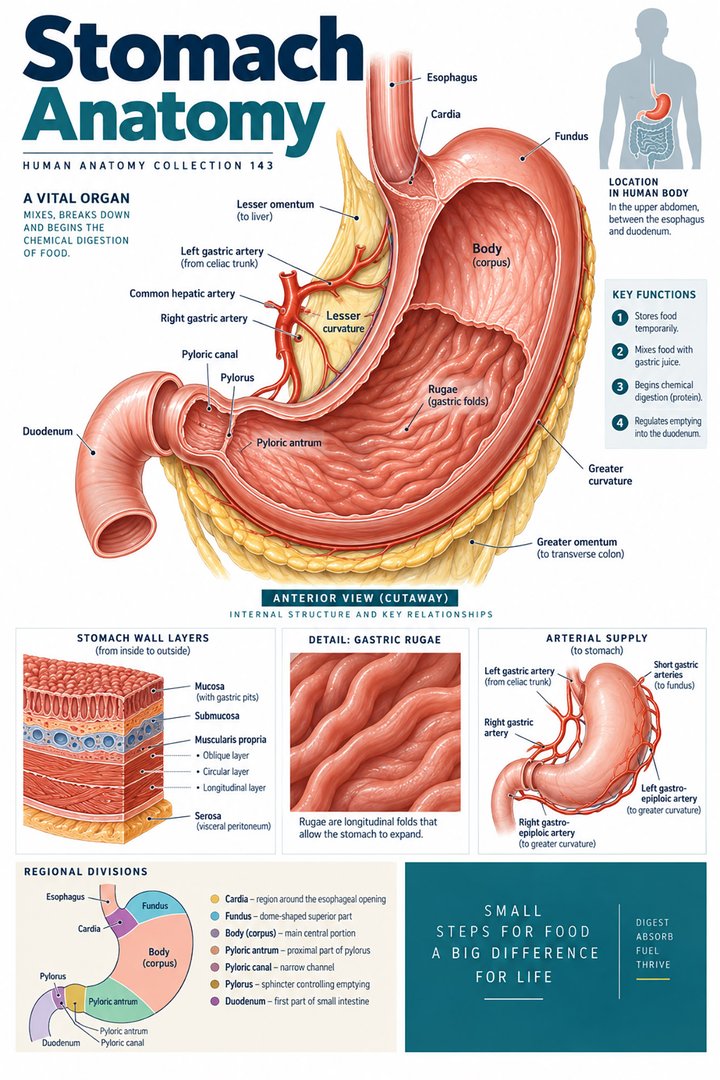 Human Stomach Structure ↗
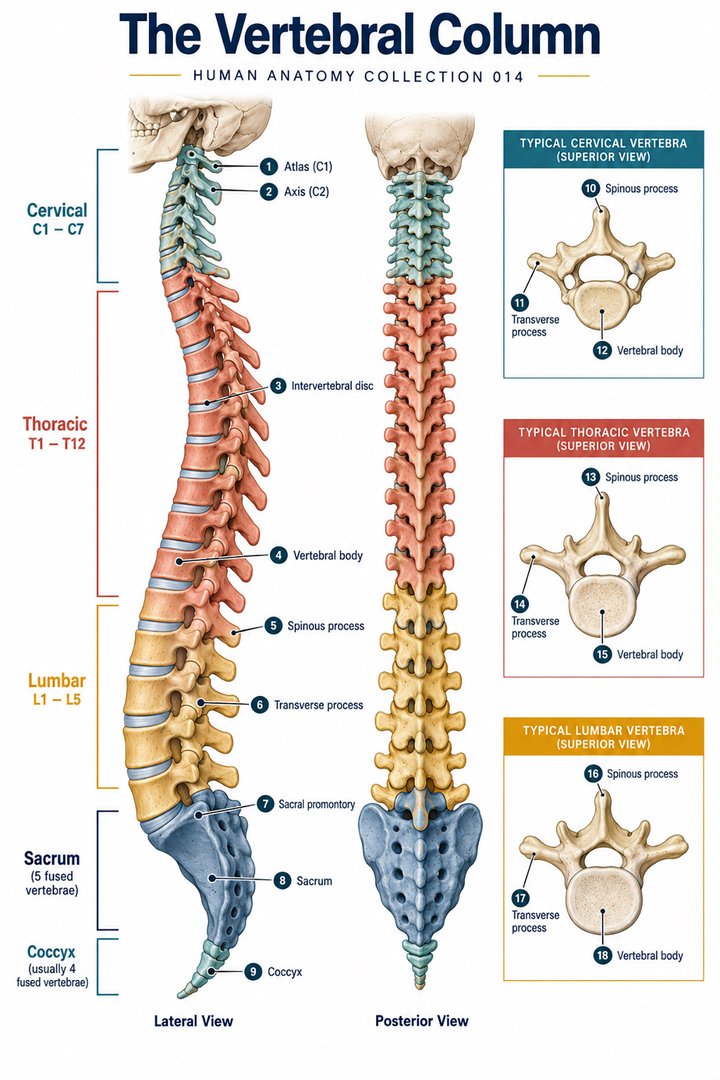 Human Spine Anatomy ↗
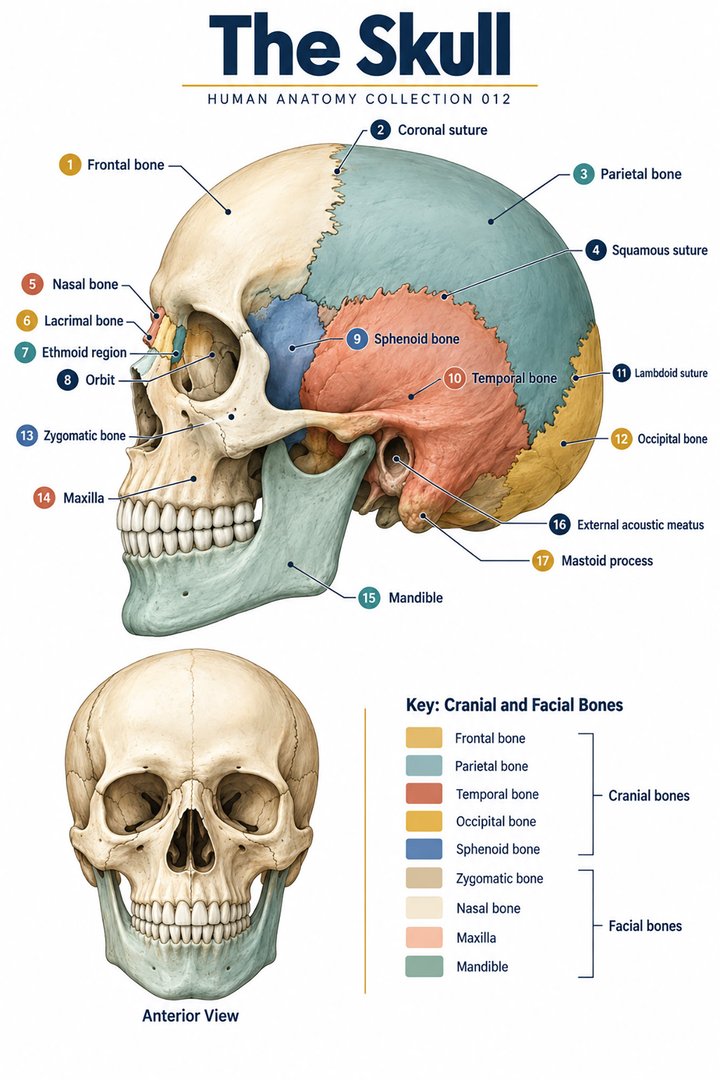 Human Skull Anatomy ↗
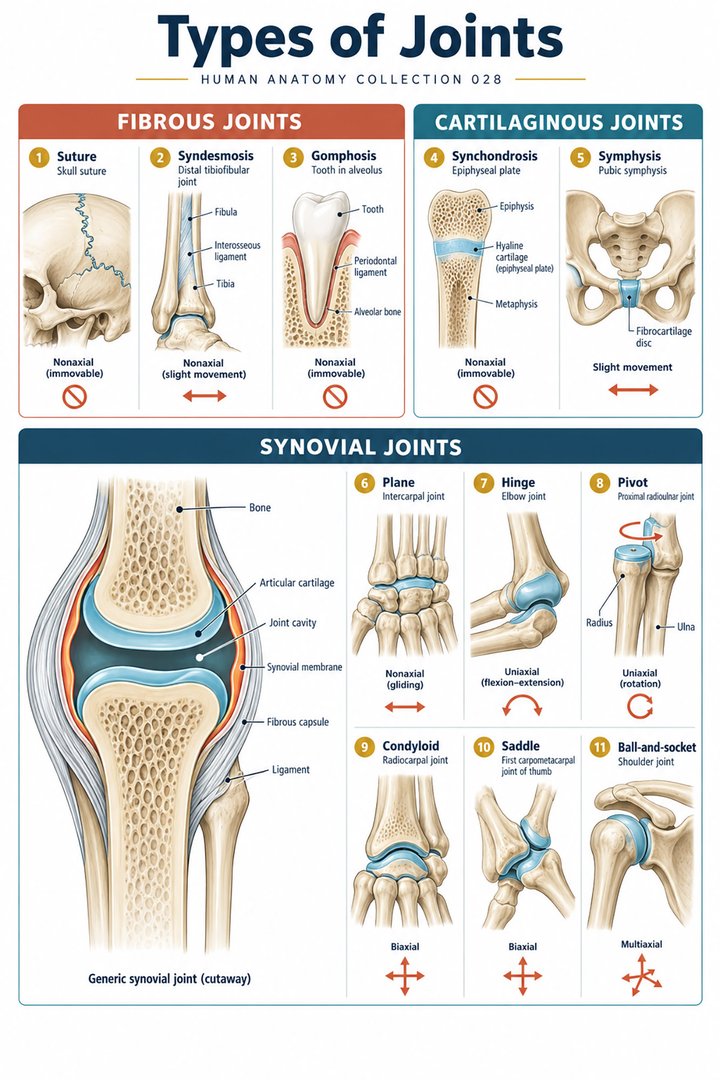 Human Joint Types ↗
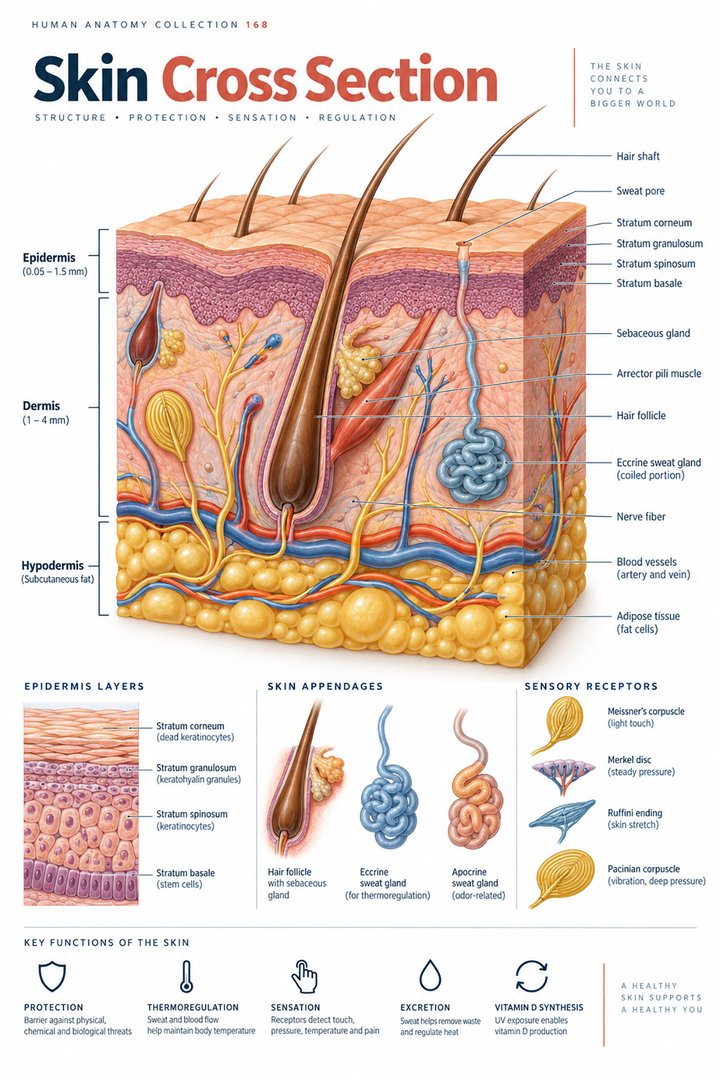 Human Skin Layers ↗
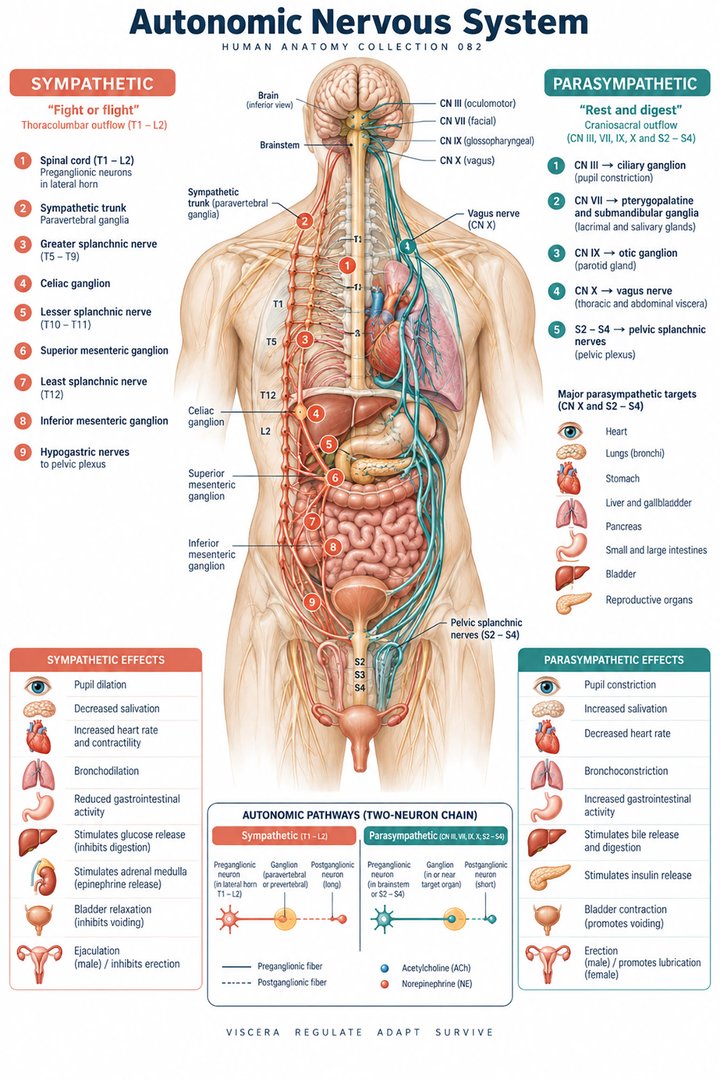 Autonomic Nervous System ↗
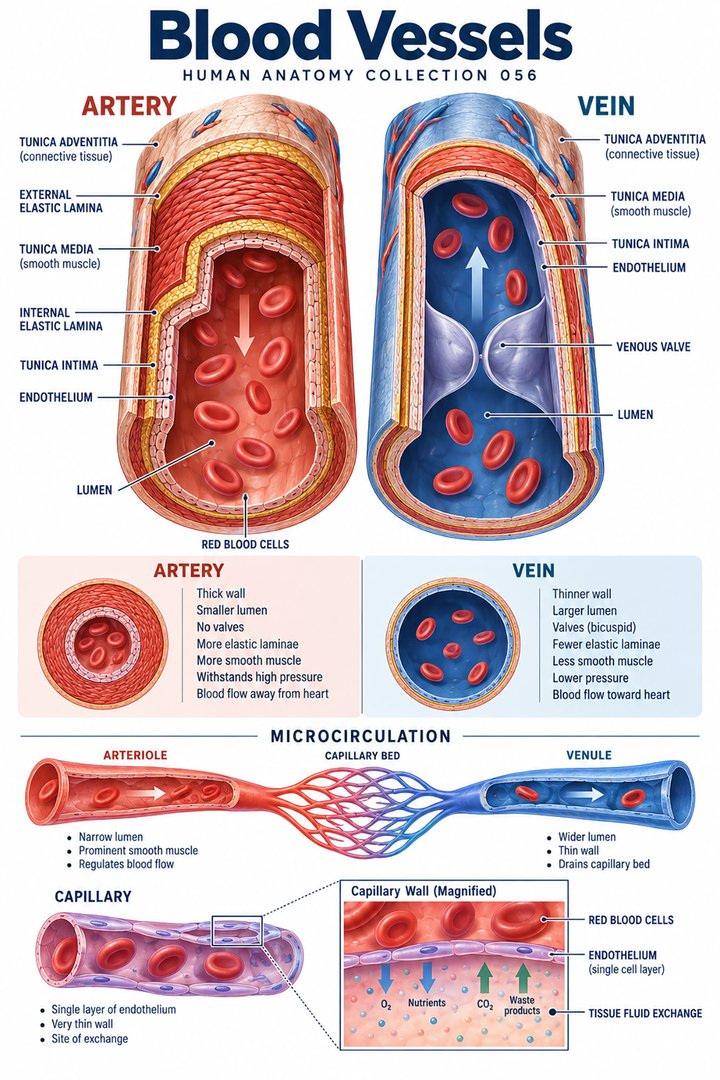 Human Blood Vessels ↗
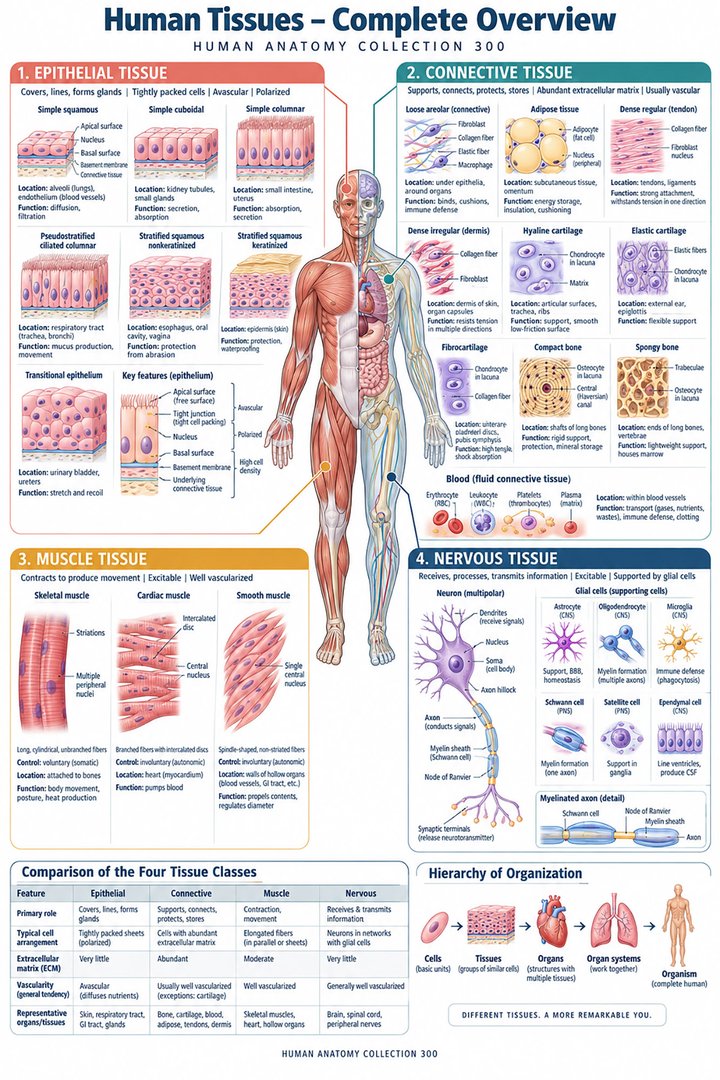 Human Body Tissues ↗
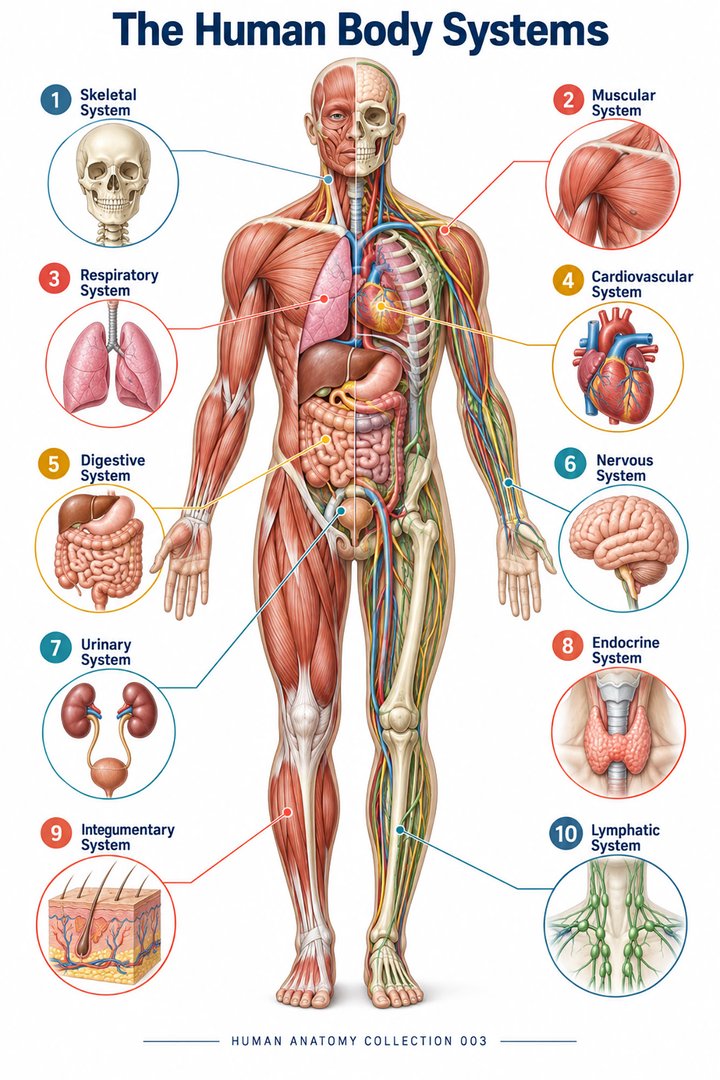 Human Body Systems ↗
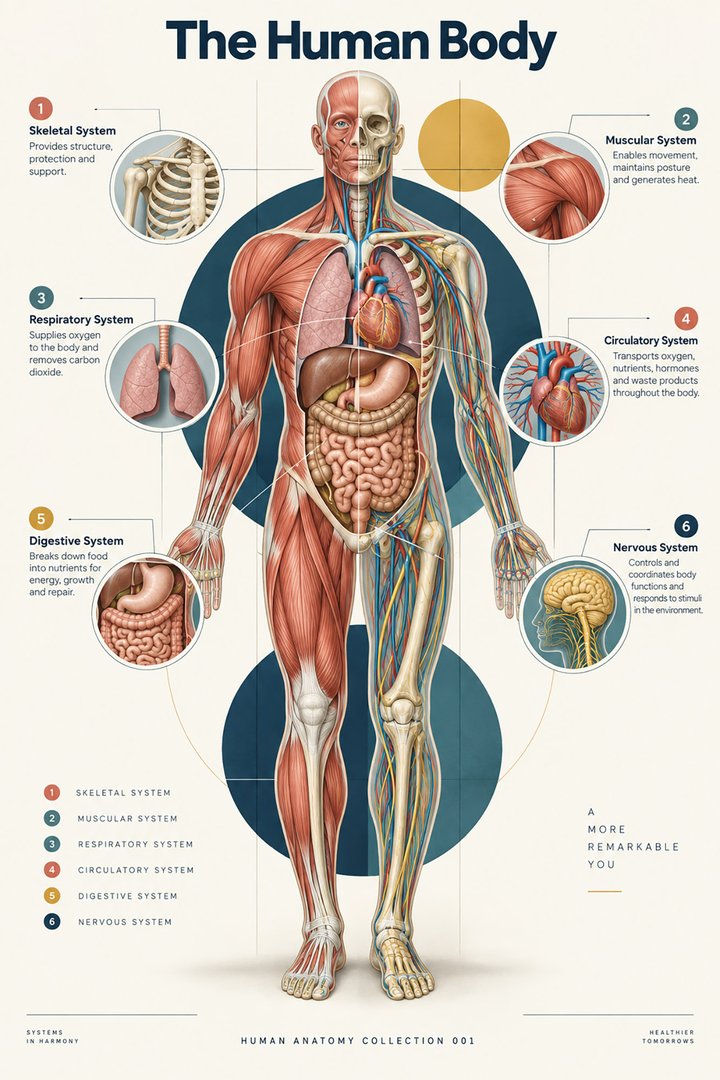 Human Body Facts ↗Human Anatomy and Physiology ↗
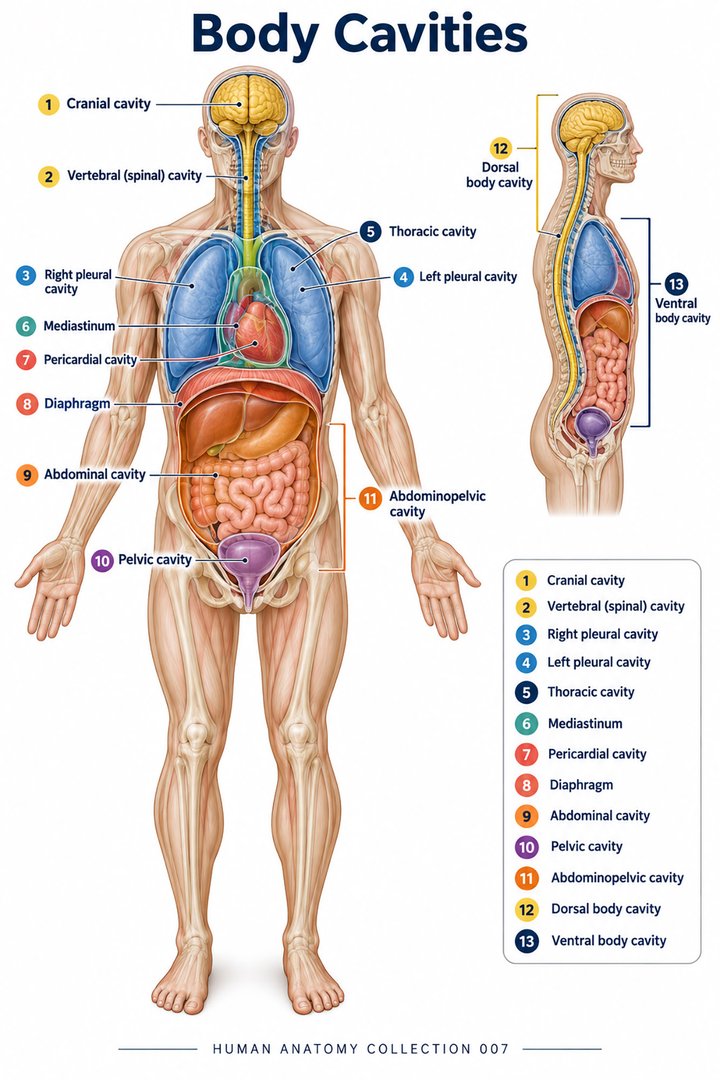 Human Body Cavities ↗Human Torso Anatomy ↗Human Digestive Tract ↗
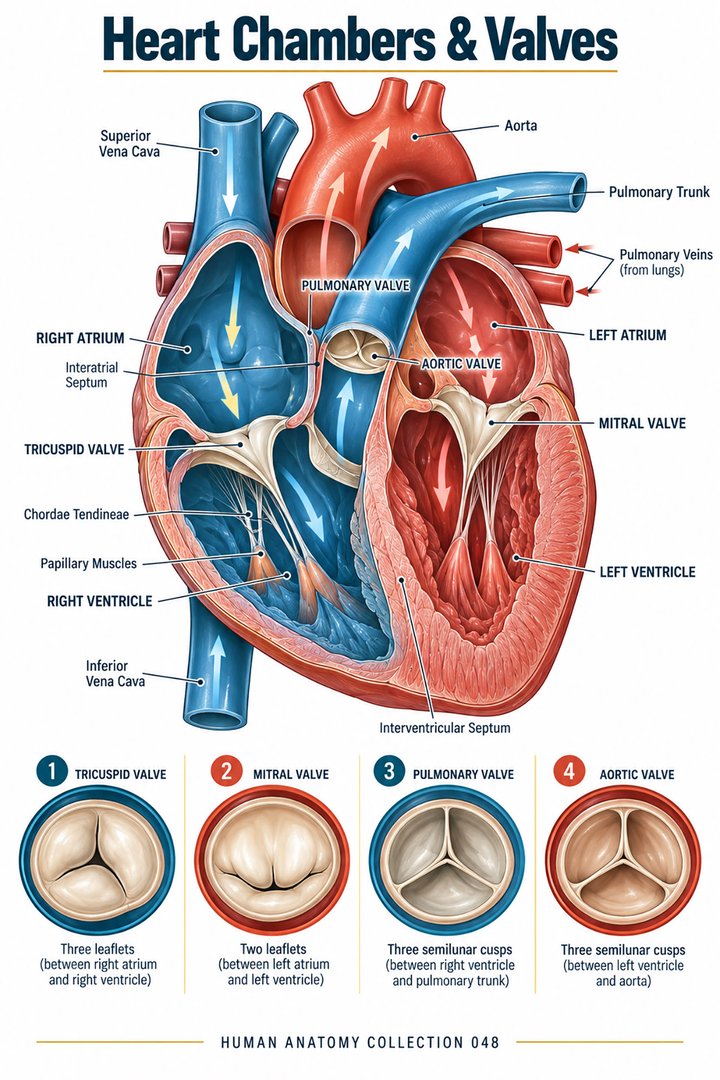 Human Heart Chambers ↗Human Organ Placement ↗
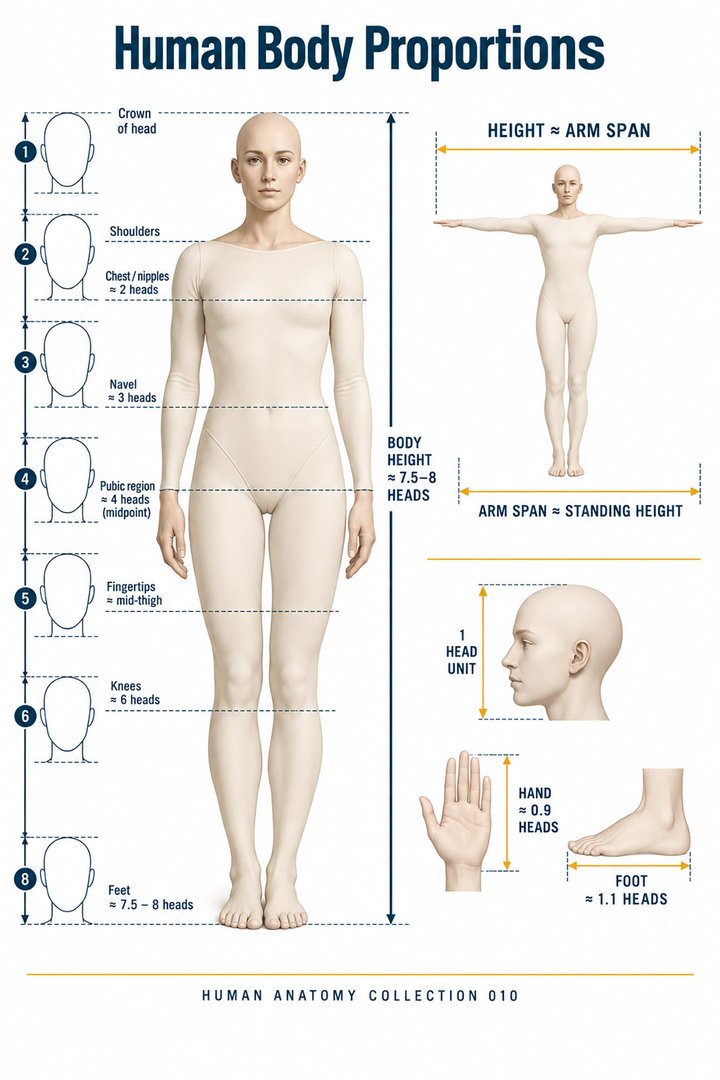 Human Body Proportions ↗
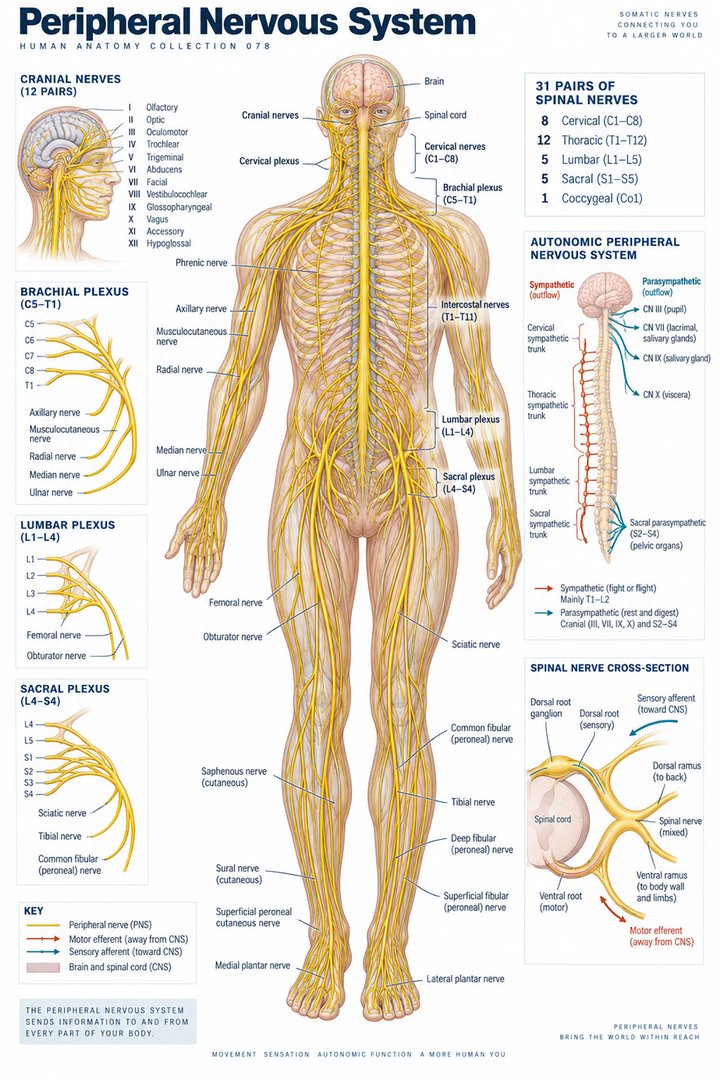 Peripheral Nervous System ↗
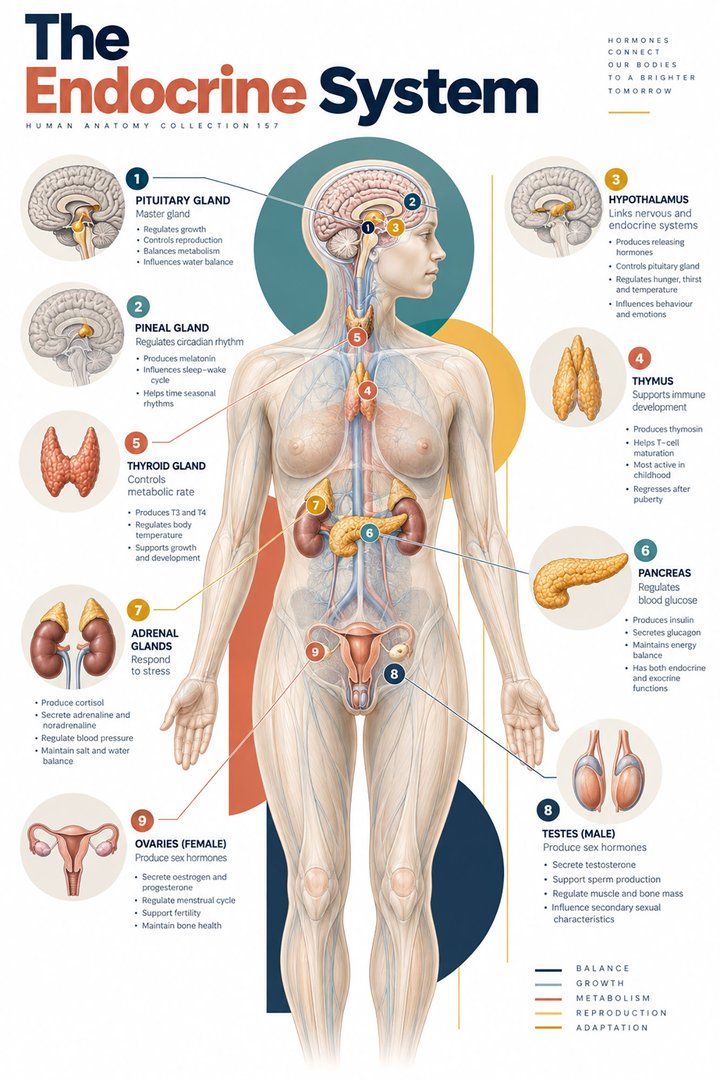 Human Endocrine Glands ↗
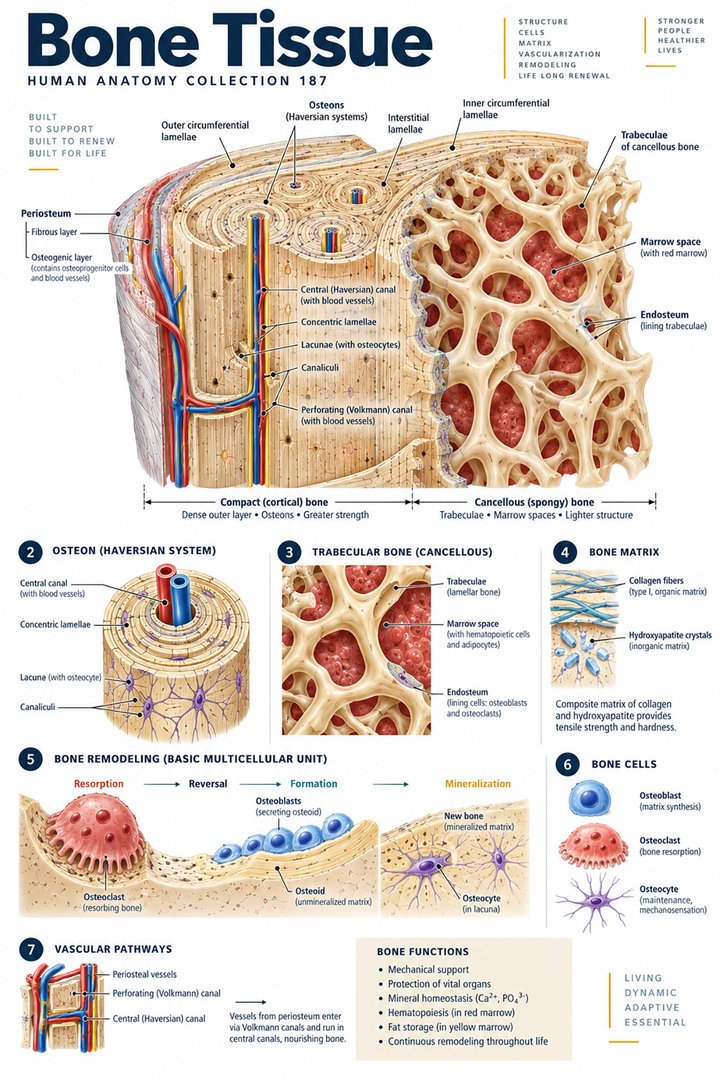 Human Bone Density ↗Human Blood Circulation ↗
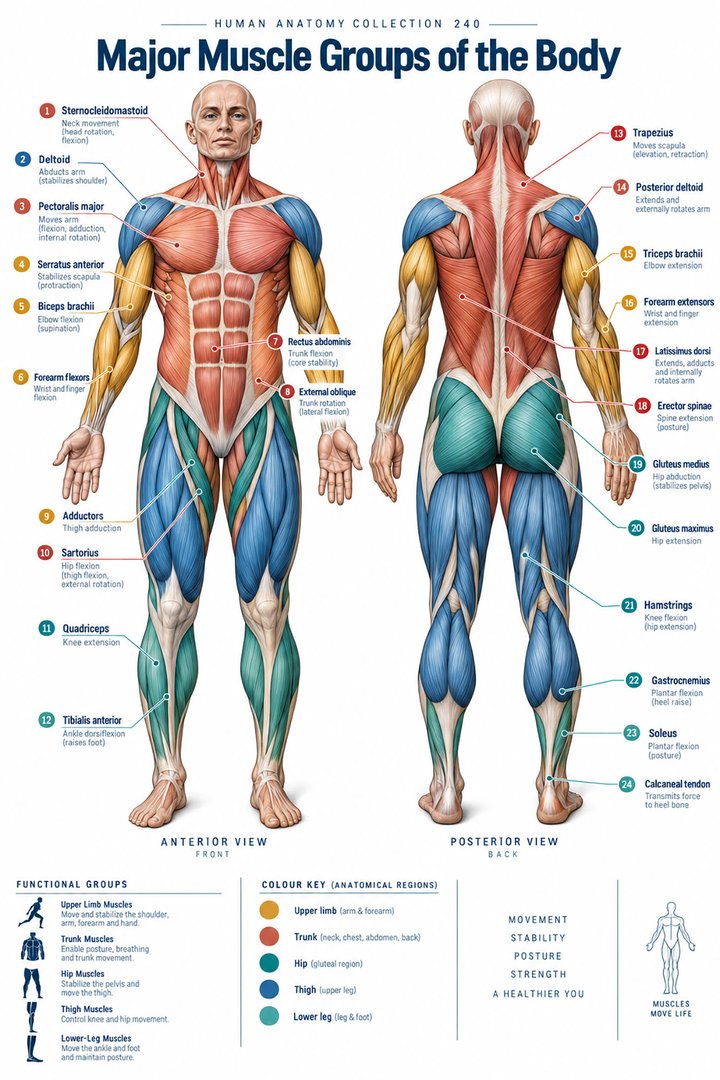 Human Muscle Groups ↗
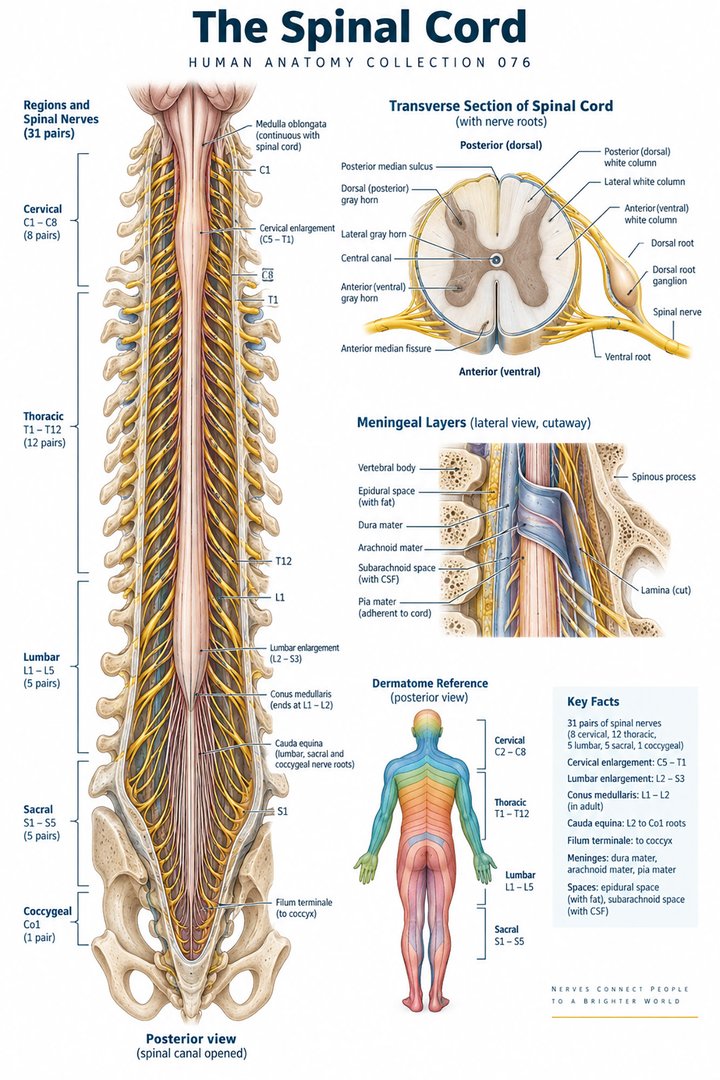 Human Spinal Cord ↗
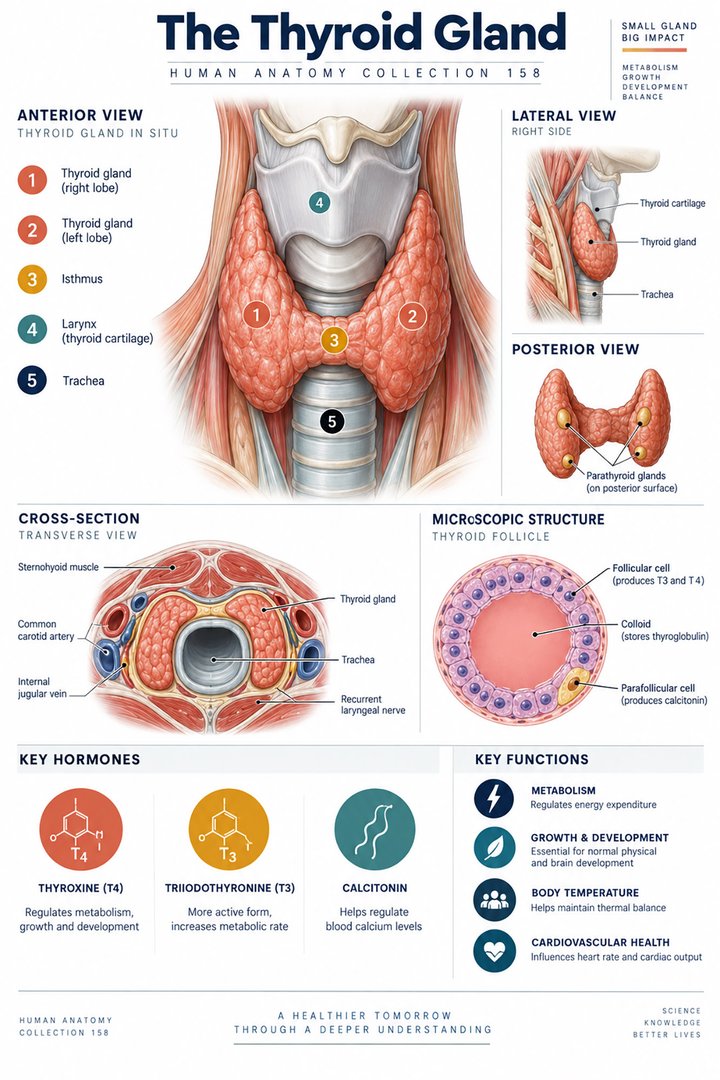 Human Thyroid Gland ↗
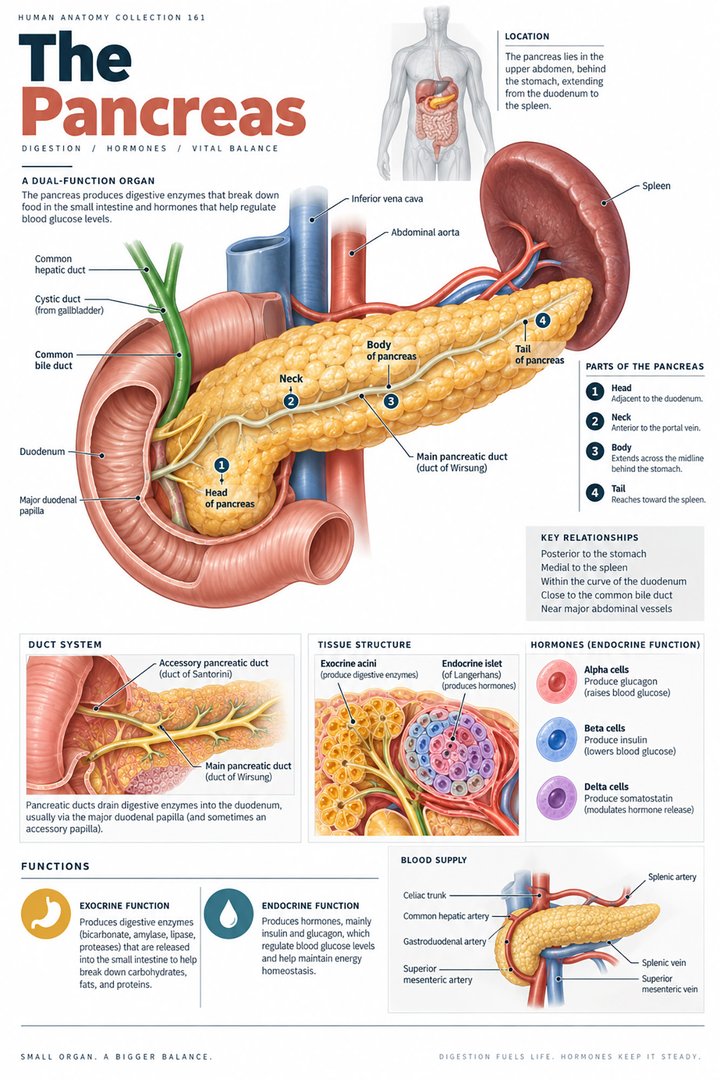 Human Pancreas Function ↗
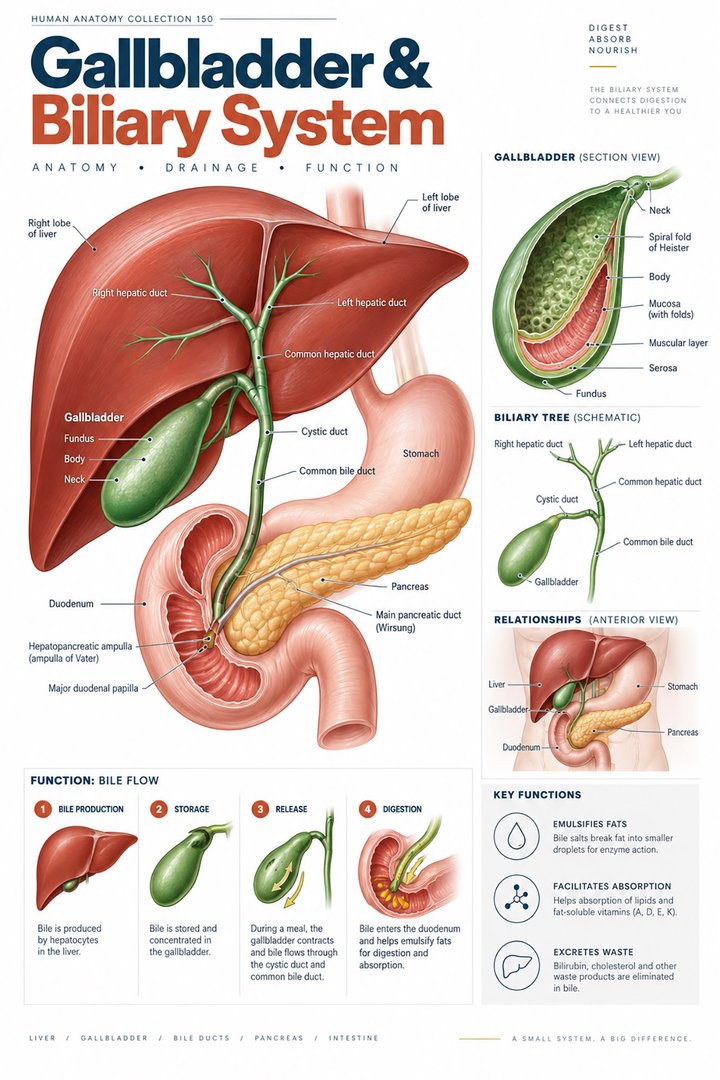 Human Gallbladder Anatomy ↗