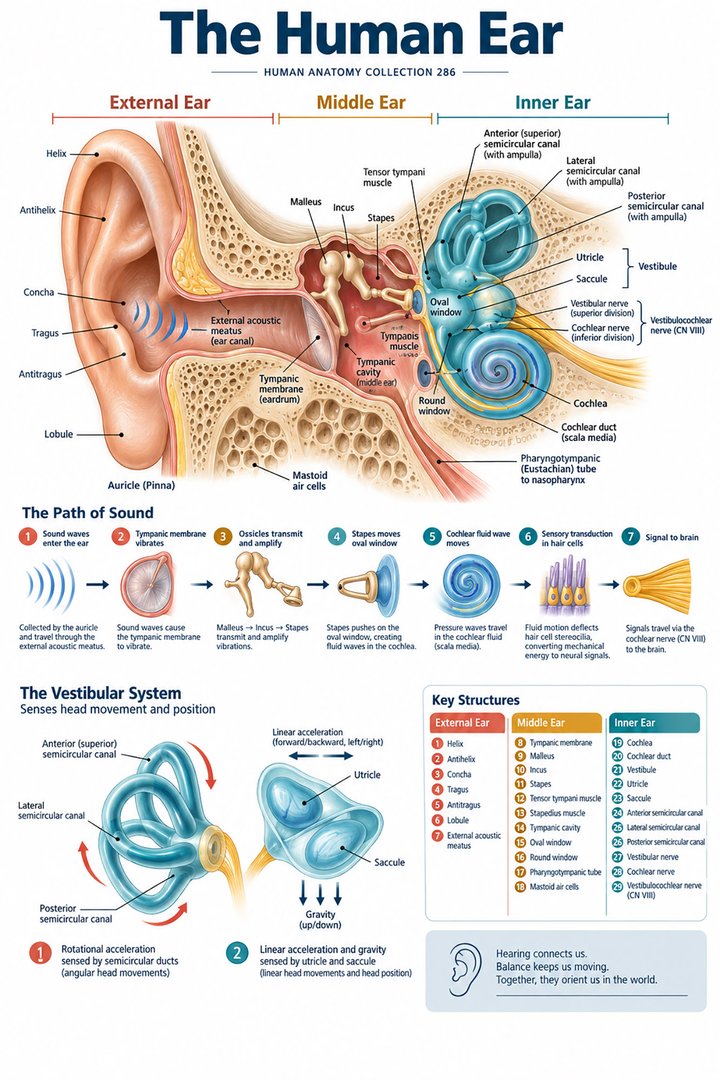
The Human Ear
Individual poster · 300 DPI print files
Regular $9.90
Explore poster ↗$4.90USD
Offer price · Save $5.00Individual poster · 300 DPI print files
Reduced web preview. Separate high-resolution print files are supplied with the digital download.
ANATOMY 286
A modern anatomy illustration exploring the human ear, designed for educational and decorative use.
Purchases are not available yet. Checkout and download delivery are being prepared.
Sold by Kunstolymp.de · Germany
Compare prices & the complete collection ↗This is a DIGITAL DOWNLOAD. No physical product will be shipped. After purchase, download your files and print them at home, at a local print shop, or through an online professional printing service.
The separate 300 DPI print files are ideal for 24×36-inch posters (approximately 60×90 cm). ISO and 5×7 formats are included. The white border lets you adjust the layout or trim to fit other frame sizes; check the preview before printing to keep the illustration and labels visible.
The planned bundle delivery includes a PDF information sheet with a link to the relevant Google Drive folder and download instructions. The store is currently in preview and purchases are not yet available.
A science-inspired choice for a student’s study corner, an educator’s classroom, or an anatomy enthusiast’s wall. Final licensing terms will apply.
CLINICAL CONTEXT
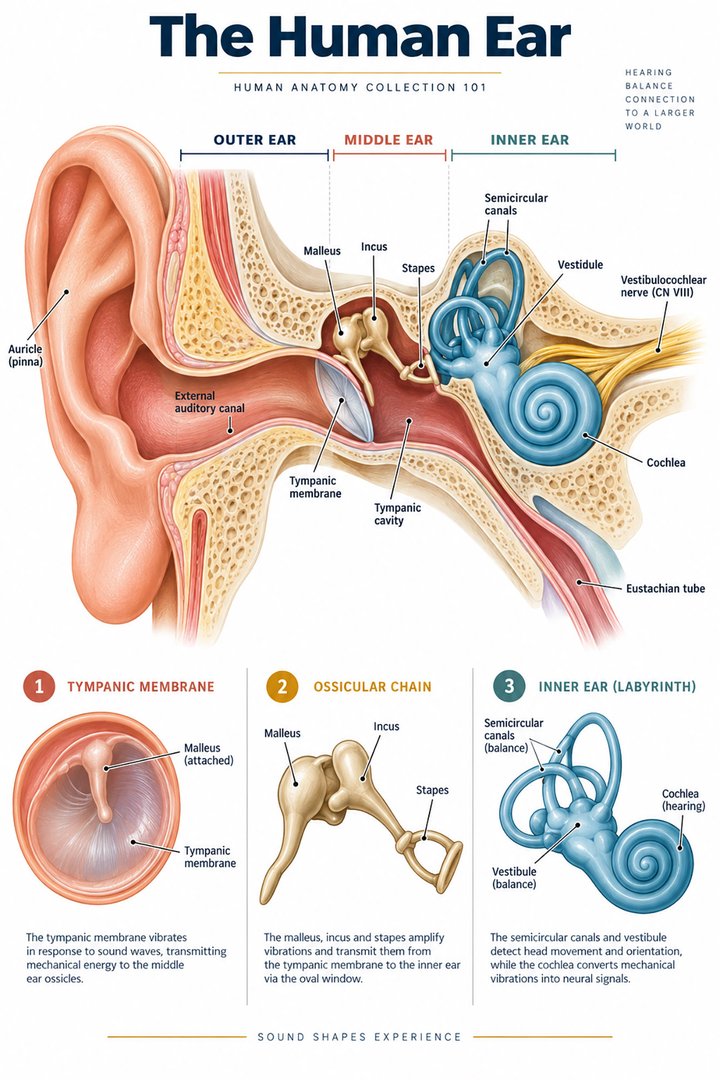
The ear has three connected regions. The outer ear collects sound and directs it through the ear canal to the tympanic membrane. In the middle ear, the malleus, incus, and stapes transmit vibration towards the inner ear; the Eustachian tube connects the middle ear with the nasopharynx and helps equalise pressure. Within the cochlea, movement of fluid and the basilar membrane stimulates sensory hair cells, converting mechanical vibration into signals carried towards the brain by the auditory nerve. The vestibular organs contribute to balance: semicircular canals detect head rotation, while the utricle and saccule sense linear motion and gravity. Their signals work with vision and body sensation to stabilise gaze and posture.
Earwax obstruction, ear-canal inflammation (otitis externa), and middle-ear infection or fluid can interfere with sound conduction. Patients may describe pain, itching, discharge, pressure, or muffled hearing. Age-related and noise-related hearing loss usually involve the inner ear and can make speech difficult to understand, especially in background noise. Tinnitus is a perceived sound without an external source and may accompany hearing loss, wax obstruction, or other conditions; its effect on sleep and concentration can be substantial. Brief vertigo triggered by head position may suggest benign paroxysmal positional vertigo (BPPV), whereas episodes with hearing change, tinnitus, and fullness require consideration of other vestibular disorders, including Ménière's disease. Dizziness can also arise outside the ear, so avoid assuming every balance complaint has a vestibular cause.
Establish onset, duration, laterality, pain, discharge, hearing change, tinnitus, and the timing and triggers of dizziness. Ask about noise exposure, recent respiratory illness, swimming, trauma, medicines, previous ear surgery, and effects on communication or daily activities. Otoscopy examines the canal and eardrum. Audiometry measures hearing thresholds, while tympanometry can help assess middle-ear function. Balance assessment may include eye-movement and positional tests performed by a trained clinician; selected patients need specialist investigations or imaging. Sudden hearing loss must receive immediate medical assessment rather than being presumed to be wax or congestion.
Treatment follows the diagnosis and the condition of the eardrum. Wax may require an appropriate softening preparation or professional removal. Ear infections may need pain relief and selected topical or oral treatment; antibiotics are not necessary for every middle-ear infection. Persistent or recurrent problems require review. Sudden sensorineural hearing loss is time-critical and may be treated with corticosteroids under specialist supervision. Hearing aids, assistive listening technology, communication support, and selected cochlear implantation can help people with hearing impairment. For troublesome tinnitus, counselling, cognitive behavioural therapy, and suitable sound-based approaches can reduce its impact. Confirmed BPPV may respond to a repositioning manoeuvre; other balance disorders may benefit from diagnosis-specific treatment and vestibular rehabilitation.
Relaxation, sleep support, and stress-management strategies may help people cope with tinnitus, but they do not restore damaged hearing. Vitamins and herbal supplements marketed as tinnitus cures have not demonstrated reliable benefit. Discuss supplement use and possible medicine interactions with a clinician. Ear candles have no established benefit for wax removal; avoid inserting cotton buds or other objects into the canal. Do not use wax-removal drops with a perforated eardrum. Reduce hazardous noise exposure with suitable hearing protection and safer listening habits. Face the person when speaking, reduce background noise, and offer written information or other communication support according to their preference.
Seek immediate medical assessment for hearing that drops suddenly over hours or a few days, even if the ear feels blocked. New hearing loss with an ear infection, swelling around the ear, high fever, discharge, or significant illness needs urgent review, particularly in people with diabetes or reduced immunity. Persistent one-sided or heartbeat-synchronous tinnitus warrants clinical evaluation. Arrange prompt follow-up for continuing hearing or balance problems and their effect on safety and communication. This guide supports clinical learning and does not replace an individual assessment.
Further reading: NIDCD: how we hear · NIDCD: balance disorders · NIDCD: sudden hearing loss · NIDCD: tinnitus · NHS: ear infections · NHS: earwax build-up
Explain the working diagnosis, important alternatives, planned tests, expected course, and specific safety-netting in language the patient can use. Invite questions about treatment goals, capacity, cost, culture, and complementary therapies. Use a professional interpreter when language access could affect consent or understanding, and confirm clear arrangements for timely clinical review in writing. Document the reasoning, reassess response to treatment, and coordinate care across professions when illness affects more than one system. Teaching anatomy is most useful when it supports this partnership: accurate localisation, respectful listening, timely escalation, and a plan that remains responsive to the individual patient.
HUMAN ANATOMY COLLECTION · 001—300
A closer look at what makes us human. Discover anatomy posters for your study space, classroom, and everyday curiosity.
DIGITAL DOWNLOADS · 300 DPI PRINT FILES
EXPLORE BY SYSTEM
LEARN & EXPLORE
Detailed English guides with Latin terminology, diagrams, real images, and clinical learning connections.
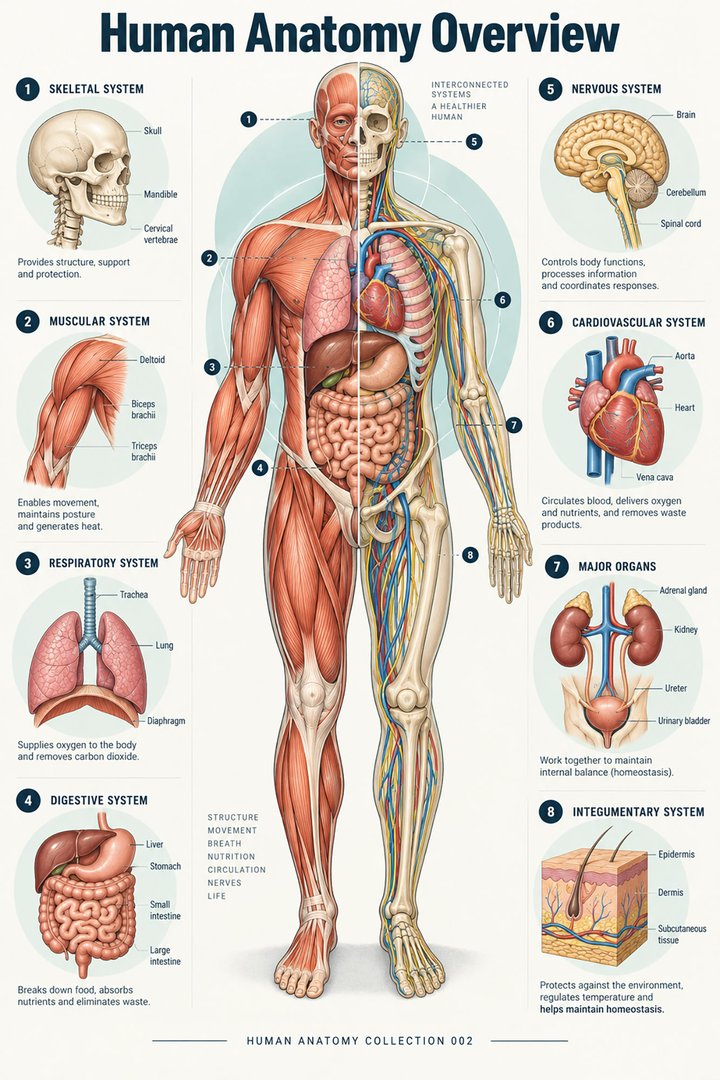 Human Anatomy Diagrams ↗
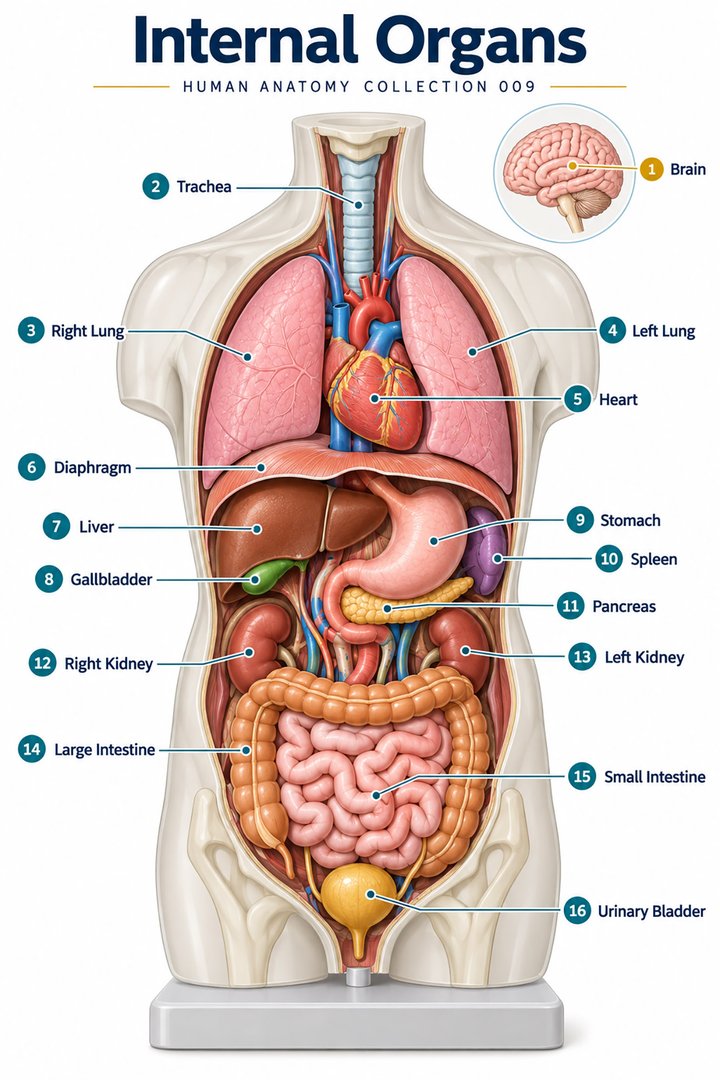 Human Body Organs ↗
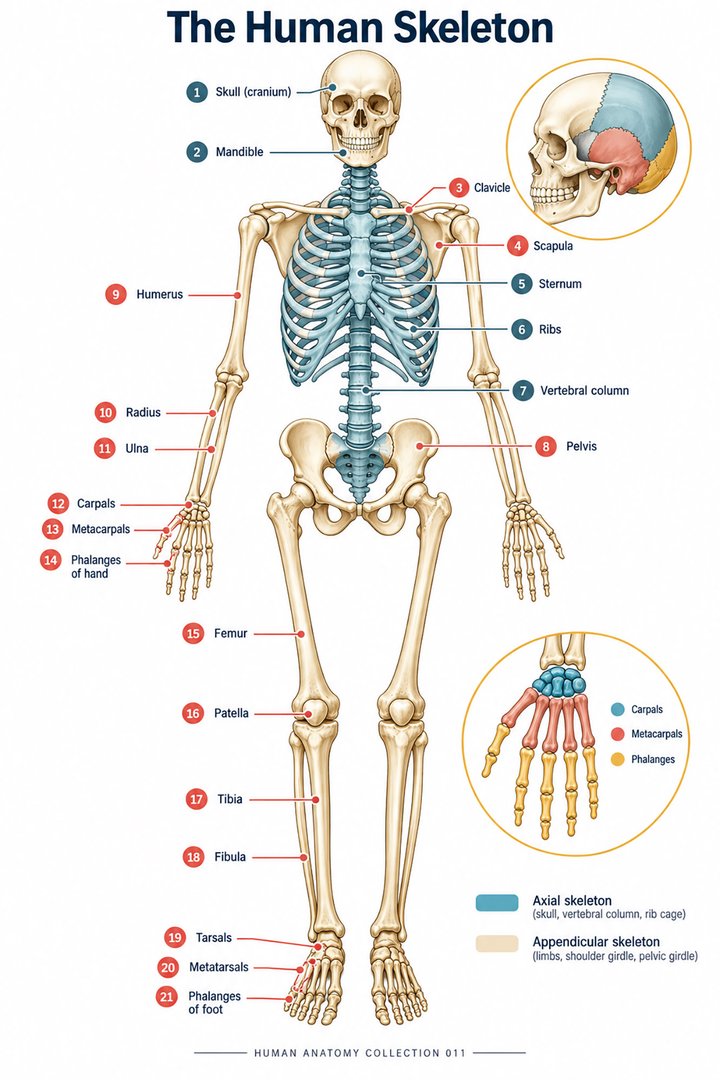 Skeletal System Anatomy ↗
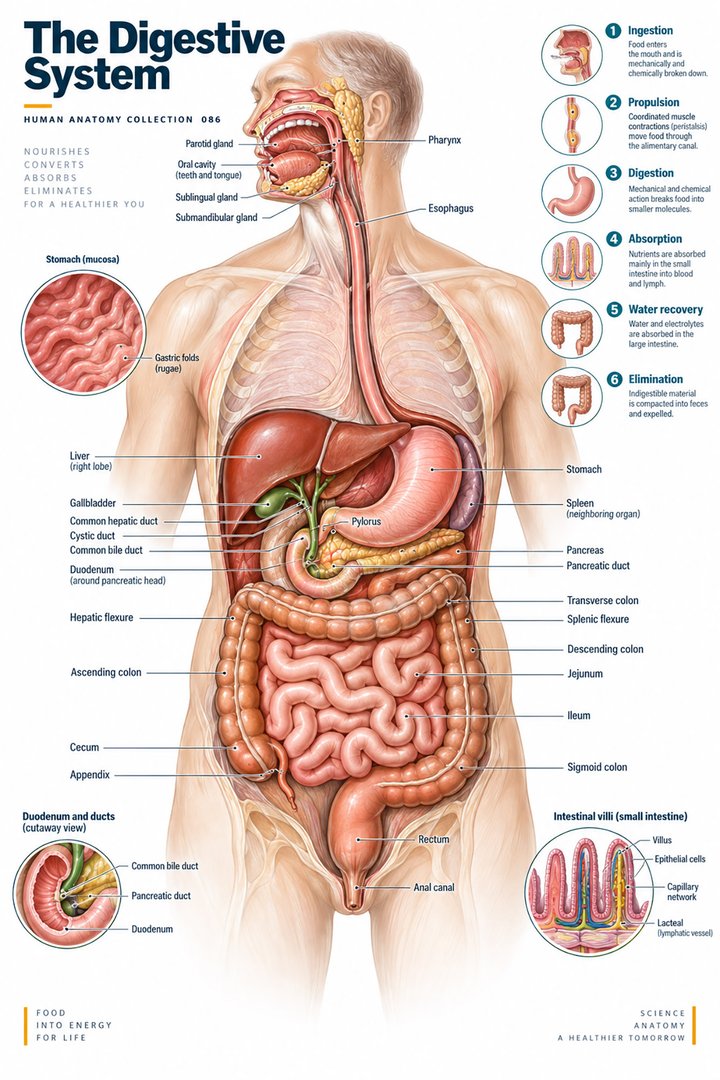 Human Digestive System ↗
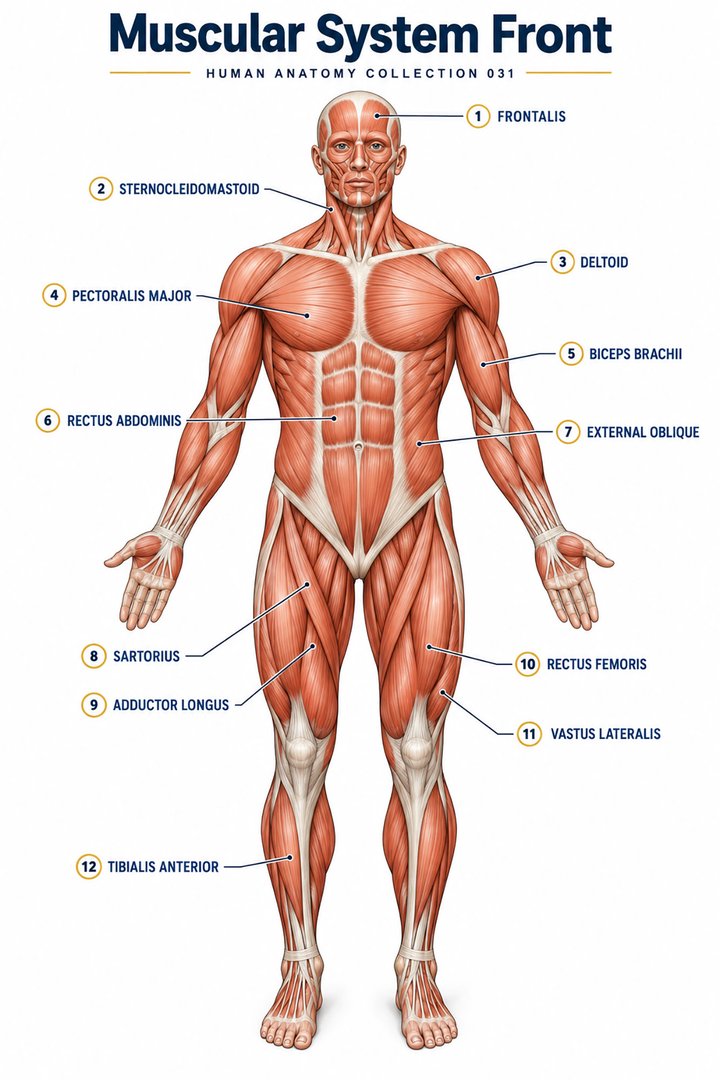 Muscular System Overview ↗
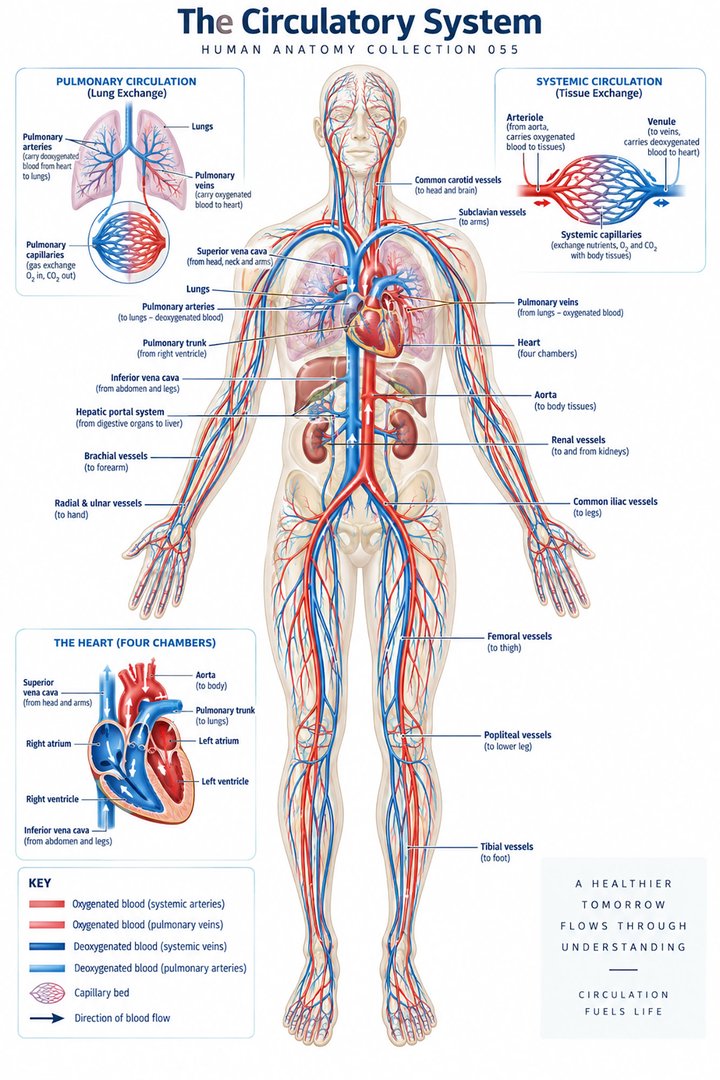 Human Circulatory System ↗
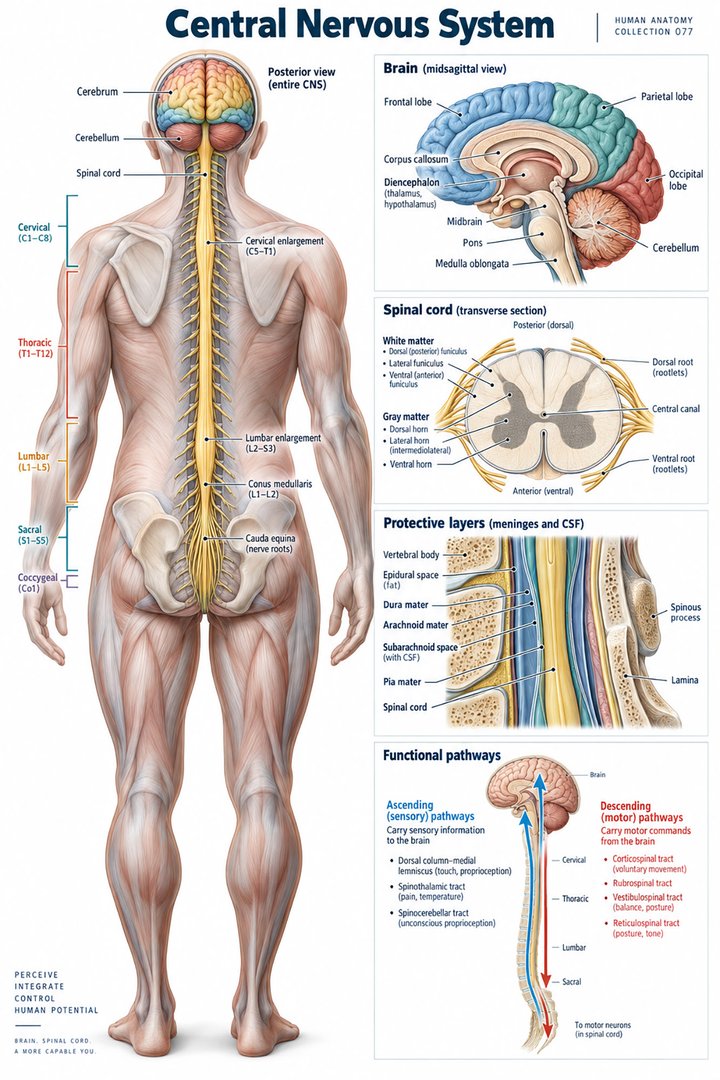 Human Nervous System ↗
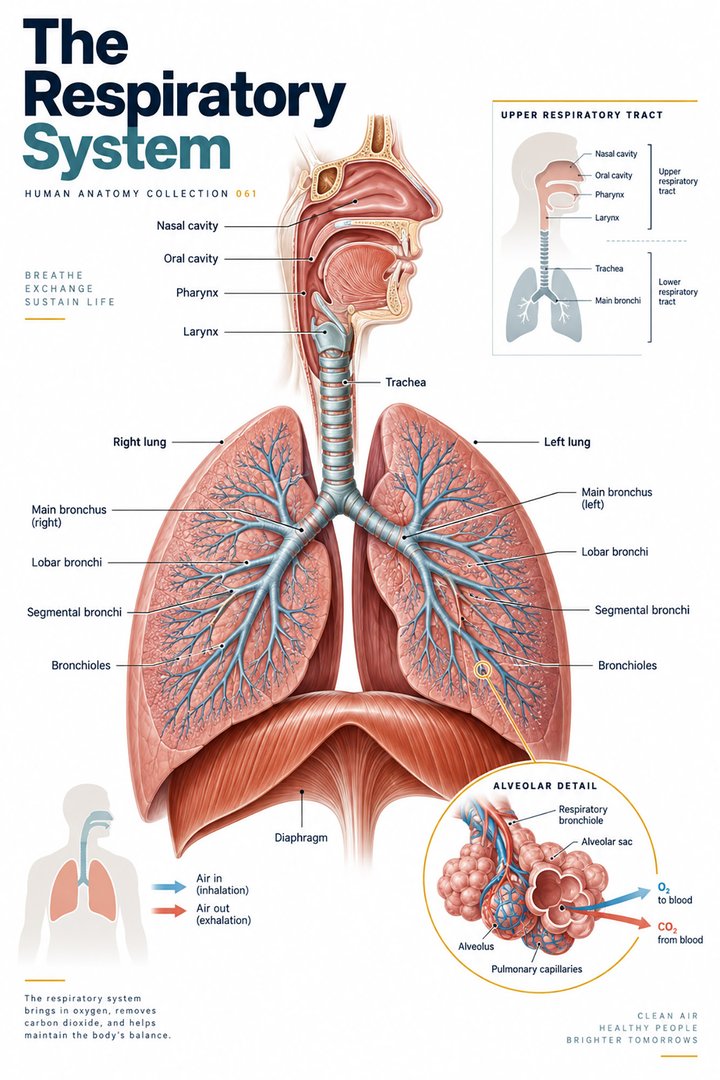 Respiratory System Functions ↗
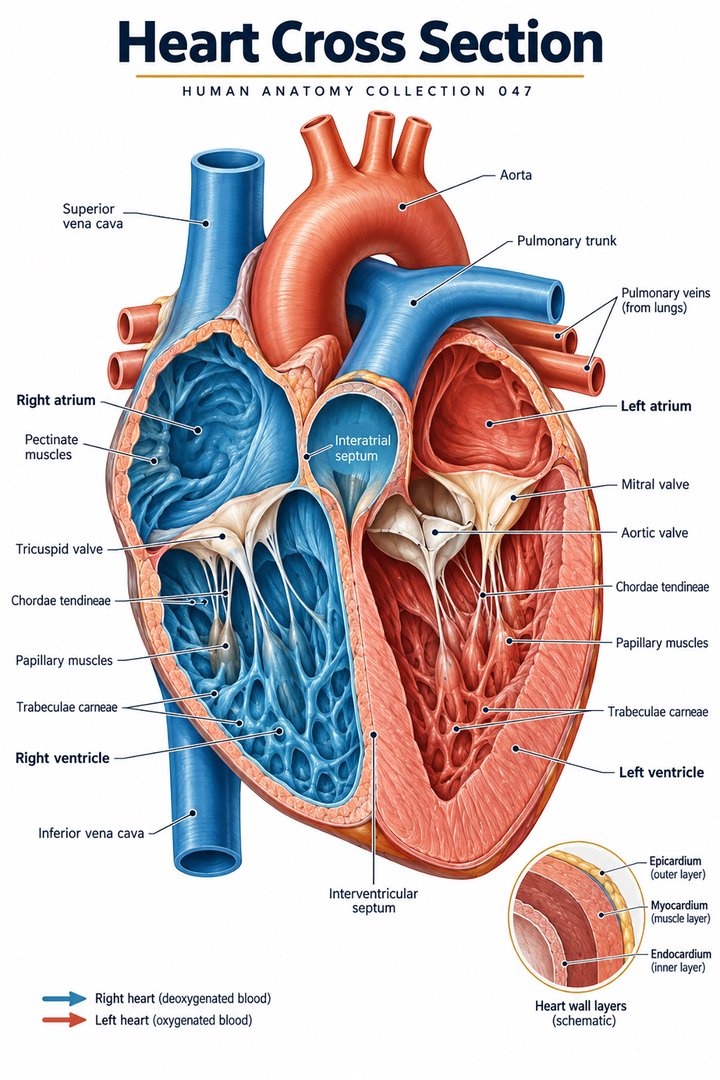 Human Heart Structure ↗
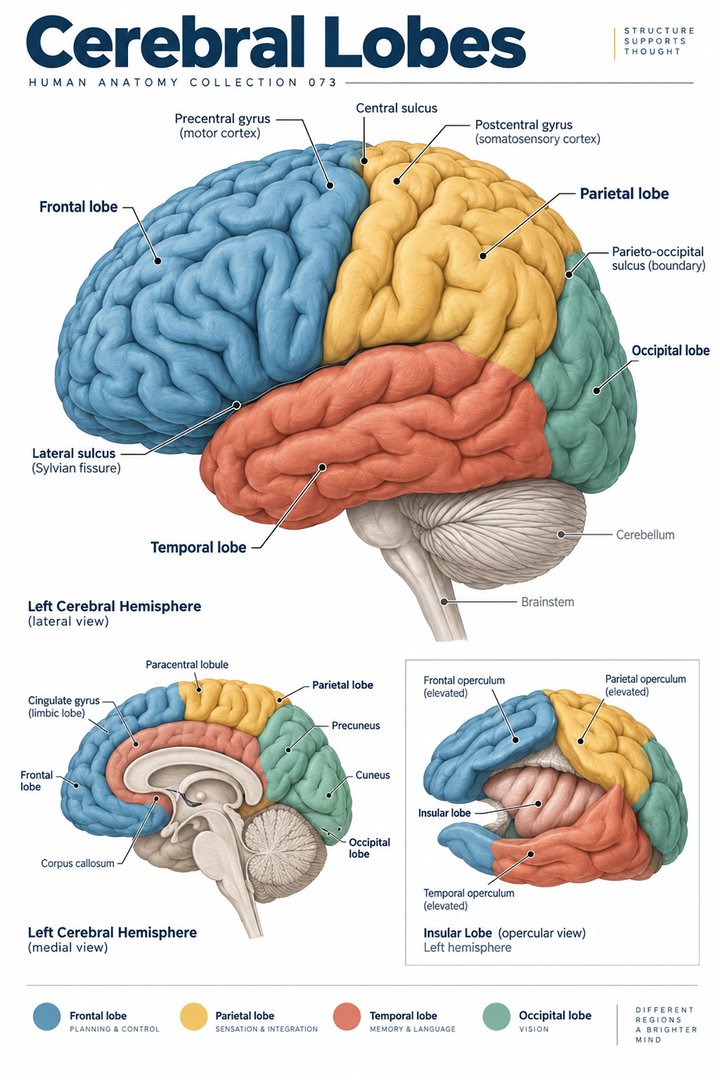 Human Brain Lobes ↗
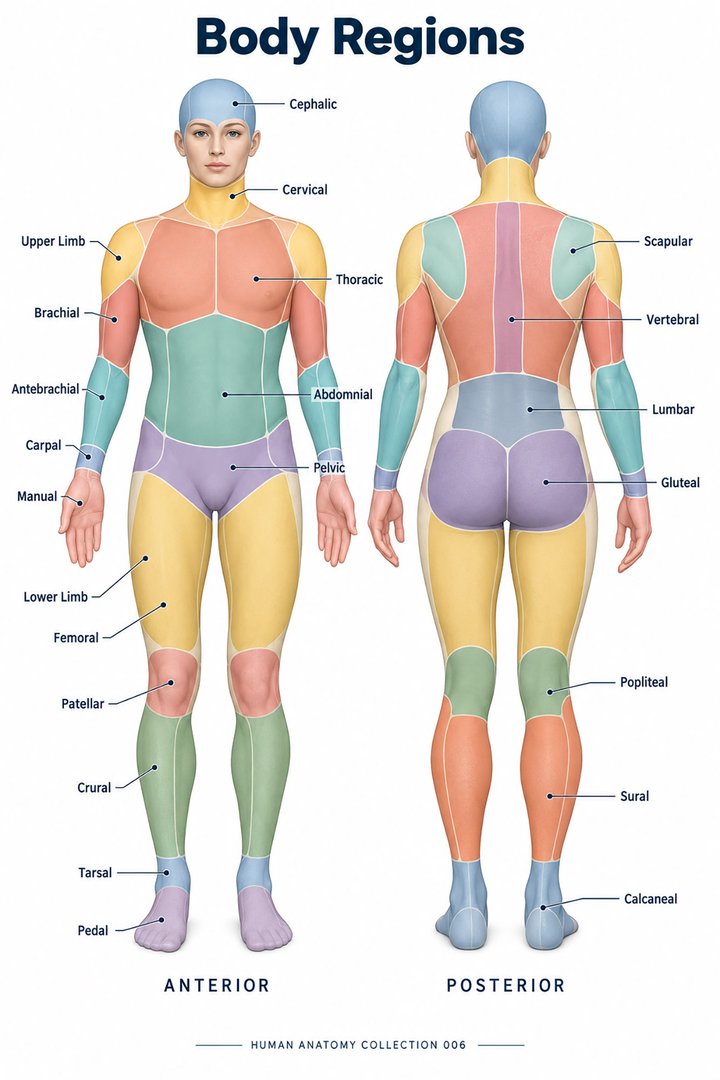 Human Body Parts ↗
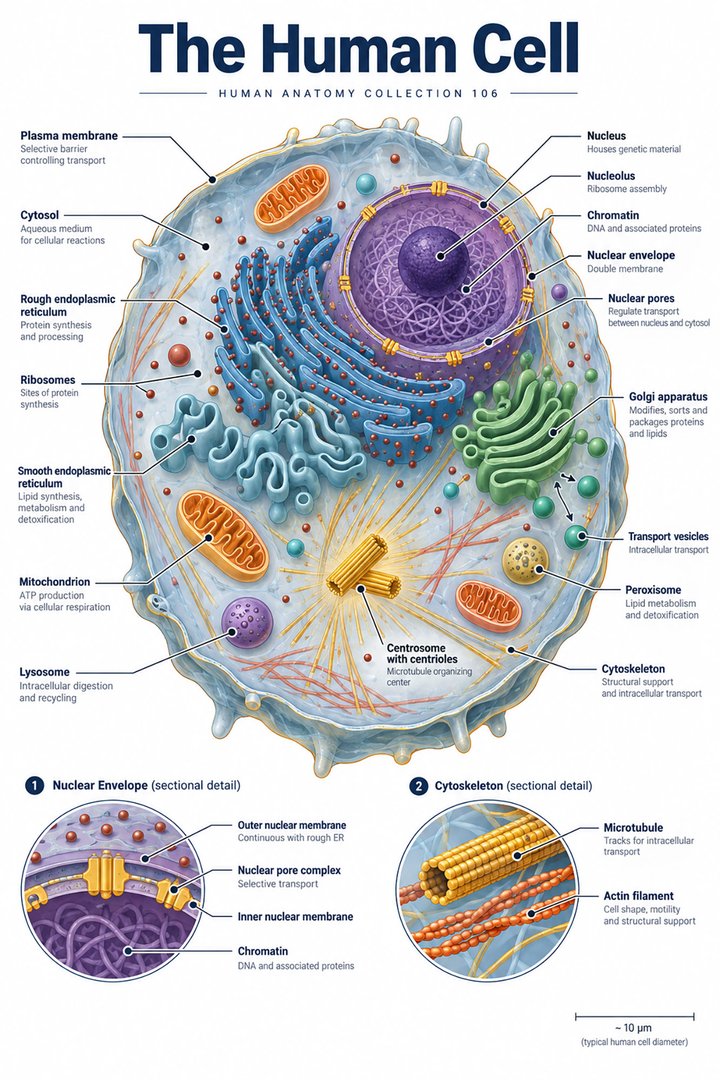 Human Cell Structure ↗
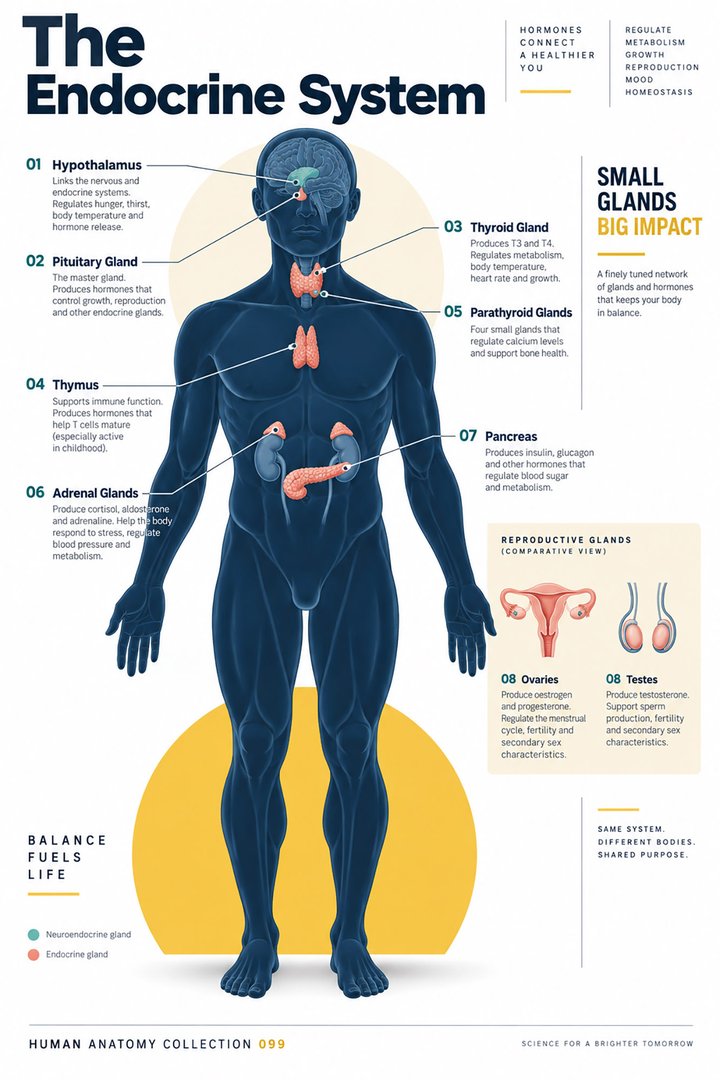 Human Endocrine System ↗
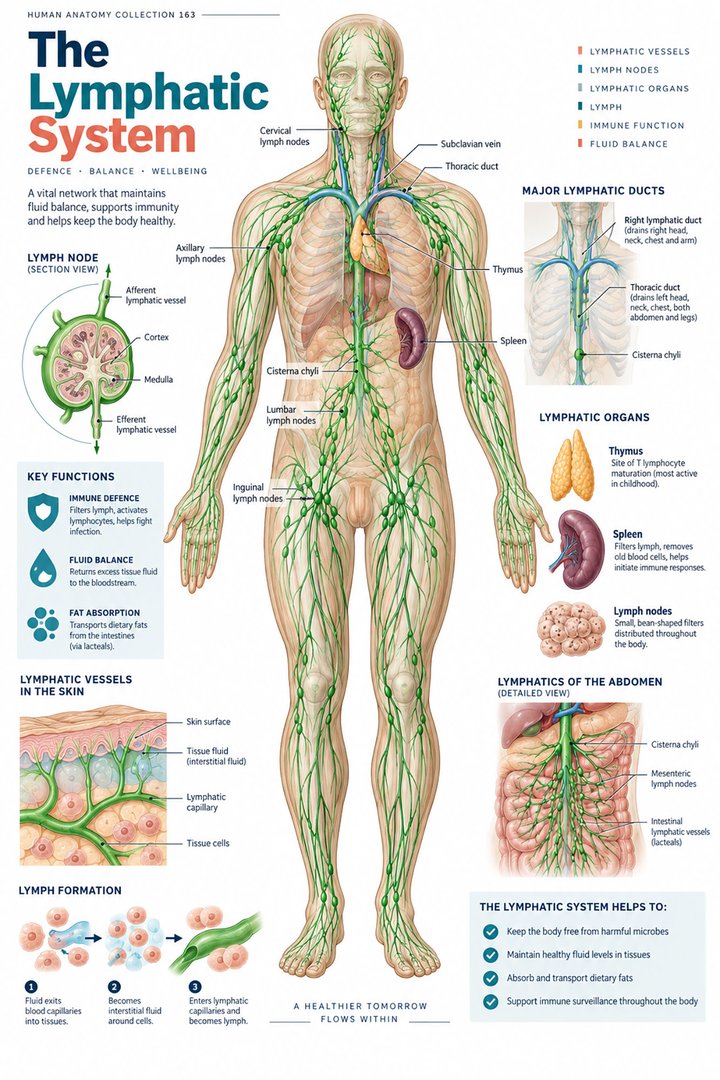 Human Lymphatic System ↗
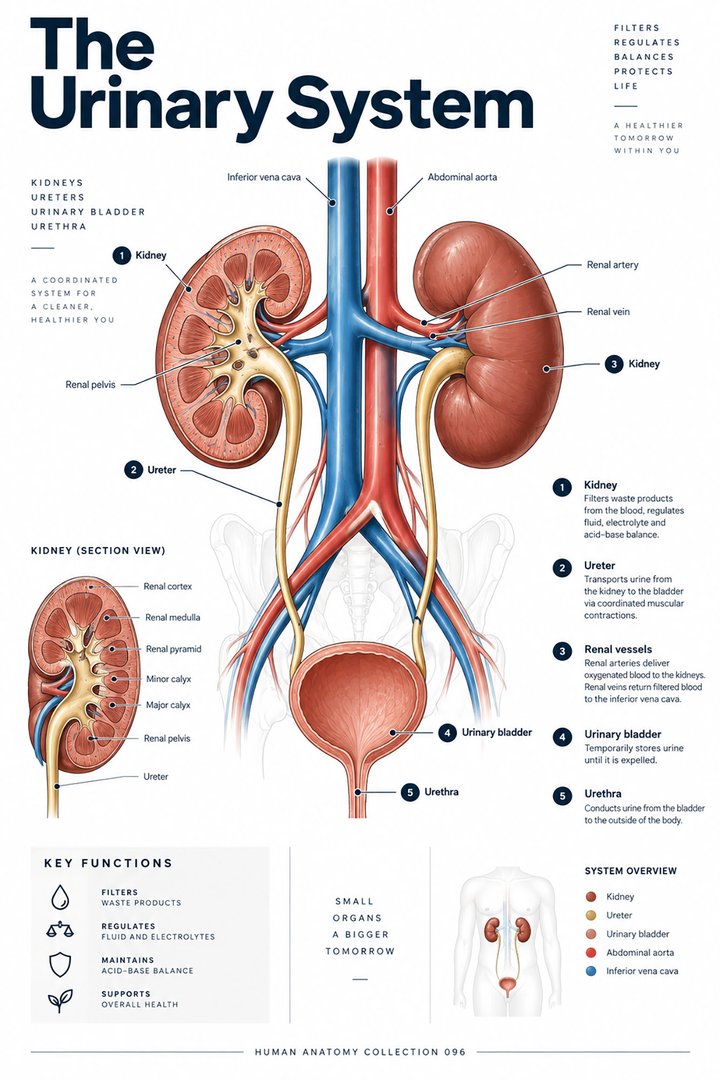 Human Urinary System ↗
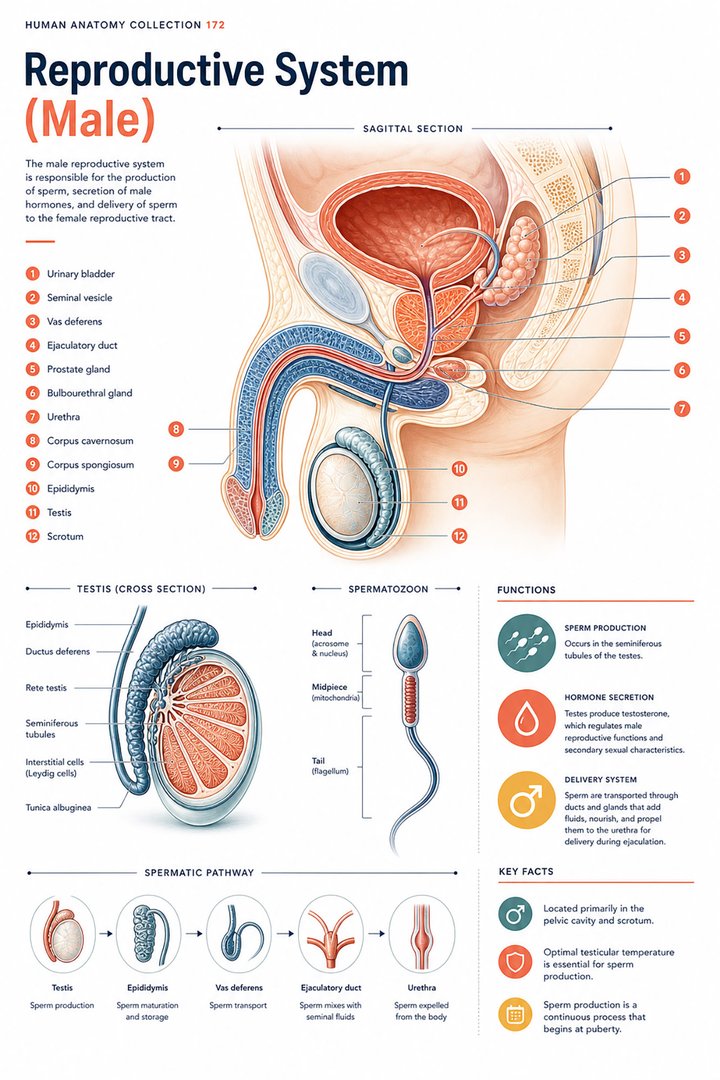 Male Reproductive System ↗
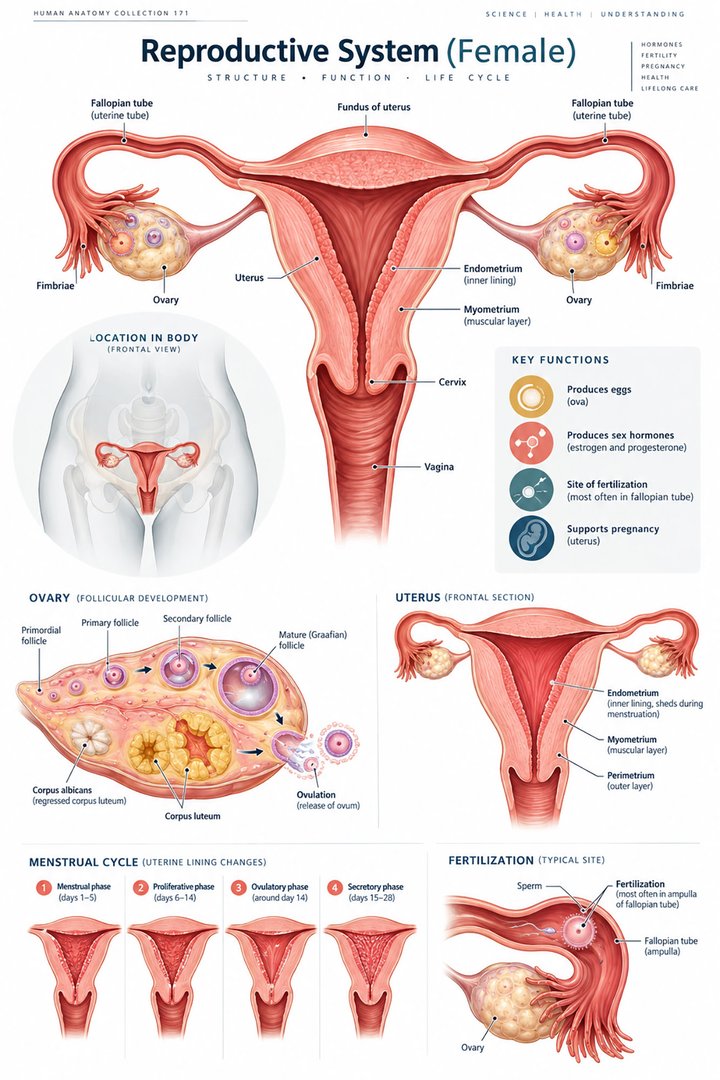 Female Reproductive System ↗
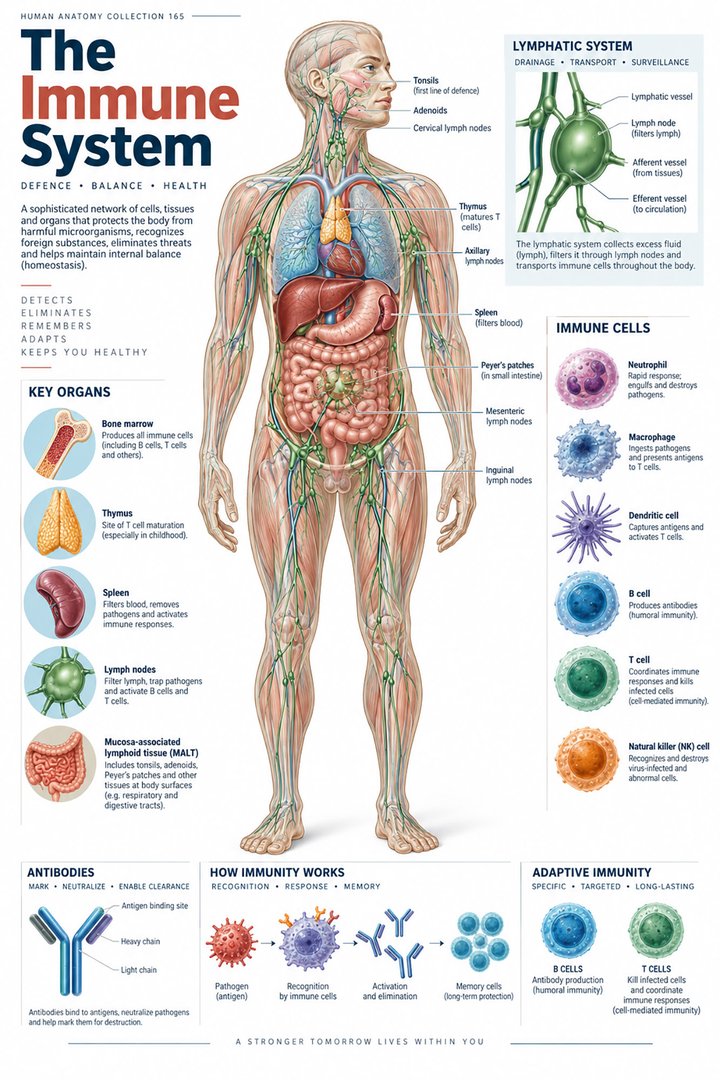 Human Immune System ↗Central Nervous System ↗
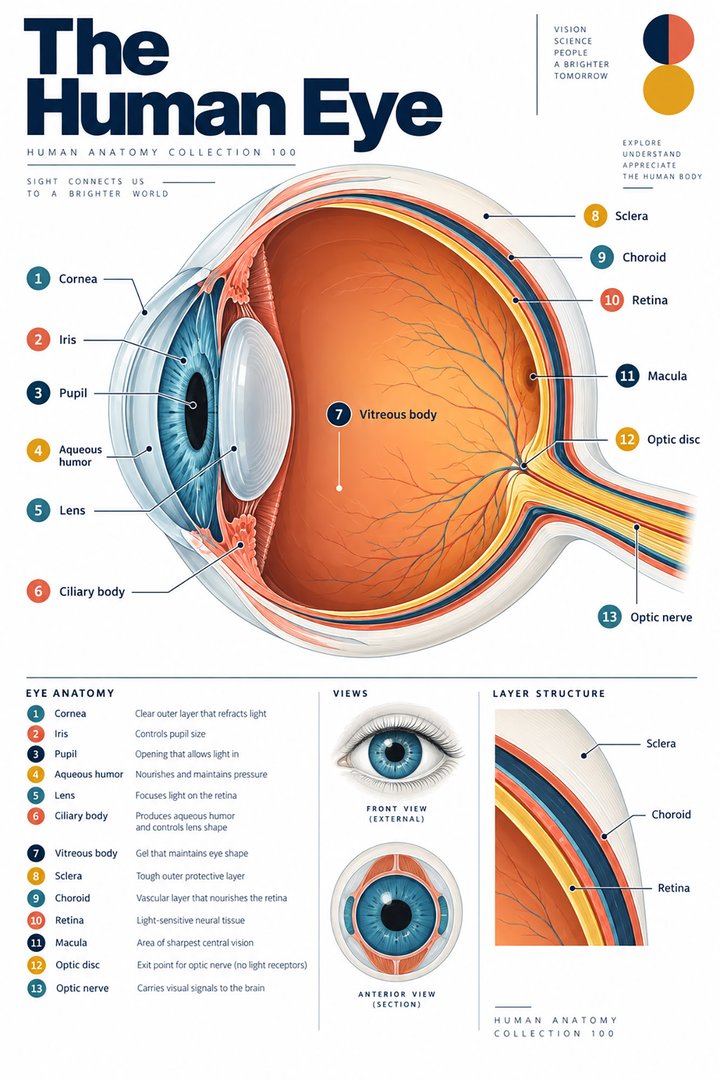 Human Eye Structure ↗
 Human Ear Structure ↗
 Human Liver Function ↗
 Human Kidney Anatomy ↗
 Human Lung Anatomy ↗
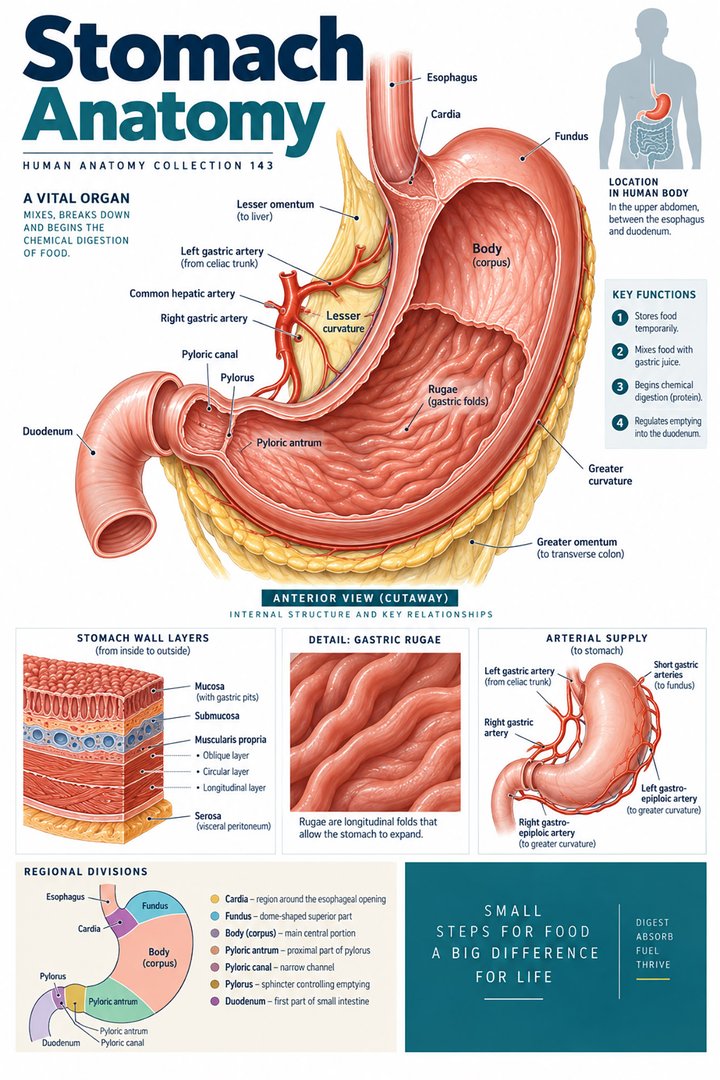 Human Stomach Structure ↗
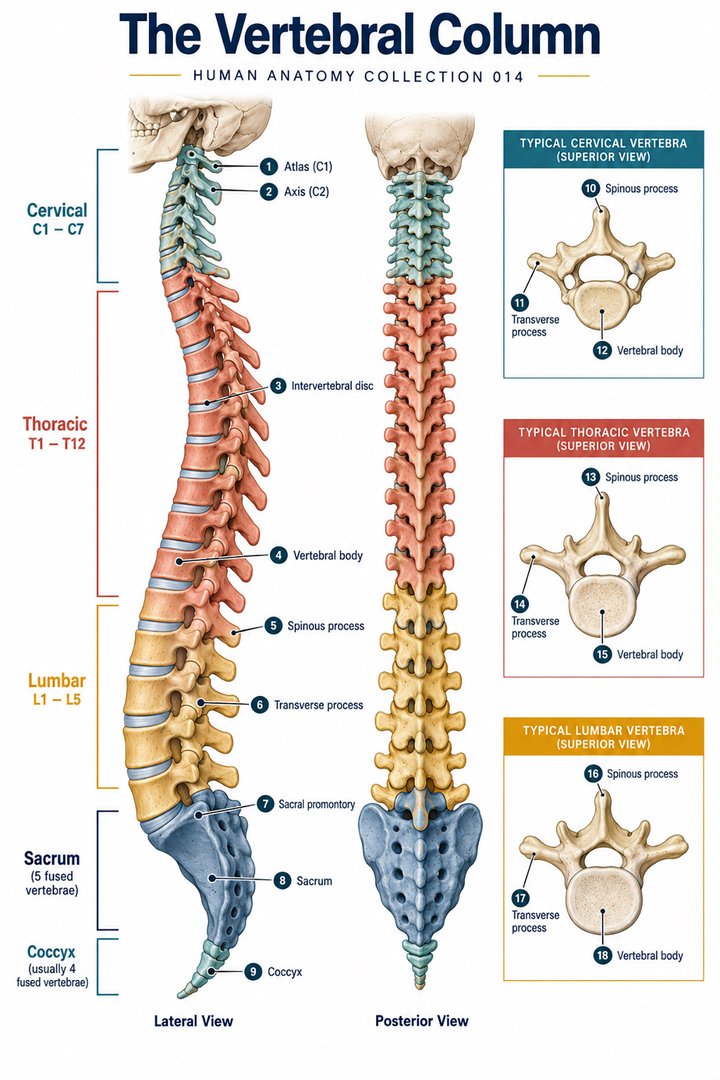 Human Spine Anatomy ↗
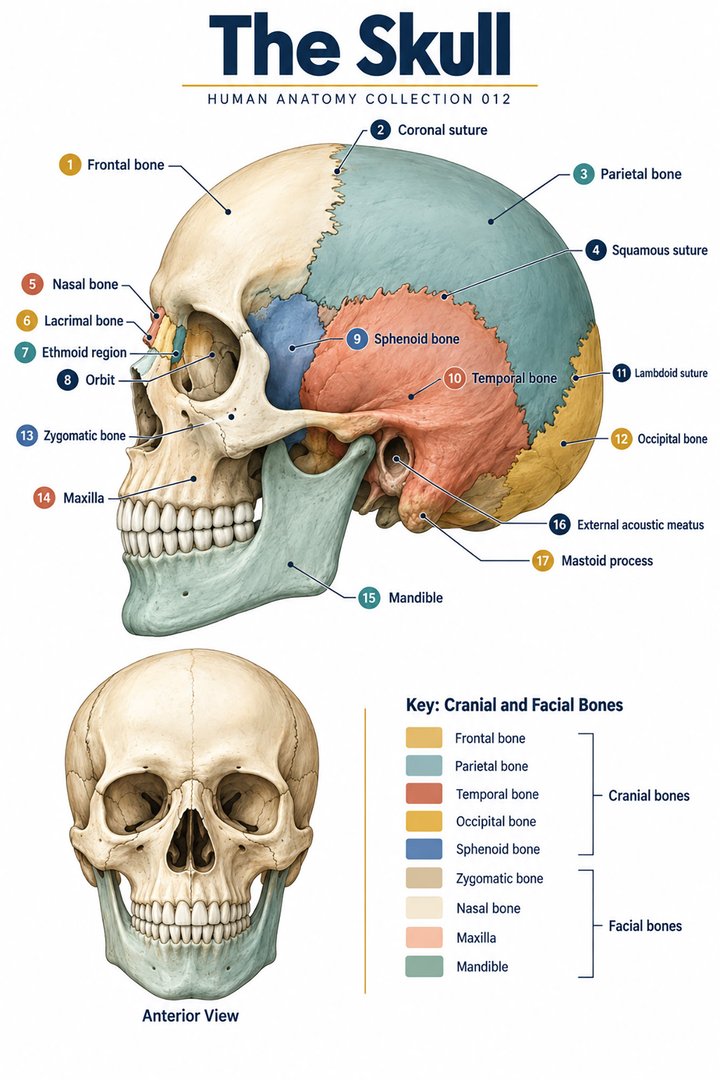 Human Skull Anatomy ↗
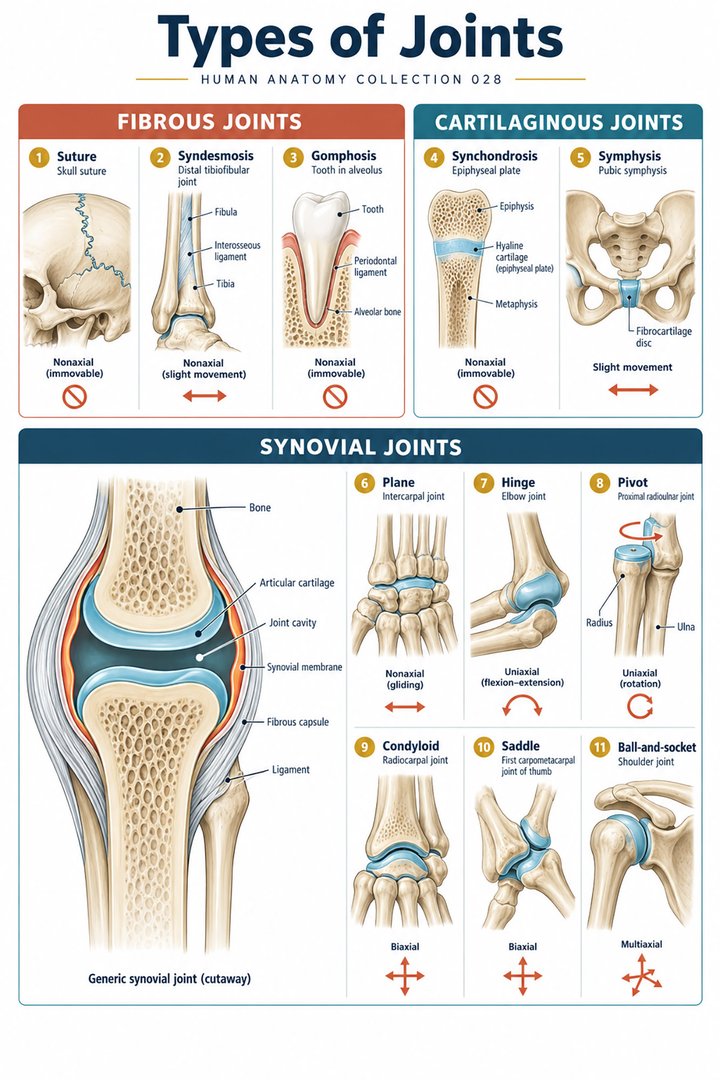 Human Joint Types ↗
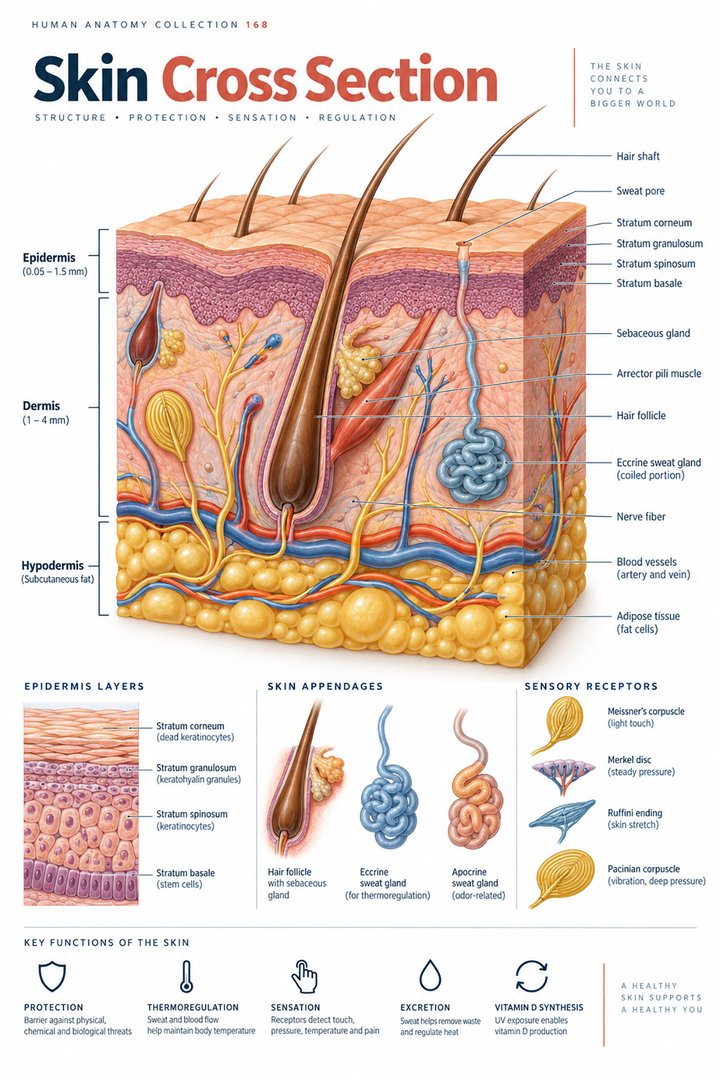 Human Skin Layers ↗
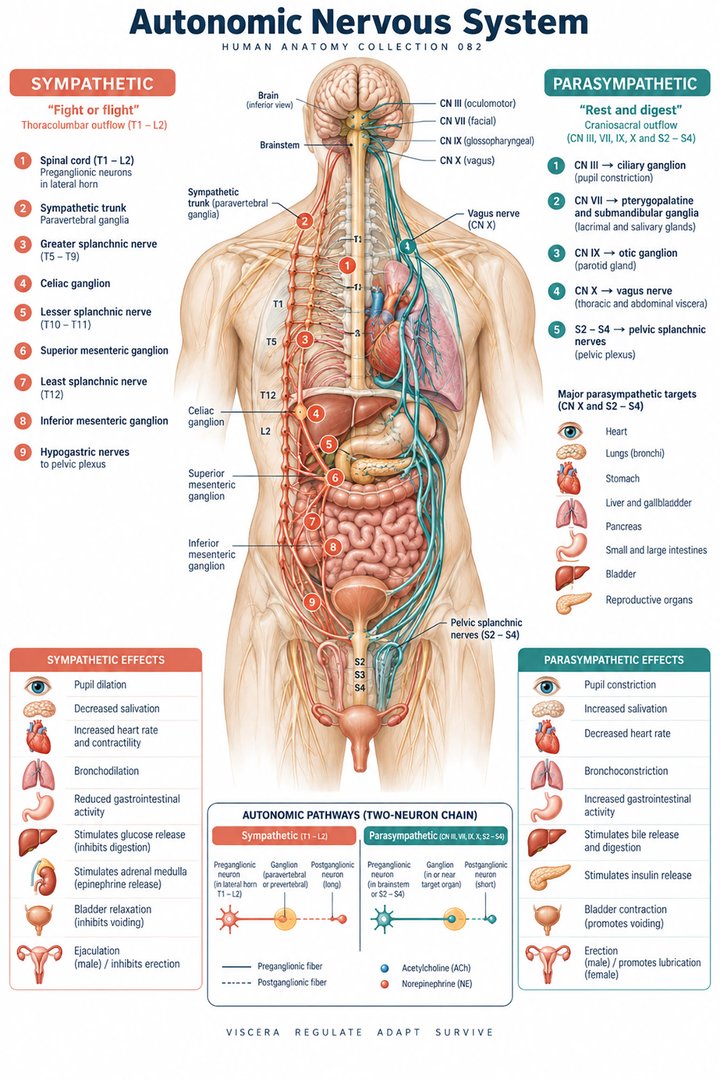 Autonomic Nervous System ↗
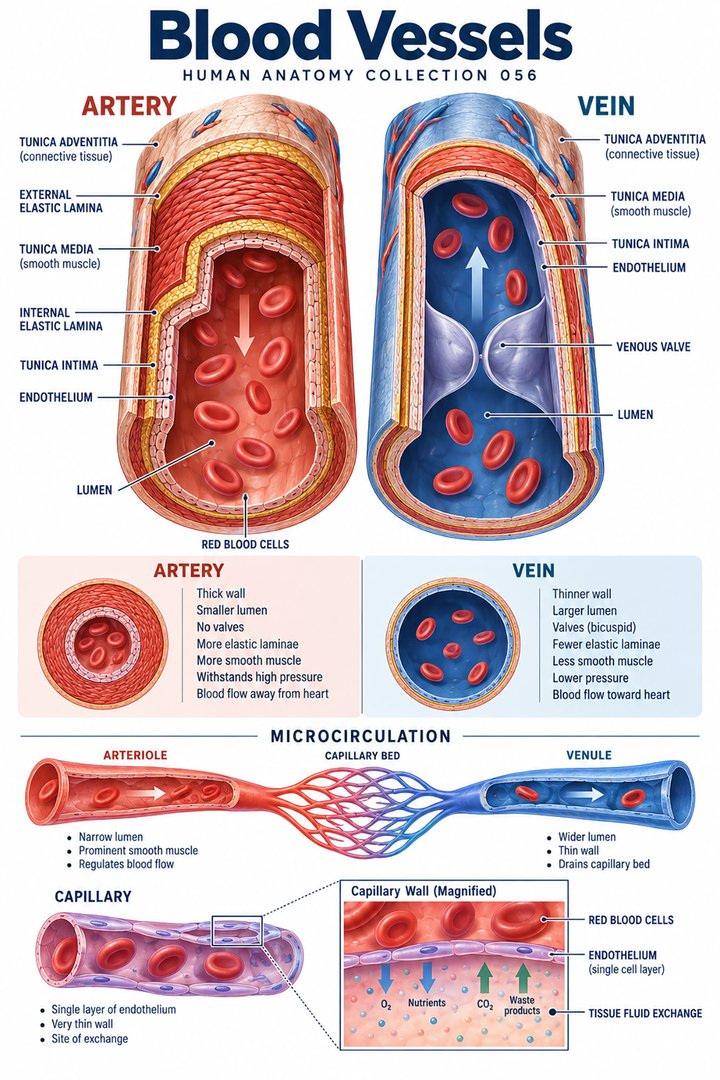 Human Blood Vessels ↗
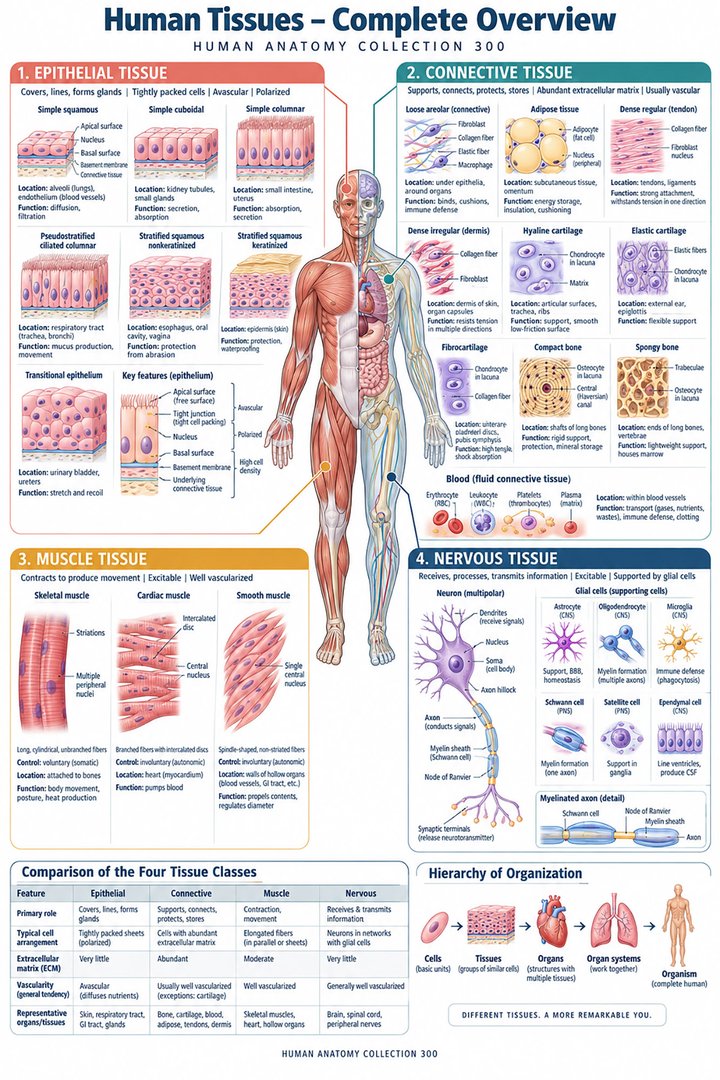 Human Body Tissues ↗
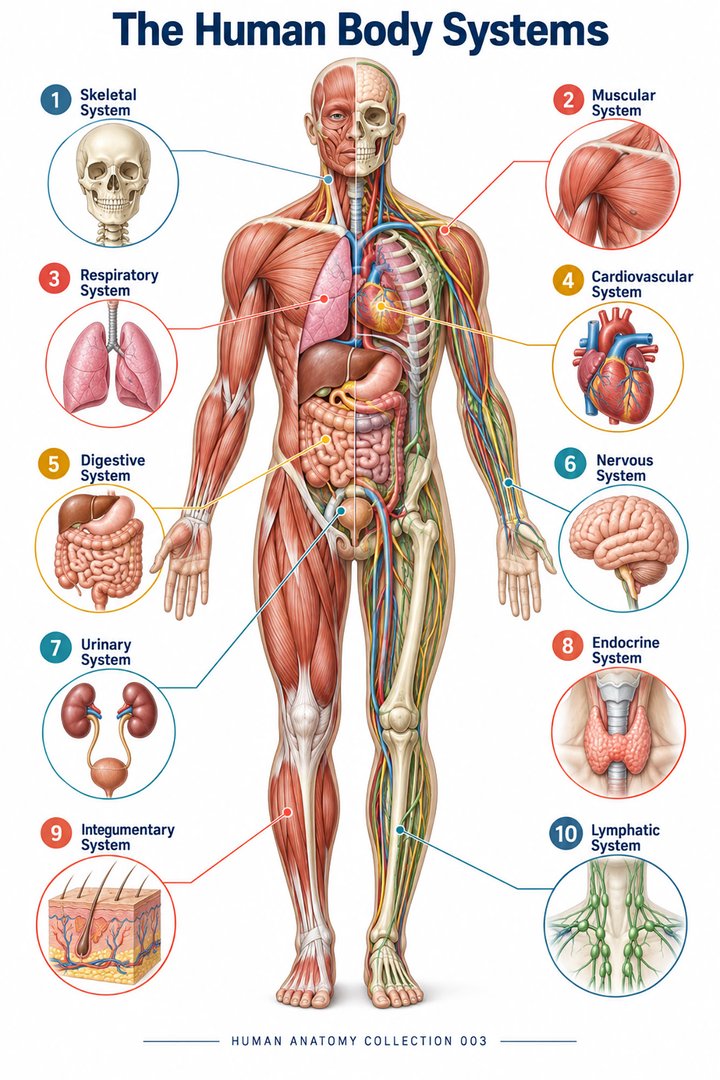 Human Body Systems ↗
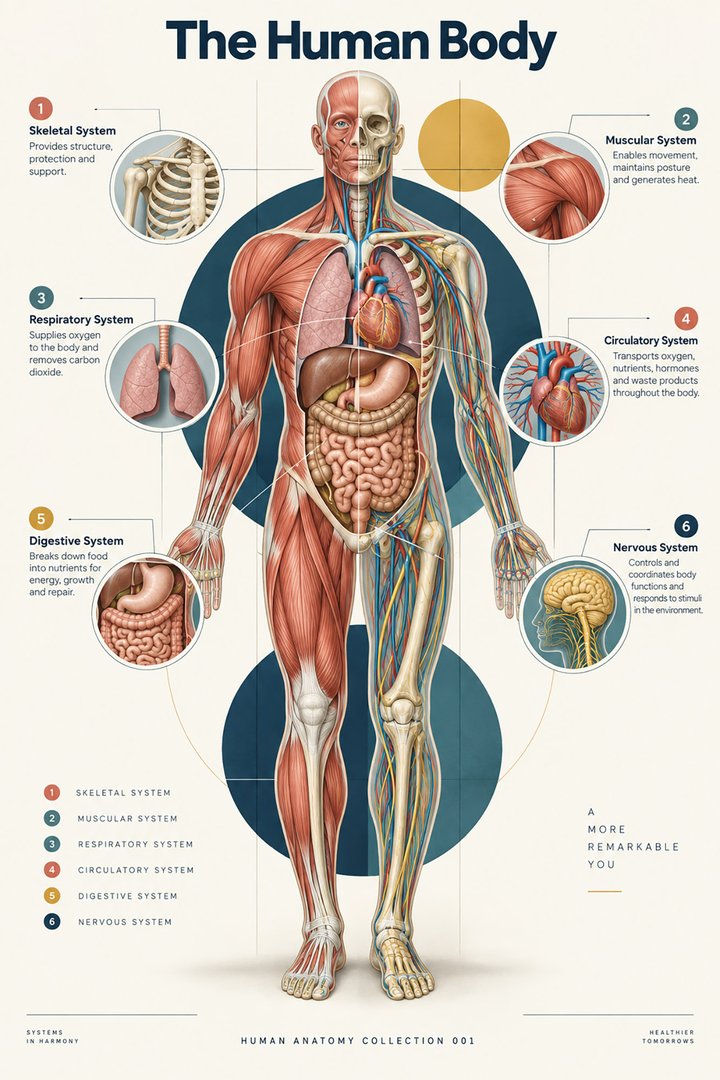 Human Body Facts ↗Human Anatomy and Physiology ↗
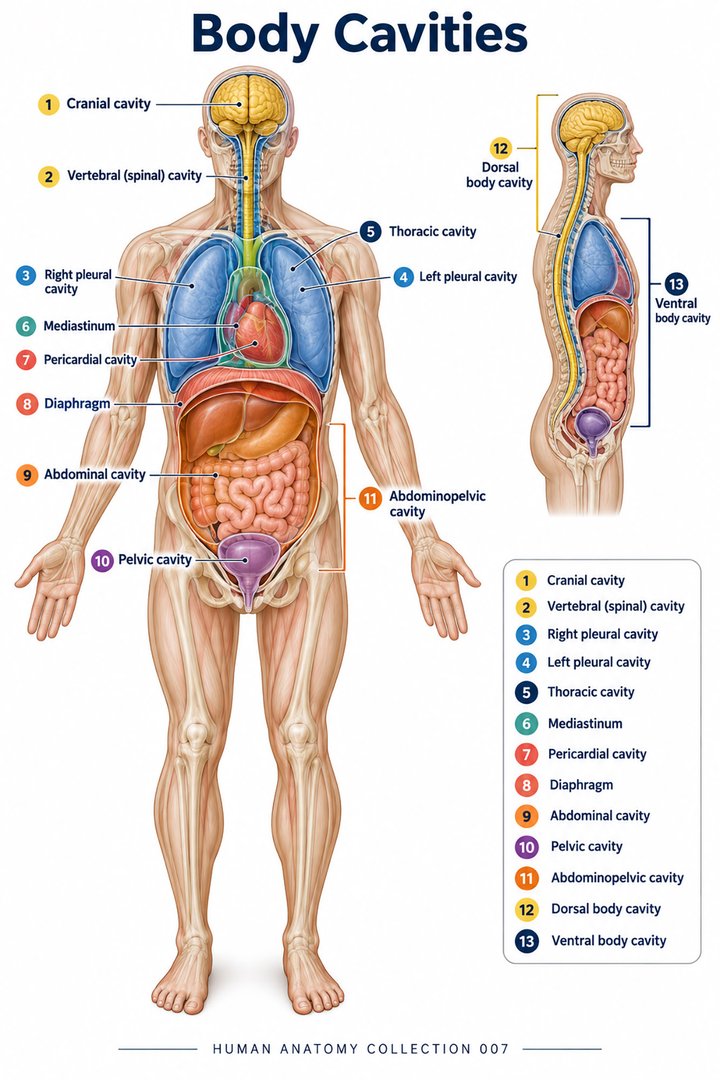 Human Body Cavities ↗Human Torso Anatomy ↗Human Digestive Tract ↗
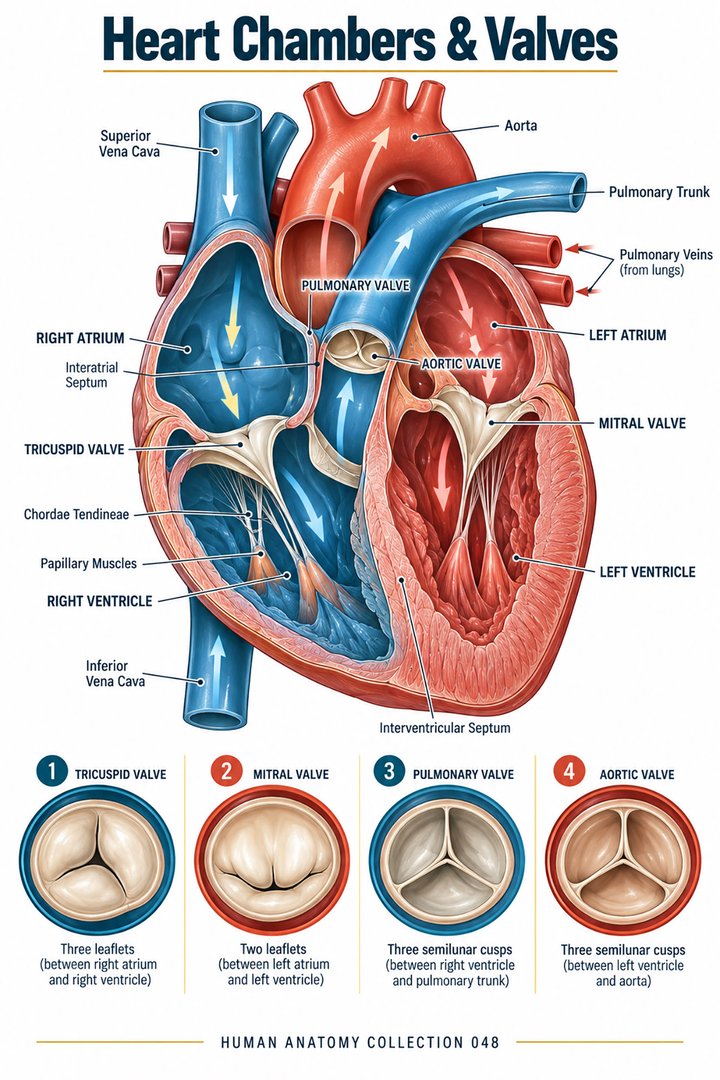 Human Heart Chambers ↗Human Organ Placement ↗
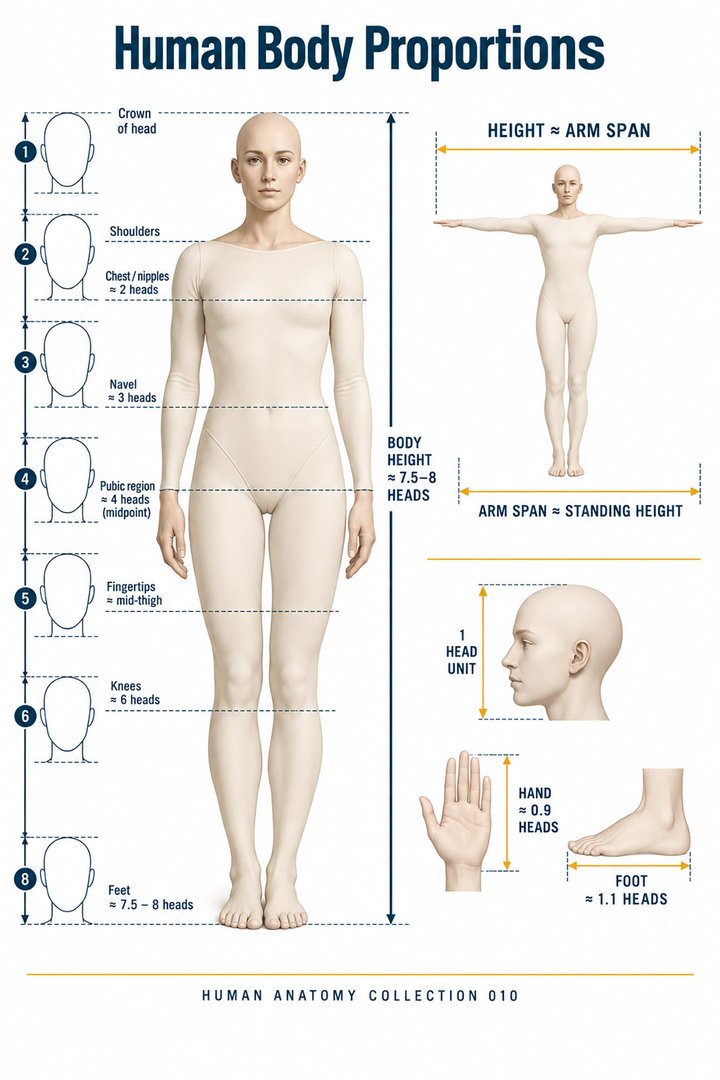 Human Body Proportions ↗
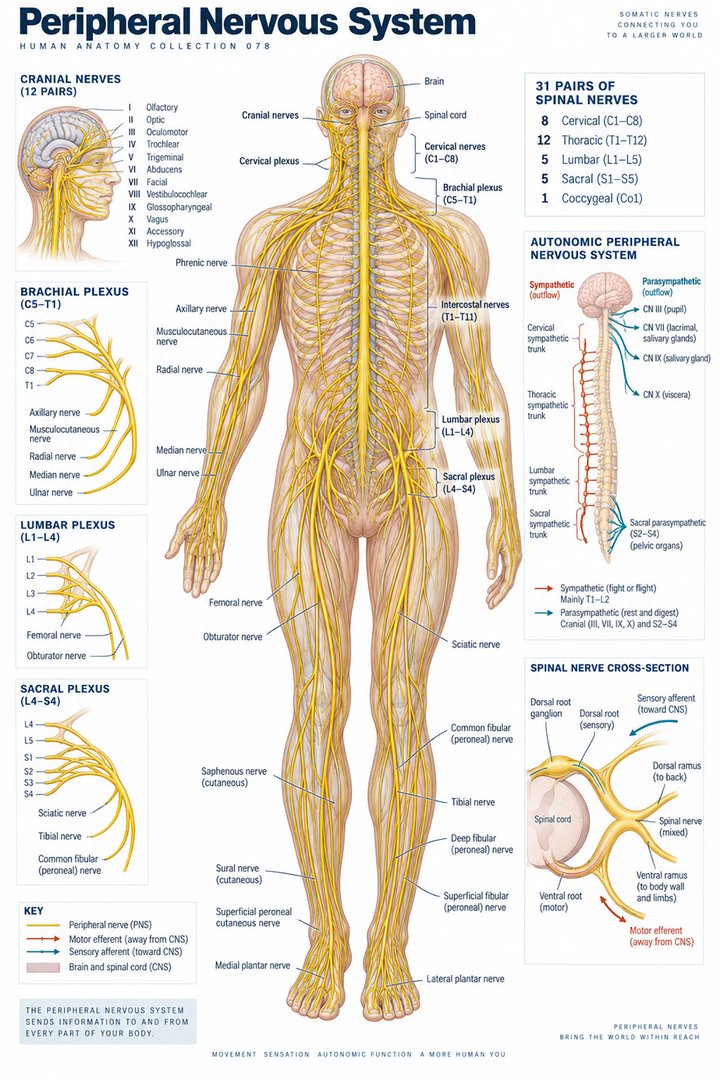 Peripheral Nervous System ↗
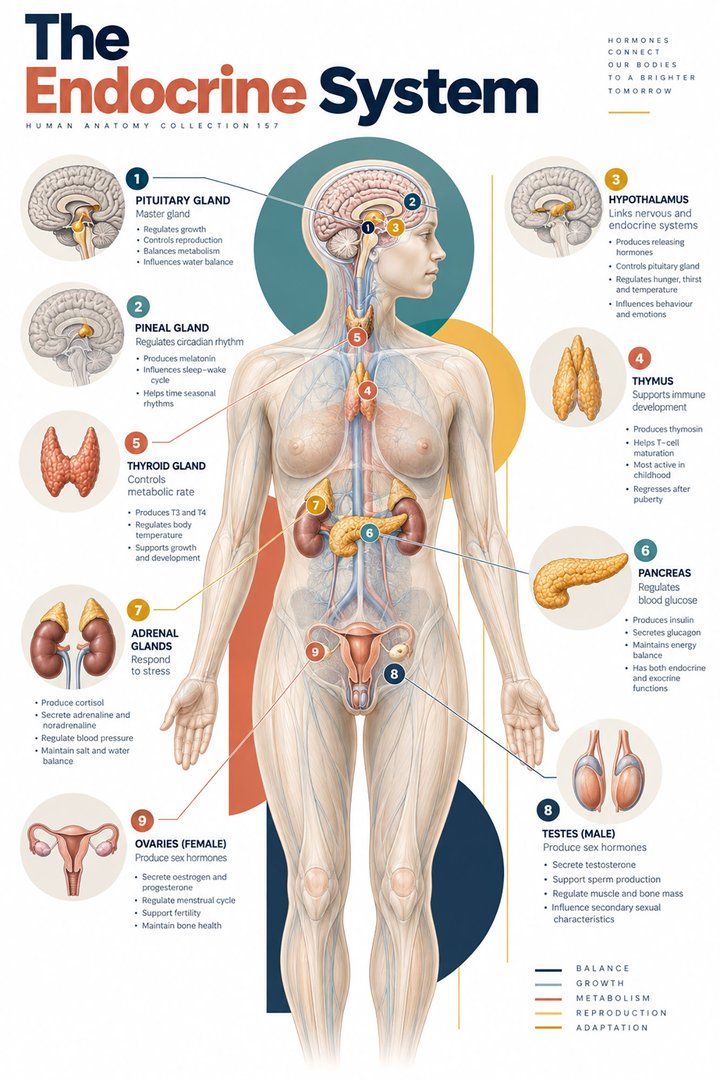 Human Endocrine Glands ↗
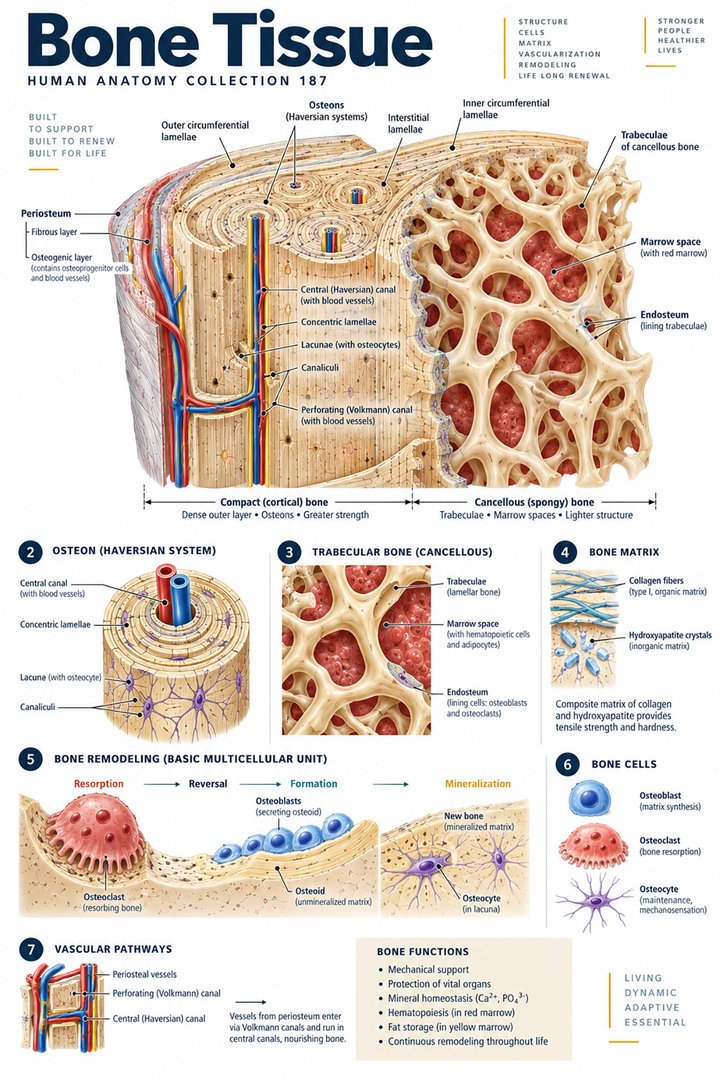 Human Bone Density ↗Human Blood Circulation ↗
 Human Muscle Groups ↗
 Human Spinal Cord ↗
 Human Thyroid Gland ↗
 Human Pancreas Function ↗
 Human Gallbladder Anatomy ↗