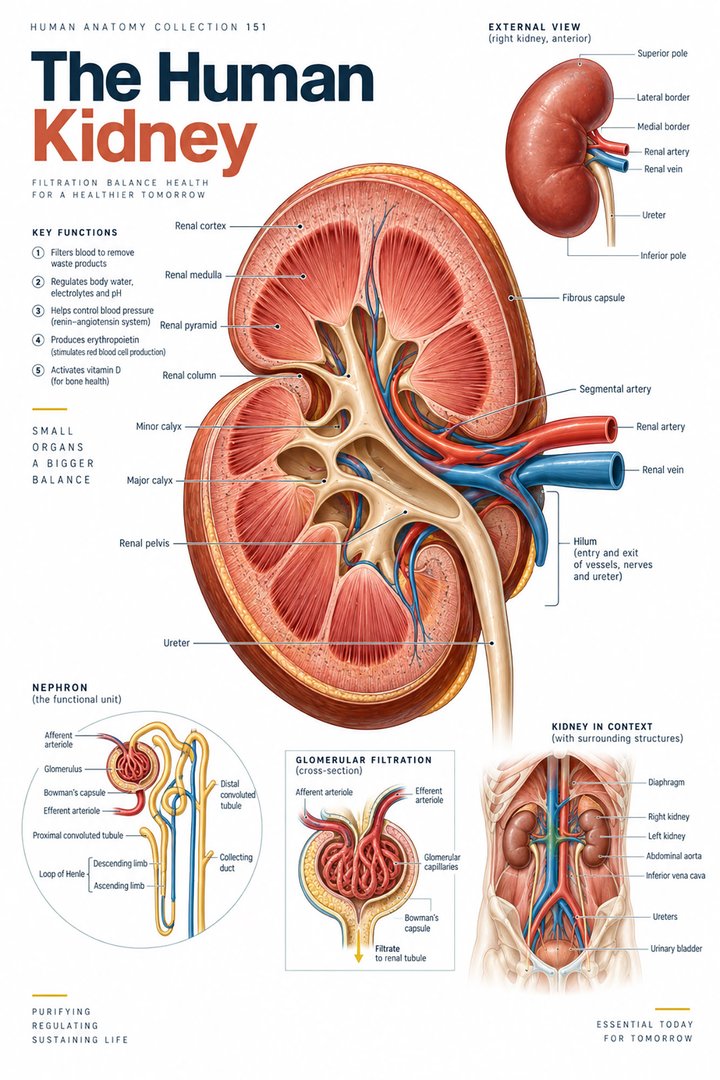
The Human Kidney
Individual poster · 300 DPI print files
Regular $9.90
Explore poster ↗$4.90USD
Offer price · Save $5.00Individual poster · 300 DPI print files
Reduced web preview. Separate high-resolution print files are supplied with the digital download.
ANATOMY 151
A modern anatomy illustration exploring the human kidney, designed for educational and decorative use.
Purchases are not available yet. Checkout and download delivery are being prepared.
Sold by Kunstolymp.de · Germany
Compare prices & the complete collection ↗This is a DIGITAL DOWNLOAD. No physical product will be shipped. After purchase, download your files and print them at home, at a local print shop, or through an online professional printing service.
The separate 300 DPI print files are ideal for 24×36-inch posters (approximately 60×90 cm). ISO and 5×7 formats are included. The white border lets you adjust the layout or trim to fit other frame sizes; check the preview before printing to keep the illustration and labels visible.
The planned bundle delivery includes a PDF information sheet with a link to the relevant Google Drive folder and download instructions. The store is currently in preview and purchases are not yet available.
A science-inspired choice for a student’s study corner, an educator’s classroom, or an anatomy enthusiast’s wall. Final licensing terms will apply.
CLINICAL CONTEXT
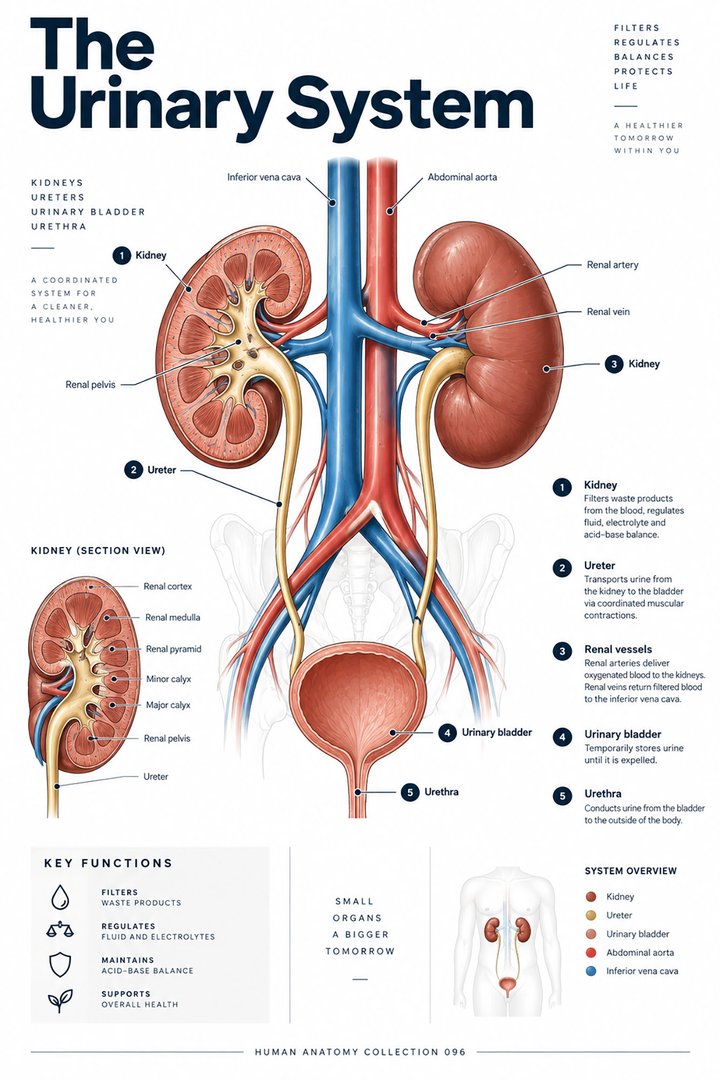
The kidneys lie behind the abdominal cavity, on either side of the spine. Blood arrives through the renal arteries and passes through nephrons, the functional units that combine glomerular filtration with tubular processing. Glomeruli filter fluid and small solutes; tubules return needed water and substances to the circulation and help excrete waste. Urine drains through collecting ducts, calyces, the renal pelvis, and ureters towards the bladder. Beyond urine formation, kidneys regulate electrolytes, acid-base balance, and blood pressure, and contribute to red-cell production and bone health through hormonal functions. This explains why kidney disease can affect the whole body even when there is no pain.
Chronic kidney disease (CKD) may progress quietly, particularly when associated with diabetes or hypertension. Later manifestations can include tiredness, swelling, appetite change, itching, or breathlessness. Acute kidney injury (AKI) is a sudden reduction in kidney function that may follow severe illness, dehydration, reduced blood supply, medicines, or urinary obstruction. Kidney stones can cause intense flank pain, nausea, and blood in the urine. Kidney infection may cause fever, chills, painful urination, and pain in the back or side. These conditions differ in urgency and management. Ask about symptom onset, urine output, fluid losses, infection, diabetes, blood pressure, previous stones, and all medicines or supplements.
Assess hydration, blood pressure, signs of fluid overload, and the patient's overall condition. Serum creatinine and estimated glomerular filtration rate (eGFR) help assess kidney function; urine albumin testing helps identify kidney damage. Urinalysis, culture, electrolytes, and imaging are selected according to the presentation. Ultrasound can help investigate obstruction or structural abnormalities. Interpret trends against previous results: one abnormal test does not automatically establish chronic disease, and sudden changes require timely evaluation. Persistent albuminuria, deteriorating function, uncertain cause, or advanced disease may require nephrology referral. Suspected infection or obstruction needs an appropriate urgent pathway.
CKD care aims to slow progression and manage complications through individualised blood-pressure and diabetes treatment, prescribed kidney-protective medicines where appropriate, and regular blood and urine monitoring. Medication doses may need adjustment as kidney function changes. AKI treatment addresses the cause, including infection, volume depletion, harmful medicine effects, or obstruction; fluid treatment must account for overload risk rather than assuming everyone needs more water. Kidney infection usually requires antibiotics and sometimes hospital care. Stone management depends on size, location, obstruction, and infection and may include pain relief or procedures. Advanced kidney failure may require dialysis, transplantation, or an agreed conservative-care plan based on clinical needs and patient preferences.
Physical activity adapted to ability, smoking cessation, and dietitian-guided nutrition support general health and kidney care. Salt, protein, potassium, phosphate, and fluid advice should reflect kidney function, blood results, and treatment; avoid a universal restrictive renal diet. Relaxation and support for stress may improve coping but do not restore filtration. Review herbal products, supplements, and over-the-counter medicines with a clinician or pharmacist. Nonsteroidal anti-inflammatory drugs such as ibuprofen can contribute to kidney injury, especially with dehydration or existing kidney disease. Do not stop prescribed treatment independently; ask for a clear medication plan during vomiting, diarrhoea, or other acute illness. Drinking excessive water is not a substitute for diagnosis and may be inappropriate when fluid restriction is needed.
Seek urgent medical assessment for markedly reduced urine output, persistent vomiting, new confusion, significant swelling, or breathlessness. Fever or chills with flank pain needs prompt assessment for kidney infection; severe pain with fever or inability to pass urine is especially concerning. Severe breathing difficulty or signs of serious systemic illness require emergency care. Visible blood in the urine should be evaluated even if it is painless. Explain the monitoring plan, medicine precautions, and whom to contact when symptoms change. This guide supports clinical learning and does not replace an individual assessment.
Further reading: NIDDK: kidney function · NIDDK: chronic kidney disease · NIDDK: managing CKD · NHS: acute kidney injury · NIDDK: kidney stones · NIDDK: kidney infection
Explain the working diagnosis, important alternatives, planned tests, expected course, and specific safety-netting in language the patient can use. Invite questions about treatment goals, capacity, cost, culture, and complementary therapies. Use a professional interpreter when language access could affect consent or understanding, and confirm clear arrangements for timely clinical review in writing. Document the reasoning, reassess response to treatment, and coordinate care across professions when illness affects more than one system. Teaching anatomy is most useful when it supports this partnership: accurate localisation, respectful listening, timely escalation, and a plan that remains responsive to the individual patient.
HUMAN ANATOMY COLLECTION · 001—300
A closer look at what makes us human. Discover anatomy posters for your study space, classroom, and everyday curiosity.
DIGITAL DOWNLOADS · 300 DPI PRINT FILES
EXPLORE BY SYSTEM
LEARN & EXPLORE
Detailed English guides with Latin terminology, diagrams, real images, and clinical learning connections.
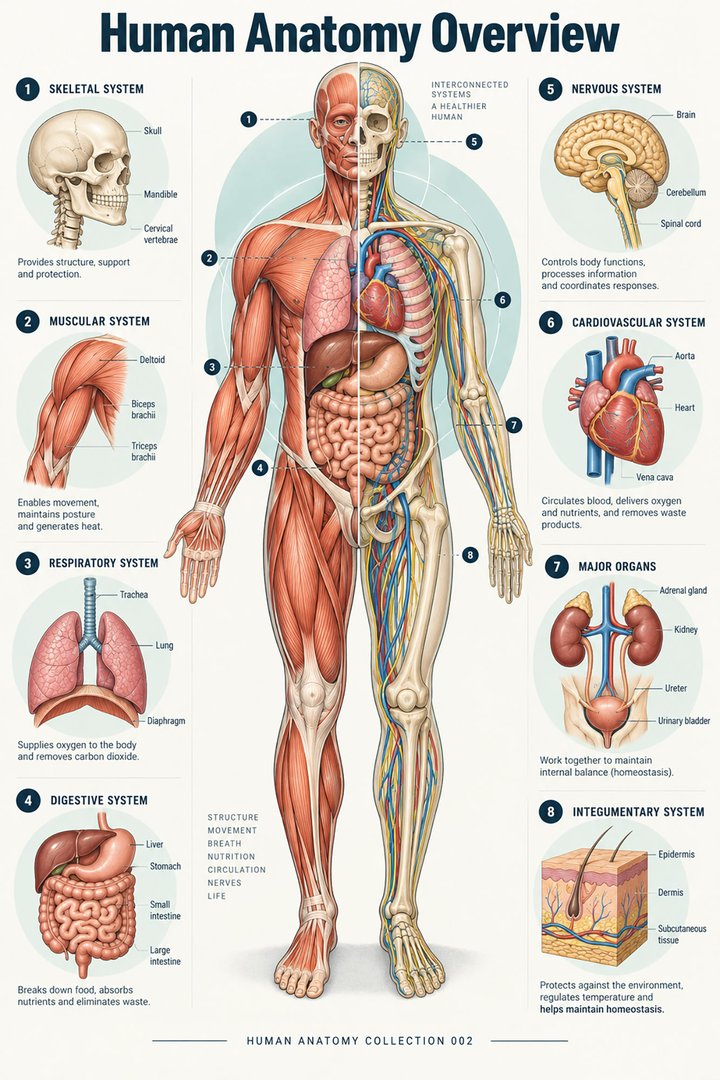 Human Anatomy Diagrams ↗
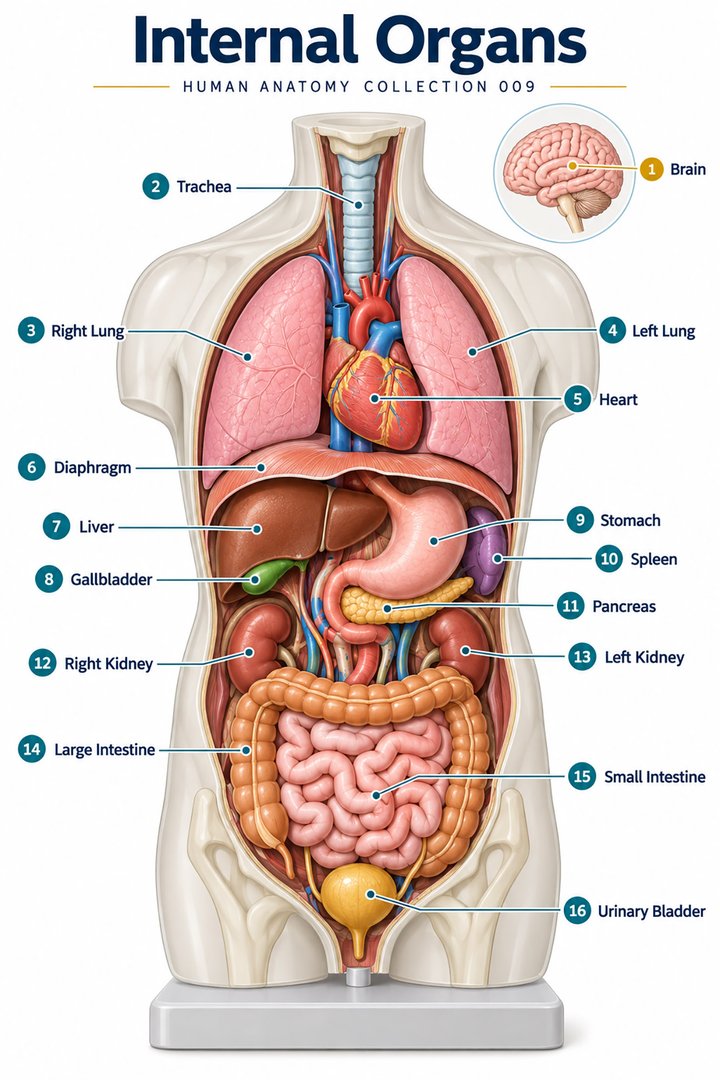 Human Body Organs ↗
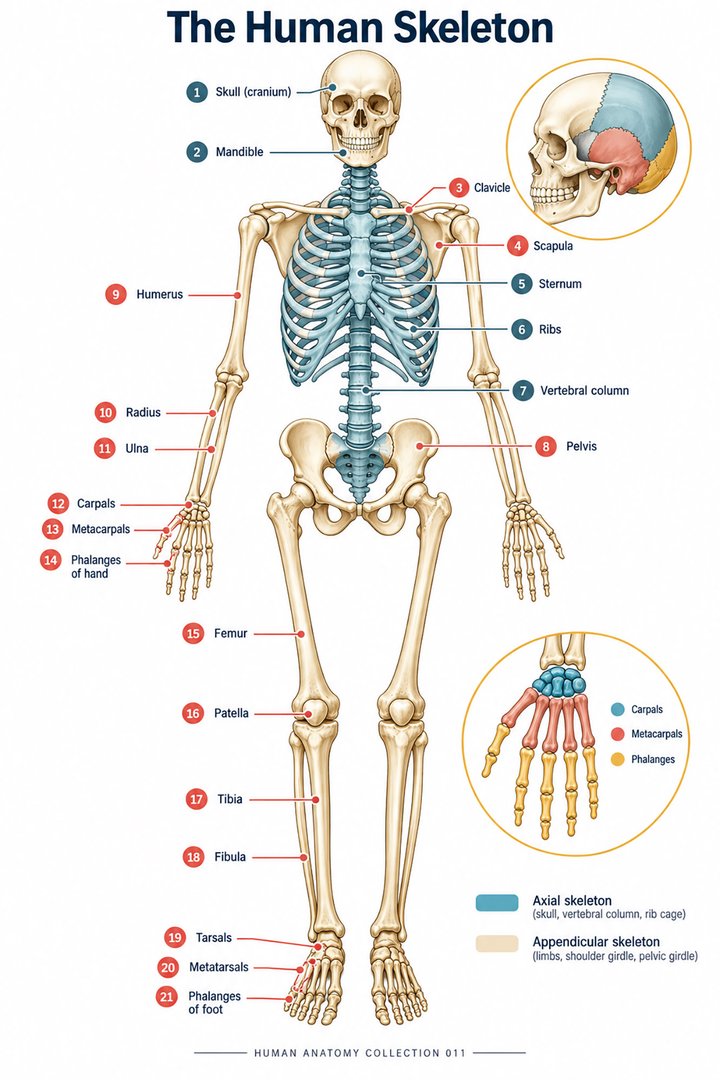 Skeletal System Anatomy ↗
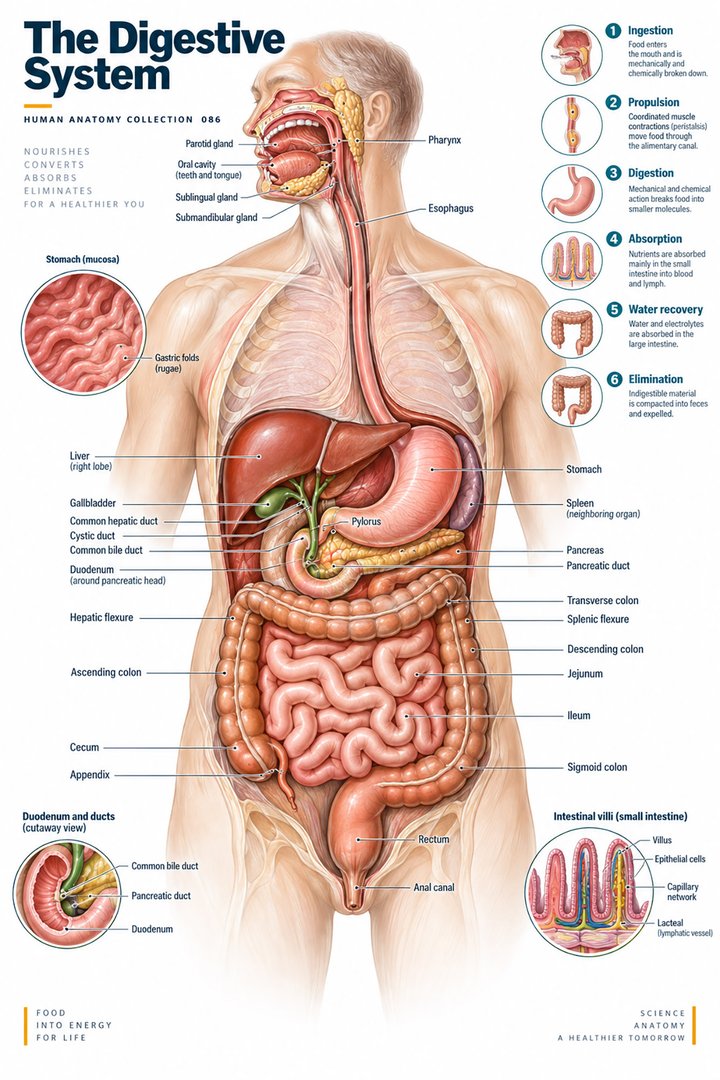 Human Digestive System ↗
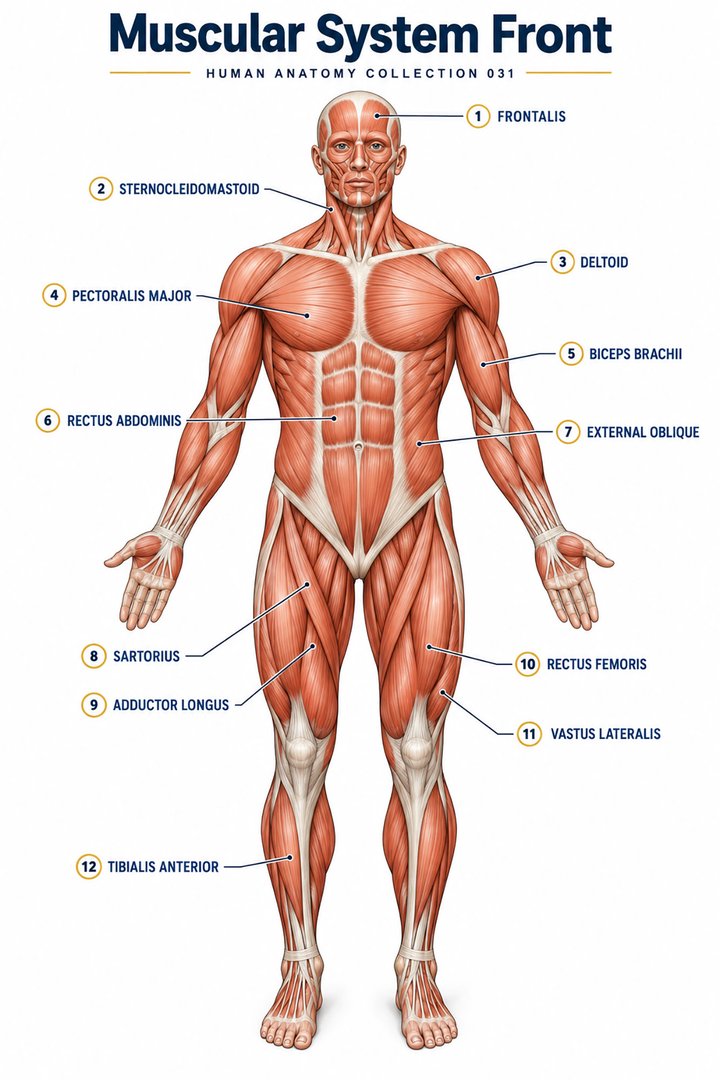 Muscular System Overview ↗
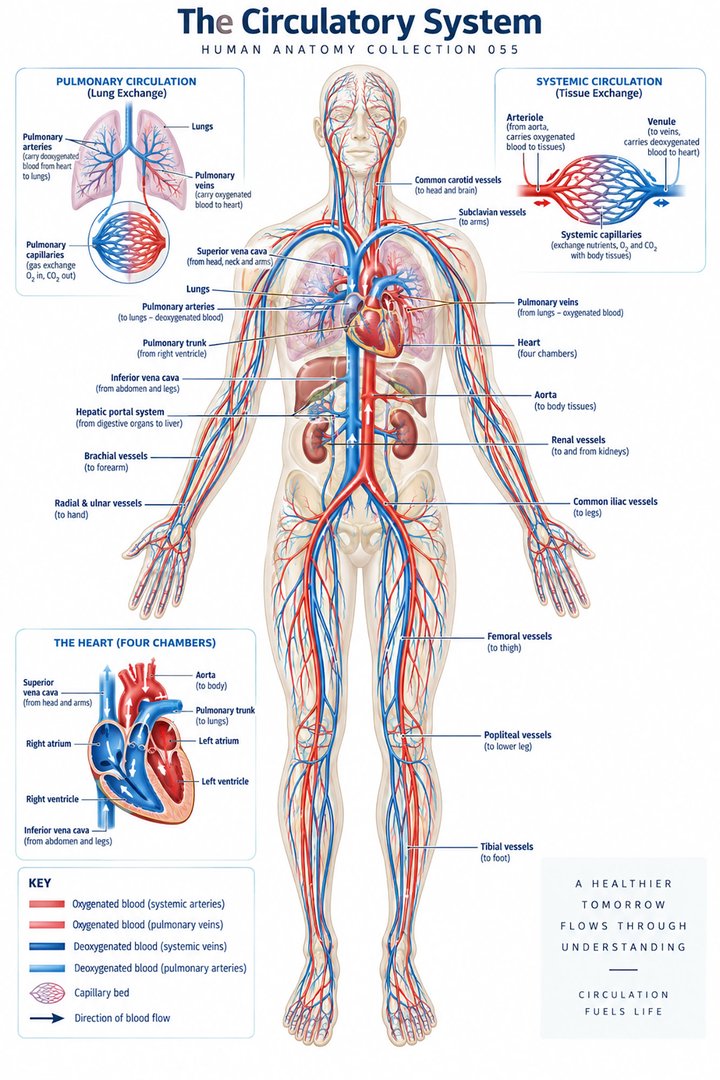 Human Circulatory System ↗
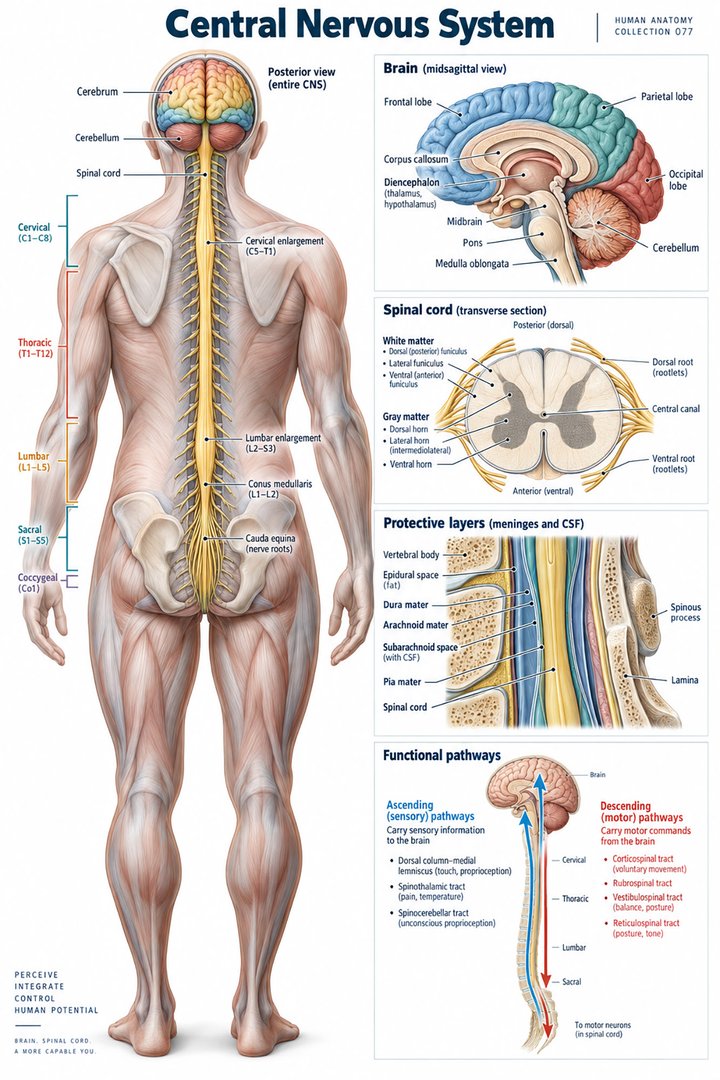 Human Nervous System ↗
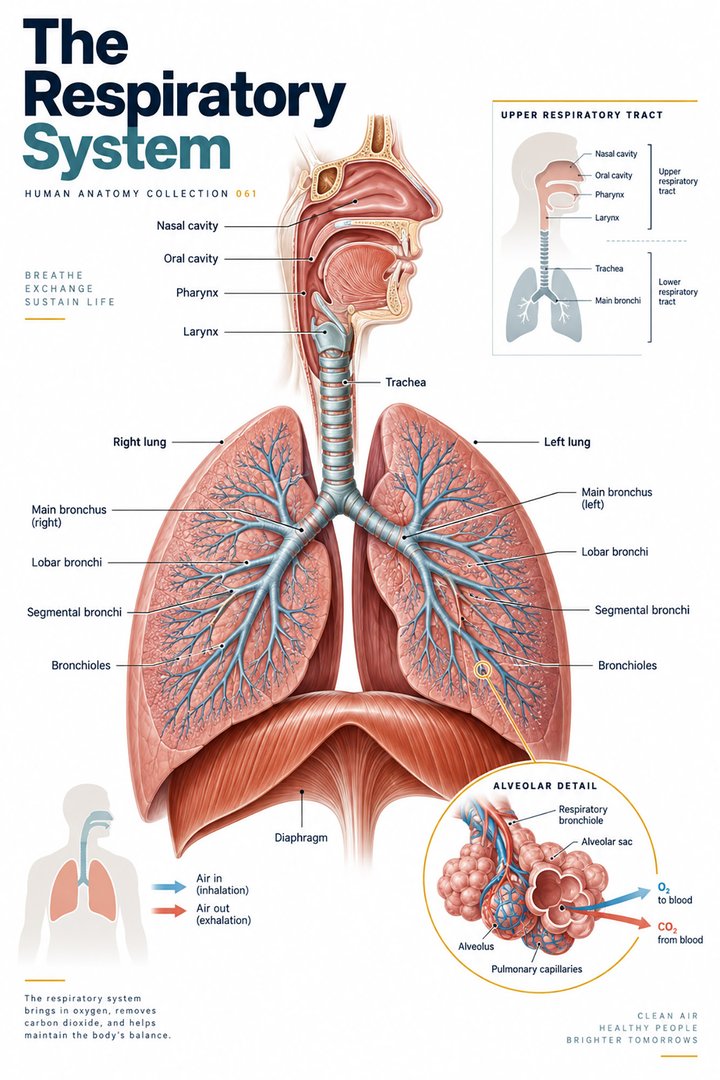 Respiratory System Functions ↗
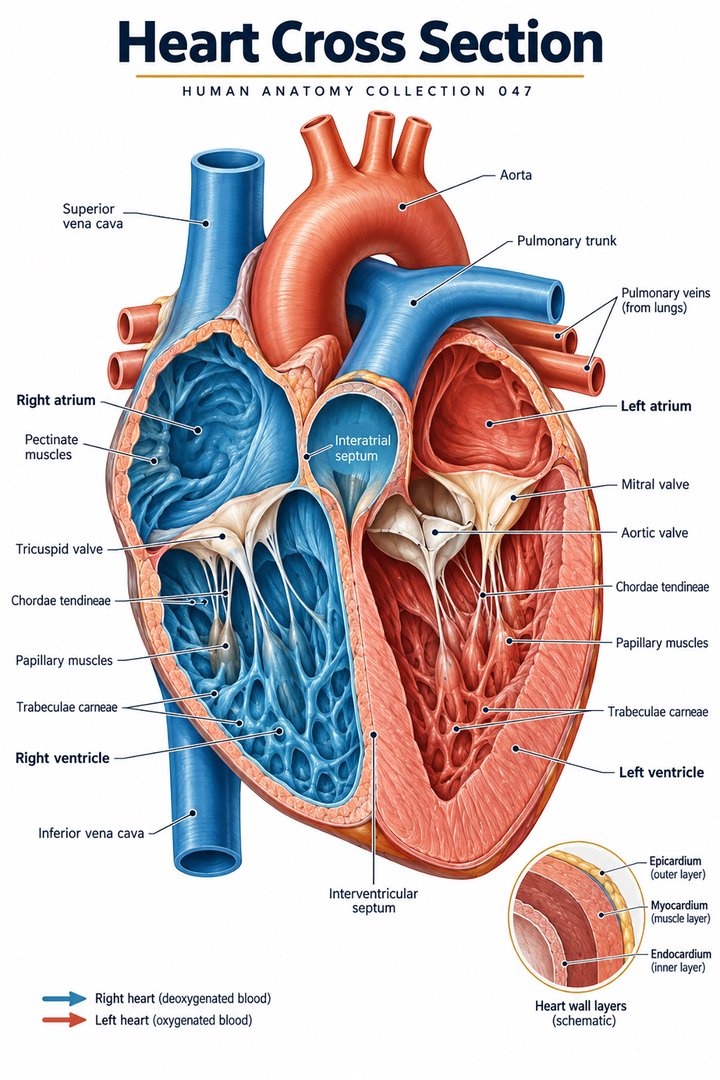 Human Heart Structure ↗
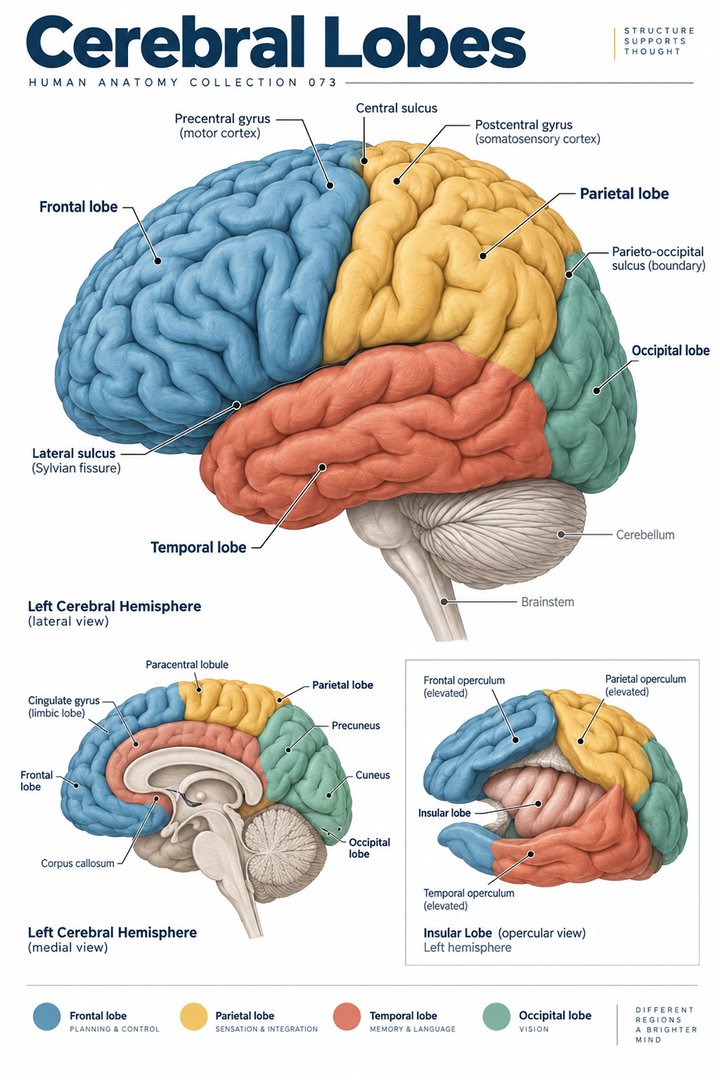 Human Brain Lobes ↗
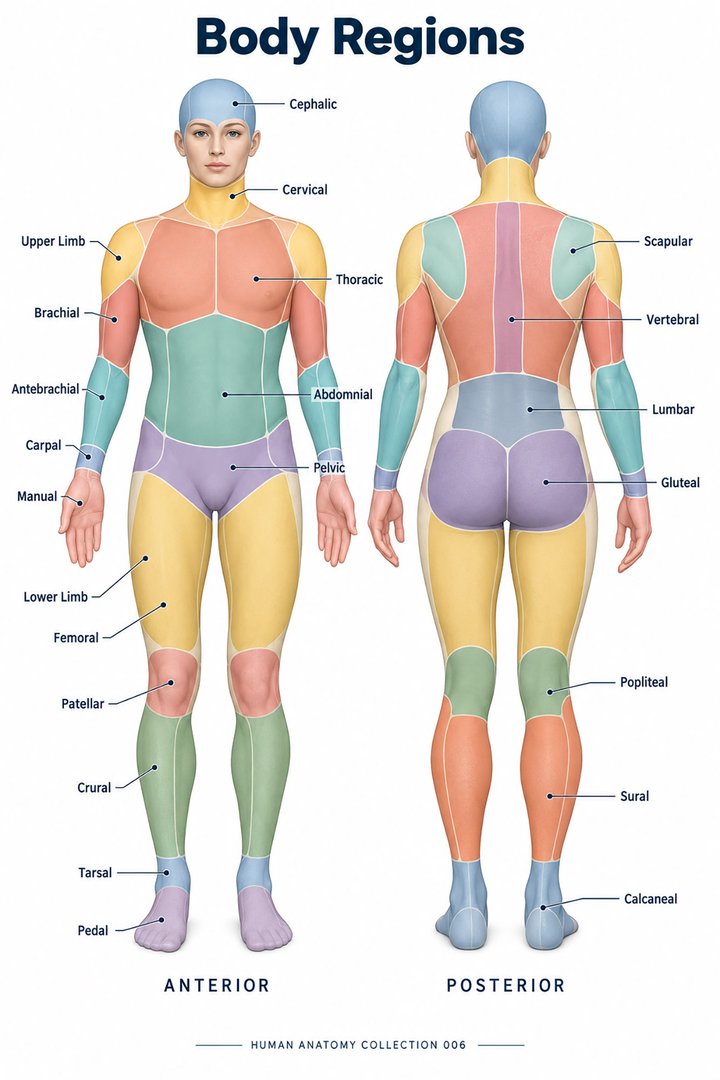 Human Body Parts ↗
 Human Cell Structure ↗
 Human Endocrine System ↗
 Human Lymphatic System ↗
 Human Urinary System ↗
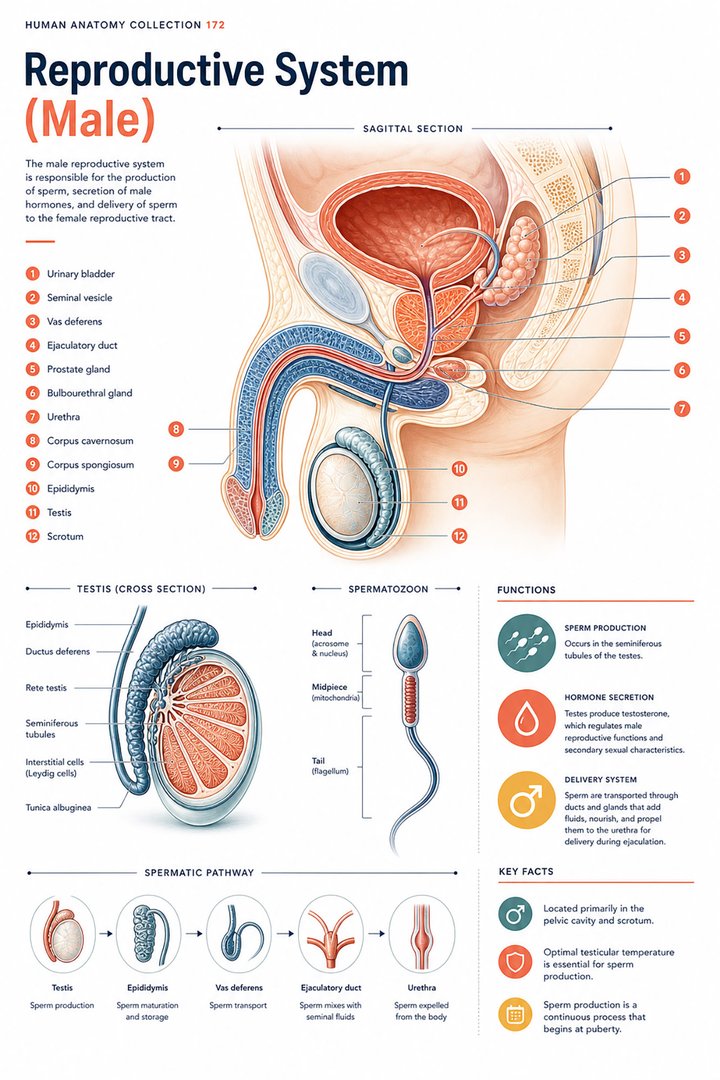 Male Reproductive System ↗
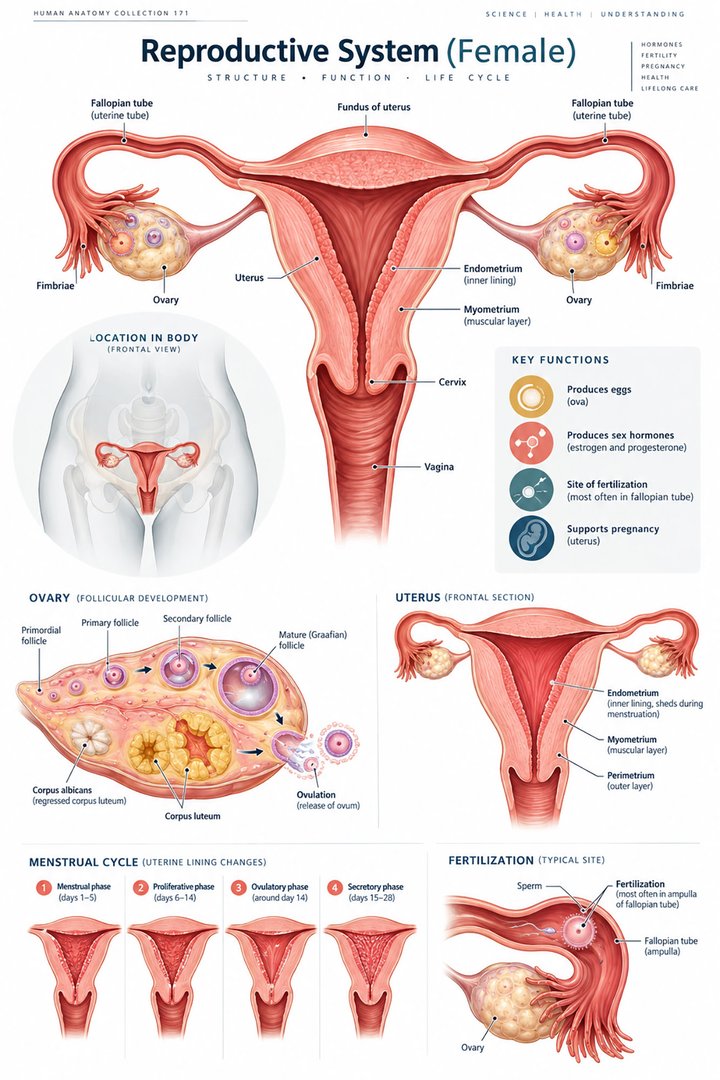 Female Reproductive System ↗
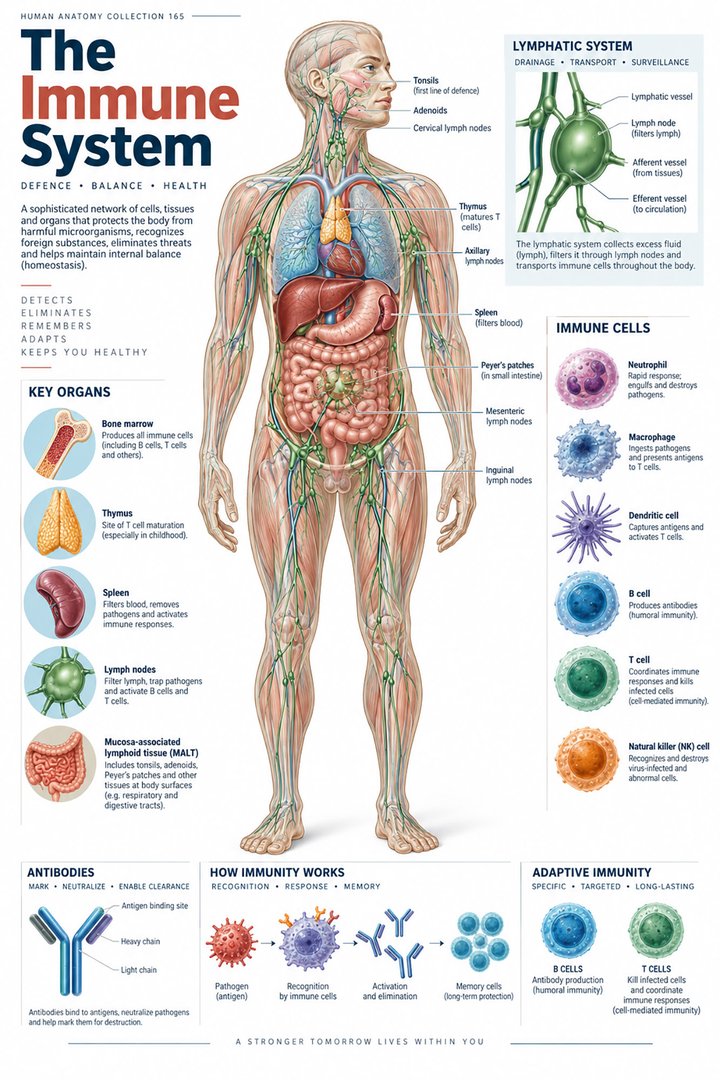 Human Immune System ↗Central Nervous System ↗
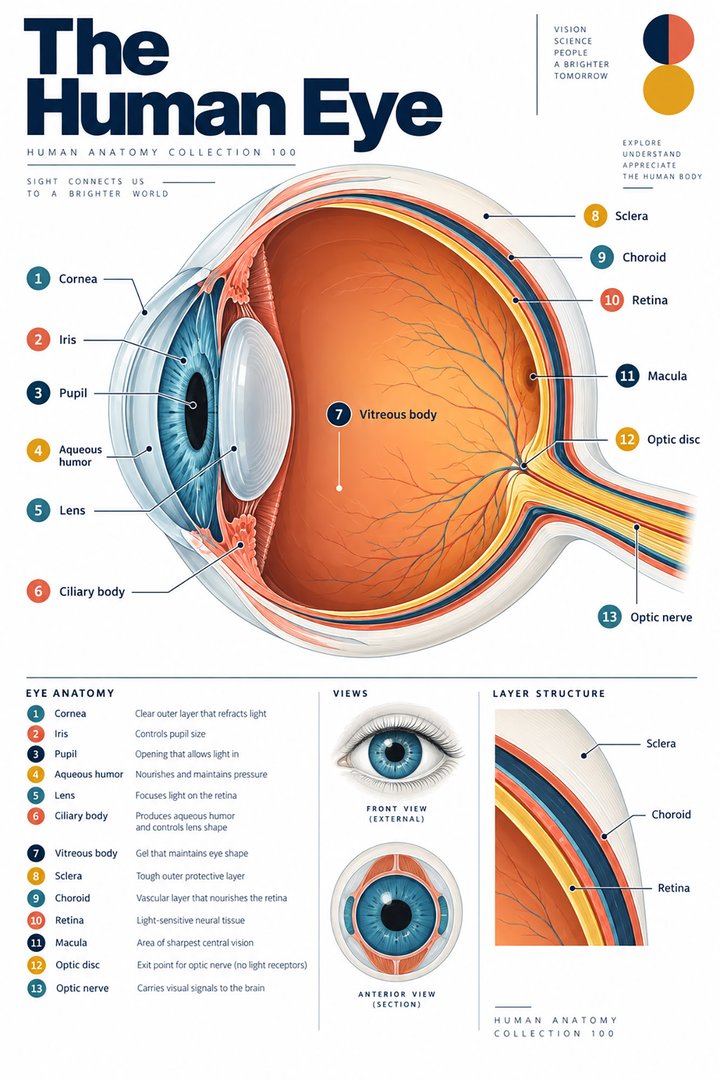 Human Eye Structure ↗
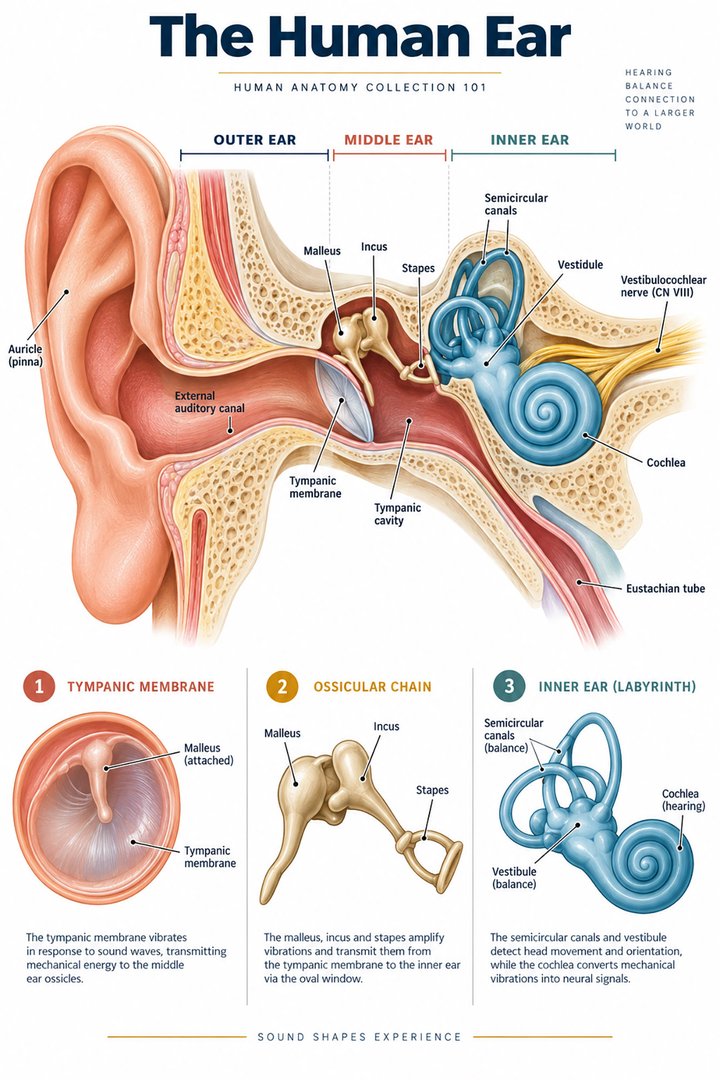 Human Ear Structure ↗
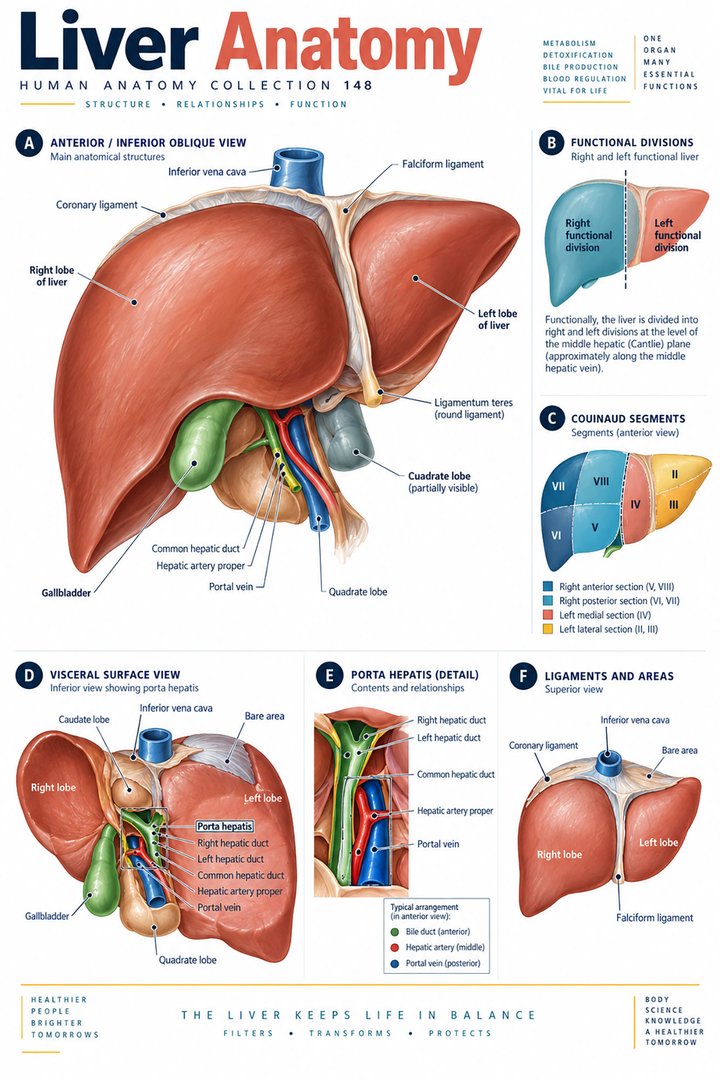 Human Liver Function ↗Human Kidney Anatomy ↗
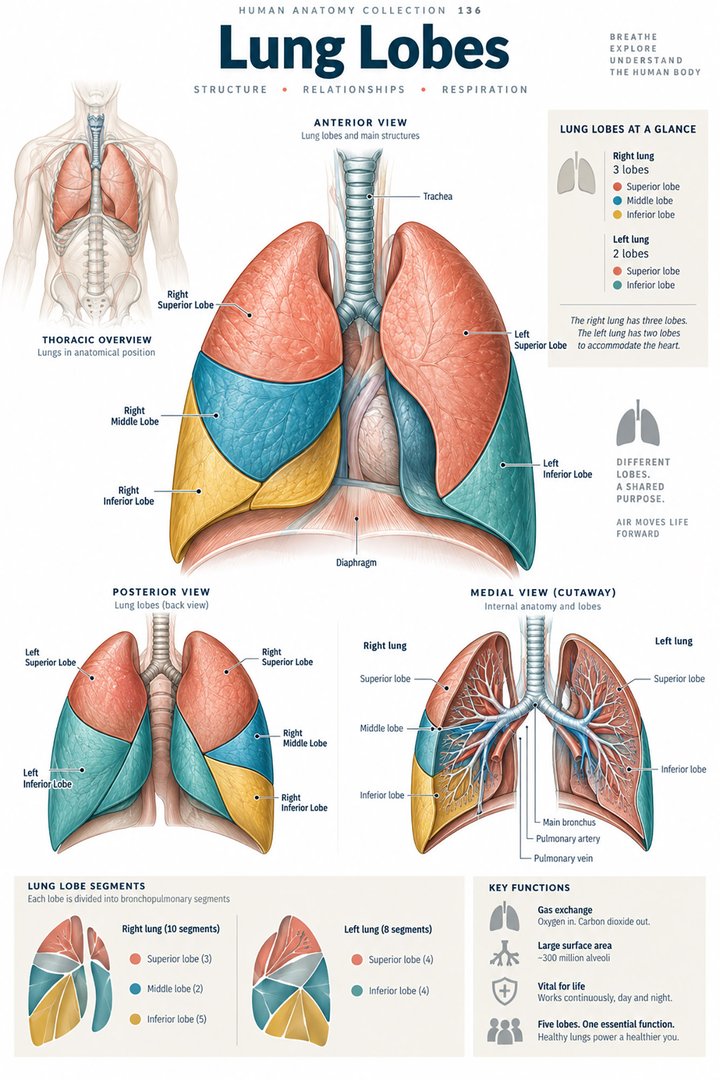 Human Lung Anatomy ↗
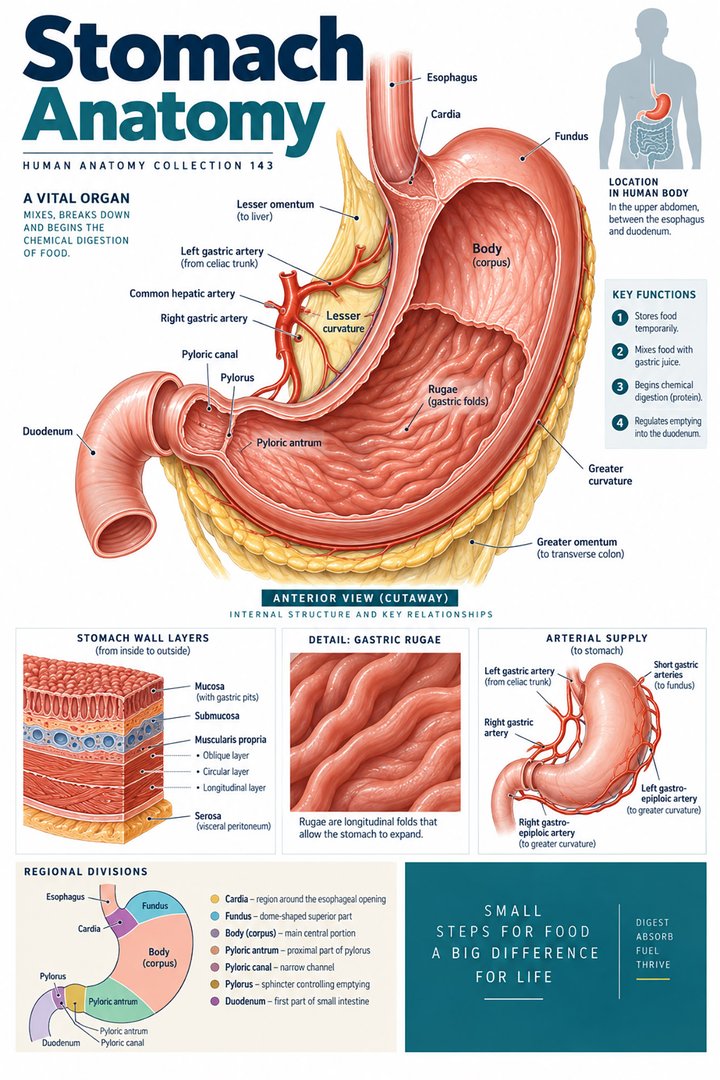 Human Stomach Structure ↗
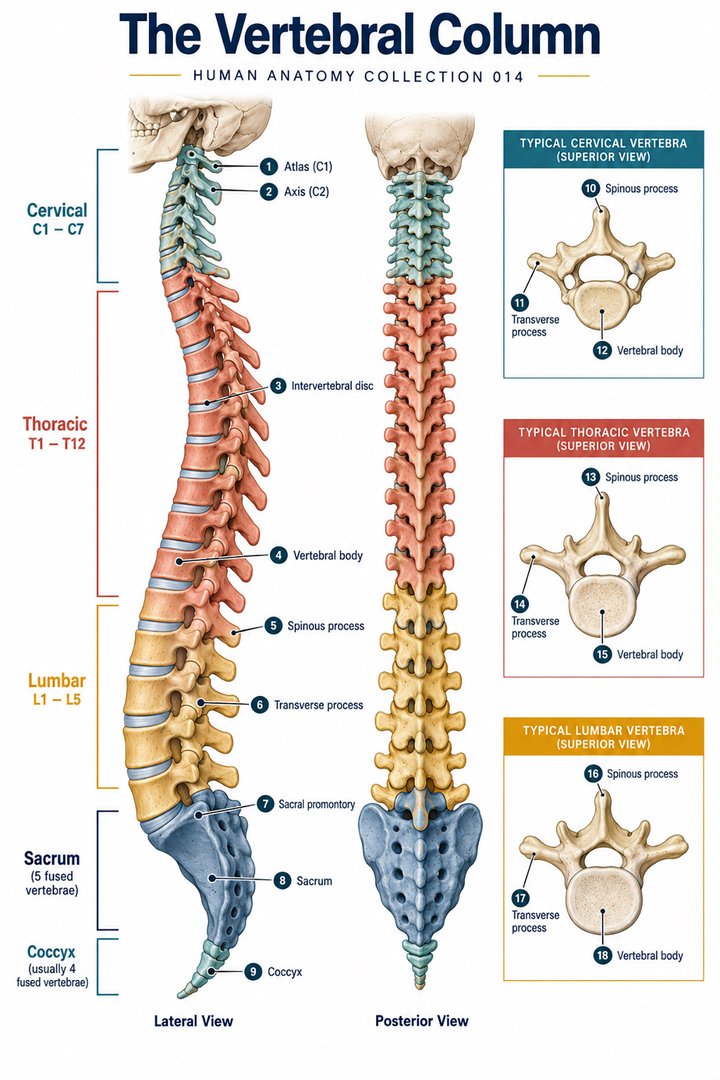 Human Spine Anatomy ↗
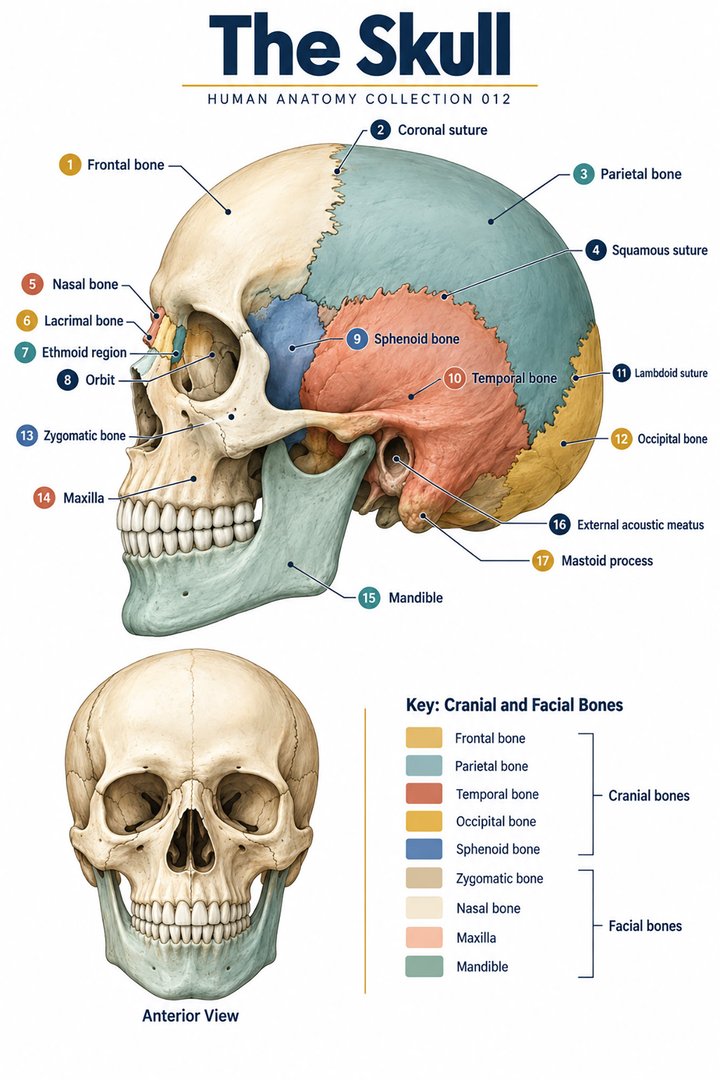 Human Skull Anatomy ↗
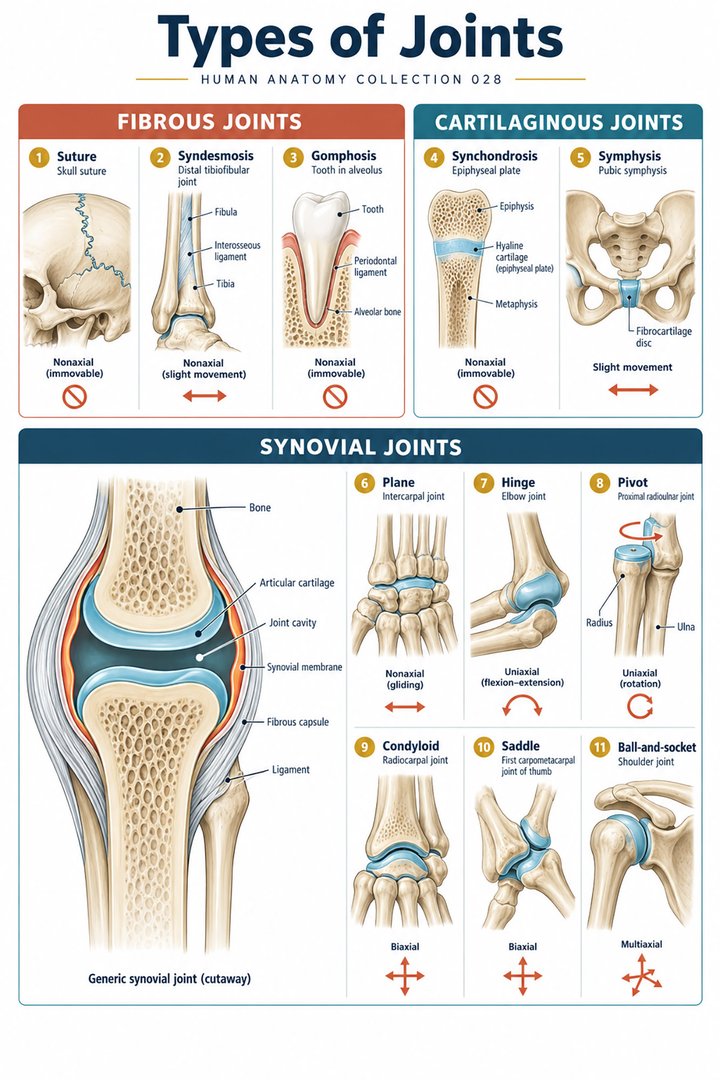 Human Joint Types ↗
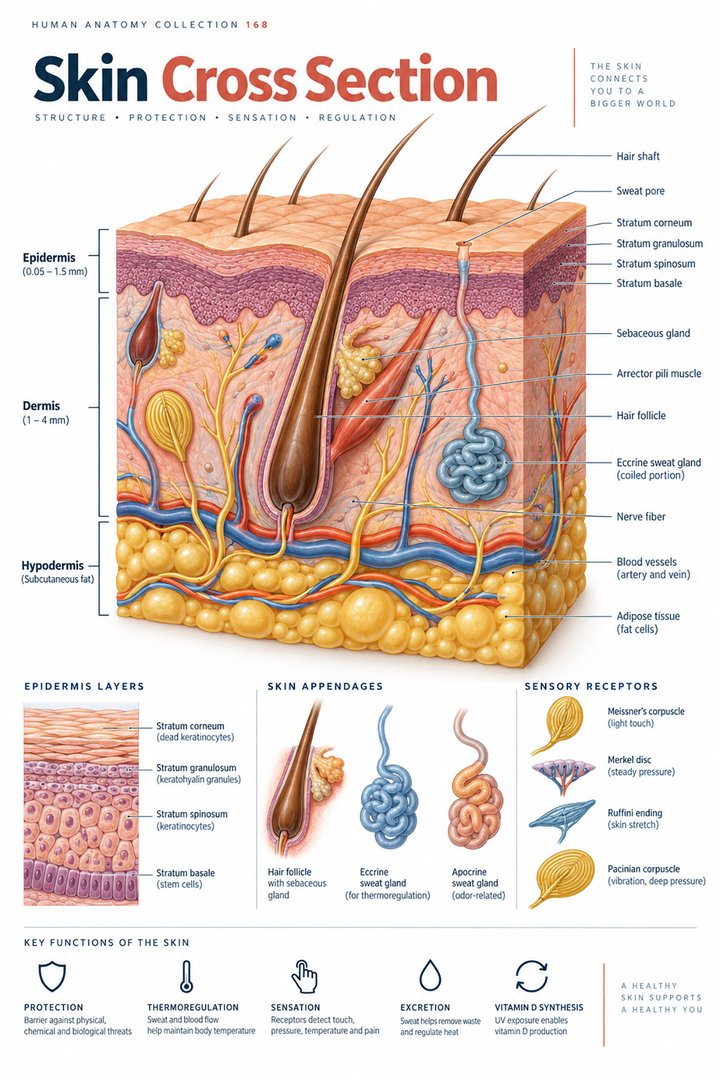 Human Skin Layers ↗
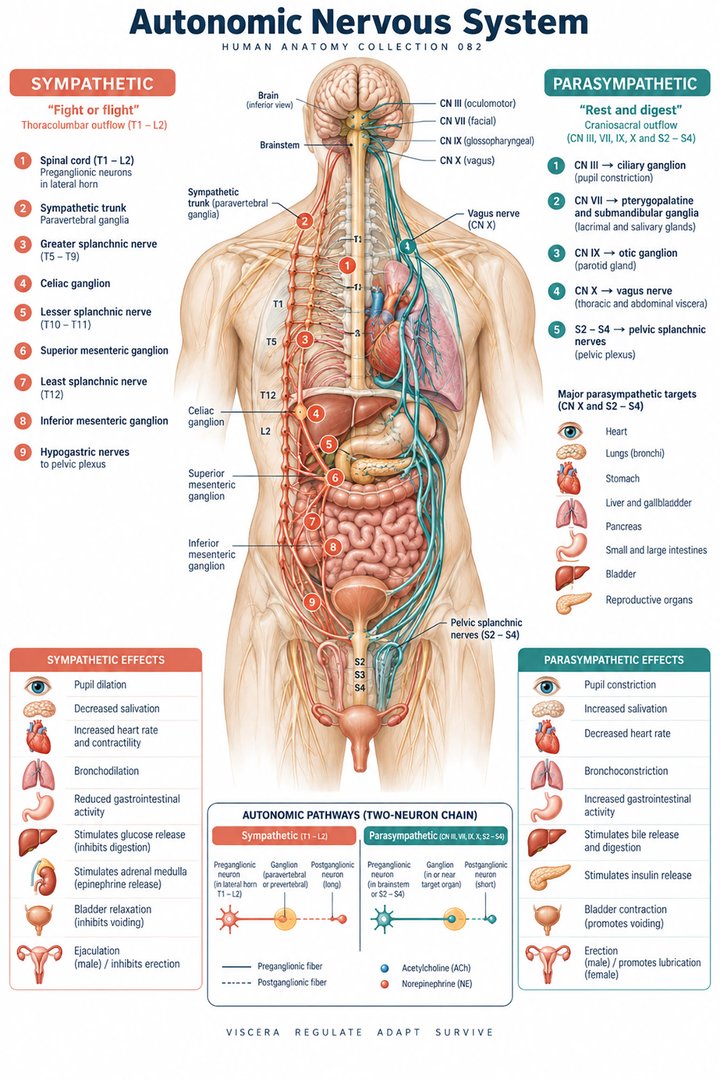 Autonomic Nervous System ↗
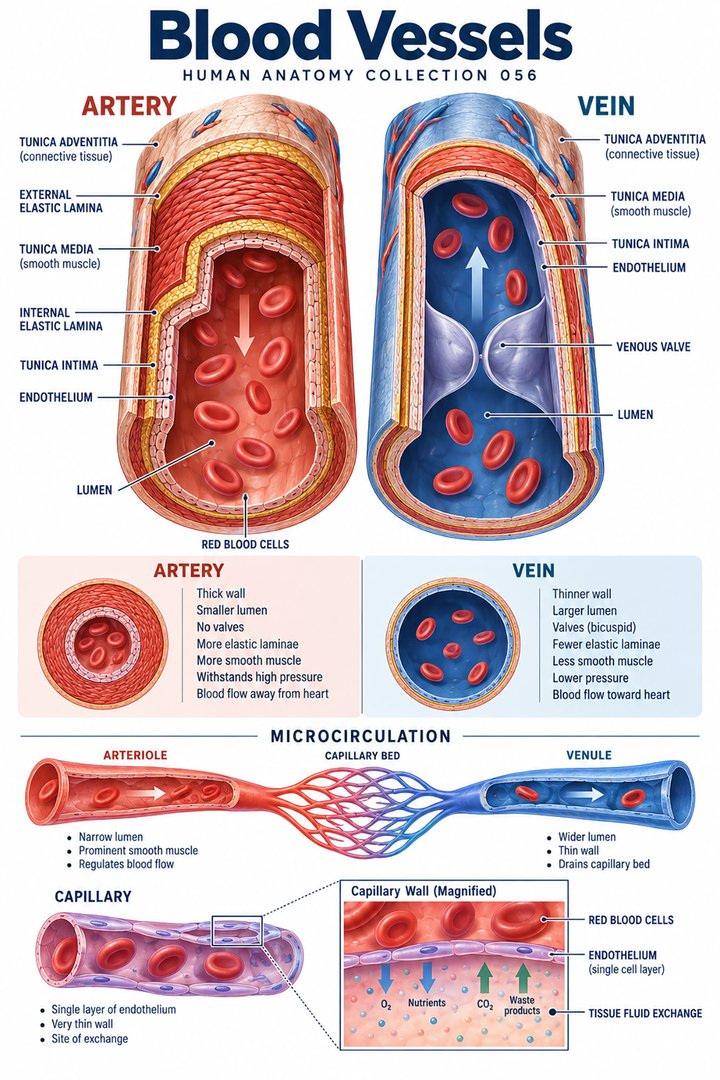 Human Blood Vessels ↗
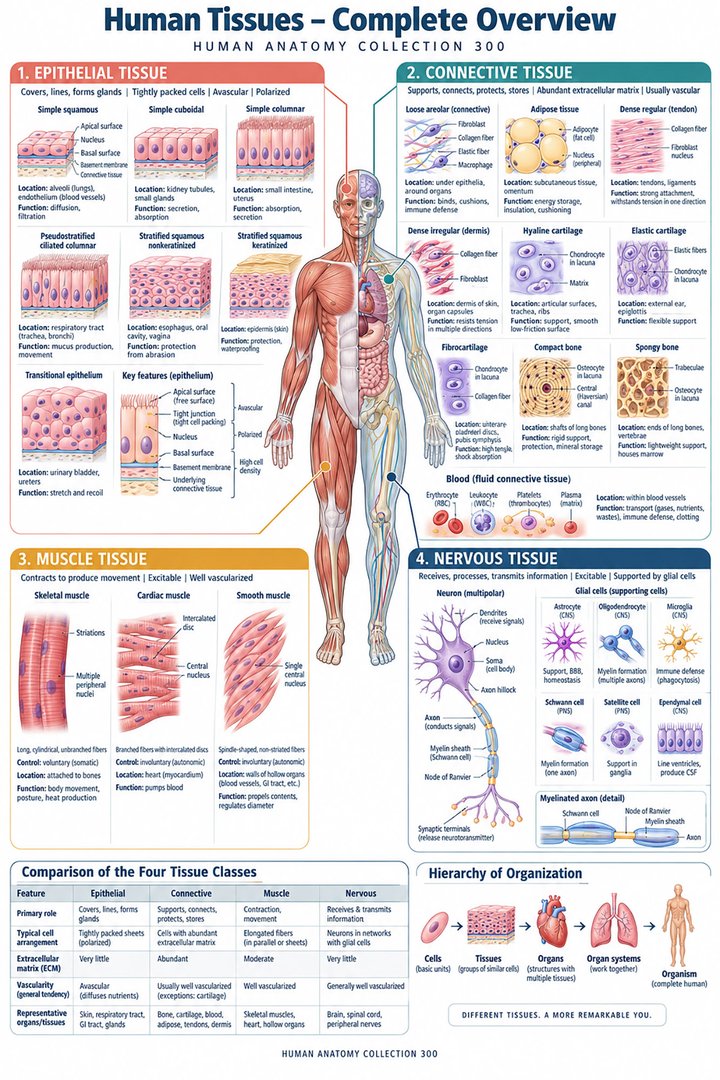 Human Body Tissues ↗
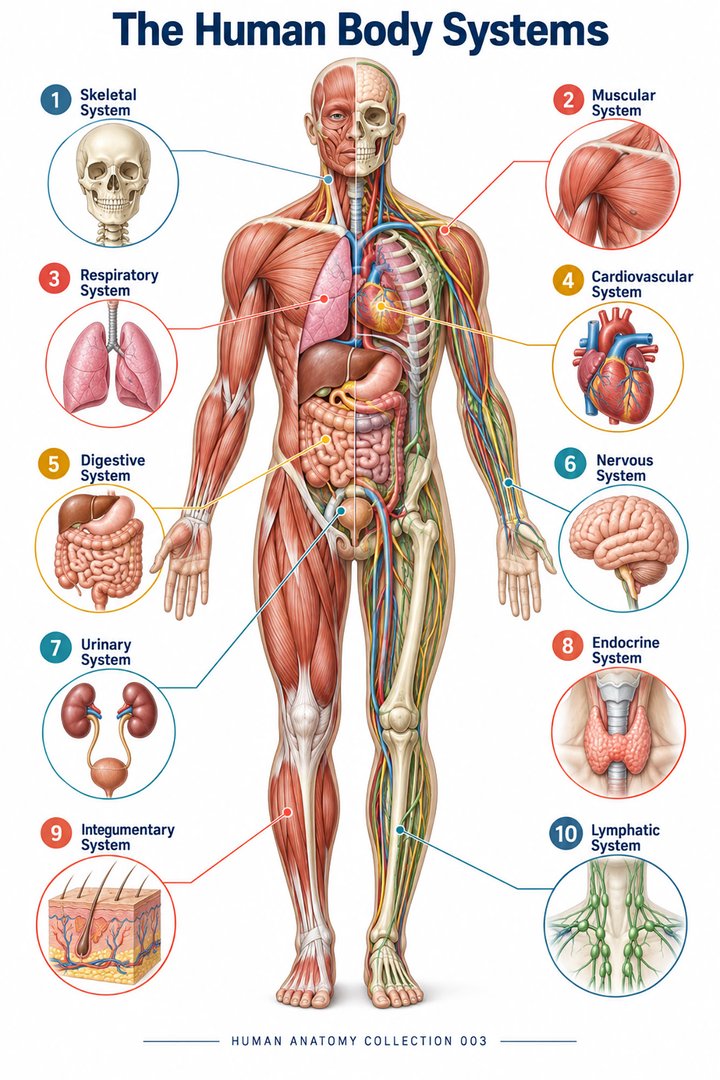 Human Body Systems ↗
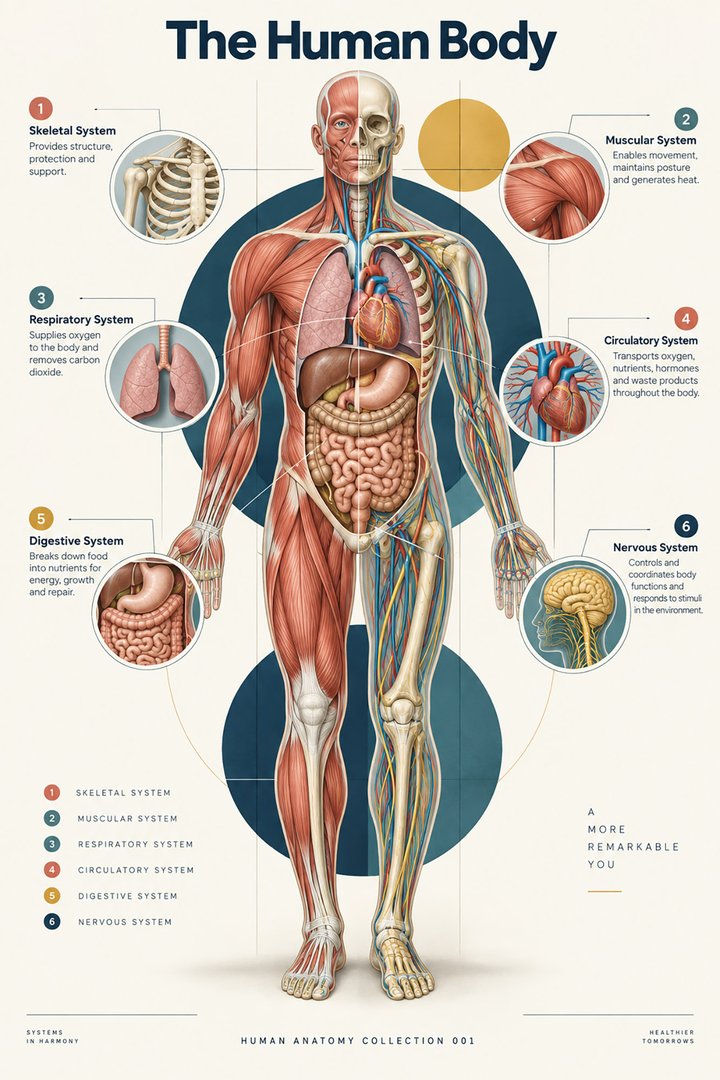 Human Body Facts ↗Human Anatomy and Physiology ↗
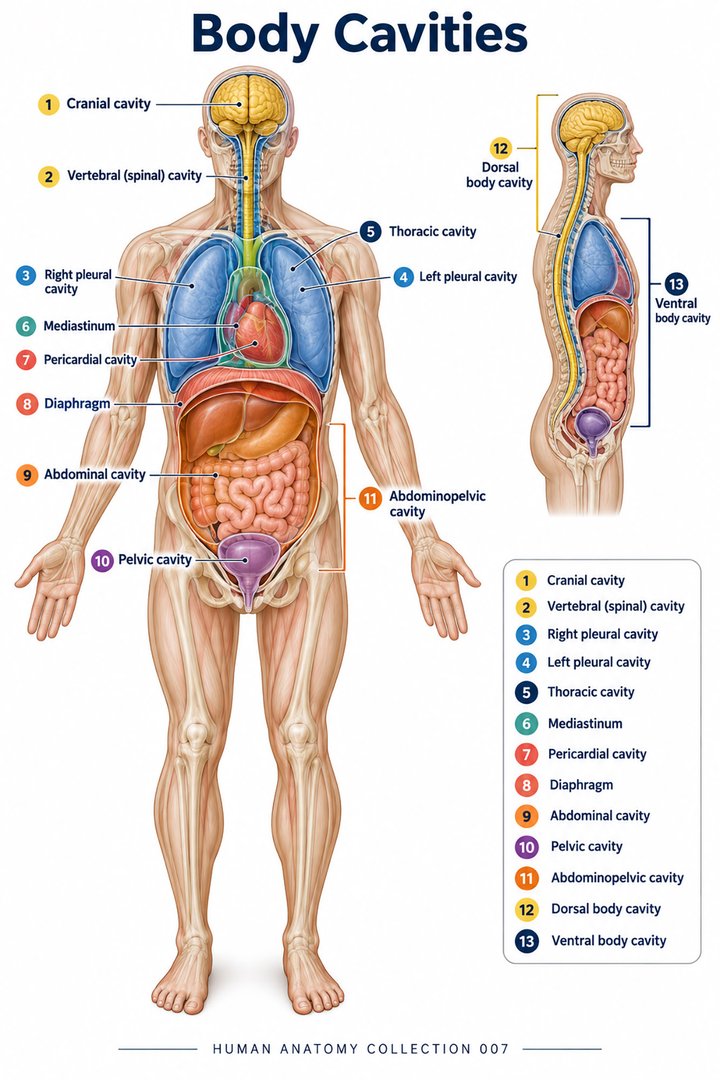 Human Body Cavities ↗Human Torso Anatomy ↗Human Digestive Tract ↗
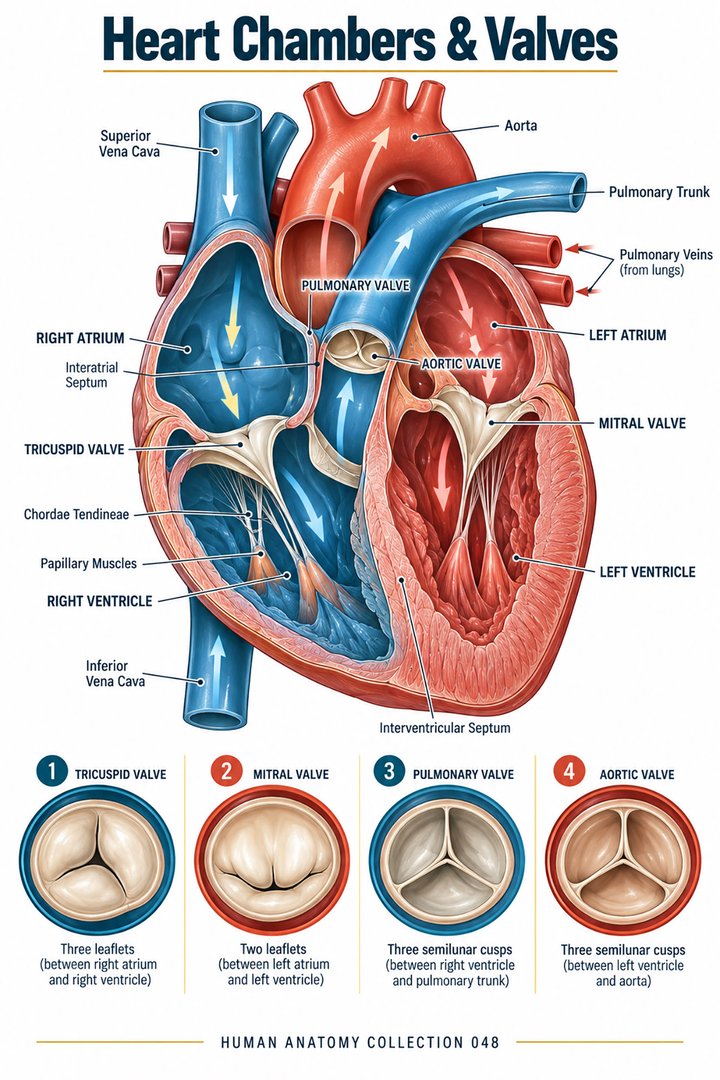 Human Heart Chambers ↗Human Organ Placement ↗
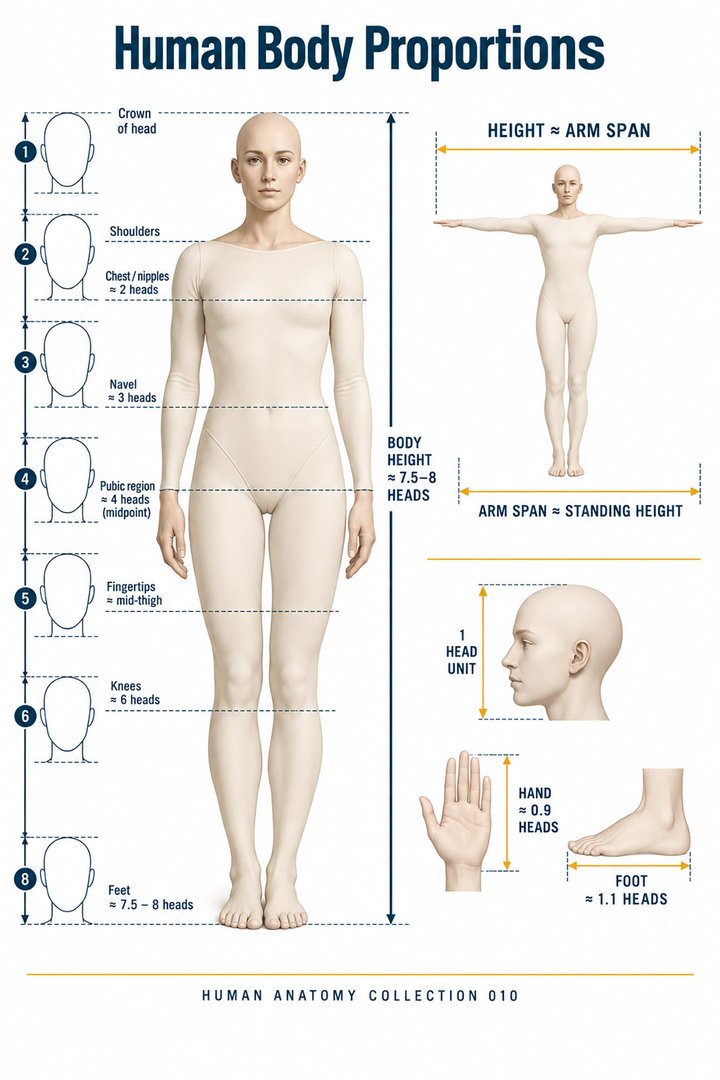 Human Body Proportions ↗
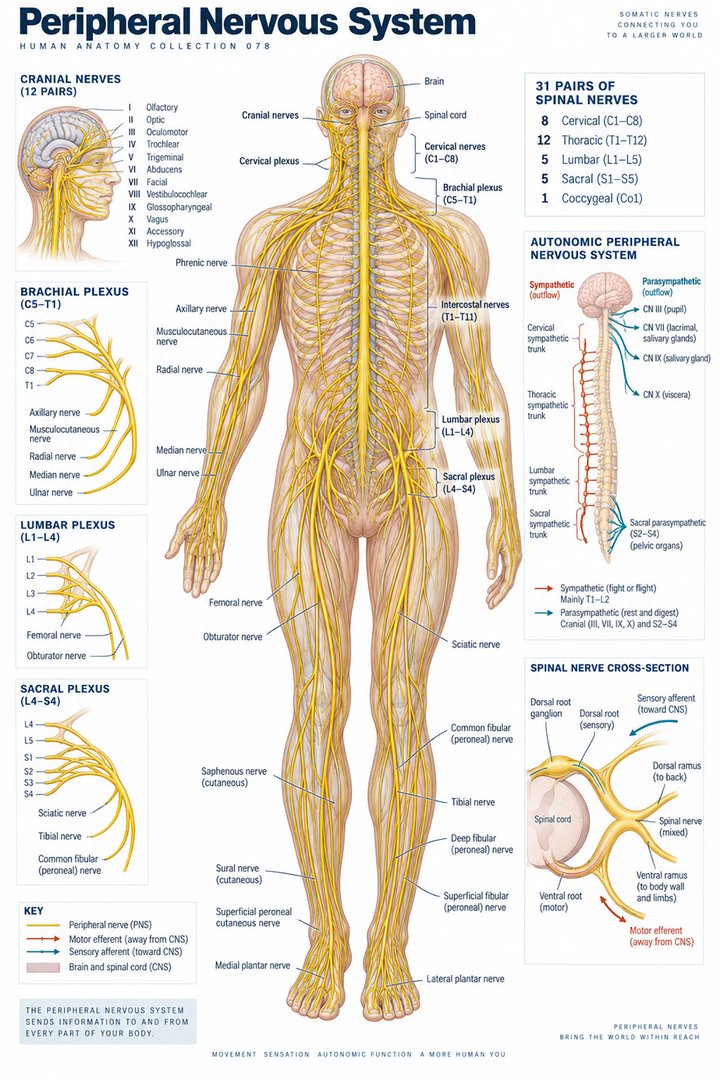 Peripheral Nervous System ↗
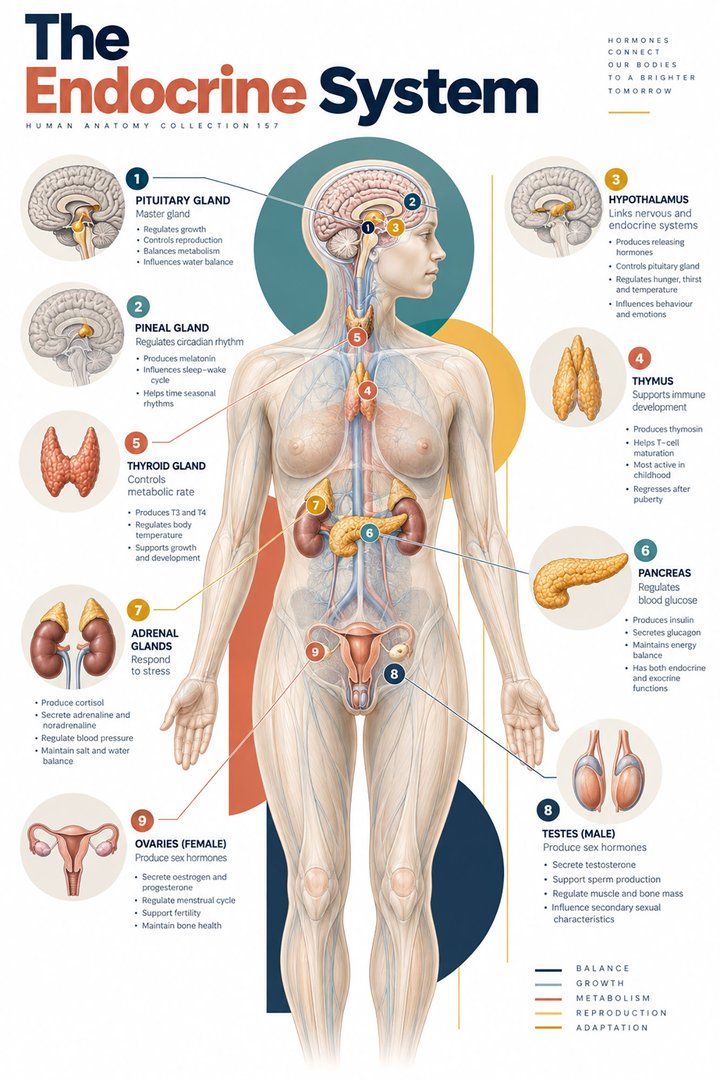 Human Endocrine Glands ↗
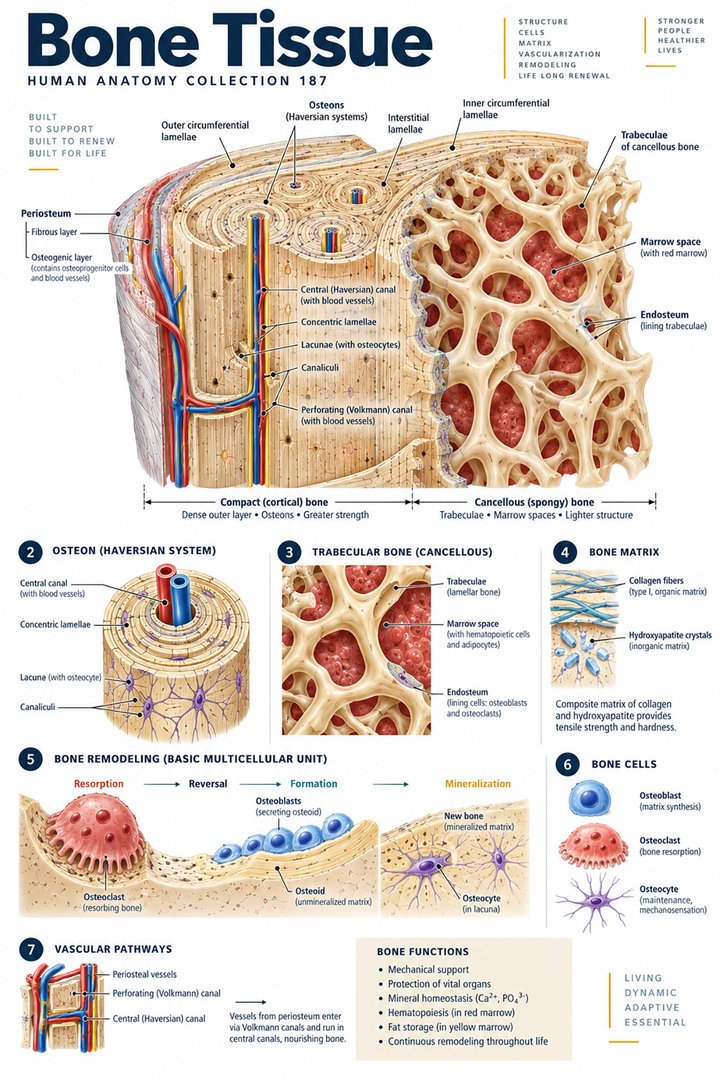 Human Bone Density ↗Human Blood Circulation ↗
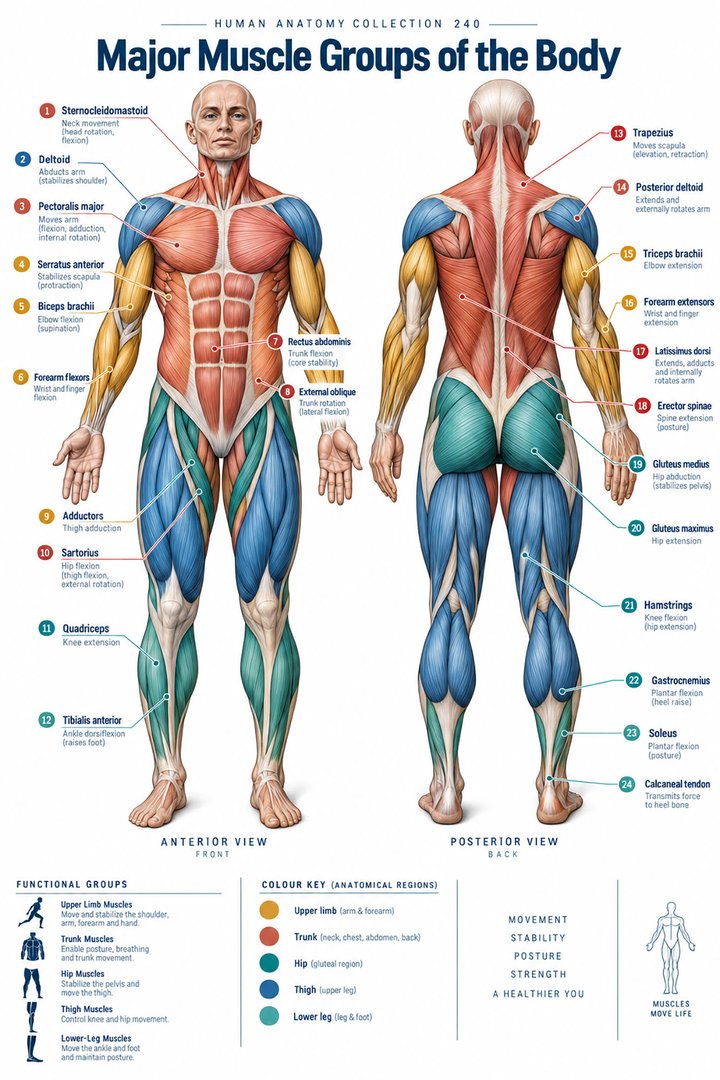 Human Muscle Groups ↗
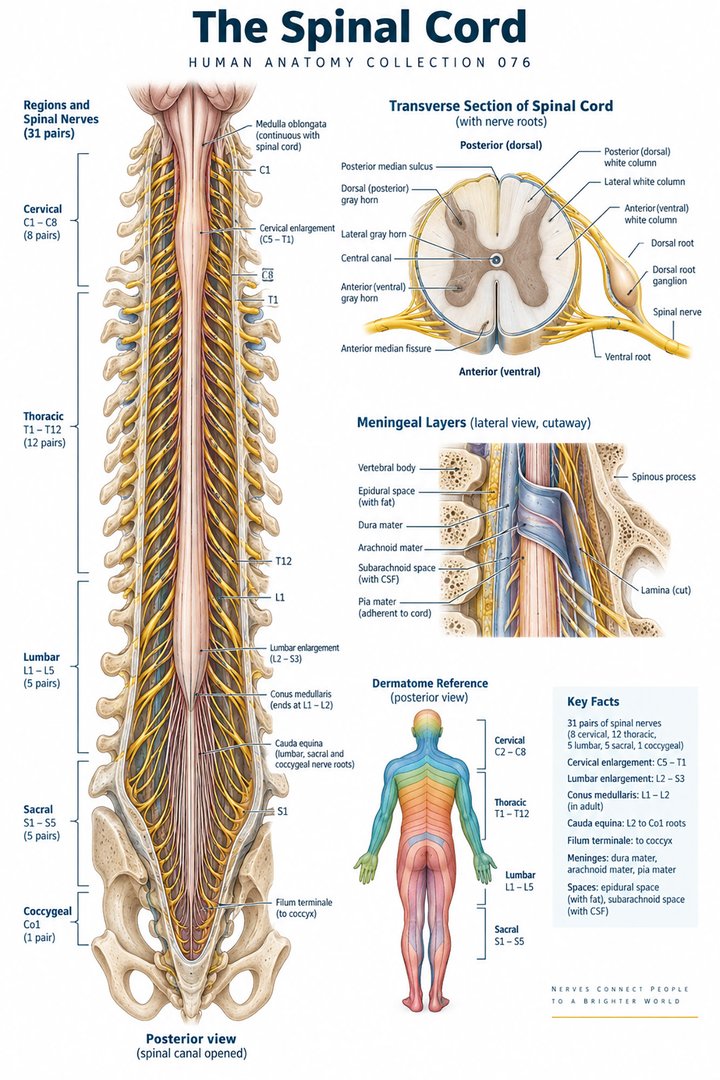 Human Spinal Cord ↗
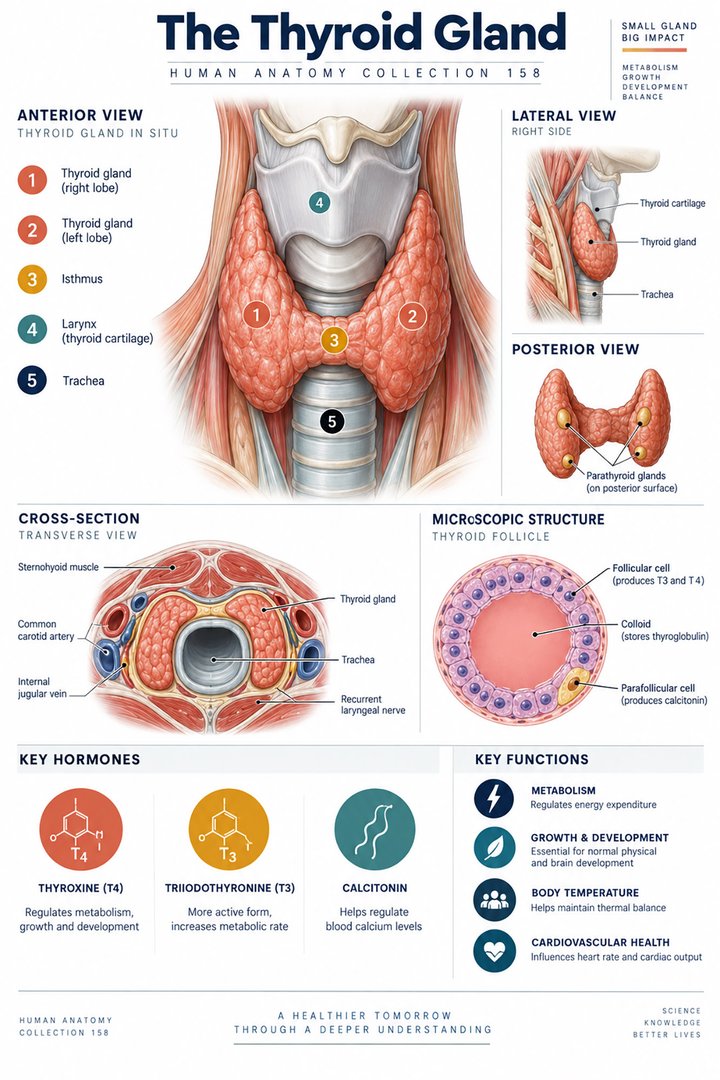 Human Thyroid Gland ↗
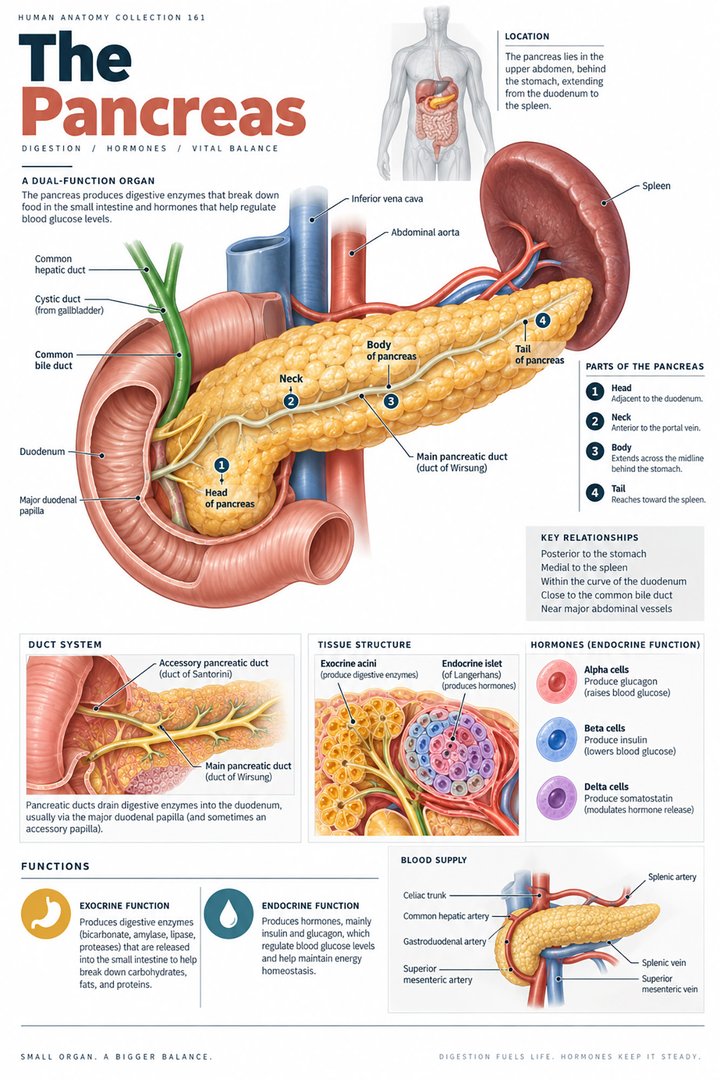 Human Pancreas Function ↗
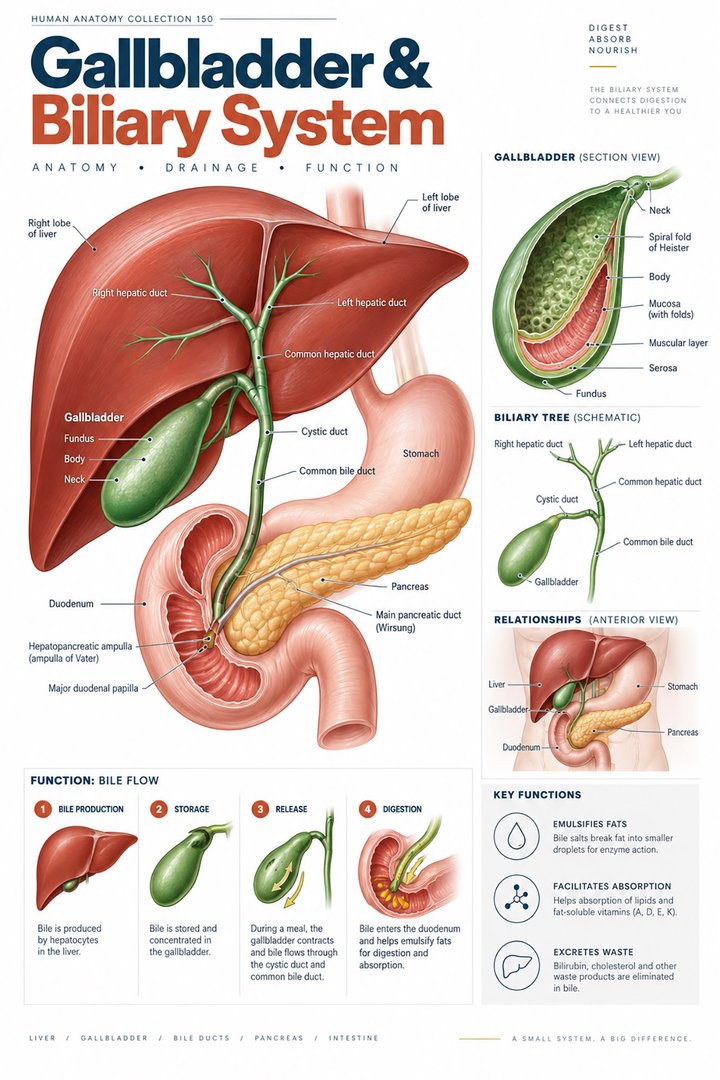 Human Gallbladder Anatomy ↗