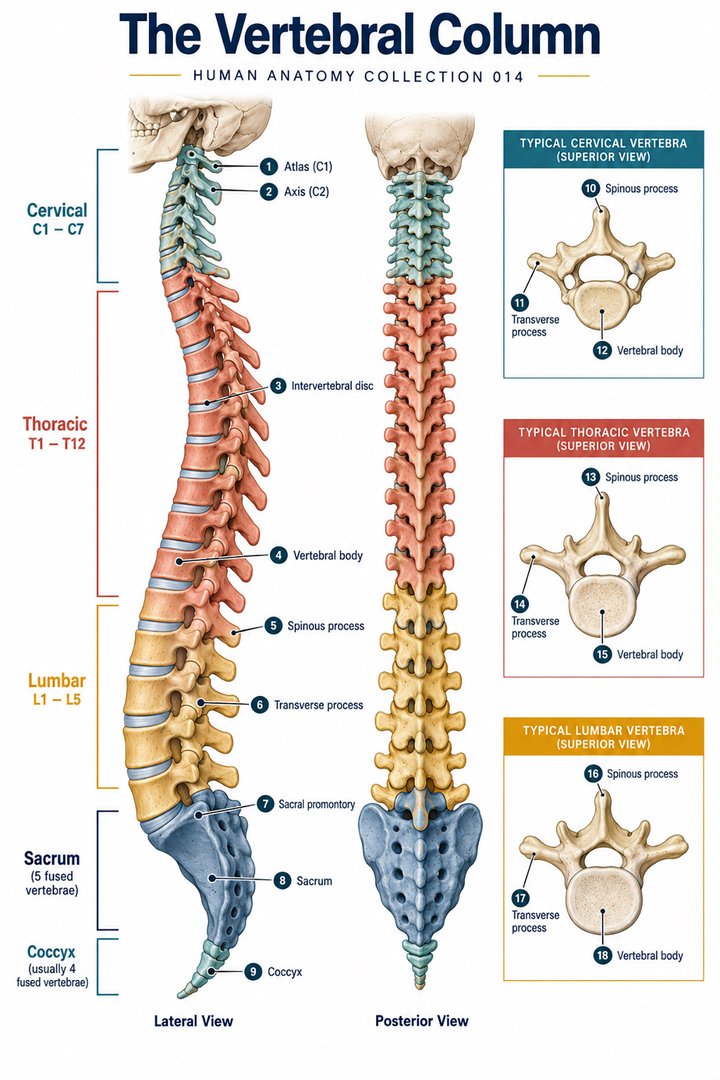
The Vertebral Column
Individual poster · 300 DPI print files
Regular $9.90
Explore poster ↗$4.90USD
Offer price · Save $5.00Individual poster · 300 DPI print files
Reduced web preview. Separate high-resolution print files are supplied with the digital download.
ANATOMY 014
A modern anatomy illustration exploring the vertebral column, designed for educational and decorative use.
Purchases are not available yet. Checkout and download delivery are being prepared.
Sold by Kunstolymp.de · Germany
Compare prices & the complete collection ↗This is a DIGITAL DOWNLOAD. No physical product will be shipped. After purchase, download your files and print them at home, at a local print shop, or through an online professional printing service.
The separate 300 DPI print files are ideal for 24×36-inch posters (approximately 60×90 cm). ISO and 5×7 formats are included. The white border lets you adjust the layout or trim to fit other frame sizes; check the preview before printing to keep the illustration and labels visible.
The planned bundle delivery includes a PDF information sheet with a link to the relevant Google Drive folder and download instructions. The store is currently in preview and purchases are not yet available.
A science-inspired choice for a student’s study corner, an educator’s classroom, or an anatomy enthusiast’s wall. Final licensing terms will apply.
CLINICAL CONTEXT
The vertebral column protects the spinal cord, transmits load, permits movement, and provides attachment for muscles and ribs. Its clinical anatomy includes vertebral bodies and discs, facet joints, ligaments, spinal canal, nerve roots, and regional curves. Back or neck pain is common, but the clinical purpose of an anatomical review is not to label every symptom “mechanical.” It is to identify the pain generator when possible, recognise neurological compromise, and screen for serious but less common causes such as fracture, infection, inflammatory disease, malignancy, or vascular pathology.
Patients may describe axial neck, thoracic, or low-back pain; stiffness; radicular pain; paraesthesia; weakness; gait change; reduced hand function; sleep disturbance; or reduced work and self-care capacity. Mechanical pain often varies with movement or load, while radicular symptoms follow a nerve-root distribution. However, patterns overlap. Important history includes trauma, osteoporosis risk, fever or infection, cancer history, steroid or immunosuppressive treatment, intravenous drug use, weight loss, bladder or bowel symptoms, saddle sensory change, and progressive neurological deficit. Examination considers posture, range of motion, gait, power, reflexes, sensation, upper-motor-neuron signs, peripheral pulses, and hip or abdominal causes that can mimic spinal pain.
Initial management for uncomplicated non-specific spinal pain commonly combines education, advice to remain appropriately active, analgesia chosen for the individual, and physiotherapy or exercise-based rehabilitation. Imaging is not automatically useful; it is most valuable when results will change management or when red flags indicate serious pathology. Disc herniation, spinal stenosis, vertebral fracture, inflammatory disease, infection, or tumour may require targeted imaging, multidisciplinary input, disease-specific medicines, injections or procedures in selected cases, or surgery. Neurological deterioration, suspected cauda equina syndrome, spinal cord compression, or spinal infection require urgent assessment.
Some patients find structured exercise, yoga adapted by qualified professionals, cognitive-behavioural strategies, or selected manual therapies useful for chronic non-specific pain. These should support—not replace—diagnosis, active rehabilitation, and appropriate medical review. High-velocity manipulation is not appropriate when fracture, instability, severe osteoporosis, inflammatory disease, malignancy, infection, or neurological deficit is suspected. Herbal products may interact with analgesics, anticoagulants, or other medicines. Discuss preferences openly and document advice, benefit, harms, and safety-netting.
New bladder or bowel dysfunction, saddle numbness, rapidly progressive weakness, fever with spinal pain, trauma with severe pain, or pain in a patient with cancer or significant infection risk needs urgent local medical assessment. This poster supports learning and clinical reasoning; it is not a substitute for protocols or individual evaluation.
Further reading: NINDS: back pain information · WHO: evidence and safety in integrative care
Explain the working diagnosis, important alternatives, planned tests, expected course, and specific safety-netting in language the patient can use. Invite questions about treatment goals, capacity, cost, culture, and complementary therapies. Use a professional interpreter when language access could affect consent or understanding, and confirm clear arrangements for timely clinical review in writing. Document the reasoning, reassess response to treatment, and coordinate care across professions when illness affects more than one system. Teaching anatomy is most useful when it supports this partnership: accurate localisation, respectful listening, timely escalation, and a plan that remains responsive to the individual patient.
HUMAN ANATOMY COLLECTION · 001—300
A closer look at what makes us human. Discover anatomy posters for your study space, classroom, and everyday curiosity.
DIGITAL DOWNLOADS · 300 DPI PRINT FILES
EXPLORE BY SYSTEM
LEARN & EXPLORE
Detailed English guides with Latin terminology, diagrams, real images, and clinical learning connections.
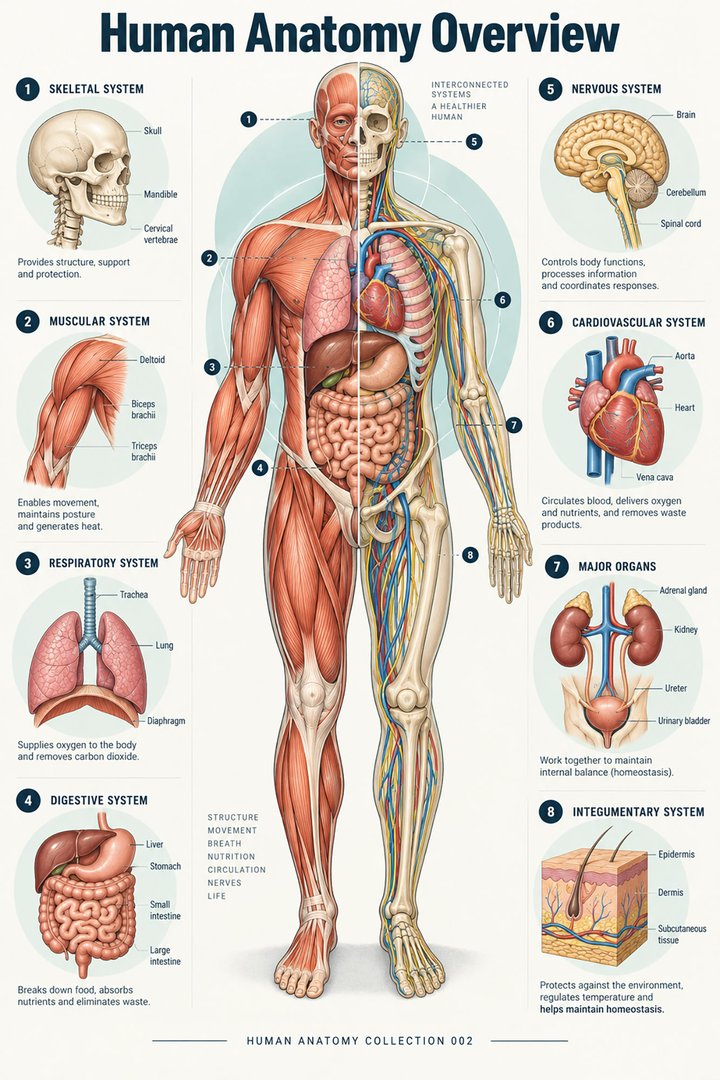 Human Anatomy Diagrams ↗
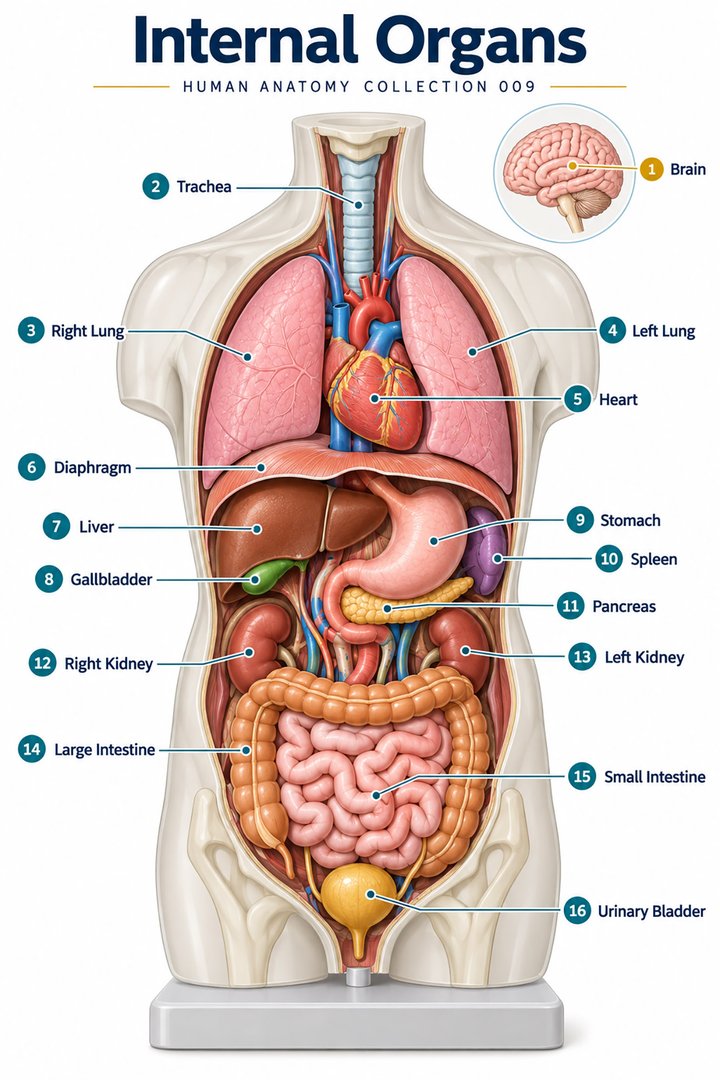 Human Body Organs ↗
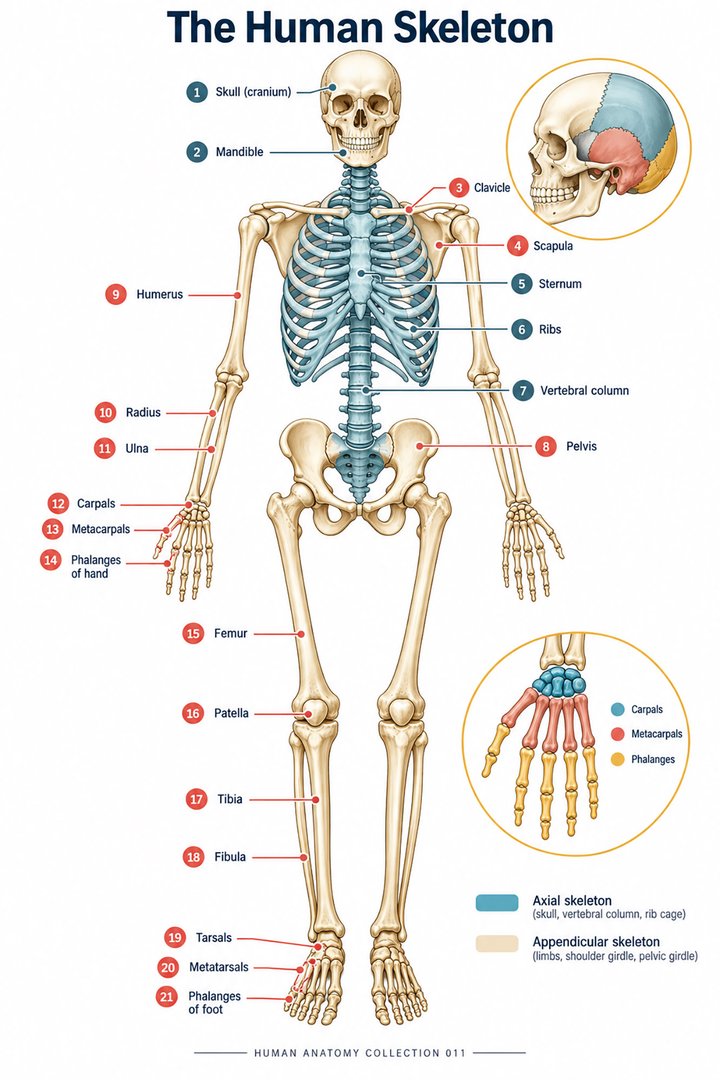 Skeletal System Anatomy ↗
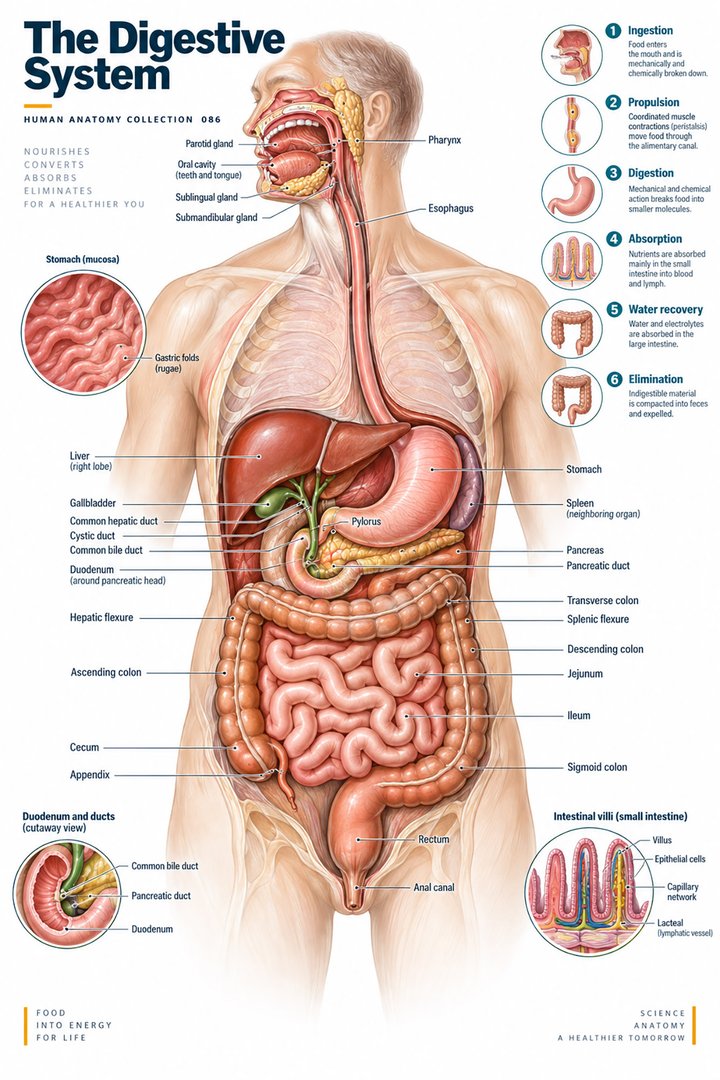 Human Digestive System ↗
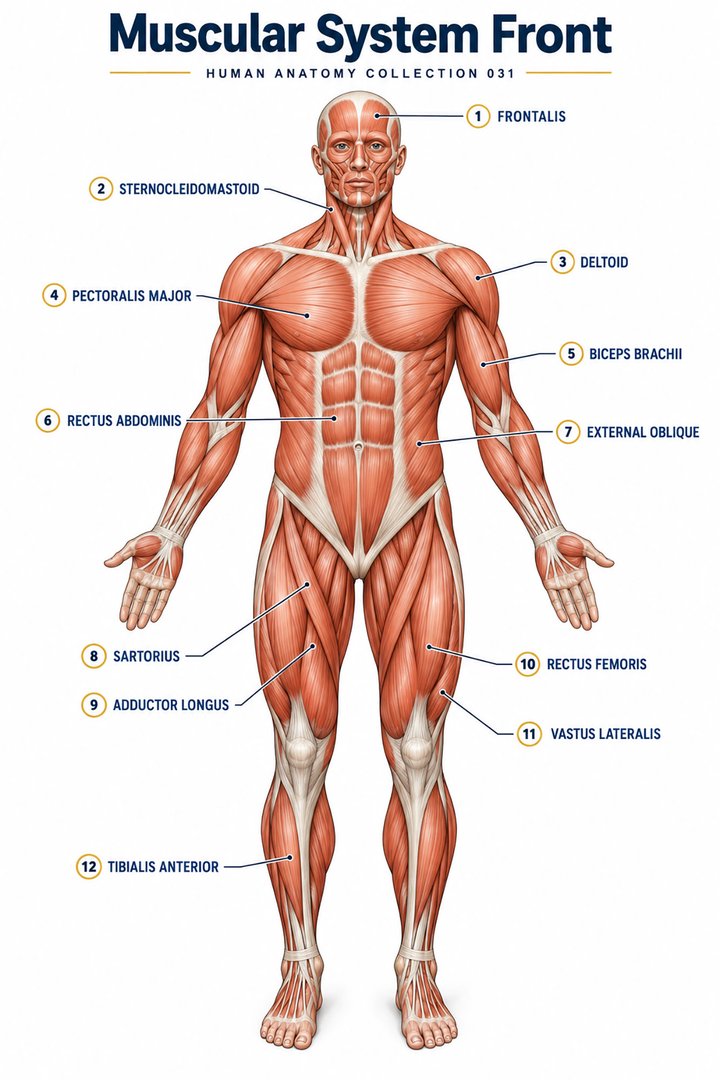 Muscular System Overview ↗
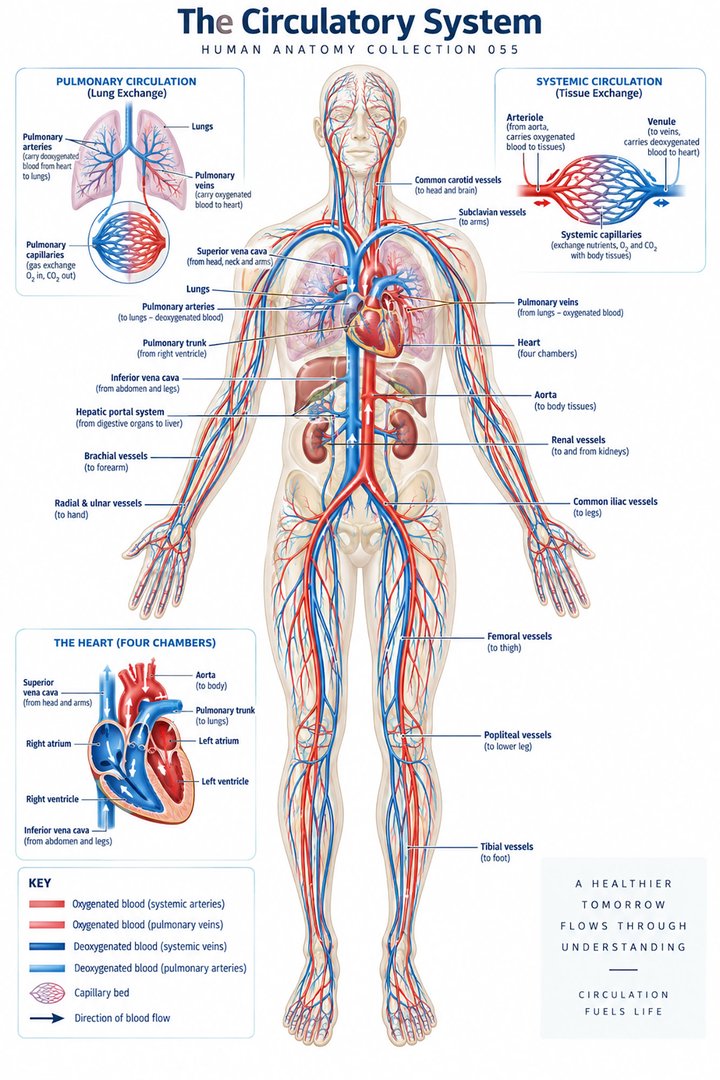 Human Circulatory System ↗
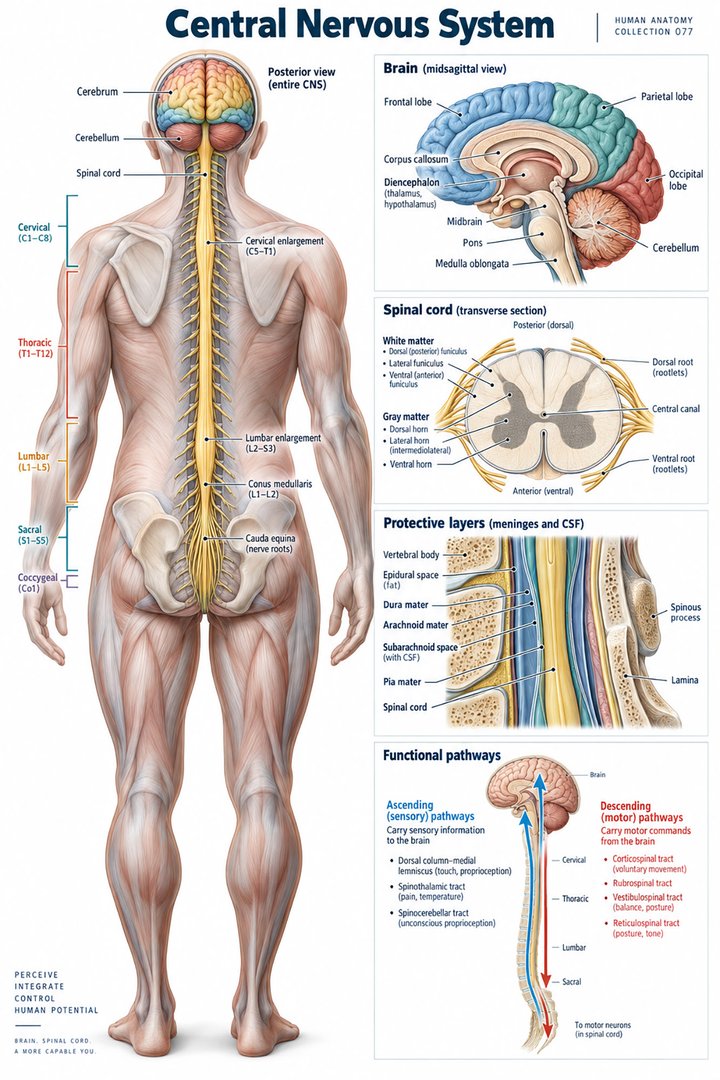 Human Nervous System ↗
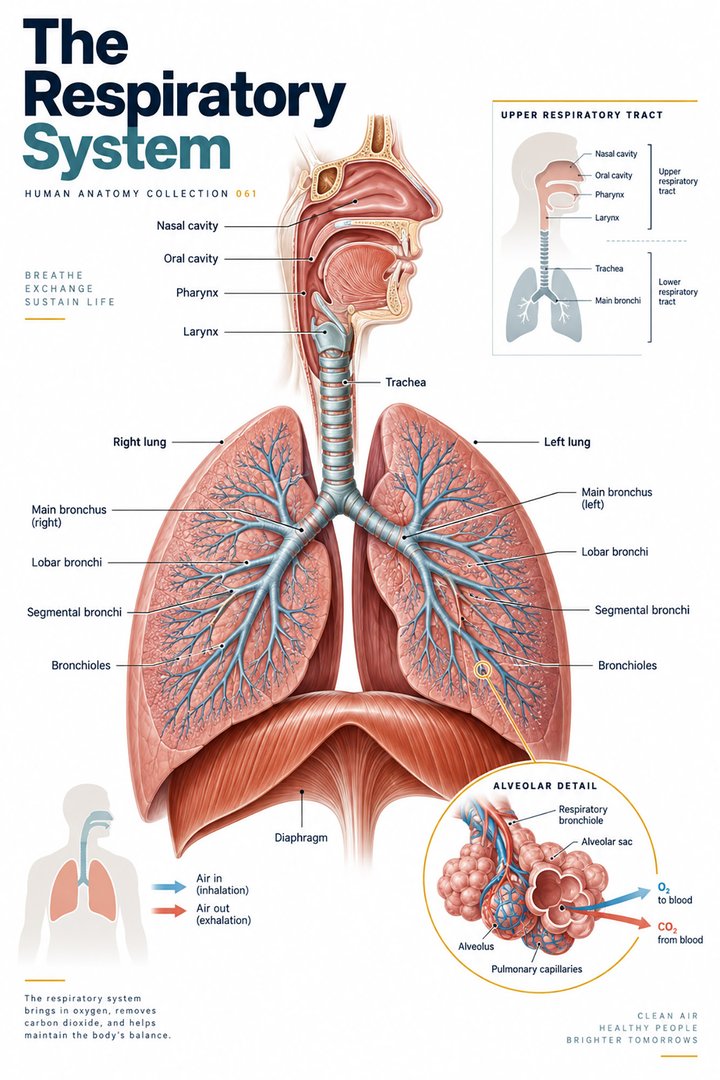 Respiratory System Functions ↗
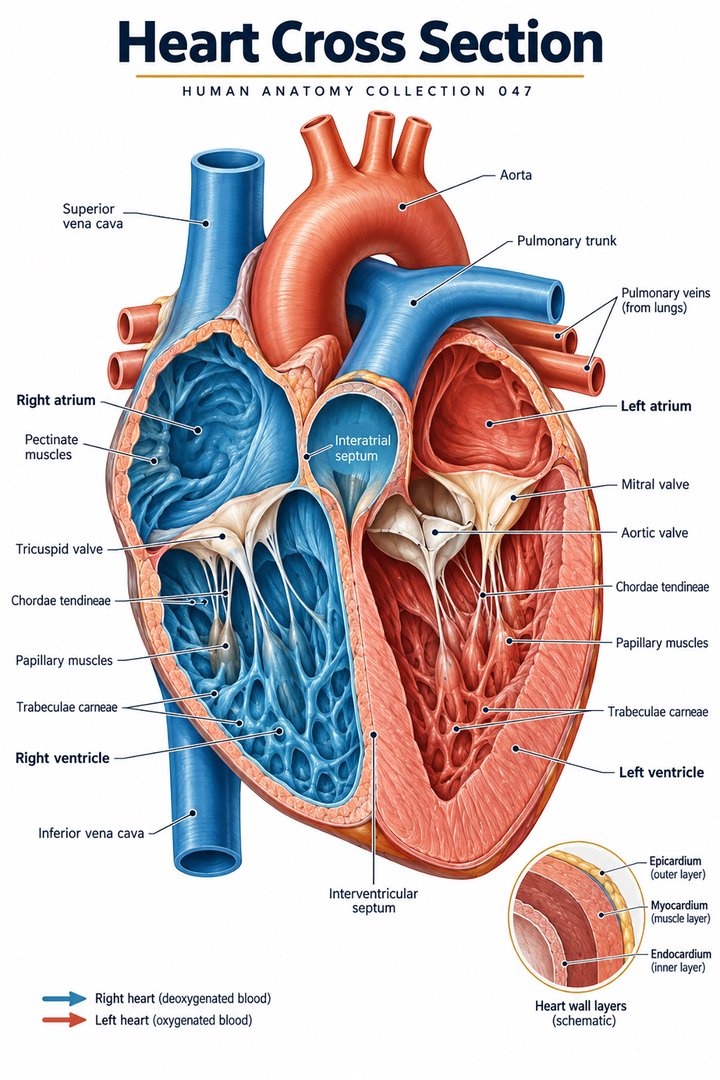 Human Heart Structure ↗
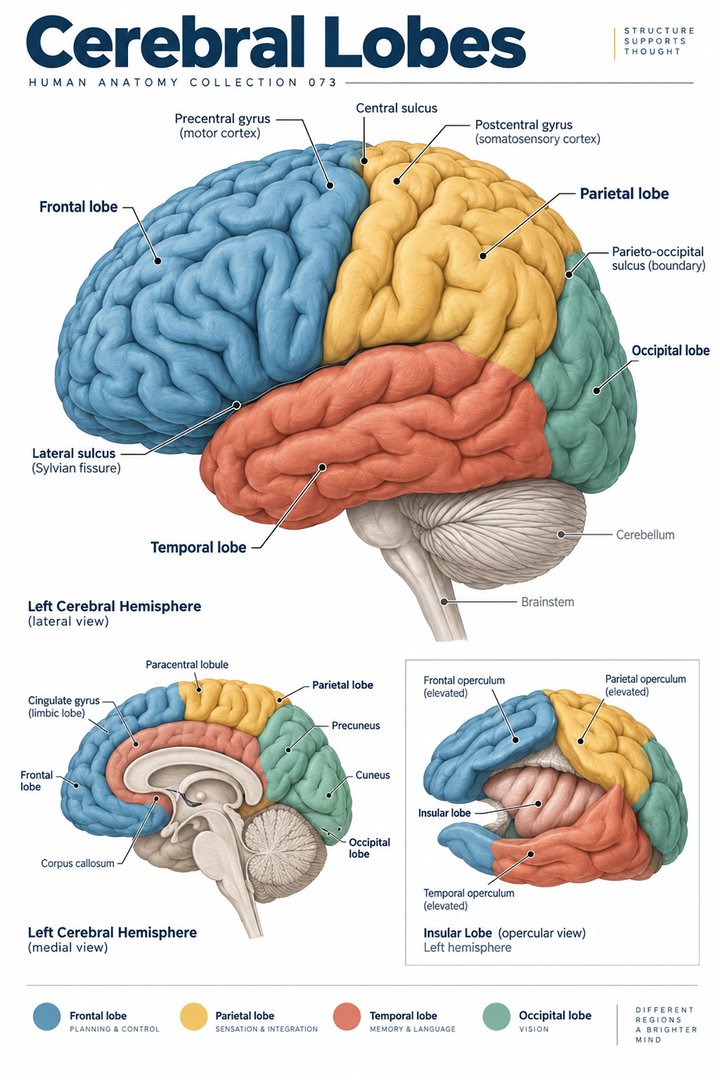 Human Brain Lobes ↗
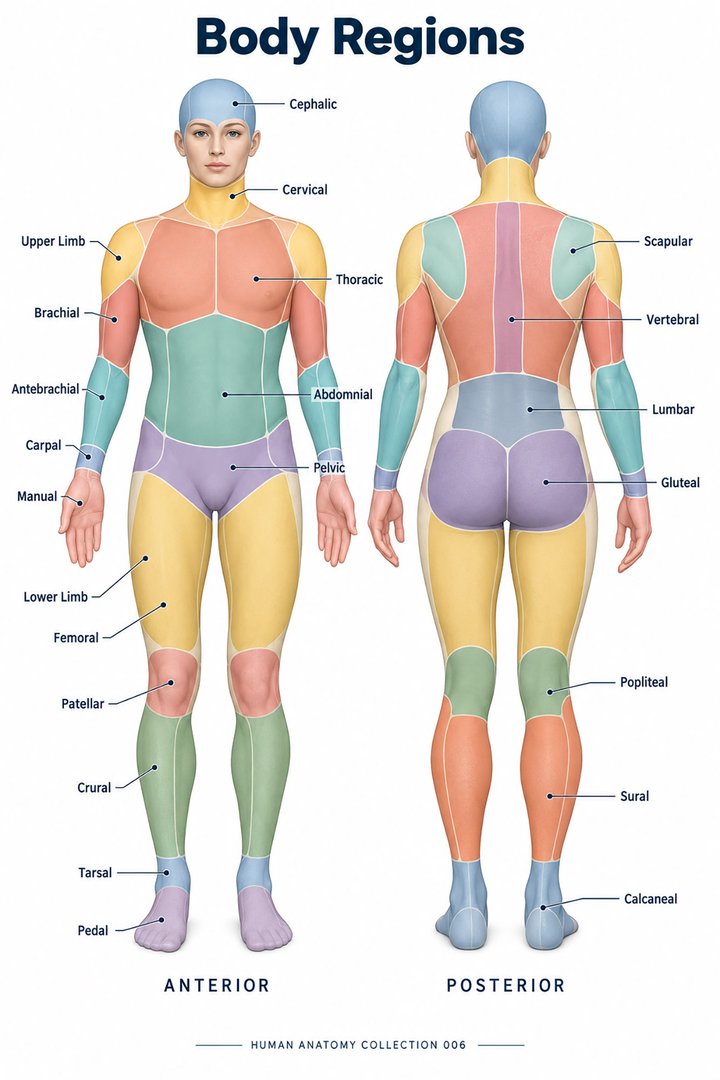 Human Body Parts ↗
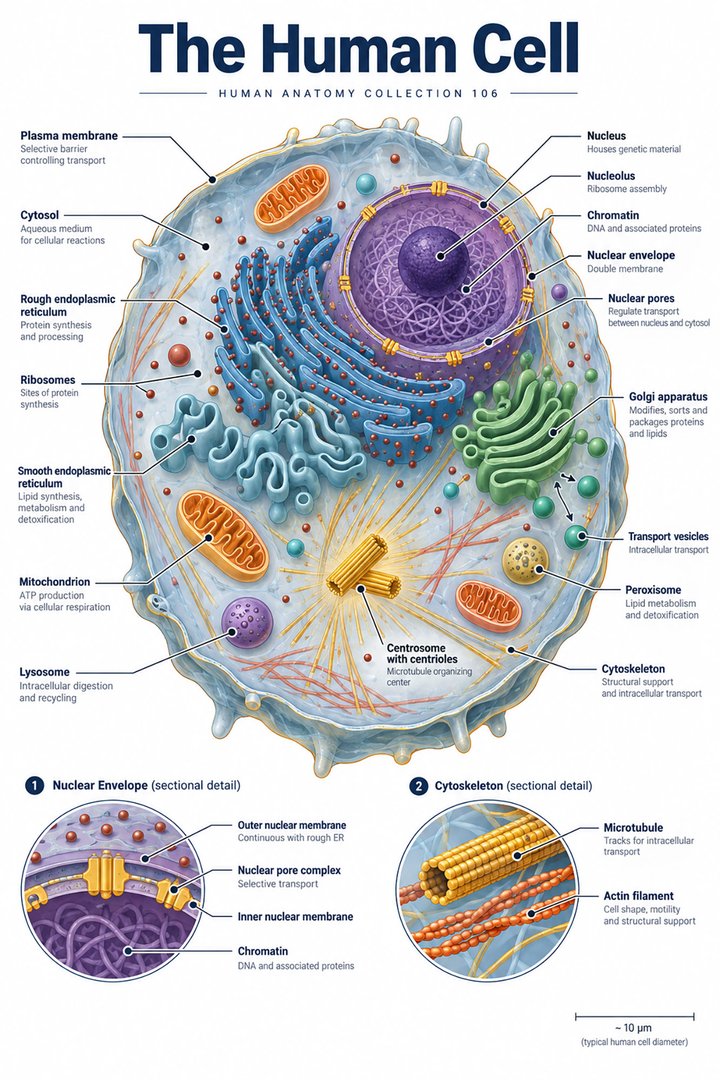 Human Cell Structure ↗
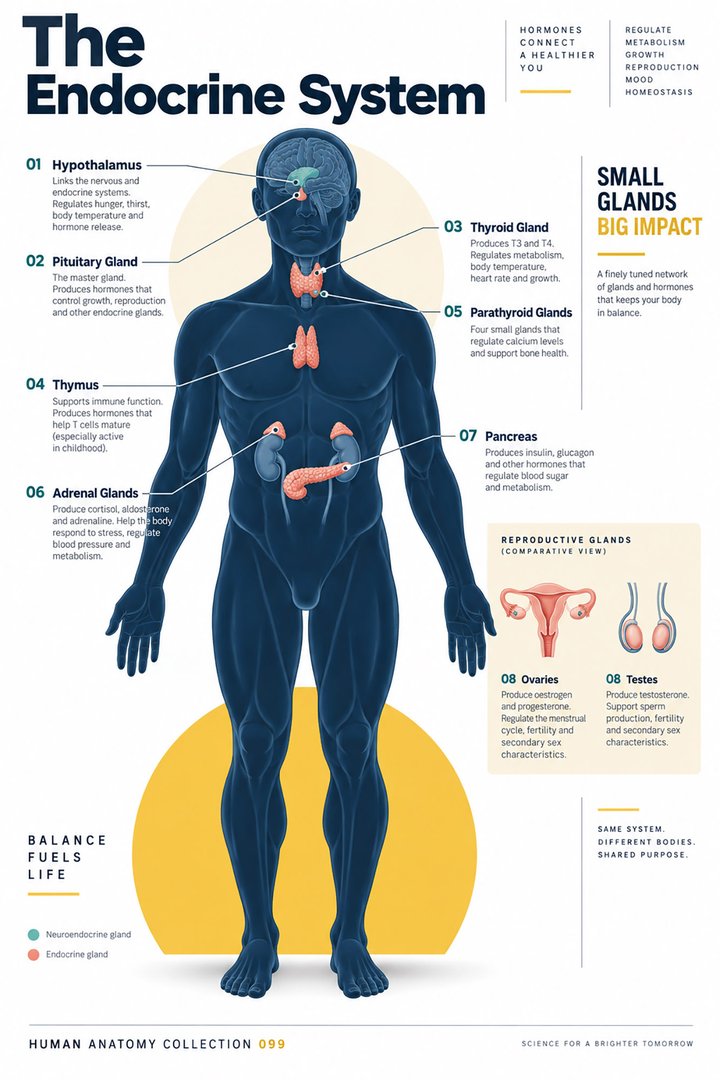 Human Endocrine System ↗
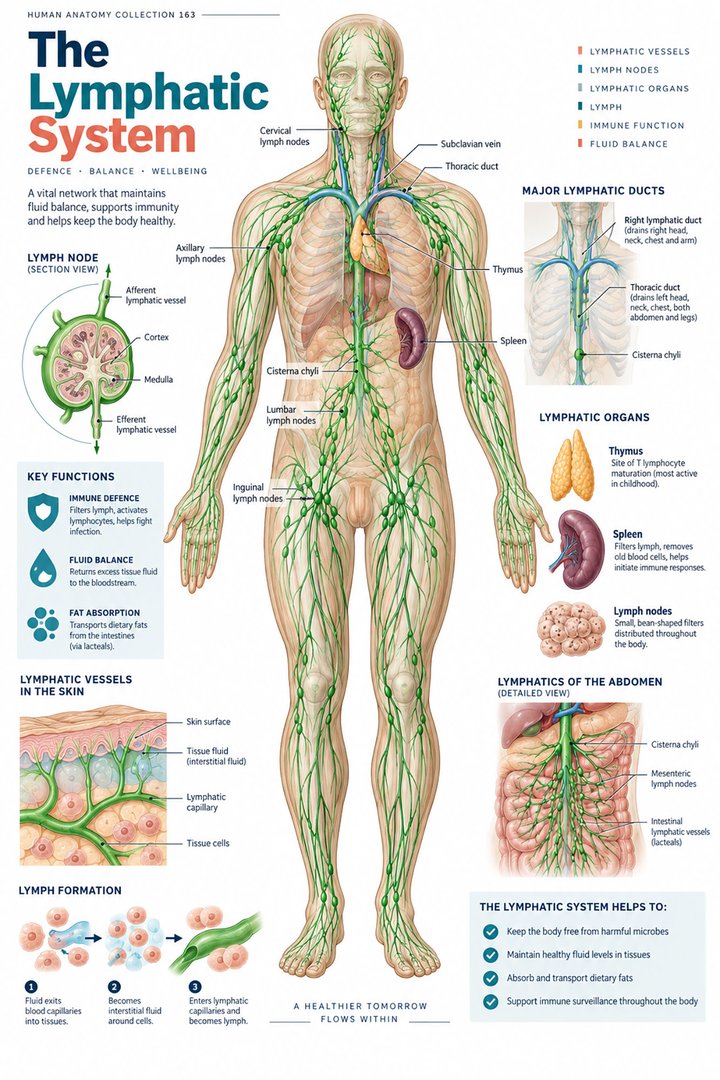 Human Lymphatic System ↗
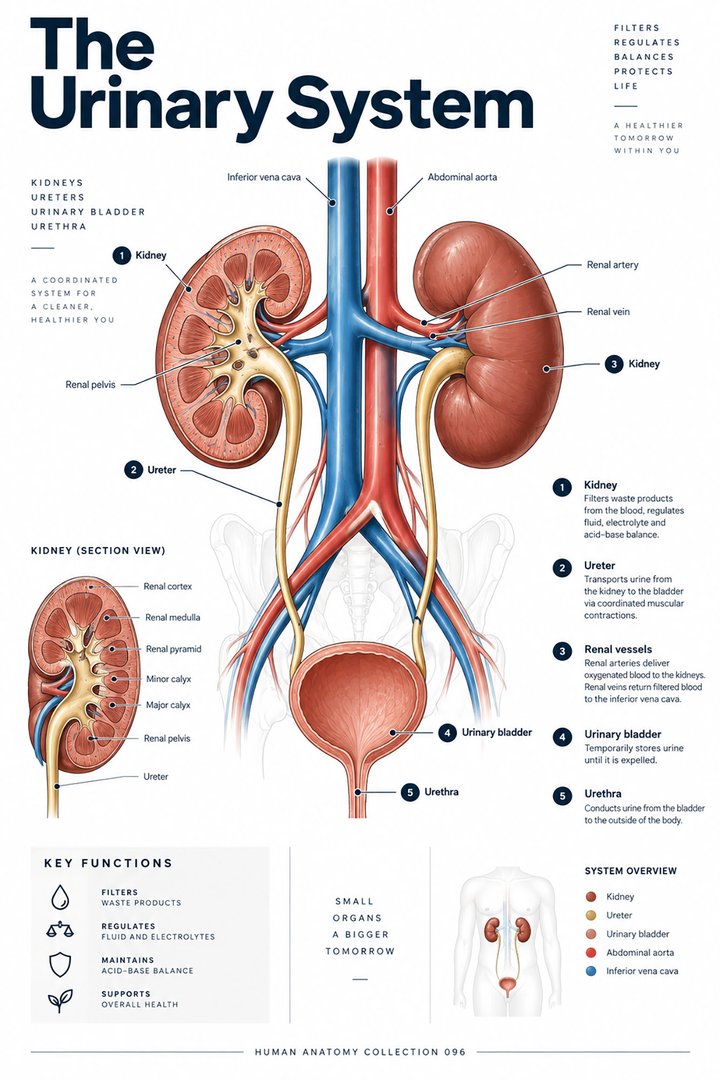 Human Urinary System ↗
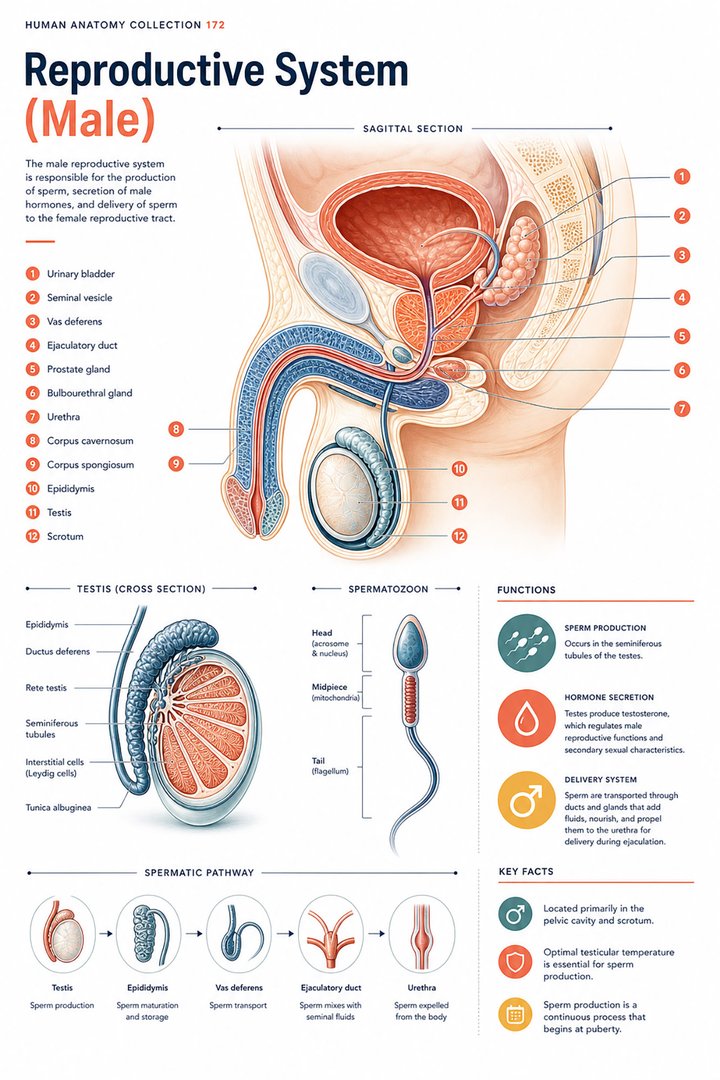 Male Reproductive System ↗
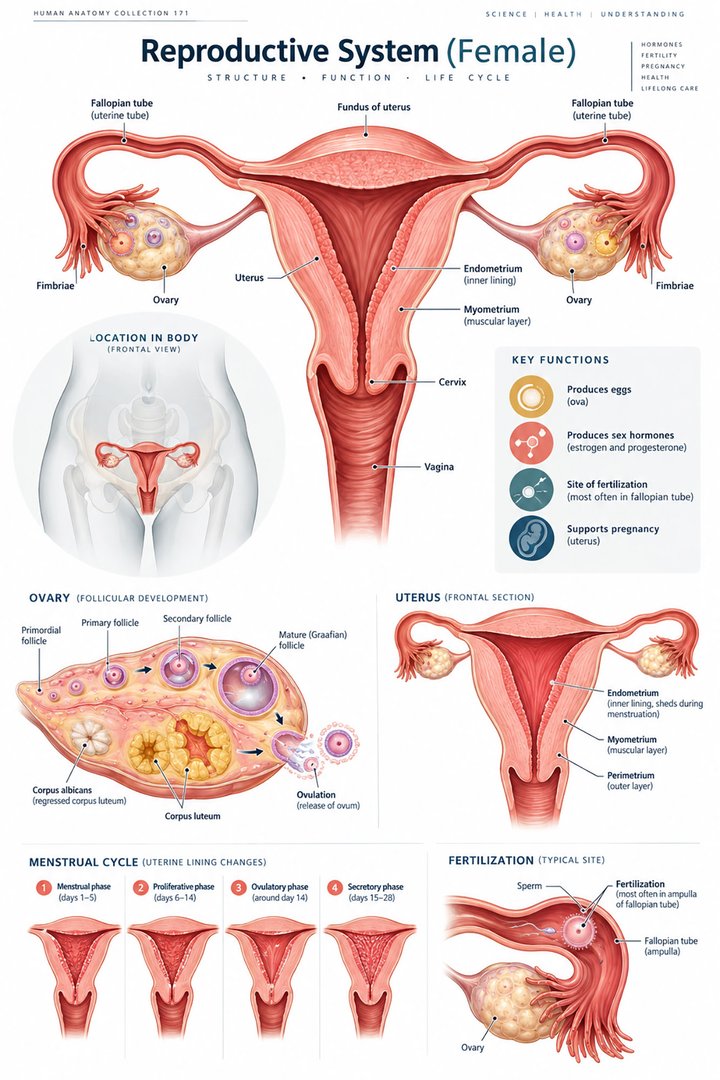 Female Reproductive System ↗
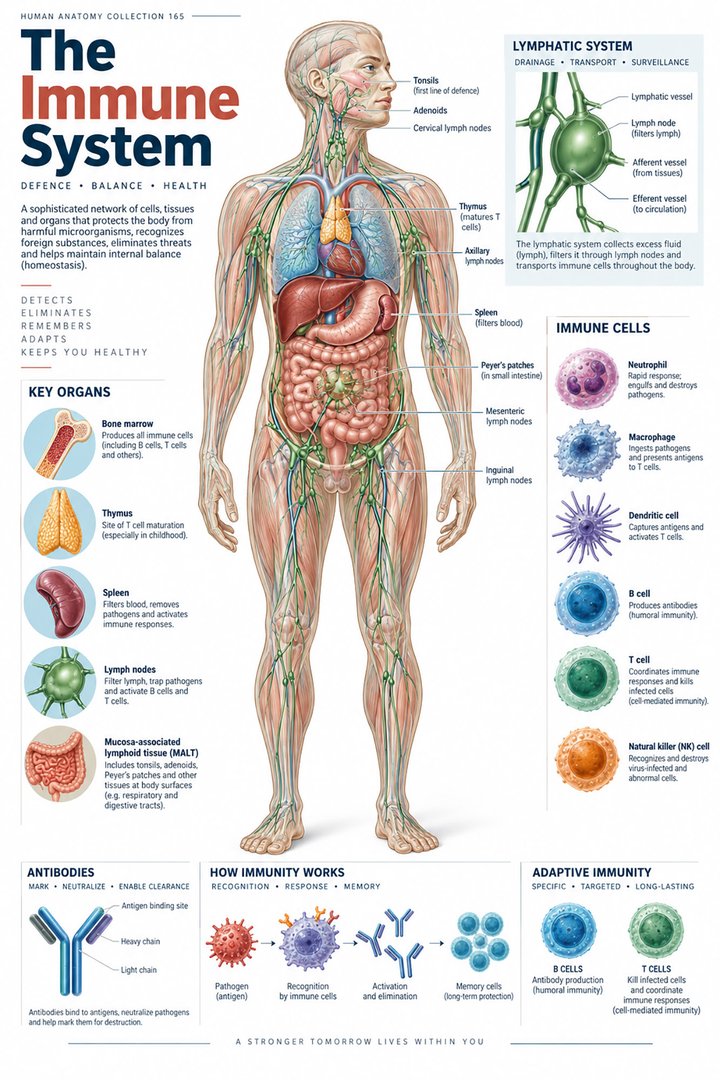 Human Immune System ↗Central Nervous System ↗
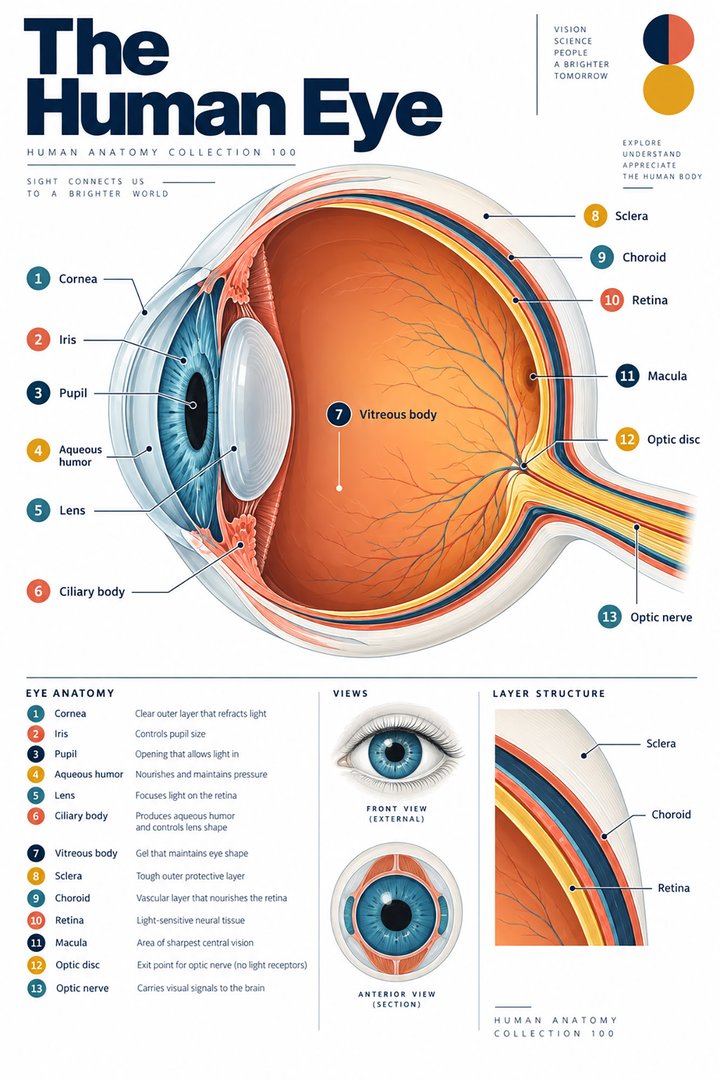 Human Eye Structure ↗
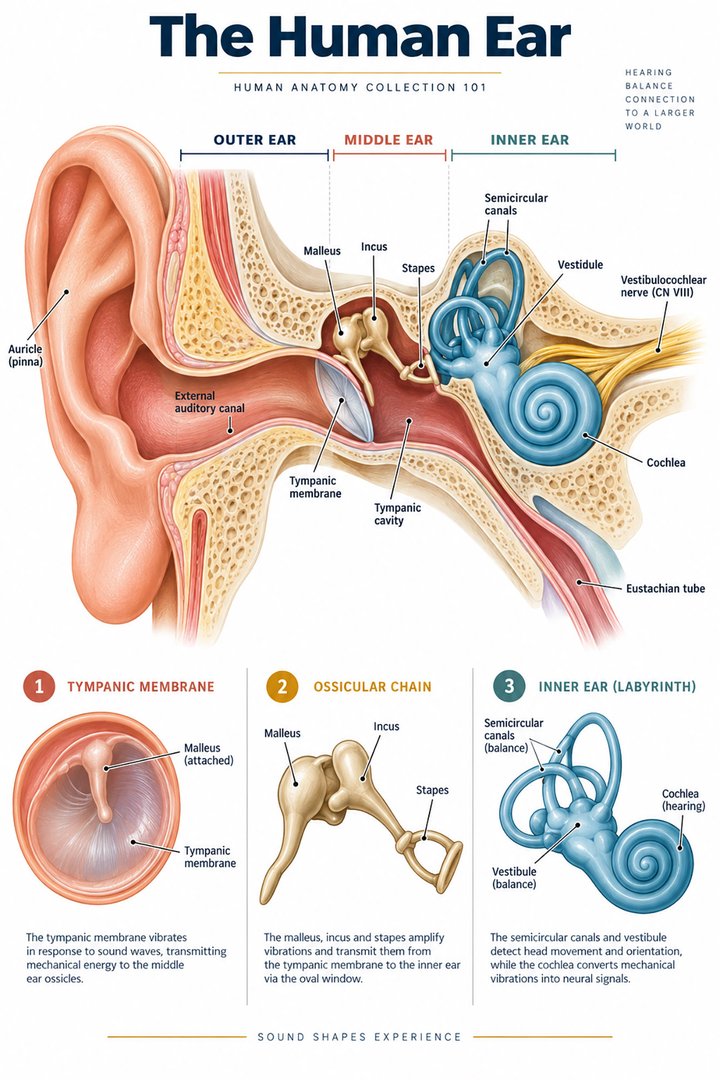 Human Ear Structure ↗
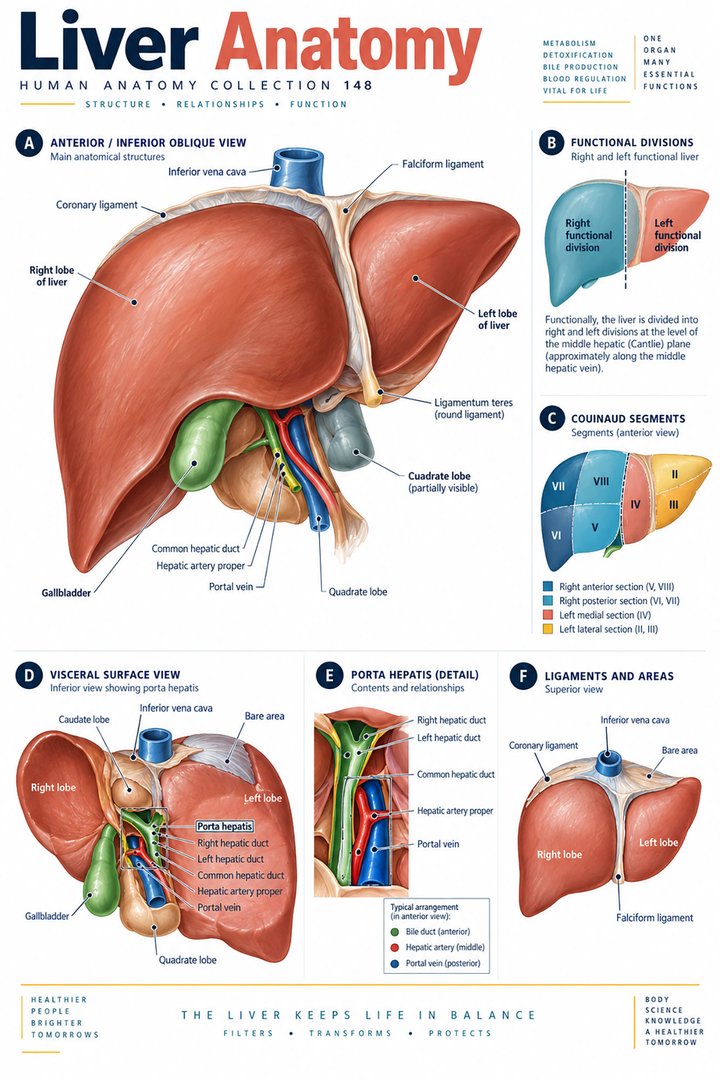 Human Liver Function ↗
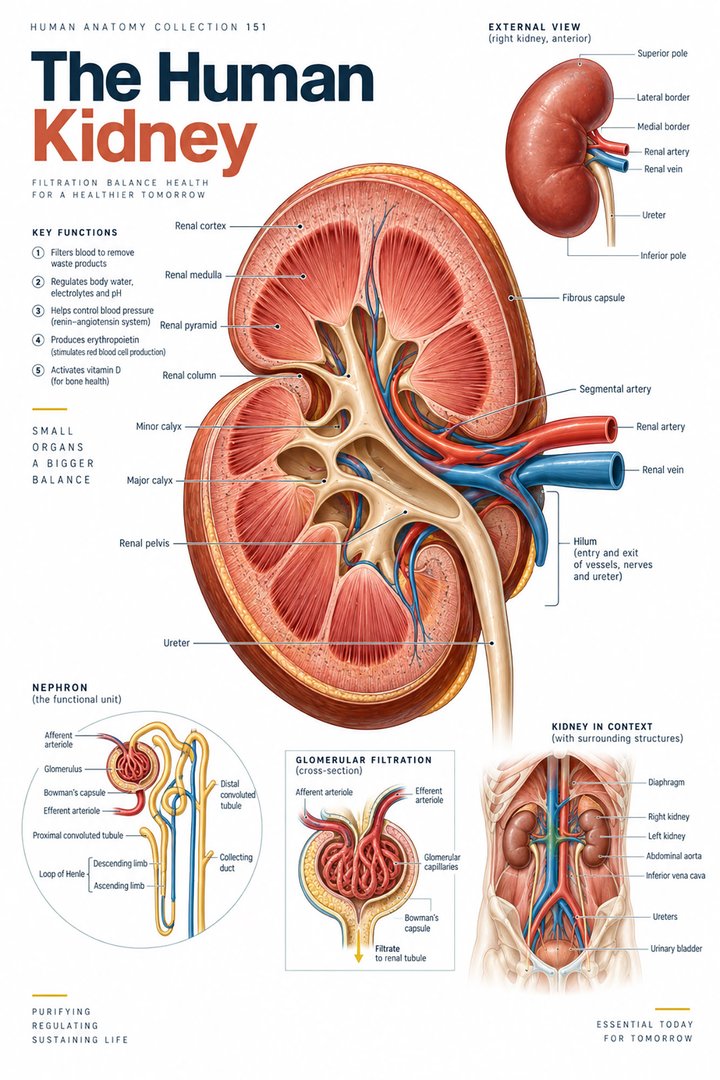 Human Kidney Anatomy ↗
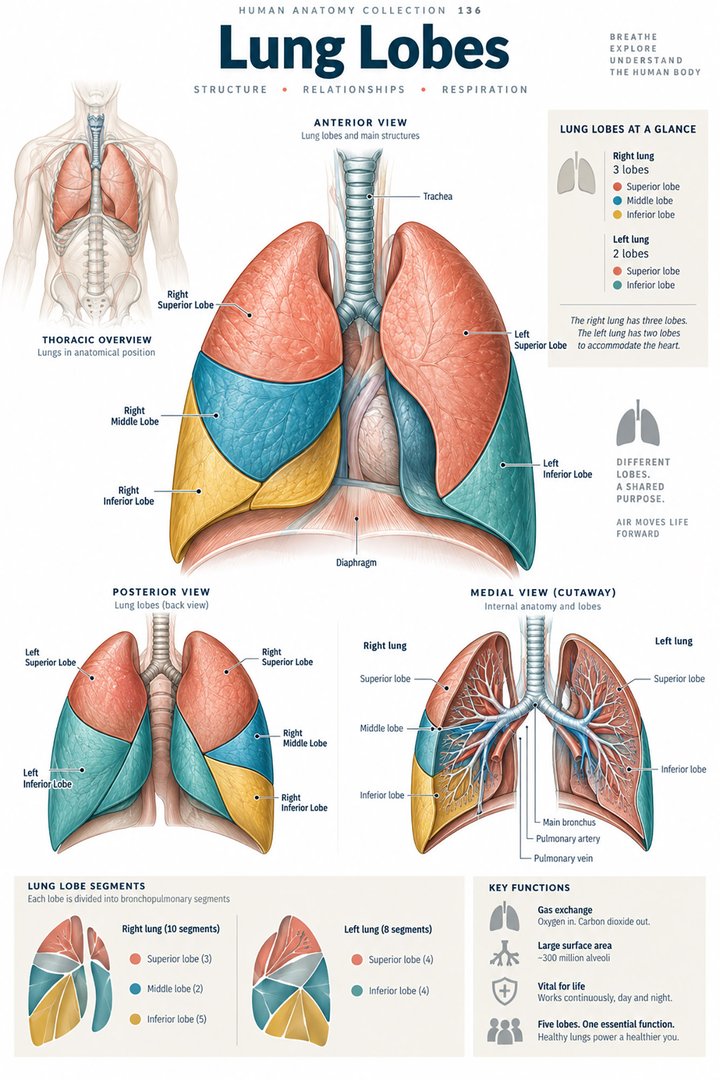 Human Lung Anatomy ↗
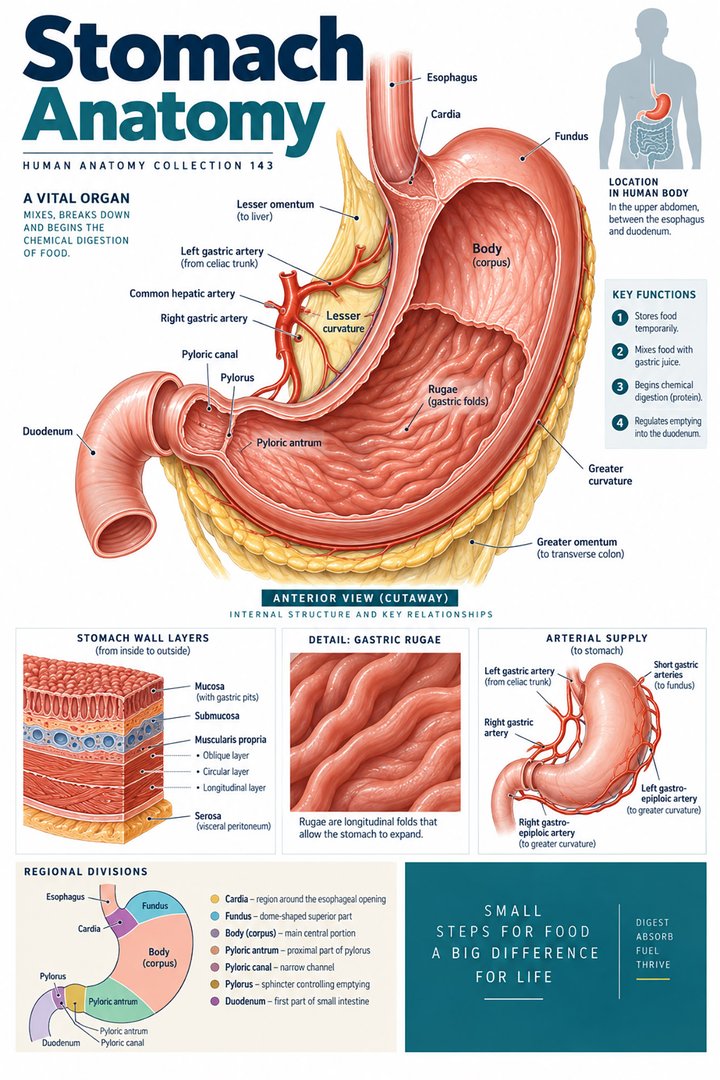 Human Stomach Structure ↗Human Spine Anatomy ↗
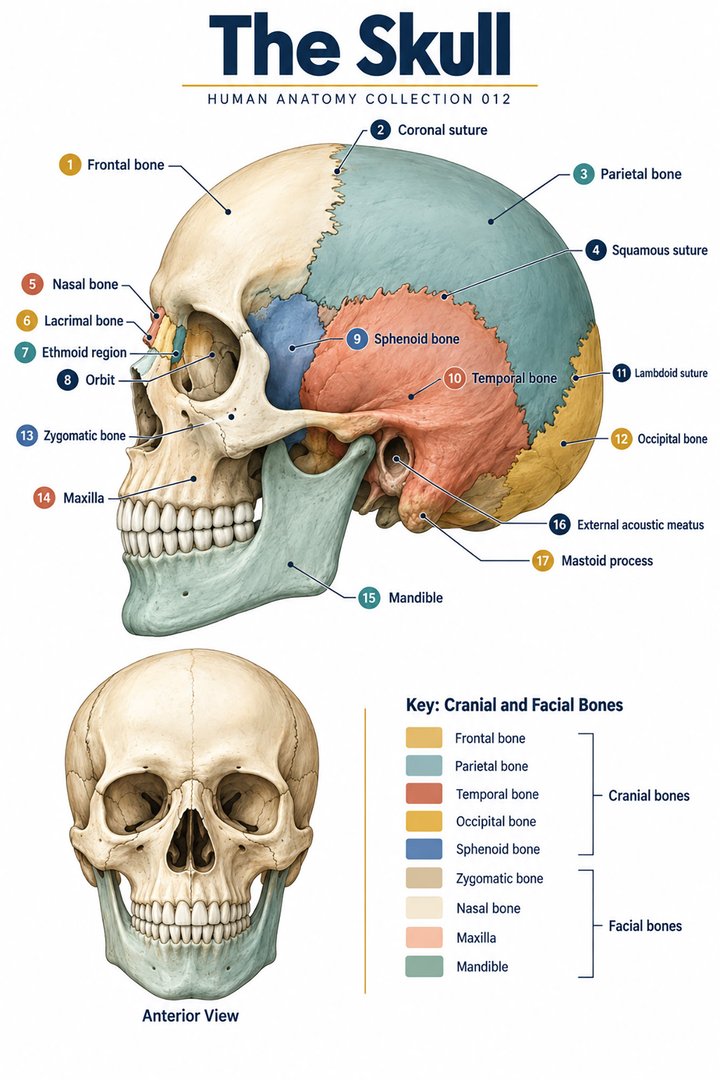 Human Skull Anatomy ↗
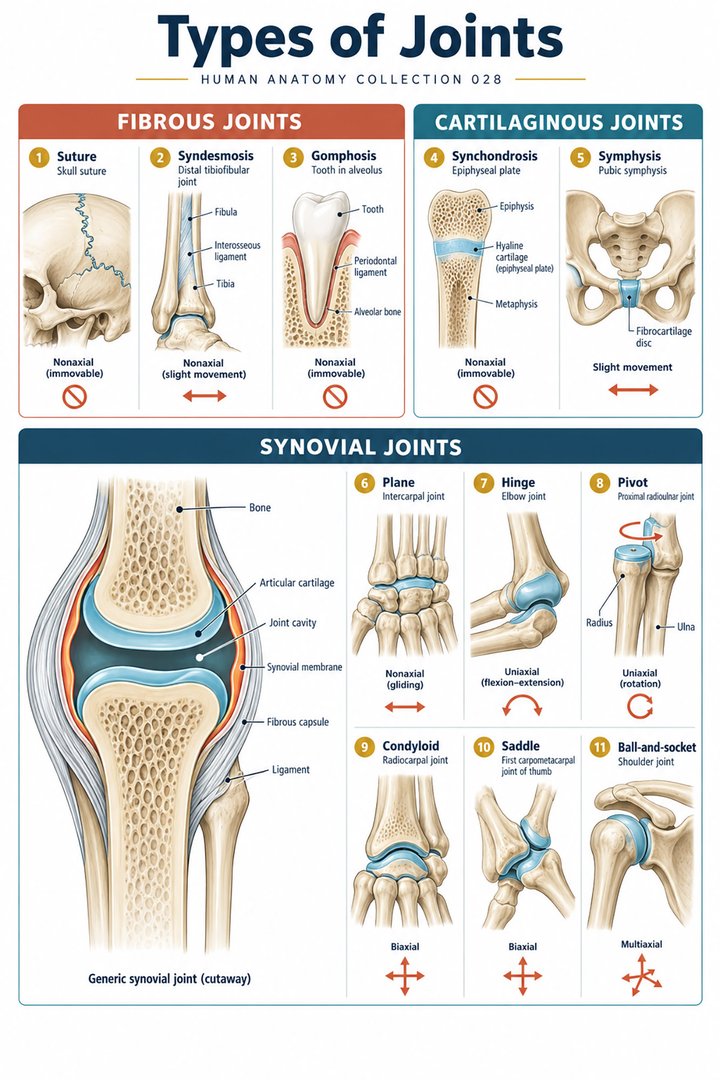 Human Joint Types ↗
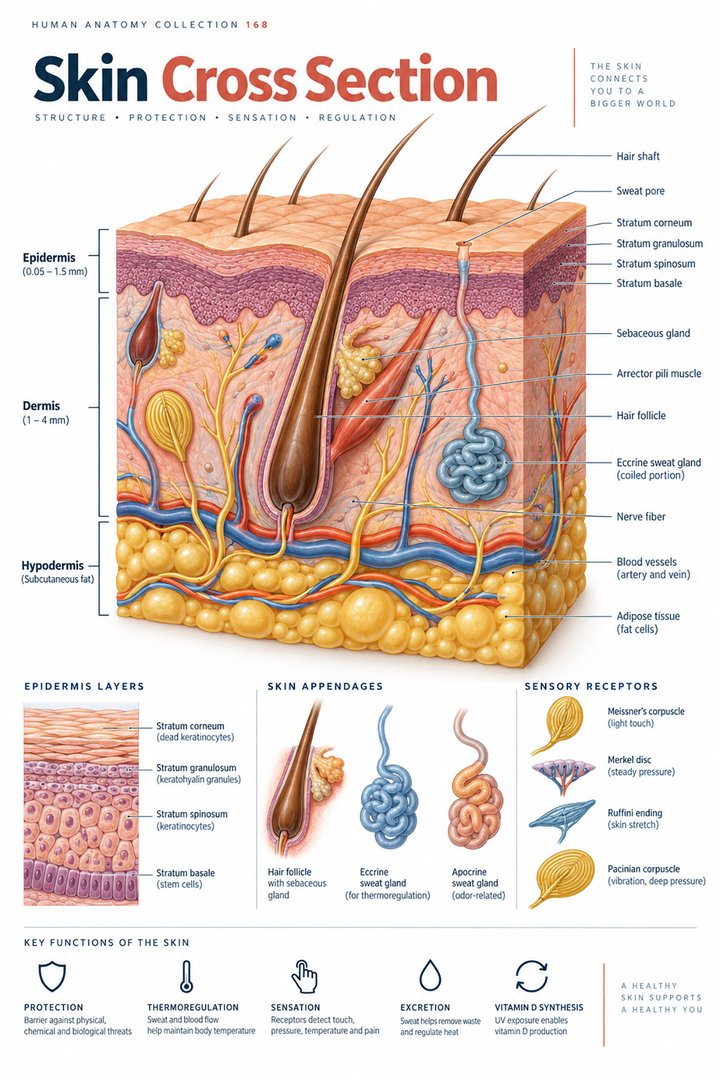 Human Skin Layers ↗
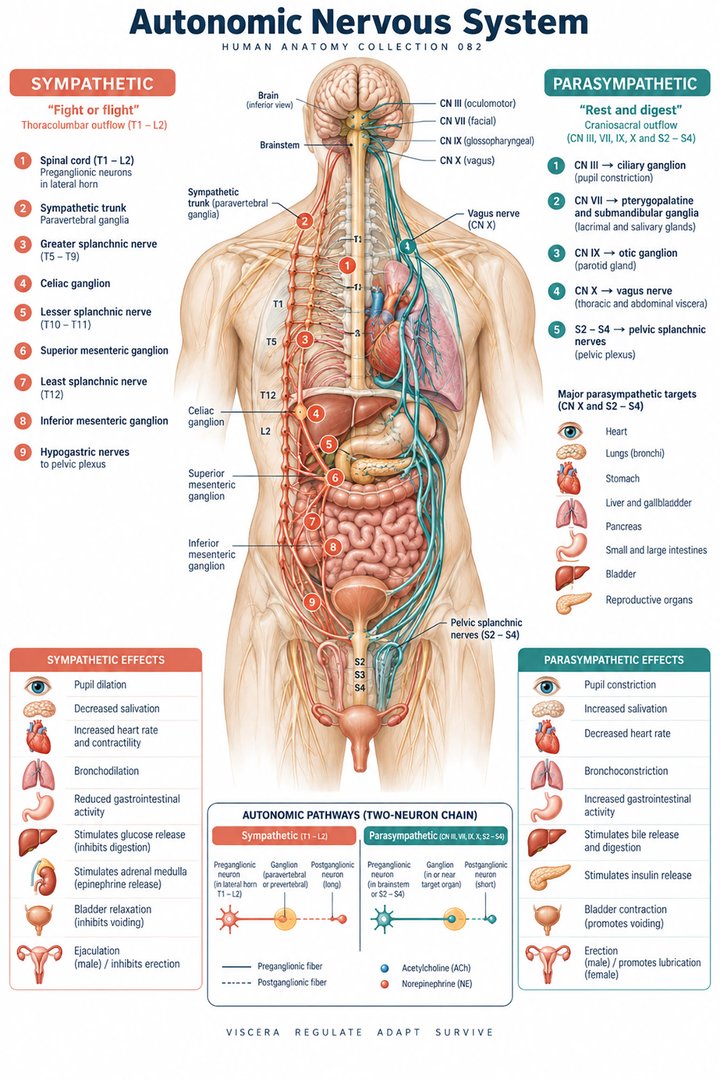 Autonomic Nervous System ↗
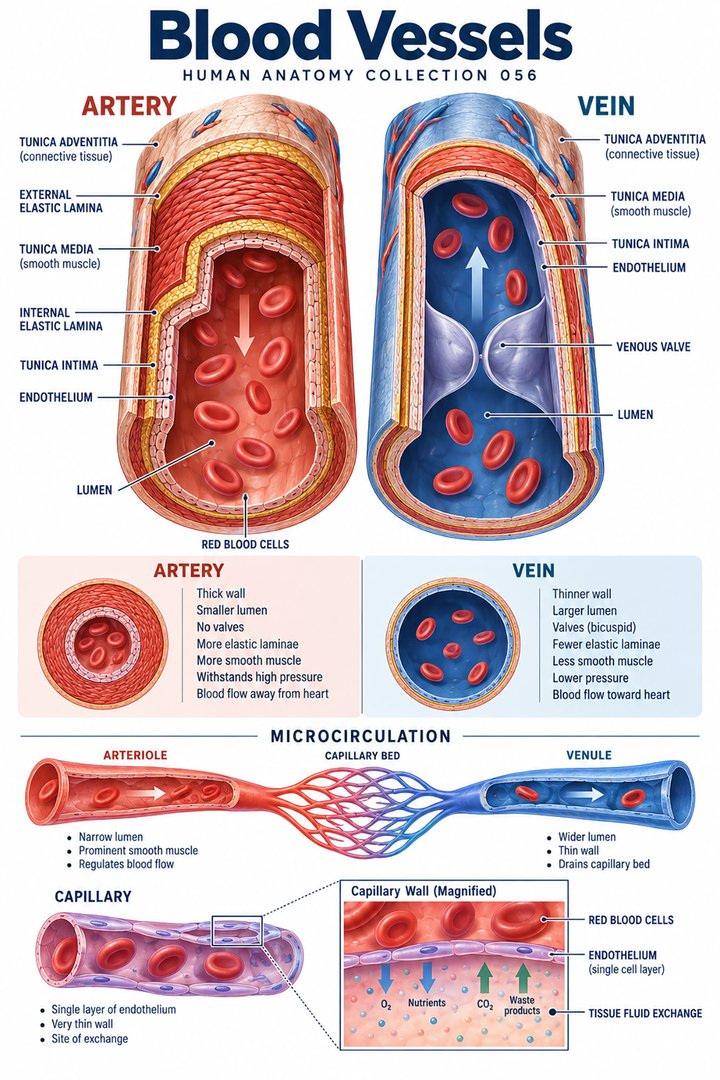 Human Blood Vessels ↗
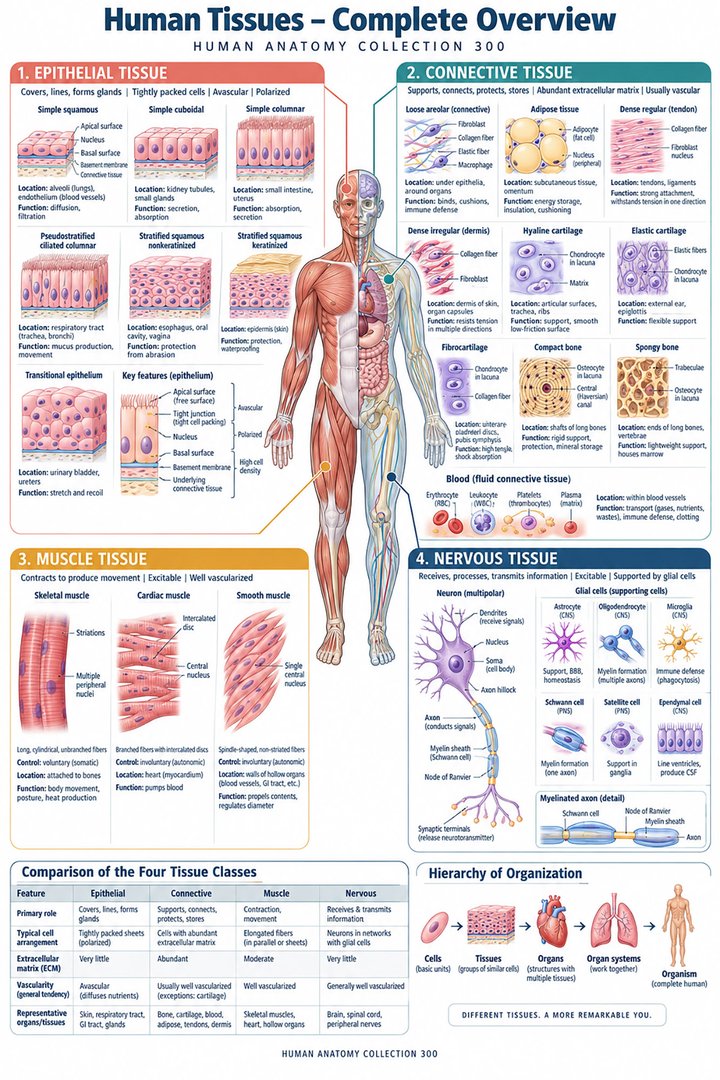 Human Body Tissues ↗
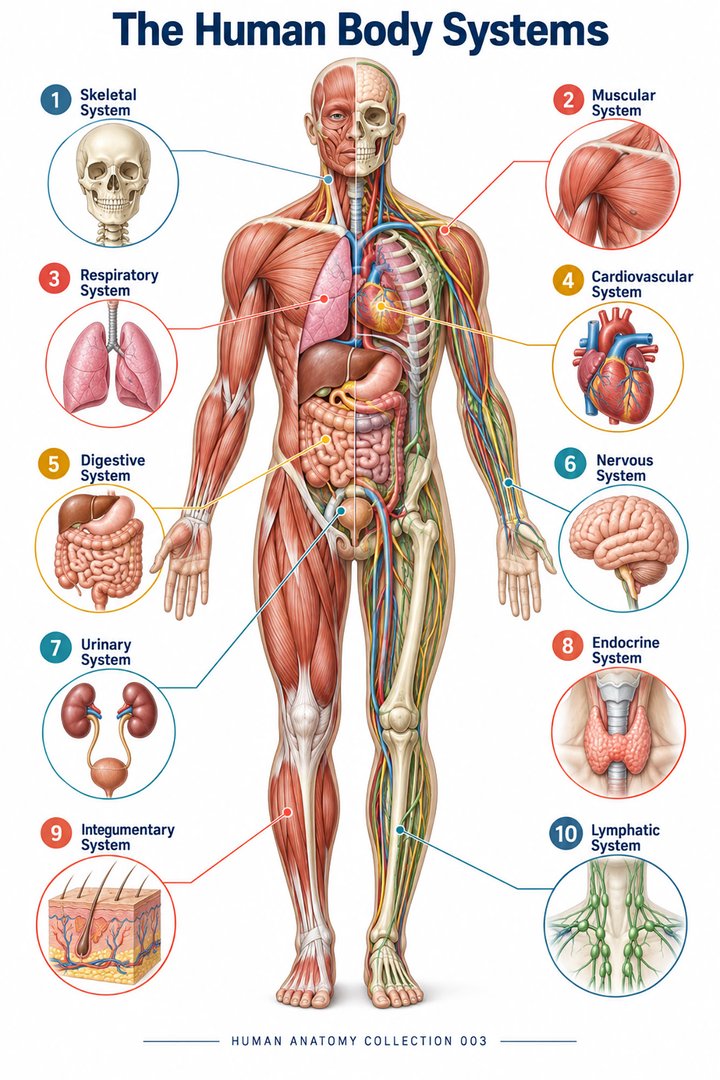 Human Body Systems ↗
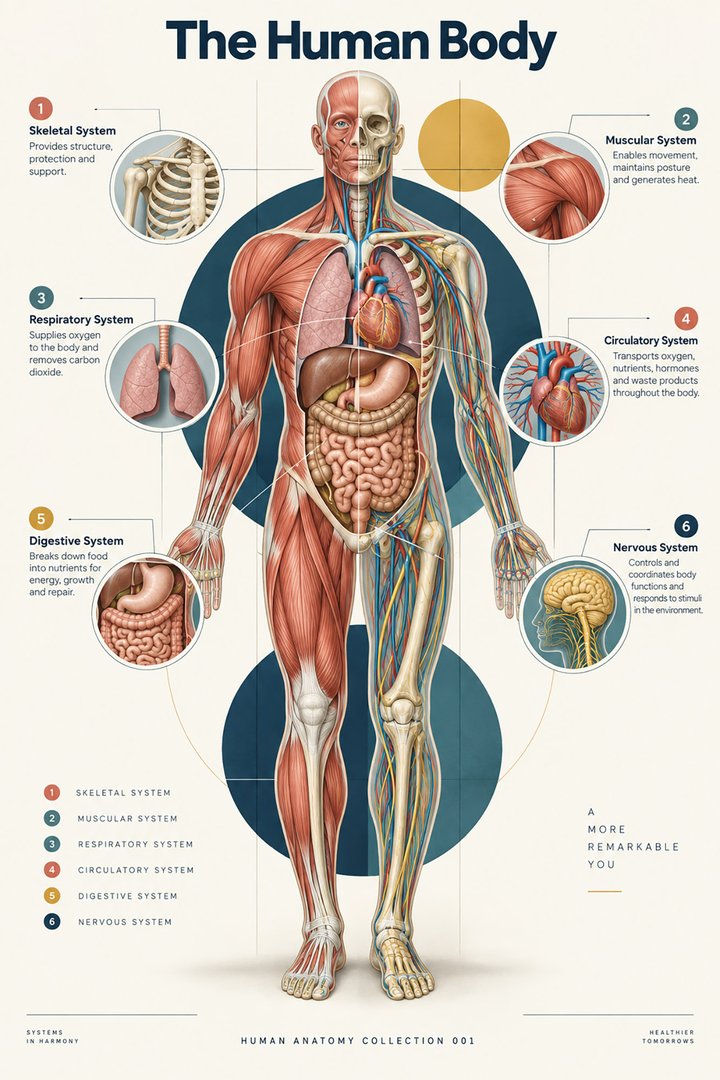 Human Body Facts ↗Human Anatomy and Physiology ↗
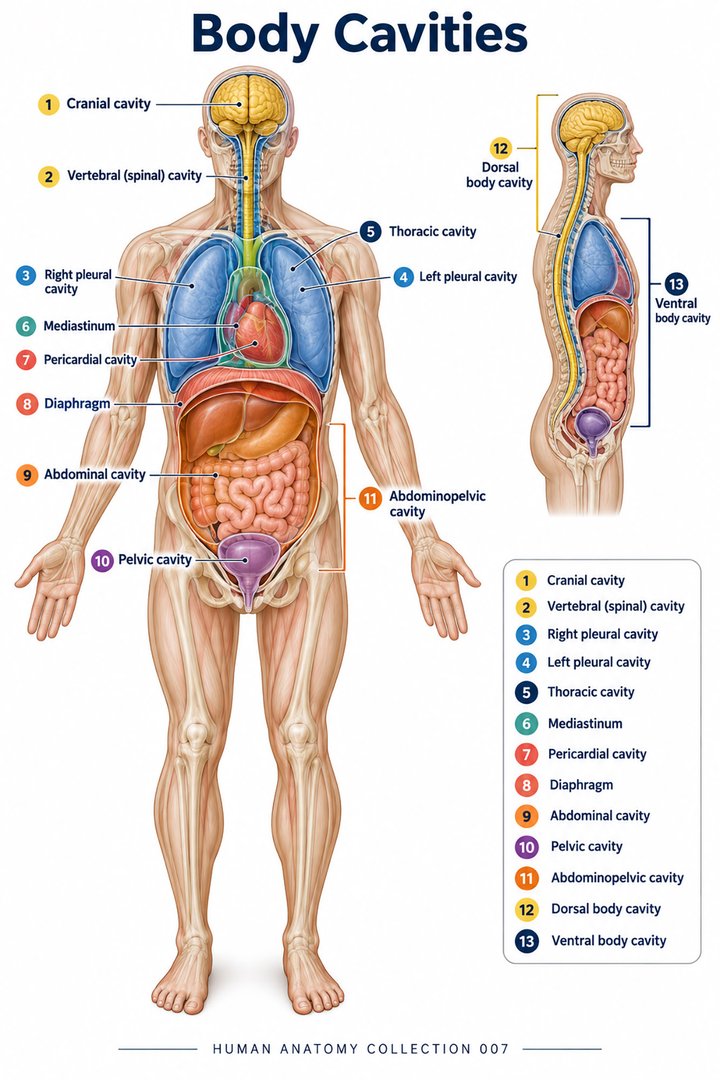 Human Body Cavities ↗Human Torso Anatomy ↗Human Digestive Tract ↗
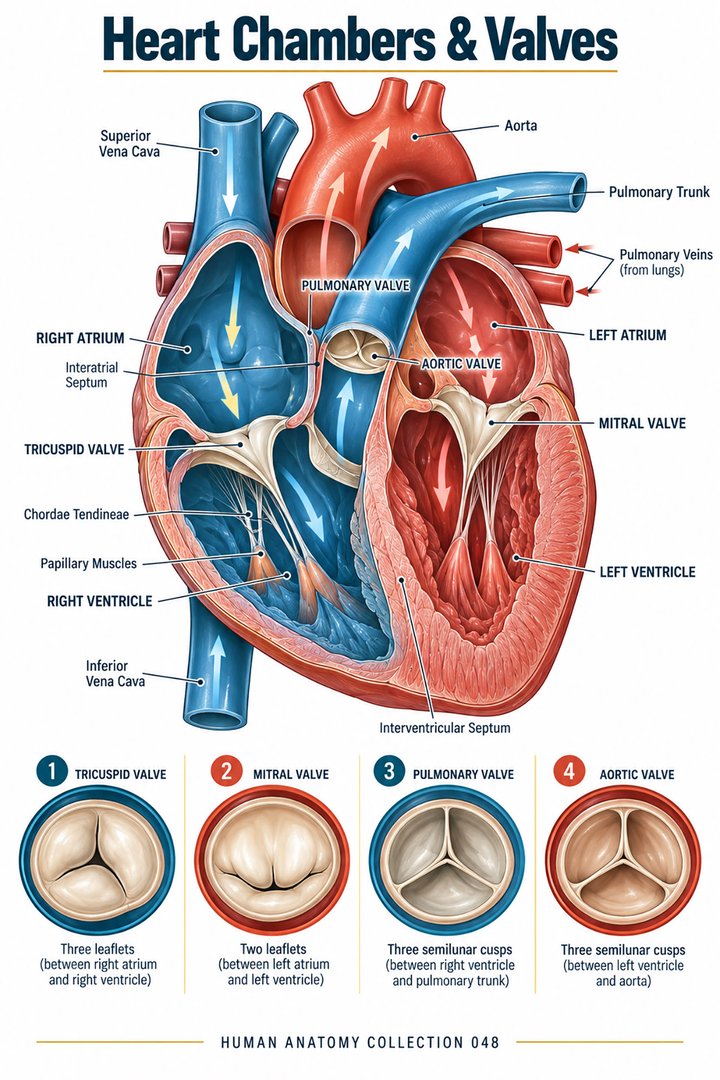 Human Heart Chambers ↗Human Organ Placement ↗
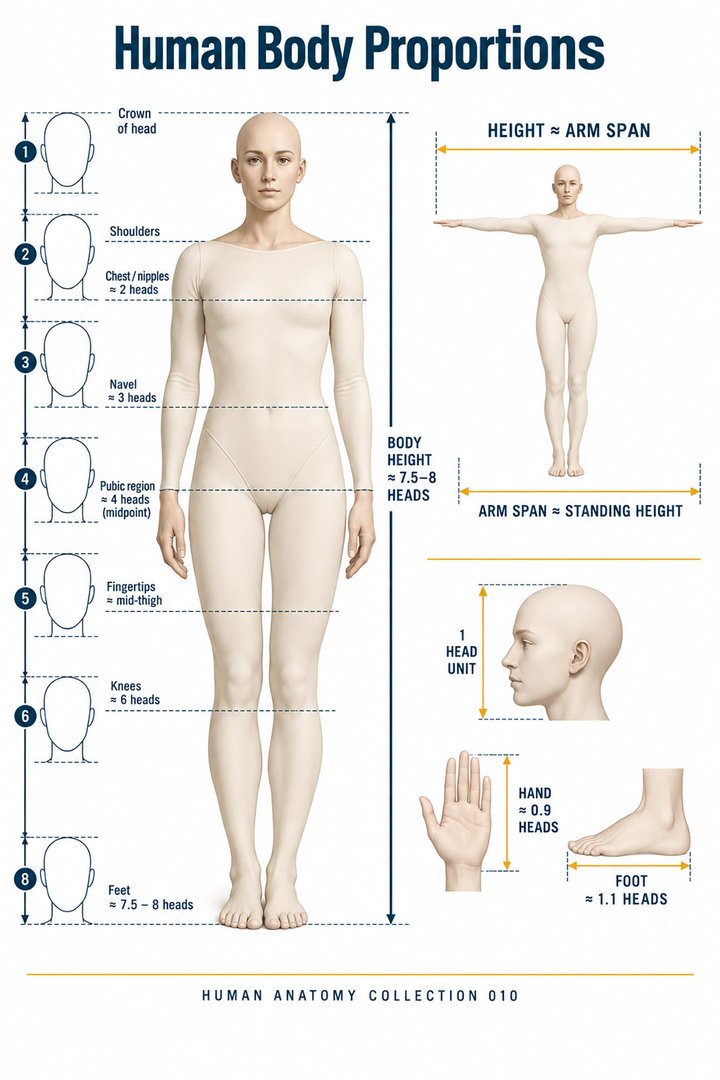 Human Body Proportions ↗
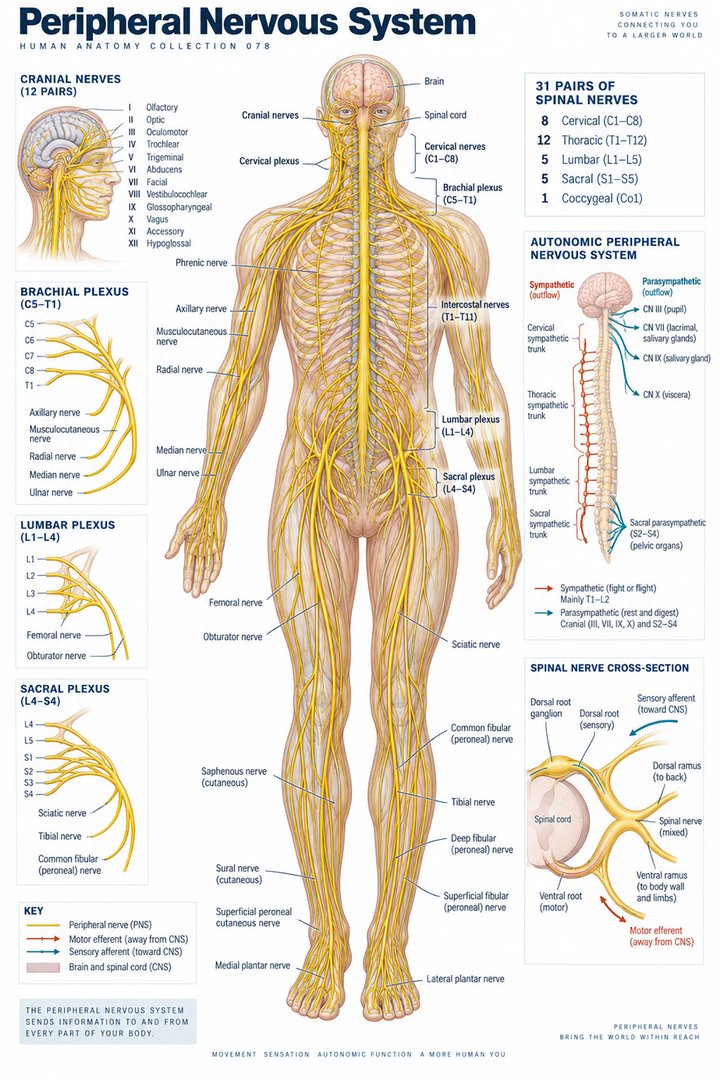 Peripheral Nervous System ↗
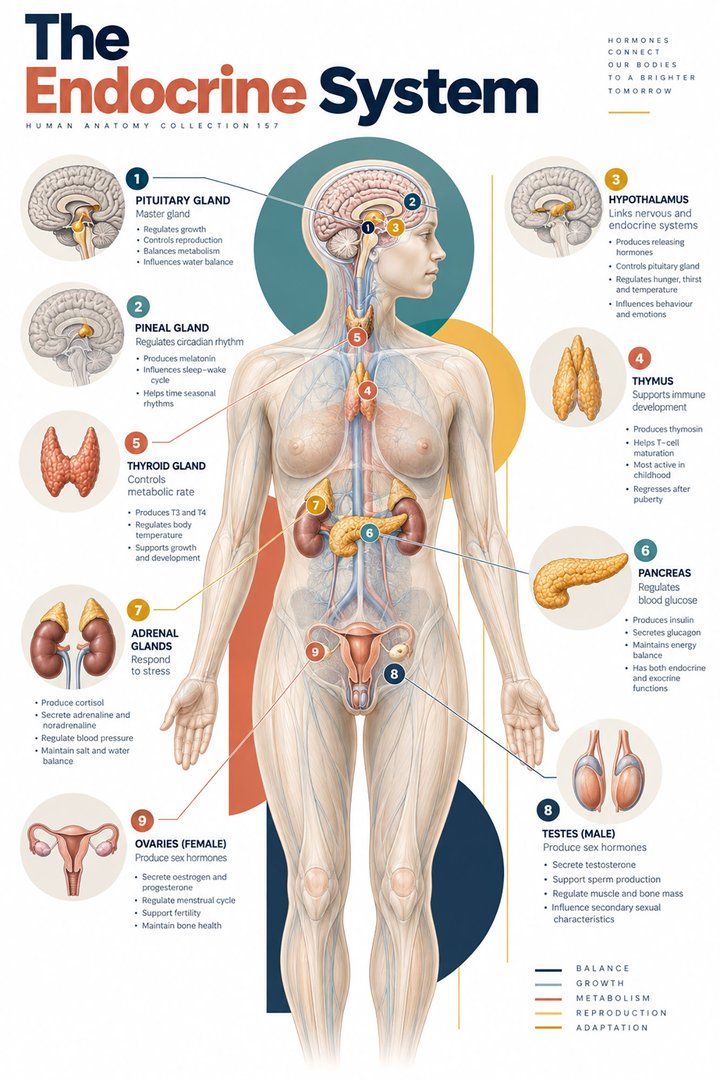 Human Endocrine Glands ↗
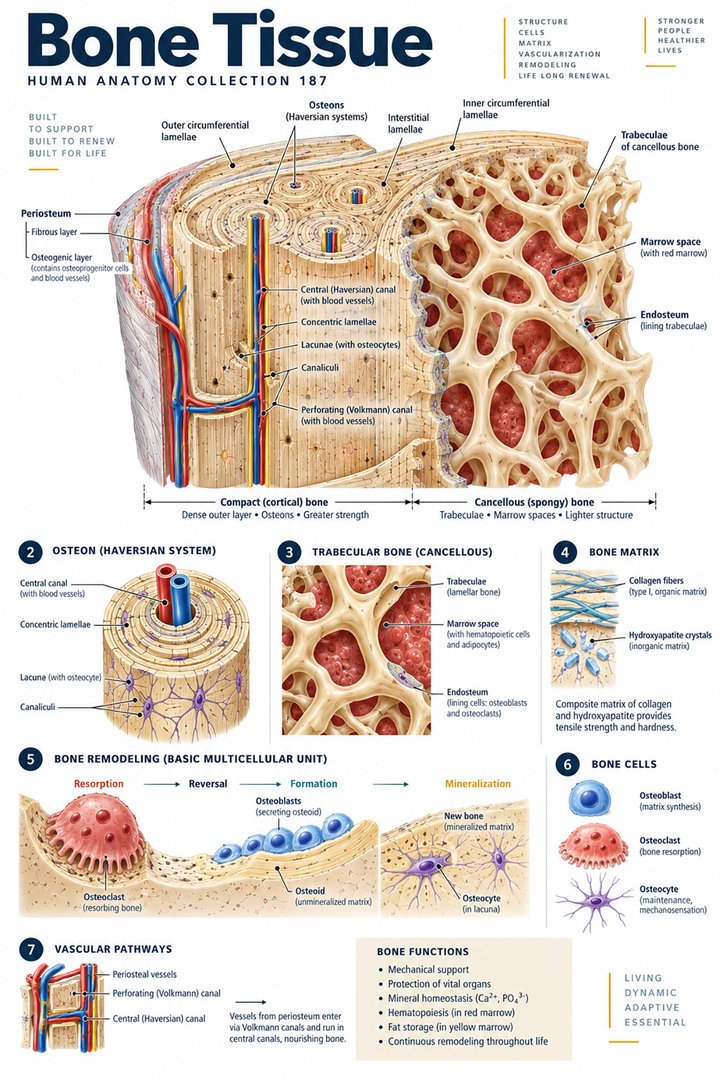 Human Bone Density ↗Human Blood Circulation ↗
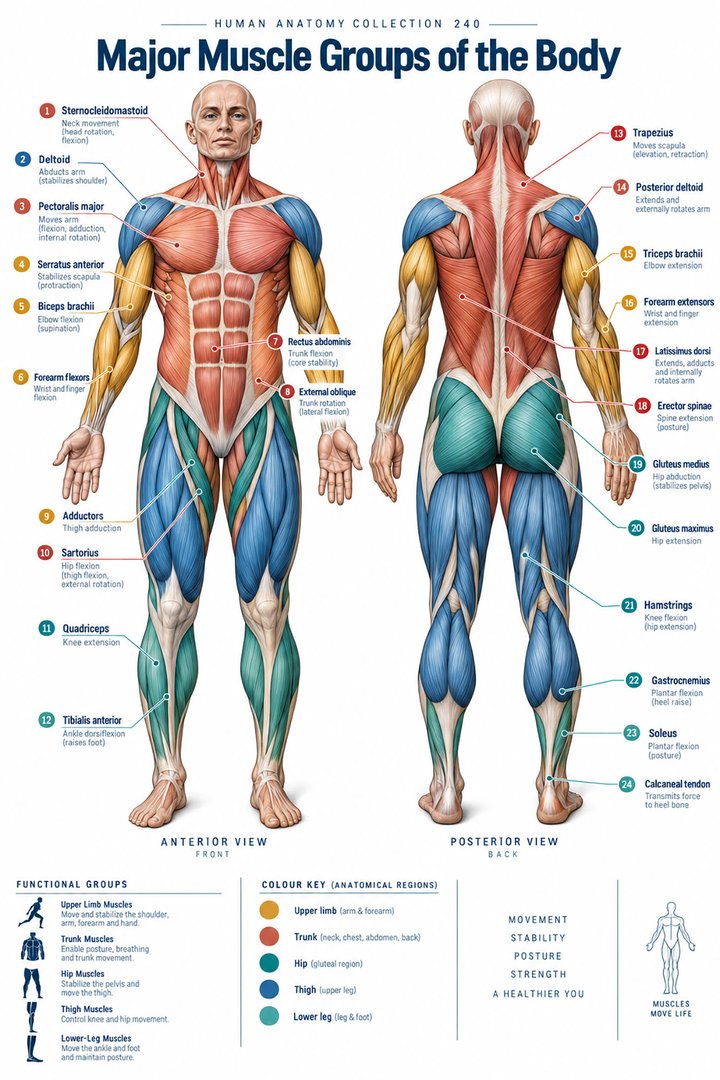 Human Muscle Groups ↗
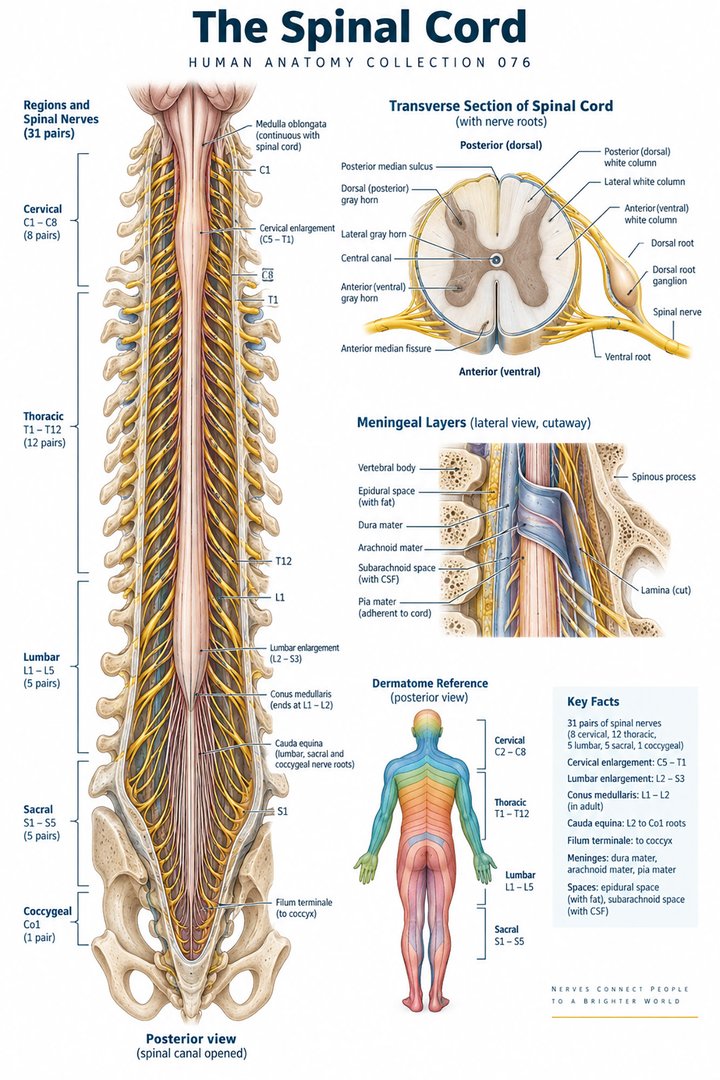 Human Spinal Cord ↗
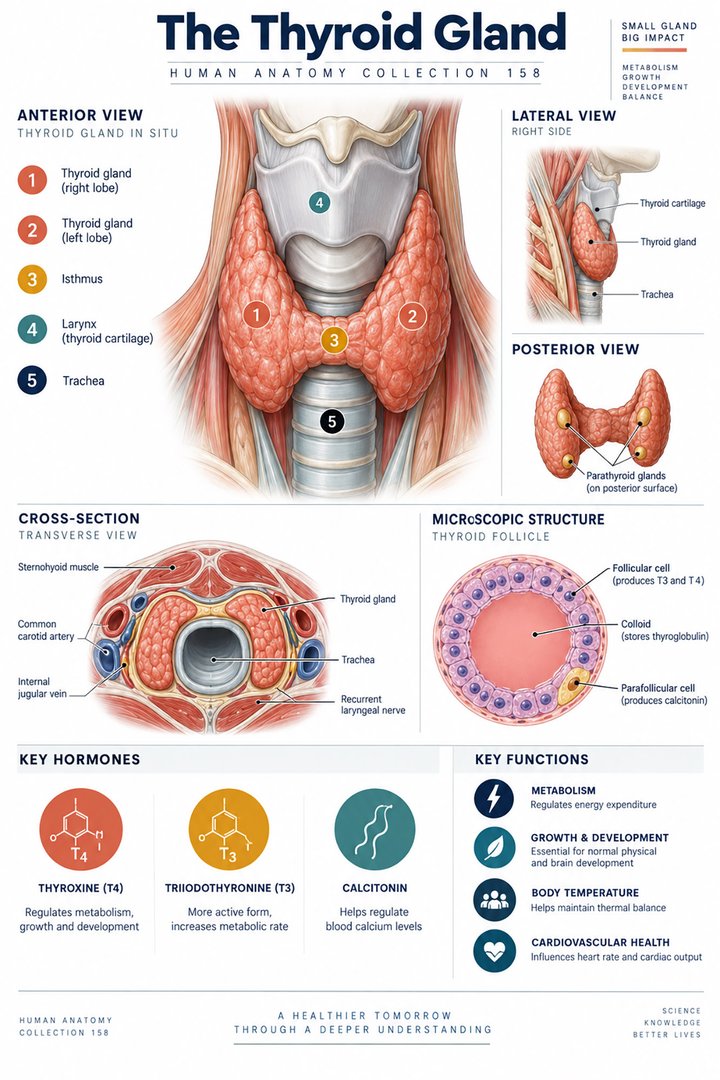 Human Thyroid Gland ↗
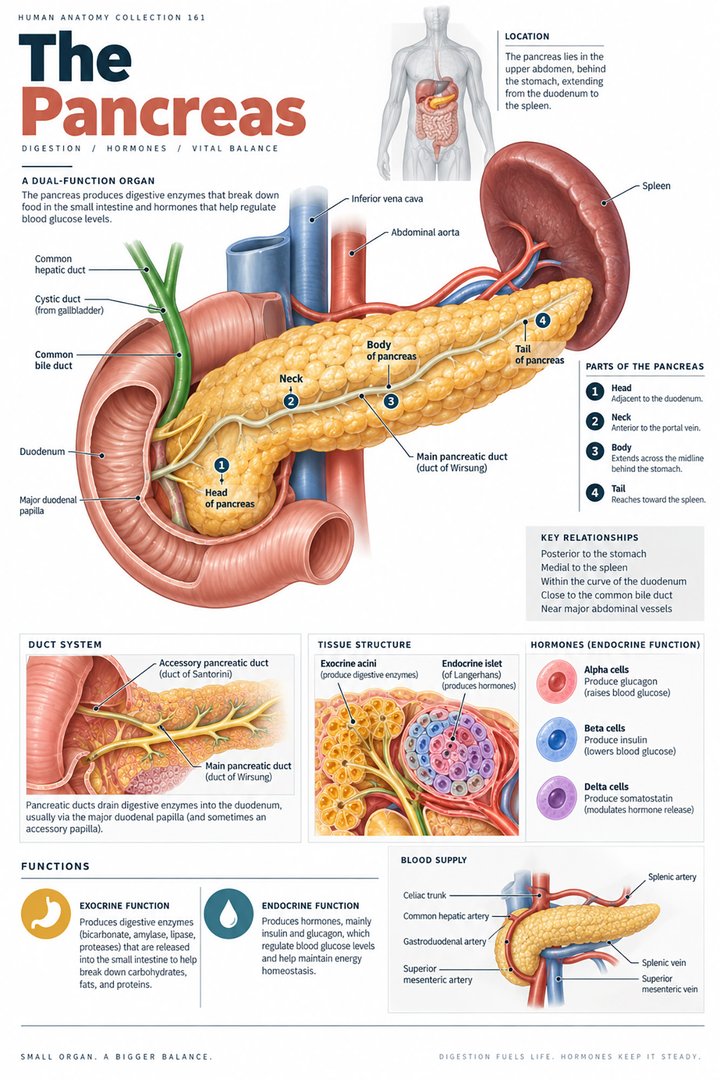 Human Pancreas Function ↗
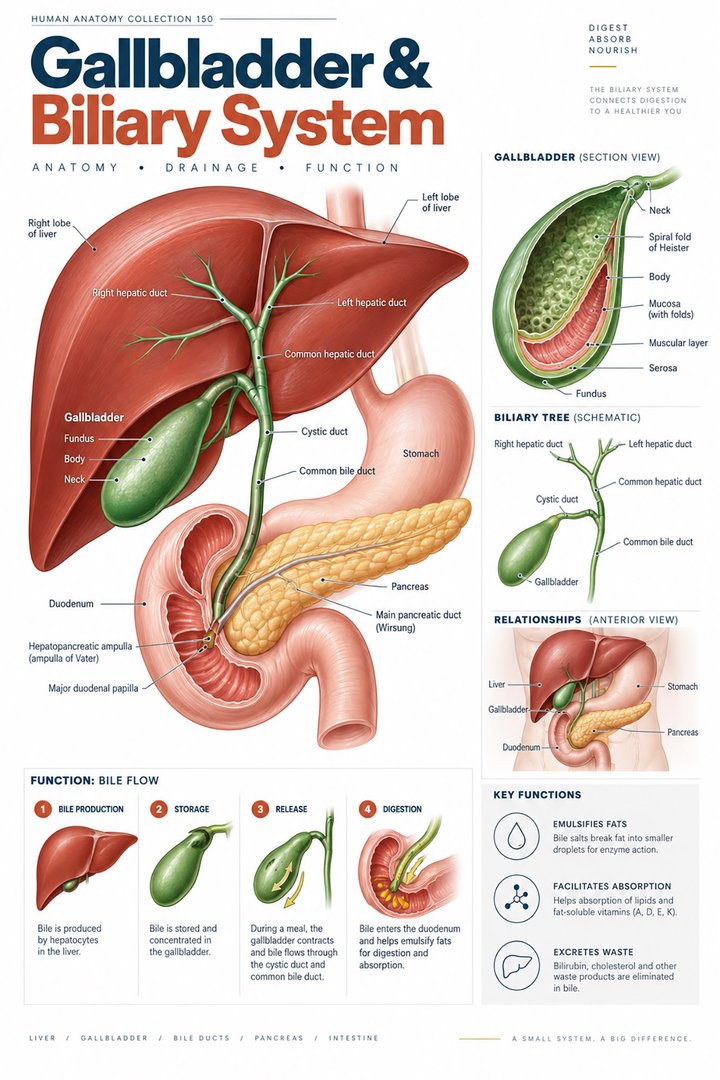 Human Gallbladder Anatomy ↗