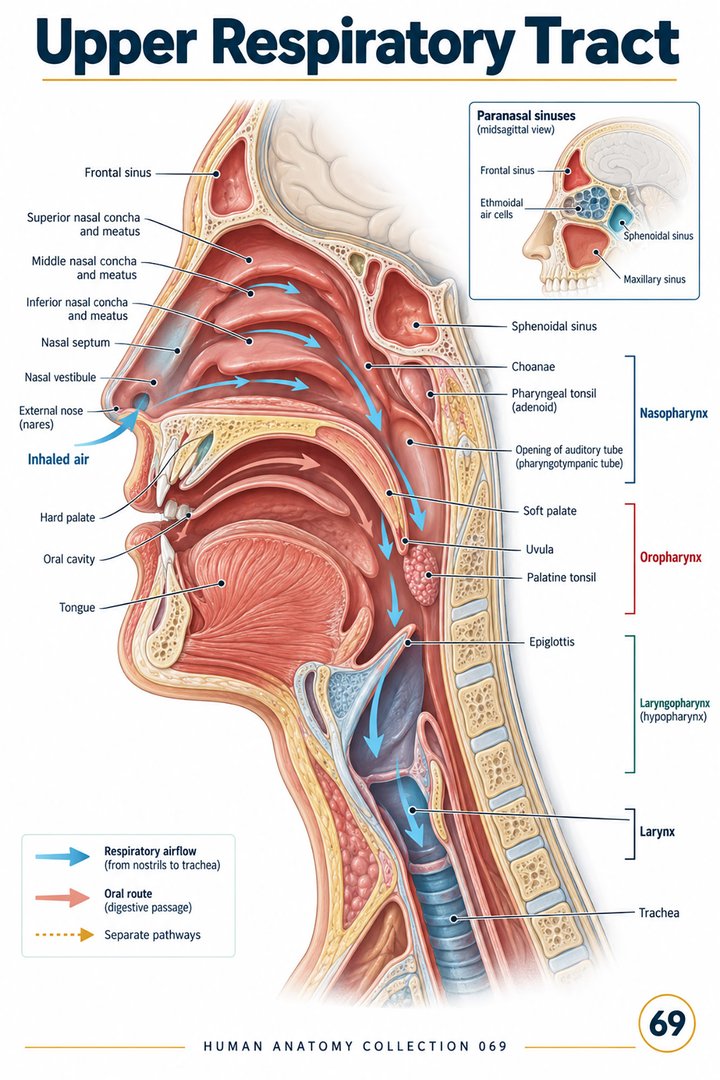
Upper Respiratory Tract
Individual poster · 300 DPI print files
Regular $9.90
Explore poster ↗$4.90USD
Offer price · Save $5.00Individual poster · 300 DPI print files
Reduced web preview. Separate high-resolution print files are supplied with the digital download.
ANATOMY 069
A modern anatomy illustration exploring upper respiratory tract, designed for educational and decorative use.
Purchases are not available yet. Checkout and download delivery are being prepared.
Sold by Kunstolymp.de · Germany
Compare prices & the complete collection ↗This is a DIGITAL DOWNLOAD. No physical product will be shipped. After purchase, download your files and print them at home, at a local print shop, or through an online professional printing service.
The separate 300 DPI print files are ideal for 24×36-inch posters (approximately 60×90 cm). ISO and 5×7 formats are included. The white border lets you adjust the layout or trim to fit other frame sizes; check the preview before printing to keep the illustration and labels visible.
The planned bundle delivery includes a PDF information sheet with a link to the relevant Google Drive folder and download instructions. The store is currently in preview and purchases are not yet available.
A science-inspired choice for a student’s study corner, an educator’s classroom, or an anatomy enthusiast’s wall. Final licensing terms will apply.
CLINICAL CONTEXT
The upper respiratory tract includes the nose, paranasal sinuses, pharynx, and larynx. Its mucosa warms, humidifies, and filters inhaled air while local immune defences limit infection. Anatomical continuity explains why viral illness may begin with rhinorrhoea and sore throat, then produce cough or sinus pressure. For students and clinicians, a regional map helps distinguish uncomplicated viral upper respiratory infection from streptococcal pharyngitis, bacterial sinusitis, influenza, COVID-19, allergic rhinitis, and early lower respiratory disease. The patient’s age, comorbidities, immune status, pregnancy, symptom duration, trajectory, and ability to maintain hydration influence assessment and risk.
Acute viral rhinitis or the common cold often causes congestion, sneezing, sore throat, cough, headache, and malaise; symptoms generally improve over one to two weeks, although cough may linger. Pharyngitis may be viral, bacterial, irritant-related, or associated with allergy or reflux. A positive group A streptococcal diagnosis matters because targeted antibiotics can reduce complications and transmission; clinical features alone do not always reliably distinguish it from viral illness, so local testing pathways may be appropriate. Acute rhinosinusitis commonly follows a viral cold. Persistent, severe, worsening, or unilateral symptoms, high fever, facial pain, or orbital signs prompt consideration of bacterial disease or complications. Hoarseness can follow laryngitis, but persistent voice change, stridor, or swallowing difficulty needs assessment. Ask about breathing, fever, hydration, exposure, smoking, vaccination, medication, and functional impact.
Assess general appearance, temperature, hydration, respiratory effort, oxygenation when indicated, nasal and oropharyngeal findings, cervical nodes, voice, and lung sounds if cough or breathlessness is present. Testing should answer a clinical question: rapid antigen or molecular testing may guide treatment for streptococcal infection or circulating respiratory viruses; imaging is not routine for uncomplicated symptoms. Most viral illness is managed with rest, fluids, saline nasal spray or irrigation using safe water, and symptom relief chosen for age, pregnancy, comorbidity, and drug interactions. Antibiotics do not treat viruses and are reserved for a supported bacterial diagnosis or selected higher-risk presentation under local guidance. Analgesics, lozenges, and decongestants require attention to contraindications and age. Prevention includes hand hygiene, respiratory etiquette, staying home while acutely unwell, ventilation, and recommended vaccination.
Warm drinks, honey for cough in people older than one year, salt-water gargles, humidified air, and rest may soothe symptoms; they do not eradicate infection or replace assessment when illness is severe. Evidence for supplements, herbal remedies, and high-dose vitamins varies, and products may interact with medicines or be unsafe in pregnancy, liver disease, or childhood. Ask patients what they use without judgment. Urgent assessment is needed for difficulty breathing or swallowing, drooling, stridor, dehydration, confusion, blue lips, severe neck swelling, eye swelling or vision change, persistent high fever, or rapidly worsening symptoms. This guide is educational and not an individual diagnosis.
Further reading: MedlinePlus: common cold · MedlinePlus: sore throat · NHS: respiratory tract infections
Explain the working diagnosis, important alternatives, planned tests, expected course, and specific safety-netting in language the patient can use. Invite questions about treatment goals, capacity, cost, culture, and complementary therapies. Use a professional interpreter when language access could affect consent or understanding, and confirm clear arrangements for timely clinical review in writing. Document the reasoning, reassess response to treatment, and coordinate care across professions when illness affects more than one system. Teaching anatomy is most useful when it supports this partnership: accurate localisation, respectful listening, timely escalation, and a plan that remains responsive to the individual patient.
HUMAN ANATOMY COLLECTION · 001—300
A closer look at what makes us human. Discover anatomy posters for your study space, classroom, and everyday curiosity.
DIGITAL DOWNLOADS · 300 DPI PRINT FILES
EXPLORE BY SYSTEM
LEARN & EXPLORE
Detailed English guides with Latin terminology, diagrams, real images, and clinical learning connections.
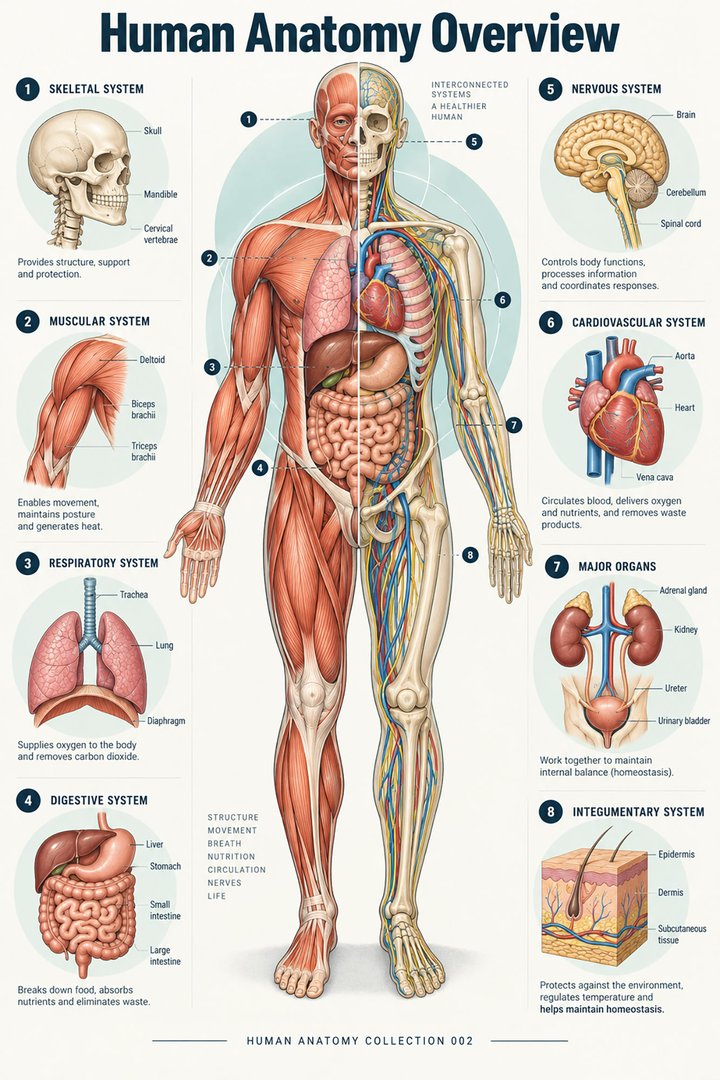 Human Anatomy Diagrams ↗
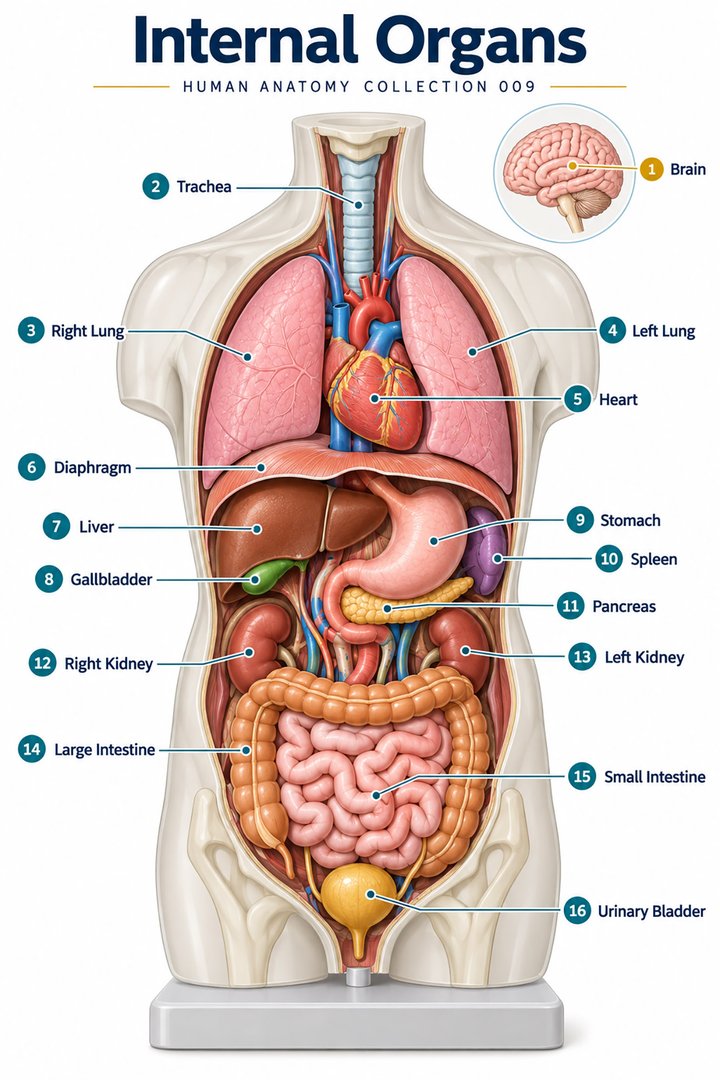 Human Body Organs ↗
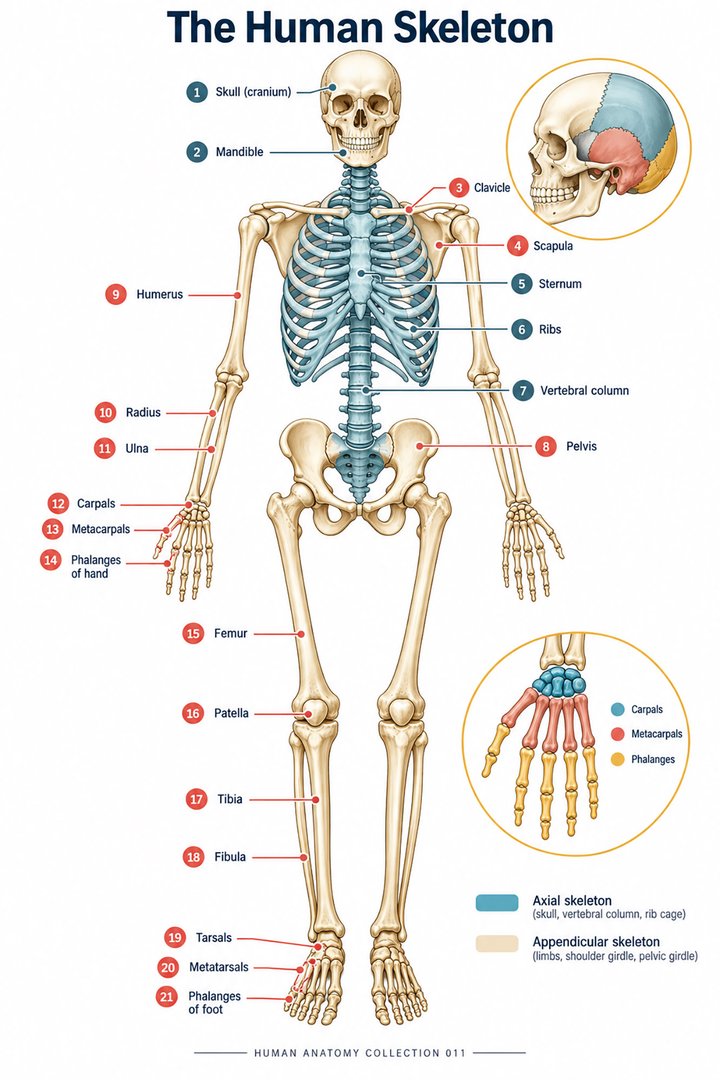 Skeletal System Anatomy ↗
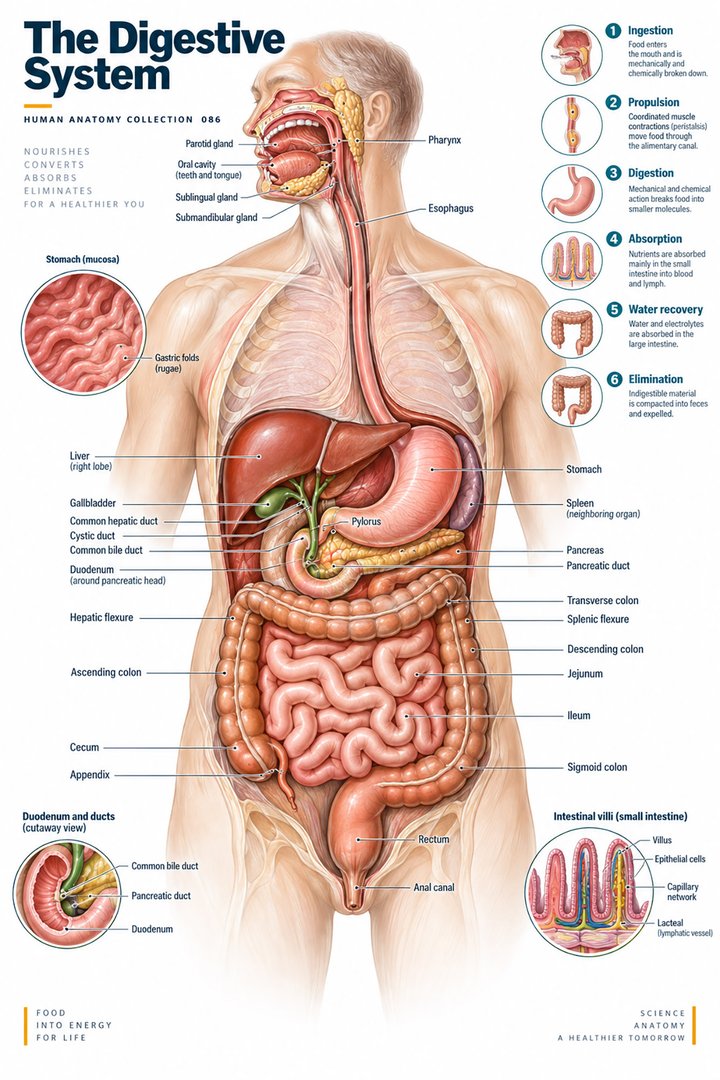 Human Digestive System ↗
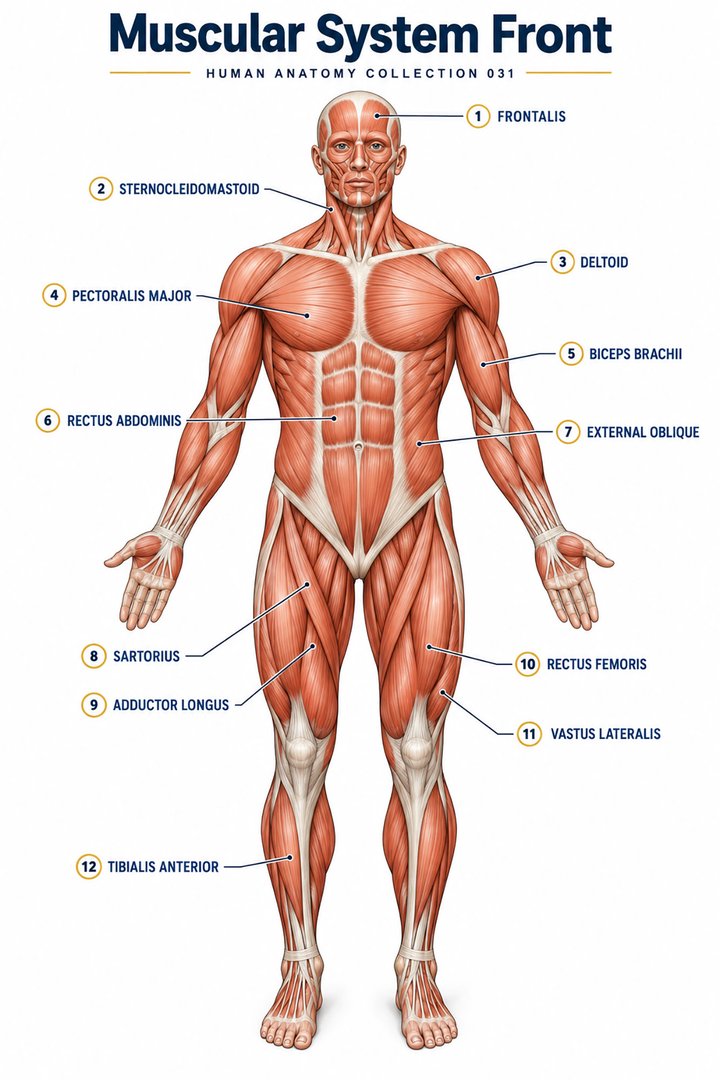 Muscular System Overview ↗
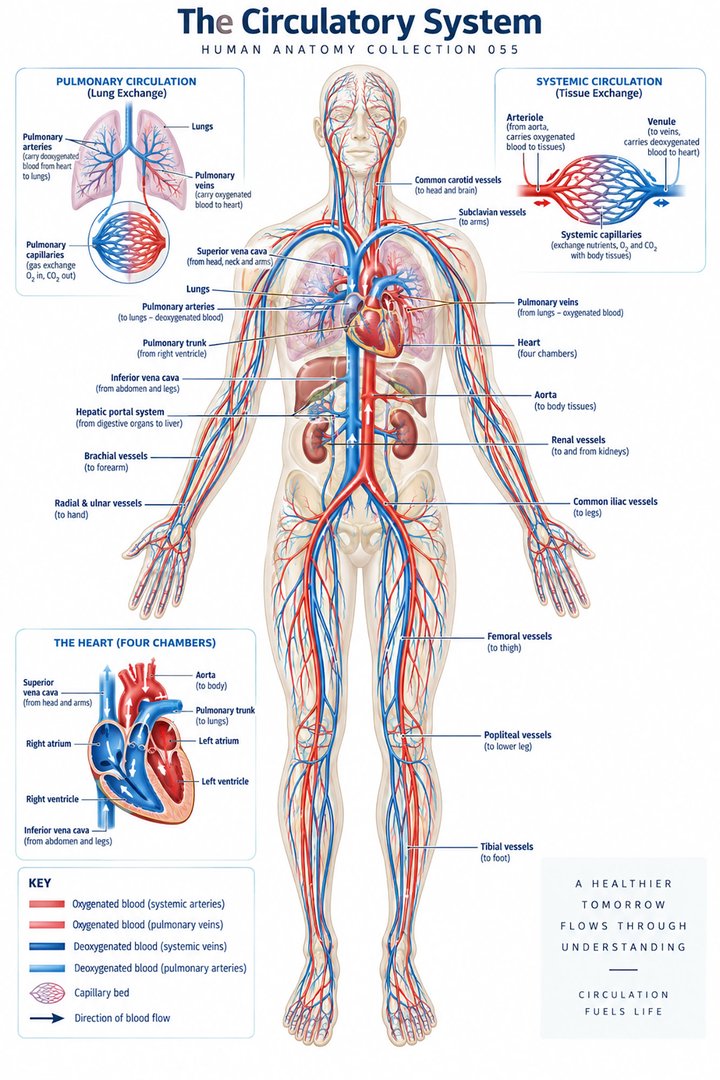 Human Circulatory System ↗
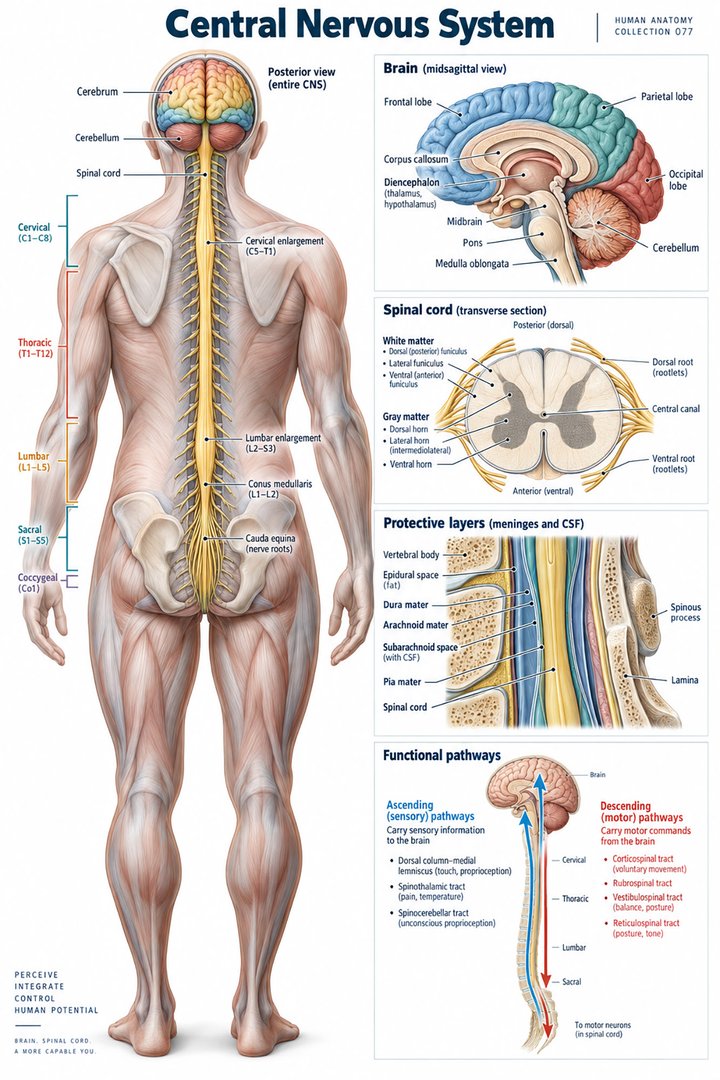 Human Nervous System ↗
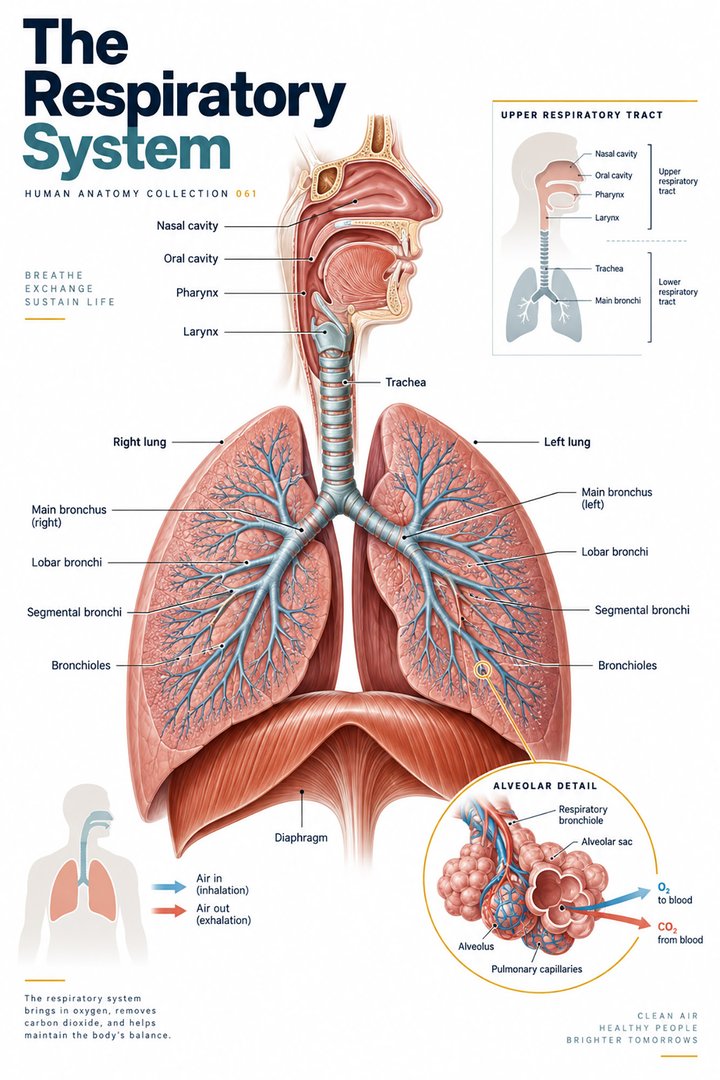 Respiratory System Functions ↗
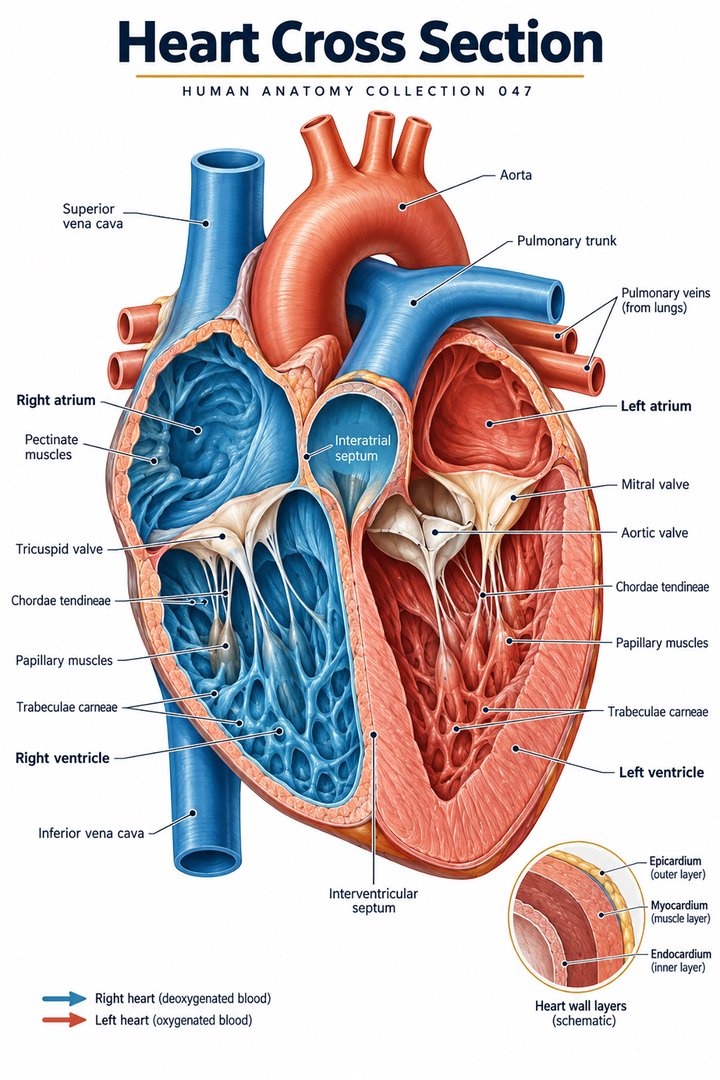 Human Heart Structure ↗
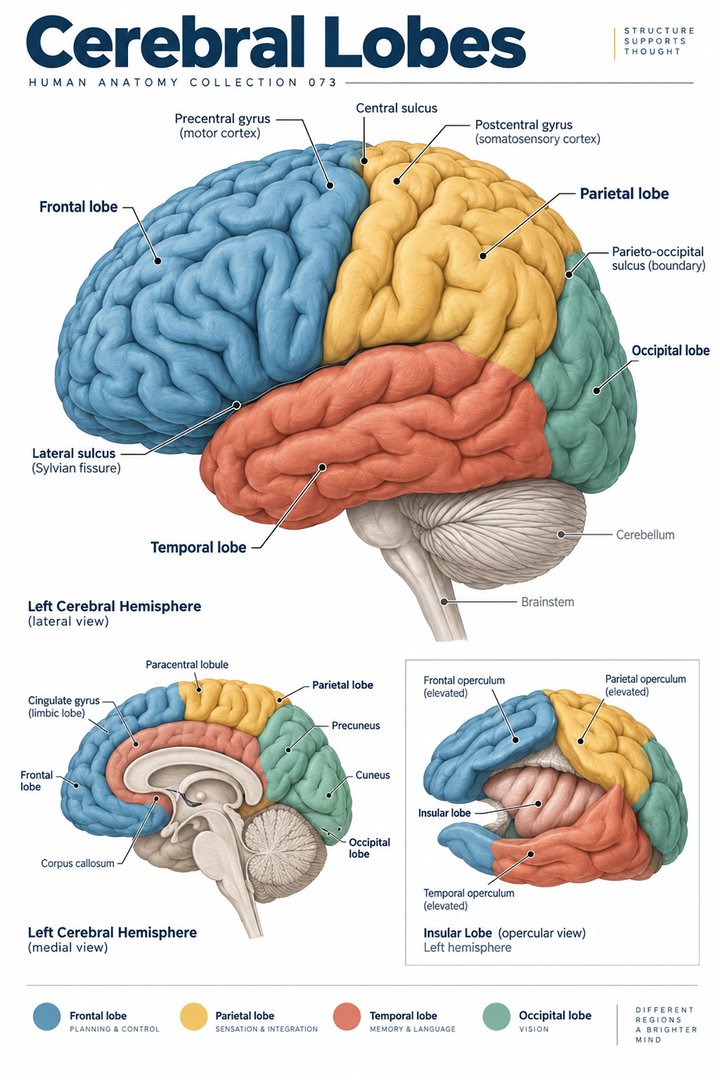 Human Brain Lobes ↗
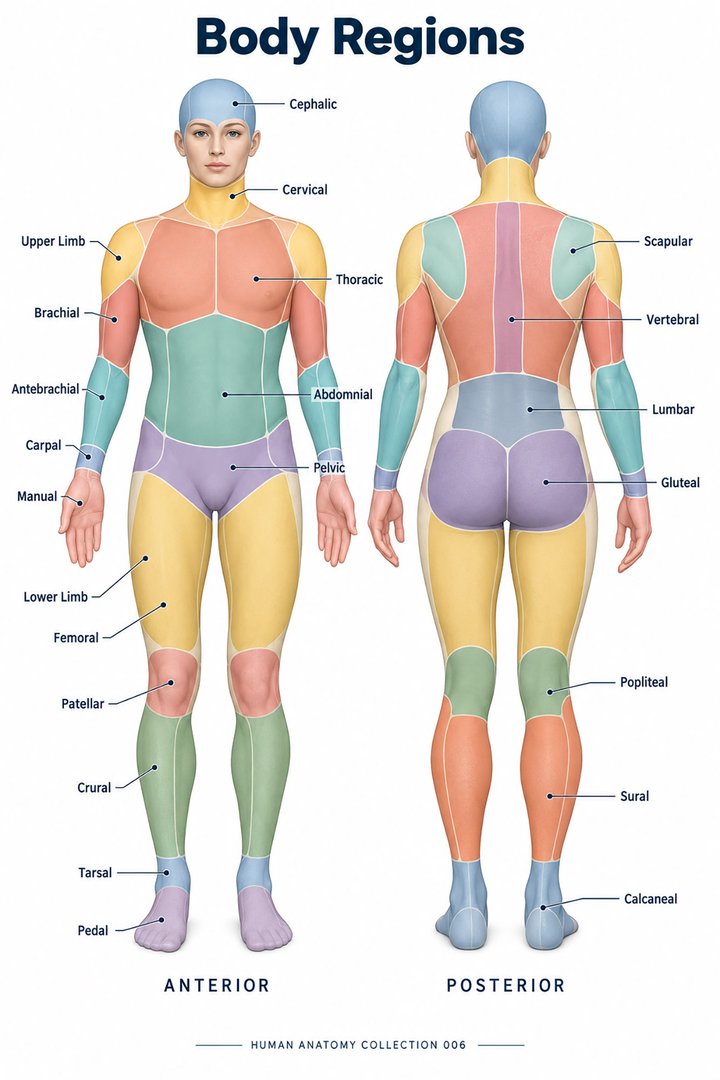 Human Body Parts ↗
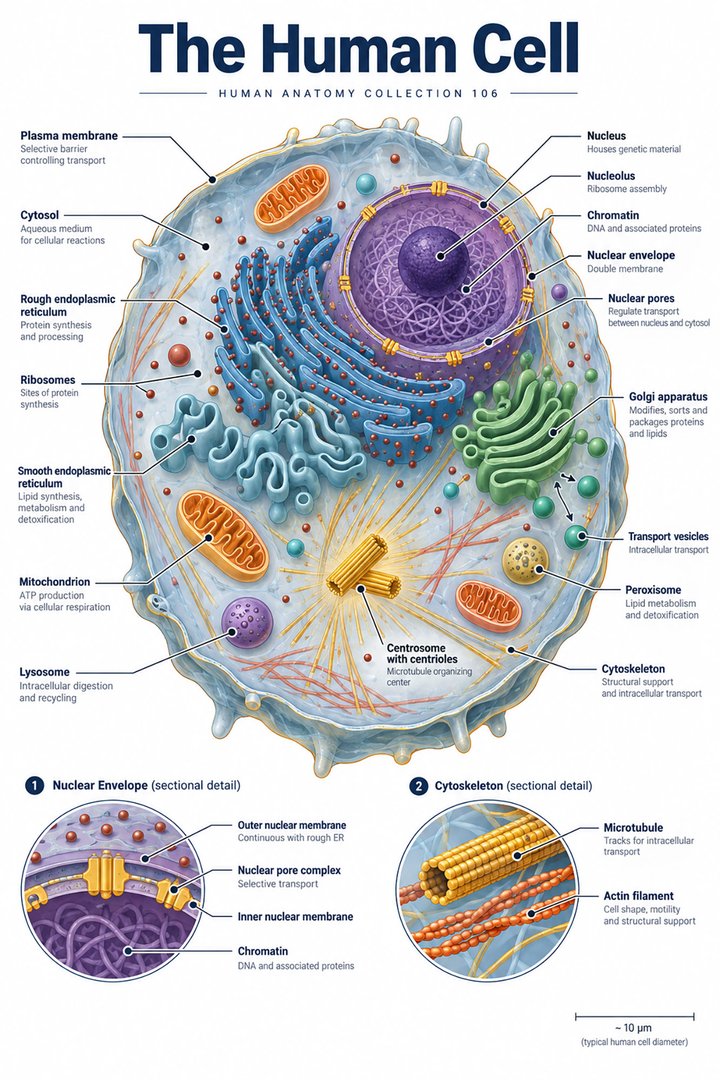 Human Cell Structure ↗
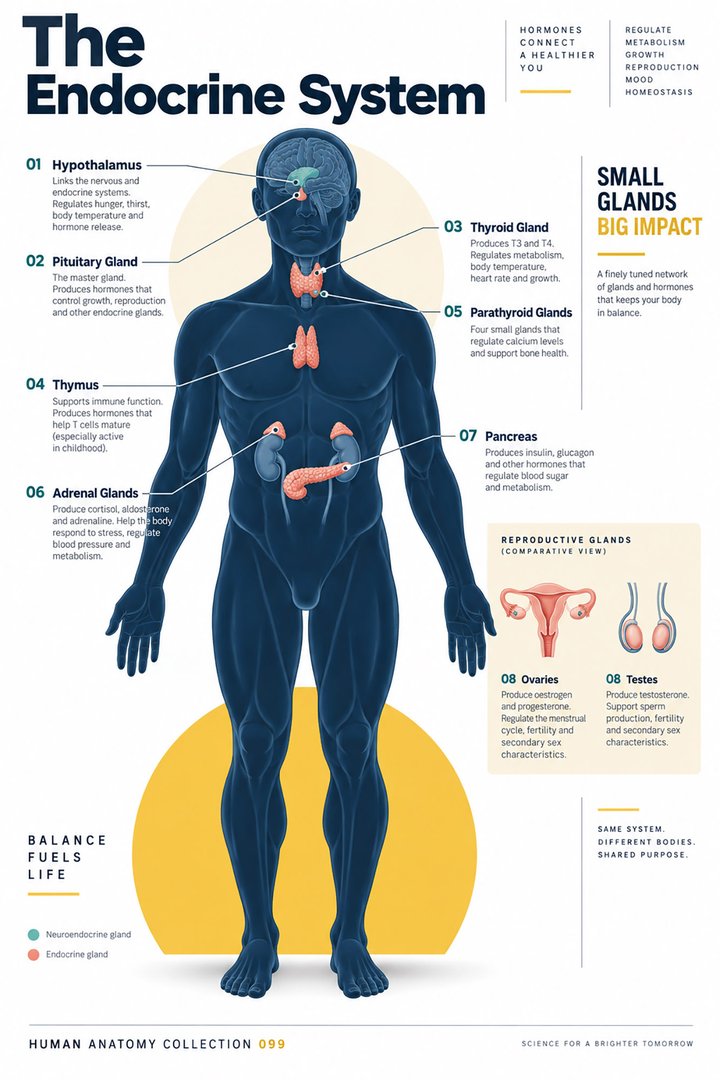 Human Endocrine System ↗
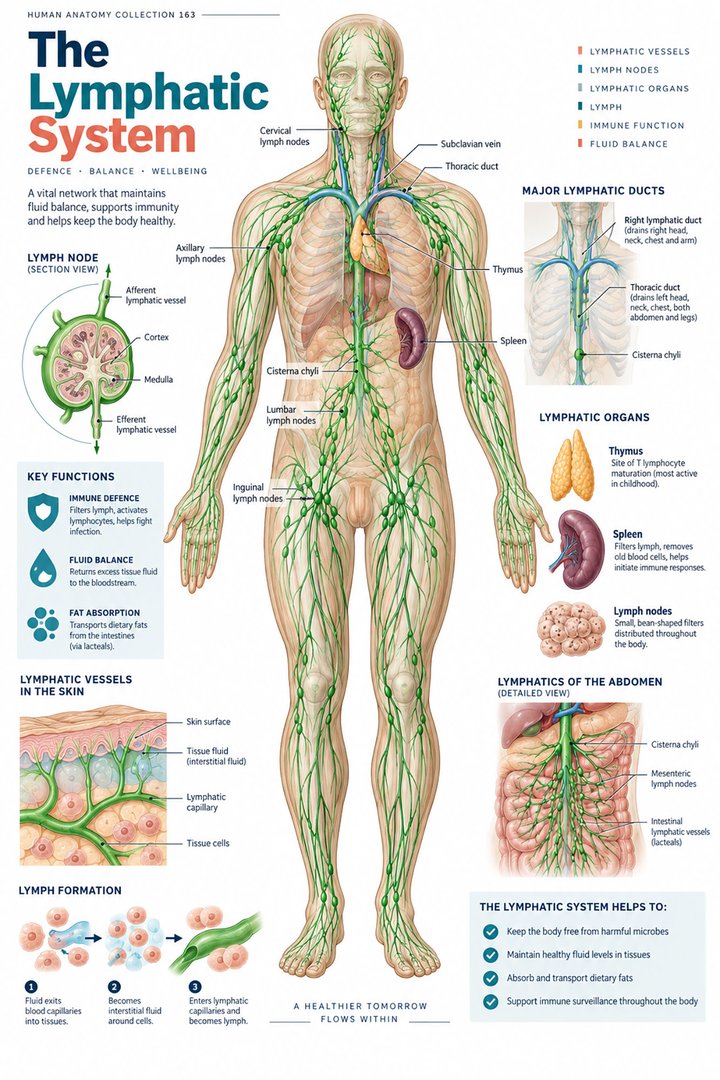 Human Lymphatic System ↗
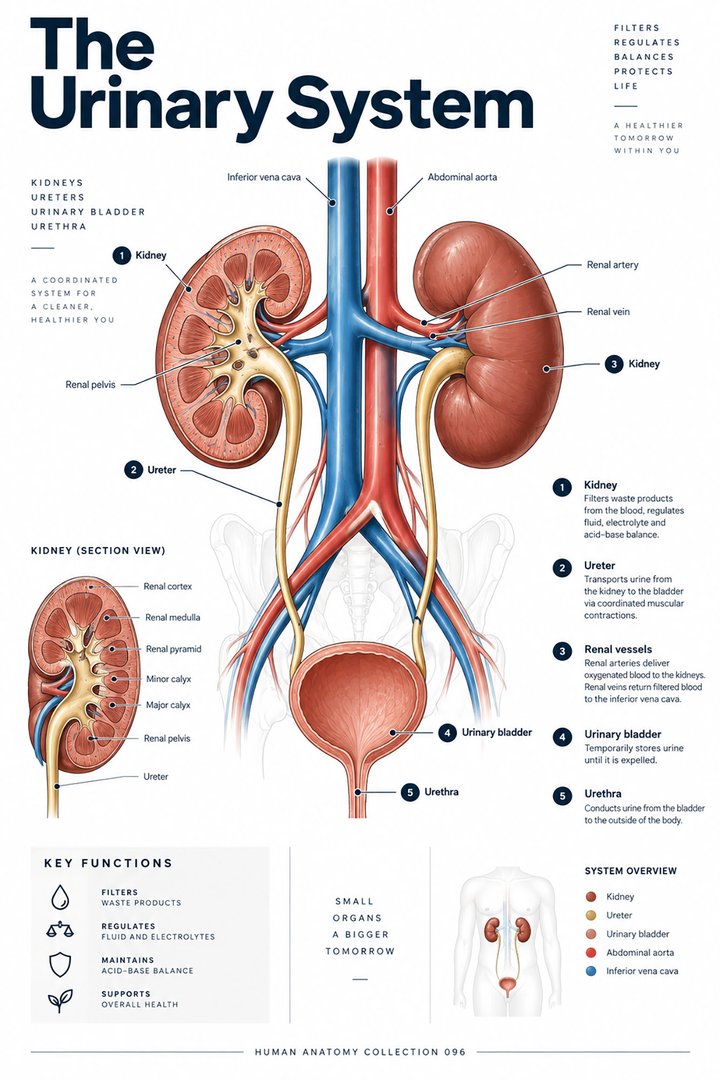 Human Urinary System ↗
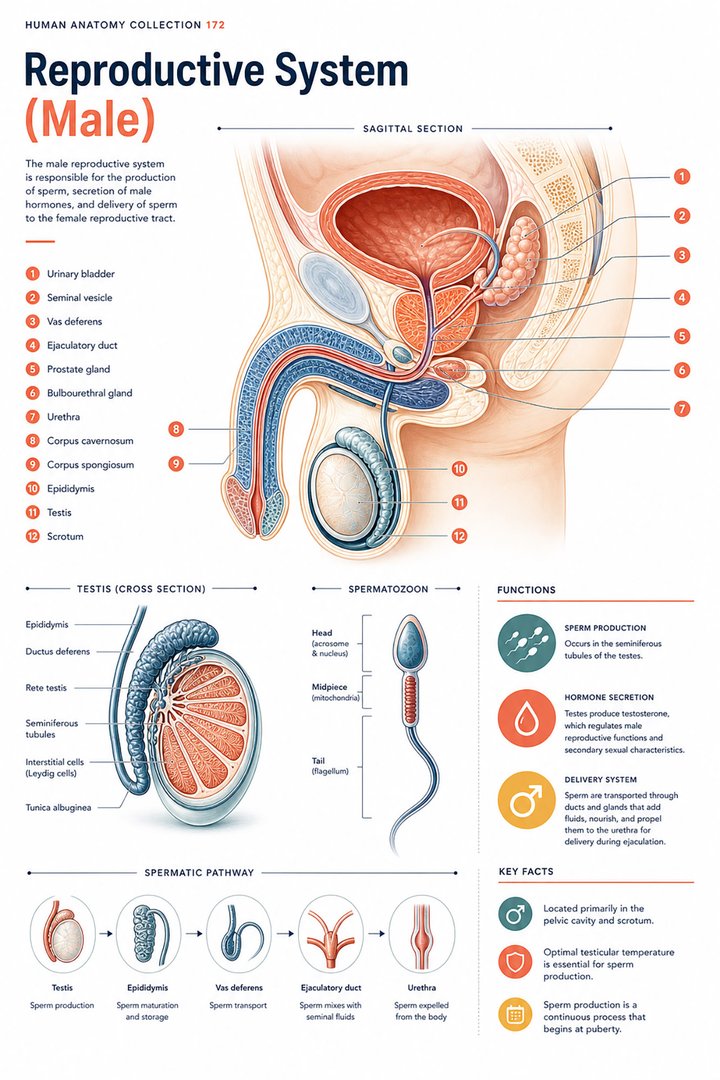 Male Reproductive System ↗
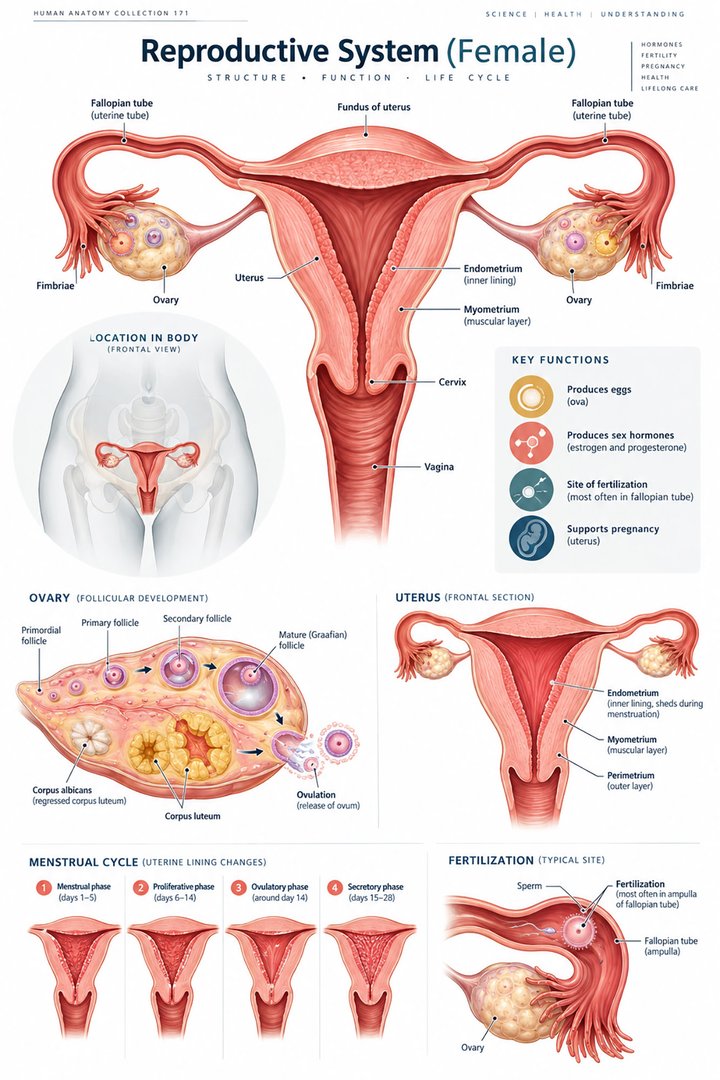 Female Reproductive System ↗
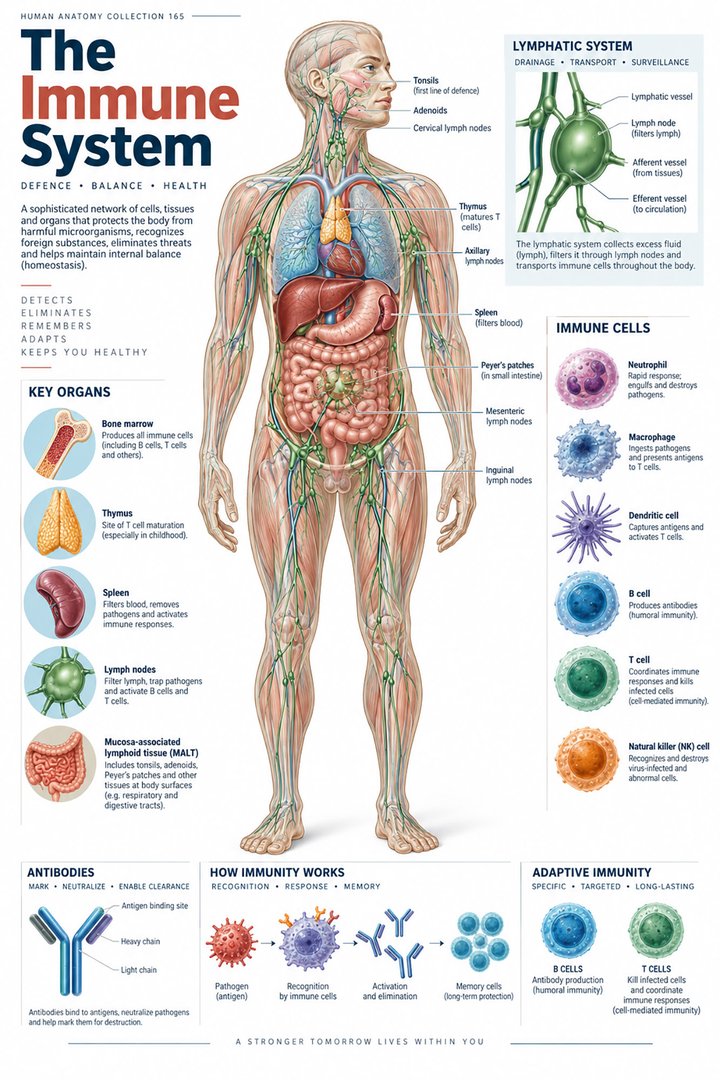 Human Immune System ↗Central Nervous System ↗
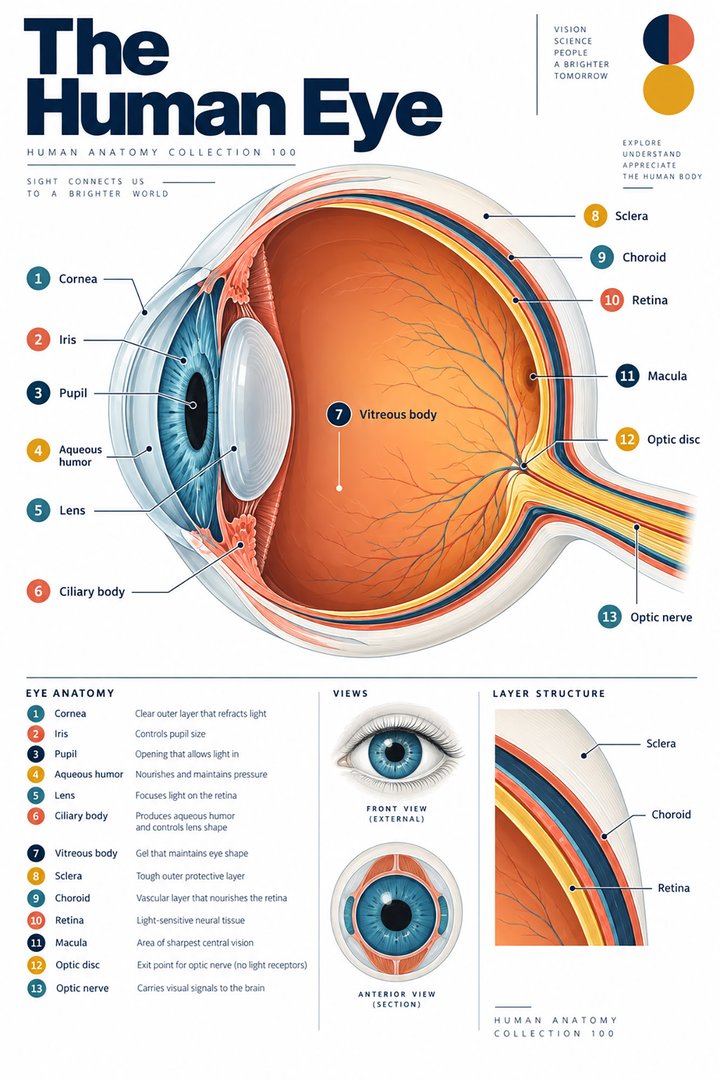 Human Eye Structure ↗
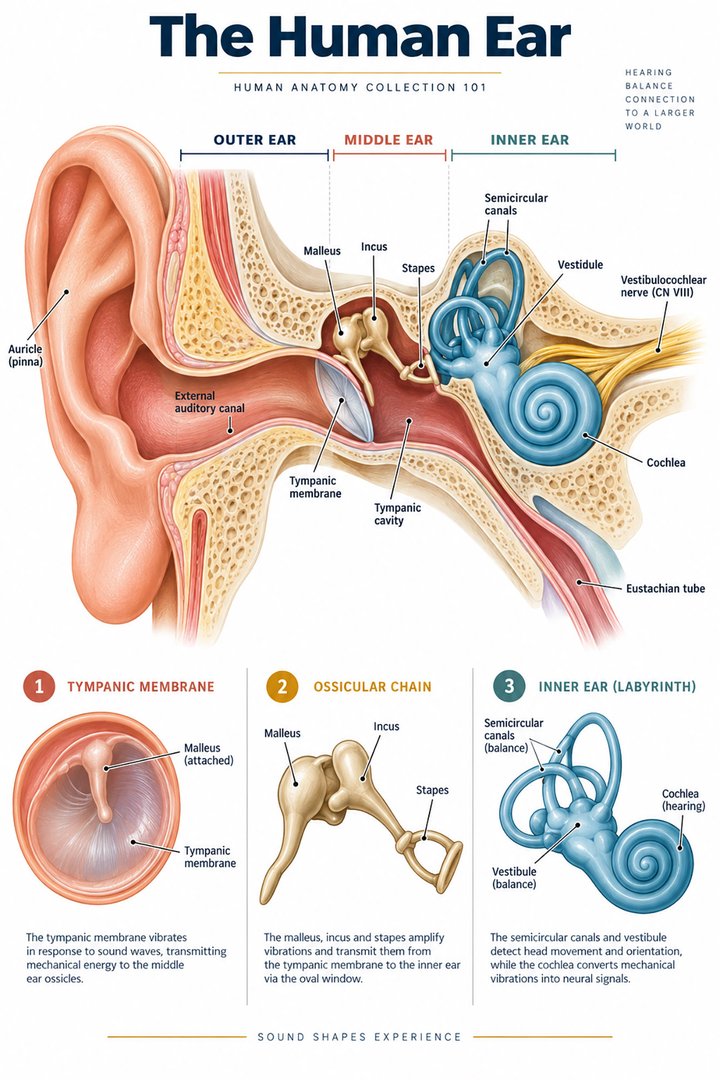 Human Ear Structure ↗
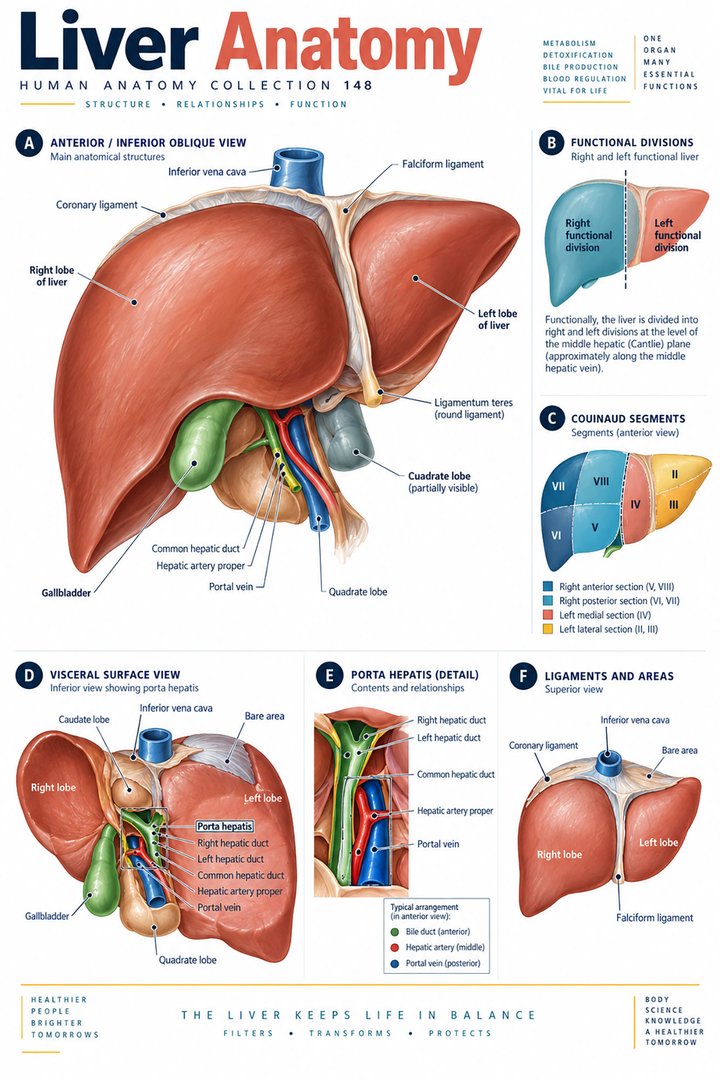 Human Liver Function ↗
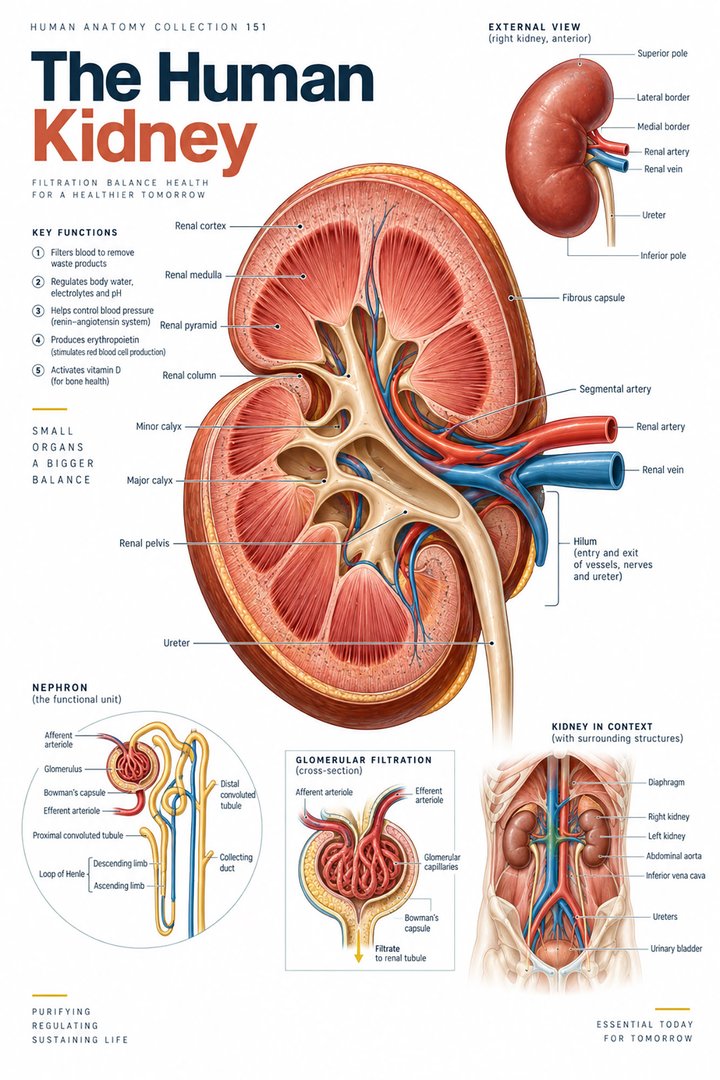 Human Kidney Anatomy ↗
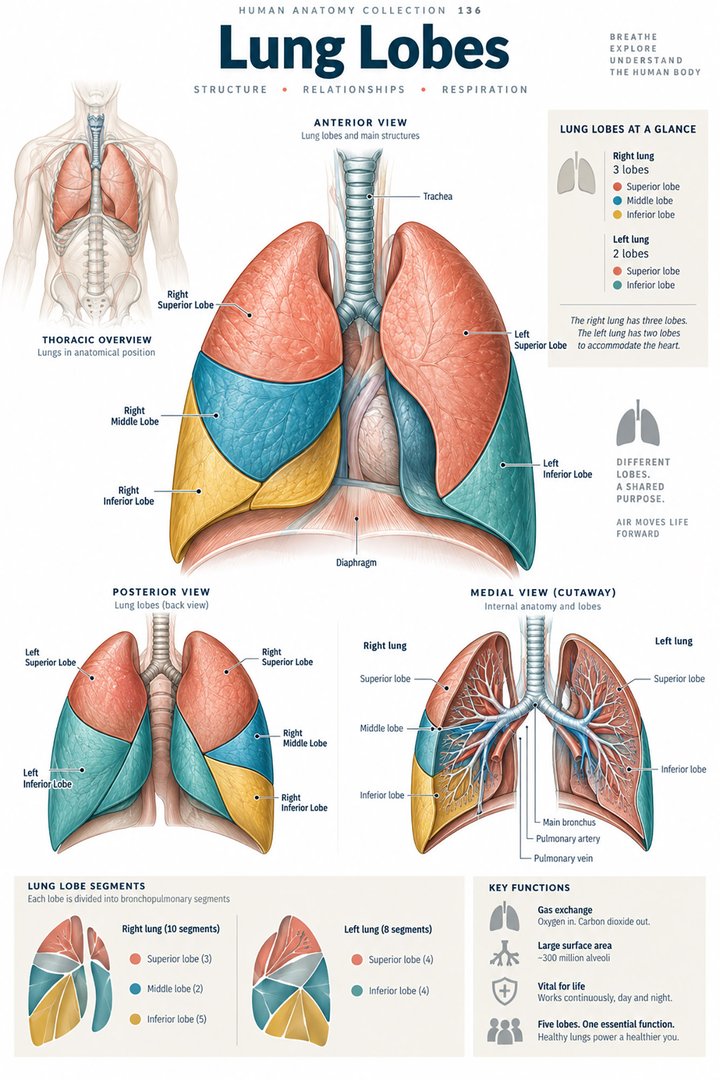 Human Lung Anatomy ↗
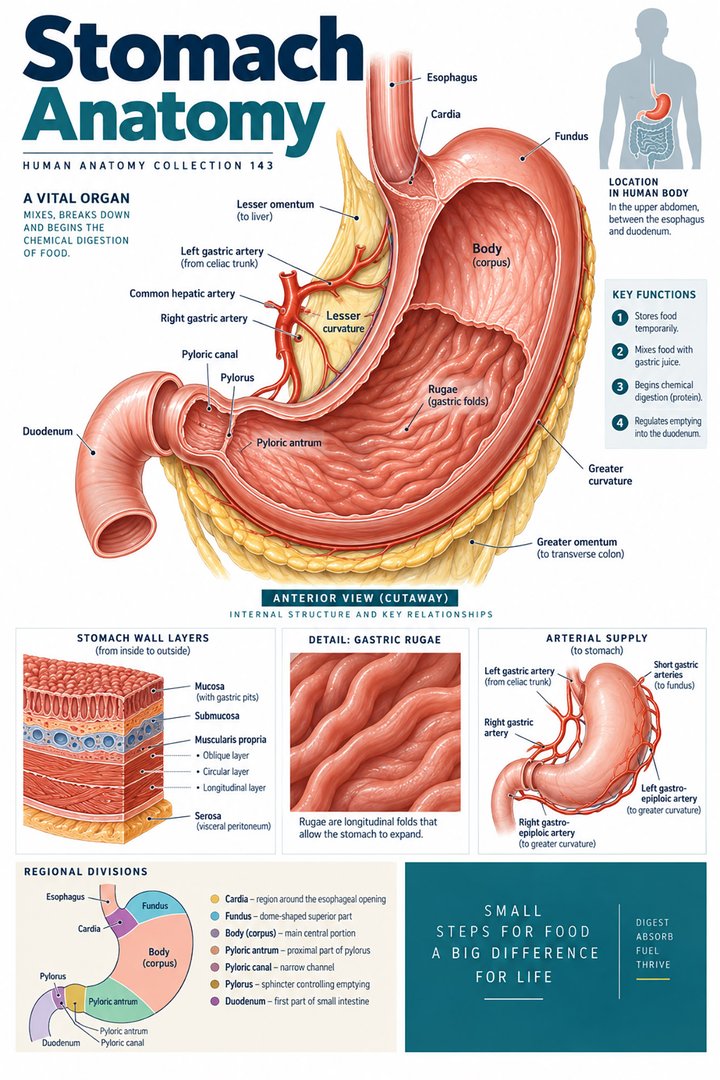 Human Stomach Structure ↗
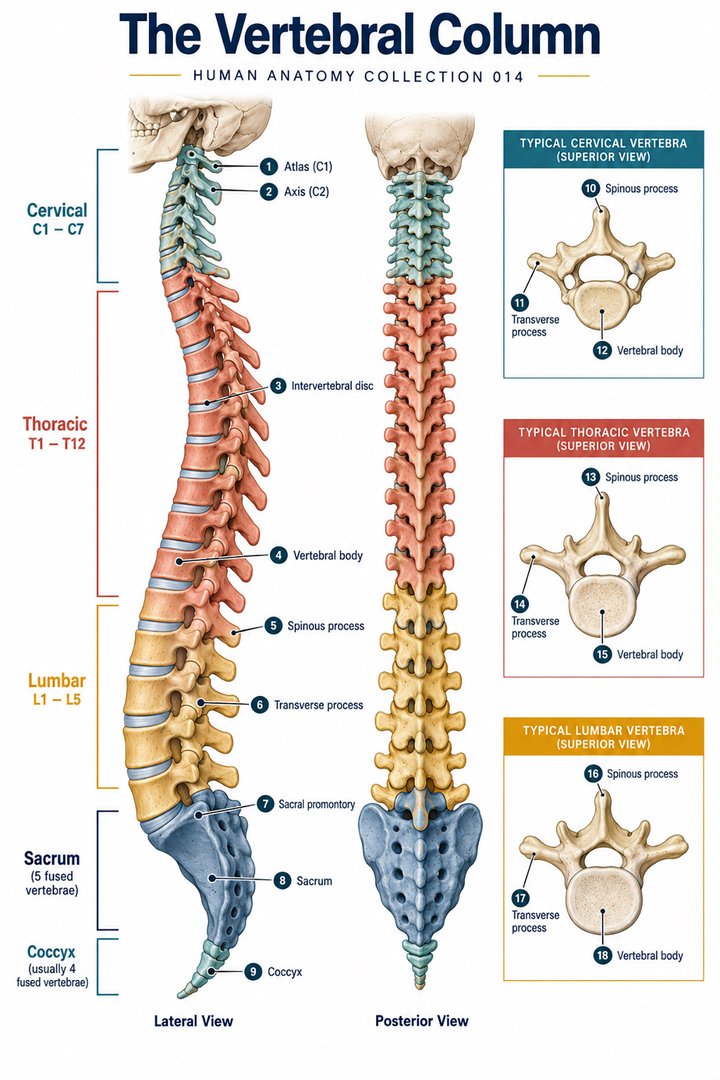 Human Spine Anatomy ↗
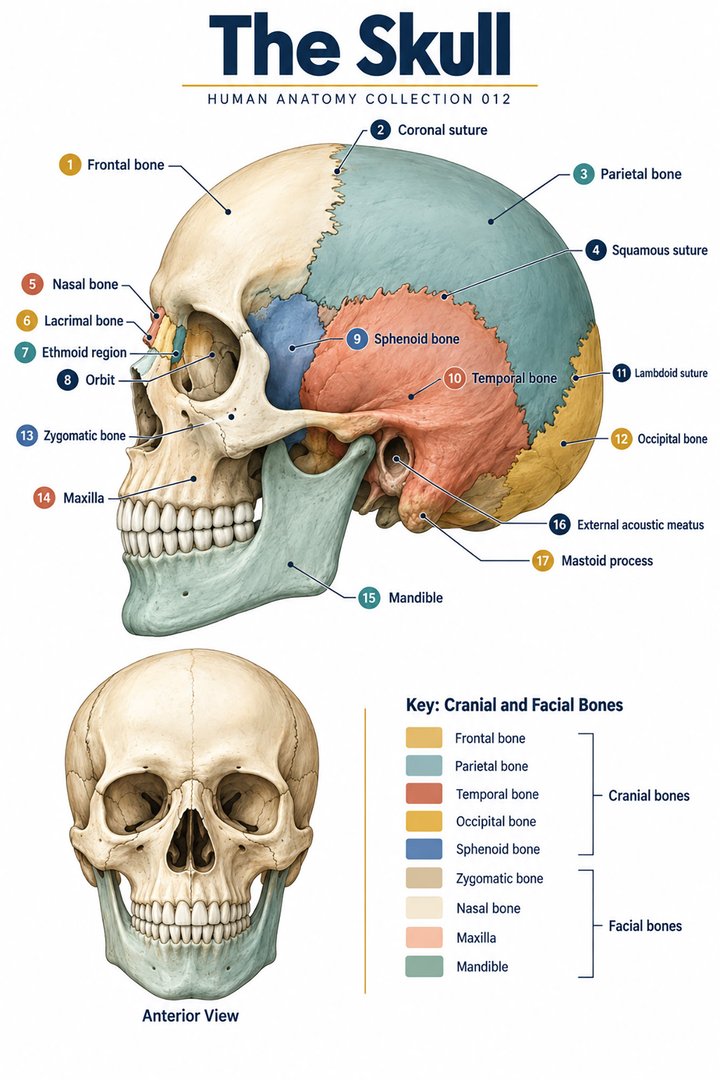 Human Skull Anatomy ↗
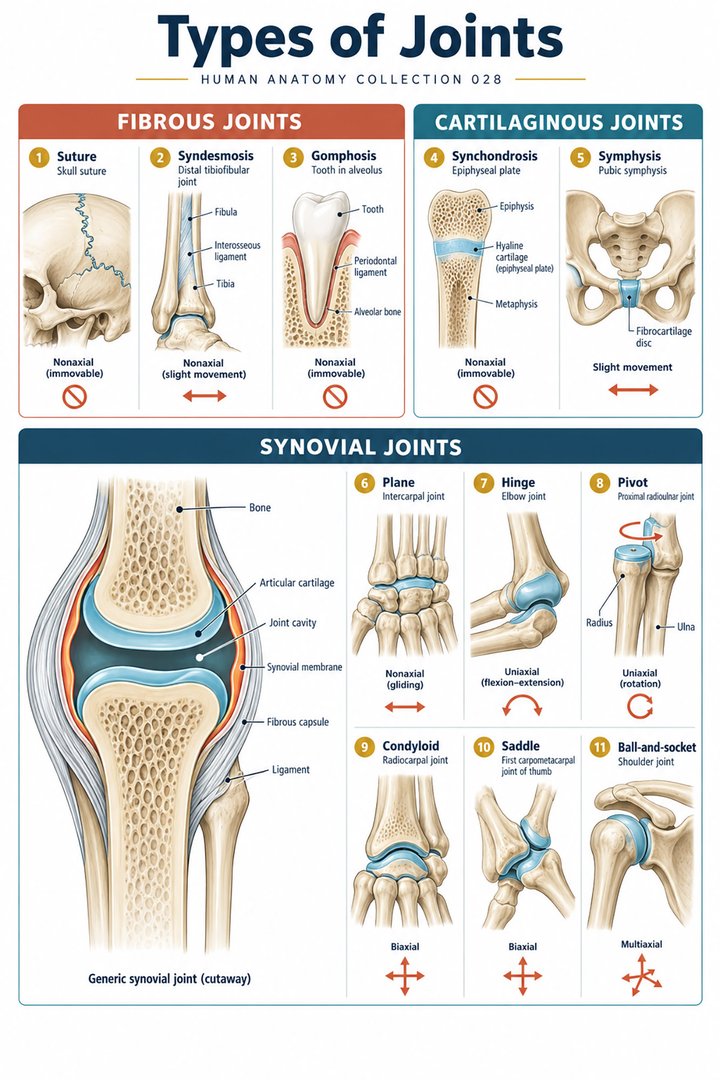 Human Joint Types ↗
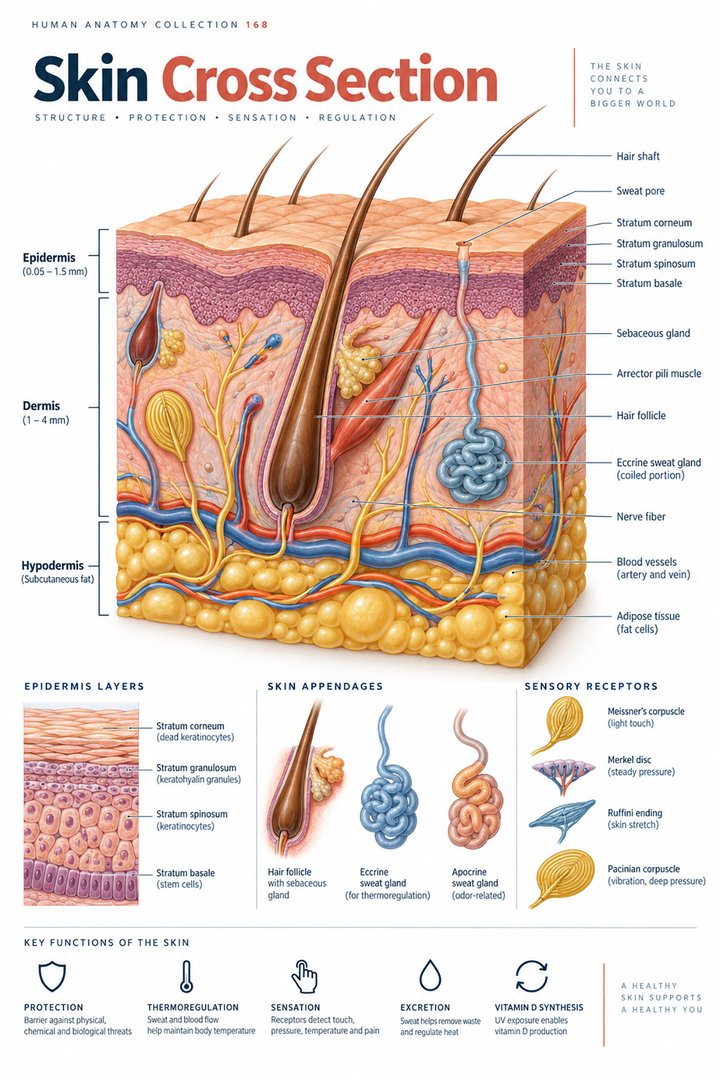 Human Skin Layers ↗
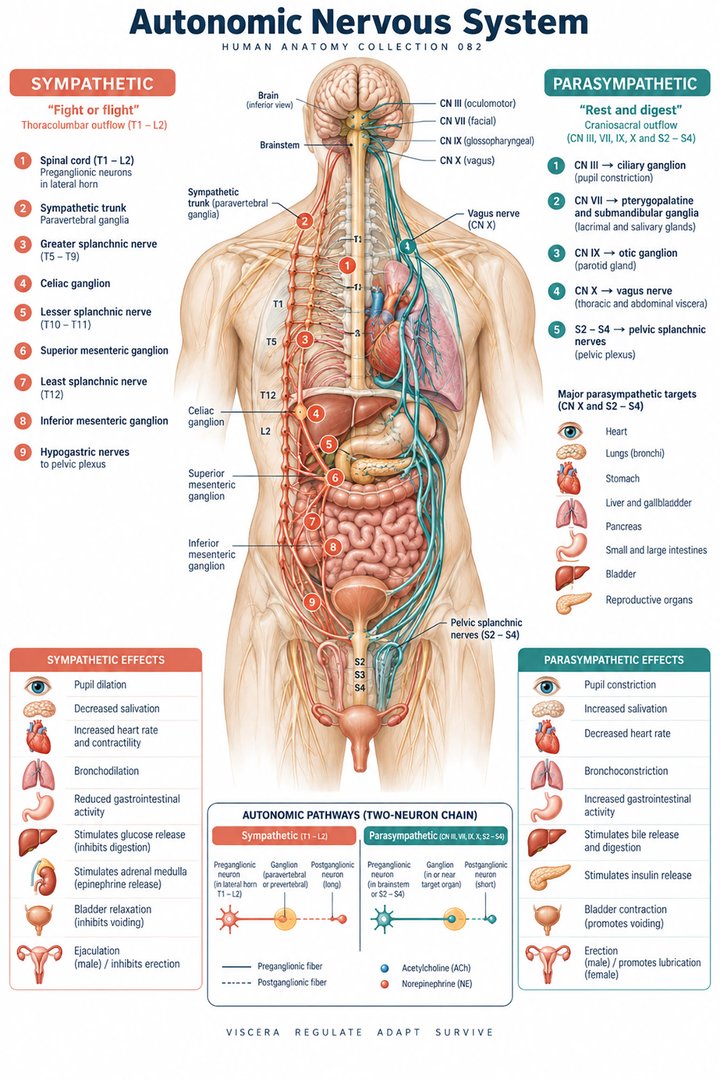 Autonomic Nervous System ↗
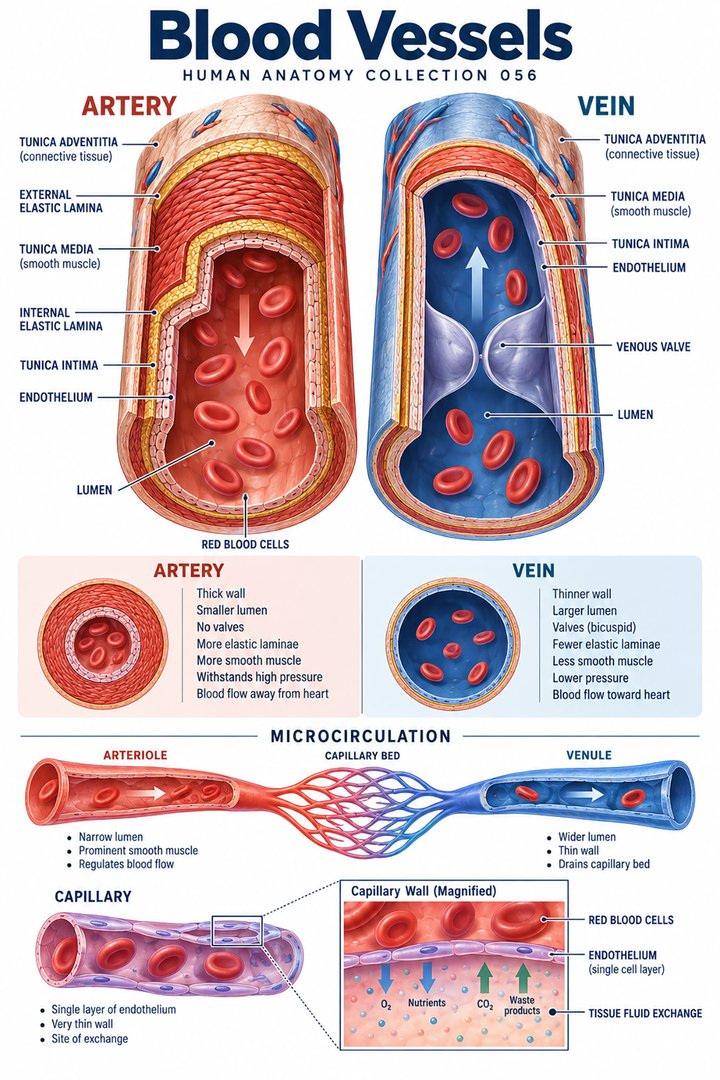 Human Blood Vessels ↗
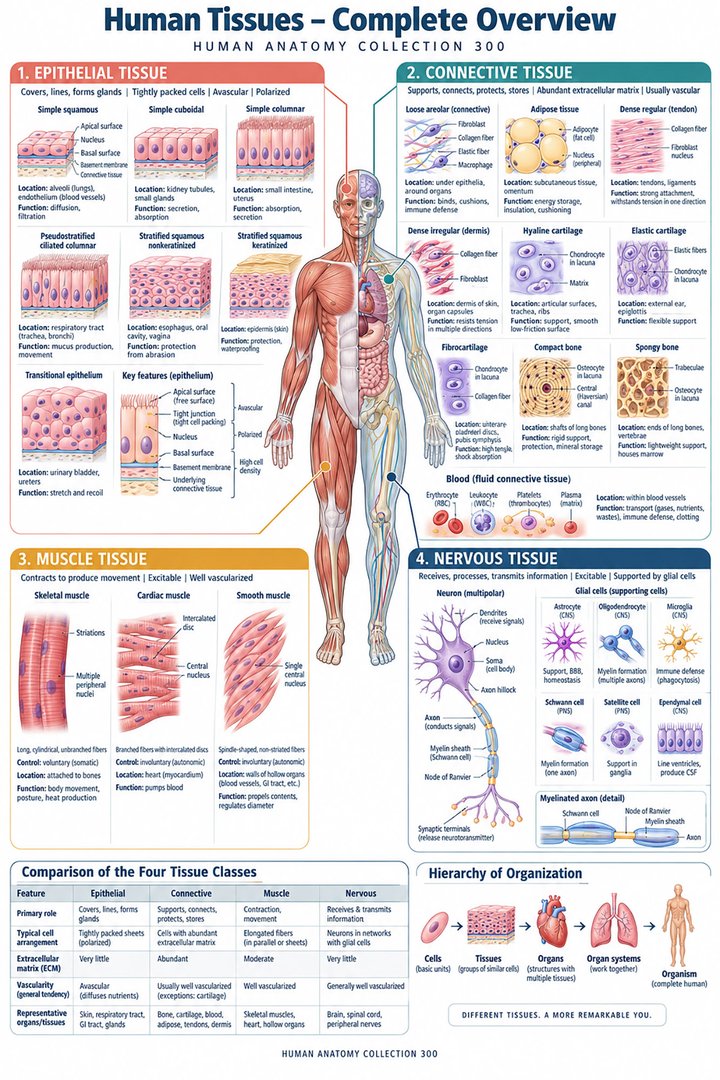 Human Body Tissues ↗
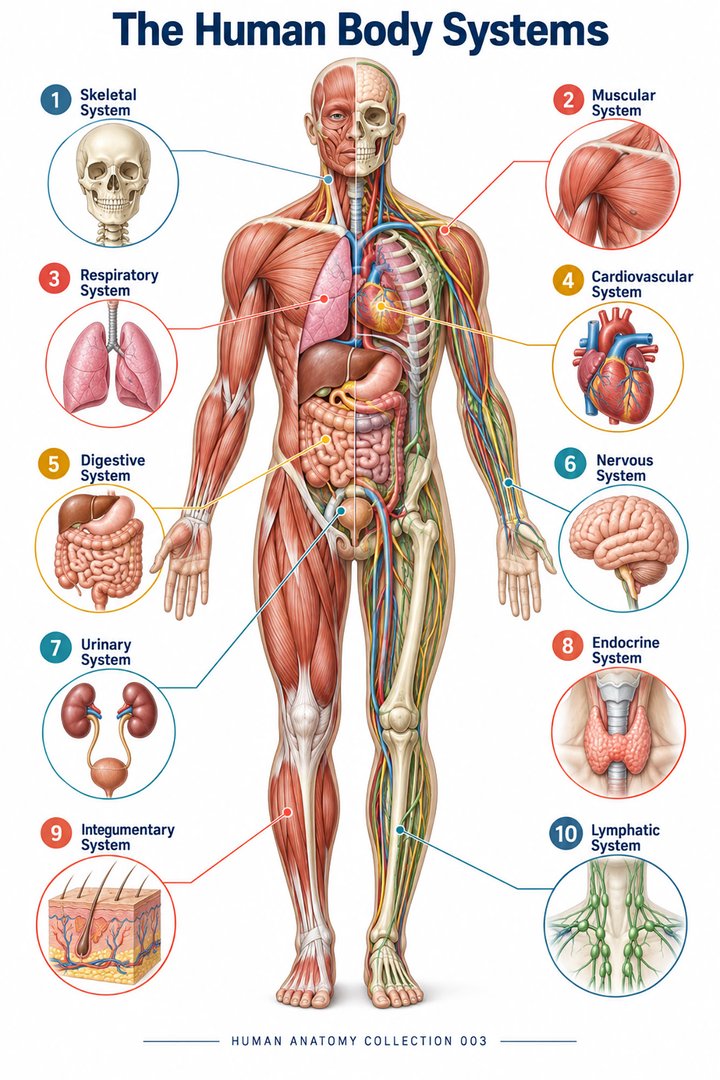 Human Body Systems ↗
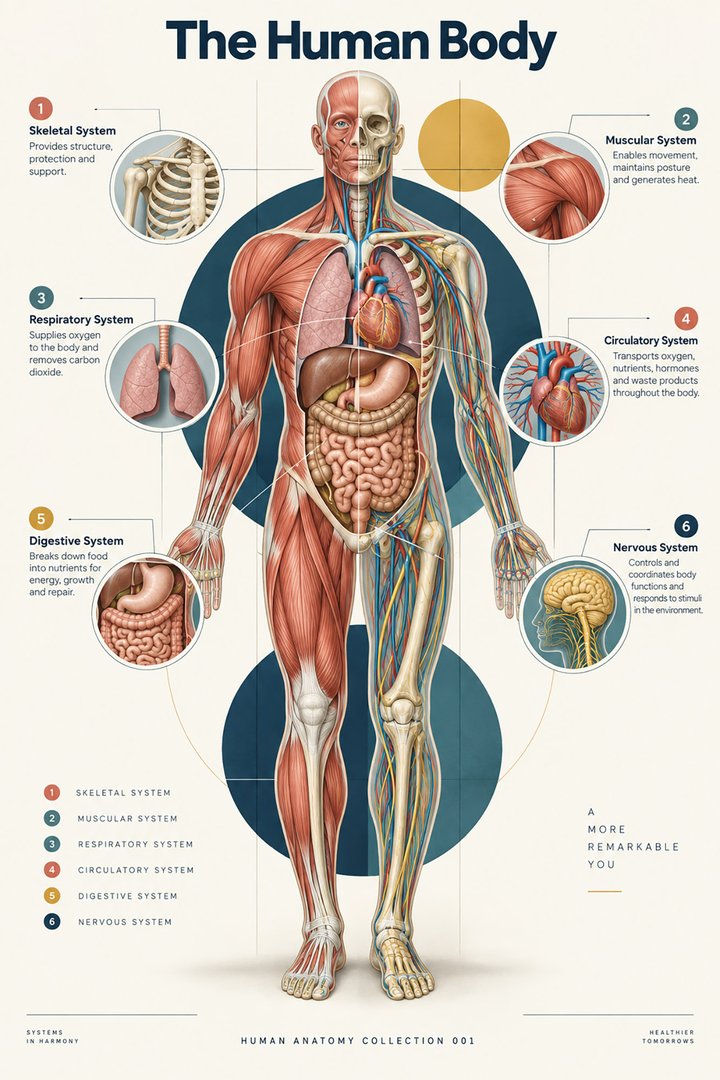 Human Body Facts ↗Human Anatomy and Physiology ↗
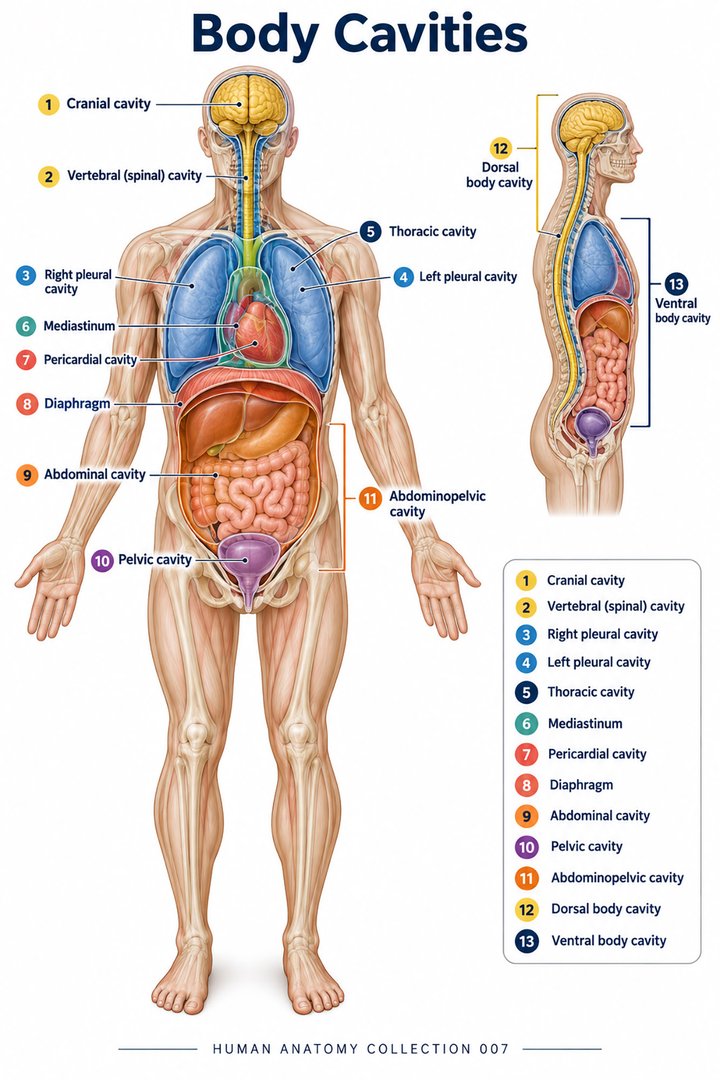 Human Body Cavities ↗Human Torso Anatomy ↗Human Digestive Tract ↗
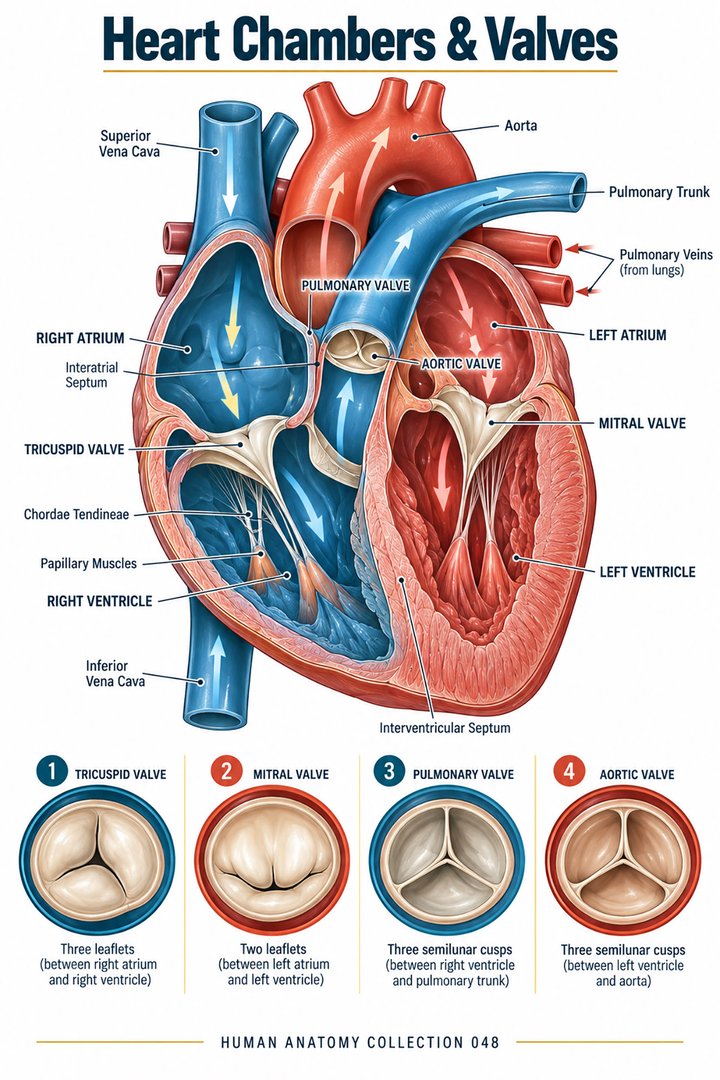 Human Heart Chambers ↗Human Organ Placement ↗
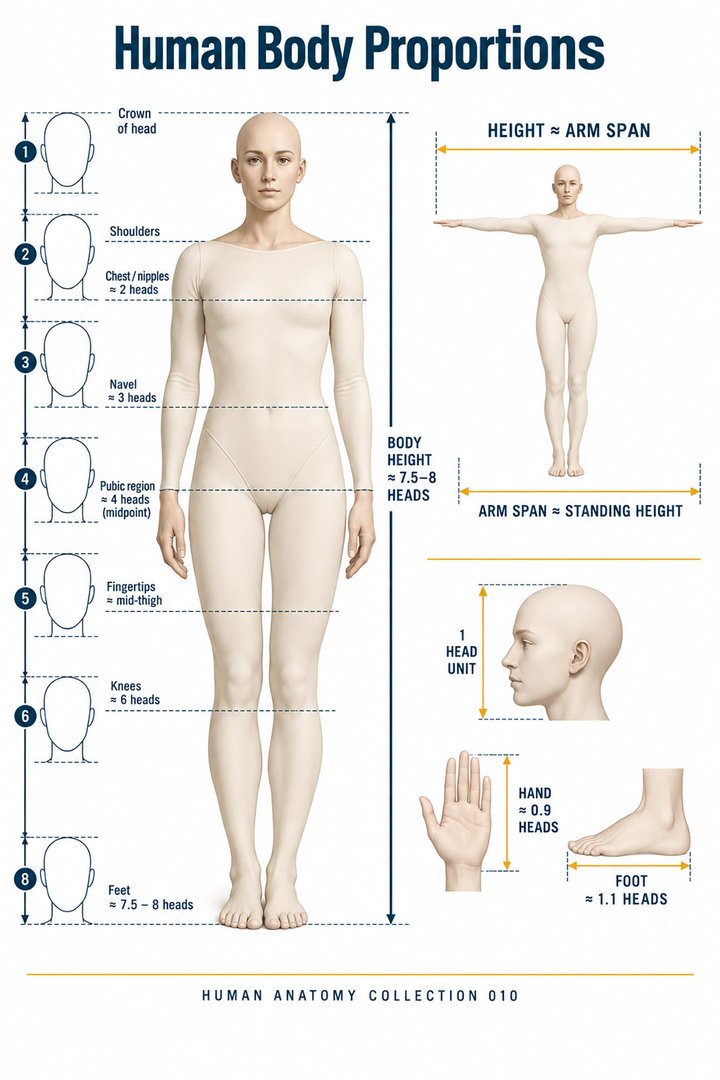 Human Body Proportions ↗
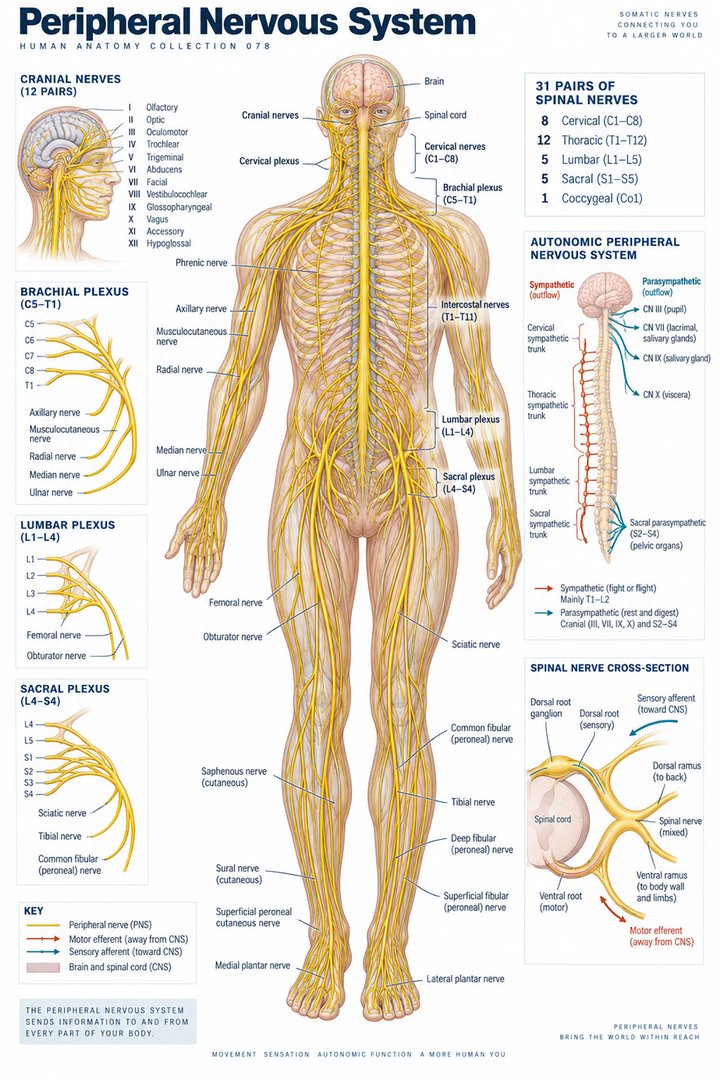 Peripheral Nervous System ↗
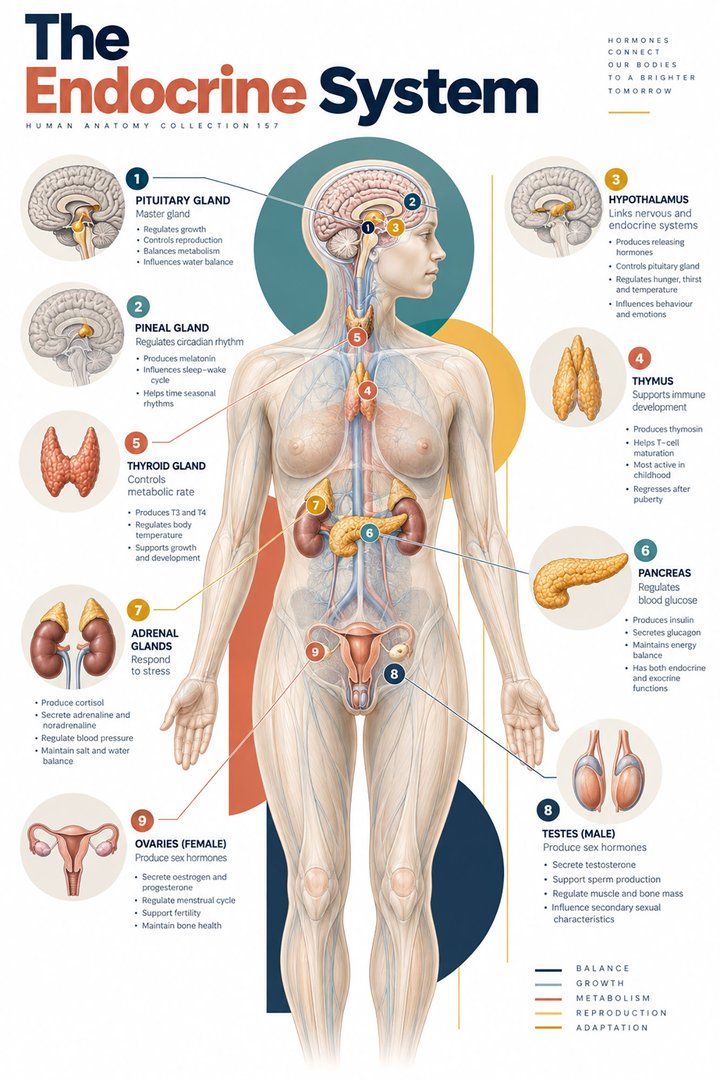 Human Endocrine Glands ↗
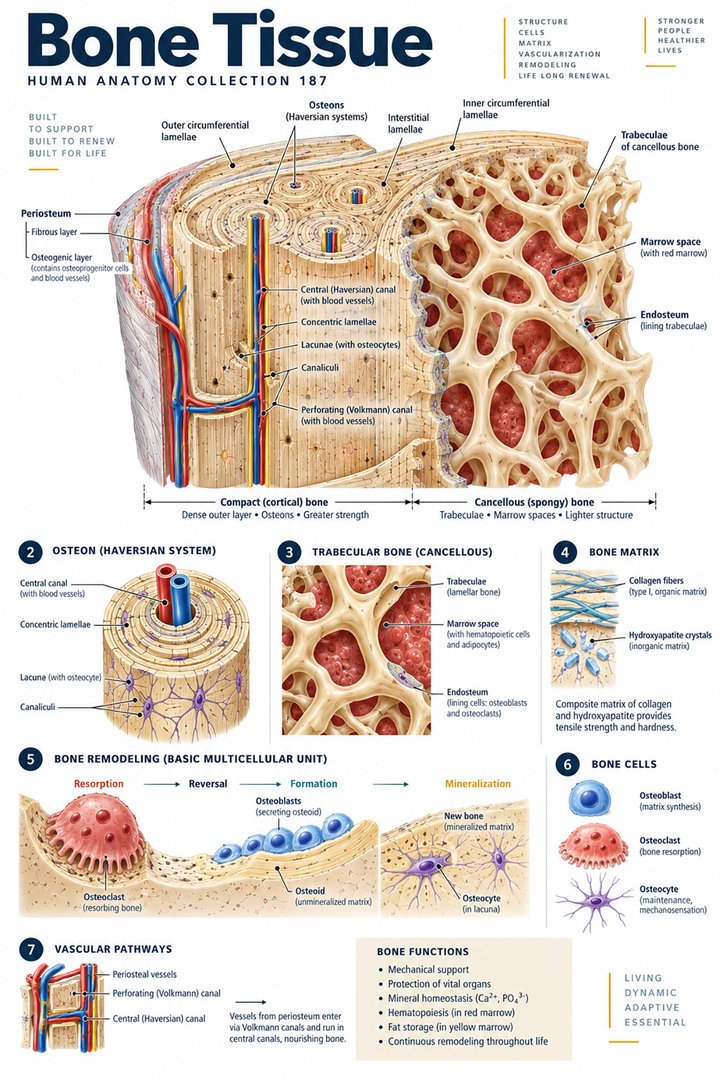 Human Bone Density ↗Human Blood Circulation ↗
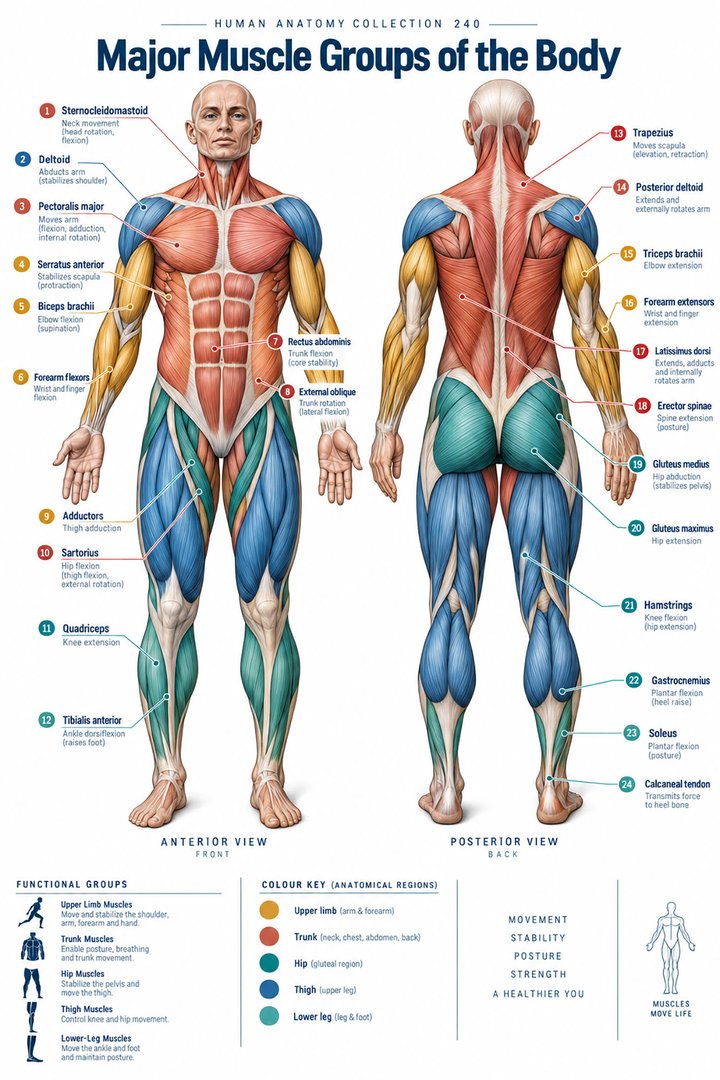 Human Muscle Groups ↗
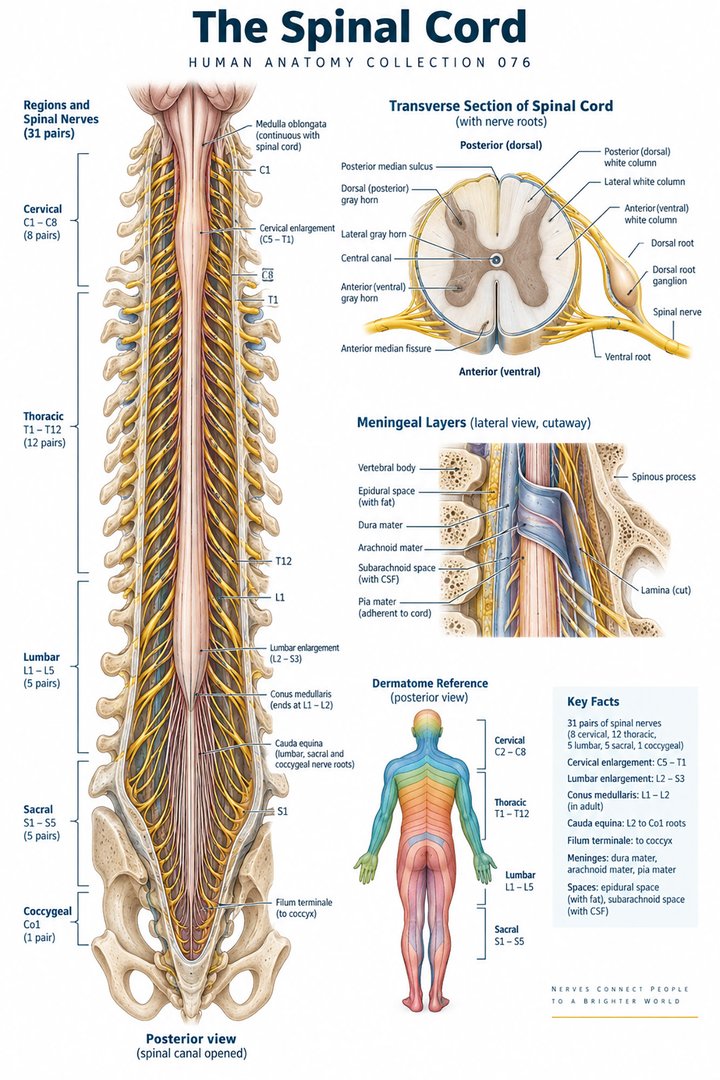 Human Spinal Cord ↗
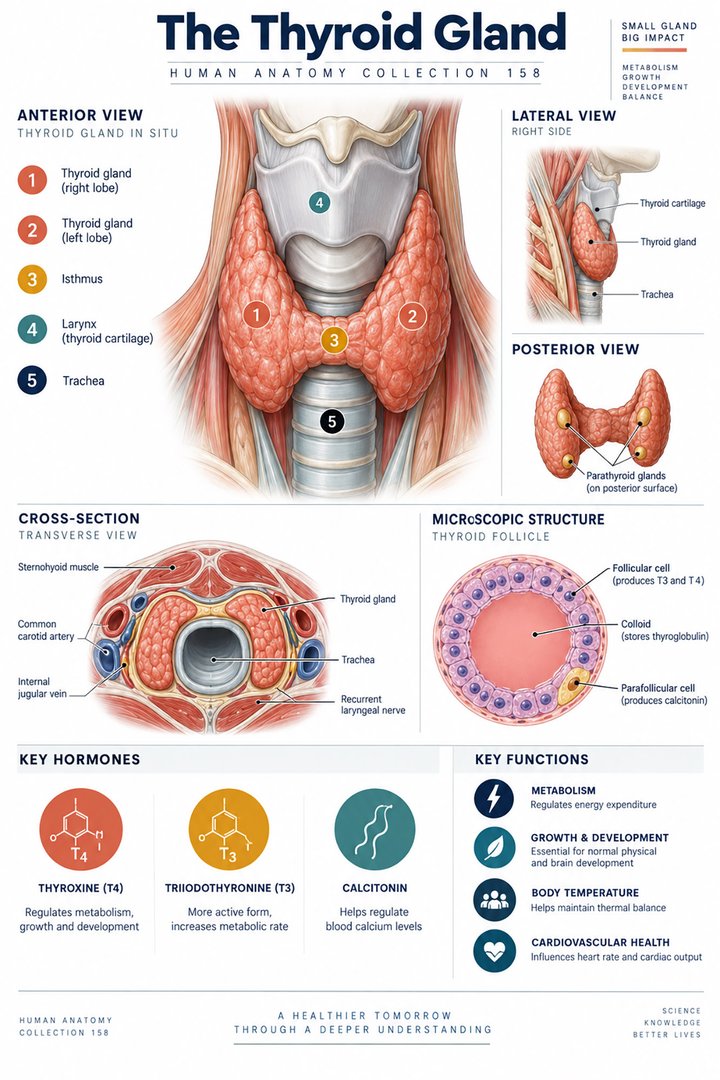 Human Thyroid Gland ↗
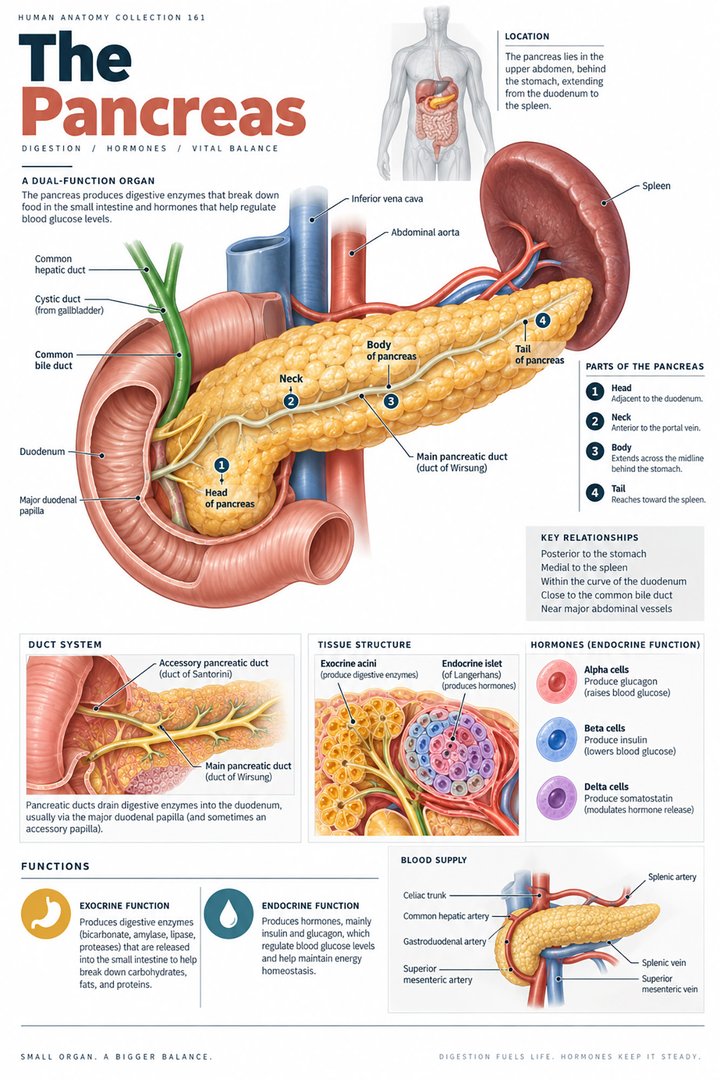 Human Pancreas Function ↗
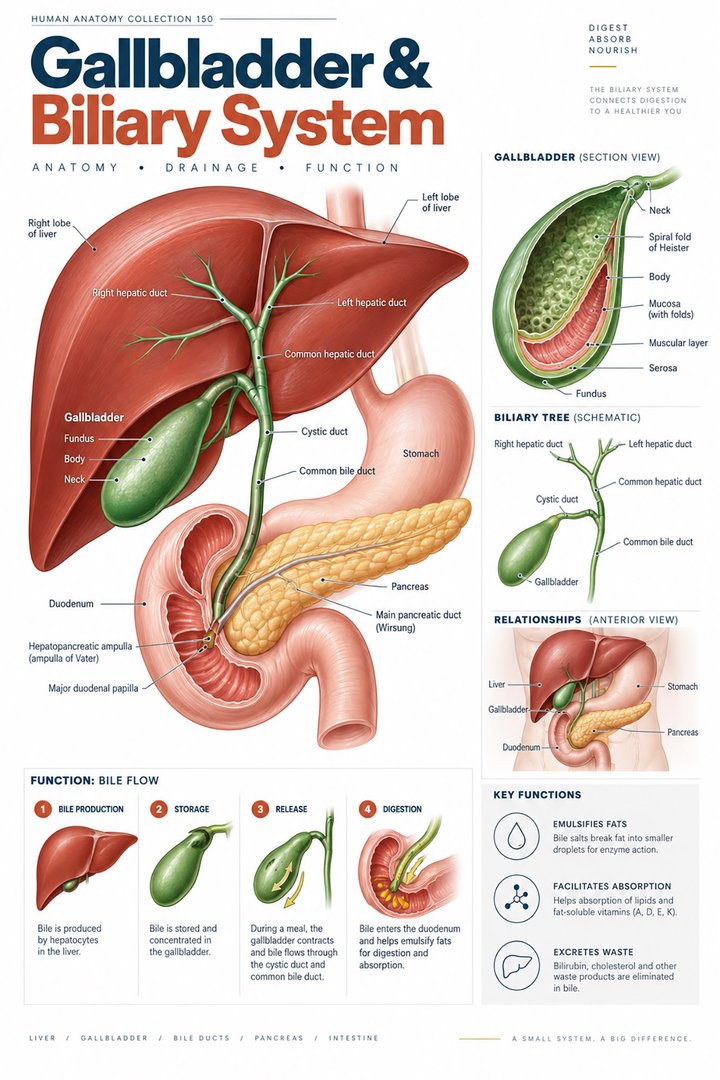 Human Gallbladder Anatomy ↗